The best mountain hikes in Pescara
4.9
(6)
33
hikers
5
hikes
Mountaineering in Pescara offers access to the Apennine Mountains, including the Gran Sasso d'Italia and Majella mountain ranges. The region is characterized by imposing rocky peaks, deep ravines, and high-altitude plateaus, with elevations exceeding 2,900 meters. This diverse landscape provides a range of challenging routes for mountaineers within the Gran Sasso and Majella National Parks.
Best mountaineering routes in Pescara
- The most popular mountaineering route is Monte Amaro loop from Rava del Ferro, a 5.6 miles (9.0 km) trail that takes 6 hours 46 minutes to complete. This difficult route ascends to the highest peak of the Majella massif.
- Another top favourite among local mountaineers is Monte Camicia summit – Fonte Vetica Hut loop from Camping Fonte Vetica, a difficult 4.8 miles (7.7 km) path. It leads through the Gran Sasso d'Italia massif, offering extensive views.
- Local mountaineers also love the Monte Focalone – La Maielletta loop from Rifugio Bruno Pomilio, a 9.9 miles (15.9 km) trail leading through the Majella mountain range, often completed in about 7 hours 15 minutes.
- Mountaineering in Pescara is defined by towering peaks, rugged terrain, and diverse ecosystems within the Gran Sasso and Majella National Parks. The network offers options for different ability levels, from challenging ascents to long-distance traverses.
- The routes in Pescara are highly rated by the komoot community with an average score of 4.9 stars from over 5 reviews. More than 30 mountaineers have used komoot to explore Pescara's varied terrain.
Last updated: October 8, 2026
4.8
(4)
15
hikers
Hard mountaineering route. Very good fitness required. Mostly accessible paths. Sure-footedness required.
5.0
(1)
10
hikers
9.05km
06:46
1,250m
1,250m
Hard mountaineering route. Very good fitness required. Sure-footedness, sturdy shoes and alpine experience required.

5.0
(1)
11
hikers
Hard mountaineering route. Very good fitness required. Sure-footedness, sturdy shoes and alpine experience required.
5.0
(1)
4
hikers
16.2km
07:27
1,080m
1,080m
Hard mountaineering route. Very good fitness required. Mostly accessible paths. Sure-footedness required.
4
hikers
10.7km
06:22
880m
880m
Hard mountaineering route. Very good fitness required. Sure-footedness, sturdy shoes and alpine experience required.
Our route recommendations are based on thousands of hikes, rides, and runs completed by other people on komoot.
Start today with a free account
Your next adventure awaits.
Popular around Pescara
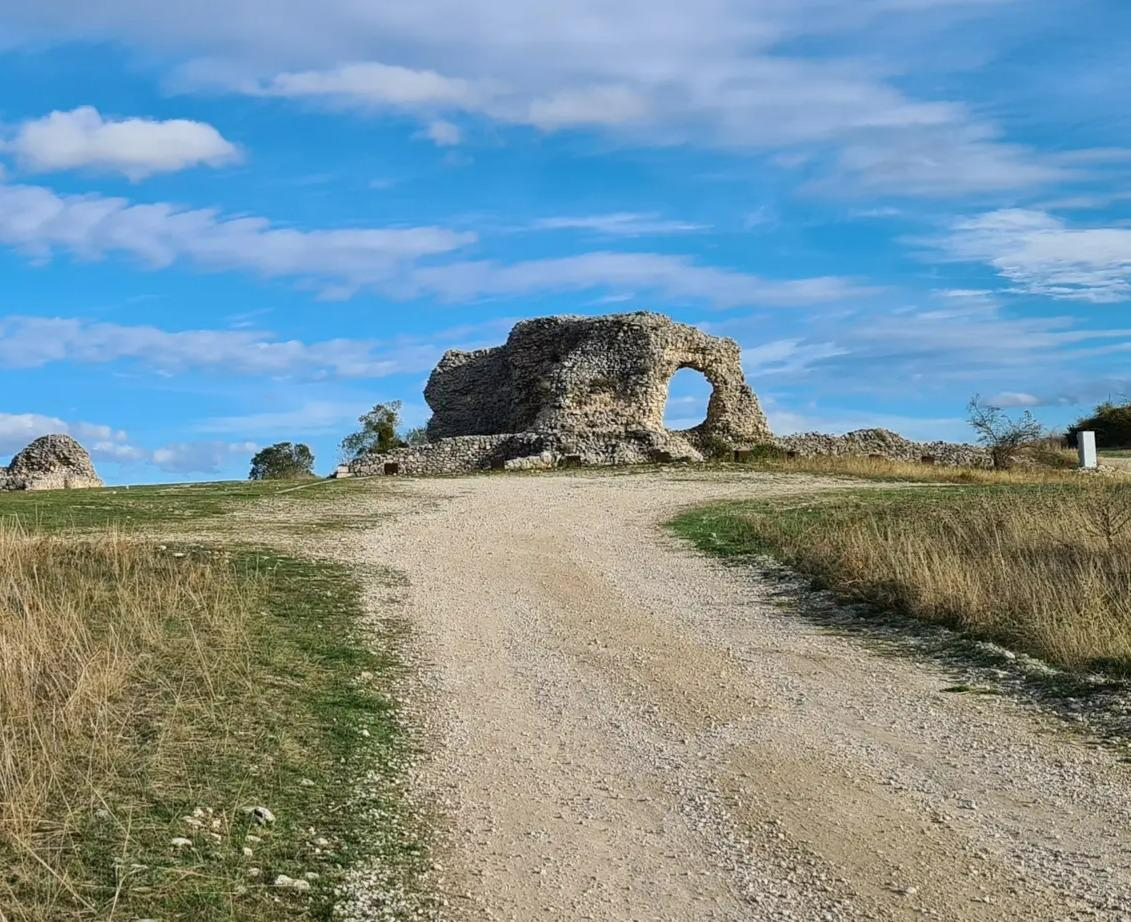
Tratturo Magno – On the roads of transhumance
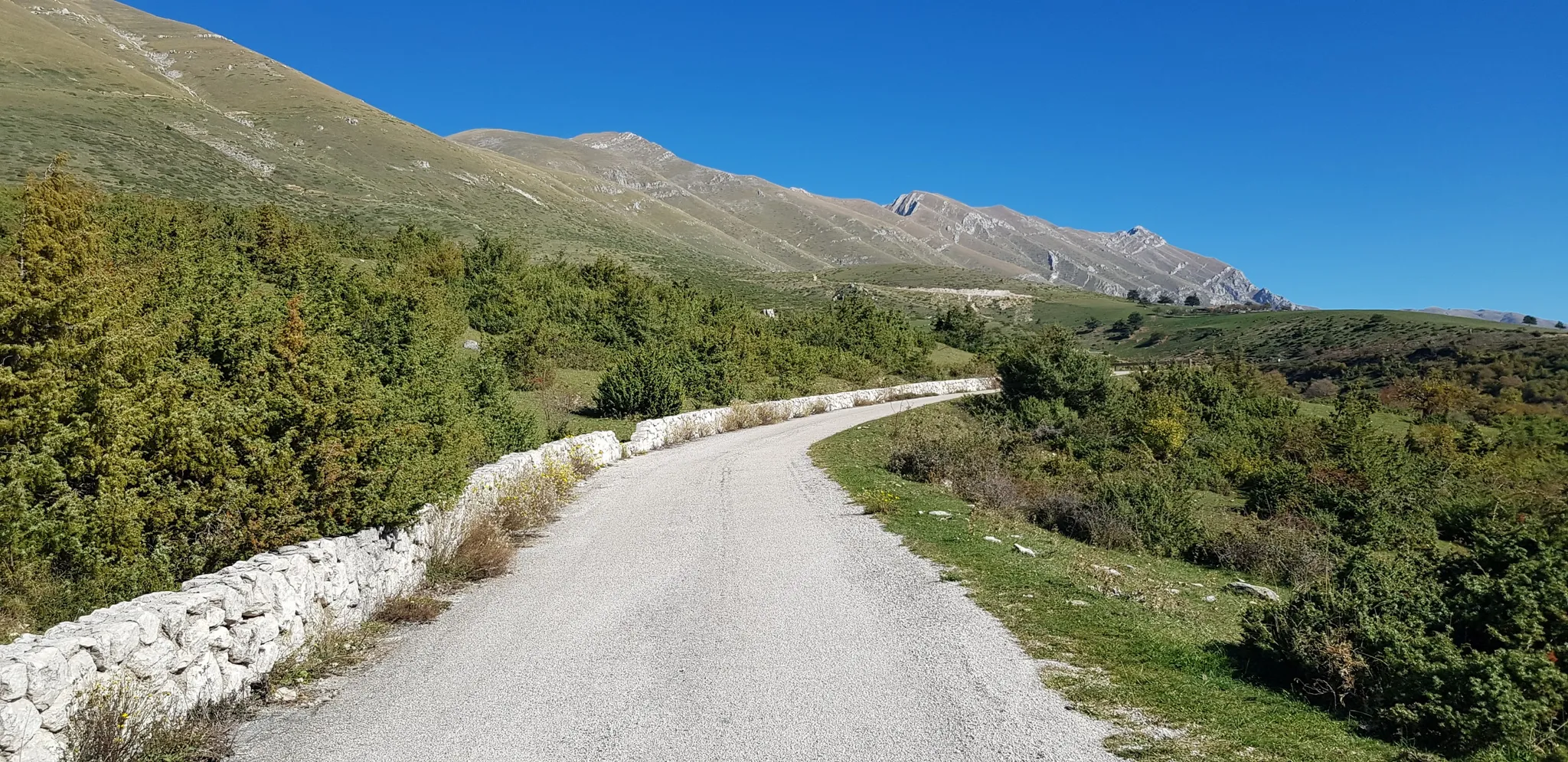
The Apennine Cycleway (Part 2) - From Umbria to Calabria
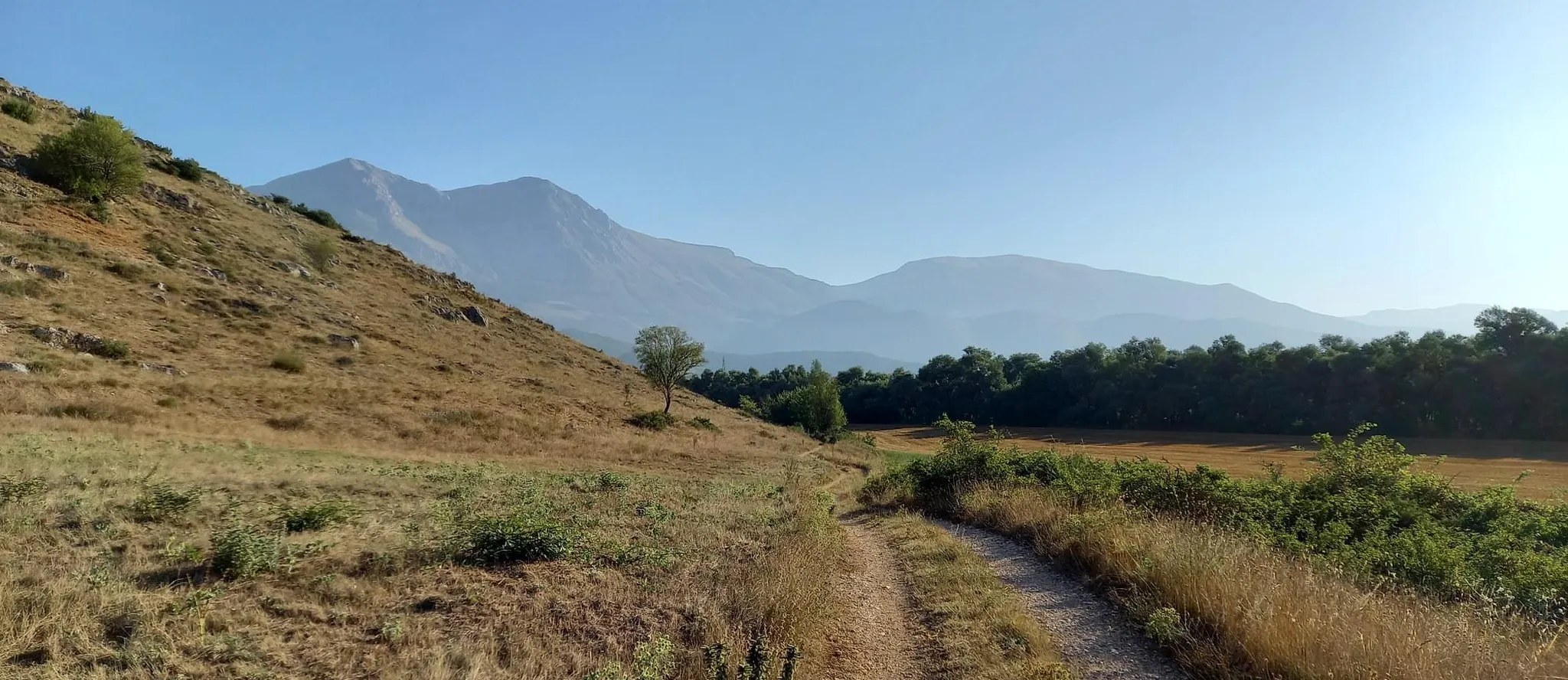
Hike from Rome to the Adriatic Sea – Way of St. Thomas
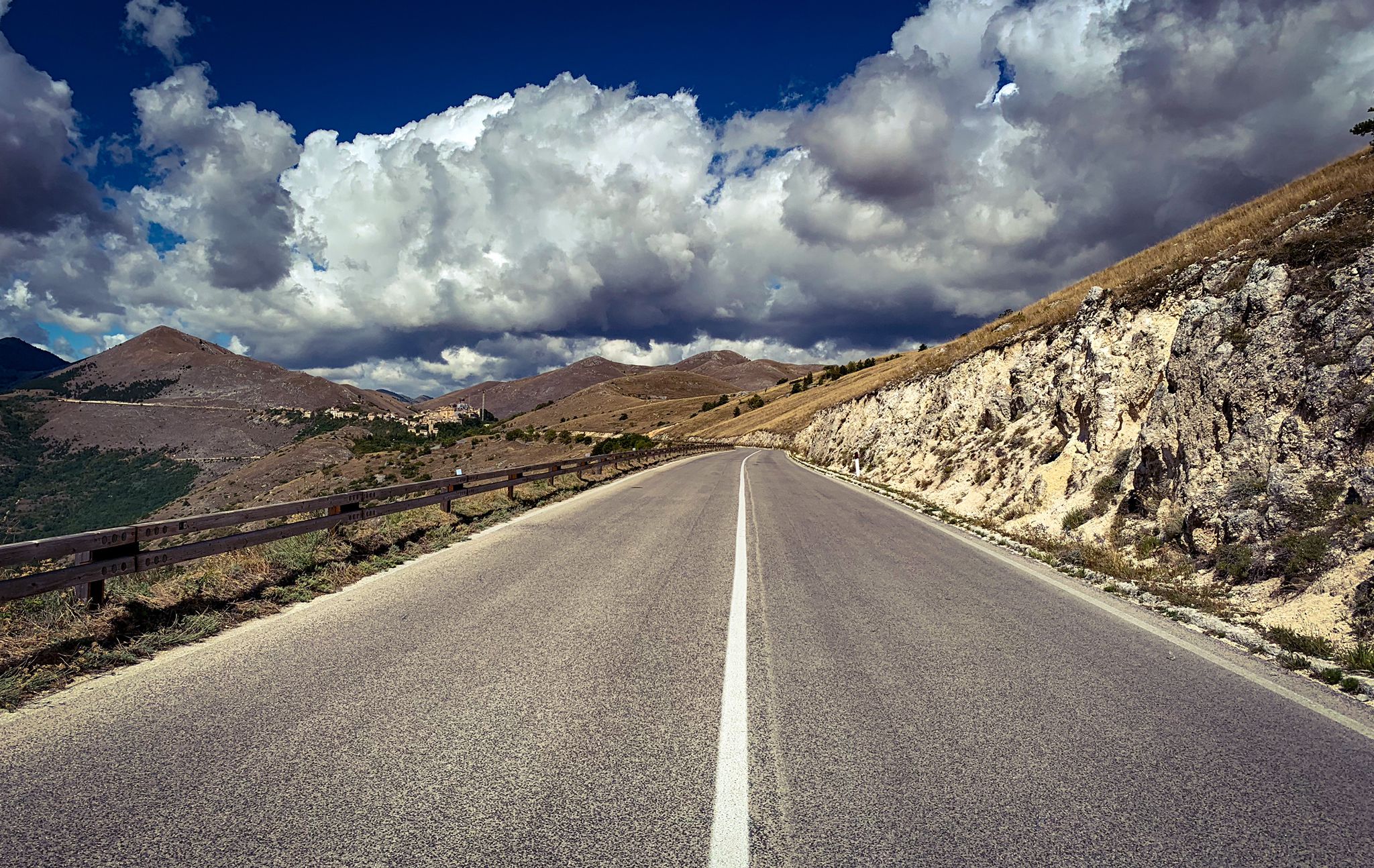
The Apennines to the Adriatic – cycling to discover Abruzzo
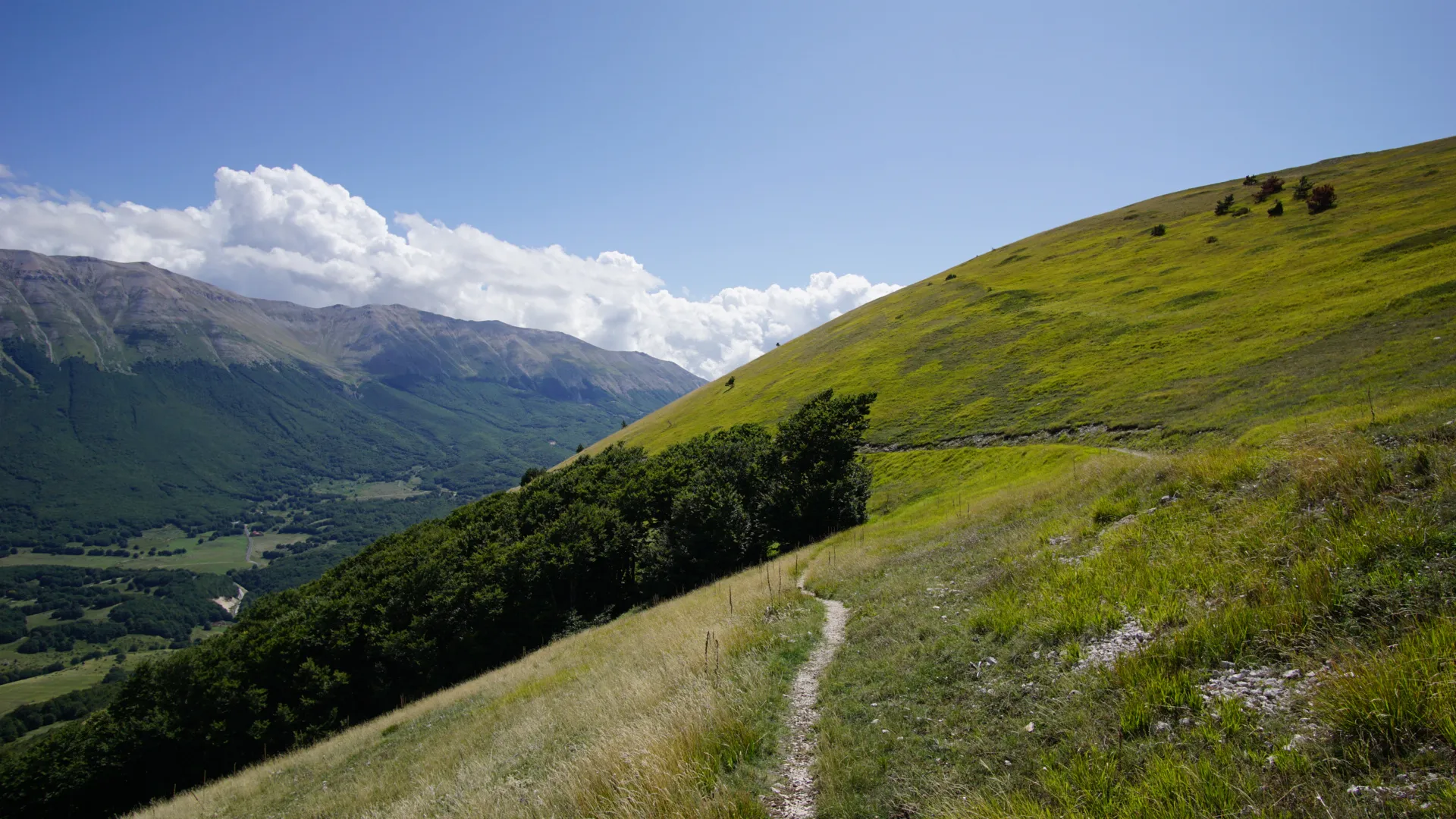
Exploring Italy’s Majella – Cammino di Celestino
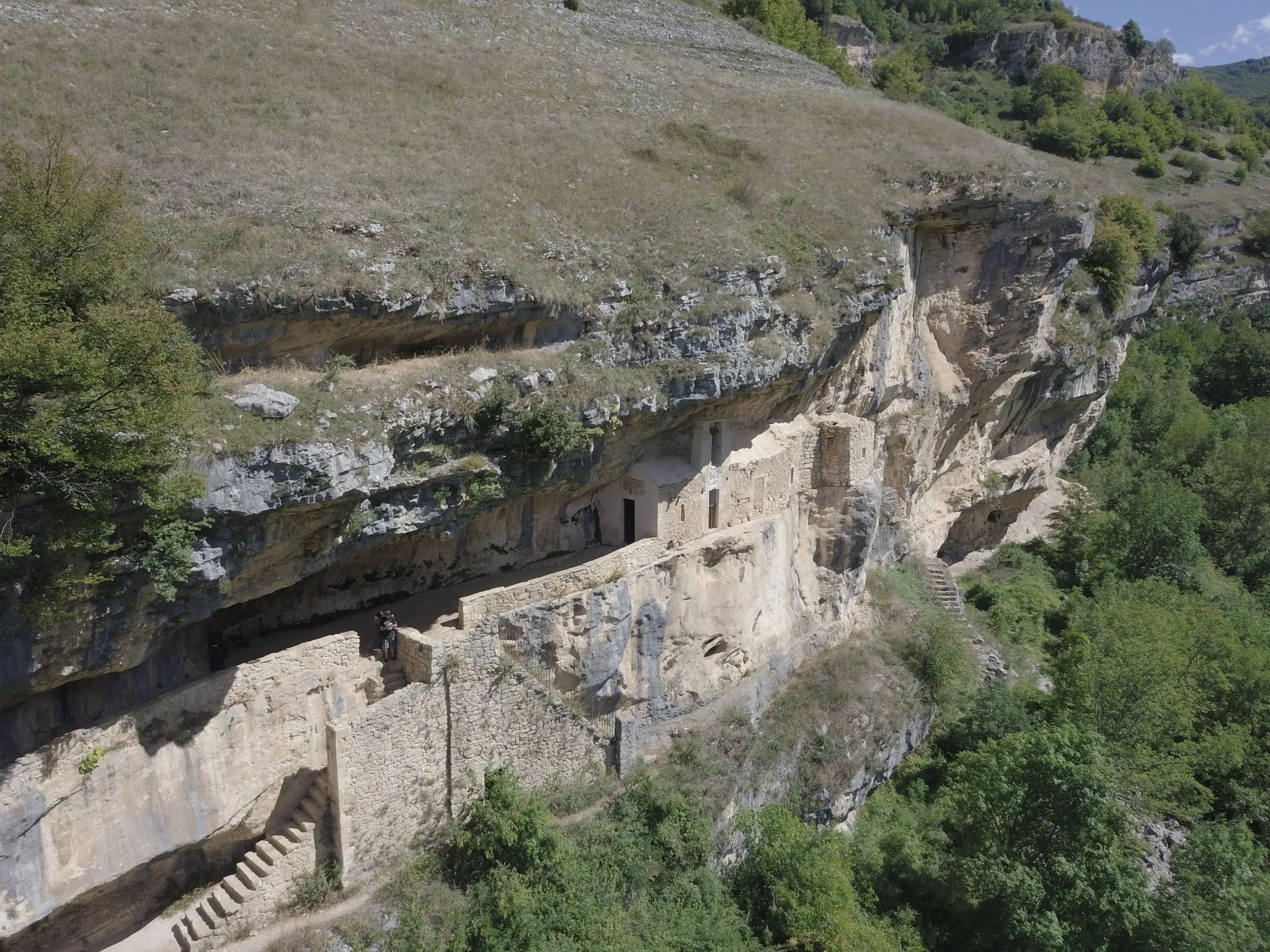
Hike Italy’s Majella National Park – Sentiero dello Spirito
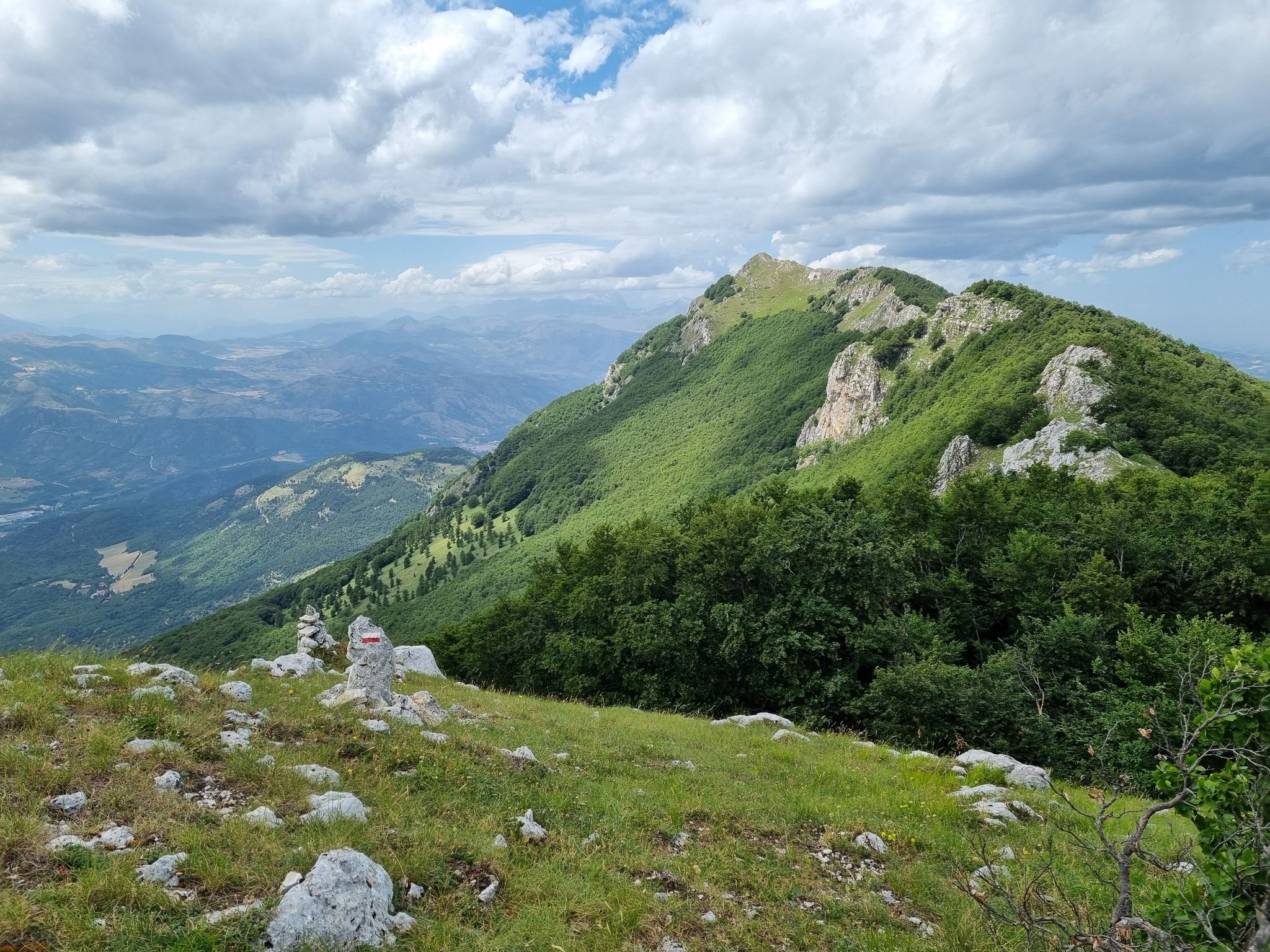
Through the green lungs of Abruzzo – Sentiero Italia
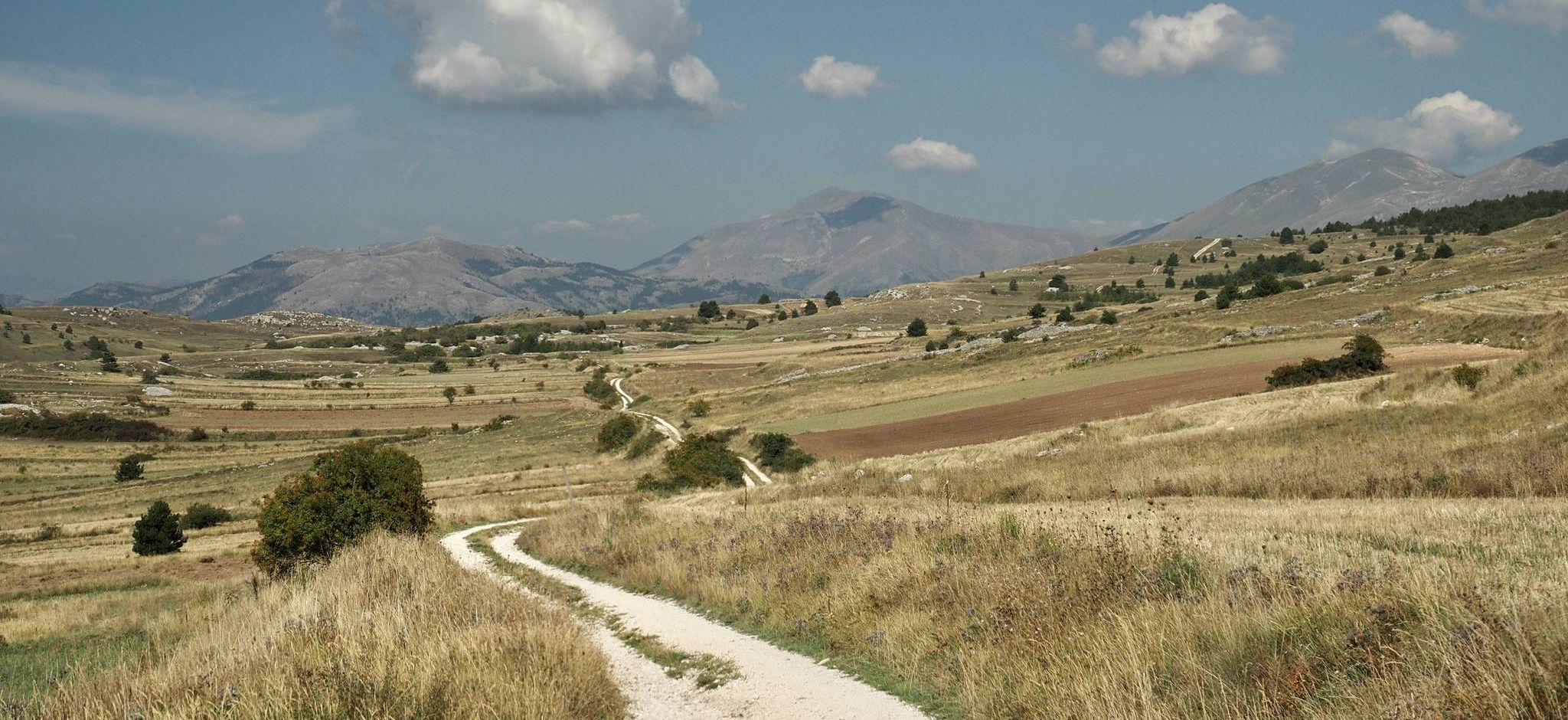
Bikepacking the Wolf's Lair – through Abruzzo in southern Italy
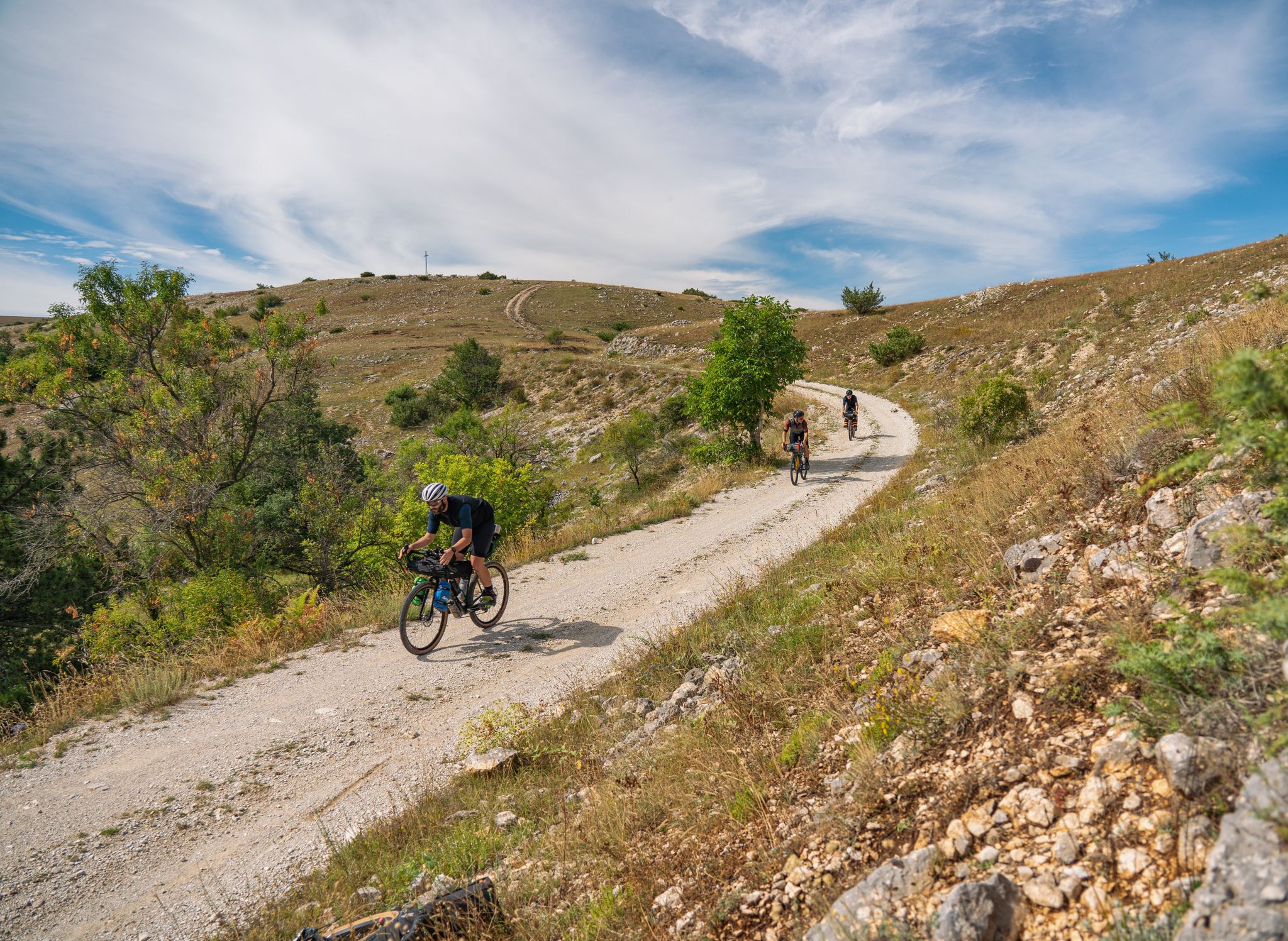
Following in the Footsteps of a Wolf – A Bikepacking Adventure
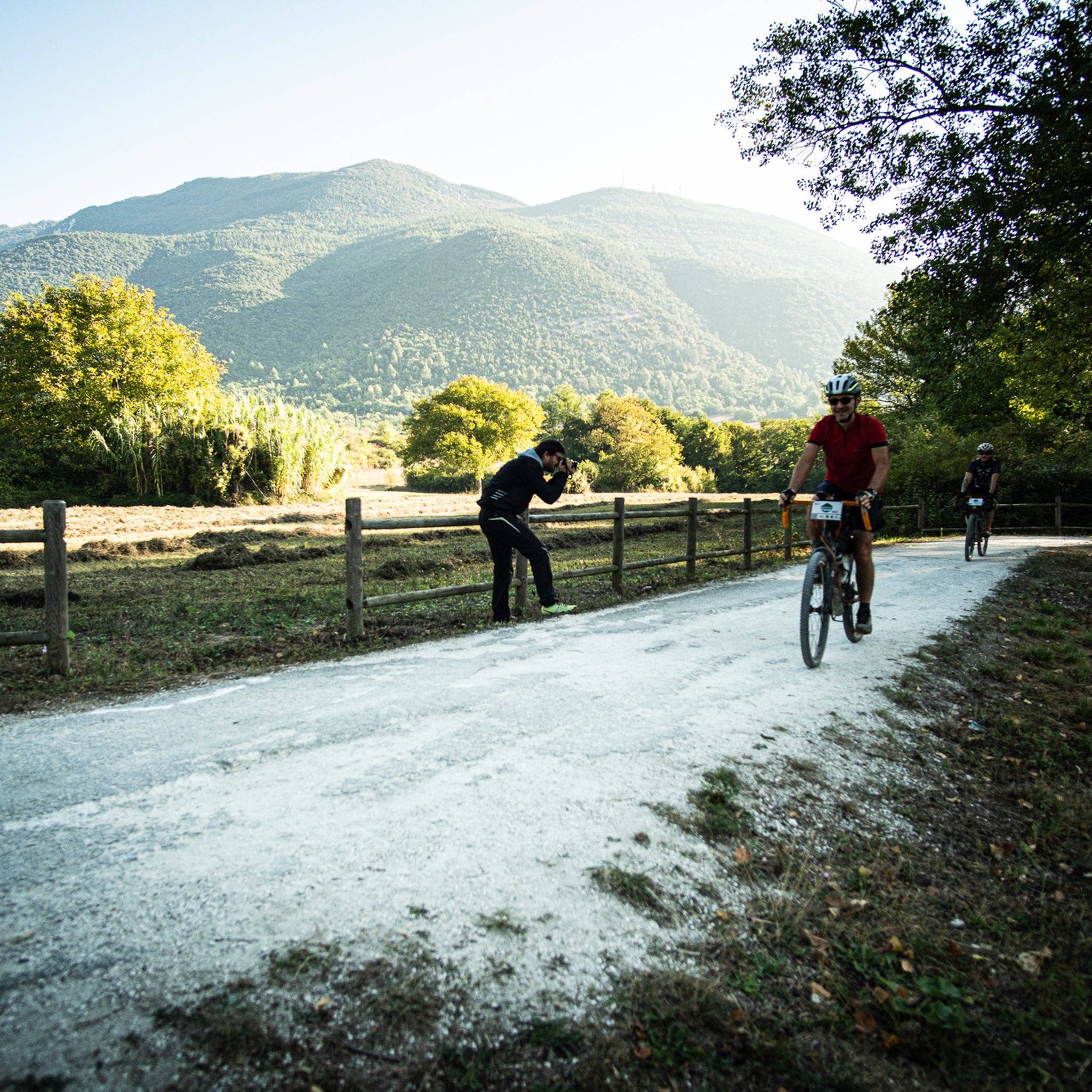
MTB Trails in Pescara
Other adventures in Pescara


Tips from the Community

The small sacred monument encountered on Monte AMARO is – in addition to the view on offer – perhaps also a fitting place for a brief moment of reflection. Christiane Völkel commented a few years ago on the wonderfully fitting sentence by the Italian poet Francesco Petrarca (who lived in the 14th century), "One always has the sky above oneself," as follows: "What's the use of praying? The question moves me (...) I have found the answer and the certainty for myself that when I pray I am with the Lord, or rather, that He is often noticeably closer to me when I pray than usual. This leaves me the opportunity to pour out my heart to Him (...) This familiarity with Him makes me believe in Him."
0
0

Spicy climb but the beautiful views on the way to the top are worth it to climb this highlight.
3
0
Rifugio Fonte Vetica is currently closed because the main building (the hotel-restaurant) was completely destroyed by a fierce, raging fire on the night of September 1st to 2nd, 2021. Since then, the catering and hotel facilities at that specific location have been unusable.
5
0


Arrival from Monte Prena and dislocation for Desiati bivouac, or continuing to the summit of Monte Camicia
0
0

Trekking poles are highly recommended. Windproof clothing is recommended.
1
0
Given the steepness, trekking poles are recommended.
0
0
Frequently Asked Questions
How many mountaineering routes are available in the Pescara region?
The Pescara region offers a number of mountaineering routes, with 8 tours currently mapped on komoot. Most of these, 7 out of 8, are classified as difficult, indicating challenging terrain suitable for experienced mountaineers. There is also one moderate route available for those seeking a less strenuous ascent.
What kind of terrain can I expect on mountaineering routes near Pescara?
Mountaineering routes near Pescara primarily traverse the Apennine Mountains, specifically the Gran Sasso d'Italia and Majella ranges. You can expect imposing rocky peaks, deep ravines, and high-altitude plateaus, with many peaks exceeding 2,900 meters. The terrain often involves rugged ascents and varied landscapes within the national parks.
Are there any circular mountaineering routes available?
Yes, several mountaineering routes in the Pescara area are circular. For instance, you can explore the challenging Monte Amaro loop from Rava del Ferro, which ascends to the highest peak of the Majella massif. Another option is the Monte Camicia summit – Fonte Vetica Hut loop from Camping Fonte Vetica, leading through the Gran Sasso d'Italia massif.
What are some notable peaks or landmarks I might encounter on these routes?
The region is home to significant peaks like Monte Amaro (2,793 m) in the Majella massif and Monte Camicia in the Gran Sasso d'Italia. You might also encounter Blockhaus Peak, offering views from the Apennine peaks to the Adriatic Sea, or Monte Focalone (2,676 m), a crossroads for various paths. Historical sites like Rocca Calascio, a defensive outpost, also offer magnificent views.
Are there any options for advanced mountaineers seeking a challenge?
Absolutely. The Pescara region is ideal for advanced mountaineers, with 7 out of 8 routes classified as difficult. Iconic and challenging routes include the Monte Amaro loop from Passo San Leonardo, offering extensive views across the Majella range, and the Monte Focalone – La Maielletta loop from Rifugio Bruno Pomilio, which is a longer and demanding ascent.
What is the best time of year for mountaineering in Pescara?
The best time for mountaineering in the Pescara region generally depends on the specific route and your experience. For high-altitude routes like the Mount Amaro Trail, summer is often recommended, particularly when starting from the Pomilio refuge. During winter, the area offers opportunities for ski mountaineering and snowshoeing at resorts like Campo Imperatore.
Are there any interesting natural attractions or points of interest near the mountaineering trails?
Yes, the region boasts several natural attractions. You can explore the scenic Orfento Valley canyon within the Majella National Park, or discover the Alento River Waterfalls. There are also beautiful lakes such as Lago di Penne and Lake Capodacqua, which can be found nearby.
What do other mountaineers enjoy most about the routes in Pescara?
The mountaineering routes in Pescara are highly rated by the komoot community, with an average score of 5.0 stars from 2 reviews. Users often praise the towering peaks, rugged terrain, and diverse ecosystems found within the Gran Sasso and Majella National Parks, highlighting the challenging ascents and the rewarding panoramic views.
Are there any specific permits required for mountaineering in the national parks?
While general access to the Gran Sasso e Monti della Laga National Park and Majella National Park is usually open, it's always advisable to check with the respective park authorities for any specific regulations or permits required for certain areas, especially for climbing or protected zones. For more information on the Gran Sasso region, you can visit italia.it.
Can I find any via ferrata routes in the Pescara area?
Yes, for those seeking a blend of trekking and rock climbing, the Via Ferrata degli Angeli near Roccamorice offers unique sensations and magnificent views of the surrounding canyons. This route requires specific equipment and is suitable for experienced individuals.
What kind of wildlife might I encounter while mountaineering?
The natural parks around Pescara are home to diverse flora and fauna. While mountaineering, you might have the chance to spot golden eagles soaring overhead, or even encounter Apennine wolves and the rare Marsican brown bears, enhancing the natural immersion of your experience.
Are there any routes that offer views of ancient hermitages?
Yes, the region offers opportunities to visit ancient hermitages carved into rock, often involving stiff climbs and varied terrain. These historical sites provide a unique cultural element to your mountaineering adventure, blending natural beauty with centuries of history.
Most popular routes in Pescara
Most popular attractions in Pescara

Get inspired with the komoot mobile app


