Top 20 Lakes in Gran Canaria
Lakes in Gran Canaria primarily consist of artificial reservoirs, known as "presas," which are crucial for the island's water supply and offer diverse landscapes. These man-made lakes are often situated within dramatic ravines and mountainous terrain, contributing to the island's unique ecosystem. Gran Canaria's interior features these bodies of water, providing areas for recreation and observation. The island also includes a few natural lagoons and wetlands.
Best lakes in Gran Canaria
- The most popular lakes is Ayagaures Dam, a…
Last updated: June 25, 2026
Ayagaures Dam
Highlight • Lake
Showing Translation
Tip by

Los Hornos Dam
Highlight • Lake
Translated by Google •
Tip by

Sign up now to discover places like this
Get recommendations on the best single tracks, peaks, & plenty of other exciting outdoor places.
Sign up for free
Pool with view of the Azulejos
Highlight • Natural Monument
Translated by Google •
Tip by

Chira Dam
Highlight (Segment) • Lake
There is also construction work going on at the moment, we actually wanted to go back up to the reservoir.
But still a nice round.
Translated by Google •
Tip by

El Charco de la Paloma
Highlight • Waterfall
Translated by Google •
Tip by

Sign up for free to discover even more lakes in Gran Canaria.
Sign up for free
Already have an account?
Start today with a free account
Your next adventure awaits.
Login or Signup
Popular around Gran Canaria
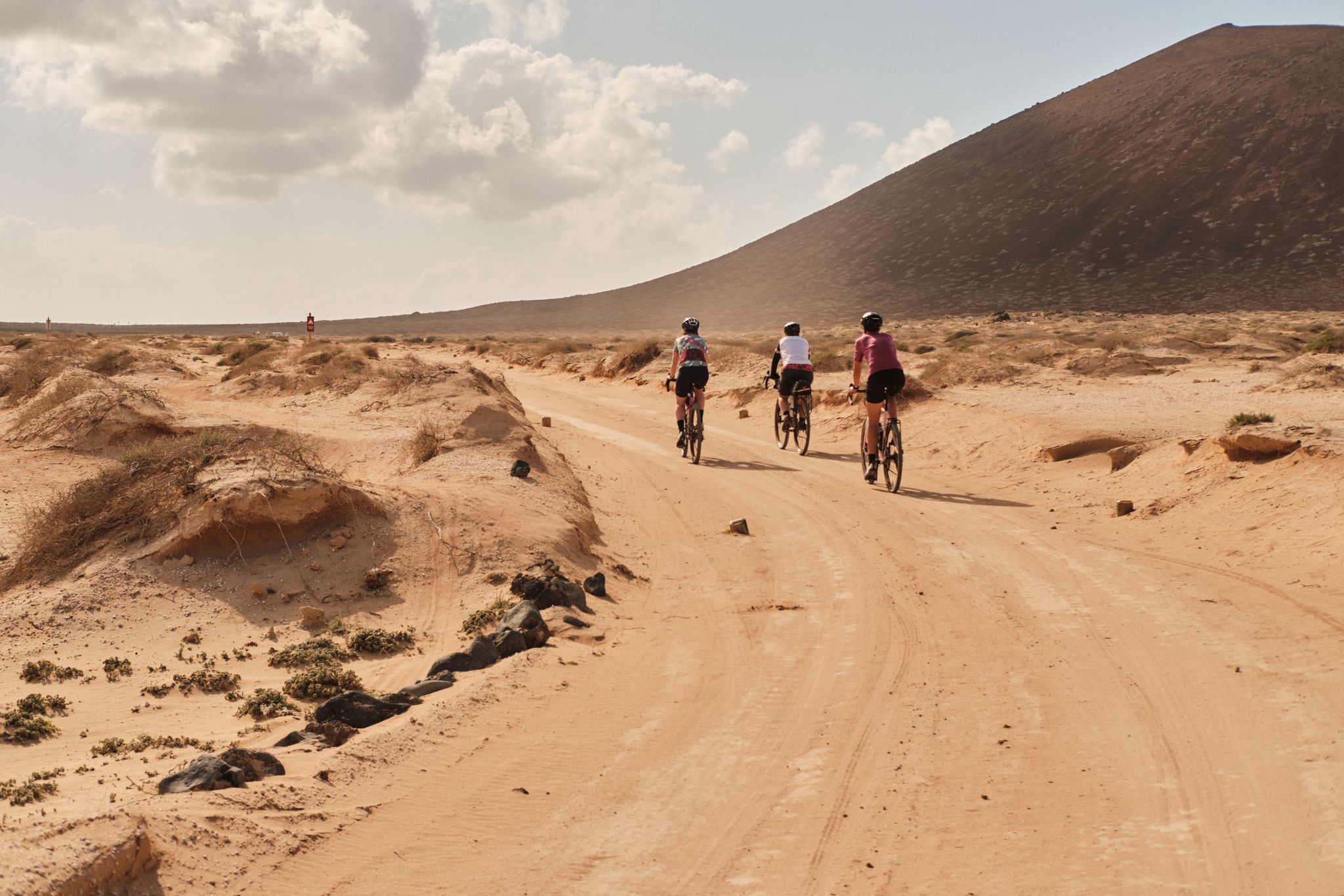
GranGuanche gravel – Komoot women's rally 2023
GranGuanche Audax Trail – my first ultra race on the Canary Islands
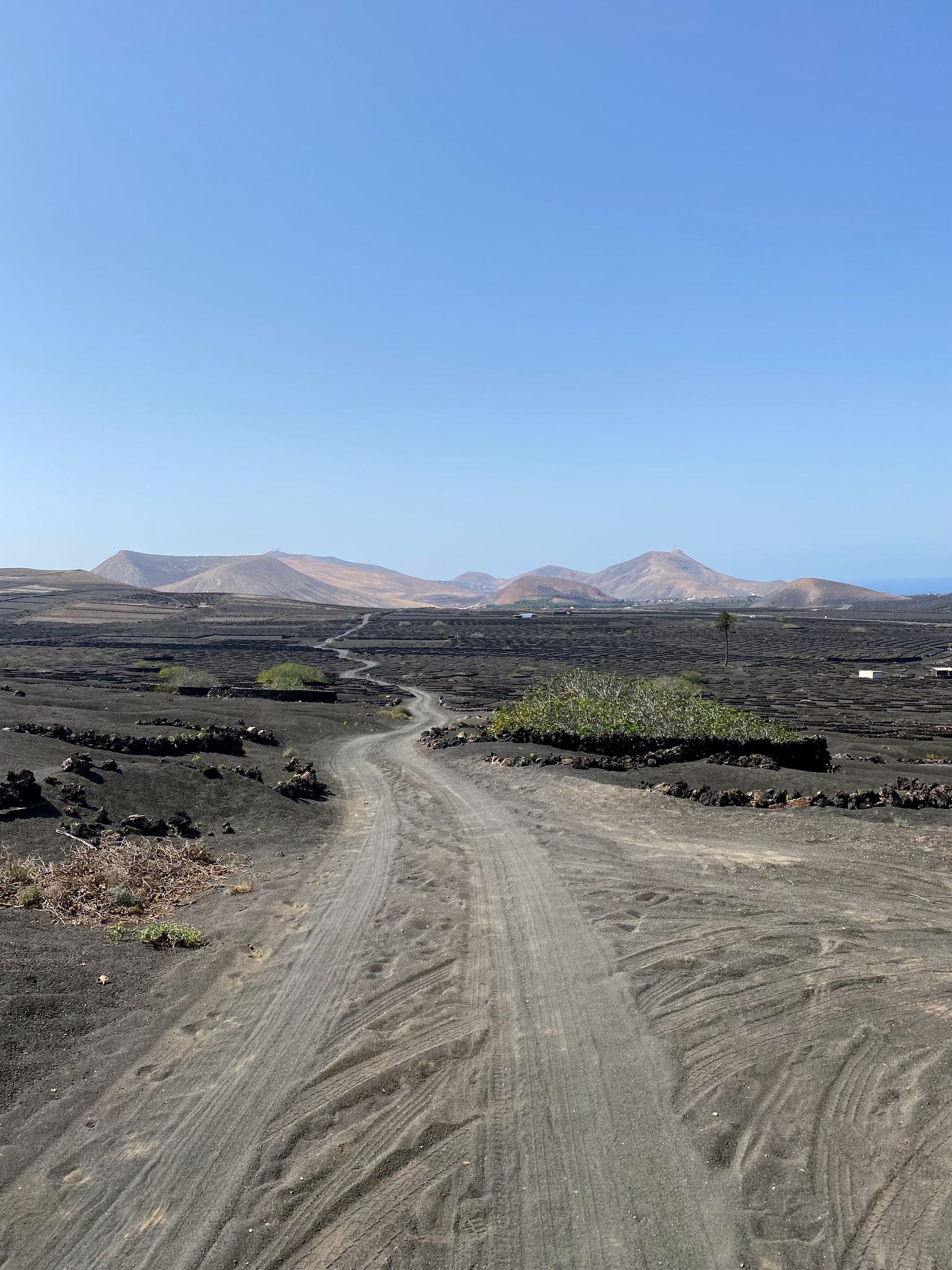
Bikepack in the Canary Islands – surprising adventures in the sun
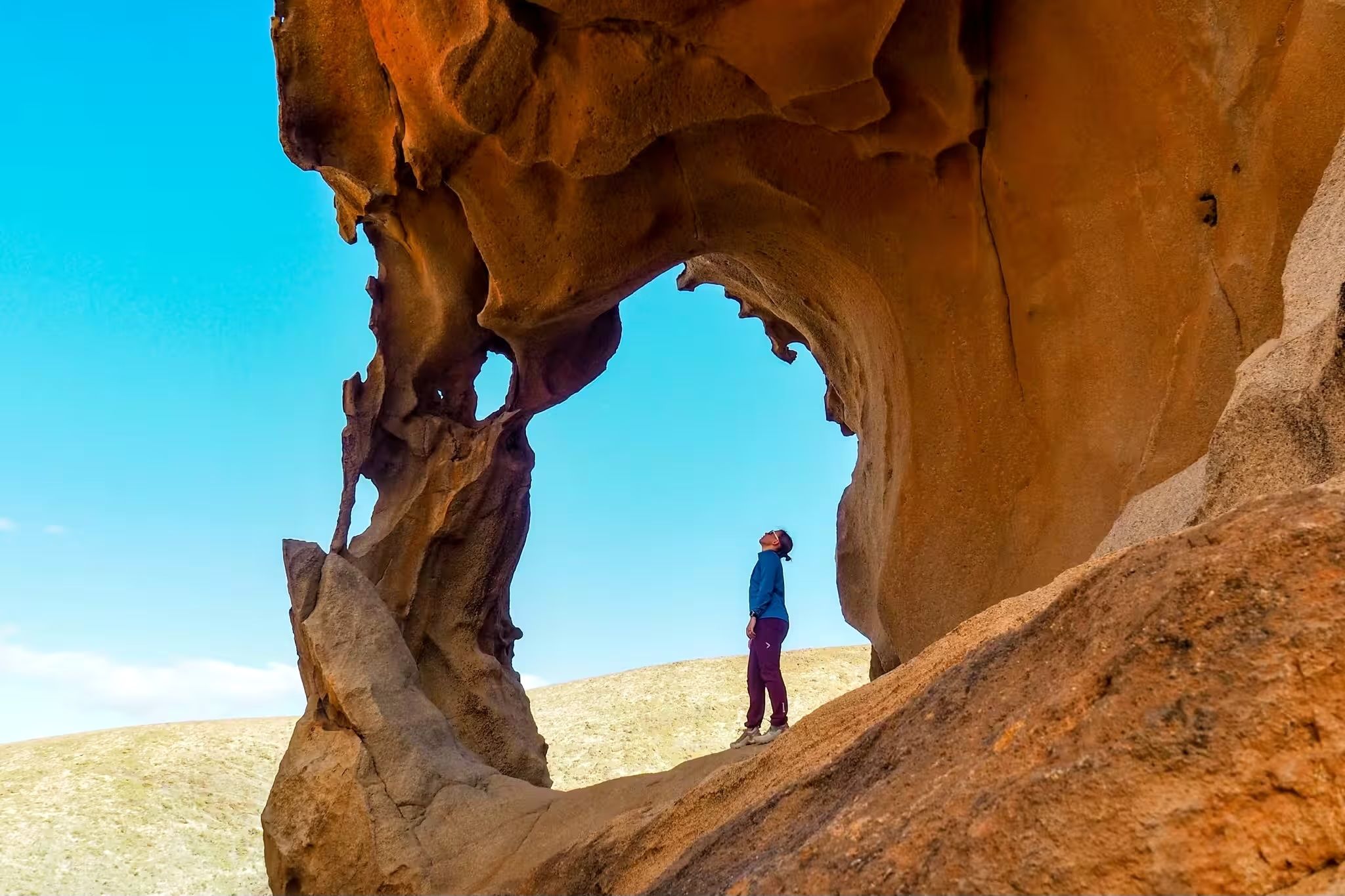
Canary Islands at a slow pace – six hikes immersed in nature
Six fascinating ways to discover the Canary Islands on foot
The challenge of the year — Transgrancanaria Classic
An island of contrasts – crossing Gran Canaria
GranGuanche Audax Gravel — five islands in two and a half days
Escape to the south — road cycling in Gran Canaria
Hiking in Gran Canaria
Other adventures in Gran Canaria


Tips from the Community

After the recent rainfall, there is currently plenty of water for the small waterfall.
0
0

These "pools" are small holes that sometimes contain a little water. There are also frogs here, so these pools are probably not intended for swimming or suitable if you respect nature - even if the name "pool" used here suggests that.
0
1

The Charcos Azules of Los Azulejos in Veneguera should not be confused with El Charco Azul de Agaete near El Risco. The water has become rare here due to the dry years. The best chance is in spring. If it has rained for a long time, you can enjoy beautiful scenery here, such as water reflections or a refreshing swim. https://saldelatlantico.com/de/excursiones-en-las-islas-canarias/charcos-azules-azulejos-venegueras
1
0

Be sure to wear hiking boots, it's steep and there are lots of loose rocks along the way. But it's worth the climb.
5
1

In August there is no water to be seen anywhere. Just a few dried edges in the pools. Not recommended at this time of year...
3
0

Los Hornos Dam Viewpoint The Los Hornos Dam or Cumbre Dam has a height of 1,565 meters above sea level. It dates from 1933, but was later enlarged. Made of ordinary masonry, it reached a height of 27 m and had a capacity of 697,000 m3 of water, which flows between ditches and tunnels towards the municipalities of Arucas and San Mateo.
3
1
The waterfall and the filled reservoir in front of it are probably best admired during the "rainy season" in autumn and winter. Since it doesn't rain often on the island, no water flows here from spring to autumn.
3
1
Los Hornos Dam Viewpoint The Los Hornos Dam or Cumbre Dam has a height of 1,565 meters above sea level. It dates from 1933, but was later enlarged. Made of ordinary masonry, it reached a height of 27 m and had a capacity of 697,000 m3 of water, which flows between ditches and tunnels towards the municipalities of Arucas and San Mateo.
6
0
Frequently Asked Questions
What kind of lakes can I expect to find in Gran Canaria?
Gran Canaria primarily features artificial reservoirs, known as "presas," which are crucial for the island's water supply and offer diverse, often dramatic landscapes within ravines and mountains. The island also has a few natural lagoons and wetlands, such as La Laguna de Valleseco and Maspalomas Lagoon.
Which lakes offer the most tranquil and scenic experiences?
For tranquil serenity, the Ayagaures Dam is highly recommended, offering an idyllic spot for a peaceful detour. Another beautiful option is the Embalse de Soria, the largest artificial freshwater lake, known for its remote tranquility and stunning landscapes, perfect for picnics.
Are there any lakes with unique natural features or viewpoints?
Yes, the Pool with view of the Azulejos is a natural monument offering a delicious pool with views of the Los Azulejos spectacle, though it requires a steep climb. The Los Hornos Dam also provides impressive views from its location on a strange volcanic rock.
What are the 'Emerald Lakes' and where can I find them?
The 'Emerald Lakes' refer to Presa de los Pérez and Presa de Lugarejos, located in the Tamadaba Natural Park. They are known for their striking green color and offer breathtaking views, including formations like Roque Nublo. Presa de los Pérez, in particular, blends seamlessly with the natural surroundings.
Can I go hiking near the lakes in Gran Canaria?
Absolutely. The areas around Gran Canaria's lakes are popular for hiking. For example, you can find various routes, including easy hikes like the Maspalomas Lagoon loop, or more challenging options around the Pilancones Natural Park. You can explore more hiking routes in the region by visiting the Easy hikes in Gran Canaria guide.
Are there cycling routes around the lakes?
Yes, cycling is a popular activity near the lakes. There are routes like the Maspalomas, Presa de la Gambuesa, Ayaguares ride around the Pilancones Natural Park, which is considered difficult. For more cycling options, refer to the Cycling in Gran Canaria guide.
Are there any family-friendly lakes or activities?
Many of the lakes offer family-friendly environments for picnics and gentle walks. For instance, Ayagaures Dam is categorized as family-friendly. The area around Embalse de Soria is also popular for family picnics. Additionally, El Charco de la Paloma, with its small lake and waterfall, is a popular excursion spot suitable for families.
Is wild swimming allowed in Gran Canaria's lakes?
Generally, swimming is prohibited in most of Gran Canaria's artificial reservoirs, such as Presa de Chira, as they serve as vital water sources. It's always best to check local regulations at each specific location.
What is the best time of year to visit the lakes?
The 'rainy season' in autumn and winter (roughly October to March) is often the best time to see the waterfalls and reservoirs at their fullest, such as El Charco de la Paloma. During spring and summer, many smaller pools and waterfalls may dry up due to lack of rain. However, the mild climate of Gran Canaria makes the lakes accessible year-round for hiking and enjoying the scenery.
Are there opportunities for birdwatching near the lakes?
Yes, La Laguna de Valleseco is a wetlands area resembling northern European landscapes and is an excellent location for birdwatching, complete with a hide for observation. The Maspalomas Lagoon, a protected area, also serves as a crucial resting and nesting site for many migratory birds.
What amenities can I find near the lakes?
Amenities vary by location. Some popular spots like Embalse de Soria are known for local picnic areas. Smaller kiosks with drinks might be available in wider areas, as noted near Ayagaures Dam. For more extensive facilities, you might need to visit nearby towns or villages.
Can I fish in any of the lakes?
Fishing is allowed in some reservoirs, such as Presa de Chira, where carp have been introduced to control aquatic weeds. However, swimming is typically prohibited in these areas. Always check specific regulations for each dam.
Most popular routes in Gran Canaria
Most popular attractions in Gran Canaria

Get inspired with the komoot mobile app


Explore more
Still not found your perfect lake in Gran Canaria? Check out the guides of these regions to see even more beautiful places.
