Top 4 Lakes in Riserva Naturale Mont Mars
Lakes in Riserva Naturale Mont Mars are a defining feature of this alpine environment in Valle d'Aosta, Italy. The reserve encompasses a series of glacial lakes, diverse flora, and fauna, set within rugged landscapes, alpine meadows, and forests. It offers numerous hiking opportunities to explore its natural features. As the largest natural reserve in Valle d'Aosta, it provides a concentration of alpine environments.
Best lakes in Riserva Naturale Mont Mars
- The most popular lakes is Rifugio della Balma, a…
Last updated: July 8, 2026
Rifugio della Balma
Highlight • Mountain Hut
Translated by Google •
Tip by

Barma Lakes
Highlight • Lake
Translated by Google •
Tip by

Sign up now to discover places like this
Get recommendations on the best single tracks, peaks, & plenty of other exciting outdoor places.
Sign up for free
Mont Mars Nature Reserve
Highlight • Natural Monument
Translated by Google •
Tip by
Upper Lago Lungo
Highlight • Lake
Translated by Google •
Tip by
Start today with a free account
Your next adventure awaits.
Login or Signup
Popular around Riserva Naturale Mont Mars
Alta Via n. 1 of the Aosta Valley — a walk among Italian giants
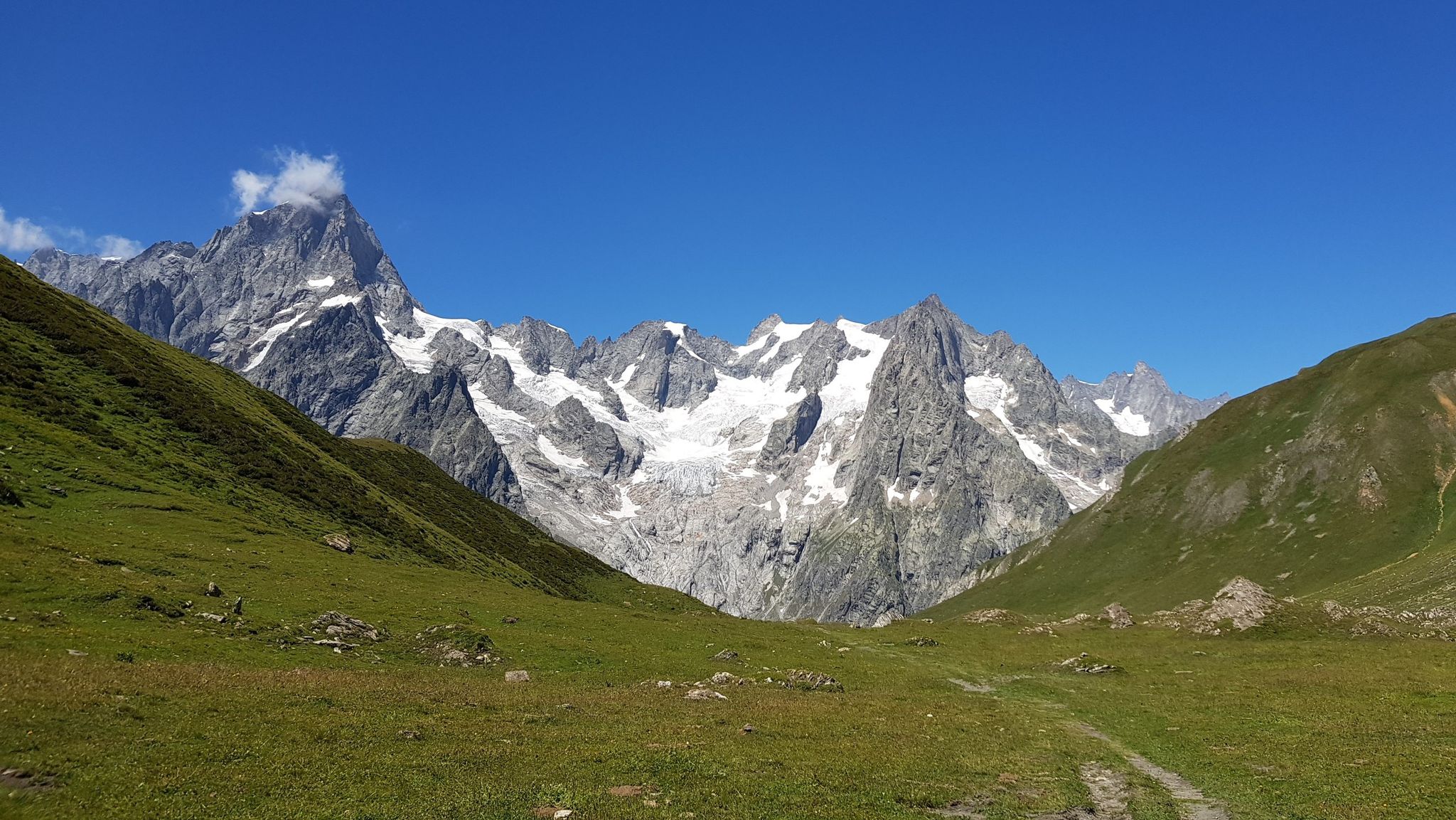
A walk among Italian giants — Aosta Valley High Route 1
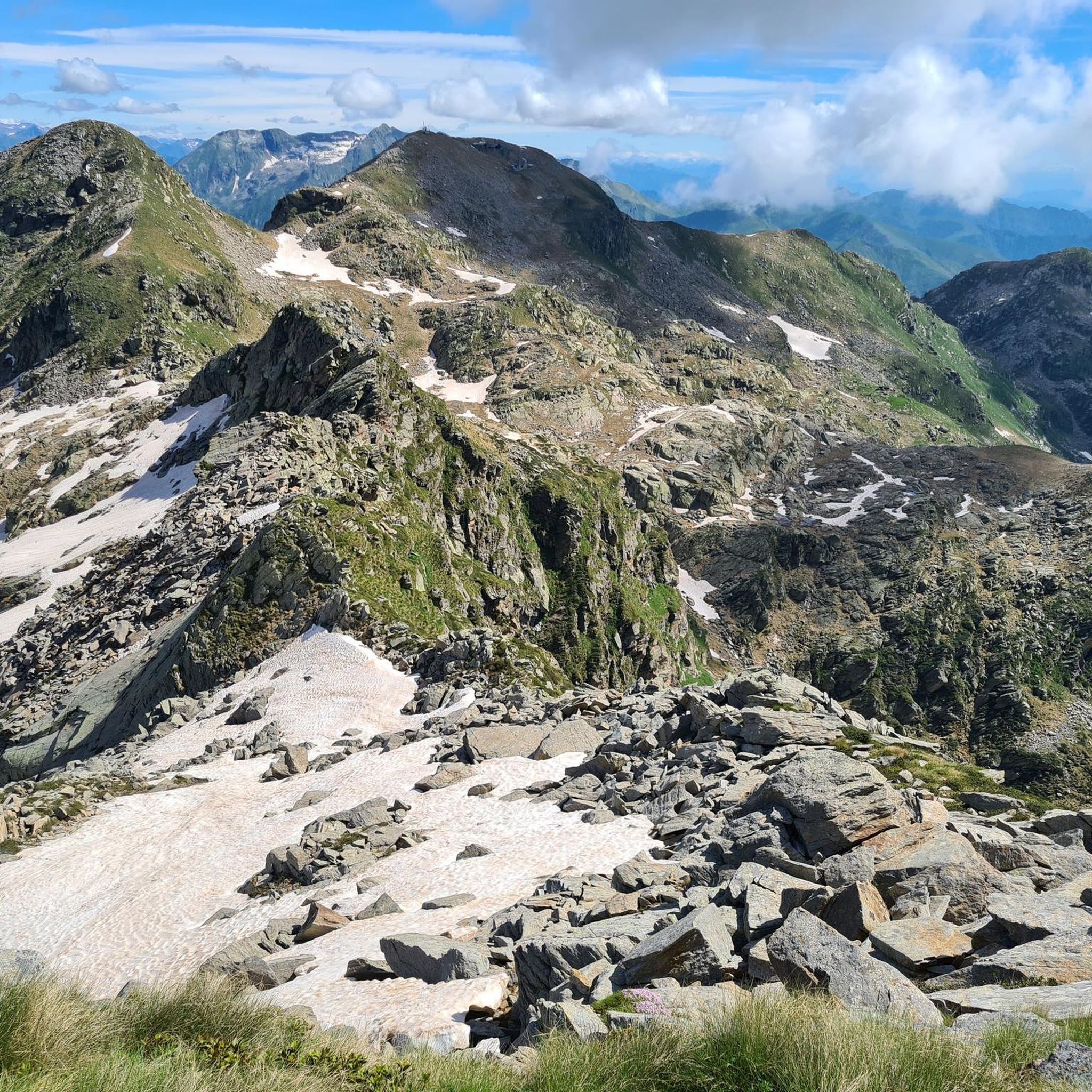
Hiking in Riserva Naturale Mont Mars
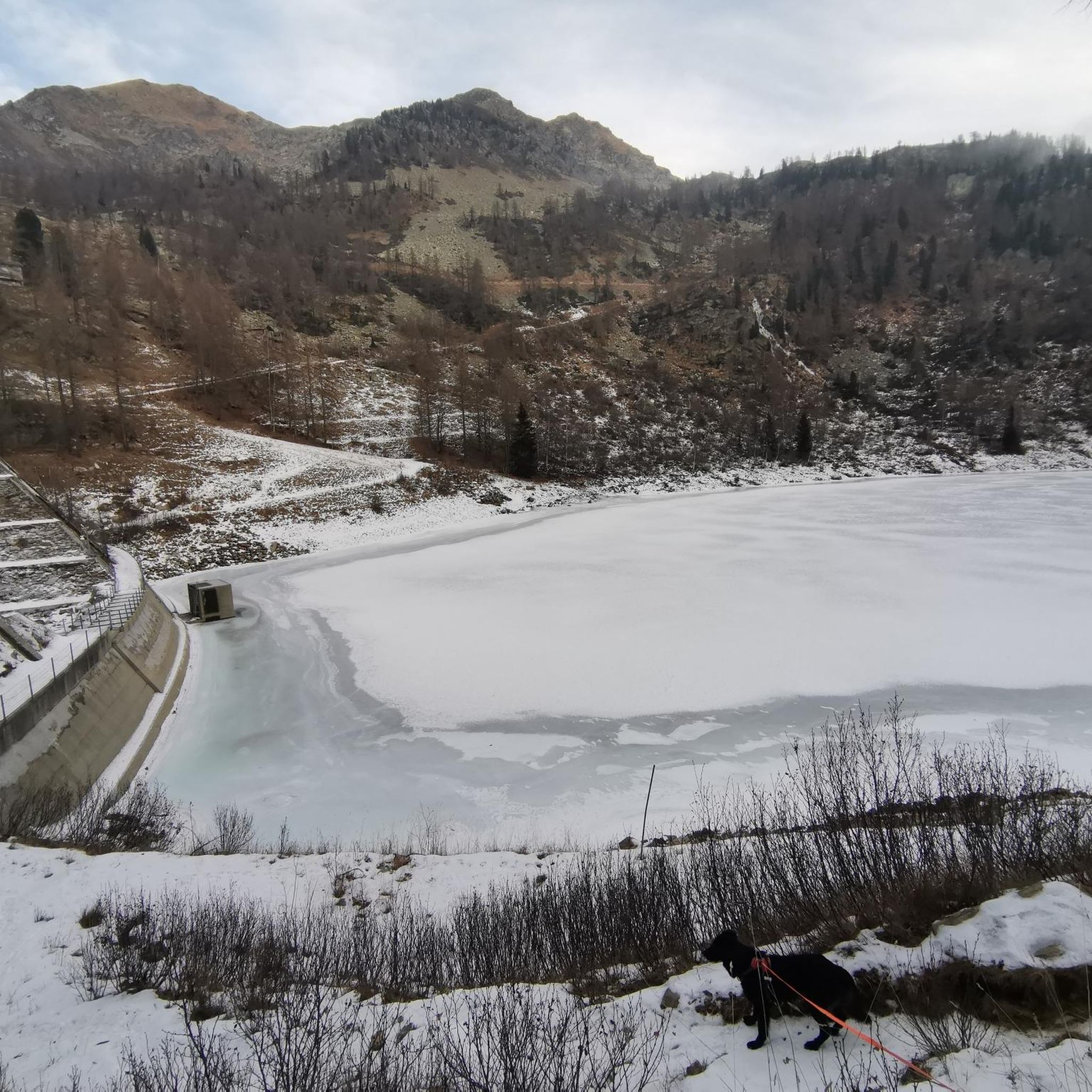
Running Trails in Riserva Naturale Mont Mars
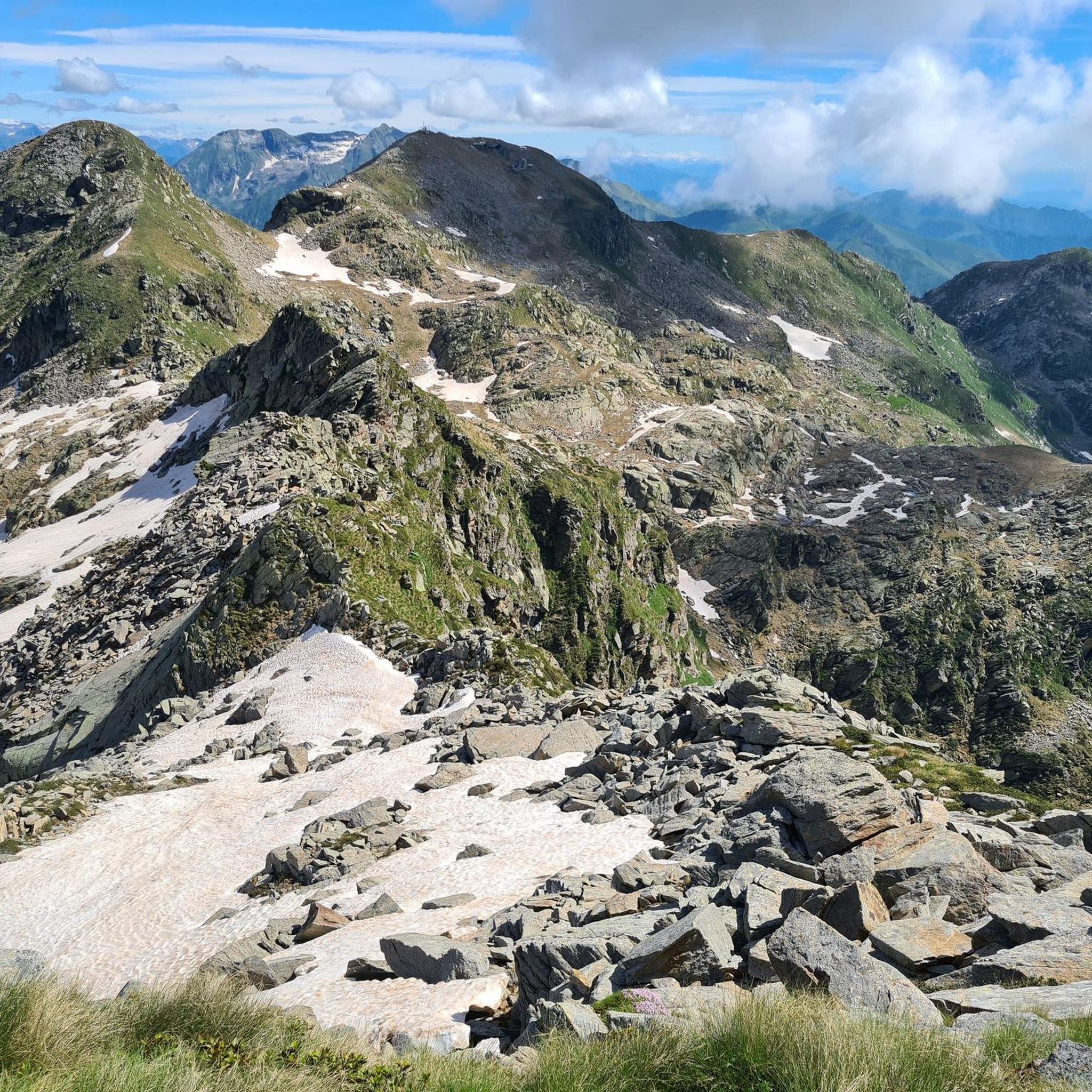
Cycling in Riserva Naturale Mont Mars
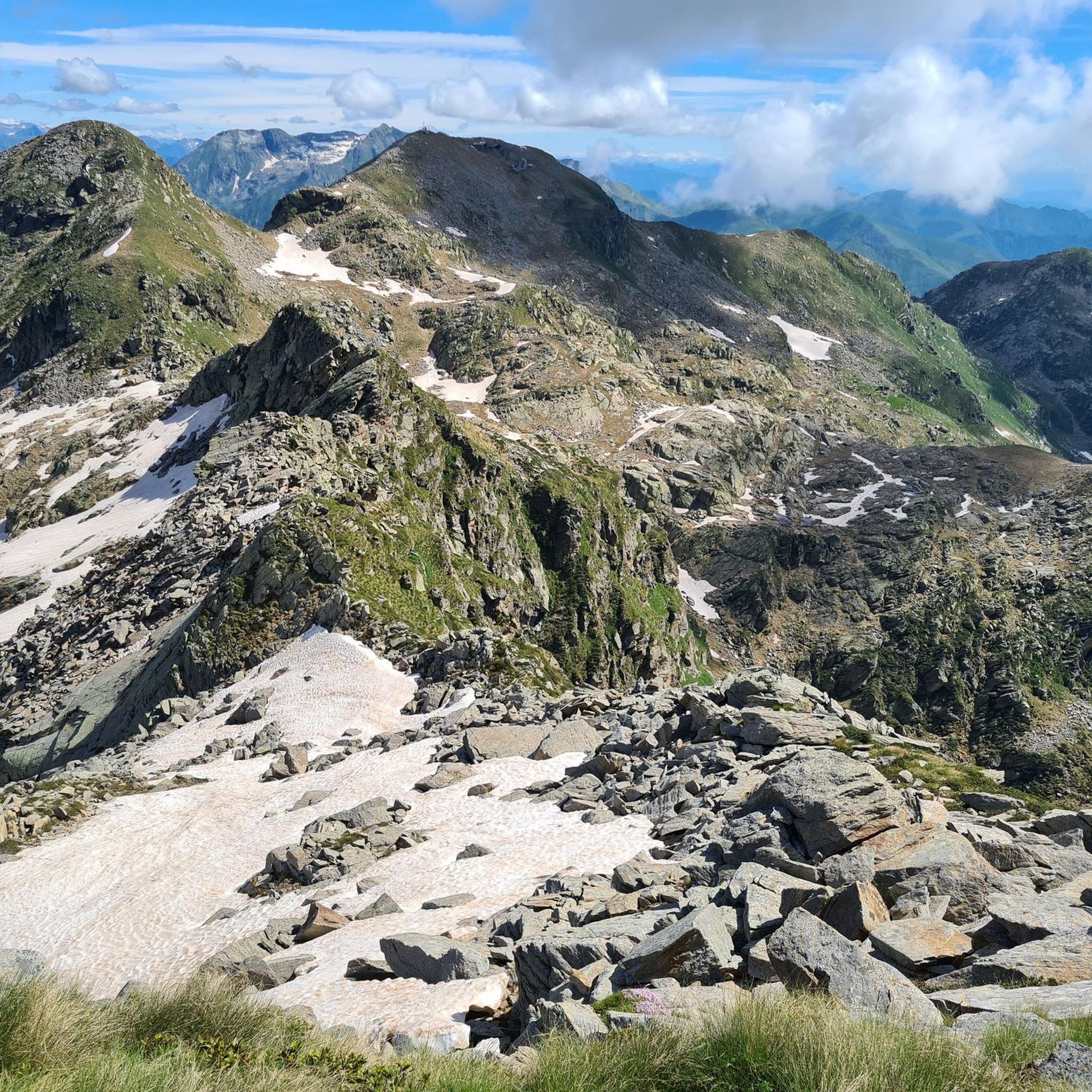
Road Cycling Routes in Riserva Naturale Mont Mars
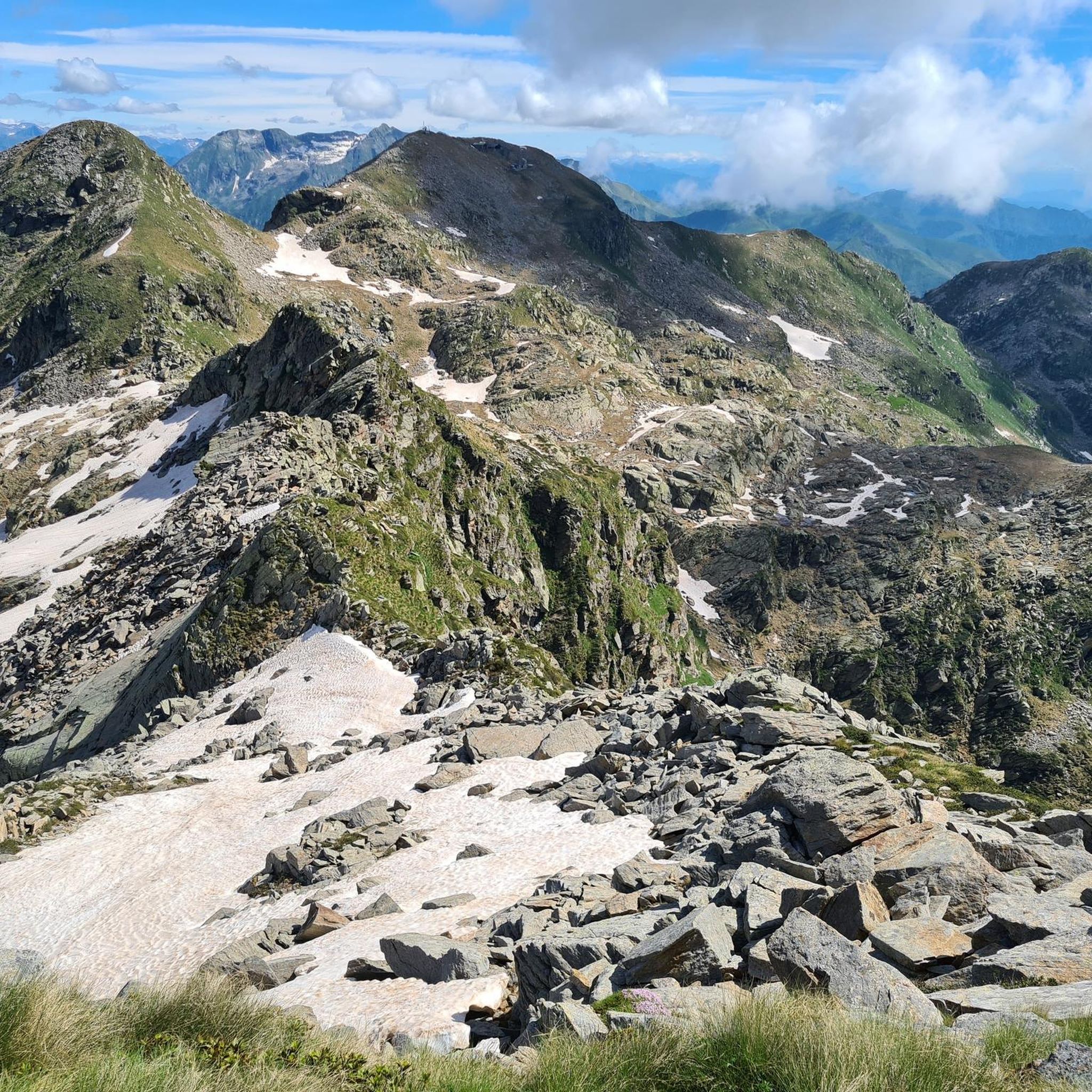
MTB Trails in Riserva Naturale Mont Mars
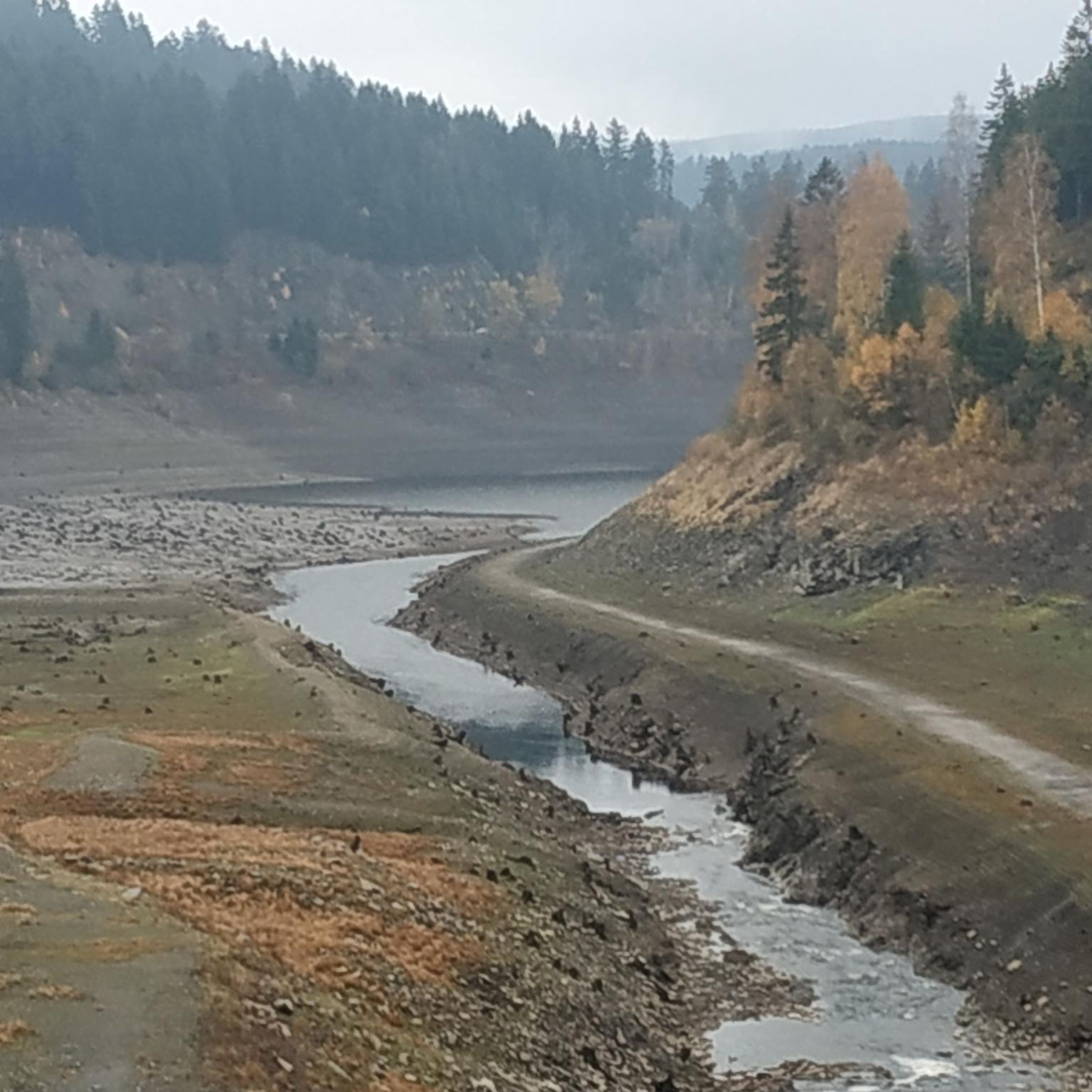
Mountain Hikes in Riserva Naturale Mont Mars

Gravel biking in Riserva Naturale Mont Mars
Other adventures in Riserva Naturale Mont Mars


Tips from the Community

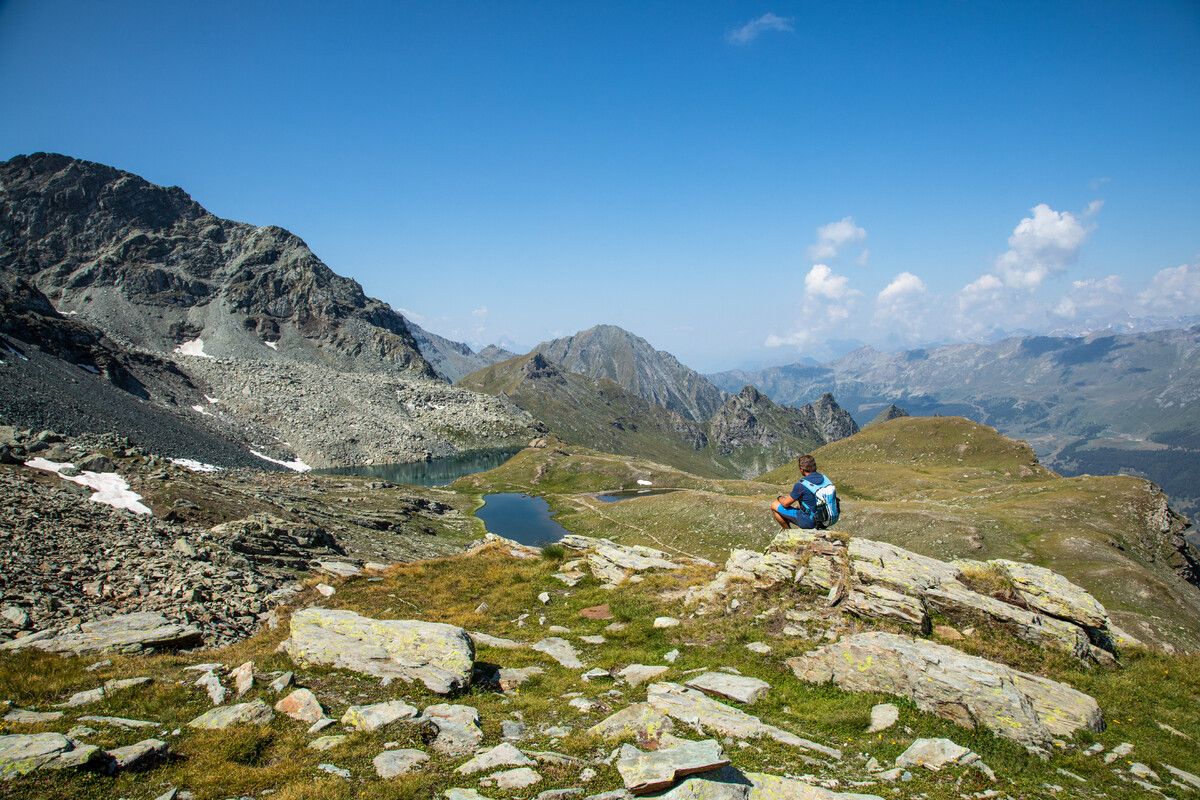
At 2020 meters, Lake Barma (or Balma) is a lake of glacial origin sunken between the Gragliasca peak, Lei Long and Balma d’Oropa on the left, Mont Mars and Monte Rosso on the right, and the Balma d’Oropa hill in front. With 31,320 square meters of extension, it is the largest lake included in the Mont Mars Nature Reserve. On its shores, from the second half of June, rhododendrons, mountain lilies, round cotton grasses, mountain arnica and wild orchids bloom.
1
0
The Upper Lei Long is a lake of glacial origin located at 1925 meters above sea level within the Mont Mars Nature Reserve and, in particular, at the foot of Mount Mars and Lei Long peak. The lake and the surrounding area have a stagnant and marshy appearance.
1
0
Very modern and comfortable refuge. Equipped with 24h electricity, wi-fi, hot water. The refuge is also a stop for the Oropa Valley walk. The Barma refuge is located at an altitude of 2060 meters in the Mont Mars nature reserve, located between the Biella area and the Lys Valley in the Aosta Valley. The stone structure is built around the roche moutonne in the center of an amphitheater overlooking the lakes of the same name at the foot of the Mont Mars massif (2600 m). The refuge is recently built and has a large bar, two dining rooms, eight rooms, five of which seat 8, two seat 4 and a double with bathroom. The services are shared. The structure is equipped with solar panels for the production of electricity, integrated with a co-generator system. The water is collected from the depths of the lake and treated with a water purifier so as to avoid the use of packaging to be disposed of.
1
0

Recently built refuge surrounded by the Barma lakes, open in the summer and reachable with a not too demanding walk from Pillaz (or from Pian Coumarial) a hamlet of Fontainemore, overcoming a long stretch of road up to Lake Vargno
0
0
Lake located between Lake Vargno and the Barma lakes. It is not very attractive due to its marshy waters, and the path runs a few meters higher up
0
0

Enchanting alpine lake a few steps from the Barma refuge
0
0
Two beautiful stretches of water between the refuge of the same name
0
0
A beautiful completely remodeled retreat. from here you can relax on a choice of two beautiful mountain lakes
0
0
Frequently Asked Questions
What are the main natural features of the lakes in Riserva Naturale Mont Mars?
The lakes in Riserva Naturale Mont Mars are primarily of glacial origin, nestled within a diverse alpine environment. You'll find rugged landscapes, alpine meadows, and dense larch forests at lower elevations. The geological features, including rock basins smoothed by glacial erosion, add to their dramatic beauty. The reserve is also known for its wetlands and rich biodiversity.
Are there hiking trails suitable for families around the lakes?
Yes, there are various hiking opportunities. While some routes can be challenging, there are paths suitable for different ability levels. For example, the area around Upper Lago Lungo is generally accessible, and the reserve offers trails that allow families to immerse themselves in nature. Always check specific trail difficulties before heading out.
What is the best time of year to visit the lakes in Riserva Naturale Mont Mars?
The late spring and summer months, particularly from late June, are ideal. During this time, the shores of lakes like Barma Lakes burst with vibrant colors from rhododendrons, mountain lilies, and wild orchids, creating a spectacular natural display. The weather is also more favorable for hiking.
Can I bring my dog to the lakes in Riserva Naturale Mont Mars?
The Riserva Naturale Mont Mars is generally dog-friendly, but it's crucial to keep dogs on a leash to protect the local wildlife and ensure a pleasant experience for all visitors. Always check for specific regulations or restrictions that might apply to certain areas within the reserve.
What kind of flora and fauna can I expect to see around the lakes?
The wetlands and lake areas are home to diverse flora and fauna. You might spot grass frogs, char (a type of fish), and white-throated dippers. The surrounding areas boast a variety of alpine plants such as rhododendrons, mountain lilies, purple gentians, arnica, and orchids. Around Lago Long, distinctive plants like Austrian Doronicum and large-flowered Sempervivum, as well as aquatic buttercup, can be found.
Are there any historical points of interest near the lakes?
Yes, Lac Vargno (Lè dou Vargno) has historical significance. A barrier wall was constructed there in 1916 for hydroelectric purposes. It was later incised to restore the water to its natural level, adding a unique historical layer to the natural landscape. You can reach it by hiking along path no. 2 from Pillaz.
What outdoor activities, besides hiking, can I do near the lakes?
Beyond hiking, the region around Riserva Naturale Mont Mars offers opportunities for various outdoor activities. You can explore running trails, such as those found in the Running Trails in Riserva Naturale Mont Mars guide, or embark on more challenging mountaineering routes detailed in the Mountain Hikes in Riserva Naturale Mont Mars guide. Cycling routes are also available, as highlighted in the Cycling in Riserva Naturale Mont Mars guide.
How can I reach the lakes in Riserva Naturale Mont Mars?
Access to the reserve and its lakes typically involves driving to a starting point like Pian Coumarial or Fontainemore, where parking is usually available. From there, you proceed on foot via marked trails. Public transport options might be limited, so planning your journey in advance is recommended.
Which lakes offer the most stunning viewpoints?
Many lakes in the reserve offer breathtaking views. Barma Lakes, for instance, are surrounded by majestic peaks like Punta Gragliasca and Mont Mars. The Rifugio della Balma, situated on a promontory between two lakes, also provides exceptional panoramic vistas.
Are there any less crowded lakes for a more tranquil experience?
While popular spots attract visitors, the remote location and preserved natural state of the Riserva Naturale Mont Mars generally offer a peaceful escape. For a tranquil experience, exploring the areas around Lago Long (Lè Lounc or Laghi Lei Lonc) is recommended, as visitors often take long breaks there to admire the serene natural environment.
Where can I find accommodation or refreshments near the lakes?
The Rifugio della Balma (also known as Barma Hut) is a modern and comfortable mountain hut located at 2,060 meters above sea level, offering shelter, refreshments, and accommodation. It's equipped with electricity, Wi-Fi, and hot water, making it a convenient stop for hikers.
What is the largest lake in the Riserva Naturale Mont Mars?
Lac de Barme (Lago della Barma) is the largest lake in the protected area, covering 31,320 square meters. It is located at an altitude of 2020 meters and is surrounded by impressive peaks, offering expansive views.
Most popular routes in Riserva Naturale Mont Mars
Most popular attractions in Riserva Naturale Mont Mars

Get inspired with the komoot mobile app


Explore more
Still not found your perfect lake in Riserva Naturale Mont Mars? Check out the guides of these regions to see even more beautiful places.
