Attractions and Places To See in the Al Hajar Mountains - Top 20
Best attractions and places to see in the Al Hajar Mountains span a majestic range characterized by rugged peaks, deep canyons, and traditional villages. This region, extending across northeastern Oman and into the United Arab Emirates, offers a diverse array of natural beauty and historical insights. Visitors can explore ancient forts, dramatic wadis, and mountain settlements. The Al Hajar Mountains provide opportunities to experience both significant cultural heritage and striking natural landscapes.
Best attractions and places to see in the…
Last updated: May 9, 2026
Jebel Shams Balcony Walk
Highlight (Segment) • Trail
Translated by Google •
Tip by

Wadi Bani Khalid
Highlight • Gorge
Translated by Google •
Tip by
Sign up now to discover places like this
Get recommendations on the best single tracks, peaks, & plenty of other exciting outdoor places.
Sign up for free
Nizwa Souq
Highlight • Settlement
Translated by Google •
Tip by

Wadi Ghul (Oman's Grand Canyon)
Highlight (Segment) • Canyon
1. just stop by car on the way to Al Khitaym and look into the impressive canyon (there are great ways …
Translated by Google •
Tip by

Abandoned Village of As Sab
Highlight • Historical Site
Translated by Google •
Tip by
Terraced Villages and Wadi Muhaydin, Jebel Akhdar
Highlight • Settlement
Translated by Google •
Tip by
Wadi Shab Pools
Highlight • Gorge
Translated by Google •
Tip by

Hidden Pool at the End of the Balcony Walk
Highlight • Lake
Translated by Google •
Tip by
Misfat Al Abriyyin Village
Highlight • Settlement
Translated by Google •
Tip by
Wadi Shab
Highlight • Gorge
Tip by

Sign up for free to discover even more attractions in the Al Hajar Mountains.
Sign up for free
Already have an account?
Start today with a free account
Your next adventure awaits.
Login or Signup
Popular around Al Hajar Mountains


Tips from the Community

Overcrowded and it's sure to get worse. If you can be there between 7:30 and 9:00... maybe. Note that a huge parking lot and a large building overlooking the first pool are under construction.
0
0


Inside the souk, there are goldsmiths and potters, and you can buy spices, date molasses, coffee, tea, and fabrics! It's a pleasure to get lost in the alleys and the market.
0
0

Hello. Is it possible to do only the hike without swimming as far as possible?
0
0

Some of the stones are very slippery. Water shoes are recommended! Life jackets are recommended for small children – the water in some of the pools is very deep.
0
0

Nice walk on the terrace, the long trail is to do in the morning!
0
0
If you walk from the last village (As Shuraiqa) toward As Saiq, you enter a restricted military area!!! Has anyone who has hiked the route noticed this?!
0
0
Frequently Asked Questions
What are the most impressive natural features to explore in the Al Hajar Mountains?
The Al Hajar Mountains are rich in natural wonders. You can visit Wadi Ghul (Oman's Grand Canyon), known for its dramatic views and often referred to as the "Grand Canyon of Arabia." Another must-see is Wadi Bani Khalid, a lush valley with clear blue pools perfect for swimming. Don't miss Wadi Shab, a dramatic gorge featuring turquoise pools and a scenic hike to a hidden cave with a waterfall. Jebel Shams, the tallest peak, offers breathtaking canyon views, especially along the Jebel Shams Balcony Walk.
Which historical sites and traditional villages can I visit in the Al Hajar Mountains?
The region is home to several significant historical sites and traditional villages. Explore the ancient mountain village of Misfat Al Abriyyin Village, showcasing traditional Omani architecture with stone houses and unique irrigation systems. The Abandoned Village of As Sab, located directly on the Balcony Walk, offers insight into past mountain farming practices. Nizwa is a cultural hub with its historic Nizwa Souq and the 17th-century Nizwa Fort. Other notable forts include Bahla Fort, Jabrin Castle, Nakhal Fort, and Rustaq Fort, all offering glimpses into the region's rich history.
What are the best times to visit the Al Hajar Mountains for outdoor activities?
The cooler months, typically from October to April, are ideal for visiting the Al Hajar Mountains. During this period, temperatures are more pleasant for hiking, exploring wadis, and enjoying the outdoor attractions. Summers can be very hot, making strenuous activities challenging, though higher elevations like Jebel Akhdar offer a slightly cooler climate year-round.
Are there family-friendly attractions or activities in the Al Hajar Mountains?
Yes, the Al Hajar Mountains offer several family-friendly options. The clear blue pools of Wadi Bani Khalid are popular for swimming and picnicking. Exploring the historic Nizwa Souq and Nizwa Fort can be an engaging cultural experience for all ages. Some sections of wadi hikes, like the initial part of Wadi Shab, are also manageable for families. Always check the difficulty and length of trails before embarking with children.
What kind of hiking and cycling routes can I find near these attractions?
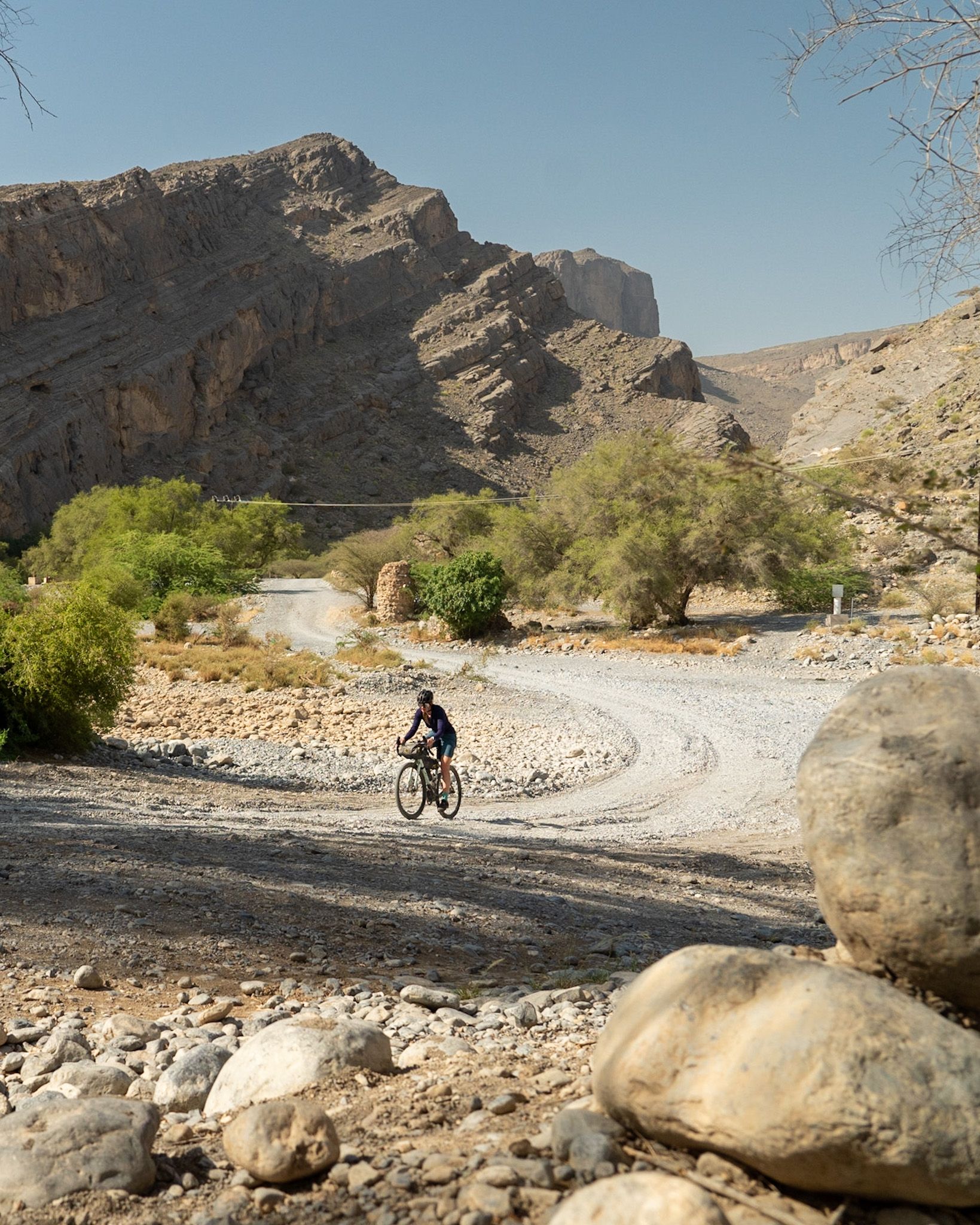
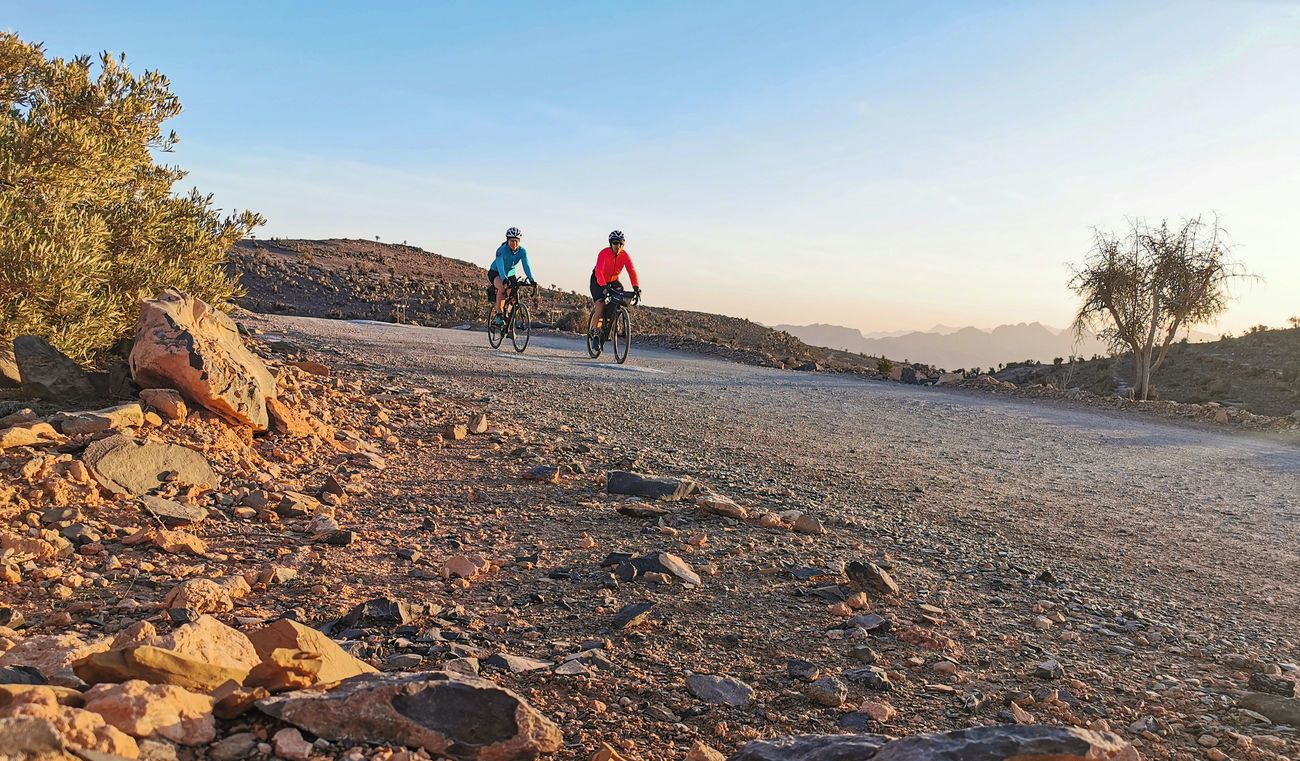
The Al Hajar Mountains are a prime destination for outdoor enthusiasts. For hiking, you can explore routes like the Jebel Shams Balcony Walk, which offers stunning canyon views. There are also easy hikes, such as the 'Trail Marker on Jebel Akhdar – Old Alleys loop' near Sayh Qatnah. Cyclists can find diverse terrain, from moderate routes like the 'Maison Miraj Hostel loop from Bawshar' to more challenging gravel roads towards the summit of Wadi Ghul. You can find more details on cycling routes and hiking trails in the region.
What are the differences between Jebel Shams and Jebel Akhdar?
Both Jebel Shams and Jebel Akhdar are prominent peaks in the Al Hajar Mountains, offering distinct experiences. Jebel Shams, known as the "Mountain of the Sun," is Oman's highest peak and famous for its dramatic canyon views, often called the "Grand Canyon of Oman." It's ideal for challenging hikes like the Balcony Walk. Jebel Akhdar, or the "Green Mountain," is renowned for its cooler climate, terraced farms, and agricultural richness, cultivating fruits like pomegranates and apricots. It offers scenic ridge walks and traditional villages like Terraced Villages and Wadi Muhaydin amidst lush gardens.
Are there any wild swimming spots in the Al Hajar Mountains?
Yes, the wadis in the Al Hajar Mountains are famous for their natural pools, offering refreshing wild swimming opportunities. Wadi Bani Khalid is particularly popular for its easily accessible, clear blue pools. Wadi Shab Pools also offers an incredible experience where you can swim through several pools and a narrow rocky passage to reach a hidden cave and waterfall. Always exercise caution and be aware of water levels and currents.
What should I pack for a trek in the Al Hajar Mountains?
For trekking in the Al Hajar Mountains, it's essential to pack appropriate gear. This includes sturdy hiking boots, layered clothing suitable for varying temperatures (especially if ascending to higher altitudes), sun protection (hat, sunglasses, sunscreen), and plenty of water. If you plan to swim in the wadis, bring swimwear and a quick-drying towel. For cultural sites, it's respectful to wear modest clothing that covers shoulders and knees. A first-aid kit, navigation tools, and snacks are also recommended.
What do visitors enjoy most about the Al Hajar Mountains?
Visitors consistently praise the Al Hajar Mountains for their breathtaking natural beauty, especially the dramatic canyon views and serene wadis. Many are captivated by the unique experience of hiking trails like the Jebel Shams Balcony Walk and discovering hidden pools. The rich cultural heritage, seen in ancient forts and traditional villages like Misfat Al Abriyyin, also leaves a lasting impression. The opportunity to connect with nature and history in such a rugged and beautiful landscape is a highlight for many.
Are there any permits required for hiking in the Al Hajar Mountains?
Generally, most hiking trails in the Al Hajar Mountains do not require specific permits for access. However, it's always advisable to check local regulations, especially for certain protected areas or if you plan to venture into very remote regions. Some areas might have specific rules regarding camping or access to private lands. For popular trails, simply respecting the environment and local communities is key.
Where can I find amenities like cafes or restaurants near the main attractions?
Amenities vary by location. Near popular spots like Jebel Shams, you might find small cafes or guesthouses offering refreshments and meals, particularly in villages like Al Khitaym, the starting point for the Balcony Walk. In larger towns like Nizwa, you'll find a wider range of restaurants and cafes, especially around the Nizwa Souq. For wadis like Wadi Bani Khalid, there are often small local eateries or shops selling snacks and drinks near the main entrance points. Always carry sufficient water and snacks, especially when exploring more remote areas.
Most popular routes in the Al Hajar Mountains
Most popular attractions in the Al Hajar Mountains

Get inspired with the komoot mobile app


