The best cycling routes in the Al Hajar Mountains
4.2
(29)
311
riders
15
rides
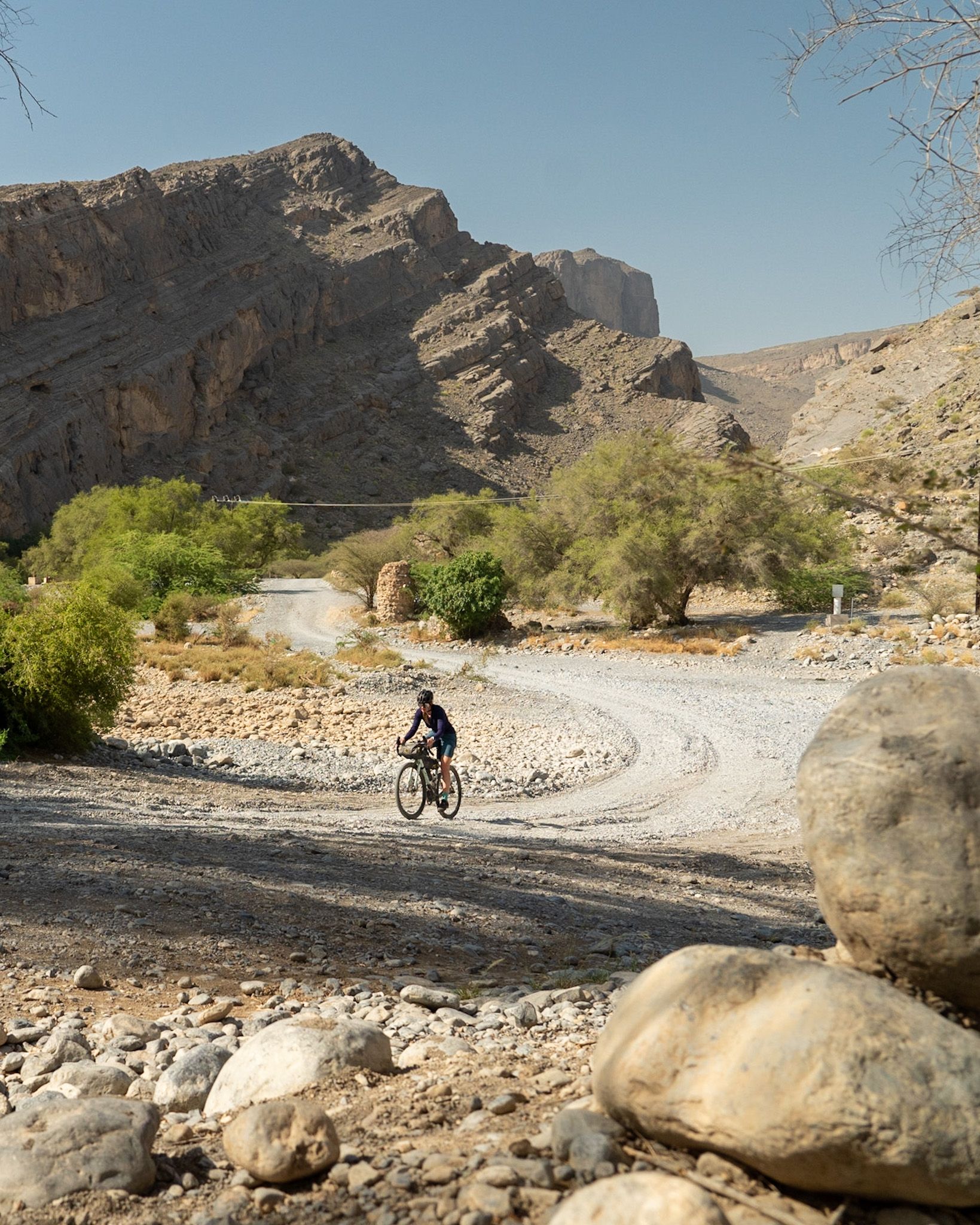
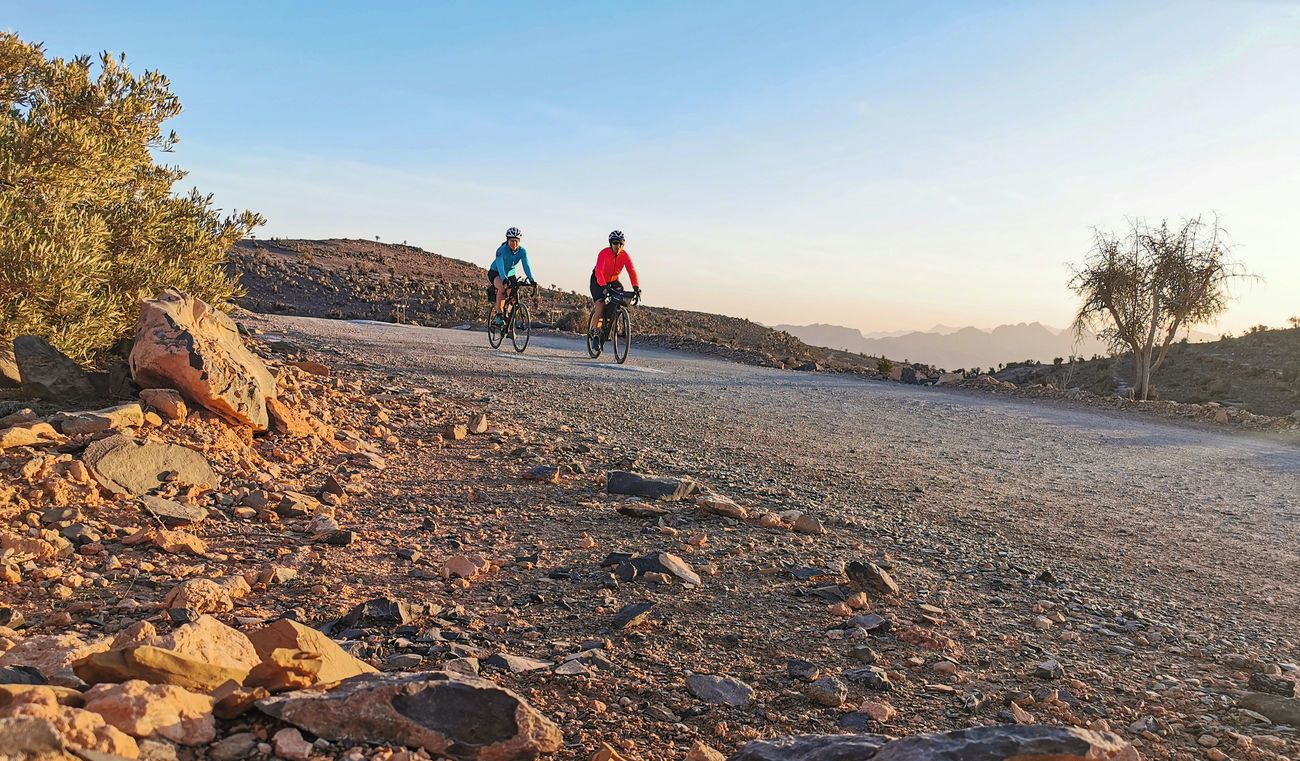
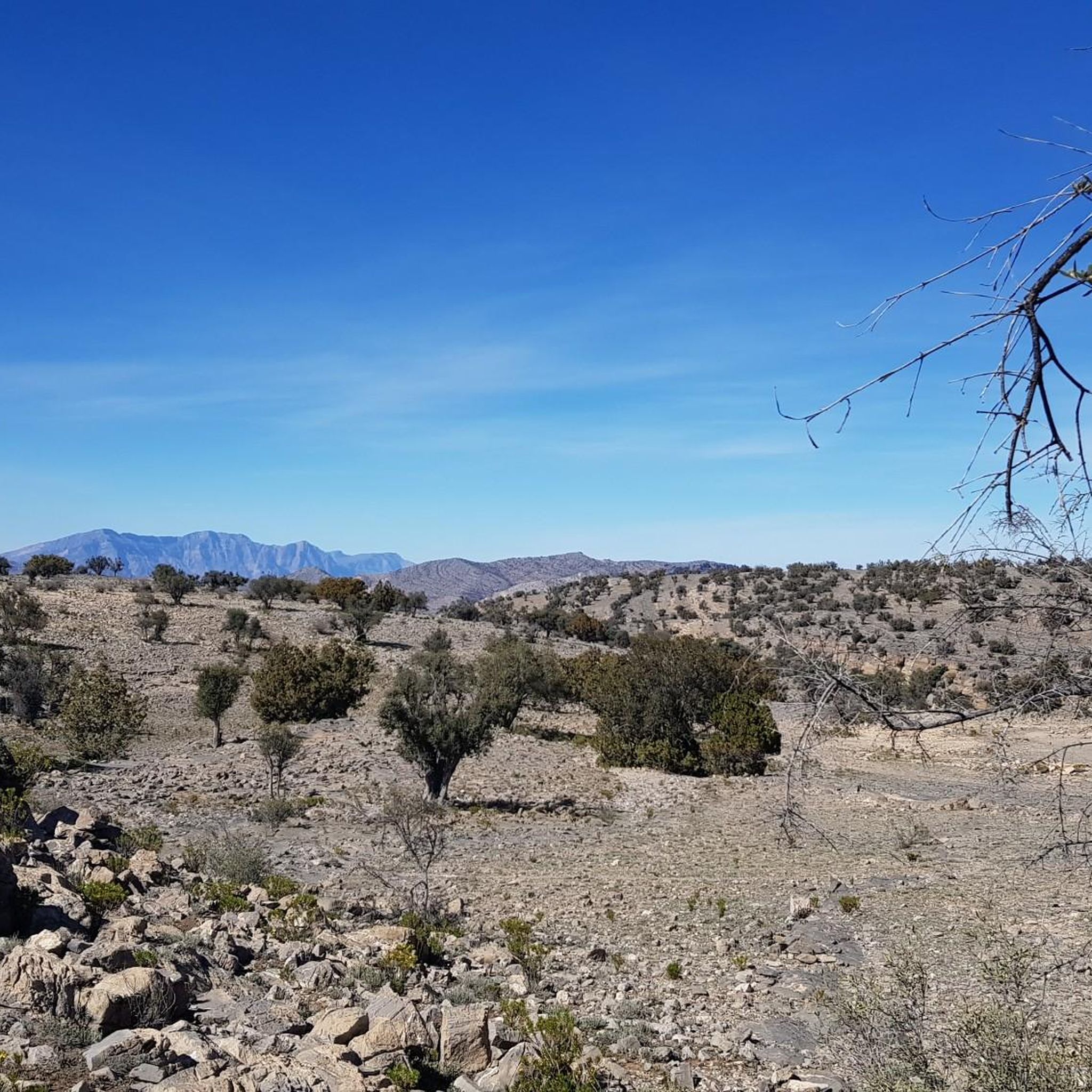
Touring cycling in the Al Hajar Mountains offers routes through a rugged landscape characterized by dramatic peaks, deep canyons, and wadis. The region features diverse terrain, including smooth tar roads, challenging gravel tracks, and steep climbs. Cyclists can explore areas with significant elevation changes and varied geological formations.
Best touring cycling routes in the Al Hajar Mountains
- The most popular touring cycling route is Rock drawing in Tawi – The Forts Route (MB1), Khasab loop from Ra’s al Khums,…
Last updated: July 9, 2026
4.2
(23)
112
riders
Moderate bike ride. Good fitness required. Mostly paved surfaces. Suitable for all skill levels.
17
riders
81.0km
06:39
1,980m
1,980m
Hard bike ride. Very good fitness required. Mostly paved surfaces. Suitable for all skill levels.

Sign up for free
18
riders
20.0km
01:09
50m
50m
Easy bike ride. Great for any fitness level. Mostly paved surfaces. Suitable for all skill levels.
5.0
(2)
9
riders
40.0km
02:26
320m
320m
Moderate bike ride. Good fitness required. Mostly paved surfaces. Suitable for all skill levels.
6
riders
18.4km
01:33
170m
170m
Moderate bike ride. Good fitness required. Mostly paved surfaces. Suitable for all skill levels.
9
riders
25.4km
01:36
290m
290m
Moderate bike ride. Good fitness required. Mostly paved surfaces. Suitable for all skill levels.
3.0
(1)
8
riders
20.7km
01:34
180m
180m
Moderate bike ride. Good fitness required. Mostly paved surfaces. Suitable for all skill levels.
5
riders
22.2km
02:12
350m
350m
Moderate bike ride. Good fitness required. Mostly paved surfaces. Suitable for all skill levels.
6
riders
32.3km
02:53
700m
700m
Hard bike ride. Very good fitness required. Mostly paved surfaces. Suitable for all skill levels.
7
riders
22.5km
01:21
80m
80m
Easy bike ride. Great for any fitness level. Mostly paved surfaces. Suitable for all skill levels.
Get access to more routes and recommendations from other explorers.
Sign up for free
Already have an account?
Our route recommendations are based on thousands of hikes, rides, and runs completed by other people on komoot.
Start today with a free account
Your next adventure awaits.
Login or Signup
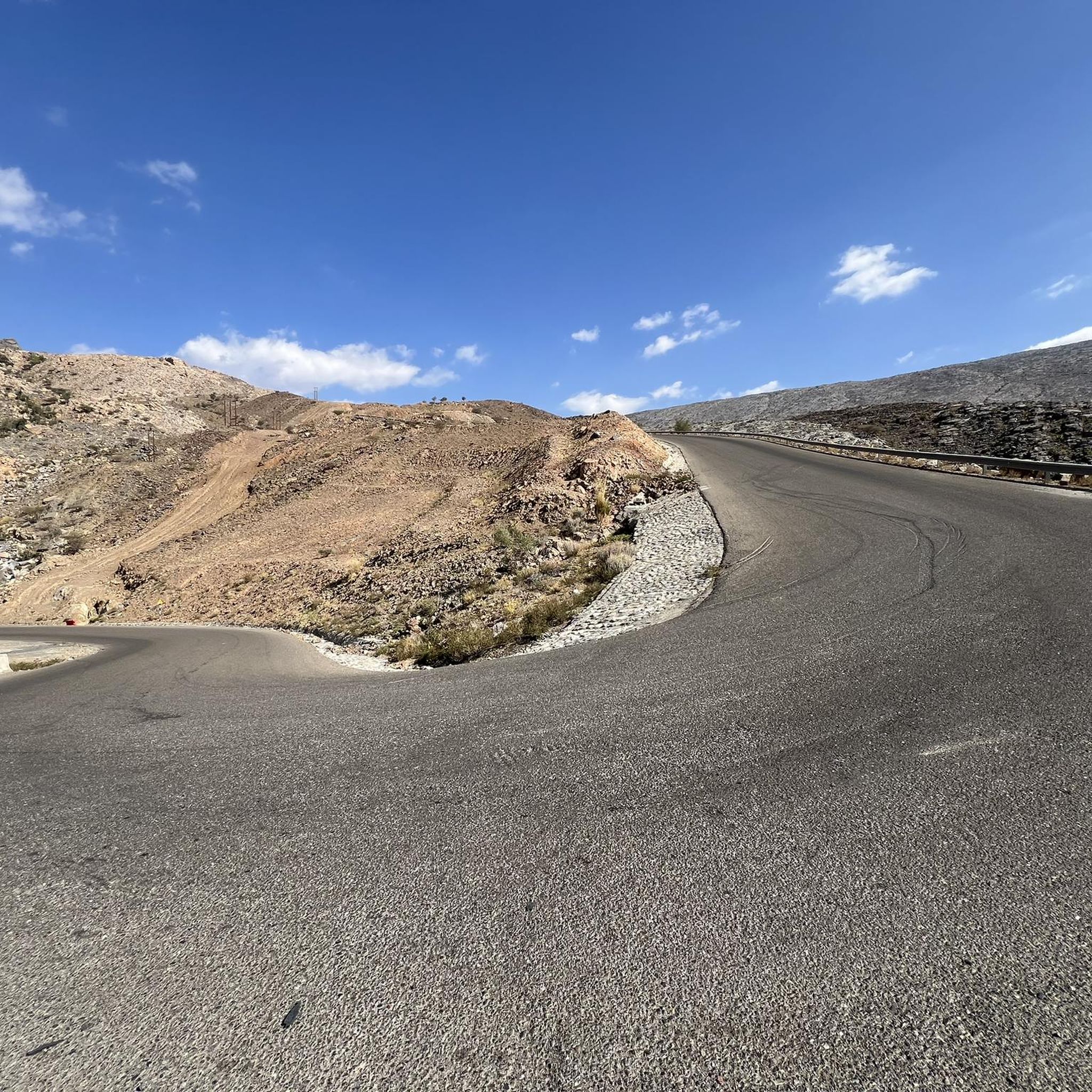
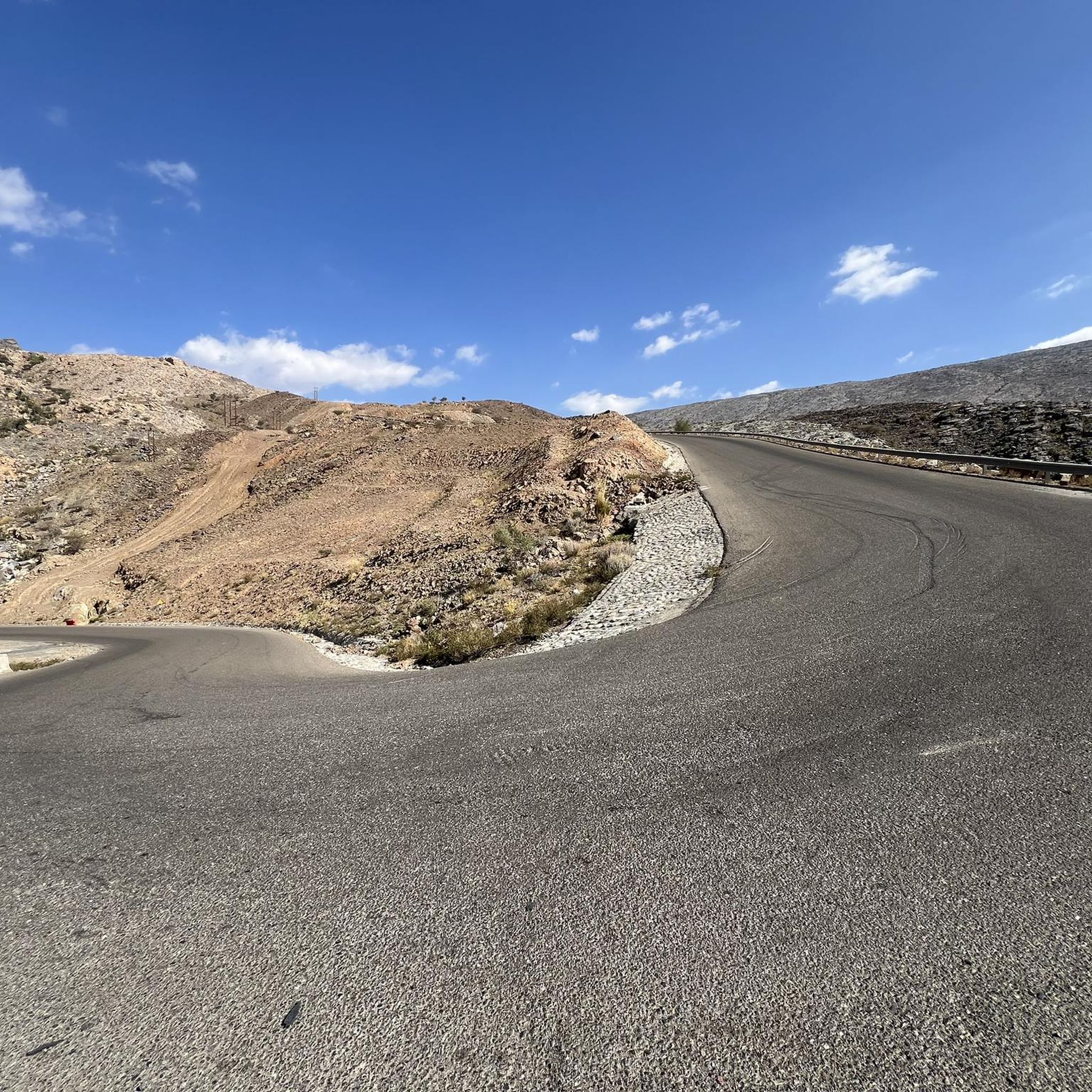


Tips from the Community

Beautiful long sandy beach with trendy cafes.
0
0
This is the perfect place to discover Oman by bike. We were able to store our bike transport cases there without any problems for four weeks. Truly a fantastic place to start an adventure.
0
0

Highest point. Coffee next to it.
0
0
Very steep gravel section on compact ground. Due to the steepness, most of the bike has to be pushed.
0
0
Dilapidated oasis of Al Hamra. Large number of mud houses, some of which are well preserved. Some renovated. Small, worthwhile museum
0
0
Very steep, solid gravel road to Jebel Shams. Many sections up to 20%, so a lot of pushing is required. The view makes the pain worthwhile
0
0

The largest mosque in the small town. Unfortunately closed when we visited.
7
0

From here you can enjoy a splendid view of the Jebel Shams peak, the highest in Oman, and the surrounding canyon.
1
0
Frequently Asked Questions
How many touring cycling routes are available in the Al Hajar Mountains?
There are over 15 touring cycling routes available in the Al Hajar Mountains, catering to various skill levels. The komoot community has explored these routes over 200 times, highlighting the region's diverse cycling opportunities.
What kind of terrain can I expect when touring cycling in the Al Hajar Mountains?
The Al Hajar Mountains offer a diverse range of terrain, from smooth tar roads and rugged gravel tracks to challenging singletracks and backroads. You'll encounter significant elevation changes, steep climbs, and varied geological formations. Some routes may require pushing your bike on unpaved or difficult segments.
Are there any easy touring cycling routes suitable for beginners in the Al Hajar Mountains?
Yes, the Al Hajar Mountains offer several easy touring cycling routes. For instance, the Qurum Beach loop from The Embassy of Japan is an easy 12.4-mile (20.0 km) coastal ride. Another easy option is the Qurum Beach – Al Qurum Rock loop from Royal Opera House Muscat, which is 11.2 miles (18.1 km) long.
Where can I find challenging touring cycling routes with significant elevation gain?
For a challenging experience with significant elevation gain, consider routes that venture deeper into the mountains. The View of Wadi Ghul Canyon – Gravel road towards the summit loop from Al Hamra is a difficult 50.3-mile (81.0 km) path featuring nearly 2,000 meters of ascent and breathtaking views of the deep Wadi Ghul Canyon. Another difficult option is the Bike loop from Site 8 - 2 beehive tombs, which includes over 690 meters of climbing.
What natural attractions or landmarks can I see along the cycling routes?
The Al Hajar Mountains are rich in natural beauty. Many routes offer views of majestic mountains and deep canyons like Wadi Ghul (Oman's Grand Canyon). You can also find lush wadis such as Wadi Bani Khalid and Wadi Shab, which often feature palm trees and pools like Wadi Shab Pools. The region is known for its spectacular geological rock formations.
Are there any circular touring cycling routes in the Al Hajar Mountains?
Yes, many touring cycling routes in the Al Hajar Mountains are designed as loops, allowing you to start and end at the same point. Examples include the Rock drawing in Tawi – The Forts Route (MB1), Khasab loop from Ra’s al Khums, the Maison Miraj Hostel loop from Bawshar, and the Bike loop from Showka Bicycles.
What is the best time of year to go touring cycling in the Al Hajar Mountains?
The ideal time for touring cycling in the Al Hajar Mountains is during the winter months, particularly December and January. This period offers an escape from the intense heat of the lowlands, providing more moderate conditions for cycling. However, even in winter, temperatures can still be high (close to 40°C) and dry, especially in areas without shade, so planning for water supply is crucial.
Can I find routes that offer scenic viewpoints?
Absolutely. The rugged landscape of the Al Hajar Mountains provides numerous opportunities for scenic viewpoints. Routes like the View of Wadi Ghul Canyon – Gravel road towards the summit loop from Al Hamra offer dramatic vistas of deep canyons. Higher altitudes, such as those around Jebel Shams, provide breathtaking panoramic views.
What do other touring cyclists say about their experience in the Al Hajar Mountains?
The Al Hajar Mountains are highly rated by the komoot community, with an average score of 4.1 stars from over 20 reviews. Cyclists often praise the dramatic scenery, the variety of terrain from paved roads to challenging gravel, and the unique cultural experiences found in traditional mountain villages and historical sites.
Are there routes that pass by cultural or historical sites?
Yes, the Al Hajar Mountains are home to significant cultural and historical sites. Routes like the Rock drawing in Tawi – The Forts Route (MB1), Khasab loop from Ra’s al Khums explore areas with cultural significance. You can find ancient forts, traditional mountain villages like Misfat al Abriyeen, and UNESCO World Heritage sites such as the beehive tombs of Al Ayn.
What are the typical weather conditions for cycling in the Al Hajar Mountains?
While winter offers the best conditions, the Al Hajar Mountains can still experience high temperatures and dry, windy weather, especially in exposed areas. At higher altitudes, the climate is cooler and more moderate compared to the desert conditions at lower elevations. Always plan for sufficient water and sun protection, regardless of the season.
What are the options for parking when accessing touring cycling routes?
Parking availability varies depending on the specific starting point of your chosen route. Many routes begin near towns or villages where public parking might be available. For more remote mountain routes, designated parking areas are often found at popular trailheads or viewpoints. It's advisable to check the route details on komoot for specific parking information for each tour.
Most popular routes in the Al Hajar Mountains
Most popular attractions in the Al Hajar Mountains

Get inspired with the komoot mobile app


