Attractions and Places To See in the Esh Shara - Top 20
Best attractions and places to see in the Esh Shara region are centered around the ancient city of Petra in Jordan. This area is characterized by its unique rock-cut architecture, historical sites, and natural canyons. Visitors can explore a landscape shaped by centuries of Nabataean civilization and natural geological formations. The region offers a blend of archaeological wonders and impressive natural monuments.
Best attractions and places to see in the Esh Shara
- The most popular attractions is Al-Khazneh (The Treasury)…
Last updated: July 6, 2026
Al-Khazneh (The Treasury)
Highlight • Historical Site
Translated by Google •
Tip by

Royal Tombs of Petra
Highlight • Historical Site
Translated by Google •
Tip by

Sign up now to discover places like this
Get recommendations on the best single tracks, peaks, & plenty of other exciting outdoor places.
Sign up for free
Al-Deir (The Monastery)
Highlight • Historical Site
Translated by Google •
Tip by
Petra Theater
Highlight • Historical Site
Translated by Google •
Tip by

Qasr al-Bint Temple, Petra
Highlight • Historical Site
Translated by Google •
Tip by
Djinn Blocks
Highlight • Historical Site
Translated by Google •
Tip by

The Monastery (Al-Deir), Petra
Highlight • Historical Site
Translated by Google •
Tip by

Little Petra (Siq al-Barid)
Highlight • Historical Site
Translated by Google •
Tip by

Dana Village
Highlight • Settlement
Translated by Google •
Tip by

Back Door Trail to Petra
Highlight (Segment) • Trail
Translated by Google •
Tip by

Sign up for free to discover even more attractions in the Esh Shara.
Sign up for free
Already have an account?
Start today with a free account
Your next adventure awaits.
Login or Signup
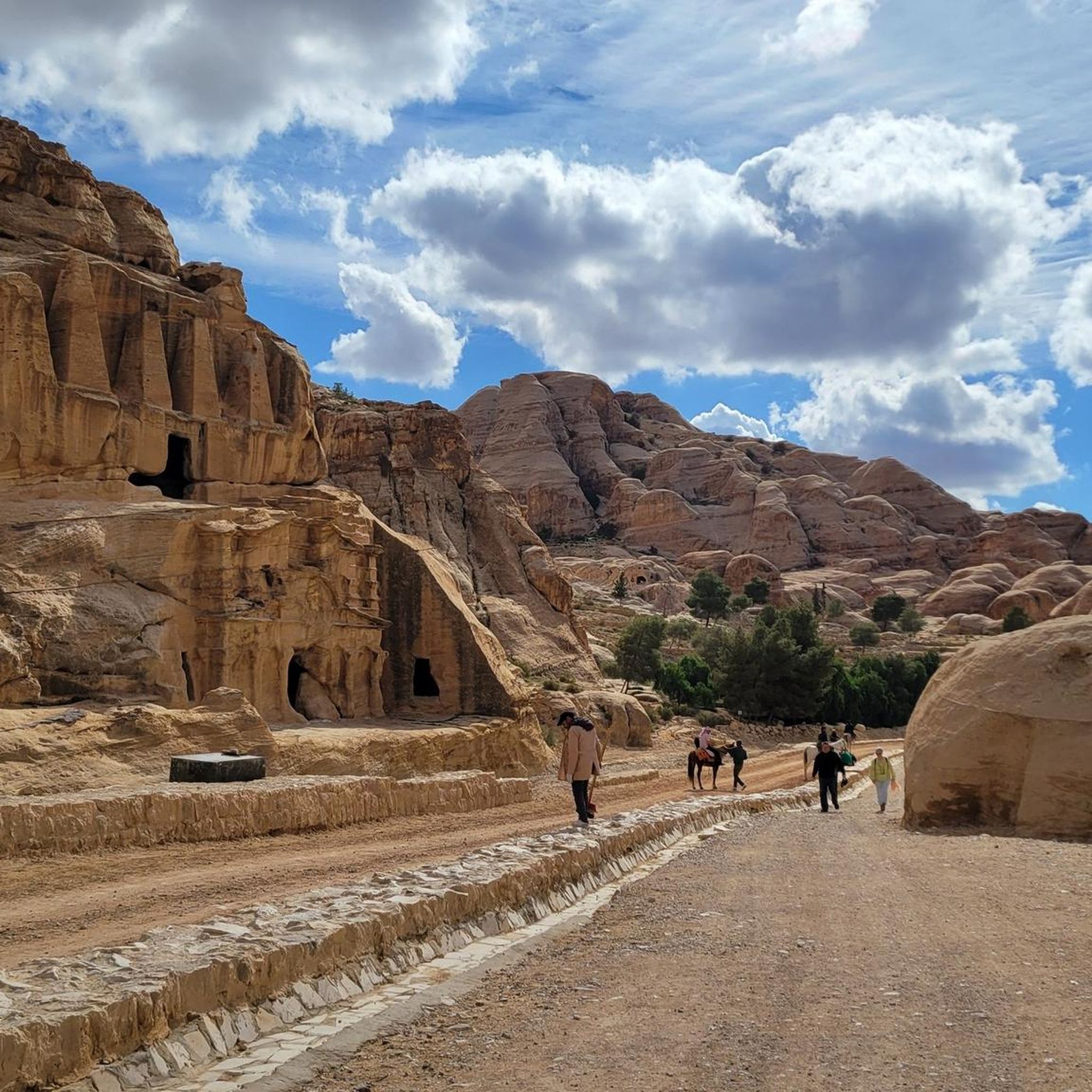
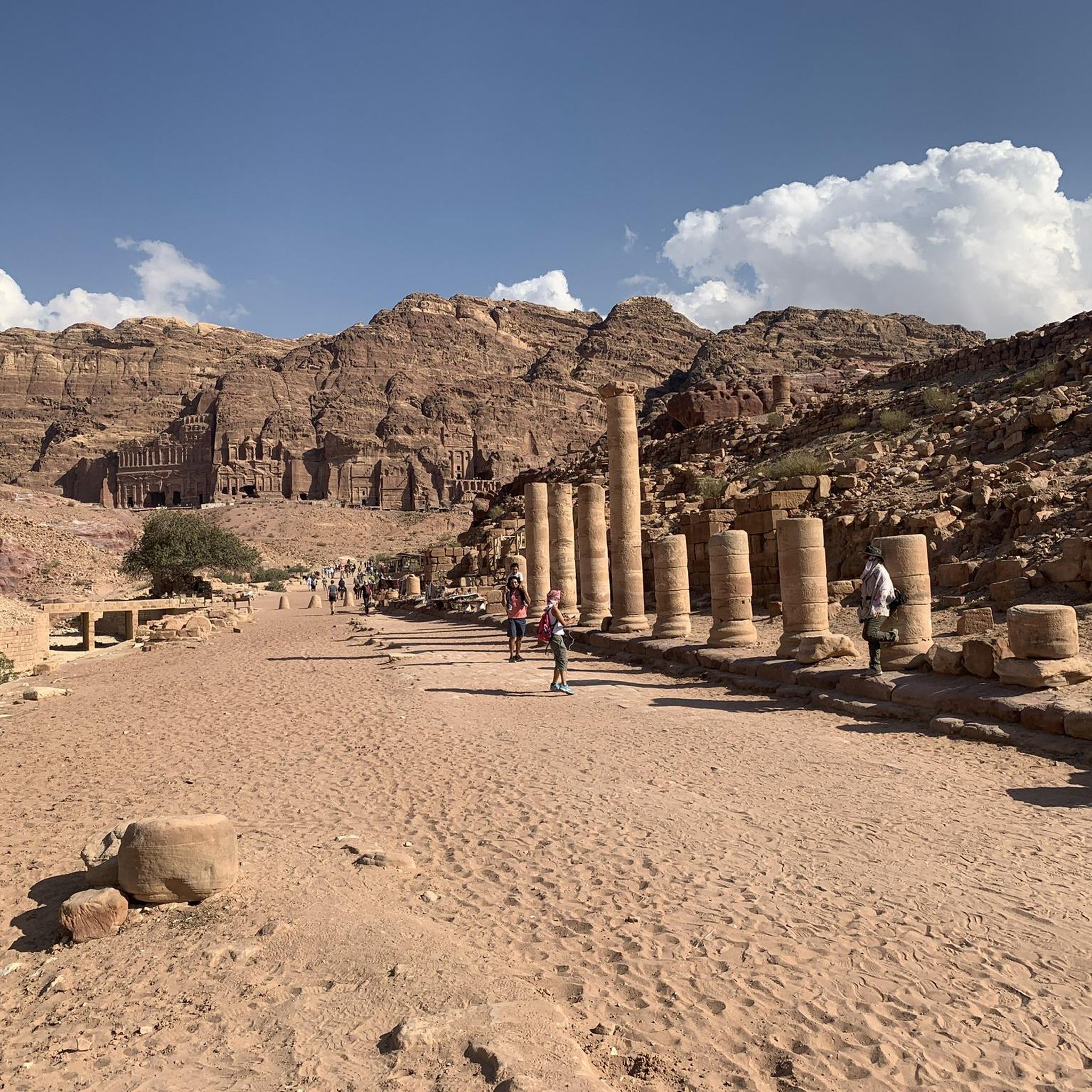
Other adventures in the Esh Shara


Tips from the Community

Above Petra, the so-called Royal Tombs rise majestically, a series of large burial complexes with impressive facades. Entry costs a hefty 85 euros (70 Jordanian dinars).
0
0

The Bedouins named these blocks (burial chambers) because the wind that whistles through them sounds like ghosts
0
0
The wooden parts that were used to build it provide a "suspension" and the building has been able to withstand many earthquakes and is still standing - the main god of the Nabataeans was worshipped here
0
0
the detour to the royal tombs is definitely worth it
0
0

Hike to the High Place of Sacrifice Trail
0
0

Little Petra is really worth the visit. You can take a free shuttle from Petra main entrance (in the bus area) to go there. From there you can also take the trail heading to the monastry.
0
0
You can take the jeep for 5 JOD or not because the start of the trail is also pretty and allows you to observe mountains, Bedouin tents and herds before starting the climb towards the monastery. There is now also a shuttle to the place where there are the restaurants (walk a little towards the "back entrance" road to find it, but be careful it is not very frequent and stops 15 minutes at a “craft village” before reaching the main entrance.
0
0

It is impressive what earlier civilizations were able to achieve. You should also go inside and marvel at the size and acoustics.
0
0
Frequently Asked Questions
What historical sites should I prioritize visiting in the Esh Shara region?
The Esh Shara region is renowned for the ancient city of Petra. Key historical sites include the iconic Al-Khazneh (The Treasury), the impressive Royal Tombs of Petra, and the massive Al-Deir (The Monastery). Don't miss the Petra Theater and the well-preserved Qasr al-Bint Temple.
What natural features or viewpoints can I explore in the Esh Shara region?
The region offers stunning natural geological formations. The narrow Siq (Petra) gorge is a must-see, leading to the Treasury. You can also find other canyons and rock-cut structures throughout Petra. For panoramic views, the path to Al-Deir (The Monastery) offers exceptional vistas, and Dana Village provides a viewpoint over the Dana Valley.
Are there family-friendly attractions in the Esh Shara region?
While the primary attractions like Petra involve a fair amount of walking, many families enjoy exploring the historical sites together. The initial walk through The Siq to Al-Khazneh is a captivating experience for all ages. For a less strenuous option, Little Petra (Siq al-Barid) offers similar rock-cut architecture on a smaller, more manageable scale.
What outdoor activities can I do near the attractions in Esh Shara?
The Esh Shara region provides various outdoor activities, especially hiking. You can find easy hikes like the 'Bab al‑Siq Tombs – The Siq (Petra) loop' or the 'Royal Tombs of Petra – Urn Tomb (Petra) loop'. For more options, explore the easy hikes in the Esh Shara guide. Cycling and mountain biking routes are also available, with guides for cycling and MTB trails in the region.
What is the best time to visit the Esh Shara region?
While not explicitly stated in the guide data, general advice for Petra suggests visiting during spring (March to May) and autumn (September to November) for pleasant weather, avoiding the extreme heat of summer and potential flash floods in winter. Arriving early in the morning, especially for sites like Al-Khazneh, is recommended to avoid crowds.
What do visitors enjoy most about the Esh Shara region, particularly Petra?
Visitors are consistently impressed by the sheer scale and preservation of the rock-cut architecture. The moment Al-Khazneh (The Treasury) appears at the end of The Siq is often described as a 'magnificent experience' and like 'traveling back in time'. The strenuous but rewarding path to Al-Deir (The Monastery) is also highly praised for its impressive size and less crowded atmosphere.
Are there any ancient settlements or villages to explore in the Esh Shara region besides Petra?
Yes, beyond the main city of Petra, you can visit Little Petra (Siq al-Barid), which served as a Nabataean suburb and caravanserai. Additionally, Dana Village is a historic settlement offering insights into traditional life and stunning views of the Dana Biosphere Reserve.
What kind of architecture can I expect to see in Petra?
Petra is famous for its unique rock-cut architecture, where monumental structures are carved directly into sandstone cliffs. You'll see elaborate facades like Al-Khazneh (The Treasury) and the Royal Tombs, as well as the massive Al-Deir (The Monastery). These structures showcase the advanced engineering and artistic skills of the Nabataean civilization.
What is the significance of The Siq in Petra?
The Siq is the main entrance to ancient Petra, a narrow, 1.2 km long gorge formed by a natural geological fault. It was historically the riverbed of Wadi Musa. The Nabataeans engineered a comprehensive water management system here to control flash floods. Its dramatic winding path, with glimpses of carvings and the eventual reveal of Al-Khazneh, makes it an integral part of the Petra experience.
Are there any specific tips for visiting Al-Khazneh (The Treasury)?
To fully appreciate Al-Khazneh and avoid the largest crowds, it's highly recommended to arrive early in the morning. The site typically opens around 6:30 AM in winter. The experience of seeing the Treasury emerge at the end of The Siq is truly unforgettable.
What is the difficulty level for exploring the main attractions in Petra?
Most of Petra's main attractions, such as Al-Khazneh and the Royal Tombs, are considered intermediate in difficulty due to the walking distances and uneven terrain. The path to Al-Deir (The Monastery) involves approximately 800 steps and is strenuous, but visitors find it very rewarding. There are also easier routes available, as detailed in the easy hikes guide.
Most popular attractions in the Esh Shara

Get inspired with the komoot mobile app


Explore more
Still not found the Highlight you’re looking for? See guides of the top attractions in other regions:
