Top 8 Mountain Passes in Glacier National Park
Best mountain passes in Glacier National Park traverse the Continental Divide, offering access to diverse ecosystems and landscapes. This region is characterized by rugged mountains, U-shaped valleys carved by ancient glaciers, and numerous lakes. The park is home to abundant wildlife and features significant geological formations. It holds cultural importance, having been inhabited by multiple indigenous tribes for thousands of years.
Best mountain passes in Glacier National Park
- The most popular mountain pass is Logan Pass, a mountain pass…
Last updated: July 10, 2026
Logan Pass
Highlight • Mountain Pass
Translated by Google •
Tip by

Glacier National Park
Highlight • Natural Monument
Tip by

Sign up now to discover places like this
Get recommendations on the best single tracks, peaks, & plenty of other exciting outdoor places.
Sign up for free
Going-to-the-Sun Road Trail
Highlight (Segment) • Trail
Tip by

Triple Divide Pass
Highlight • Mountain Pass
Tip by

Glacier National Park
Highlight • Natural Monument
Tip by

Sign up for free to discover even more mountain passes in Glacier National Park.
Sign up for free
Already have an account?
Start today with a free account
Your next adventure awaits.
Login or Signup
Popular around Glacier National Park
Pacific Northwest National Scenic Trail — From Alpine to Alava through the untamed Northwest
Great Divide Trail – Section A to E: Waterton to Maligne Lake
The pristine beauty of the US National Parks
Hiking in Glacier National Park
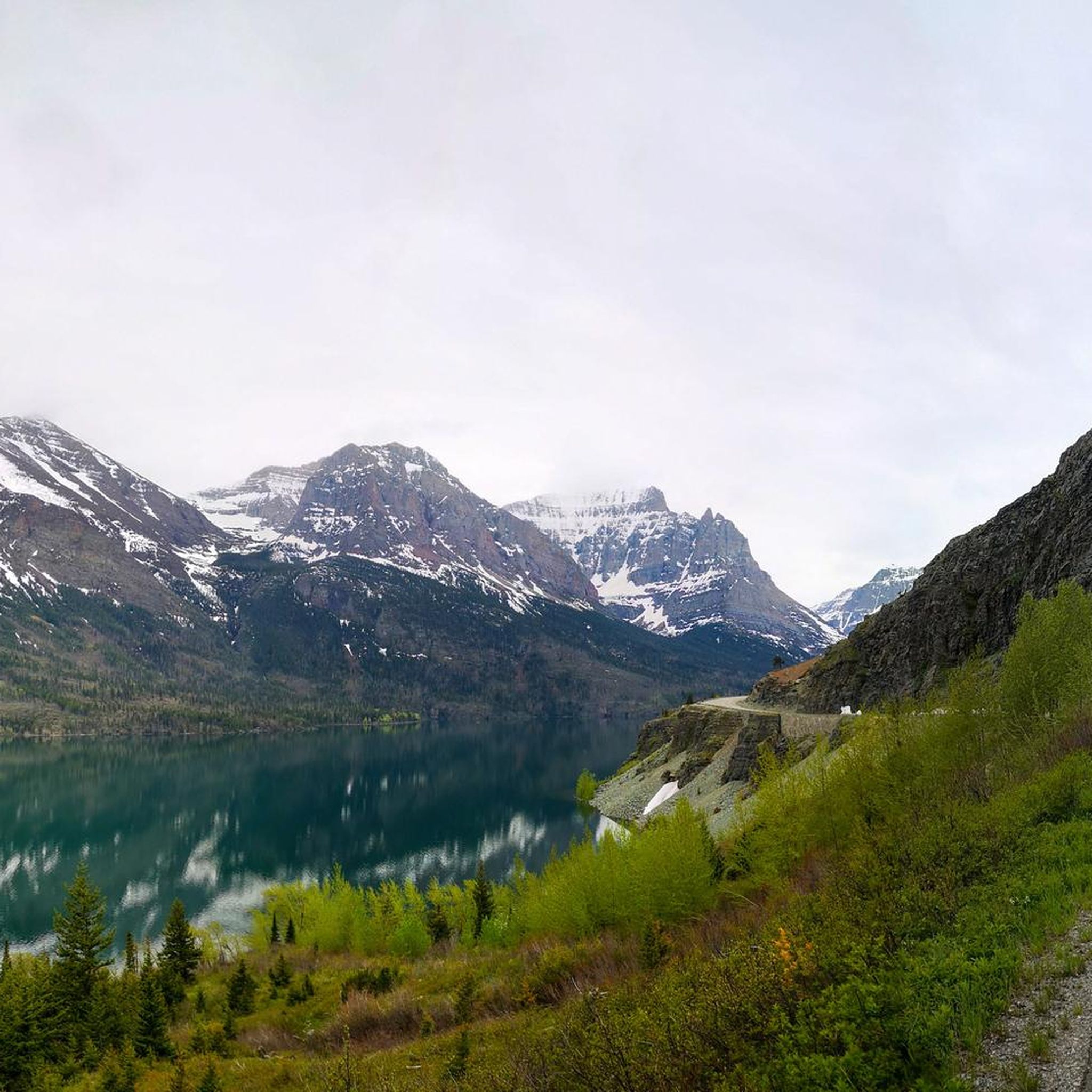
Cycling in Glacier National Park
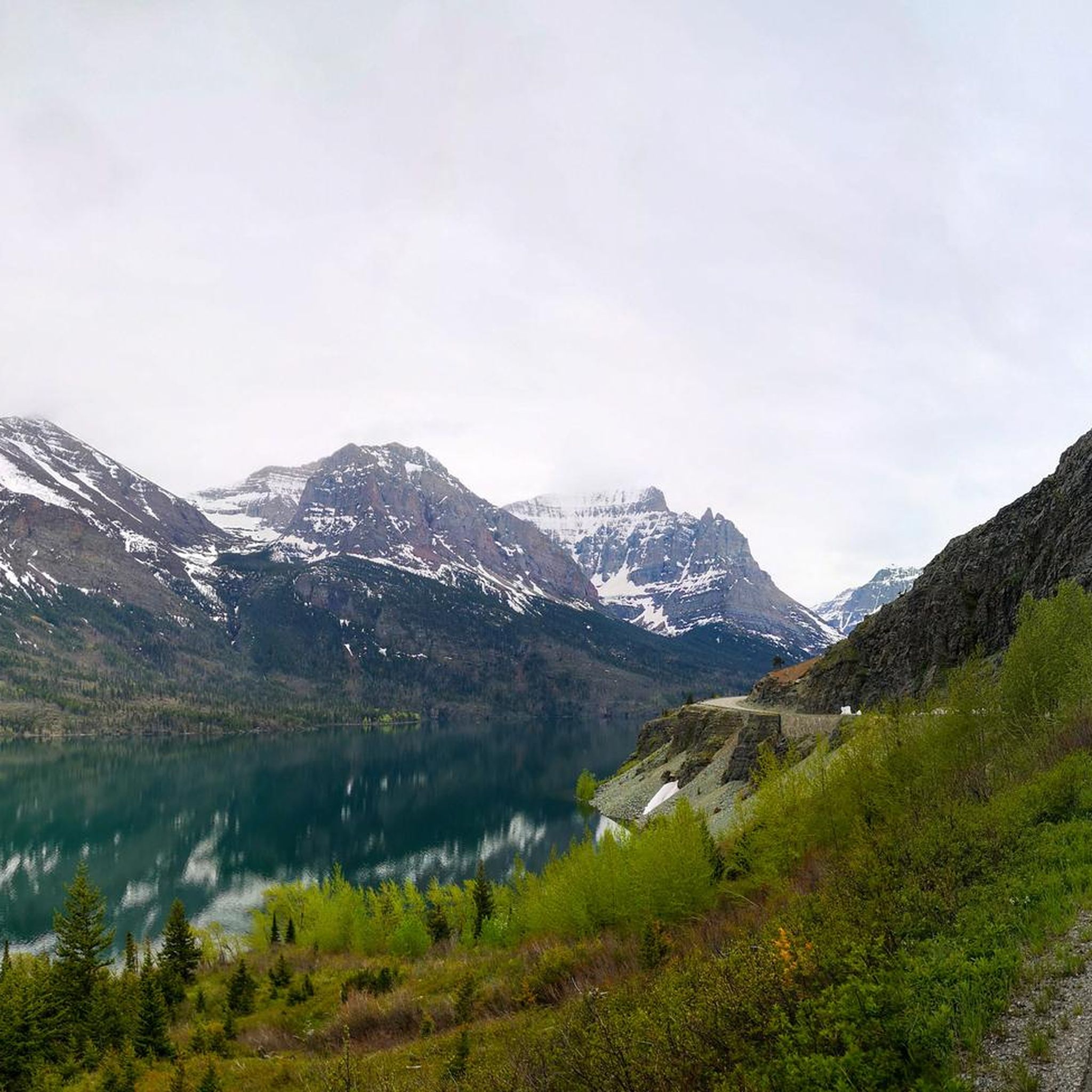
Road Cycling Routes in Glacier National Park
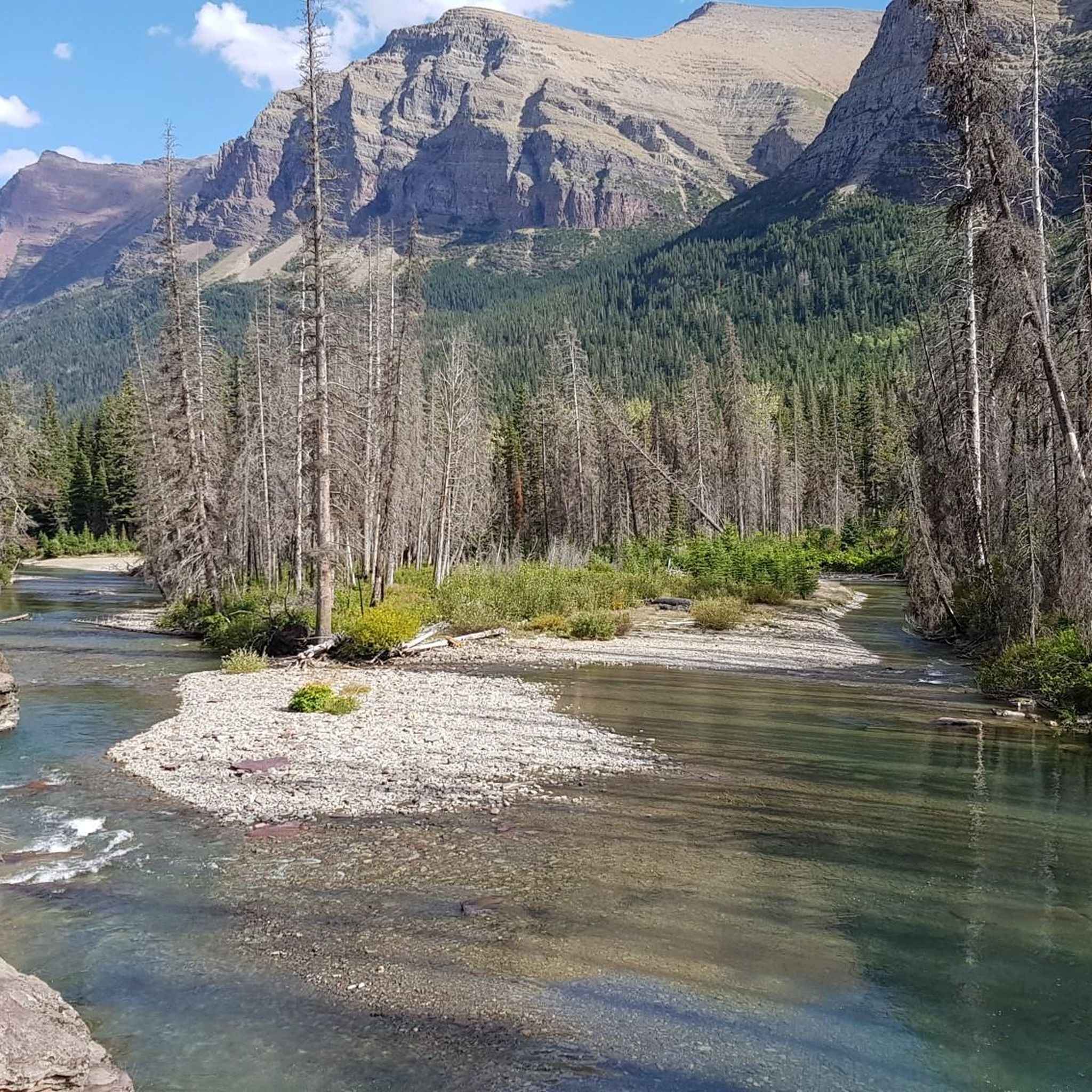
Running Trails in Glacier National Park
Other adventures in Glacier National Park


Tips from the Community

At about 2100 m you have a wonderful view of both sides of the pass. It is often still snow-covered and you feel like you are in a ski lodge
2
0

This area is really so incredibly beautiful.
3
0

Reaching the summit of Logan Pass by bike is a true high point—literally and figuratively—of any ride in Glacier National Park. At 6,646 feet, the pass straddles the Continental Divide and offers sweeping views of alpine meadows, rugged peaks, and likely some mountain goats. The visitor center at the top has restrooms, water, interpretive displays, and rangers on hand to answer questions. It’s also a jumping-off point for iconic hikes like the Hidden Lake Overlook and Highline Trail.
0
0

Glacier National Park spreads out over 1 million acres and is home to over 130 named lakes, rugged mountains, and dense forests. Established as the 10th national park in the United States, it was carved by ancient glaciers, creating U-shaped valleys. It once had 150 glaciers; only about 25 remain today, with projections indicating they may vanish by 2030 due to climate change. The area was home to multiple tribes, such as the Blackfeet, Salish, Kootenai, and Pend d’Oreille, who have inhabited the region for over 10,000 years.
0
0

This is a stunning and scenic road that traverses the Continental Divide at Logan Pass. This road, recognized as an engineering marvel and a National Historic Landmark, offers unparalleled vistas of snow-capped mountains, chances to spot wildlife like mountain goats, bears, bighorn sheep, and the opportunity to ride on one of the nation's most scenic routes. It's essential to be aware of peak season restrictions, which are enforced from June 15 through Labor Day. These restrictions include a ban on bicycles between Apgar Campground and Sprague Creek Campground in both directions from 11 am to 4 pm. During the spring, before full vehicle access begins, cyclists can enjoy a more leisurely ride without any restrictions. For detailed information, please refer to the National Park Service (NPS) website.
0
0

Triple Divide Peak is an extremely unique geological feature! Two of the continents principal divides (the Northern Divide and the Continental Divide) converge at this exact point and form the “hydrological apex” of North America. That is to say, if a drop of rain landed on the very top of this peak, it could flow into any one of three oceans: The Hudson Bay, the Atlantic, or the Pacific! Rainfall on the southwestern side of the peak will eventually drain into the Pacific Ocean near Astoria, Oregon. Rainfall on the northern side will drain into the Hudson Bay. And rainfall on the southeastern side will make its way down to New Orleans, emptying into the Gulf of Mexico- part of the Atlantic Ocean. Incredible!
1
0

Glacier National Park is one of the most popular National Parks in the United States. Most of the Montana visitors just travel to the state to see the park and its natural beauty. The landscape was shaped during the last ice age by huge glaciers that gave the park its name. You will find stunning ice blue lakes, towering mountains and wildlife is abundant. Glacier National Park is also home of black bears and Grizzlies. The iconic Continental Divide Trail start at the Canadian border of Glacier National Park and runs through it. Backcountry camping is only allowed in established campground and you will need to apply for a permit as early as possible.
3
0

A small trail that offers good insights into the magnificent nature that you can experience on a hike. Is not far from the visitor center.
1
0
Frequently Asked Questions
Beyond Logan Pass, what other notable mountain passes can I explore in Glacier National Park?
While Logan Pass is the most famous, Glacier National Park offers several other significant mountain passes. These include Siyeh Pass, known for its challenging but rewarding hike; Piegan Pass, offering remarkable scenery with waterfalls; Gunsight Pass, typically a multi-day backpacking trip; and Marias Pass, notable for being the only road crossing of the Continental Divide in the US north of Rogers Pass during winter.
What kind of views can I expect from Logan Pass?
From Logan Pass, you can expect panoramic views of dozens of craggy mountain peaks, including Reynolds Mountain and Clements Mountain. It offers sweeping vistas of both sides of the Continental Divide, and during summer, alpine meadows are carpeted with vibrant wildflowers. Visitors often enjoy the well-maintained path leading to the Hidden Lake Lookout for fantastic views down to the lake.
Are there family-friendly hiking options around the mountain passes?
Yes, there are family-friendly options. Logan Pass is a great starting point for the Hidden Lake Trail, a relatively easy 2.8-mile round trip hike with a boardwalk section, making it accessible for many. This trail offers chances to see mountain goats and the Garden Wall. The park also features other trails suitable for families, though specific difficulty can vary.
What wildlife can I spot around the mountain passes in Glacier National Park?
Glacier National Park's mountain passes are excellent for wildlife viewing. Around Logan Pass, you are almost guaranteed to spot mountain goats and bighorn sheep. Marmots, pikas, and even occasional grizzly or brown bears can also be seen in the vicinity. The Going-to-the-Sun Road Trail also offers opportunities to spot wildlife.
What is the best time of year to visit the mountain passes in Glacier National Park?
The best time to visit the mountain passes, especially those accessible by road like Logan Pass via Going-to-the-Sun Road, is typically from late June or early July through early October, when the roads are fully open and snow-free. During summer, wildflowers are abundant, and wildlife is active. Visiting early or late in the day is recommended for fewer crowds and better wildlife viewing.
What are the parking and accessibility options for Logan Pass?
Logan Pass is the highest point on Going-to-the-Sun Road reachable by car, making it easily accessible by vehicle. However, parking can be challenging during peak hours due to its popularity. A free shuttle service is available, and visiting early or late in the day is recommended to secure a spot and avoid crowds.
Are there challenging multi-day passes for experienced hikers?
Yes, Glacier National Park is known for its challenging multi-day passes. Gunsight Pass, for example, is typically considered a backpacking trip, often taking two days to complete the 20.6-mile trail. Shorter sections, like the 7 miles to Gunsight Lake, can be hiked as day trips, offering a true backcountry experience through forests and past glaciers.
What unique geological features can be found among the mountain passes?
One of the most unique geological features is Triple Divide Pass. This point is where two of the continent's principal divides converge, forming the hydrological apex of North America. Rainfall here can flow into three different oceans: the Hudson Bay, the Atlantic, or the Pacific, depending on which side of the peak it lands.
What outdoor activities can I do near the mountain passes in Glacier National Park?
Near the mountain passes, you can enjoy a variety of outdoor activities. For hiking, popular routes include the Highline Trail and the Hidden Lake Trail from Logan Pass. You can also find numerous running trails, such as the Logan Pass Visitor Center – Hidden Lake Lookout loop. Road cycling is also popular, especially on the Going-to-the-Sun Road Trail when restrictions allow. For more details on routes, you can explore guides like Waterfall hikes in Glacier National Park, Running Trails in Glacier National Park, and Road Cycling Routes in Glacier National Park.
Are there any specific restrictions for cyclists on the Going-to-the-Sun Road?
Yes, cyclists should be aware of peak season restrictions on the Going-to-the-Sun Road Trail. These are typically enforced from June 15 through Labor Day and include a ban on bicycles between Apgar Campground and Sprague Creek Campground in both directions from 11 am to 4 pm. During the spring, before full vehicle access begins, cyclists can often enjoy a more leisurely ride without these restrictions.
What do visitors enjoy most about the mountain passes in Glacier National Park?
Visitors consistently praise the incredible natural beauty and the magnificent nature experienced on hikes. The panoramic views from passes like Logan Pass, the abundance of wildlife, and the unique geological features like Triple Divide Pass are frequently highlighted. The well-maintained trails and the opportunity to traverse the Continental Divide also contribute to a highly appreciated experience.
What is the significance of Marias Pass?
Marias Pass, located near Glacier National Park at an elevation of 5,213 feet (1,589 meters), is significant as the only way to cross the Continental Divide by road in the United States north of Montana's Rogers Pass during winter. This makes it a crucial route for travel and access during colder months when other high mountain passes are closed.
Most popular routes in Glacier National Park
Most popular attractions in Glacier National Park

Get inspired with the komoot mobile app


Explore more
See even more epic mountain passes by checking out these guides in Glacier National Park:
