The best running trails in Glacier National Park
70
runners
8
runs
Jogging in Glacier National Park offers a diverse range of landscapes, characterized by vertical, glacier-scoured mountains, pristine lakes, and extensive forests. The terrain includes both gentle paths and challenging ascents, providing varied running experiences. Over 700 miles of trails traverse the park, featuring coniferous woodlands, alpine meadows, and numerous waterfalls. This region is defined by its dramatic geological formations and abundant natural features.
Best jogging routes in Glacier National Park
- The most popular jogging route is Logan Pass Visitor Center…
Last updated: October 12, 2026
18
runners
31.0km
04:13
1,170m
1,160m
Hard run. Very good fitness required. Mostly paved surfaces. Suitable for all skill levels.
14
runners
28.3km
04:03
1,050m
1,050m
Hard run. Very good fitness required. Mostly paved surfaces. Suitable for all skill levels.

10
runners
14.0km
01:53
420m
420m
Hard run. Very good fitness required. Mostly paved surfaces. Suitable for all skill levels.
5
runners
7.75km
00:50
10m
10m
Moderate run. Good fitness required. Mostly paved surfaces. Suitable for all skill levels.
6
runners
6.24km
00:41
40m
40m
Moderate run. Good fitness required. Mostly paved surfaces. Suitable for all skill levels.
Get access to more routes and recommendations from other explorers.
Already have an account?
Our route recommendations are based on thousands of hikes, rides, and runs completed by other people on komoot.
Start today with a free account
Your next adventure awaits.
Popular around Glacier National Park
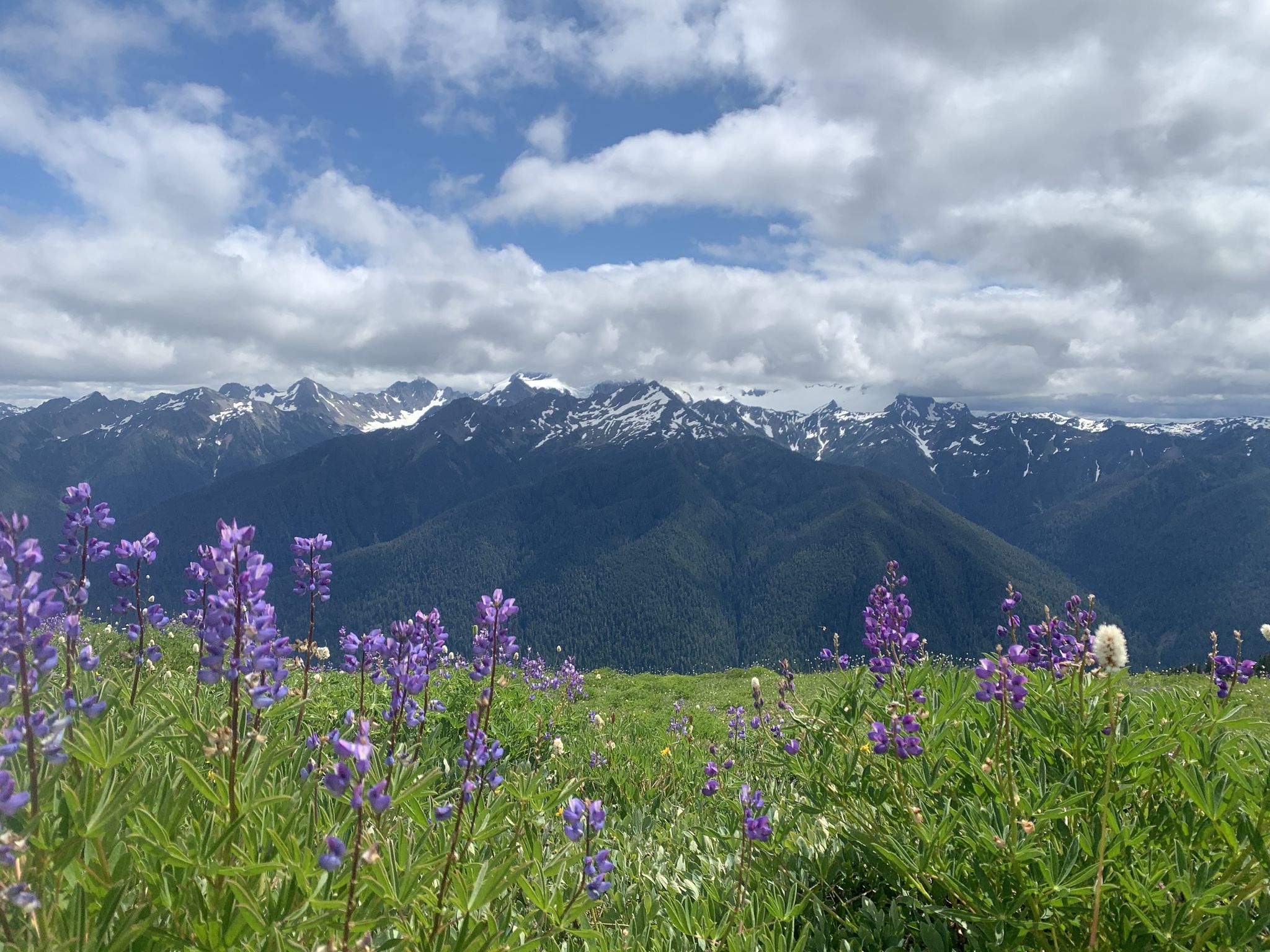
Pacific Northwest National Scenic Trail — From Alpine to Alava through the untamed Northwest
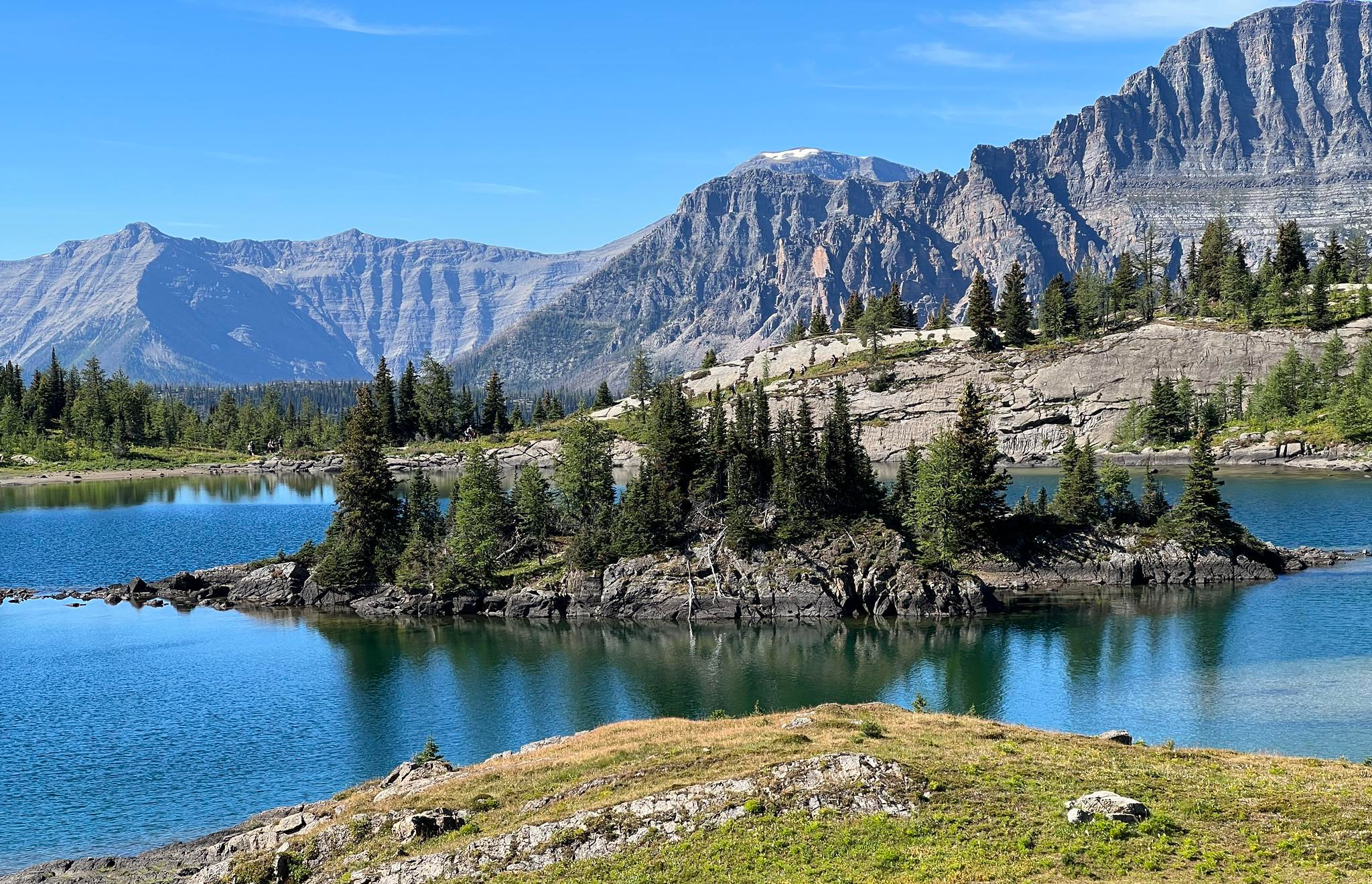
Great Divide Trail – Section A to E: Waterton to Maligne Lake
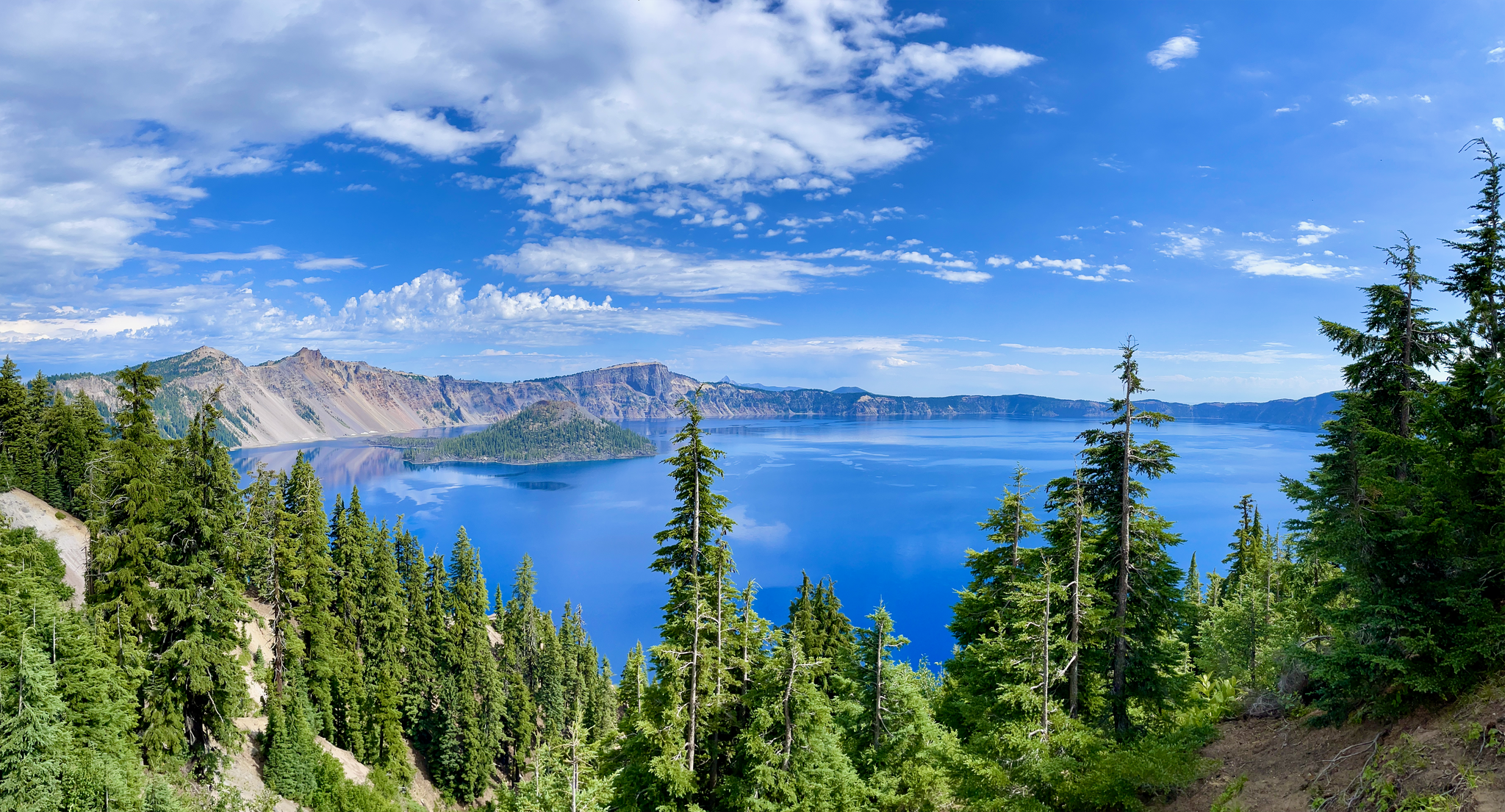
The pristine beauty of the US National Parks
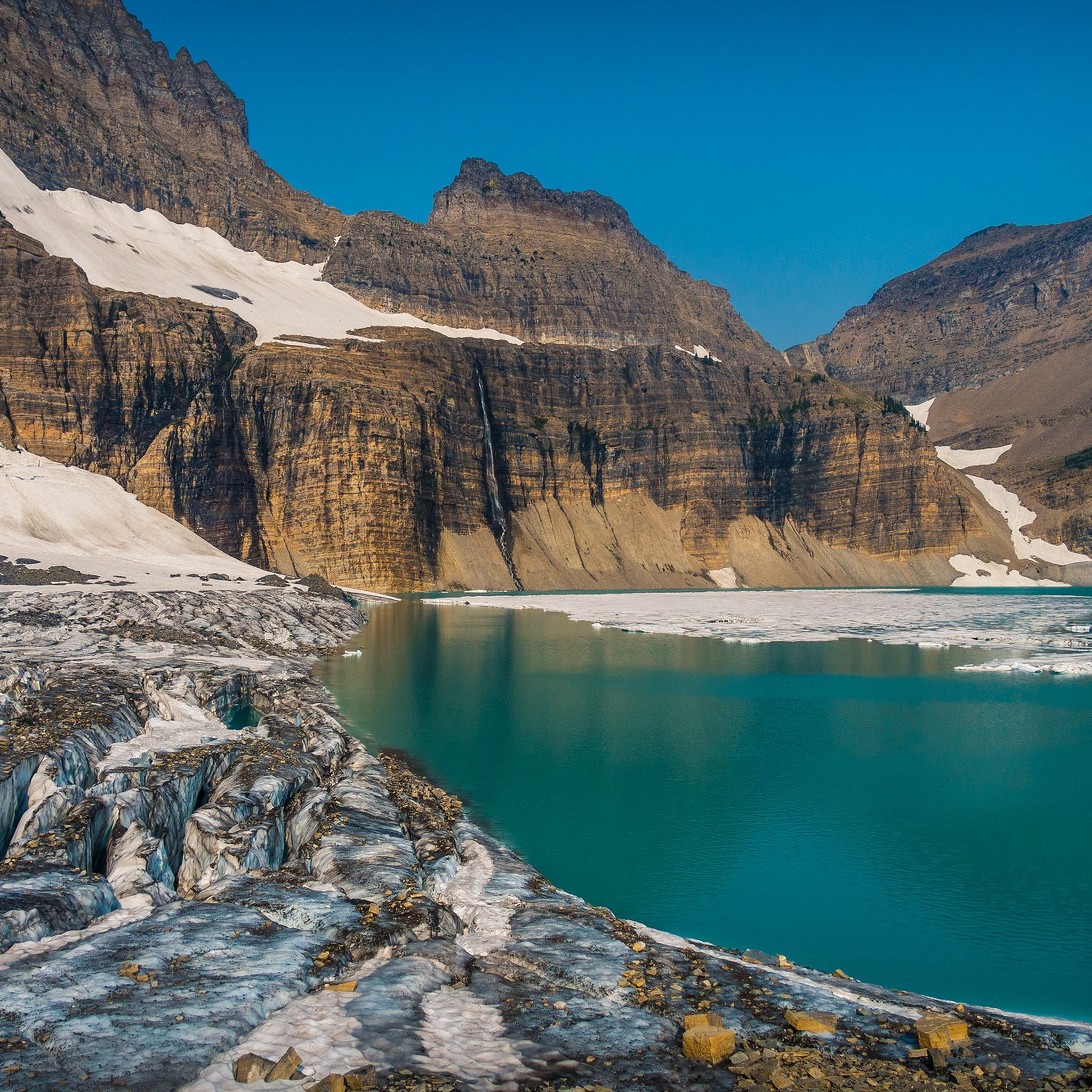
Hiking in Glacier National Park
Cycling in Glacier National Park
Road Cycling Routes in Glacier National Park
Other adventures in Glacier National Park


Tips from the Community

At about 2100 m you have a wonderful view of both sides of the pass. It is often still snow-covered and you feel like you are in a ski lodge
2
0

This paved path takes you around the town of Waterton, along the lakeshore, and right by the famous Cameron Falls. The path never strays too far from town so you can grab a drink or snack if you feel the urge. The areas natural surroundings mean wildlife are often spotted on the trail, so keep your eyes open and camera handy.
0
0
This beautiful waterfall is easily reached from the Waterton Townsite and is a must see if you're in the area. While the best views are from the base of the falls there is a short side trail you can take to the top of the falls if you'd like to get a different perspective.
0
0

This area is really so incredibly beautiful.
3
0

Big Bend is one of the most iconic curves on Going-to-the-Sun Road, where the pavement sweeps in a dramatic arc beneath towering peaks and open sky. Located just west of Logan Pass, it offers a breathtaking vantage point of the upper Garden Wall and the valley far below. There’s a small pullout where you can pause to take in the view—or catch your breath if you're climbing by bike. In summer, wildflowers often blanket the slopes, and waterfalls thread down the cliffs in the distance. It’s a classic Glacier National Park scene, and one of the road’s most photographed spots.
1
0
Reaching the summit of Logan Pass by bike is a true high point—literally and figuratively—of any ride in Glacier National Park. At 6,646 feet, the pass straddles the Continental Divide and offers sweeping views of alpine meadows, rugged peaks, and likely some mountain goats. The visitor center at the top has restrooms, water, interpretive displays, and rangers on hand to answer questions. It’s also a jumping-off point for iconic hikes like the Hidden Lake Overlook and Highline Trail.
0
0

The trail up to Bear's Hump starts here. This is a popular hike in summer, and in winter you can also do the tour with snowshoes.
1
0

Large hotel directly on the lake shore, restaurant with a view over the lake, large hiking car park 100m away
0
0
Frequently Asked Questions
How many running routes are available in Glacier National Park?
Glacier National Park boasts an extensive network of over 700 miles of trails suitable for various activities, including running. This guide highlights 13 specific jogging routes, offering diverse experiences across the park's stunning landscapes.
Are there easy running trails suitable for beginners or families in Glacier National Park?
Yes, Glacier National Park offers several options for easier runs. While this guide focuses on moderate to difficult routes, the park generally has paths suitable for those new to trail running or families. For instance, the Logan Pass Visitor Center – Hidden Lake Lookout loop from Logan Pass is a moderate 2.8-mile trail that provides stunning views and is a popular choice for a less strenuous experience. The park also features easy day hikes like the Avalanche Lake Trail, which can be adapted for a gentle run.
What kind of terrain can I expect on the running trails in Glacier National Park?
The terrain in Glacier National Park is incredibly varied. You'll encounter everything from deep ancient forests with coniferous trees to alpine meadows bursting with wildflowers. Many trails feature significant elevation changes, traversing vertical, glacier-scoured mountains. Expect a mix of well-maintained paths and more rugged sections, often with breathtaking vistas of pristine lakes and snow-capped peaks.
Are there challenging running routes for experienced trail runners in Glacier National Park?
Absolutely. Glacier National Park is home to several demanding routes perfect for experienced trail runners. The Granite Park Trail – Logan Pass loop from Patrol Cabin is a difficult 19.3-mile path with significant elevation gains and panoramic mountain vistas. Another challenging option is the Mount Morgan loop from Two Medicine Creek, a 17.6-mile trail through varied mountain terrain.
Can I see waterfalls while running in Glacier National Park?
Yes, Glacier National Park is home to hundreds of waterfalls, many of which are accessible from or visible along various trails. Notable waterfalls include St. Mary Falls, Virginia Falls, McDonald Falls, and Swiftcurrent Falls. While not explicitly on the routes in this guide, many park trails will bring you close to these natural wonders, especially those near meltwater-fed streams and lakes.
What are some notable landmarks or viewpoints I might encounter on a run?
Glacier National Park offers numerous iconic landmarks and viewpoints. You might run past or near Logan Pass, which crosses the Continental Divide, or enjoy views from Scenic Point. Other highlights include the historic Granite Park Chalet and various fire lookouts like Swiftcurrent Fire Lookout, offering expansive mountain vistas.
What do other runners enjoy most about jogging in Glacier National Park?
Runners frequently praise the park's majestic mountains, pristine lakes, and diverse forests. The extensive trail network is highly valued for offering options for different ability levels, from moderate paths to difficult, long-distance runs. Many appreciate the opportunity to experience dramatic geological formations and abundant natural features, making each run a unique adventure.
Are there any circular running routes in the park?
Yes, several routes in this guide are circular, allowing you to start and end at the same point. For example, the Logan Pass Visitor Center – Hidden Lake Lookout loop from Logan Pass is a popular loop. Another challenging circular option is the Grinnell Glacier Overlook loop from Logan Pass, which offers incredible views.
What should I know about wildlife when running in Glacier National Park?
Glacier National Park is home to varied wildlife, including bighorn sheep, mountain goats, elk, moose, and both black and grizzly bears. Joggers should always be aware of their surroundings, make noise to avoid surprising animals, and carry bear spray. Running in groups is also recommended, especially in areas known for bear activity. Always maintain a safe distance from wildlife.
Is there a best time of year to go running in Glacier National Park?
The best time for running in Glacier National Park is typically from late spring through early fall (June to September) when most trails are free of snow and accessible. Summer offers vibrant wildflowers and warmer temperatures, but also higher visitor numbers. Early morning or late afternoon runs can help avoid crowds and offer cooler temperatures. Always check current trail conditions and weather forecasts before heading out, as conditions can change rapidly.
Are dogs allowed on the running trails in Glacier National Park?
Glacier National Park has strict regulations regarding pets to protect wildlife and natural resources. Dogs are generally not allowed on hiking or running trails, unpaved roads, or in the backcountry. They are permitted in developed areas, frontcountry campgrounds, and along paved roads, provided they are on a leash no longer than 6 feet. Always check the official National Park Service website for the most current pet policies before your visit: NPS Glacier Pets.
What are the parking options like for accessing running trails?
Parking is available at various trailheads and visitor centers throughout Glacier National Park, including popular spots like Logan Pass and Many Glacier. However, during peak season (summer), parking lots can fill up very early in the day. It's advisable to arrive early, especially for popular trailheads, or consider using the park's shuttle system where available to access certain areas. Some areas may require a vehicle reservation during peak times, so check the official park website for current access requirements.
Most popular routes in Glacier National Park
Most popular attractions in Glacier National Park

Get inspired with the komoot mobile app


Explore more
Browse the best Running Trails & Routes in other regions.
