Top 20 Mountain Passes in the Cantabrian Mountains
Best mountain passes in the Cantabrian Mountains traverse a significant range in northern Spain, connecting autonomous communities like Asturias, Cantabria, and Castile and León. These passes offer crucial routes through diverse landscapes. The region is characterized by its mountainous terrain, providing numerous viewpoints and natural features. Many passes hold historical and cultural significance, serving as ancient pathways and parts of routes like the Camino de Santiago.
Best mountain passes in the Cantabrian Mountains
- The most popular mountain passes is Pilgrim Statue at Alto de San Roque, a man-made monument crowned at 1270 meters of altitude. This site offers a panoramic view of the surrounding mountains and features a pilgrim statue representing the effort of those on the Camino de Santiago.
- Another must-see spot is Piedrasluengas Viewpoint, a viewpoint located in the Fuentes Carrionas and Fuente Cobre-Montaña de Palencia Natural Park. Rising to over 1,300 meters above sea level, it provides views of the Picos de Europa, Peña Labra, and various valleys.
- Visitors also love El Moral Plateau, a high mountain plateau accessible by a forest track. This viewpoint offers landscapes and is near a hermitage often used as a refuge.
- Cantabrian Mountains is known for historical passes, scenic viewpoints, and challenging climbs. The region offers a variety of mountain passes to explore, from those with cultural landmarks to natural monuments.
- The mountain passes in the Cantabrian Mountains are appreciated by the komoot community, with more than 150 highlights and over 180 photos shared. These contributions have received more than 330 upvotes.
Last updated: June 26, 2026
Pilgrim Statue at Alto de San Roque
Highlight • Monument
The silhouette of the pilgrim whipped by the wind represents the effort of all the people who make the Camino de Santiago, it does not matter if it is on foot or by bicycle.
From here you can enjoy a unique panoramic view of the surrounding mountains and one of the most photographed images of the Camino: the monument to the pilgrim against the background of the landscape.
Translated by Google •
Tip by

Alto do Poio
Highlight • Mountain Pass
Here you will find a hostel and a hostel with bar service, so you can enjoy a reward by having a drink on one of its terraces and regaining strength before facing the descent.
The landscape, both going up and down, is unforgettable.
Translated by Google •
Tip by
Sign up now to discover places like this
Get recommendations on the best single tracks, peaks, & plenty of other exciting outdoor places.
Sign up for free
Climb to Lagos de Covadonga from Cangas de Onís
Highlight (Segment) • Climb
Translated by Google •
Tip by

Cebreiro Pass
Highlight • Mountain Pass
This pass separates the provinces of Lugo and León and is crowned at 1,300 meters above sea level.
Translated by Google •
Tip by
Alto de La Marta
Highlight • Mountain Pass
Translated by Google •
Tip by

Alto de la Tornería Scenic Road
Highlight (Segment) • Mountain Pass
Translated by Google •
Tip by

El Moral Plateau
Highlight • Viewpoint
Translated by Google •
Tip by

Foncebadón Pass
Highlight • Mountain Pass
Translated by Google •
Tip by

Alto de la Farrapona
Highlight • Mountain Pass
Translated by Google •
Tip by
The three passes of O Cebreiro
Highlight (Segment) • Mountain Pass
You reach the top of the Cebreiro after a long climb, that from Las Herrerias (650 m.) leads to the village of Pedrafita do Cebreiro and then to the village of O Cebreiro, on the homonymous mountain pass (1300 m.), the highest summit after the Cruz de Hierro (1500 m.) in the province of León.
A few km after O Cebreiro, you have to climb over two more passes, Alto de San Roque (1270 m.) and Alto do Poio (1335 m.) in a magnificent landscape of mountains, forests, but often clouds, fog and winds too.
From here onwards, the path descends gradually towards Santiago
Tip by

Sign up for free to discover even more mountain passes in the Cantabrian Mountains.
Sign up for free
Already have an account?
Start today with a free account
Your next adventure awaits.
Login or Signup
Popular around Cantabrian Mountains
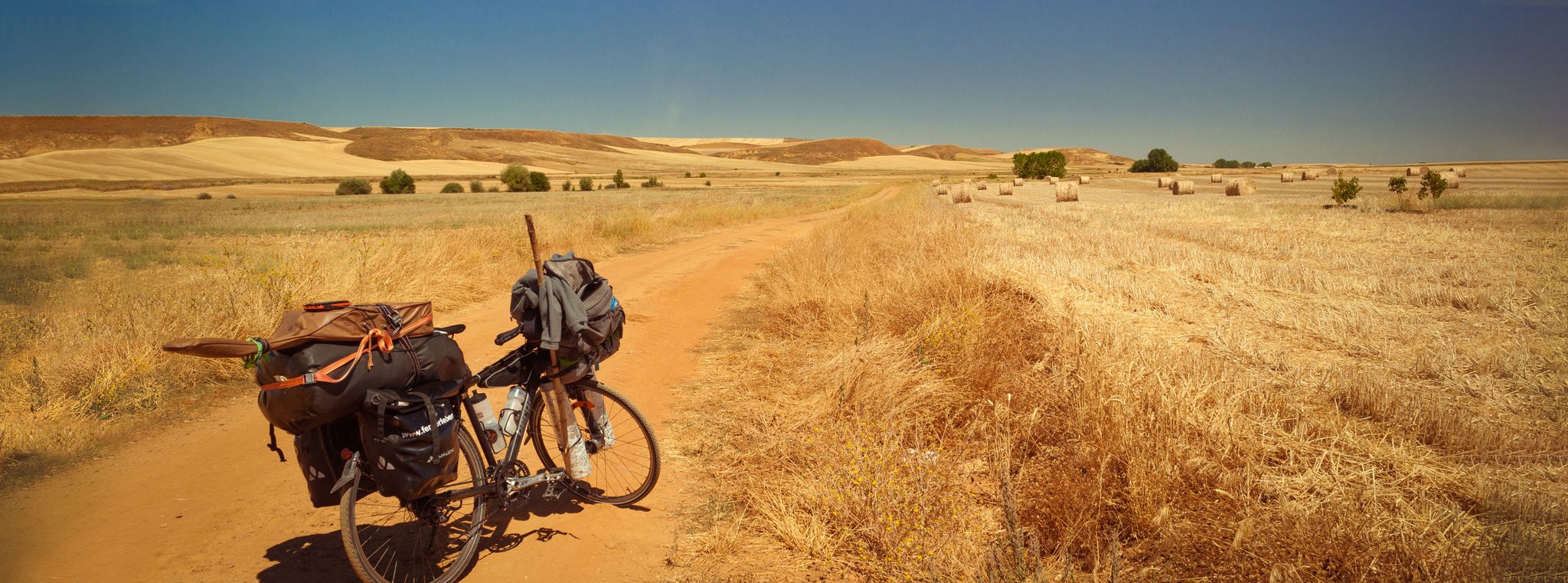
Camino Francés and Camino Finisterre – Cycling pilgrimages in Spain
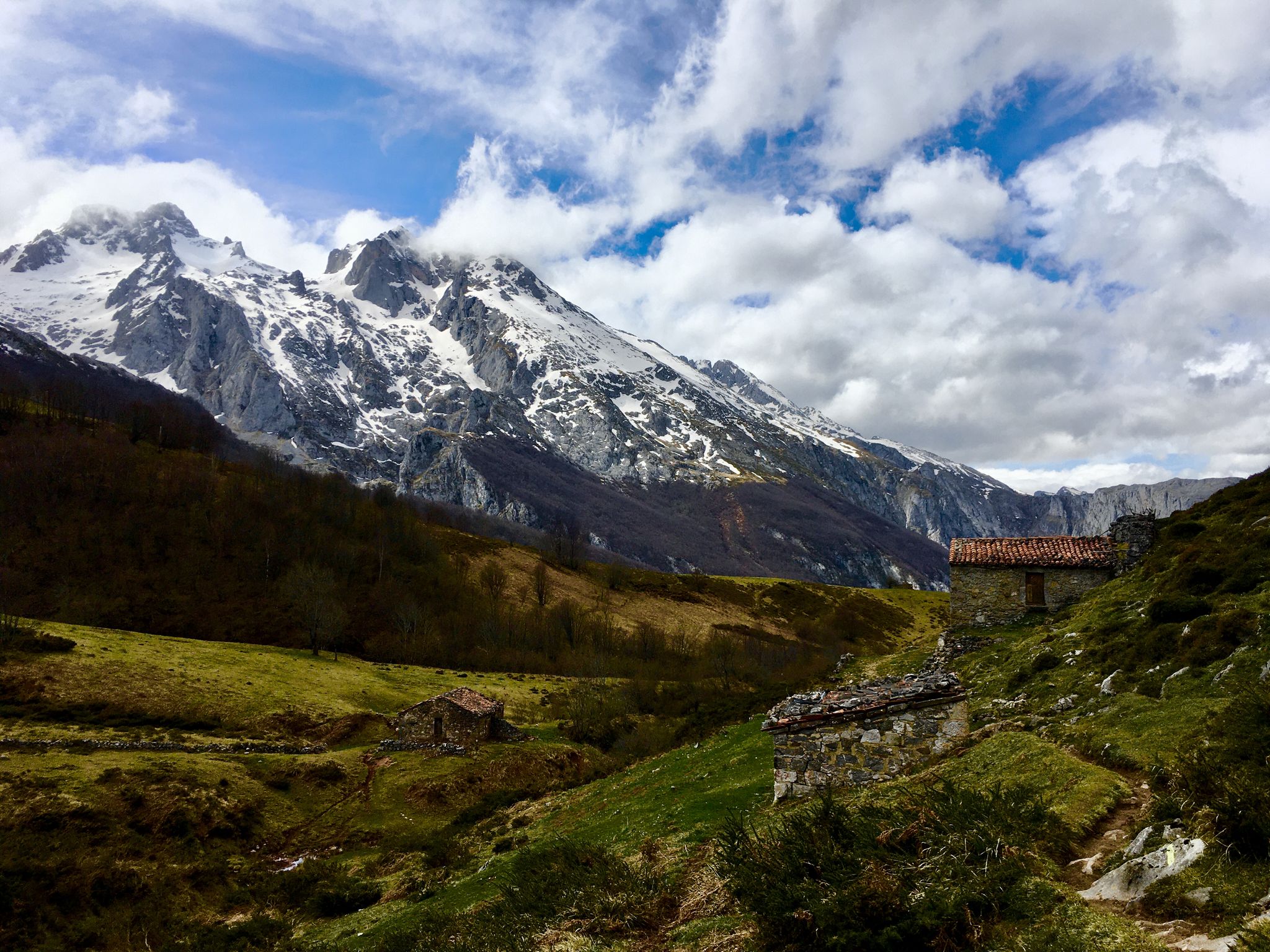
Route of the Reconquest (GR 202) – In the footsteps of an army
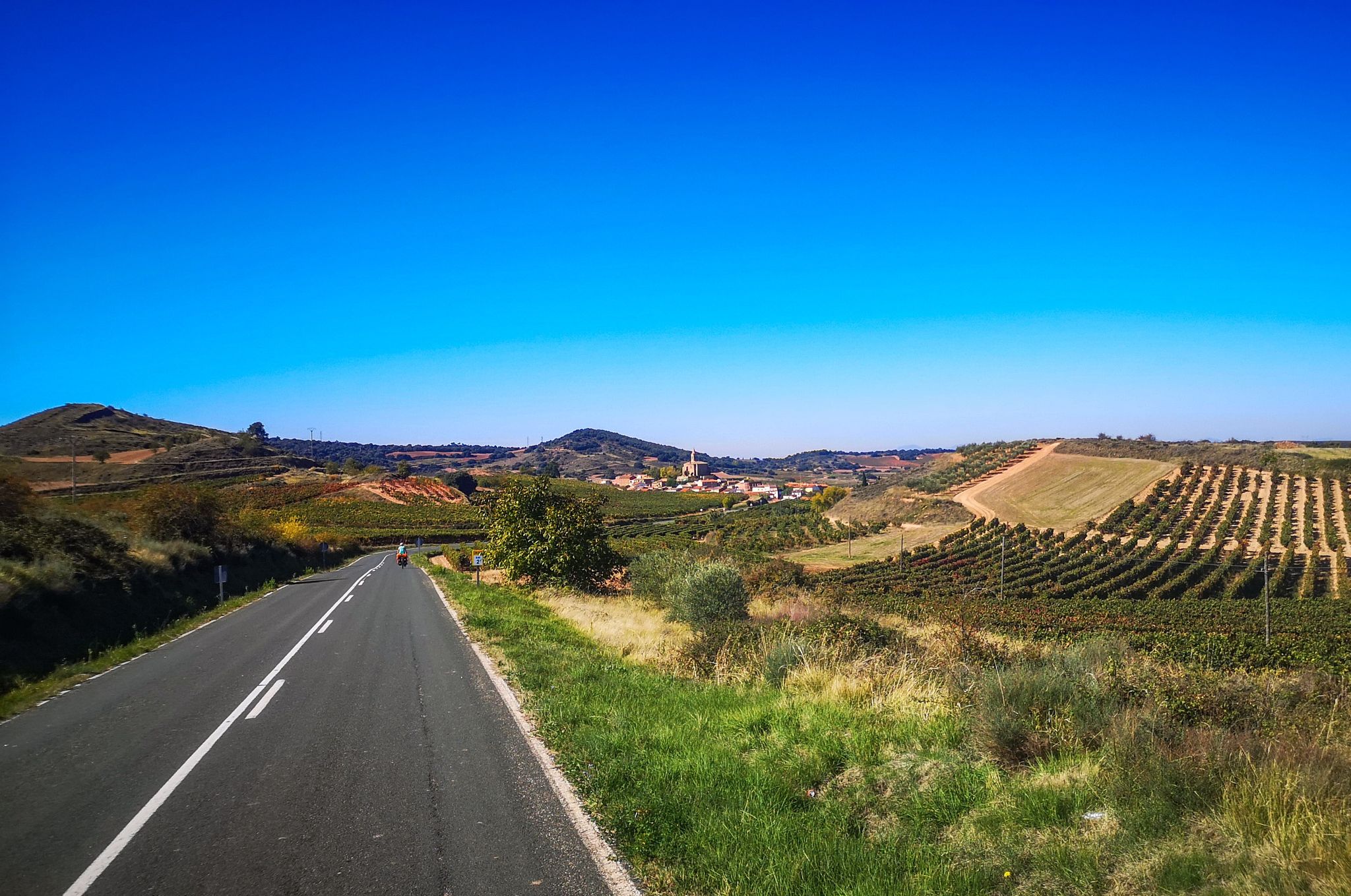
Santiago de Compostela – A journey through northern Spain (10 days)
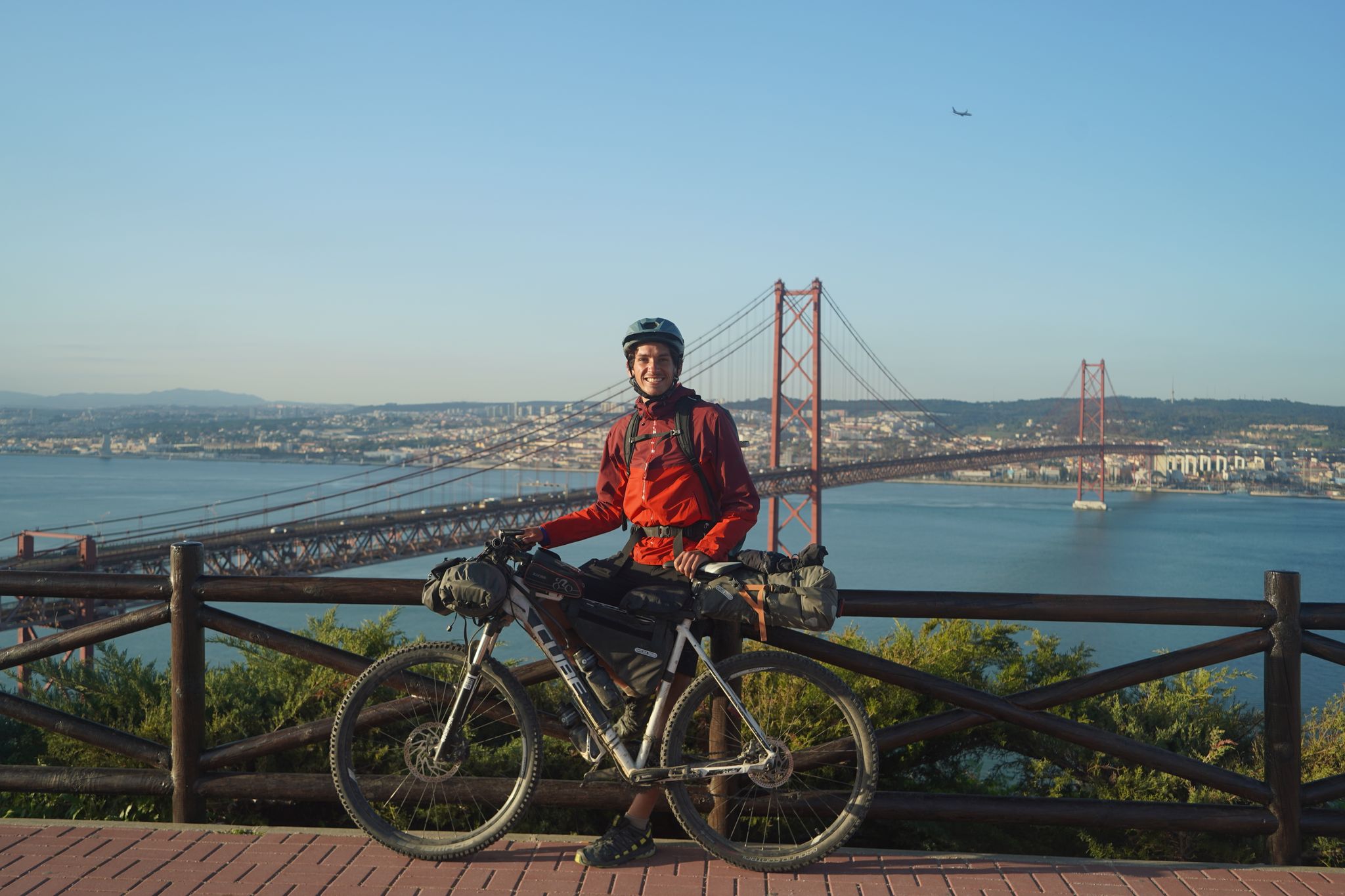
Road to Lisbon – bikepacking the Alps, Pyrenees and Picos de Europa
Camino del Norte – 15 stages
Camino del Norte (in reverse) – Discovering northern Spain's stunning coastline
Central Mountain Cycling Ring GR 208 - Tour of the Asturian Mountains
Senda del Arcediano (GR 210) - A historical hike through the Picos del Picos
Great mountain passes of Picos de Europa on road bikes
Legendary climbs - Ports of La Vuelta a España
Other adventures in the Cantabrian Mountains


Tips from the Community

The pass is now paved and can be driven on by car.
1
0

During the mining era, this pass served as a discreet link between mines on either side, and minimal traces of old cart and mule traffic remain, though they don't coincide with the current road. From above, the wind is almost constant, and the view towards the Saliencia lakes has that air of a "natural viewpoint" before the term even existed. It's perfect to mark on Komoot as a key point on your route due to its spaciousness, its somewhat hidden history, and its character as a natural border.
1
0
One of the highest points on the French Way of the Camino de Santiago, located between Triacastela and Fonfría, already in the province of Lugo. At 1,335 meters above sea level, this peak offers a natural viewpoint overlooking the Galician mountains. The area is often exposed to wind and changeable weather, even in summer, but the views and the feeling of having reached a milestone more than compensate. There's a hostel/bar right at the summit, useful as a stopping point for pilgrims and cyclists. Dress warmly before reaching the top: the temperature here can drop suddenly, even on sunny days. If you're on a mountain bike or e-bike, make sure you have good traction on descents and that your brakes are checked: the descent towards Fonfría is fast and winding. It's a good place to rest and refill your water or coffee before continuing.
1
0

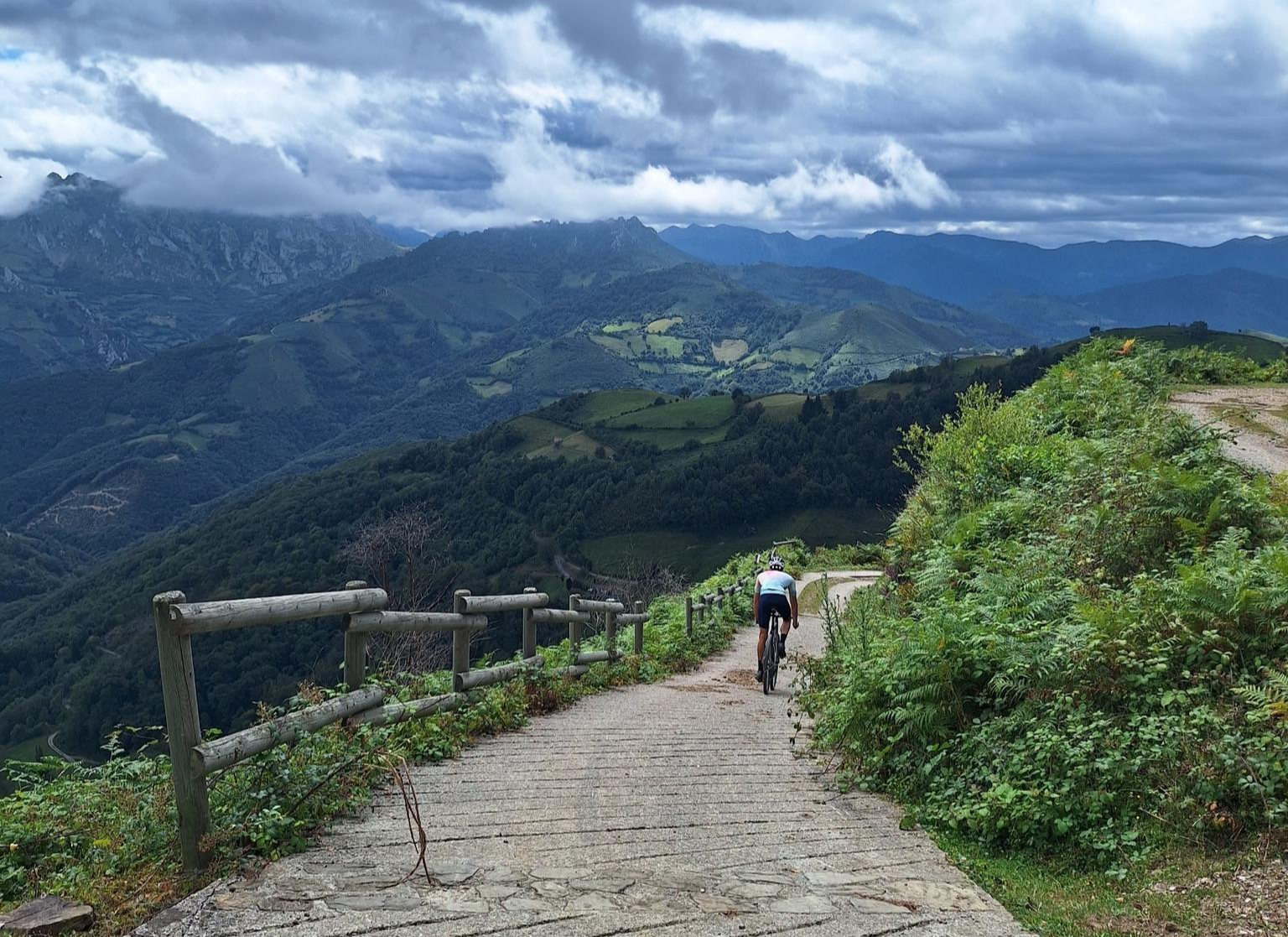
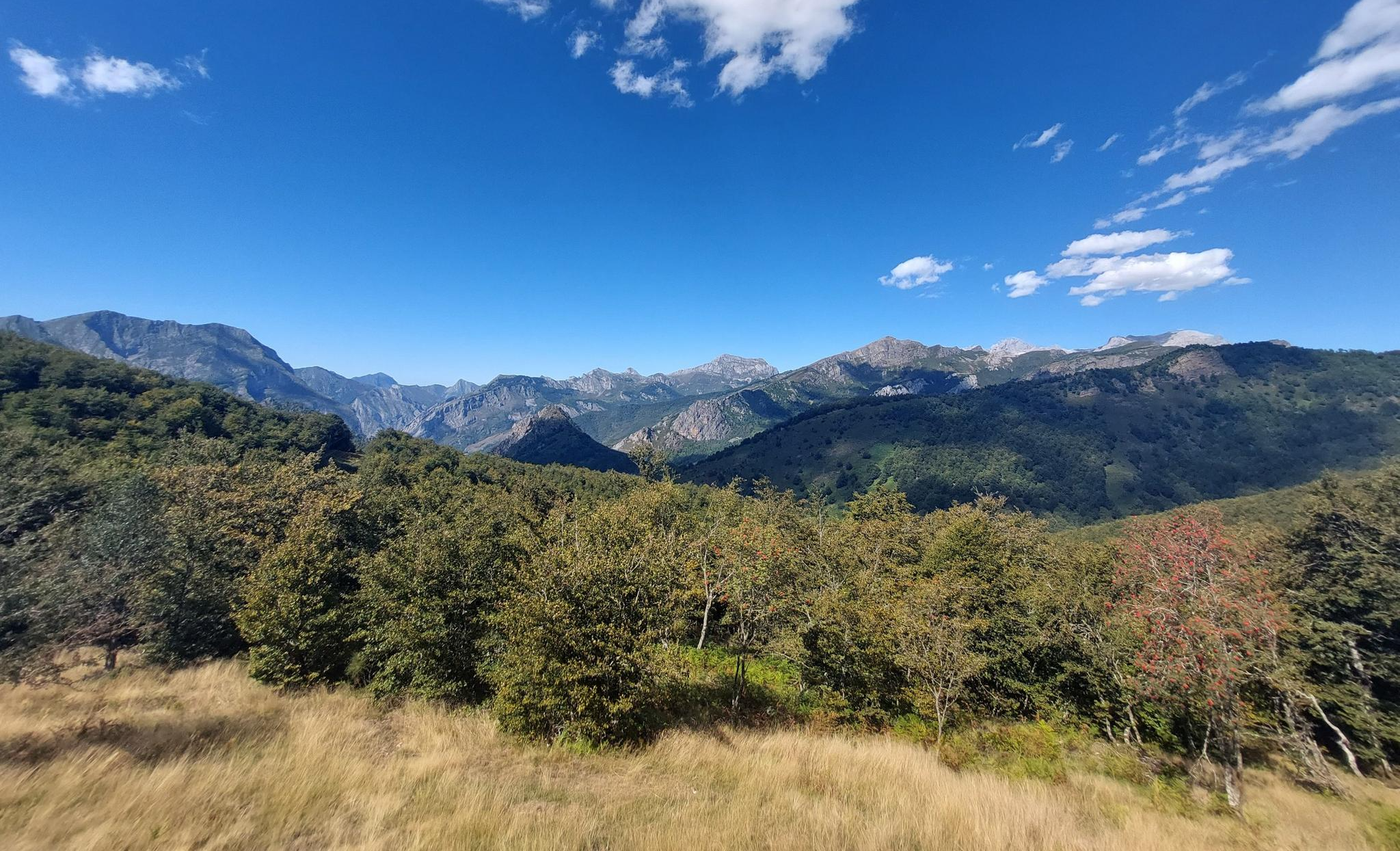
After a beautiful gravel climb, you reach this plateau with stunning views (including the Picos de Europa in the distance). The path then continues for a long time at altitude, with many cows and horses. Take a look: https://www.youtube.com/watch?v=OgEcgF17RDw
0
0
Indeed, a beautiful spot with breathtaking views, both towards the Picos de Europa and other Cantabrian mountains. The (gravel) road there is also stunning; just take a look: https://www.youtube.com/watch?v=OgEcgF17RDw
0
0

One of the great Asturian mountain passes, without a doubt. Generally unknown to the general public, it's rarely used in professional races. It has two clearly distinct slopes. The southern slope, which begins in Pola de Allande, is gentle and steady, along a road in good condition. It shares much of its climb with Puerto del Palo, which it turns off from just 3 km from the summit of Puerto de la Marta. The northern slope, which comes from Villayon, is uneven, with very tough sections and several rest stops and descents. It reminds me a lot of the Croix-de-Fer from Sant Jean de Maurienne, not because of the landscape, but because of the type of pass.
0
0

Frequently Asked Questions
What are some of the most scenic mountain passes in the Cantabrian Mountains?
The Cantabrian Mountains offer numerous scenic passes. Puerto de Leitariegos is considered a hidden gem with panoramic views, especially vibrant in spring and autumn. Puerto de San Glorio, within the Picos de Europa, provides spectacular views from the Collado de Llesba viewpoint. Estacas de Trueba is renowned for its beautiful glacial landscape, with views that can even extend to the Cantabrian Sea on clear days. Additionally, the Piedrasluengas Viewpoint offers breathtaking vistas of the Picos de Europa and various valleys.
Are there mountain passes in the Cantabrian Mountains suitable for cycling?
Yes, many passes in the Cantabrian Mountains are popular among cyclists, often featuring in the Vuelta a España. Puerto de Pajares is known for its steep slopes, while the N-621 road over Puerto de San Glorio offers challenging gradients. La Cubilla is iconic among cyclists and has been a stage finisher in the Vuelta a España. For road cycling enthusiasts, you can find various routes, including challenging climbs, in the Road Cycling Routes in the Cantabrian Mountains guide.
What historical or cultural sites can be found near the mountain passes?
The passes often hold significant historical and cultural value. Puerto de Pajares has historically been a vital route connecting Oviedo with inland Spain. Near Puerto de Leitariegos, visitors can explore Roman mining remnants and charming churches in nearby villages. O Cebreiro, a significant pass within the broader Cantabrian Mountain system, is a crucial point on the Camino de Santiago, featuring traditional pallozas and the Church of Santa María de O Cebreiro. The Pilgrim Statue at Alto de San Roque is an emblematic monument on the French Way of the Camino de Santiago.
What outdoor activities are available near the mountain passes in the Cantabrian Mountains?
The Cantabrian Mountains offer diverse outdoor activities. Puerto de Leitariegos is excellent for hiking and nature photography in spring and autumn, and transforms into a ski paradise in winter. The region around Puerto de San Glorio is important for its local bear population, offering opportunities for wildlife observation. You can also find numerous trails for running, road cycling, and gravel biking. Explore options like the Running Trails, Road Cycling Routes, and Gravel Biking guides for detailed routes.
When is the best time to visit the Cantabrian Mountain passes?
The best time to visit depends on your desired activities. Spring brings vibrant meadows and wildflowers, ideal for hiking and nature photography. Autumn showcases magical forests with golden and reddish hues, perfect for mushroom picking. In winter, passes like Puerto de Leitariegos and Puerto de Pajares become destinations for winter sports due to nearby ski resorts. Some passes, like Portillo de Lunada, may remain closed in winter due to snow and ice, so checking conditions is advisable.
Are there family-friendly viewpoints or passes in the Cantabrian Mountains?
Yes, several spots are suitable for families. The Piedrasluengas Viewpoint is categorized as family-friendly and offers stunning views. While not explicitly listed as family-friendly, many passes offer accessible parking areas and short walks to viewpoints, allowing families to enjoy the scenery. Always check specific trail difficulties if planning longer hikes with children.
What are the typical road conditions and challenges on these mountain passes?
Road conditions vary. Passes like Puerto de Pajares are known for steep slopes, reaching up to 17%, and can experience heavy snowfalls in winter. The N-621 road to Puerto de San Glorio features challenging gradients up to 11%. The ascent to Portillo de Lunada from the Cantabrian side is known for its infinite curves and sections exceeding 10% gradient, often closing in winter due to snow. The road surface on Estacas de Trueba has been recently improved, making it a favorite for scenic drives.
Where can I find parking at the mountain passes?
Many popular passes offer parking facilities. At the summit of Puerto de San Glorio, there is a parking lot with a road leading to the Collado de Llesba viewpoint. Estacas de Trueba has newly built parking areas at hairpin bends, allowing visitors to stop and enjoy the panoramic views. For other passes, parking is generally available at the summit or designated viewpoints, though it's always good to check local information for specific locations.
What kind of wildlife can be observed in the Cantabrian Mountains passes?
The Cantabrian Mountains are rich in wildlife. The area around Puerto de San Glorio is particularly important for the local bear population. The region is part of a significant mountain range known for its diverse ecosystems, which can include various bird species, deer, and other mammals. Keep an eye out for local fauna, especially in quieter, more natural areas.
Are there any ski resorts near the Cantabrian Mountain passes?
Yes, several passes are close to ski resorts. The Valgrande-Pajares ski resort is located near Puerto de Pajares, making it a destination for winter sports enthusiasts. Similarly, Puerto de Leitariegos transforms into a ski paradise in winter with the Leitariegos ski resort, catering to all skill levels.
What do visitors enjoy most about the mountain passes in the Cantabrian Mountains?
Visitors frequently highlight the stunning natural beauty, the panoramic views, and the diverse outdoor activities. The historical significance of passes like O Cebreiro and the challenging climbs for cyclists are also highly appreciated. The komoot community has shared over 180 photos and given more than 330 upvotes, often praising the breathtaking landscapes and the sense of adventure these passes offer.
Most popular routes in the Cantabrian Mountains
Most popular attractions in the Cantabrian Mountains

Get inspired with the komoot mobile app


Explore more
See even more epic mountain passes by checking out these guides in the Cantabrian Mountains:
