The best gravel rides in the Cantabrian Mountains
4.6
(100)
1,197
riders
191
rides
Gravel biking in the Cantabrian Mountains offers diverse landscapes, from dramatic peaks and lush valleys to historic routes. The region is characterized by varied terrain, including compacted earth, loose gravel, and forest trails, alongside country and secondary roads. Riders can explore the rugged limestone peaks of the Picos de Europa and the abundant vegetation of "Green Spain" forests. River valleys and gorges also provide scenic routes, with some areas offering views of the Cantabrian Sea.
Best gravel bike trails in…
Last updated: July 2, 2026
34
riders
Hard gravel ride. Very good fitness required. You may need to push your bike for some segments of this route.
13
riders
85.6km
08:34
2,040m
2,040m
Hard gravel ride. Very good fitness required. Mostly paved surfaces. Suitable for all skill levels.

Sign up for free
115km
10:01
3,830m
3,830m
Hard gravel ride. Very good fitness required. Mostly paved surfaces. Suitable for all skill levels.
5.0
(1)
34
riders
167km
11:20
2,610m
2,610m
Hard gravel ride. Very good fitness required. Mostly paved surfaces. Suitable for all skill levels.
5.0
(4)
36
riders
56.3km
03:34
730m
730m
Hard gravel ride. Very good fitness required. Mostly paved surfaces. Suitable for all skill levels.
4.0
(1)
51
riders
131km
09:22
2,870m
2,870m
Hard gravel ride. Very good fitness required. Mostly paved surfaces. Suitable for all skill levels.
5.0
(2)
43
riders
144km
09:26
2,620m
2,620m
Hard gravel ride. Very good fitness required. Mostly paved surfaces. Suitable for all skill levels.
5.0
(2)
15
riders
79.2km
05:40
1,460m
1,460m
Hard gravel ride. Very good fitness required. Mostly paved surfaces. Suitable for all skill levels.
10
riders
32.8km
02:13
410m
410m
Moderate gravel ride. Good fitness required. Mostly paved surfaces. Suitable for all skill levels.
5.0
(2)
23
riders
57.2km
03:31
630m
630m
Hard gravel ride. Very good fitness required. Mostly paved surfaces. Suitable for all skill levels.
Get access to more routes and recommendations from other explorers.
Sign up for free
Already have an account?
Our route recommendations are based on thousands of hikes, rides, and runs completed by other people on komoot.
Start today with a free account
Your next adventure awaits.
Login or Signup
Popular around Cantabrian Mountains
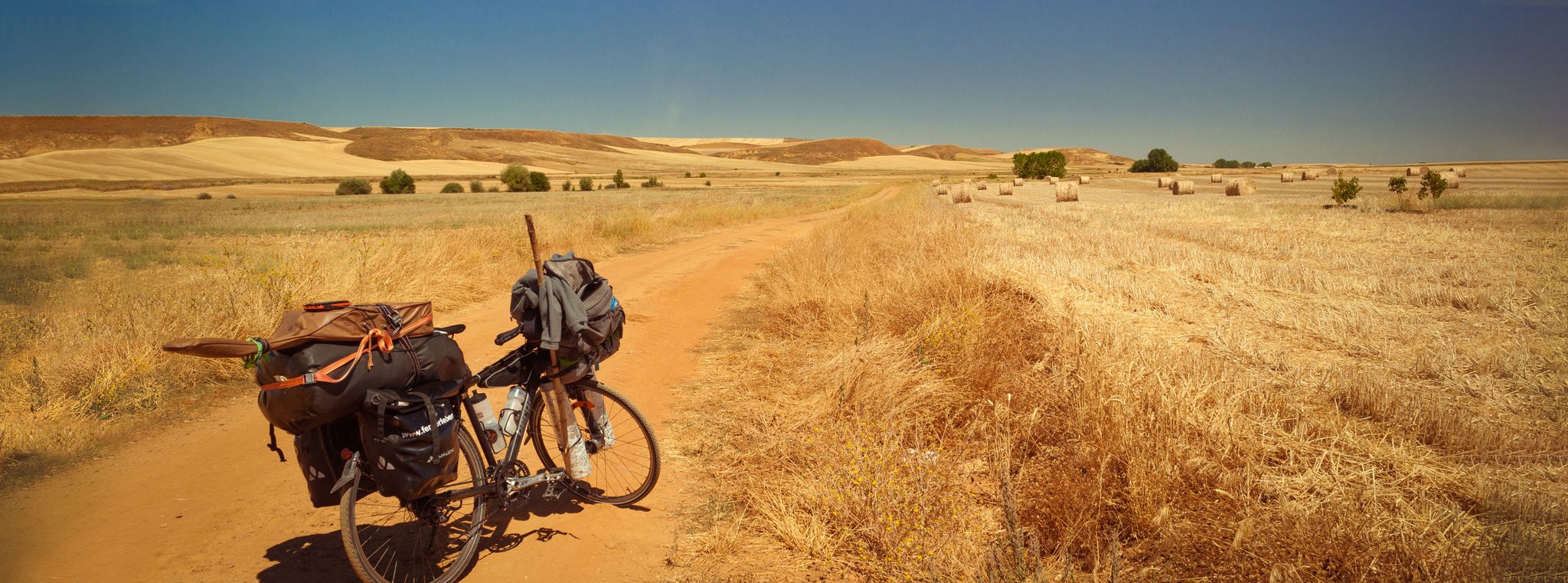
Camino Francés and Camino Finisterre – Cycling pilgrimages in Spain
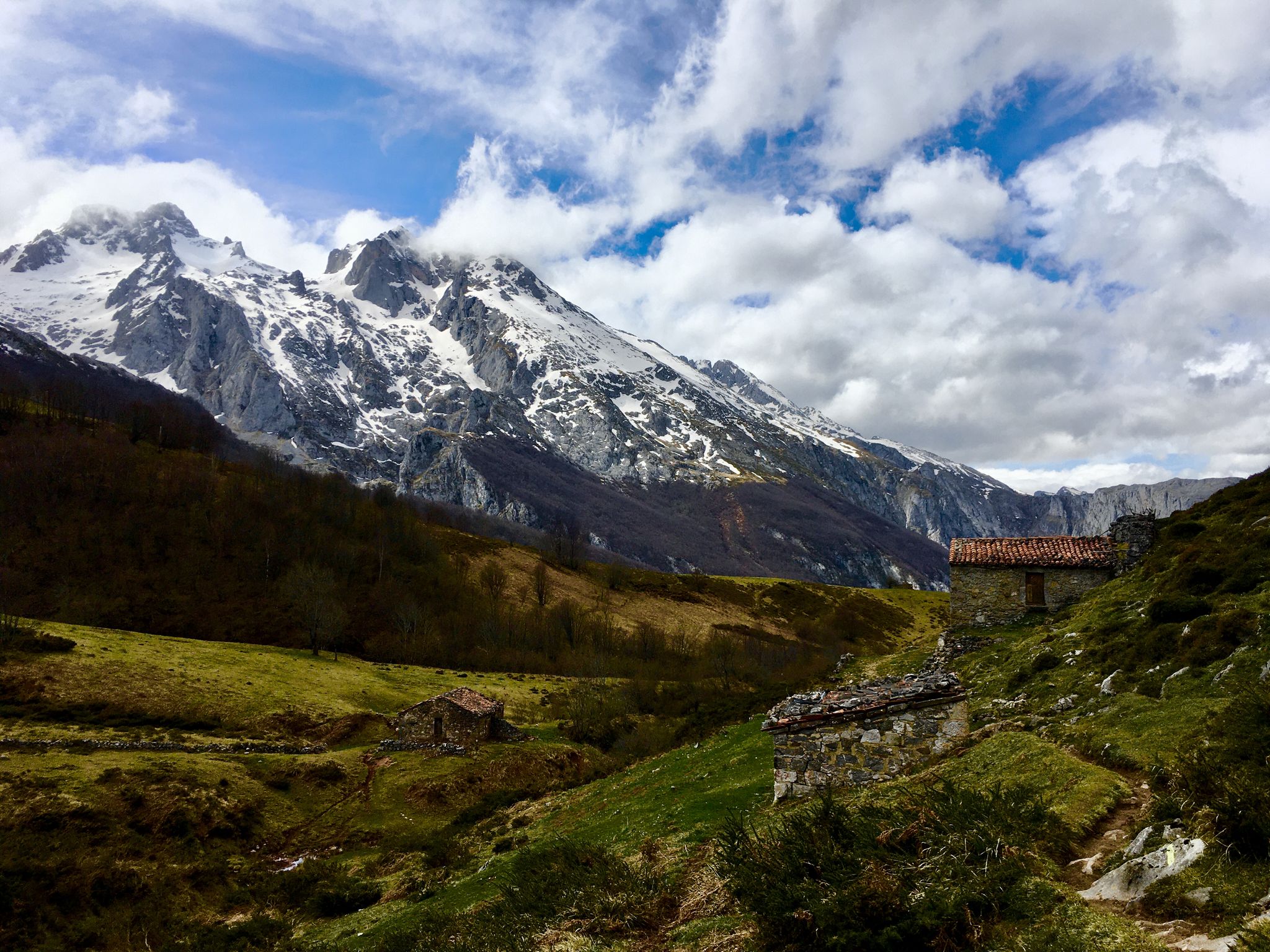
Route of the Reconquest (GR 202) – In the footsteps of an army
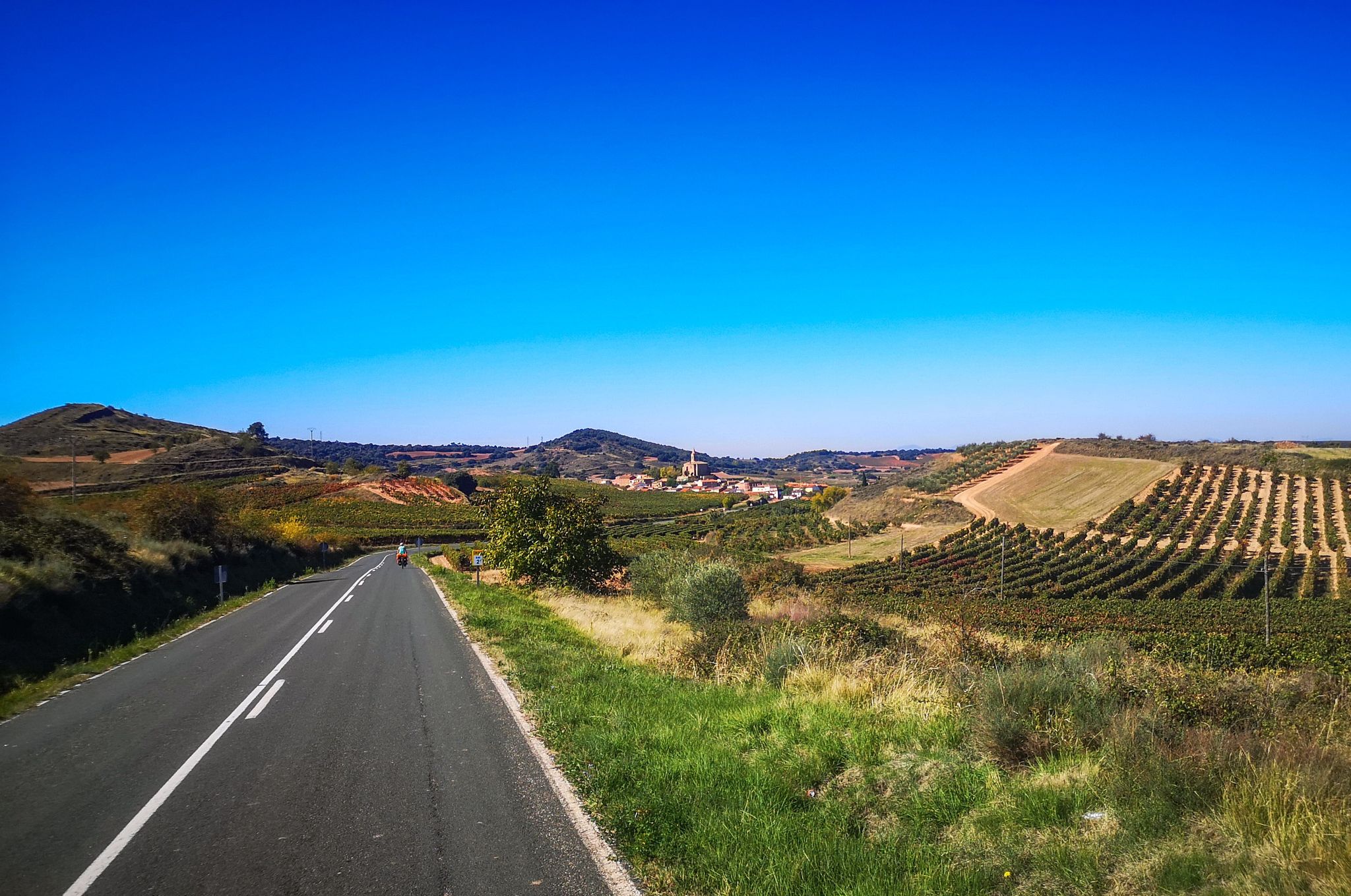
Santiago de Compostela – A journey through northern Spain (10 days)
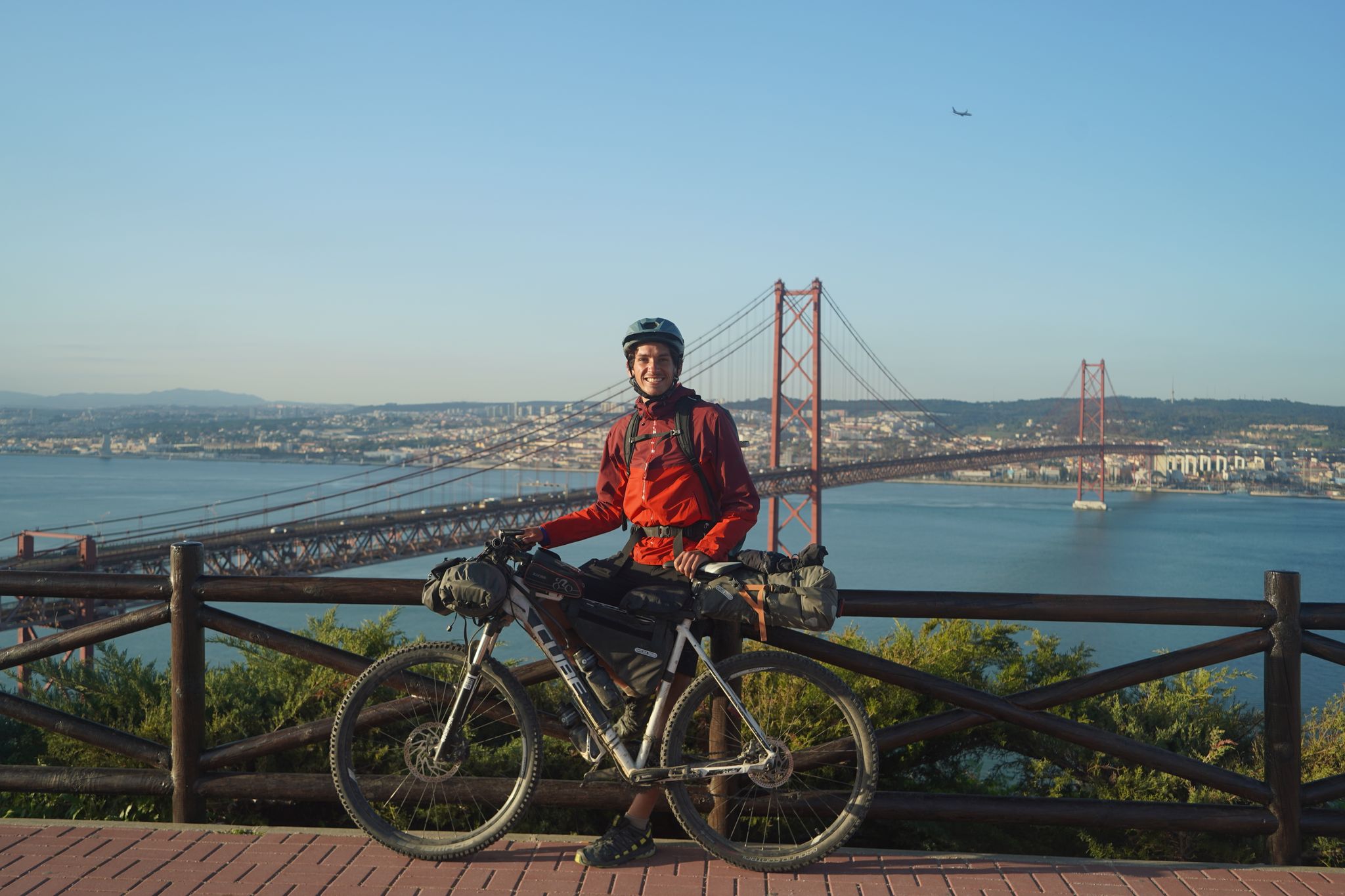
Road to Lisbon – bikepacking the Alps, Pyrenees and Picos de Europa
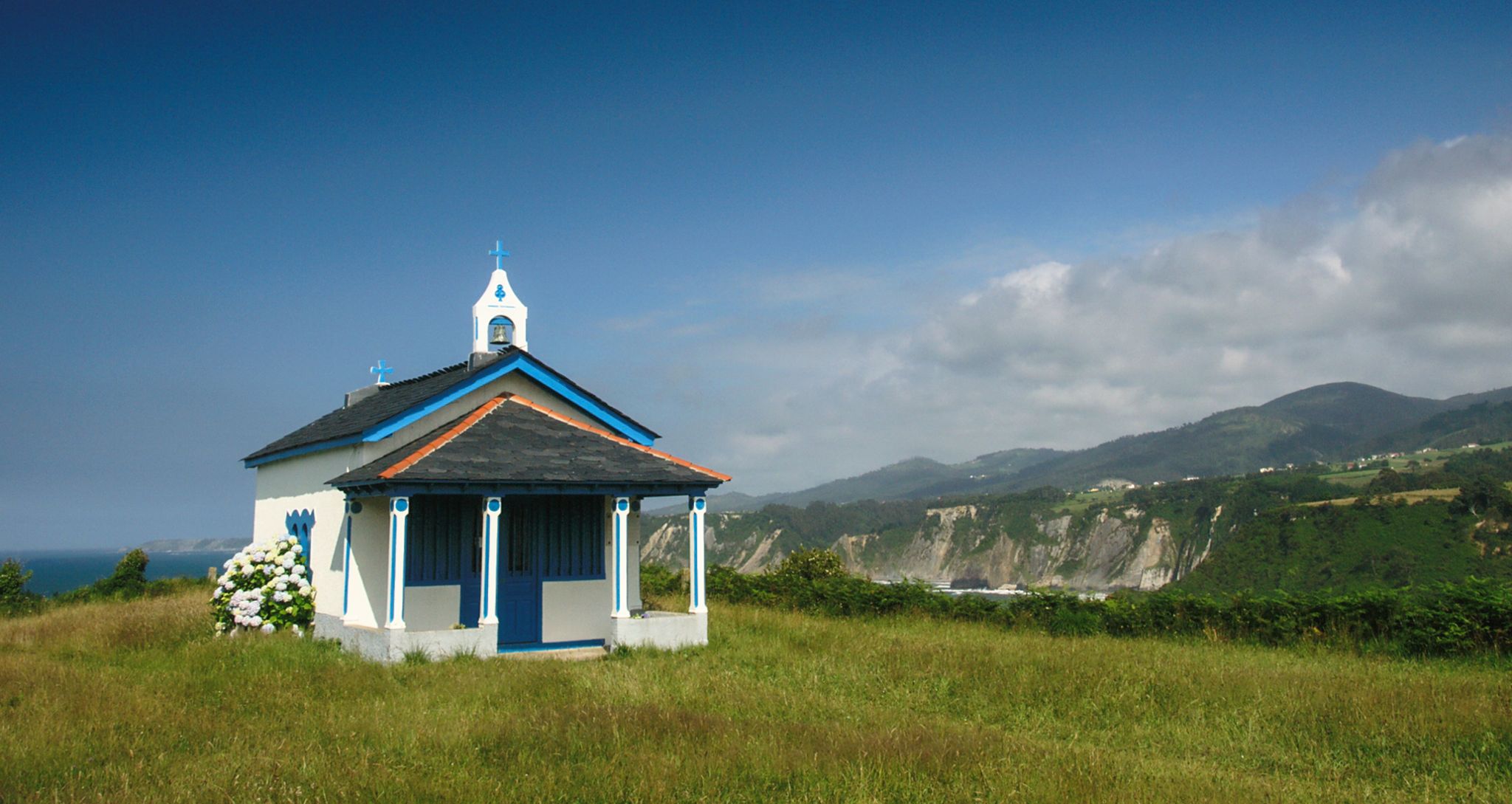
Camino del Norte – 15 stages
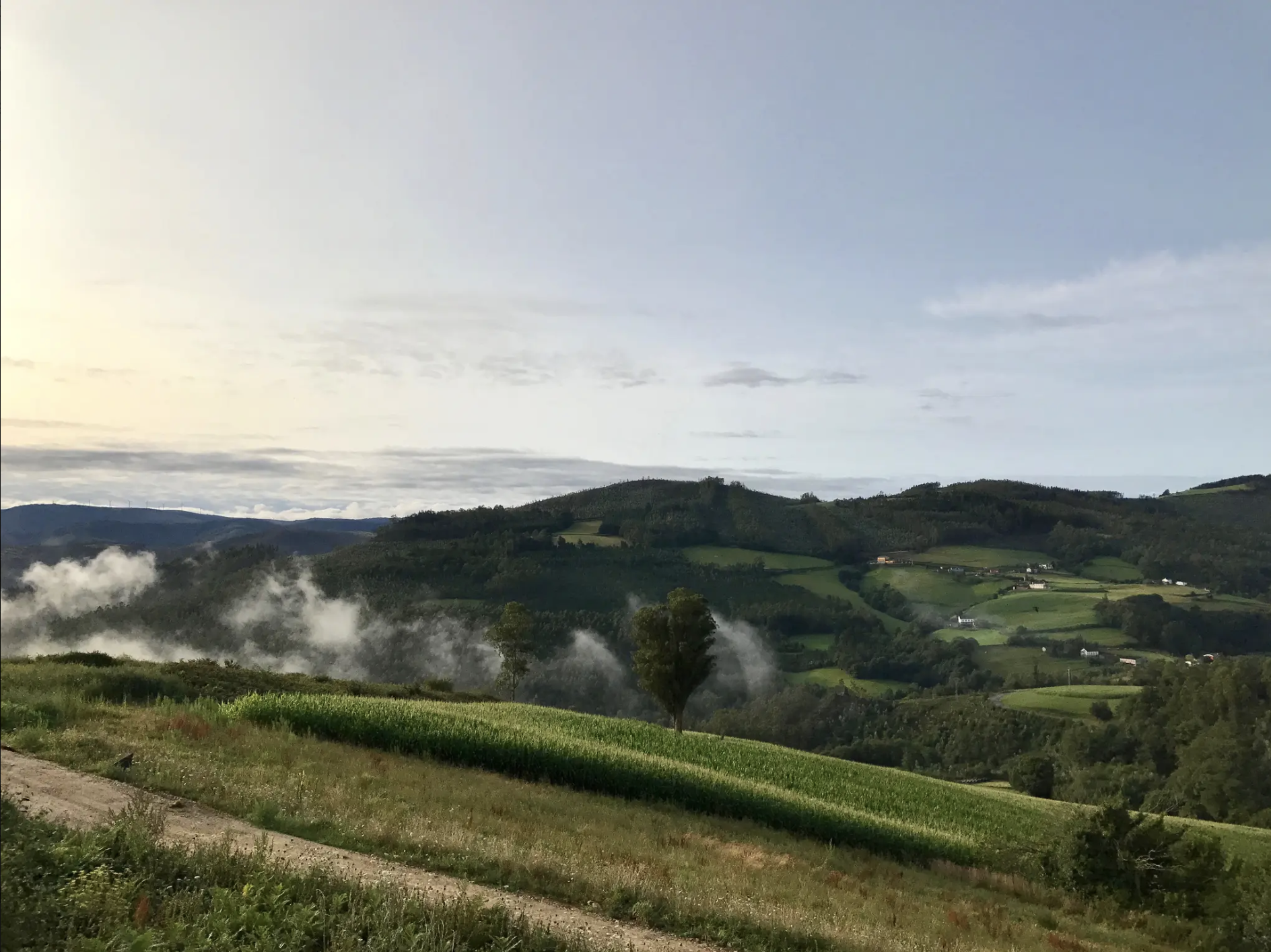
Camino del Norte (in reverse) – Discovering northern Spain's stunning coastline
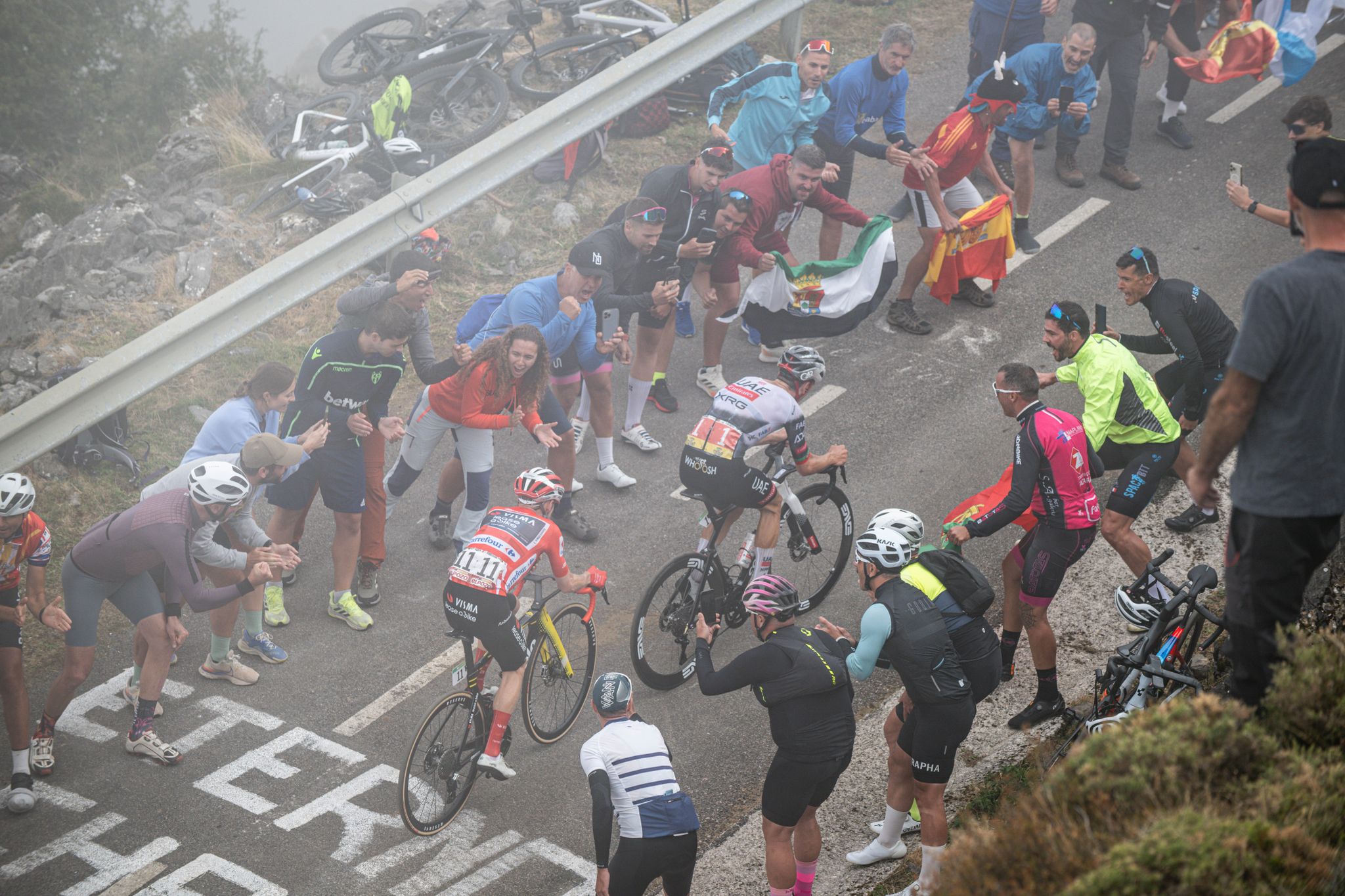
Mythical Passes and Sections of La Vuelta
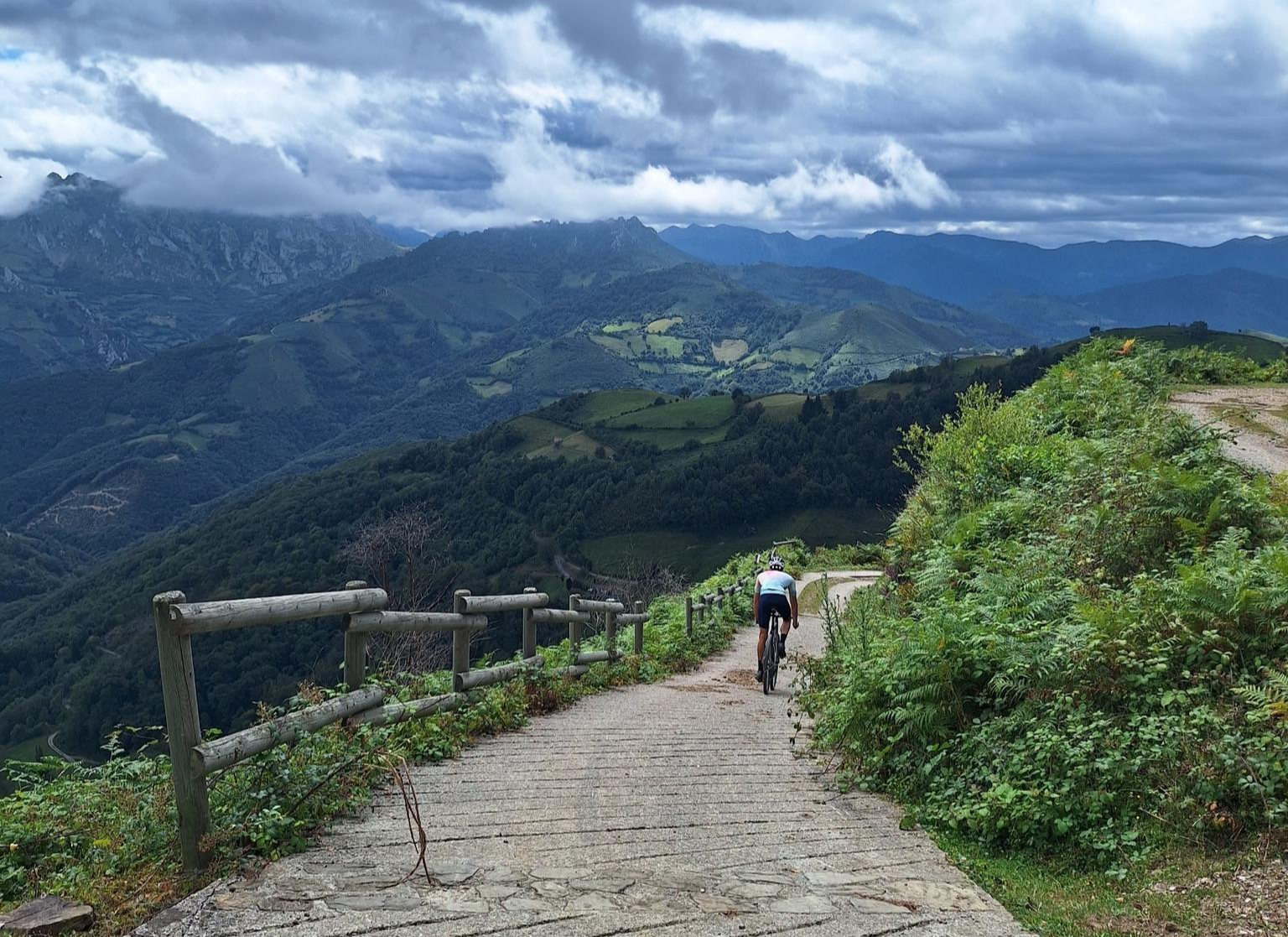
Central Mountain Cycling Ring GR 208 - Tour of the Asturian Mountains
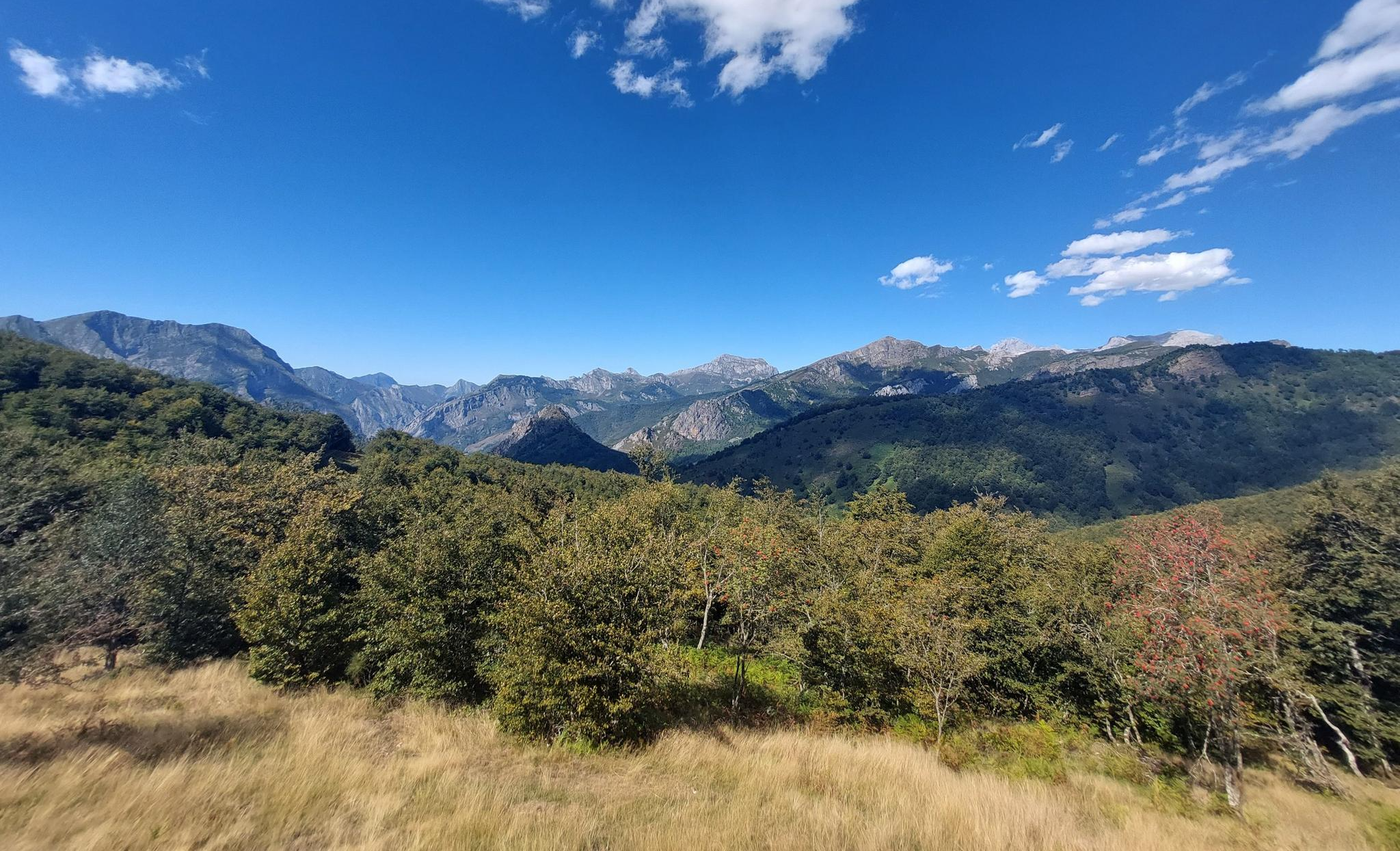
Senda del Arcediano (GR 210) - A historical hike through the Picos del Picos
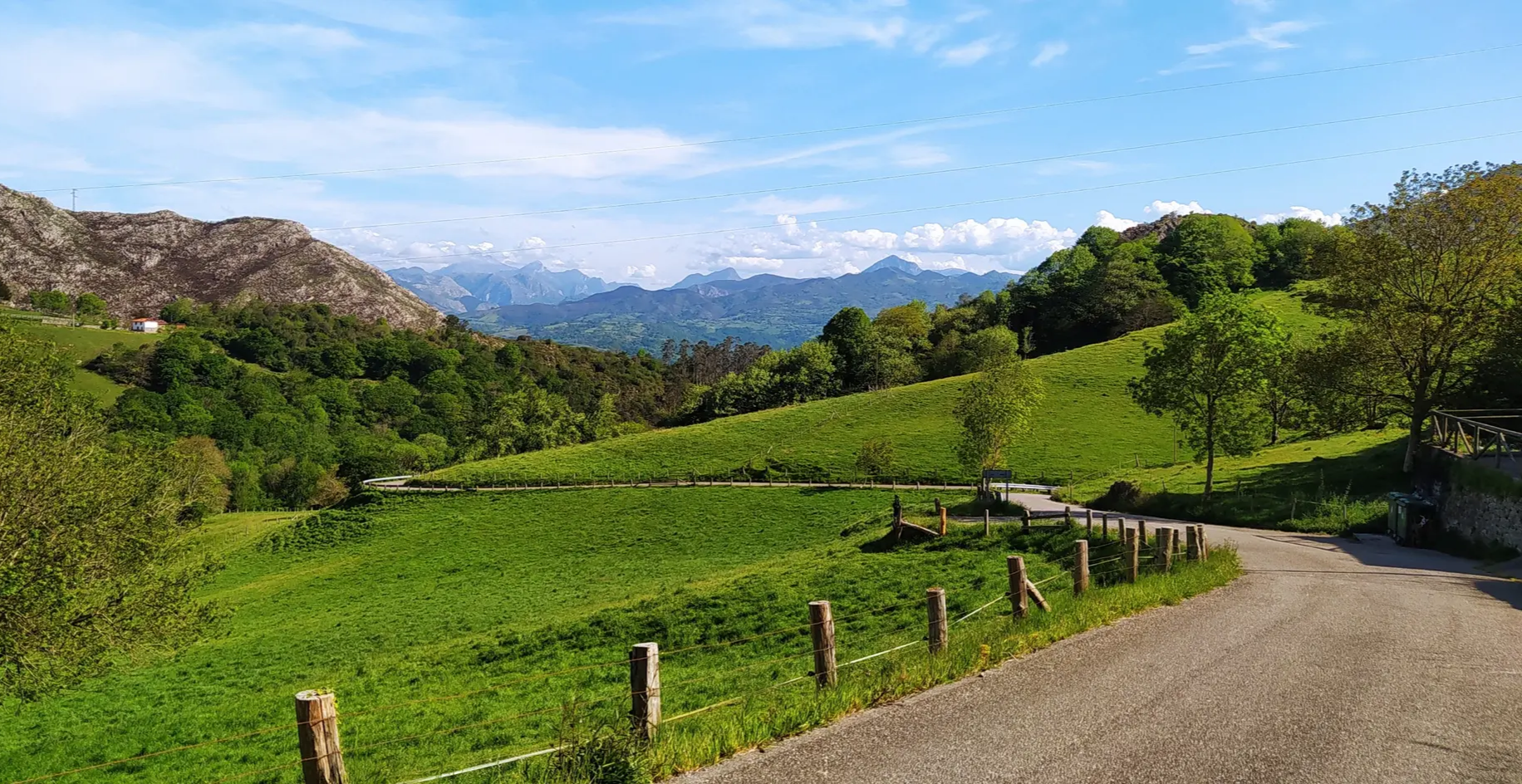
Great mountain passes of Picos de Europa on road bikes
Other adventures in the Cantabrian Mountains


Tips from the Community

Ribadesella is one of those Asturian villages that steal your heart. The Sella River divides it in two and on each side there is something to see: the port, the old town, the houses of the indianos and a breathtaking beach. Just below the cliffs is the Tito Bustillo cave, with cave paintings declared a World Heritage Site.
1
0

A beautiful climb, steady and challenging, surrounded by greenery. Beautiful views.
0
0
A very pretty little village and, although it may not seem so at first glance, even at a high altitude (over 1,100 m), in the small church in the evening there is a moment of prayer with Gregorian chants by the monks who live nearby.
0
0

One of the highest points on the French Way of the Camino de Santiago, located between Triacastela and Fonfría, already in the province of Lugo. At 1,335 meters above sea level, this peak offers a natural viewpoint overlooking the Galician mountains. The area is often exposed to wind and changeable weather, even in summer, but the views and the feeling of having reached a milestone more than compensate. There's a hostel/bar right at the summit, useful as a stopping point for pilgrims and cyclists. Dress warmly before reaching the top: the temperature here can drop suddenly, even on sunny days. If you're on a mountain bike or e-bike, make sure you have good traction on descents and that your brakes are checked: the descent towards Fonfría is fast and winding. It's a good place to rest and refill your water or coffee before continuing.
1
0
One of the oldest monasteries in the West, dating back to the 6th century and the heart of the Ribeira Sacra region of Lugo. Its large cloister is the largest in Spain, and the complex is impressive both for its size and its history linked to the Camino de Santiago. Arriving via the detour from the French Way is a gift: a peaceful stretch, with a river and picture-perfect vegetation. However, once you leave, you have to climb back… and your legs remember.
1
0

Spectacular villa worth a stop
0
0

Enjoy a beautiful panorama.
2
0

Frequently Asked Questions
How many gravel bike trails are available in the Cantabrian Mountains?
There are over 210 gravel bike trails in the Cantabrian Mountains, offering a wide range of options for different skill levels. The komoot community has explored these routes over 1100 times, highlighting the region's popularity for gravel biking.
What are the typical difficulty levels for gravel biking in the Cantabrian Mountains?
The Cantabrian Mountains offer a diverse range of gravel biking experiences. While there are a few easy routes, the majority of trails are classified as moderate or difficult. For example, the Gravel tour to the Natural Park of Las Ubiñas-La Mesa along the Senda del Oso (Bear Trail) is a challenging 45-mile route, and the Gravel loop in Saja-Besaya natural park is a difficult 53.2-mile path, both featuring significant elevation changes.
What kind of terrain can I expect on gravel bike trails in the Cantabrian Mountains?
Gravel bikers in the Cantabrian Mountains can expect a varied terrain, including compacted earth, loose gravel, and forest trails. Routes often combine these surfaces with country and secondary roads, providing an engaging ride through dramatic peaks, lush valleys, and historic areas. You'll encounter everything from demanding climbs in mountainous areas to gentler stretches along river valleys.
Are there any long-distance gravel biking routes in the Cantabrian Mountains?
Yes, the region offers several long-distance gravel routes. For instance, the Gravel route through the mines and mountains of Asturias is a substantial 71.7-mile trail. Another option is the Ascent to O Cebreiro – Alto do Poio loop from Padornelo, which spans over 64 miles and features significant elevation gain.
What natural features and landmarks can I see along the gravel bike trails?
The Cantabrian Mountains are rich in natural beauty and historical sites. You can explore dramatic gorges like the Ruta del Cares, enjoy panoramic views from spots like El Cable Viewpoint, or discover unique geological formations such as the Dwarves' Tunnels on the Cares Trail. The region also features lush forests, river valleys, and charming villages.
Are there any circular gravel routes available?
Yes, many routes in the Cantabrian Mountains are designed as loops, allowing you to start and finish in the same location. A popular example is the Gravel loop in Saja-Besaya natural park. Other circular options include coastal loops like Playa de Torimbia – San Antolín de Bedón Beach loop from Llanes and San Antolín de Bedón Beach – Llanes Marina loop from Ribadesella.
What is the best time of year for gravel biking in the Cantabrian Mountains?
The Cantabrian Mountains are best enjoyed for gravel biking during the warmer months, typically from late spring to early autumn. This period offers more stable weather, less rainfall, and accessible high-altitude trails. While the region is known as 'Green Spain' due to its lushness, which means rain can occur, these months generally provide the most favorable conditions for exploring the diverse landscapes.
Are there family-friendly gravel biking options in the Cantabrian Mountains?
While many routes in the Cantabrian Mountains are challenging, there are options suitable for families looking for a less strenuous ride. Look for routes that follow old railway paths or river valleys, which tend to have gentler gradients. For example, the Stone Bridge of Proaza – Mine Railway Tunnel loop from Las Campas/Les Campes offers a more accessible experience through scenic landscapes.
What do other gravel bikers enjoy most about the Cantabrian Mountains?
The Cantabrian Mountains are highly rated by the komoot community, with an average score of 4.5 stars from over 110 reviews. Riders frequently praise the region's dramatic and varied landscapes, from the rugged peaks of Picos de Europa to the lush 'Green Spain' forests and scenic river valleys. The blend of challenging terrain and breathtaking views makes it a memorable destination.
Are there any coastal gravel routes in the Cantabrian Mountains region?
Yes, some areas of the Cantabrian Mountains extend close to the coastline, offering unique routes that combine mountain riding with views of the Cantabrian Sea. You can find routes that traverse both inland and coastal scenery, such as the Playa de Torimbia – Torimbia Viewpoint loop from Llanes, which provides diverse landscapes within a single trip.
Where can I find unique viewpoints along the gravel trails?
The Cantabrian Mountains are dotted with numerous viewpoints offering breathtaking vistas. Passes like Estacas de Trueba, Lunada, Piedrasluengas, and San Glorio are known for their panoramic views. Specific highlights include El Cable Viewpoint, accessible via the Fuente Dé Cable Car, which provides stunning high-altitude perspectives of the Picos de Europa.
Most popular routes in the Cantabrian Mountains
Most popular attractions in the Cantabrian Mountains

Get inspired with the komoot mobile app


Explore more
Browse the best Gravel rides in other regions.
