Top 7 Gorges in Pembrokeshire
Canyons in Pembrokeshire are primarily coastal gullies and natural arches, shaped by the powerful forces of the sea. The region's dramatic coastline features rugged cliffs, sea caves, and eroded rock formations, offering unique experiences. This geological diversity, from ancient rocks in the north to limestone formations in the south, creates a variety of coastal features. These formations provide habitats for wildlife and are popular for activities such as coasteering and sea kayaking.
Best canyons in Pembrokeshire
- The most popular canyons is Huntsman's Leap, a natural monument that is a narrow steep-sided inlet, eroded by the sea following a fault line in the cliff. It is located on an MOD firing range and may be closed to the public at certain times.
- Another must-see spot is Mowing Word Bay Cliffs, a viewpoint offering outstanding views from the cliff top. At low tide, the golden sand reveals rock formations, large caves, a blowhole, and a sea stack.
- Visitors also love Witches' Cauldron (Pwll-y-Wrach), a gorge with peculiar green water. This spot is located on the Pembrokeshire Coast Path and offers a quiet landscape for exploration.
- Pembrokeshire is known for coastal gullies, sea caves, and natural arches. These formations include steep-sided inlets, eroded cliffs, and valleys, showcasing the powerful geological processes of the region.
- The canyons in Pembrokeshire are appreciated by the komoot community, with more than 65 upvotes and 20 photos shared by visitors.
Last updated: August 18, 2026
Huntsman's Leap
Highlight • Natural Monument
According to the local legend a huntsman urged his horse over the abyss, landed safely, then looked back and dropped dead from shock when he saw the drop he had jumped over.
A good reason to stick to the path! This is on the only section of the Pembrokeshire Coast Path where cycling is permitted. Huntsman's Leap is on an MOD firing range and is closed to the public at certain times. Call Pembroke Visitor Centre on 01437 776499 to check if the range is open to the public. Alternatively, you can check by visiting: gov.uk/government/publications/castlemartin-firing-notice--2.
Tip by

Mowing Word Bay Cliffs
Highlight • Viewpoint
Challenging to access on foot, the safest option is to soak up the outstanding views from the cliff top.
At low tide the golden sand is punctuated with fantastical rock formations. There are huge caves, a blow hole, countless rockpools and an impressive sea stack in the centre of the beach.
Tip by
Sign up now to discover places like this
Get recommendations on the best single tracks, peaks, & plenty of other exciting outdoor places.
Sign up for free
Witches' Cauldron (Pwll-y-Wrach)
Highlight • Gorge
Tip by

Ceibwr Bay
Highlight • Viewpoint
Tip by

Gwaun Valley
Highlight • Natural
Tip by
Cwm Trewyddel Valley
Highlight • Gorge
Tip by

Nevern Castle Motte and Bailey
Highlight • Viewpoint
natural gorge on one side and commanding views over the landscape. The remains of the motte and bailey castle probably date to Norman times, but it's thought this has been a defended position since the Iron Age some 2,000 years ago.
Tip by
Start today with a free account
Your next adventure awaits.
Login or Signup
Popular around Pembrokeshire
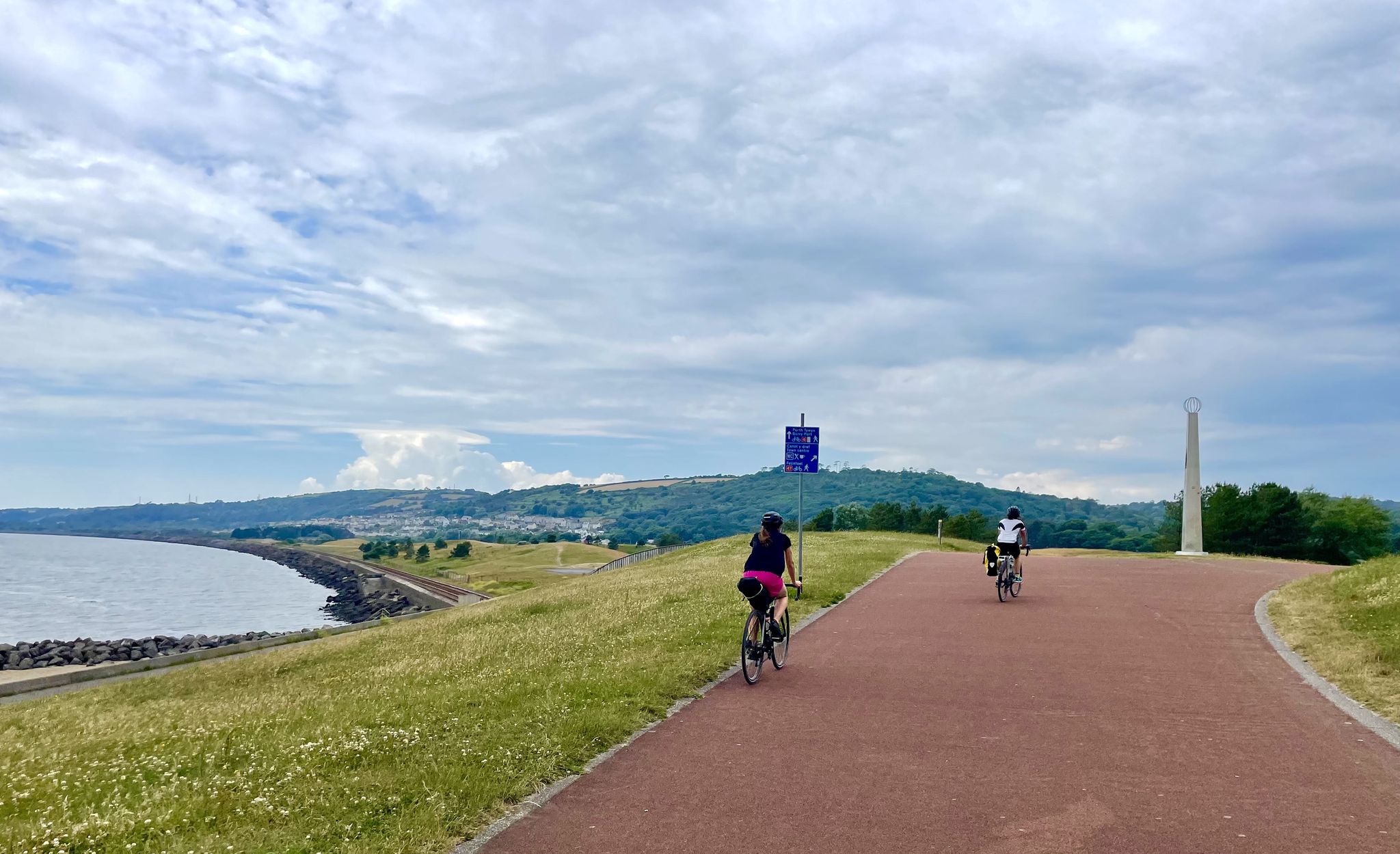
National Cycle Network Route 4 — Greenwich to Fishguard
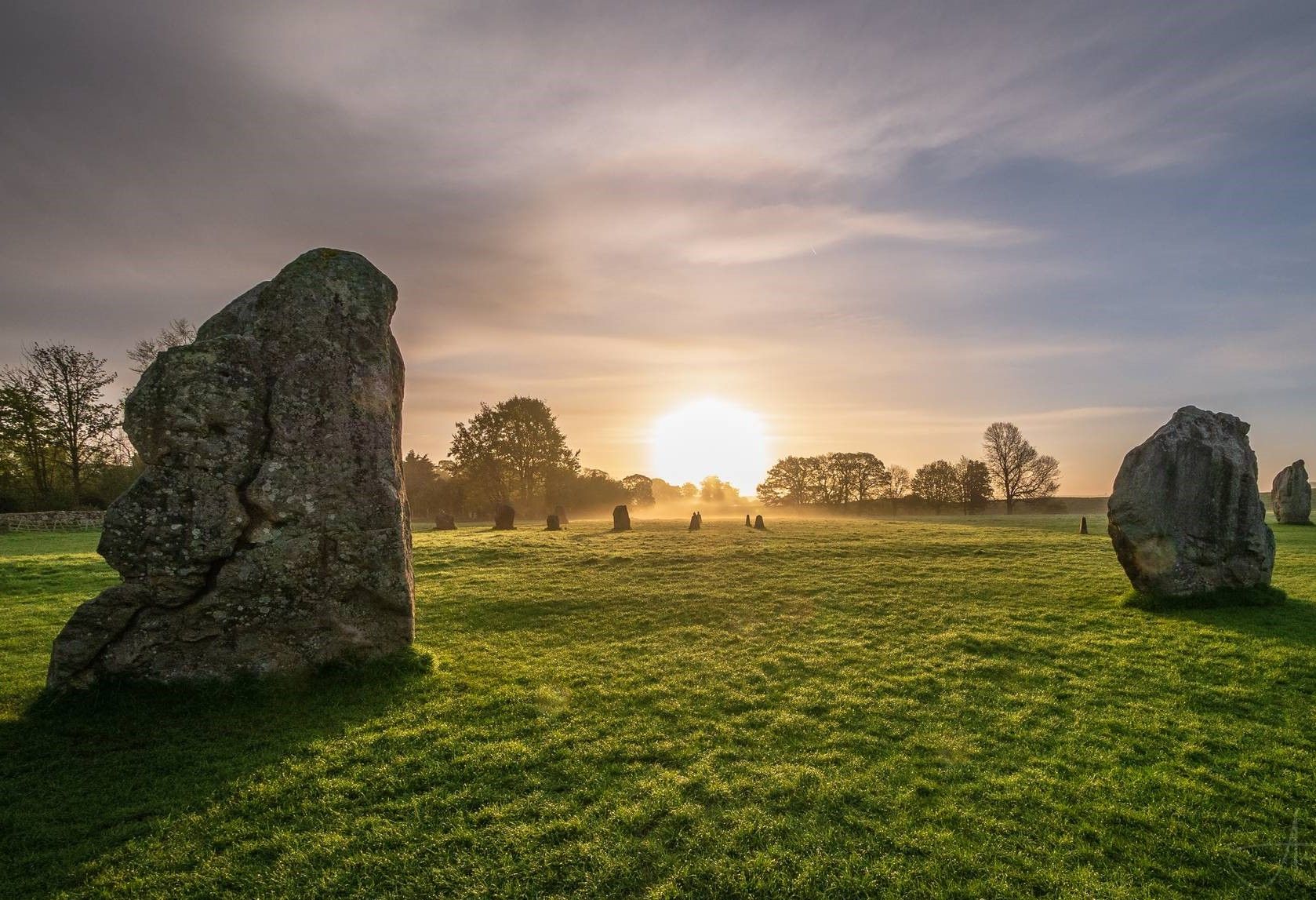
Celtic Way — An epic pilgrimage through prehistory and wild beauty
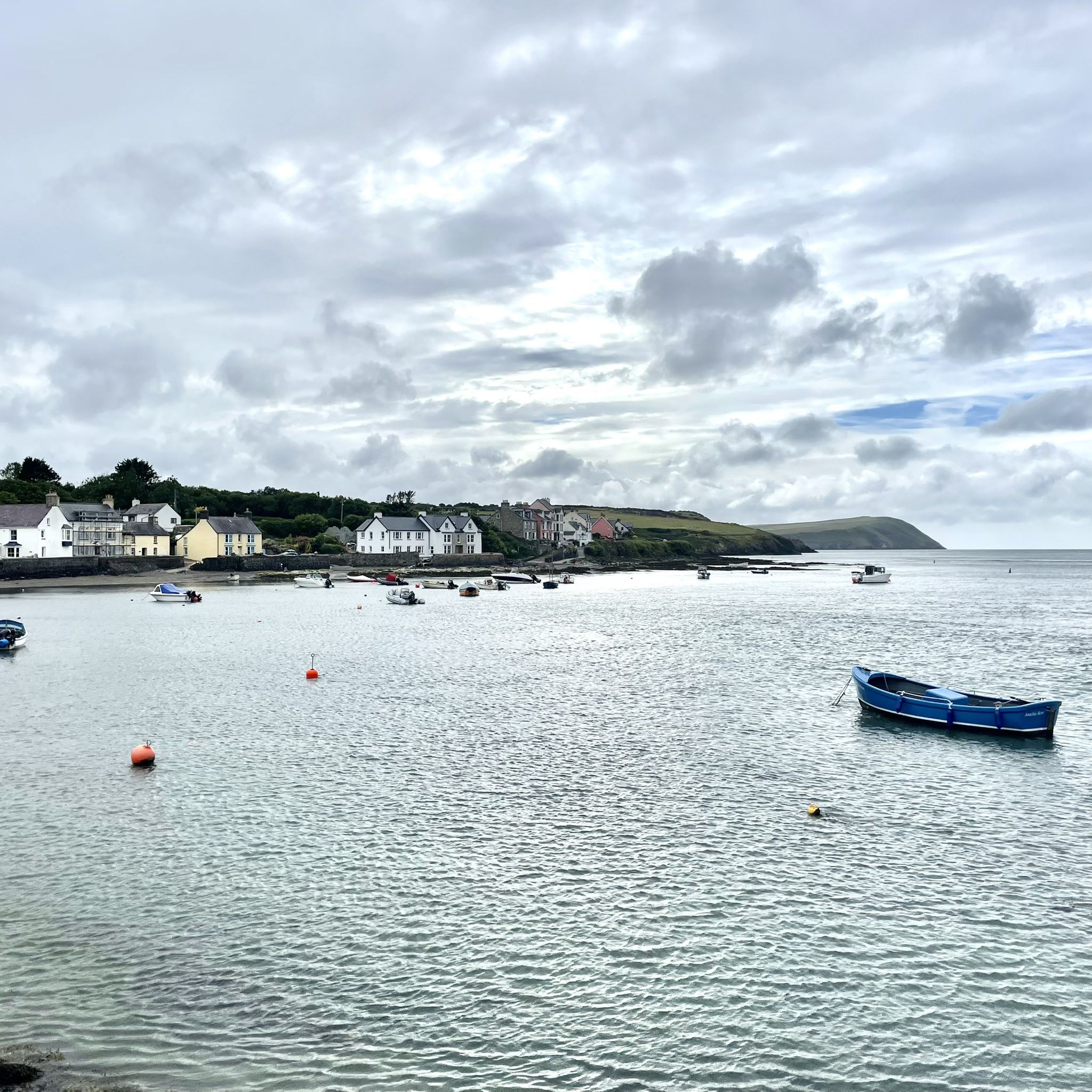
Newport to Cemaes Head – Pembrokeshire walks
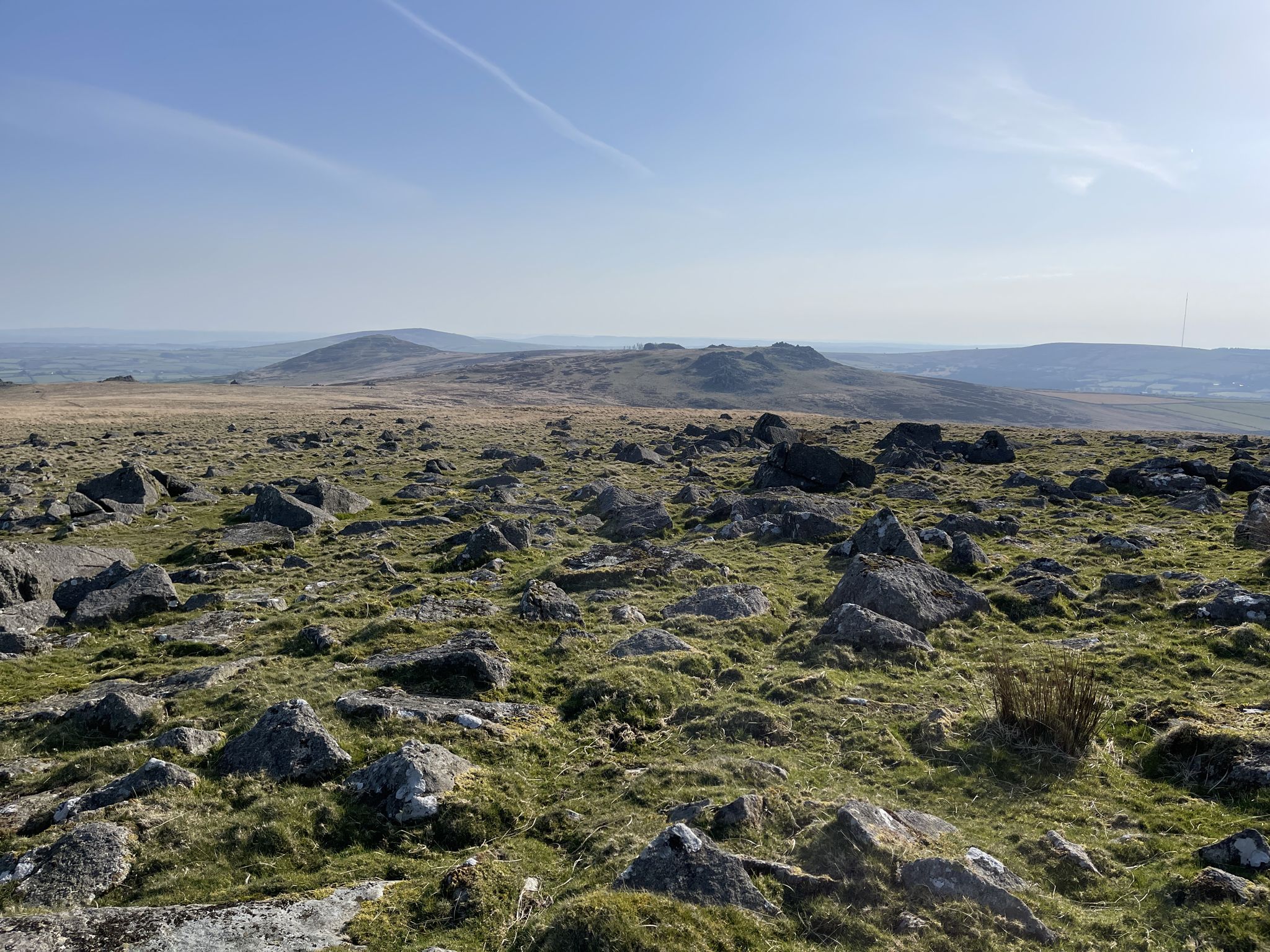
Preseli Hills – Pembrokeshire walks
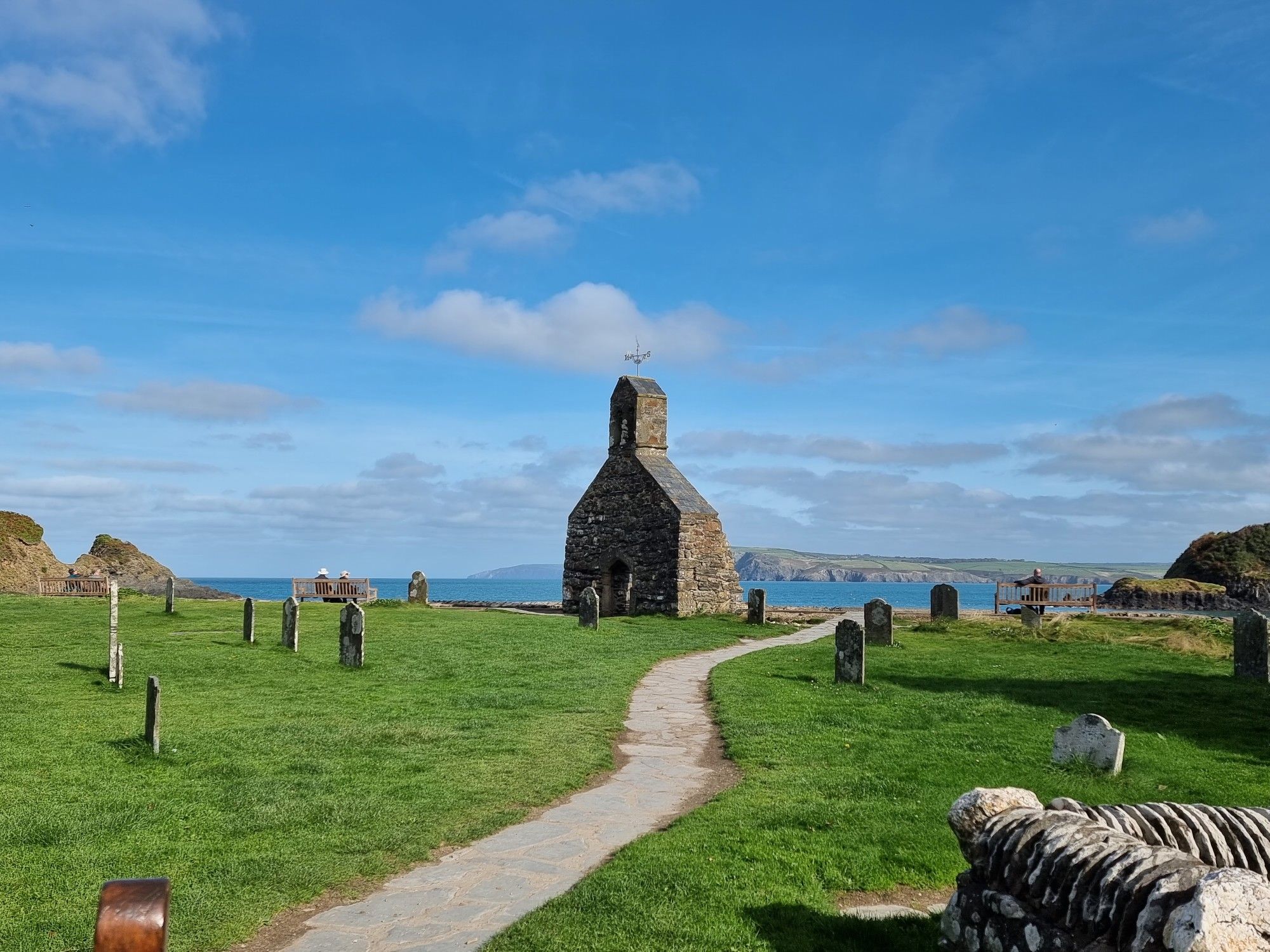
Fishguard and Gwaun Valley – Pembrokeshire walks
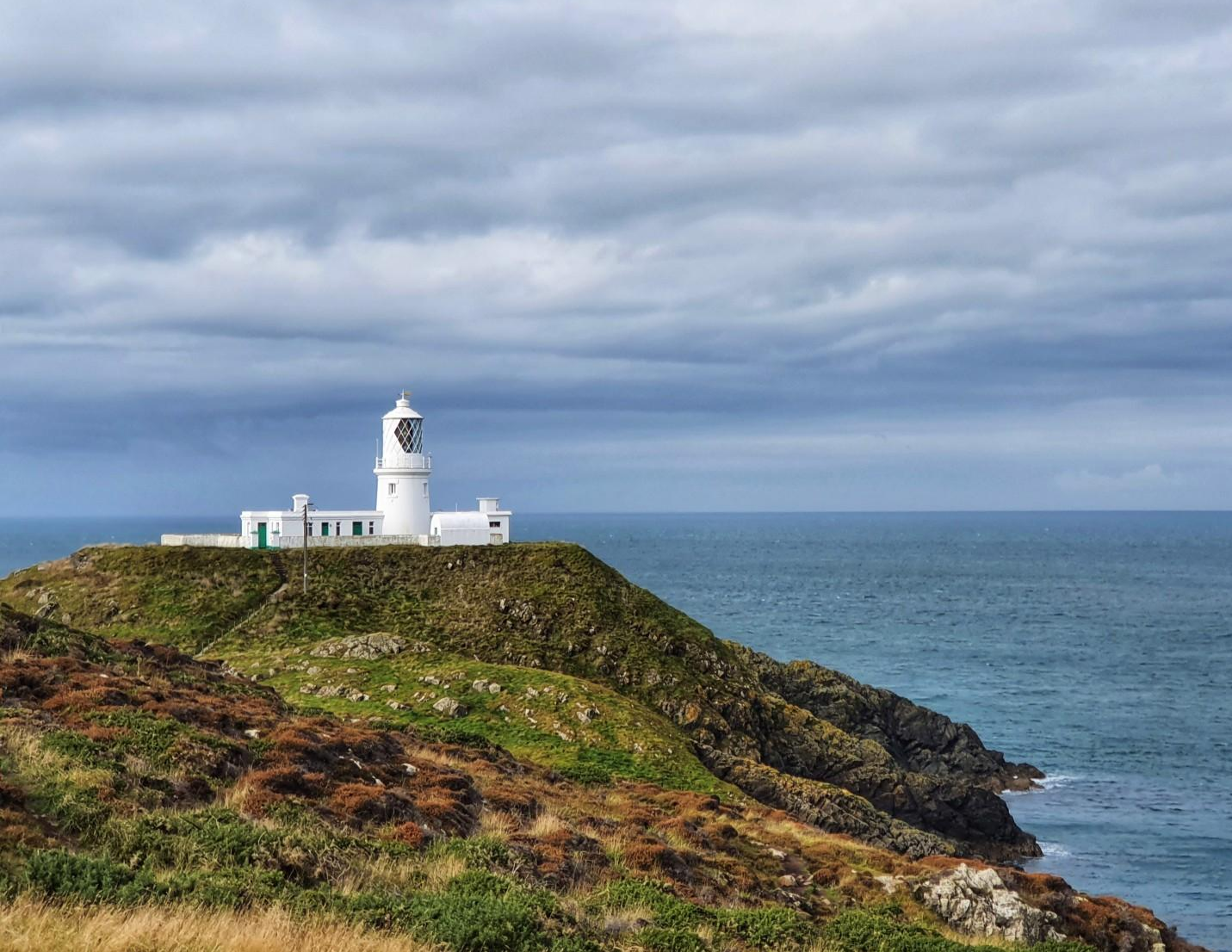
Abercastle to Strumble Head – Pembrokeshire walks
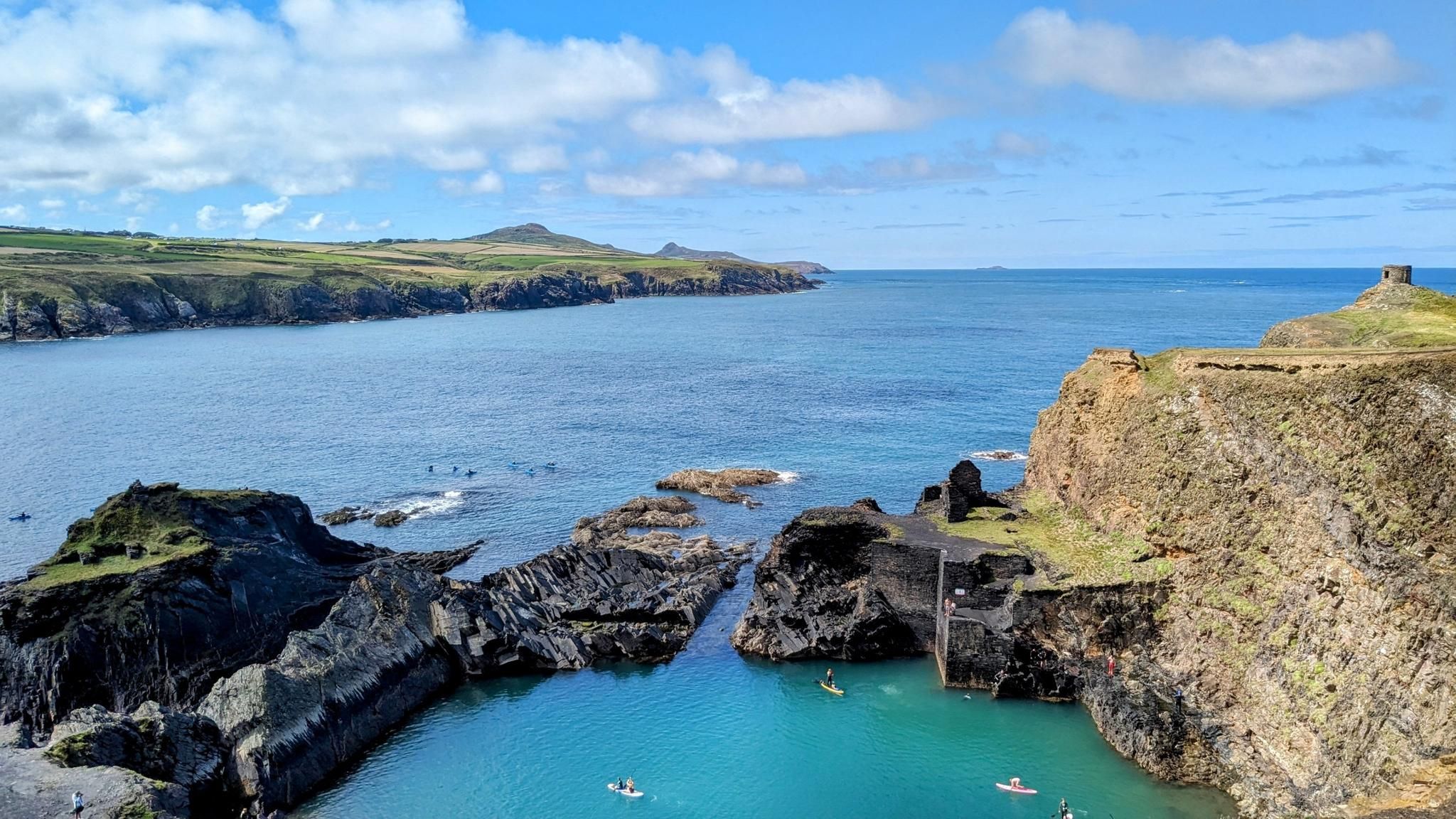
St Davids Head to Abercastle – Pembrokeshire walks
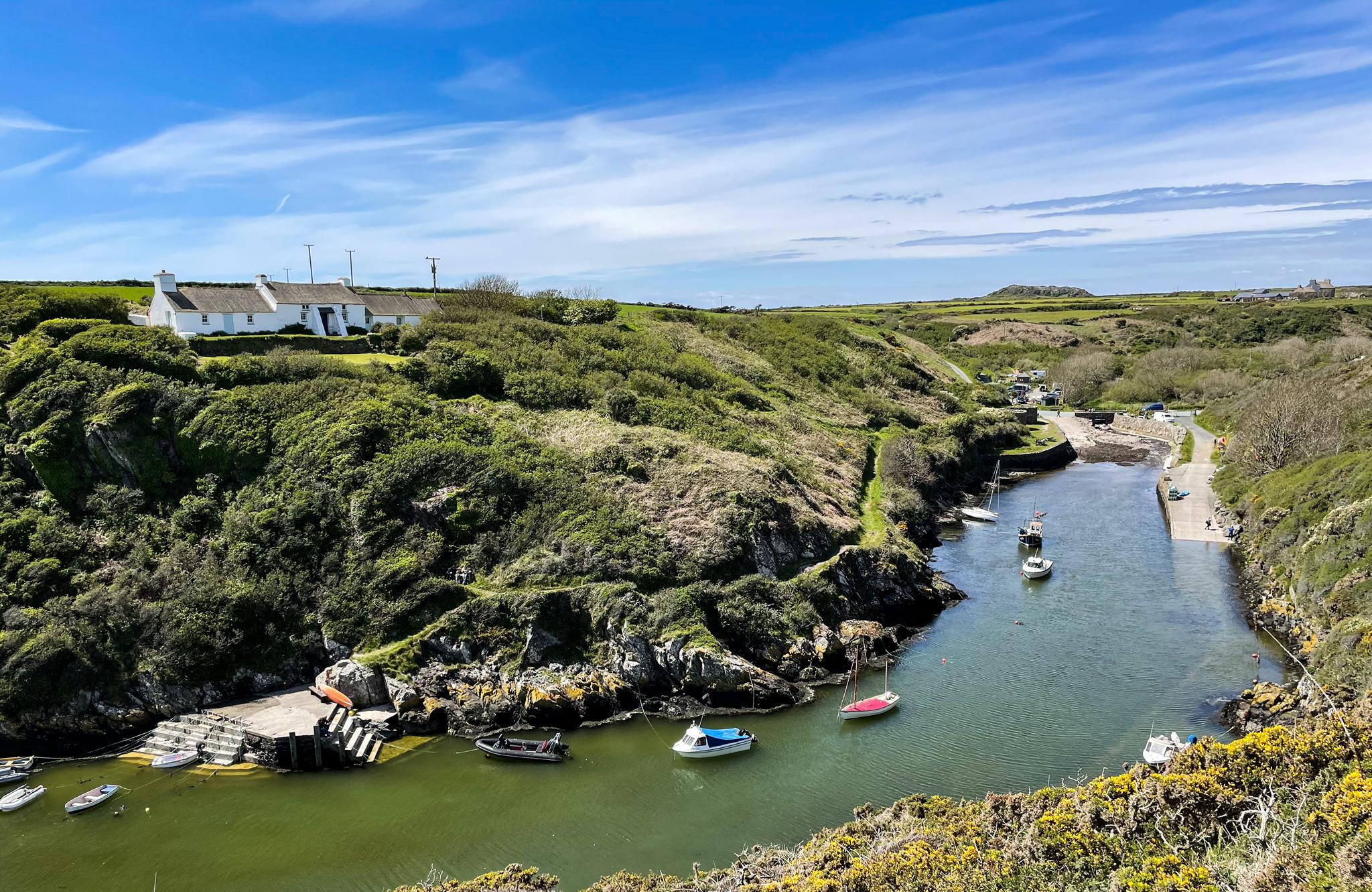
St Davids and Solva – Pembrokeshire walks
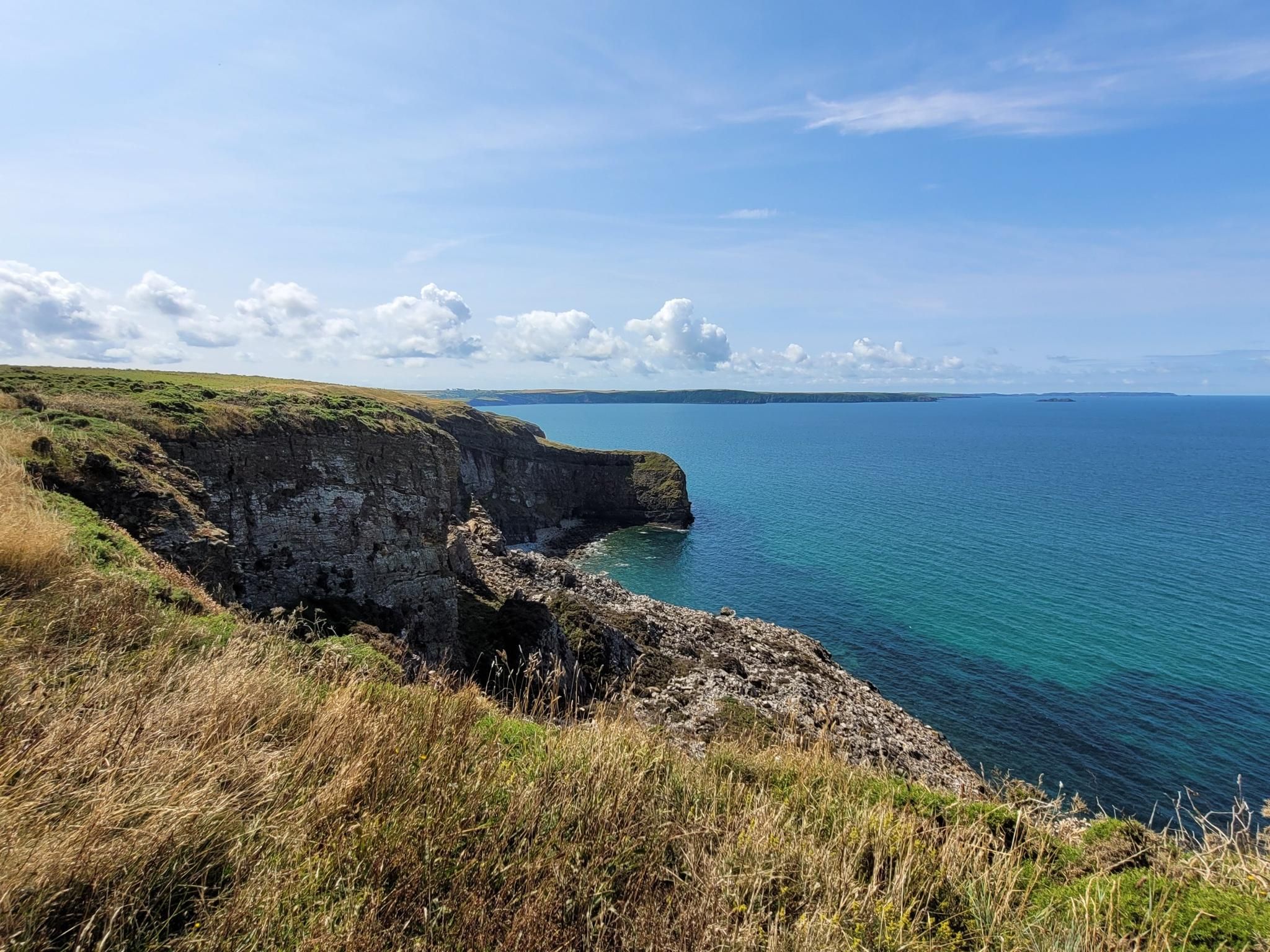
Broad Haven and St Brides Bay – Pembrokeshire walks
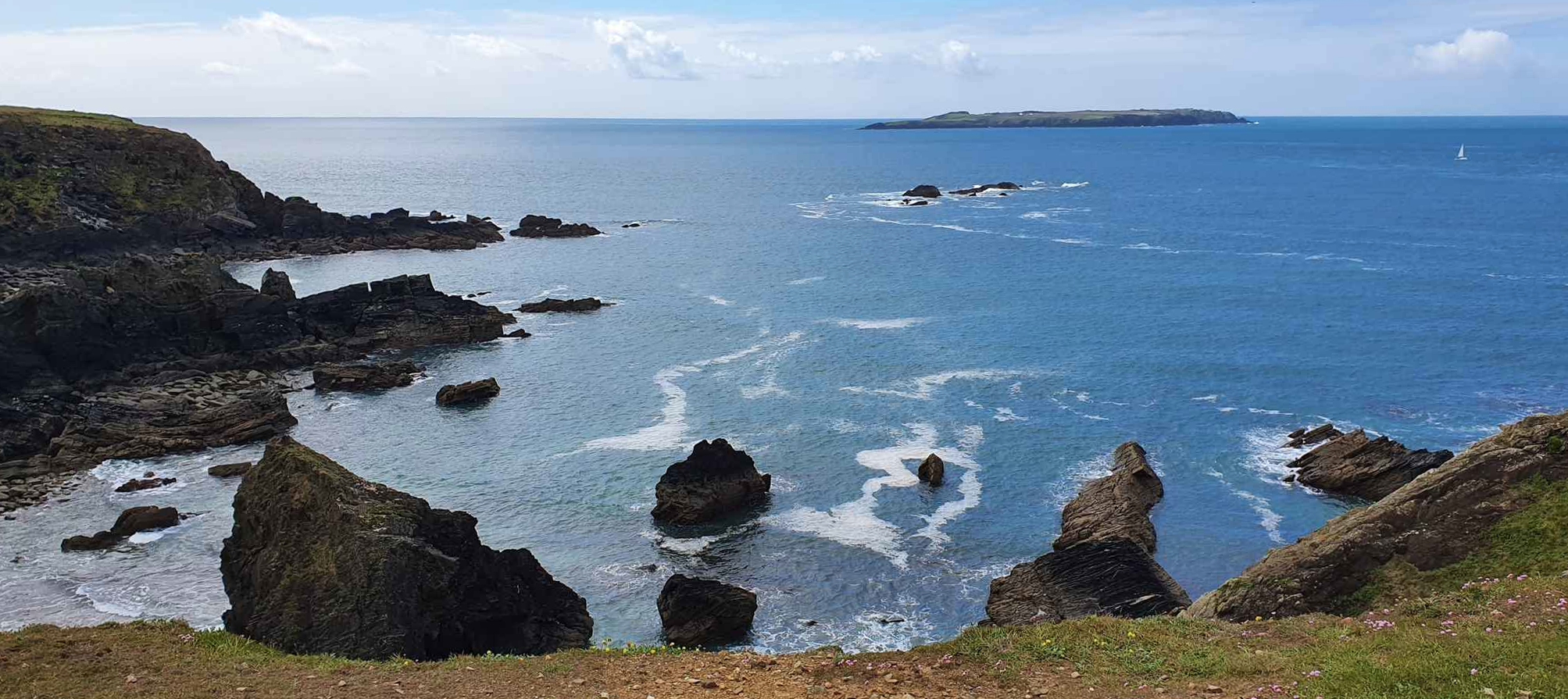
Marloes Peninsula and Skomer – Pembrokeshire walks
Other adventures in Pembrokeshire


Tips from the Community

The photos don’t do this part of the coastline any justice. The sheer drops are impressive!
0
0

You can especially be enchanted by the legend that surrounds this crack in the rock!
0
0

Perhaps not the most spectacular of Pembrokeshire's castles, Nevern castle is still worth including on your route. It's located high above the Nant Gamman stream with a steep natural gorge on one side and commanding views over the landscape. The remains of the motte and bailey castle probably date to Norman times, but it's thought this has been a defended position since the Iron Age some 2,000 years ago.
0
0
The Gwaun Valley is a beautiful landscape where time can feel like it is standing still. Wet woodland, water meadows, and the hill-side woods create habitats nurturing a variety of wildlife. Buzzards, Sparrowhawks and Red Kite are all common sights overhead.
0
0
Gorgeously untouched, rugged and beautiful!
2
0

A sumptuous wooded valley created when surging meltwater carved its way to the Irish Sea at Ceibwr Bay during the Ice Age, Cwm Trewyddl makes for a lovely stroll. The attractive village of Moylegrove, situated at the confluence of the Nant Ceibwr and Nant Awen, is the usual starting point for a walk here.
0
0
Ceibwr is a gorgeous little bay towards the northern end of the Pembrokeshire Coast Path. The rocky coastline around Ceibwr is wild and dramatic, with many instances of impressive rock scenery. The bay itself is steep sided and was carved in the last Ice Age by surging meltwater forcing its way through what is now the Cwm Trewyddel valley. It's a great spot for wildlife watching. Grey seals can be spotted close by, while porpoises are often sighted offshore.
0
1

Frequently Asked Questions
What kind of 'canyons' can I expect to find in Pembrokeshire?
Pembrokeshire's 'canyons' are primarily coastal gullies, sea caves, and natural arches, shaped by the powerful forces of the sea. Unlike traditional inland canyons, these formations are explored through activities like coasteering, sea kayaking, and climbing, offering unique experiences along the dramatic coastline.
What are some other notable coastal formations to explore in Pembrokeshire?
Beyond the most popular spots, you can explore the dramatic coastline around Ceibwr Bay, known for its wild and dramatic rock scenery carved by meltwater. The Gwaun Valley offers a peaceful, steep-sided valley experience with abundant wildlife, while Cwm Trewyddel Valley is another gorge worth visiting. Further south, the Green Bridge of Wales is a spectacular natural arch formed by erosion, and areas like the Blue Lagoon at Abereiddy and Lydstep are renowned for coasteering.
What activities are popular in and around Pembrokeshire's coastal canyons?
Pembrokeshire is considered the birthplace of coasteering, an exhilarating activity involving navigating the coastline by swimming, climbing, scrambling, and jumping. Sea kayaking is also popular for exploring sea caves, such as those near St. Govans. The dramatic cliffs also attract climbers, and the Pembrokeshire Coast Path offers excellent walking opportunities with stunning views.
Are there any historical or cultural sites near Pembrokeshire's canyons?
Yes, the region has historical significance. For instance, Nevern Castle Motte and Bailey is a historical site offering viewpoints. The historic St. Govan's Chapel is nestled in a cleft in the rock near sea caves, providing a unique blend of natural beauty and heritage. Additionally, the Gwaun Valley is known for its prehistoric sites.
What is the best time of year to visit Pembrokeshire's coastal formations?
The best time to visit Pembrokeshire's coastal formations for activities like coasteering and sea kayaking is generally during the warmer months, from late spring to early autumn (May to September), when sea temperatures are milder and weather conditions are more stable. For walking and sightseeing, the shoulder seasons (spring and autumn) offer pleasant temperatures and fewer crowds.
Are there family-friendly options for exploring Pembrokeshire's coastal features?
Many local providers offer guided coasteering and kayaking sessions suitable for families, with routes tailored to different skill levels. Spots like Lydstep are frequently cited as excellent for family coasteering, offering a mix of traversing, climbing, and exploring. Always check with activity providers for age and ability requirements.
What kind of wildlife can I see around Pembrokeshire's coastal canyons?
The coastal features provide important habitats for abundant wildlife. Grey seals use sea caves for giving birth and can often be spotted close to shore, particularly around Ceibwr Bay. Various seabirds, such as guillemots and kittiwakes, nest on rock ledges, especially around the Stack Rocks near the Green Bridge of Wales. Porpoises are also often sighted offshore.
What are the geological features that make Pembrokeshire's coast so unique?
Pembrokeshire's coast showcases remarkable geological diversity. The north features ancient Precambrian and Lower Palaeozoic rocks, while the south, particularly around Stackpole, has younger Carboniferous Limestone formations. This diversity results in a wide array of coastal features, including sea caves formed by wave erosion, dramatic cliffs, and distinctive rock formations like natural arches and sea stacks, all shaped by powerful geological processes.
What other outdoor activities can I do near Pembrokeshire's coastal formations?
Beyond exploring the coastal formations, Pembrokeshire offers a range of outdoor activities. You can find excellent road cycling routes, including those from Pembroke Castle to Broad Haven South, or gravel biking trails like 'The Preseli Hills & Gwaun Valley loop from Fishguard'. There are also beautiful waterfall hikes, such as the Ffynone Waterfall loop. For more details on these activities, you can explore the Road Cycling Routes in Pembrokeshire, Gravel biking in Pembrokeshire, and Waterfall hikes in Pembrokeshire guides.
What do visitors enjoy most about Pembrokeshire's coastal formations?
Visitors frequently praise the stunning scenery, the rugged and untouched beauty of the coastline, and the unique adventure experiences. The opportunity to explore hidden wonders like caves and gullies, often with surprisingly quiet landscapes, is highly valued. Many are also enchanted by local legends, such as the one surrounding Huntsman's Leap.
Are there any access restrictions or permits required for certain areas?
Some areas, like Huntsman's Leap, are located on an MOD firing range and may be closed to the public at certain times. It is advisable to check for public access before visiting. For general information on coasteering and other activities, you can visit Visit Pembrokeshire.
Most popular routes in Pembrokeshire
Most popular attractions in Pembrokeshire

Get inspired with the komoot mobile app


Didn’t find what you were looking for?
Want to see even more gorges? See the best ones in Pembrokeshire region by region:
Explore more
Already discovered everything in this region? See additional gorges in Pembrokeshire for your next adventure:
