The best gravel rides around Thézac
3.5
(2)
27
riders
2
rides
Gravel biking around Thézac offers diverse terrain across the Lot-et-Garonne department of France. The region features rolling countryside, fertile river valleys, and extensive agricultural lands, including vineyards and orchards. Cyclists can explore the Coteaux du Quercy hillsides and the Bois du Verdus forest, which provide a mix of unpaved and stony paths. The landscape is characterized by varied surfaces, from relatively flat canal paths to more rugged forest tracks.
Best gravel bike trails around Thézac
- The most popular gravel bike…
Last updated: June 28, 2026
6
riders
48.2km
02:55
320m
320m
Moderate gravel ride. Good fitness required. Mostly paved surfaces. Suitable for all skill levels.
3.0
(1)
5
riders
46.7km
02:49
170m
160m
Moderate gravel ride. Good fitness required. Mostly paved surfaces. Suitable for all skill levels.

Sign up for free
4.0
(1)
6
riders
73.5km
04:27
370m
370m
Moderate gravel ride. Good fitness required. Mostly paved surfaces. Suitable for all skill levels.
4.0
(1)
8
riders
21.9km
01:16
30m
30m
Easy gravel ride. Great for any fitness level. Mostly paved surfaces. Suitable for all skill levels.
2
riders
56.4km
03:24
340m
340m
Moderate gravel ride. Good fitness required. Mostly paved surfaces. Suitable for all skill levels.
Our route recommendations are based on thousands of hikes, rides, and runs completed by other people on komoot.
Start today with a free account
Your next adventure awaits.
Login or Signup
Tips from the Community

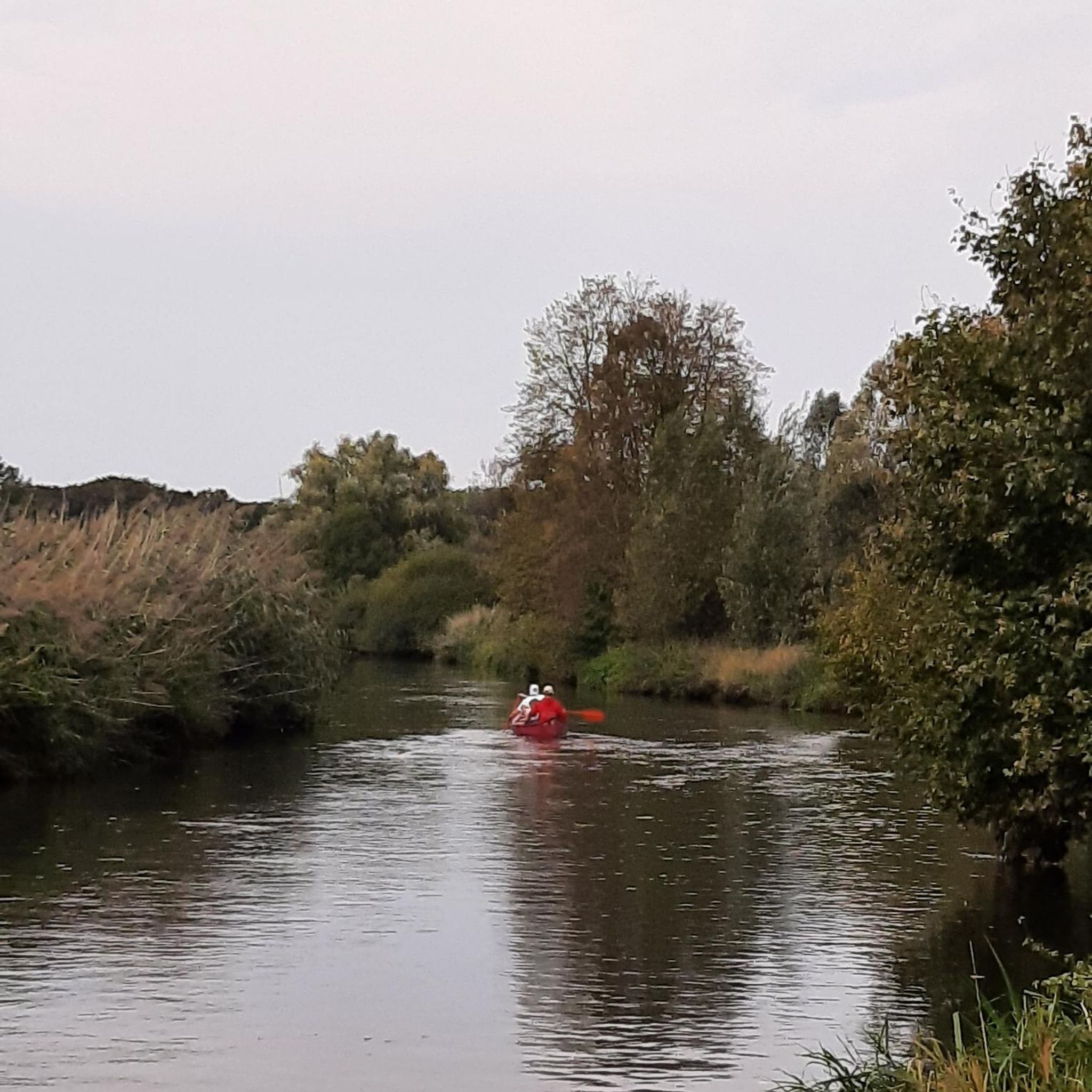
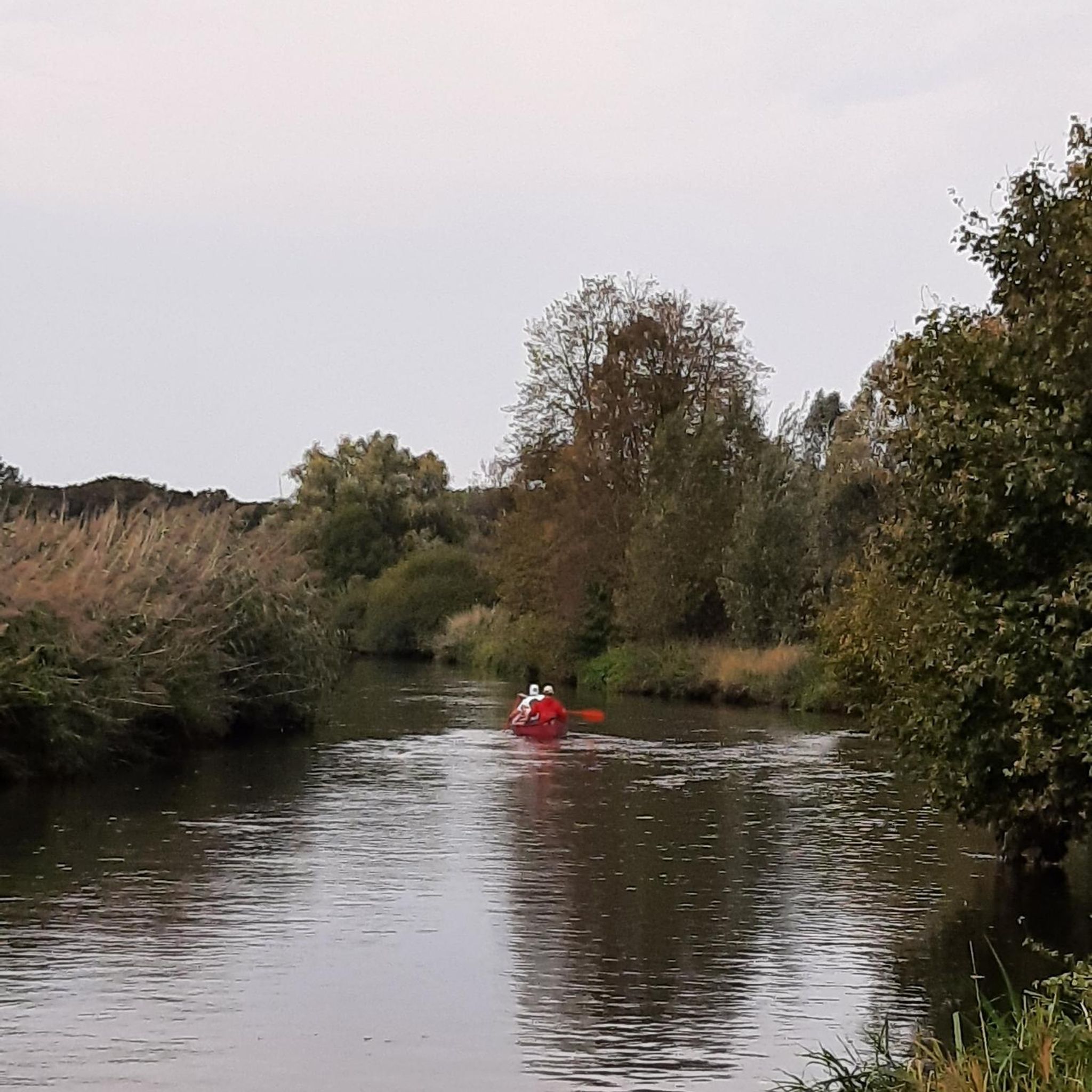
The port of Ribérou is a major heritage site in Saujon, bearing witness to a prosperous maritime past linked to the salt and wine trade. Transformed in the 19th century by ambitious works, it has now been reinvented as a place for living, relaxation, and preserving local history. 🛶 Origins and the Middle Ages The port of Ribérou takes its name from the Latin word ripa ("riverbank") or the Occitan word ribèira ("river"). It is located at the head of the Seudre estuary. It existed as early as the 11th century and became an important river and sea port thanks to its strategic position at the head of the estuary, used particularly for the salt trade—then called "white gold"—a highly sought-after product for preserving food. 🚢 Medieval Period and International Trade With the opening of British markets during the reigns of Eleanor of Aquitaine and Henry II Plantagenet, ships laden with wool, salt, wine, and other goods flocked to Ribérou. In the 16th century, the port exported local wines (such as cognac and pineau) throughout Europe. In 1577, during the Wars of Religion, the port was a strategic site: troops were stationed there, and battles took place. 🏗️ Decline, Reconstruction, and the 19th Century The estuary gradually silted up, making navigation difficult. By 1691, only smaller vessels could dock there. During the French Revolution, the sale of the tidal mill, which helped remove sediment, worsened the silting, leading to the port's decline. A modernization project began in 1822, but it wasn't until 1839 that an ambitious program was launched under the impetus of Jules Dufaure—a native of Saujon and Minister of Public Works—with the construction of sturdy quays, slipways, a lock bridge (marking the boundary between fresh and salt water), and reception facilities. In 1842, the work was completed, and the main quay was named Quai Dufaure in honor of this political support. 📉 Gradual Decline and Modernization The arrival of the railway in 1876 and the persistent problems of silting led to a decline in the port's traditional commercial activity, already facing competition from other transport networks. In the 20th century, the port gradually lost its economic importance but remained active for traditional fishing and became a place for pleasure boating, leisure, and local culture. Urban and tourism development projects (particularly in 2011–2012) modernized the port while preserving its historical charm. 🌊 Today The port of Ribérou is now a small fishing and pleasure port, much appreciated for its walks along the Seudre River, water sports (canoeing, kayaking, paddleboarding, etc.), and seasonal events.
0
0


beautiful passages along the Charente with pretty monuments and small waterfront cafés in Port d’Envaux and Saintes.
0
0

The Gallo-Roman amphitheater of Sainte, also called the Arena of Saintes, is an elliptical monument built between 40 and 50 AD, probably during the reigns of Tiberius and Claudius. It measures approximately 126 meters by 102 meters and could accommodate between 12,000 and 15,000 spectators, making it one of the largest and oldest amphitheaters in Gaul. Located in a natural valley called the "Arènes valley," it takes advantage of the topography to limit construction work, with stands backing onto the hill. The site has two monumental gates, the "Gate of the Living" to the east and the "Gate of the Dead" to the west, and has been the subject of a major restoration project since 2021 to preserve this exceptional heritage. Accessible on foot from the city center, it offers an immersion in Roman history with an educational trail and activities for families
1
0
The port of Ribérou is a fishing and pleasure port located at the end of the Seudre estuary, in Saujon. It is one of the two ports in the city, along with that of Breuil, a little downstream. Active since the 11th century, it took on its current appearance from 1842, under the impetus of the Minister of Public Works at the time, Jules Dufaure, a "local boy", who thus attempted to revive maritime trade and fishing activities, which were then in decline. Ideally located, on the edge of the city center, the La Lande leisure center and the preserved areas of the Seudre marshes (towpaths transformed into walking trails), it has become one of the major tourist attractions in Saujon, where theme evenings and the July 14 fireworks are organized. In 2011, the municipality began a renovation program for the port site, entrusted to the architect-urban planner Sophie Blanchet. It consists of transforming the old car parks into a pedestrian esplanade, a real meeting place with modern street furniture and, in the long term, green spaces. From the quays, lined with bourgeois buildings, small picturesque streets lined with hollyhocks allow you to crisscross the district and reach the city centre. The Ribérou lock bridge, known as the "bridge of opposing waters", was renovated in 2010. It marks the separation between the waters of the estuary (port side: brackish water) and the waters of the river (retention basin side: fresh water). Ribérou is a starting point for certain water sports (canoeing and kayaking). It is approximately 250 metres long and 40 metres wide. From Ribérou, it is possible to reach successively the ports of Breuil (Saujon), L'Éguille, Mornac, Chaillevette, Chatressac (Chaillevette), Grandes Roches and Orivol (Étaules), La Grève in Duret and Coux (Arvert), La Grève (La Tremblade) and La Cayenne (Marennes).
0
0
The organs of the Saint-Jean-Baptiste church in Saujon. In 1962-1963, Pierre Nadeau built a 6-stop organ, without visible pipes, entirely expressive. In 1973, Dominique Oberthür carried out a repair of the organ. In 1978-1979, the Etablissements Muhleisen of Strasbourg rebuilt the organ which was inaugurated by Jacques Dussouil on June 9, 1979. The Walther Buffet is a two-body, polychrome, in fir and plywood. The large body has three turrets (the central one in a pointed third) framing two flat faces. The back positive includes two flat turrets framing a flat face. The facade includes 56 tin pipes (29 in the large body and 27 in the back positive). Console in a window projecting from the base. 4 windchests with engravings and registers.
0
0
Frequently Asked Questions
What kind of terrain can I expect on gravel bike trails around Thézac?
The Thézac area, nestled in the Lot-et-Garonne department, offers a rich tapestry of natural environments perfect for gravel biking. You'll encounter rolling countryside, fertile river valleys, and extensive agricultural lands, including picturesque vineyards and orchards. Routes often feature a mix of unpaved and stony paths through the "coteaux du Quercy" (Quercy hillsides) and shaded forest tracks in the "Forêt du Verdus." You can also find relatively flat greenways along the Lot Valley and Canal de Garonne.
Are there gravel routes suitable for beginners or those looking for an easy ride?
Yes, the region caters to various skill levels. While many routes offer moderate challenges, the greenways and canal paths along the Lot Valley and Canal de Garonne provide relatively flat, well-maintained, and shaded routes ideal for relaxed cycling. The region's focus on "slow tourism" means you can find easy circuits, such as those exploring local vineyards, that are suitable for families or those new to gravel biking.
How challenging are the gravel bike trails in Thézac?
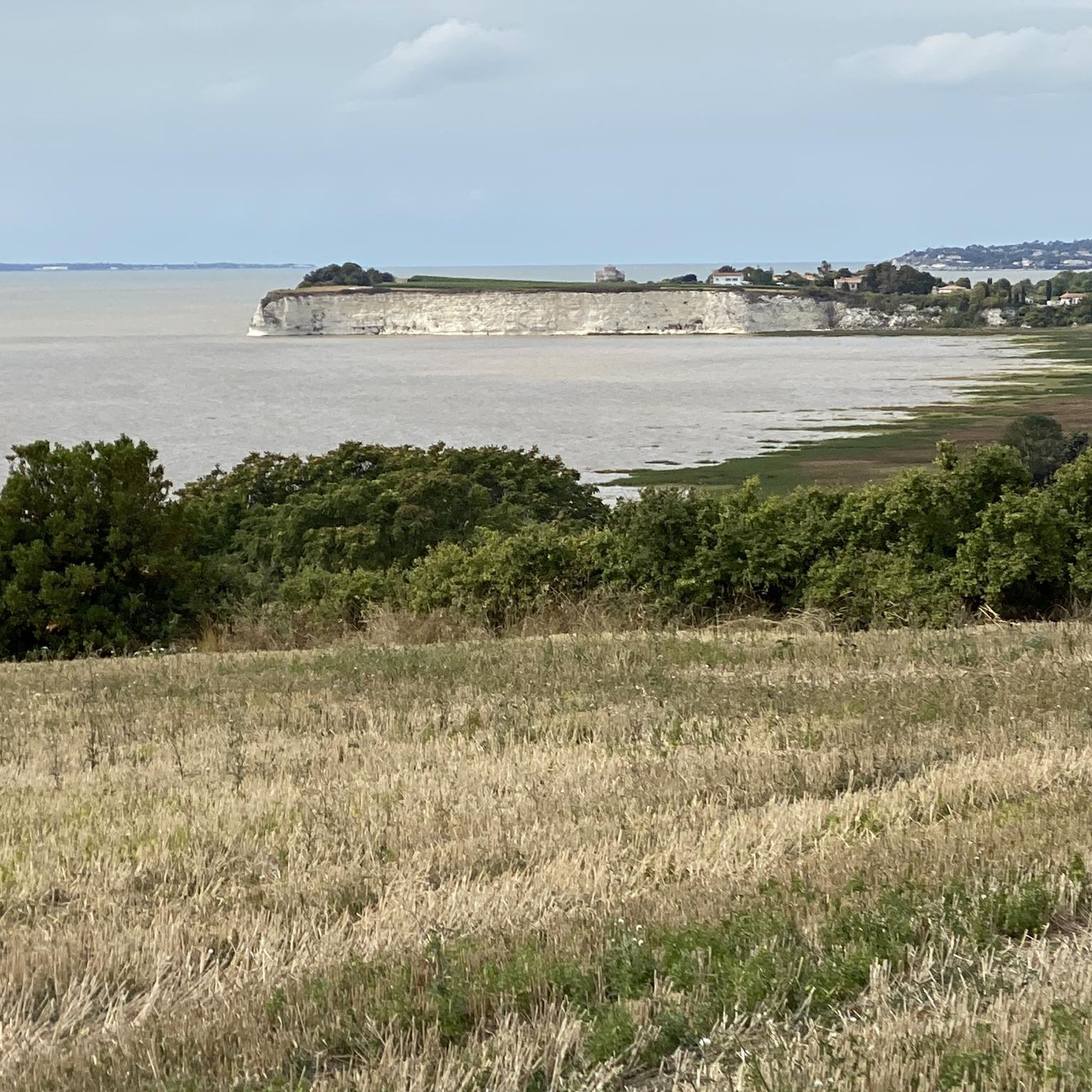
Gravel biking around Thézac offers a range of difficulties. You'll find routes with moderate difficulty, like the Boulevard du Marais – View of the La Roche cliff loop from Cozes, which navigates varied rural landscapes. There are also more challenging options, such as the View of the Arch of Germanicus – Cathedral of Saintes loop from Saujon, which is classified as difficult and covers a longer distance with significant elevation changes. The diverse terrain, from stony causses to forest tracks, ensures options for all levels of fitness and experience.
What are the typical distances and elevation gains for gravel rides in the Thézac area?
The gravel routes around Thézac vary in length and elevation. For instance, the View of the Arch of Germanicus – Cathedral of Saintes loop from Thénac is about 48 km (29.9 miles) with around 319 meters of elevation gain. A longer, more challenging option like the View of the Arch of Germanicus – Cathedral of Saintes loop from Saujon stretches to nearly 76 km (47.2 miles) with approximately 388 meters of ascent. You can find routes ranging from moderate to difficult, with distances typically between 45 km and 76 km.
What can I see along the gravel bike trails around Thézac?
Many gravel routes in the Thézac area are rich in cultural and historical sights. You can expect to pass through charming bastide towns, spot picturesque pigeonniers, and enjoy views of historical architecture. Notable attractions include the Riberou Port, the Saint-Romain Church of Saint-Romain-de-Benet, and the Notre-Dame Church of Corme-Écluse. Some circuits even utilize portions of the historic Camino de Santiago pilgrimage route, adding a layer of historical significance to your ride.
Are there family-friendly gravel biking options around Thézac?
Absolutely. The region is well-suited for family cycling, especially with its emphasis on "soft mobility." The greenways along the Lot Valley and the Canal de Garonne offer secure, shaded, and pleasant routes inaccessible to cars, making them ideal for families. Many local circuits, particularly those exploring vineyards, are designed as easy rides suitable for all ages. These routes often pass through small villages, providing opportunities for enjoyable stops.
What is the best time of year for gravel biking in Thézac?
The Lot-et-Garonne region generally offers pleasant conditions for gravel biking for much of the year. Spring and autumn are often ideal, with comfortable temperatures and beautiful scenery as orchards bloom or vineyards change color. Summers can be warm, but many routes, especially those along canals or through forests like the Bois du Verdus, offer welcome shade. Always check local weather conditions before heading out.
Are there cycling-friendly cafes, pubs, or accommodation options in Thézac and the surrounding area?
Yes, the region's focus on tourism means you'll find amenities catering to cyclists. Routes frequently pass through small villages, offering opportunities for "gourmand" stops at local eateries, vineyards, and markets where you can experience local culture and cuisine. Look for establishments displaying the 'Accueil Vélo' label, which indicates they offer specific services and facilities for cyclists, including secure bike storage and repair kits.
Is it easy to find parking near gravel bike trailheads in Thézac?
While specific parking details for every trailhead aren't always available, Thézac and the surrounding villages are generally welcoming to visitors. As a rural area, you can often find public parking in village centers or near popular starting points for trails. For specific routes, it's advisable to check the route details on komoot or local tourism information for designated parking areas.
What do other gravel bikers enjoy most about gravel biking in Thézac?
The gravel biking experience in Thézac is highly rated by the komoot community, with an average score of 4.0 stars from over 9 reviews. Cyclists often praise the diverse and picturesque landscapes, the mix of rolling countryside and shaded forest tracks, and the opportunity to explore charming villages and historical sites. The varied terrain, from canal paths to stony hillsides, is frequently highlighted as a key draw.
Are there any circular gravel bike routes around Thézac?
Yes, many of the gravel bike trails in the Thézac area are designed as circular loops, allowing you to start and end your ride in the same location. For example, the Cathedral of Saintes – View of the Arch of Germanicus loop from Montpellier-de-Médillan is a popular circular route. These loops are convenient for exploring the varied landscapes and attractions without needing to retrace your steps.
Can I bring my dog on gravel bike trails in the Thézac area?
While many outdoor areas in France are dog-friendly, specific rules can vary by location, especially in protected natural areas or private lands. Generally, dogs are welcome on public paths if kept on a leash. It's always best to check local signage or specific regulations for the particular trail you plan to ride. Ensure your dog is well-behaved and that you carry bags to clean up after them.
Most popular attractions around Thézac

Get inspired with the komoot mobile app


Explore more
Browse the best Gravel rides in other regions.
