Top 20 Caves in the Piedmont
Best caves in the Piedmont region are found in northwest Italy, characterized by diverse geological formations and historical significance. The region's caves offer insights into unique ecosystems and past human activities. Many of these natural cavities are notable for their extensive networks, varied rock formations, and paleontological discoveries. Piedmont provides a range of caving experiences, from accessible tourist caves to natural reserves.
Best caves in the Piedmont
- The most popular caves is Balma Boves, a settlement built under a…
Last updated: October 13, 2026
Balma Boves
Highlight • Settlement
Translated by Google •
Tip by

Pink Alabaster Caves of Busca
Highlight • Cave
Translated by Google •
Tip by

Sign up now to discover places like this
Get recommendations on the best single tracks, peaks, & plenty of other exciting outdoor places.
Gheisa d'la Tana Cave
Highlight • Cave
Translated by Google •
Tip by

Riserva Naturale delle Grotte del Bandito
Highlight (Segment) • Natural
Accessible with any bicycle, it allows you to avoid the provincial …
Translated by Google •
Tip by

Grotto of Our Lady of Lourdes
Highlight • Cave
Translated by Google •
Tip by

Cave Dwellings of Mombarone
Highlight • Cave
Translated by Google •
Tip by
Balmascura Cave
Highlight • Cave
Translated by Google •
Tip by
Grotte del Bandito
Highlight • Cave
Translated by Google •
Tip by

Vene del Tanaro Bridge and Cave
Highlight • Cave
Translated by Google •
Tip by

Pera Furà Millstone Cave
Highlight • Cave
Translated by Google •
Tip by

Sign up for free to discover even more caves in the Piedmont.
Already have an account?
Start today with a free account
Your next adventure awaits.
Popular around Piedmont
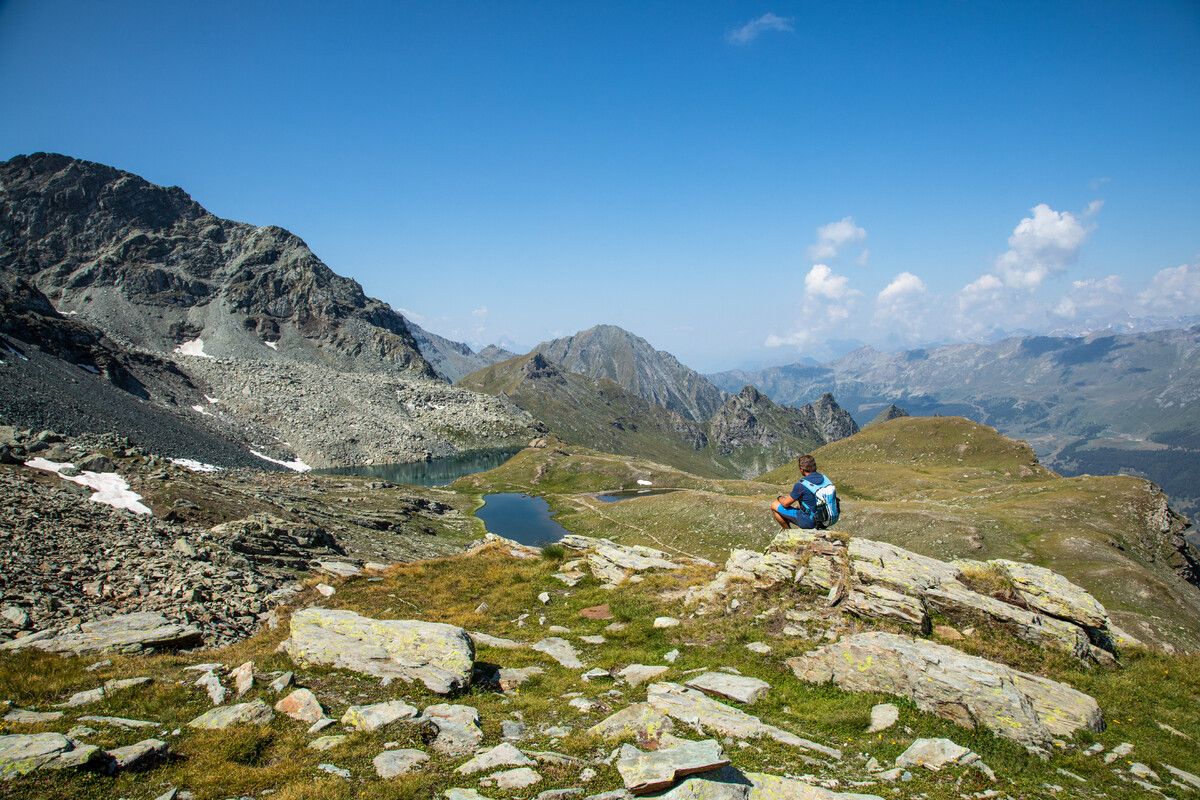
Alta Via n. 1 of the Aosta Valley — a walk among Italian giants
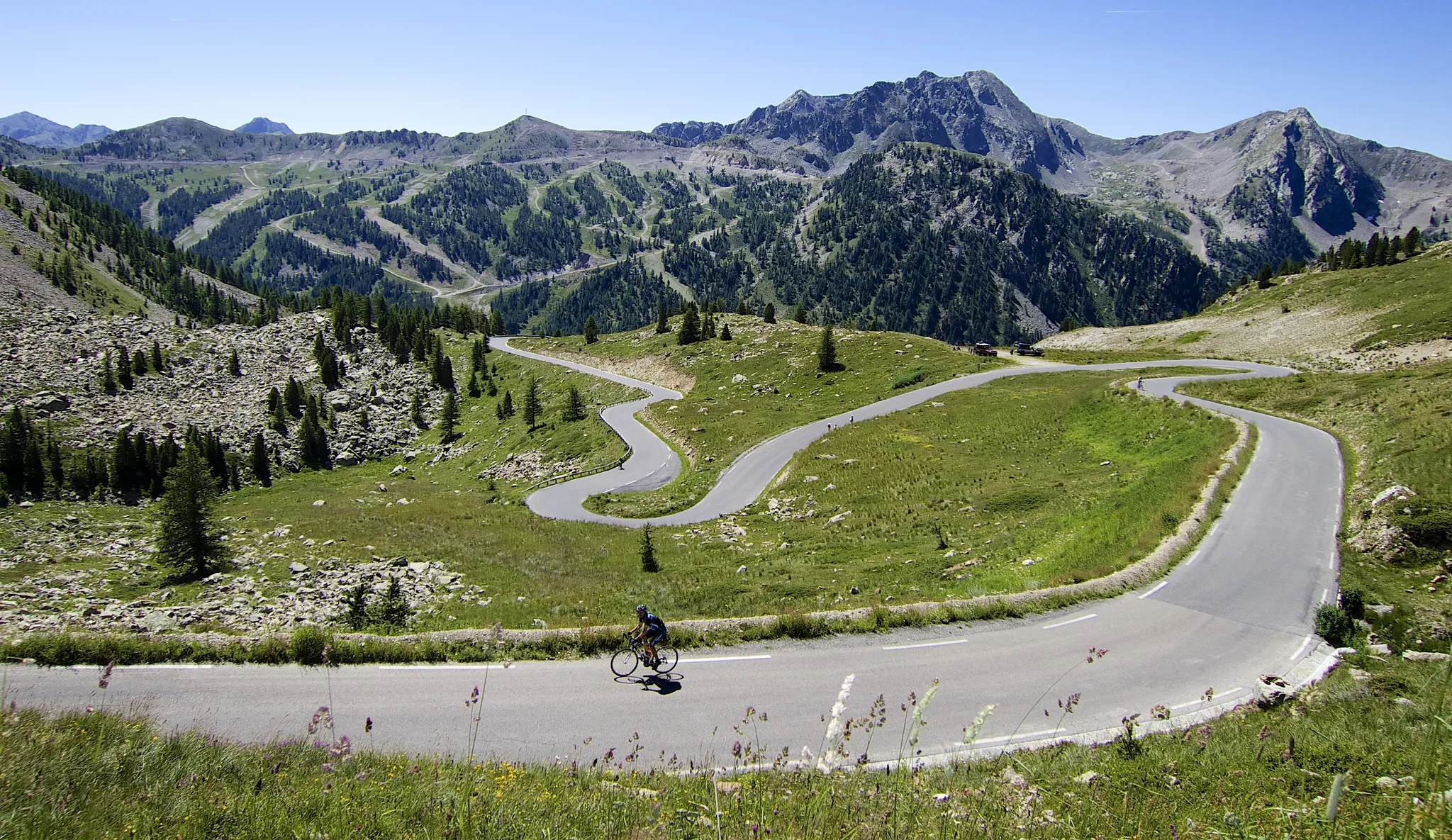
Haute Route Alps 2025 — Assaulting the Alps
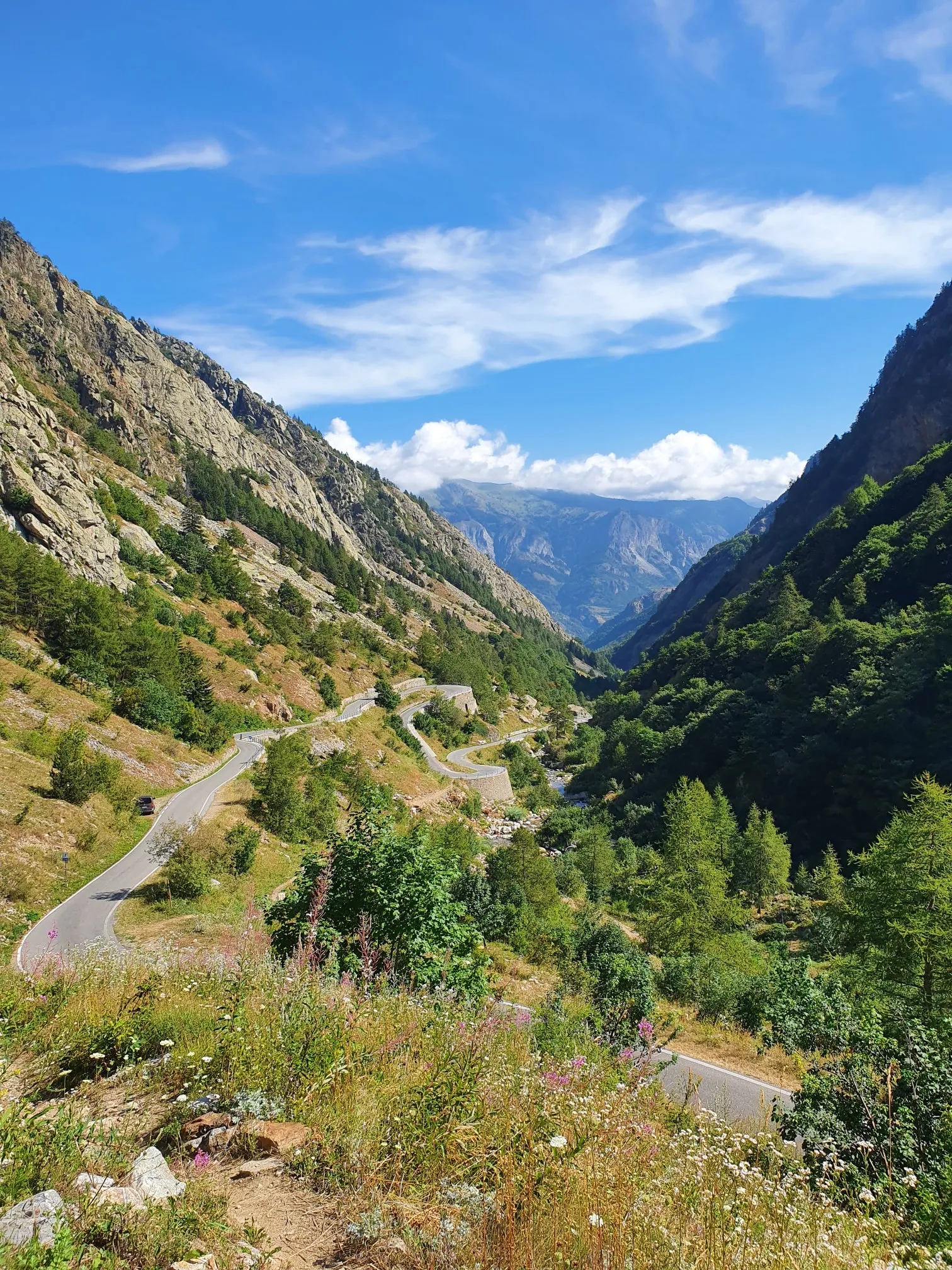
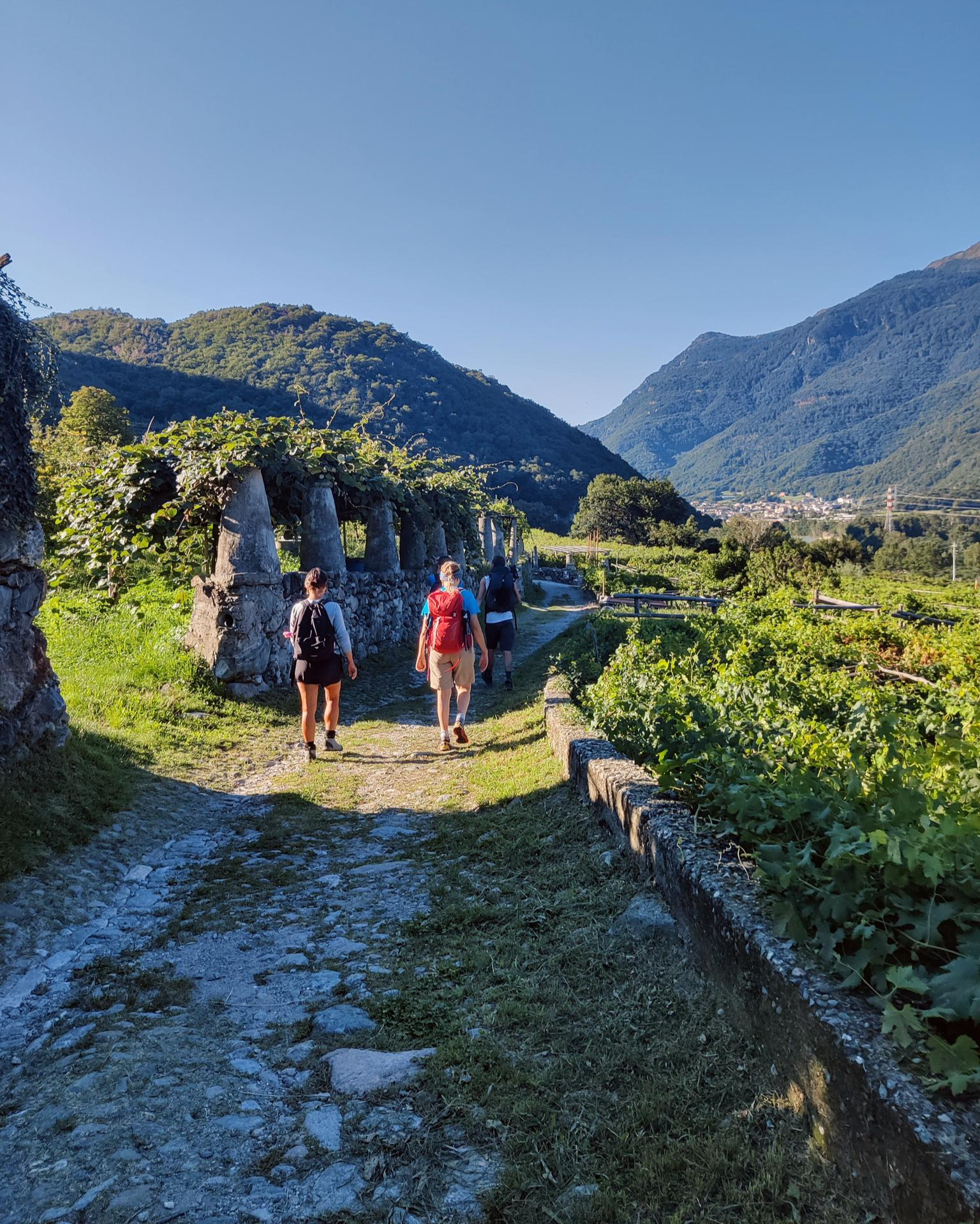
In the footsteps of the pilgrims in Valle Stura
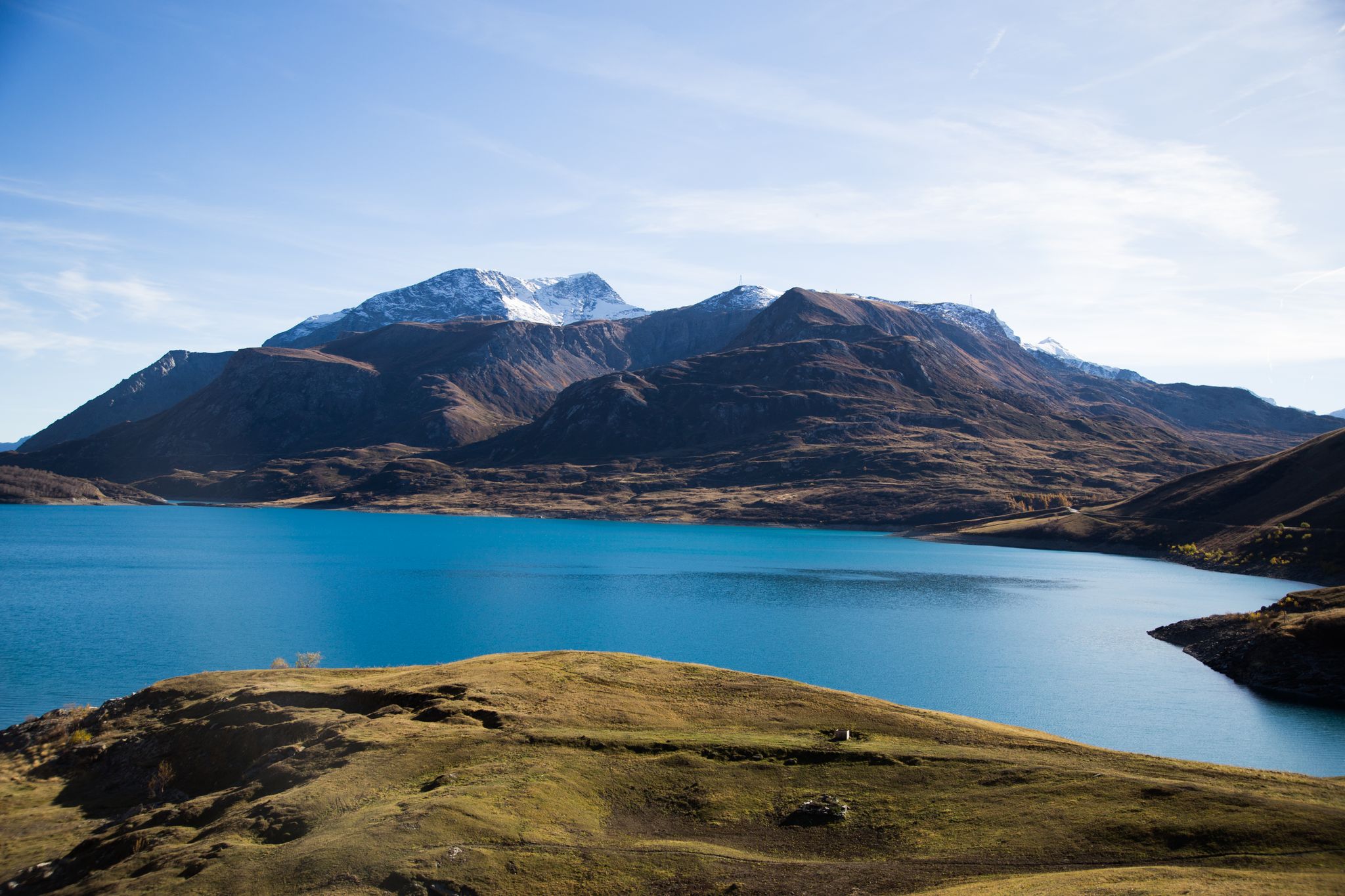
Historic and spiritual trails in the province of Torino
Piemont's Via Francigena
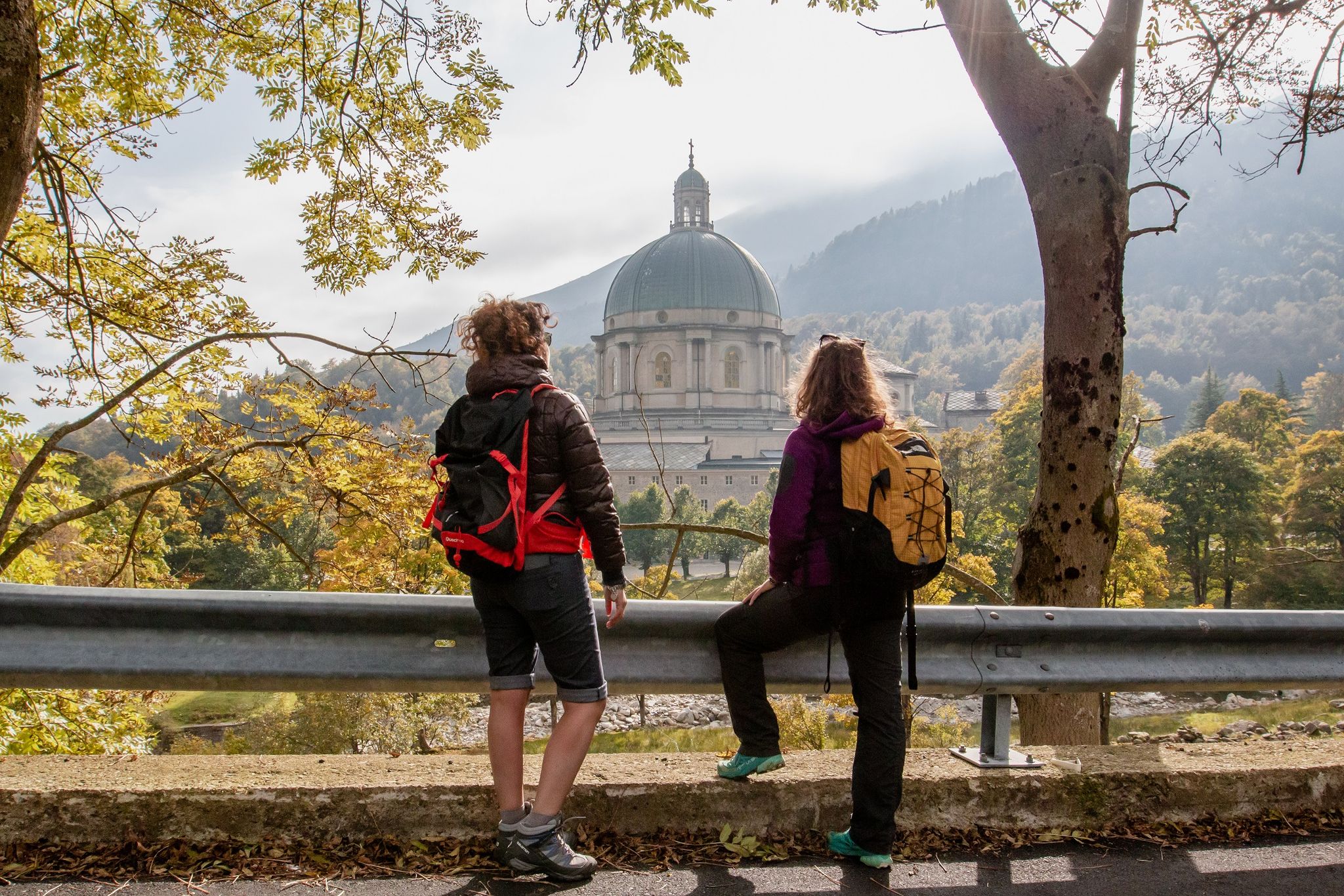
Cammino di Oropa della Serra — Hiking to one of Italy's Holy Mountains
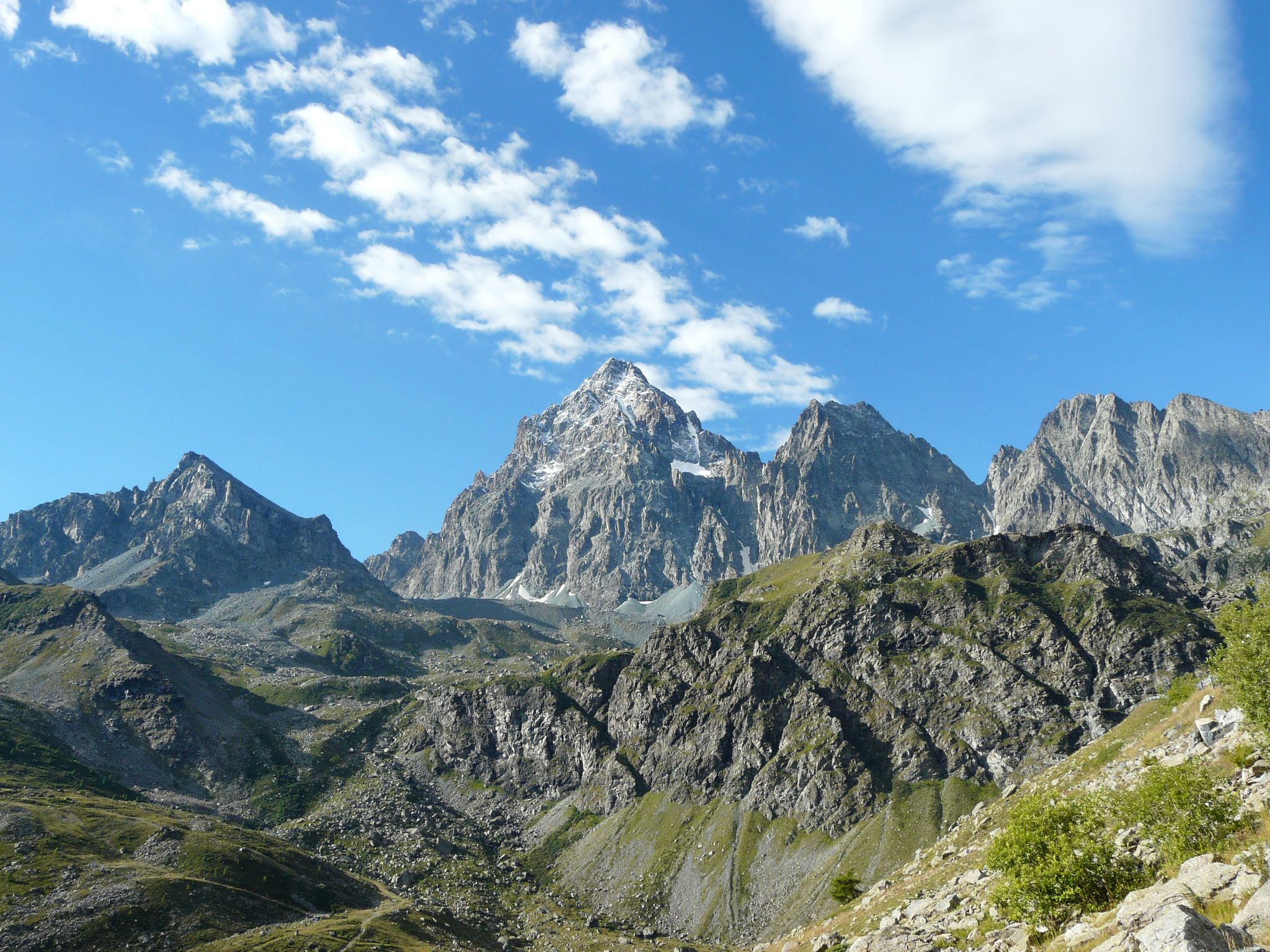
Tour di Viso – Four days around the Stone King from Castello
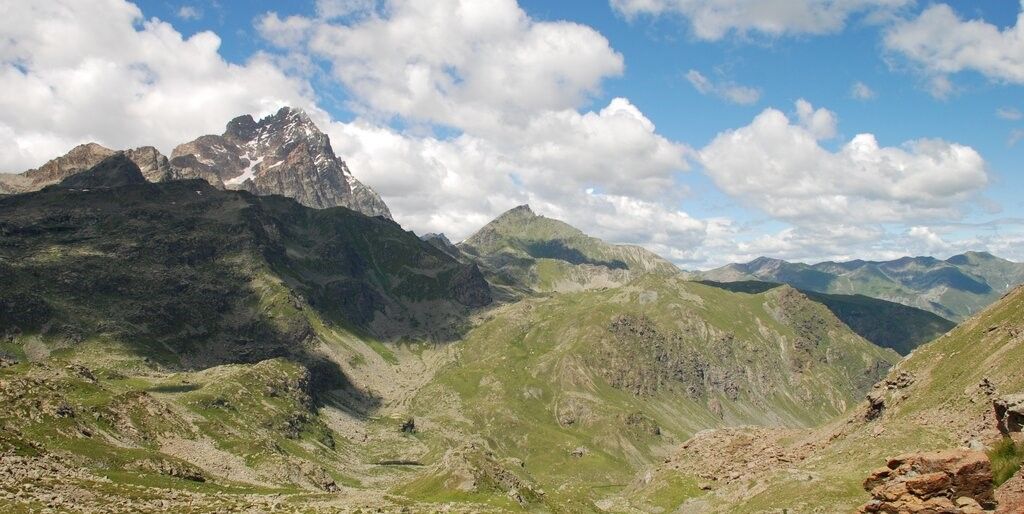
Tour di Viso – Four days around the Stone King from Meire Dacant

Viso Tour from Castello (variant) – Three days around the Stone King
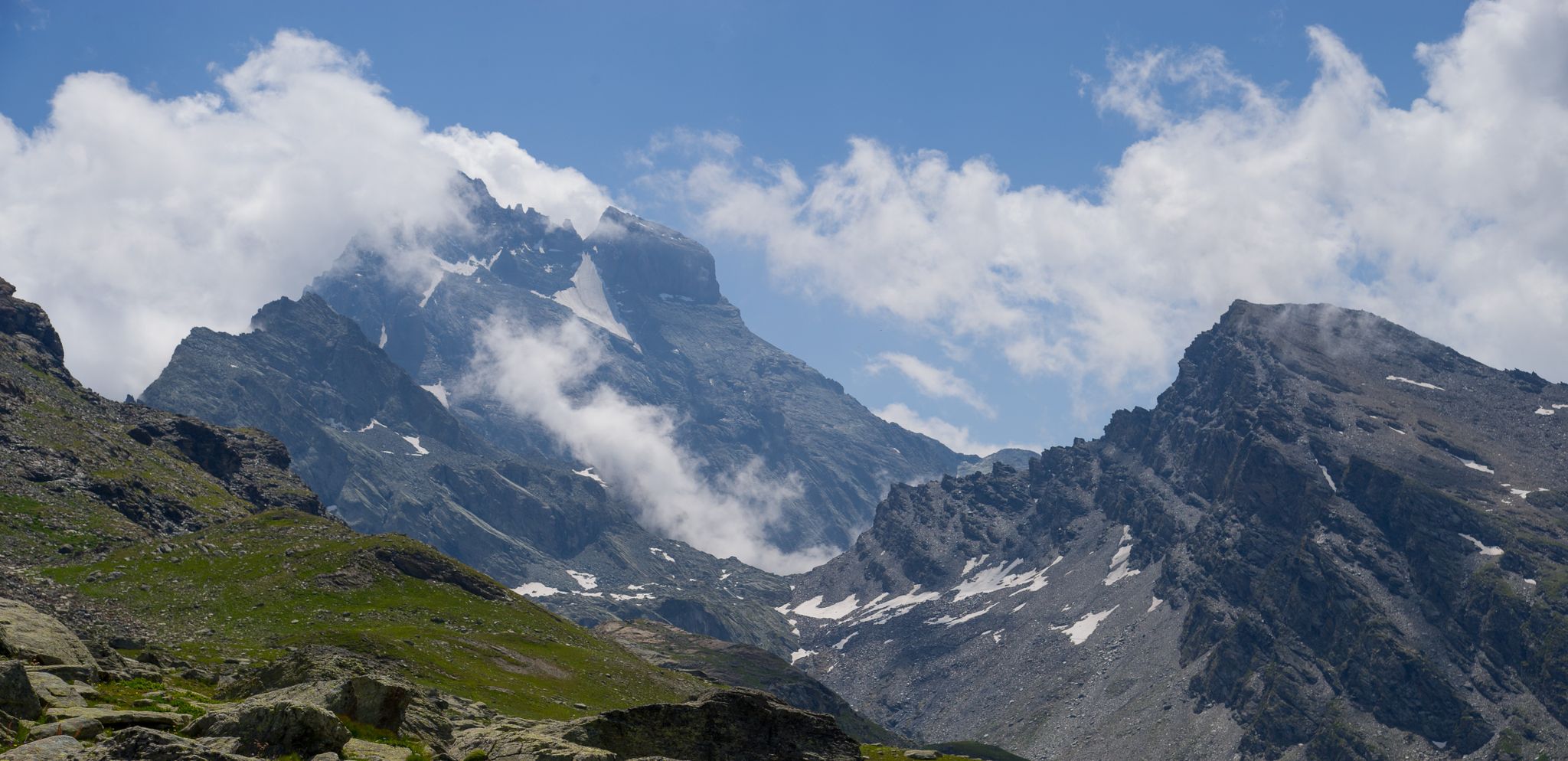
Tour di Viso from Pian del Re – Three days around the Stone King
Other adventures in the Piedmont


Tips from the Community

Unfortunately, the complete loop cannot be done because you have to go through a private road and the owner is not really available to let you pass, so just after the houses you have to take a road that goes back, shortening the route by quite a bit.
1
0

If you are in the area it is worth a visit, a very particular place, be careful of your head, the entrance is very narrow
0
0

Are completed, but the way there is beautiful
0
0

Here guys, the story gets deep. We recommend overcoming the initial fear of the unconscious and, for those who do not suffer from claustrophobia, enter the very short tunnel: it will take you inside a cave that will leave you speechless.
1
0

It is definitely worth a visit, a truly special place.
1
0


The Gheisa d’la Tana is a natural cavity located in Val d’Angrogna, a side valley of Val Pellice, particularly known for its history linked to the Waldensian community. The name, which in Piedmontese means "Church of the Tana", recalls the use that the Waldensians made of it during the period of religious persecution, when they clandestinely celebrated religious functions in this natural hiding place. The cave is located in a wooded area on the left side of the valley and can be reached via a short hiking trail, marked and suitable for everyone.
1
0

Balma Boves is a small hamlet built under a huge rocky outcrop. It was inhabited until the early 1960s and is now a museum village. Dwellings, barns, stables, wells, ovens, chestnut dryers and tools bear witness to a time that was also called the "chestnut civilization".
3
0
Frequently Asked Questions
What are some of the most geologically significant caves in Piedmont?
Piedmont is home to several caves renowned for their geological features. The Grotta di Bossea is considered one of Italy's most beautiful tourist caves, featuring diverse rock formations, underground lakes, and grand chambers. The Grotta del Caudano boasts an extensive network of galleries rich in stalactites, stalagmites, and unique 'fakir's bed' formations. The Grotta di Rio Martino, carved by subglacial torrents, showcases interconnected halls and a dramatic 40-meter-high Pissai waterfall.
Which caves in Piedmont offer unique historical insights?
Several caves in Piedmont hold significant historical value. Gheisa d'la Tana Cave is known for its connection to the Waldensian community, who used it as a clandestine place of worship during religious persecution. Balma Boves is an ancient settlement built under a rock, offering a glimpse into past human habitation. The Grotta dei Dossi holds historical significance as the first cave in Cuneo province, and indeed in Italy, to be illuminated with electric light.
Are there family-friendly caves to visit in Piedmont?
Yes, Piedmont offers several caves suitable for families. Gheisa d'la Tana Cave is accessible via a short, marked hiking trail suitable for everyone. The Grotto of Our Lady of Lourdes is also categorized as family-friendly. The Vene del Tanaro Bridge and Cave is described as an interesting tour to be tackled as a family without particular difficulties.
What should I wear when visiting caves in Piedmont?
Caves in Piedmont maintain a constant, cool temperature year-round, typically between 5°C and 9°C, often with high humidity. It is advisable to wear warm clothing, such as a jacket or sweater, and comfortable, non-slip shoes or trekking boots to navigate potentially damp or uneven surfaces. For some caves like Grotta del Caudano, waterproof clothing is also recommended.
What is the best time of year to visit Piedmont's caves?
Many caves in Piedmont are open year-round, but some have seasonal considerations. For example, the Grotta di Rio Martino is not accessible during winter months to protect hibernating bat colonies. Always check the specific cave's opening hours and accessibility before planning your visit. The internal temperature of most caves remains constant regardless of the season.
Are guided tours available for caves in Piedmont?
Yes, guided tours are a common way to explore many of Piedmont's caves. The Grotta di Bossea offers guided tours lasting approximately 90-100 minutes. Visits to the Grotta di Rio Martino are also guided. The Grotta del Caudano is equipped with electric lighting and walkways for visitor convenience, often accompanied by guides to explain its features.
Can I see wildlife in Piedmont's caves?
Yes, some caves in Piedmont are significant for their unique ecosystems and wildlife. The Grotta di Bossea is known for its diverse fauna, with over 50 identified species, including 10 endemic ones. The Grotta di Rio Martino is a natural reserve and Special Area of Conservation, housing a rare and specialized fauna, including at least 10 different protected bat species, and hosts the largest winter aggregation of Barbastelle bats in Italy.
What kind of rock formations can I expect to see in Piedmont's caves?
Piedmont's caves, particularly karstic systems, are rich in various rock formations. You can expect to see impressive stalactites, stalagmites, and columns formed by mineral deposits. The Grotta del Caudano is especially noted for these, along with unique 'fakir's bed' formations. The Grotta di Bossea also features a wide variety of 'concrezioni' (rock formations) and underground lakes.
Are there any caves in Piedmont with paleontological significance?
Yes, several caves in Piedmont have yielded important paleontological discoveries. The Grotta di Bossea is significant for the numerous paleontological remains found there, including a reconstructed skeleton of an *Ursus Spelaeus* (cave bear) displayed in the 'Sala del Tempio'. The Grotta del Caudano also has paleontological interest due to the discovery of numerous *Ursus Spelaeus* bones.
What outdoor activities can I do near the caves in Piedmont?
The Piedmont region offers a variety of outdoor activities near its caves. You can find numerous hiking trails, such as those detailed in the Waterfall hikes in the Piedmont guide. For cycling enthusiasts, there are routes for touring bicycles, as highlighted in the Cycling in the Piedmont guide, and challenging mountain biking trails, which can be explored through the MTB Trails in the Piedmont guide.
Are there any caves in Piedmont that were once used as quarries?
Yes, the Pink Alabaster Caves of Busca are a series of gorges that were once quarries. These five gorges were used to extract ornamental stone, resulting in deeply cut caves with distinctive red-colored earth.
What makes the Grotta dei Dossi a notable cave to visit?
The Grotta dei Dossi is notable for its historical significance in cave tourism, being the first cave in Cuneo province to be illuminated with electric light. It features a beautiful underground landscape of halls and galleries. During the Christmas period, it hosts an evocative exhibition of Nativity scenes, adding to its unique atmosphere.
Where can I find more information about visiting the Grotta di Bossea?
For more detailed information about visiting the Grotta di Bossea, including opening hours and specific tour details, you can refer to external resources such as visitcuneese.it.
Most popular routes in the Piedmont
Most popular attractions in the Piedmont

Get inspired with the komoot mobile app


Didn’t find what you were looking for?
Discover more caves in the Piedmont region by region:
Explore more
Extend your search for the best caves by checking out these guides of the top ones in the Piedmont:
