Top 11 Castles around Villar San Costanzo
Best castles around Villar San Costanzo are found in the Province of Cuneo, Italy, a region known for its natural geological formations and significant religious architecture. While traditional castles are not numerous, the area features historical structures and ruins that offer insight into its past. These sites include ancient abbeys and churches, alongside remnants of fortified buildings. The landscape provides a backdrop for exploring these historical points of interest.
Best castles around Villar San Costanzo
- The most popular castles is…
Last updated: July 3, 2026
Historic center of Piasco
Highlight • Historical Site
Translated by Google •
Tip by

The Caraglio Silk Mill
Highlight • Historical Site
Translated by Google •
Tip by

Sign up now to discover places like this
Get recommendations on the best single tracks, peaks, & plenty of other exciting outdoor places.
Sign up for free
Rossana Castle (Ruins)
Highlight • Castle
Translated by Google •
Tip by

View of Costigliole Saluzzo from the bridge
Highlight • Viewpoint
Translated by Google •
Tip by

Berardi Castle
Highlight • Castle
Translated by Google •
Tip by

Sign up for free to discover even more castles around Villar San Costanzo.
Sign up for free
Already have an account?
Start today with a free account
Your next adventure awaits.
Login or Signup
Popular around Villar San Costanzo
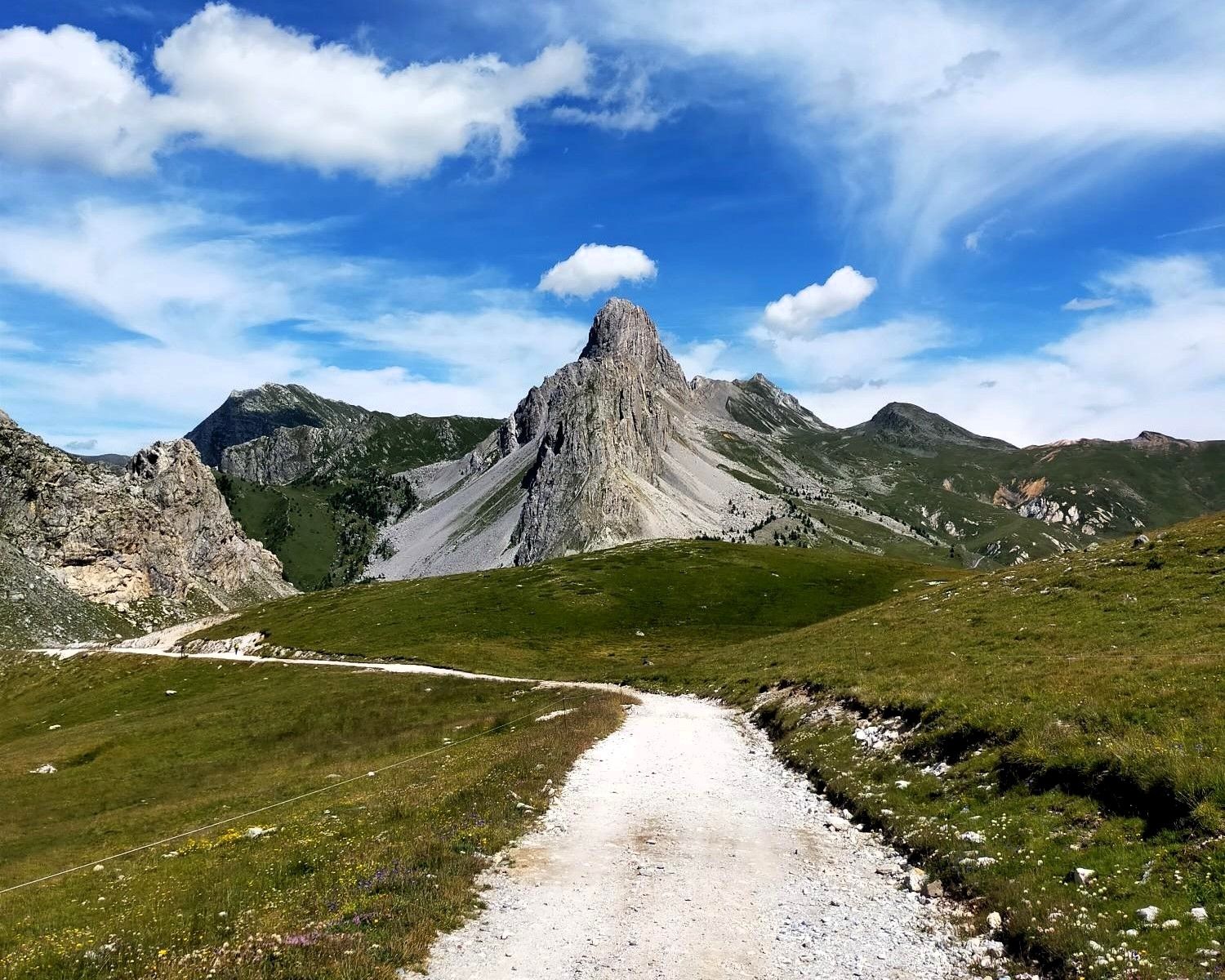
Run through the history of Italy’s Maira Valley – Occitan Paths
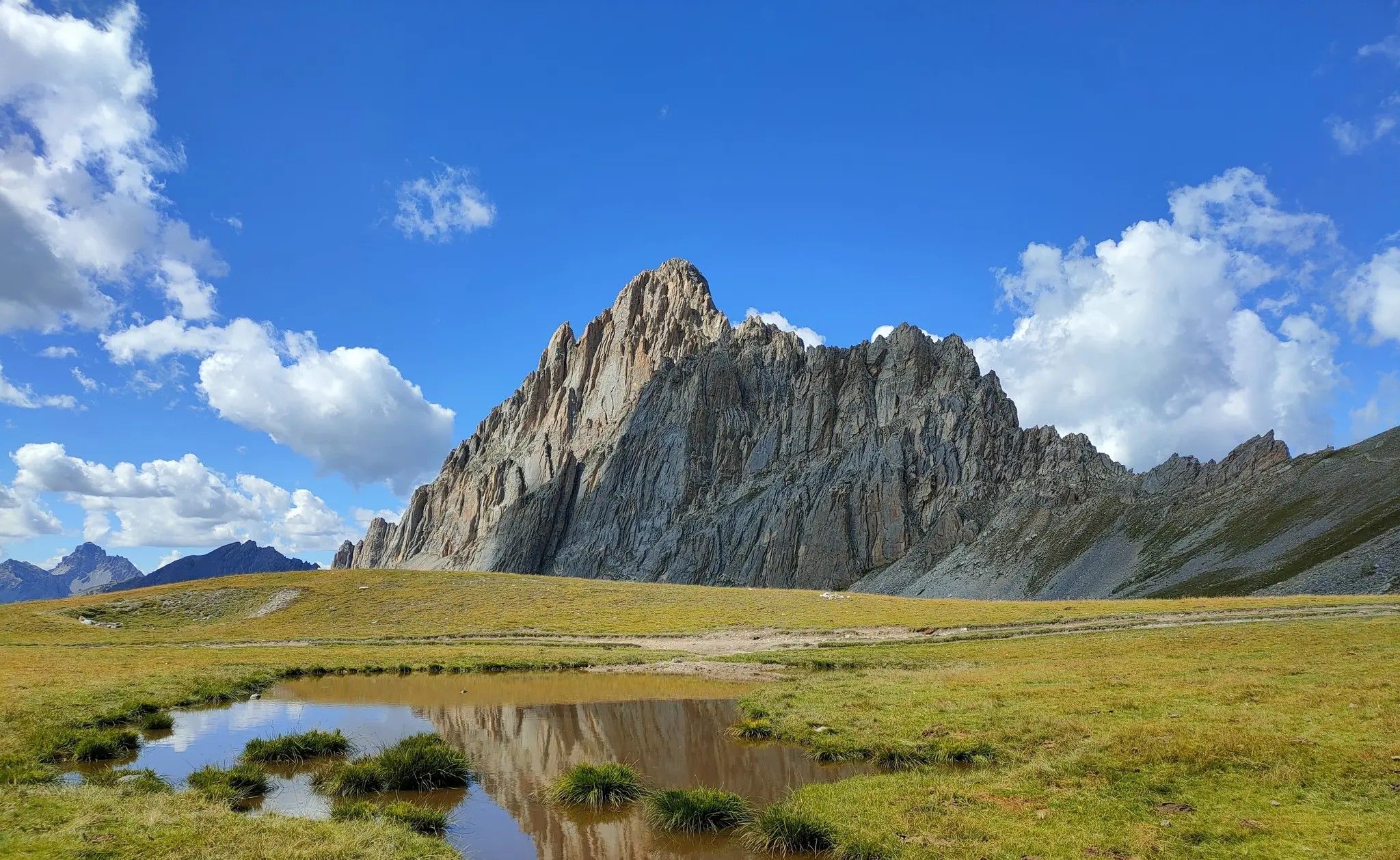
Among the treasures of the Maira Valley – Occitan Paths
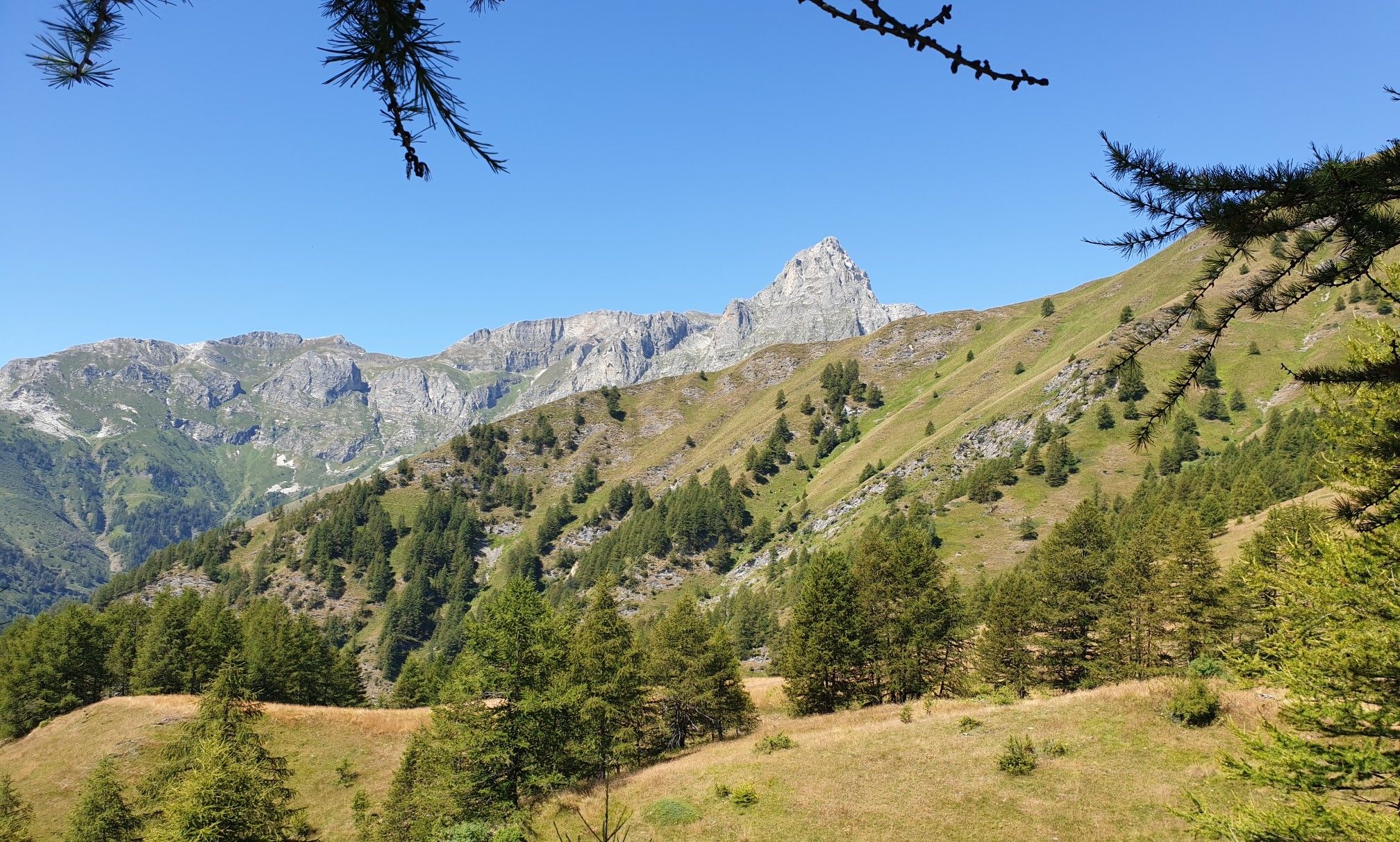
Percorsi Occitani — the path of rebirth of the Maira Valley
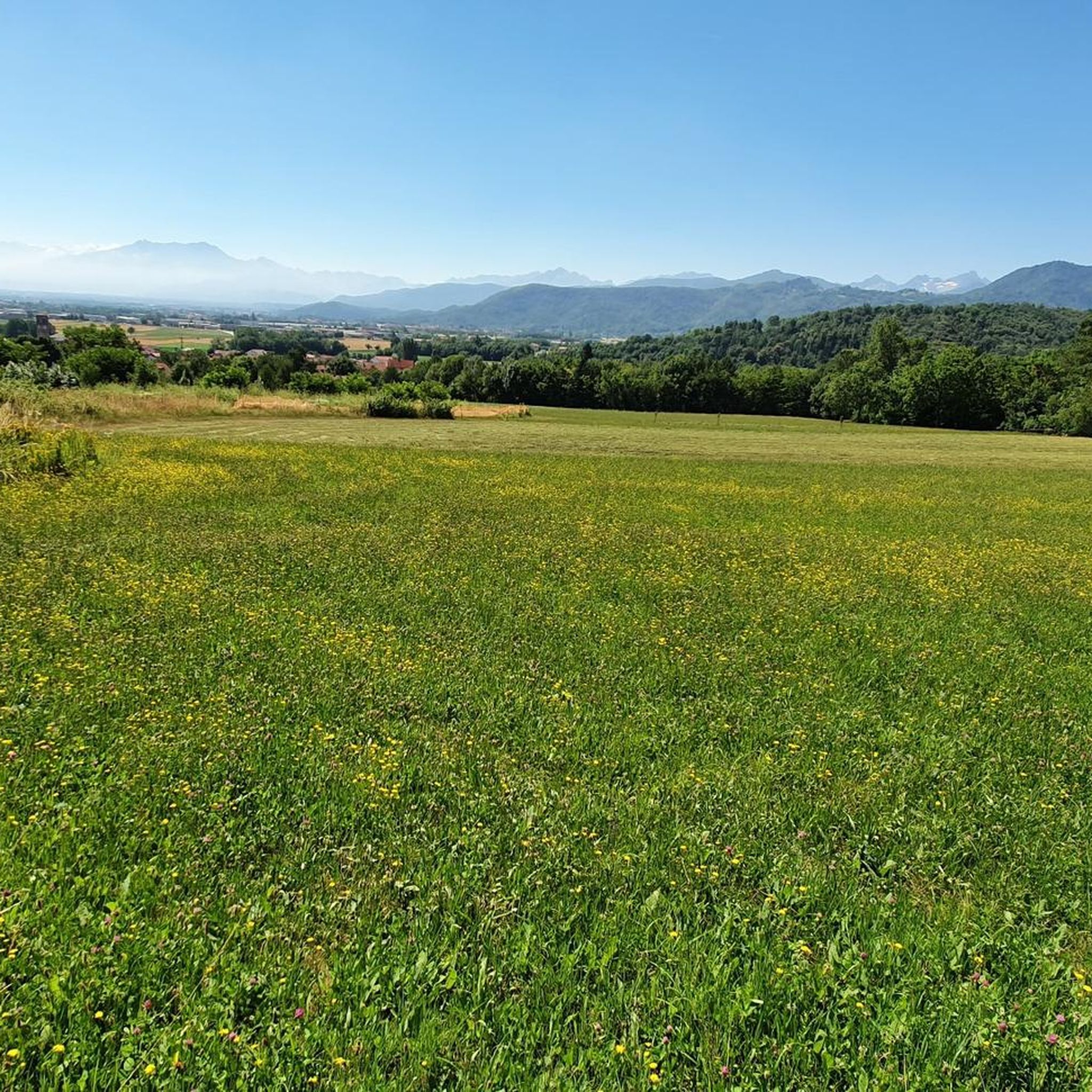
Hiking around Villar San Costanzo
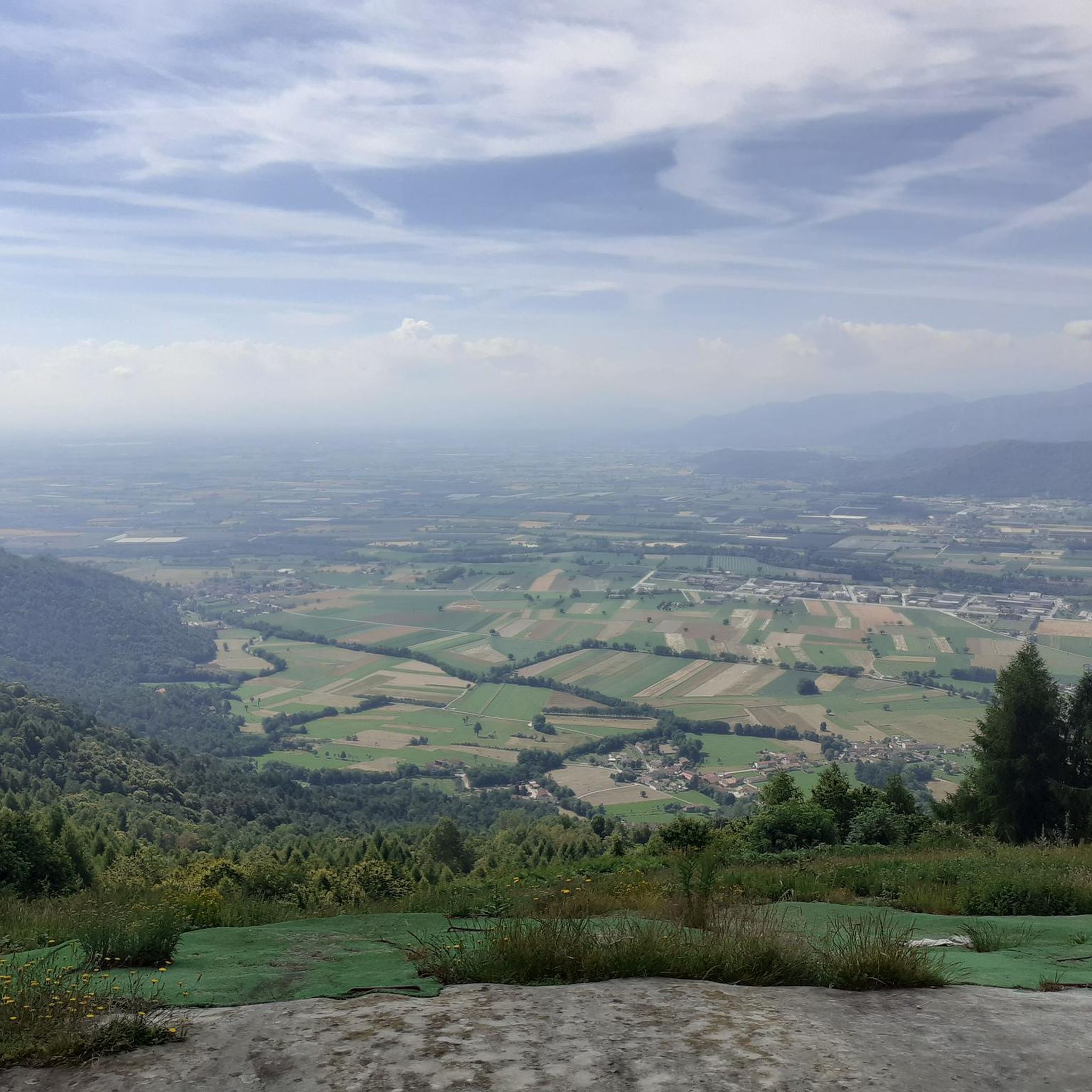
Road Cycling Routes around Villar San Costanzo
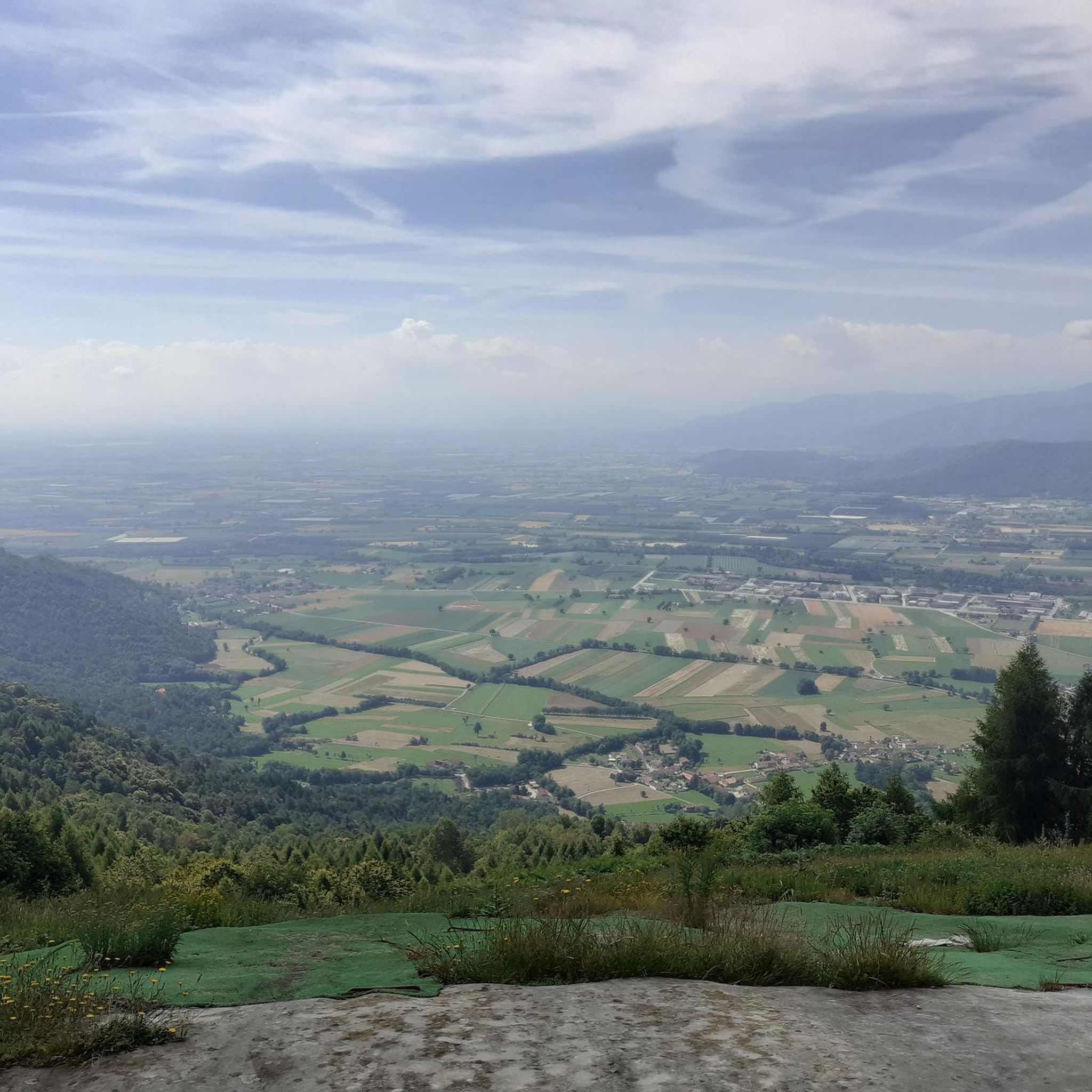
Running Trails around Villar San Costanzo
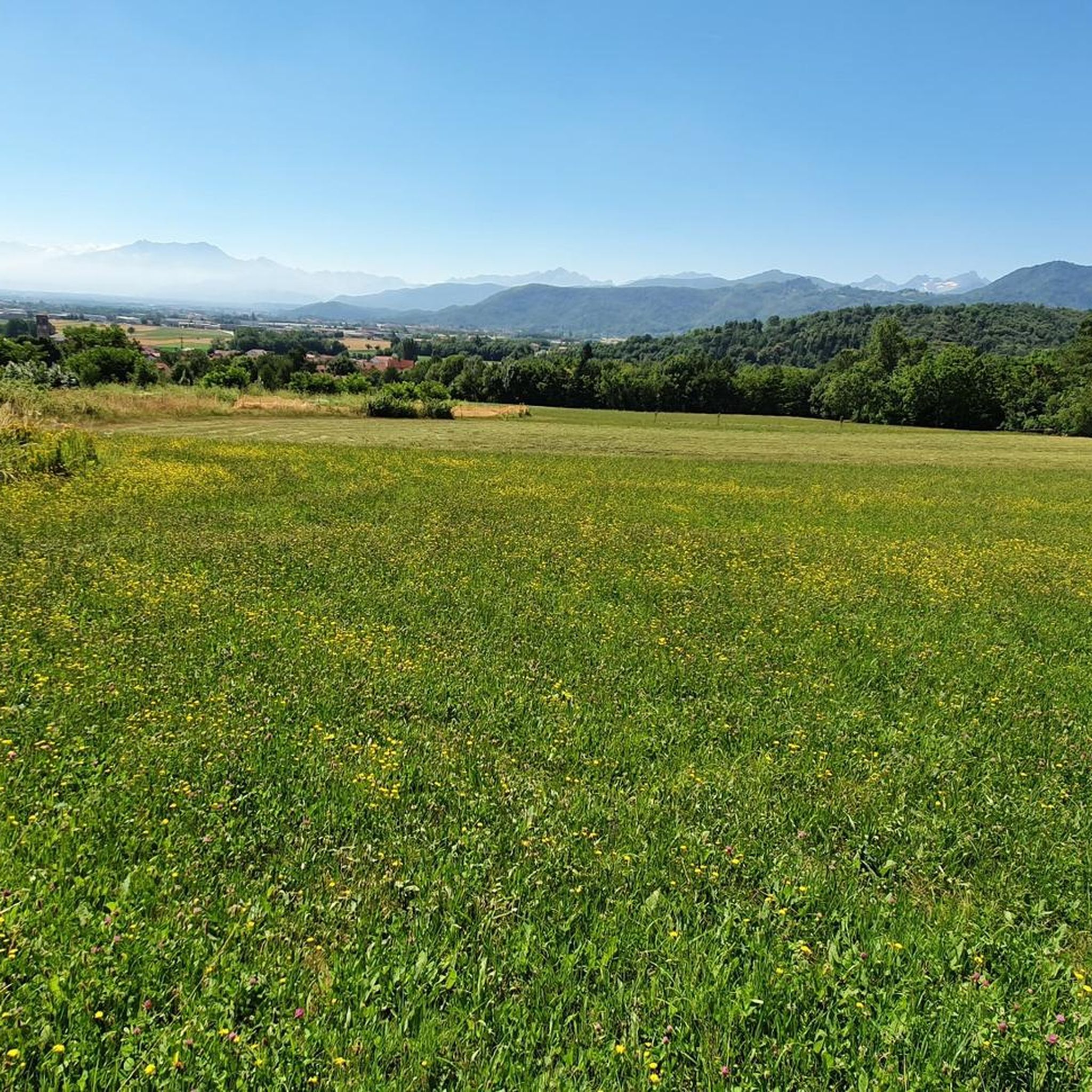
Cycling around Villar San Costanzo
Gravel biking around Villar San Costanzo
MTB Trails around Villar San Costanzo
Other adventures around Villar San Costanzo


Tips from the Community

Stunning building: former neo-Gothic spinning mill with turrets, perfectly restored. It houses a cultural foundation. It is very beautiful to see from a distance, but it is located at a fairly busy roundabout - viewing from a distance requires taking some risks. However, once you reach the center of the roundabout, it works as a life preserver, and you can have fun taking photos.
0
0

From the bridge over the Varaita torrent, just outside the heart of Costigliole Saluzzo, a suggestive panorama opens up that embraces the village perched on the hill and the waters of the torrent that flow at its feet. From this privileged position, you can admire the houses with their red tile roofs, the streets that climb towards the historic center and, on clear days, the majestic backdrop of the Alps. The sound of the flowing water and the view of the surrounding nature make this place perfect for a panoramic stop, immersing yourself in the tranquility of the Piedmont countryside.
3
0
Piasco, located on the left of the Varaita stream, has ancient origins. It was a Roman customs station and then passed from the Lords of Venasca to the Marquises of Saluzzo up to the Savoy. Among the medieval testimonies still visible today, the civic tower, once a bell tower, and the Church of San Giovanni stand out. The Porporati castle, dating back to 1655, dominates the historic center.
2
0

Climb up to the castle and enjoy the beauty of the old village.
1
0

Reachable via easy paths, we find the castle of Rossana now in ruins and not accessible
0
0


The historic center of Piasco boasts many monuments to see, such as the parish church of San Giovanni Battista and the Civic Tower, an ancient bell tower that is now part of the town hall structure. The center is characterized by a large pedestrian area. From Piasco begins the long climb that leads to the Agnello hill.
1
0

Built between 1676 and 1678, it is the oldest remaining silk factory in Europe, among the few in Italy to have been recovered for museum and exhibition purposes. Today it is an irreplaceable witness of this recent past and from a silk factory it has been transformed into a cultural factory. It was later used as a barracks between 1939 and 1943 and today is the Museum of the Piedmontese silk factory. In the 1990s, the Council of Europe defined the Filatoio Rosso as "the most important historical-cultural monument of industrial archeology in Piedmont". The awareness that the Filatoio was a precious asset to be preserved gradually took hold. Today it houses, in addition to temporary art exhibitions, the permanent Piedmontese Silk Factory Museum, with the aim of enhancing not only the building, but an entire territory, becoming a sort of bulwark of Piedmontese historical-economic memory. Info: https://www.filatoiocaraglio.it/
0
0
Frequently Asked Questions
What historical sites, often mistaken for castles, can I visit in Villar San Costanzo?
While traditional castles are not numerous in Villar San Costanzo, the region is rich in significant historical architecture. You can explore the ancient Abbey of San Pietro in Vincoli, known for its 11th-century crypt and 15th-century frescoes, and the mystical Church of San Costanzo al Monte, an exceptional example of Romanesque-Gothic architecture with a unique two-level structure and a detailed crypt.
Are there any actual castle ruins or viewpoints of castles in the area?
Yes, you can visit the Rossana Castle (Ruins), which are the remnants of an ancient fortification. Additionally, for panoramic views of fortified structures, consider the View of Costigliole Saluzzo from the bridge, offering a glimpse of the village and its small castle, and the View from Castello di Montemale, providing an incomparable vista of the valleys below near the historic Castle of Montemale.
What is the historical significance of the Abbey of San Pietro in Vincoli?
The Abbey of San Pietro in Vincoli is a cornerstone of Villar San Costanzo's history, originally founded around 712 AD. It served as a vital Benedictine center, playing a significant role in the area's development, including land reclamation for agriculture. Its current church showcases a blend of architectural styles, with an 11th-century crypt and the notable 15th-century frescoes by Pietro da Saluzzo in the Cappella di San Giorgio.
What makes the Church of San Costanzo al Monte a unique visit?
The Church of San Costanzo al Monte is considered one of Piedmont's most interesting Romanesque monuments. It's believed to be built on the martyrdom site of Saint Constantius. Its architectural complex is a stunning example of Romanesque-Gothic design, featuring 12th-century Romanesque structures and a remarkable Romanesque crypt that mirrors the layout of the upper church. It's also linked to the legend of the 'Ciciu del Villar,' natural mushroom-shaped rock formations.
Are there family-friendly historical sites or activities near Villar San Costanzo?
Yes, the Historic center of Piasco is considered family-friendly and offers a glimpse into medieval history with its civic tower and church. The Caraglio Silk Mill, while not a castle, is a historic building that houses a museum and often hosts cultural exhibitions, making it an engaging visit for families interested in industrial history. The View of Costigliole Saluzzo from the bridge is also a pleasant, family-friendly viewpoint.
What outdoor activities can I do near these historical sites?
The area around Villar San Costanzo offers various outdoor activities. You can find numerous running trails, such as the 'Combale hamlet – Villar San Costanzo loop' or the 'Mount Saint Bernard loop'. For cycling enthusiasts, there are many routes, including challenging ones like the 'Colle Fauniera – Devil's Bridge of Dronero loop'. You can explore more options on the Running Trails around Villar San Costanzo, Cycling around Villar San Costanzo, and Road Cycling Routes around Villar San Costanzo guides.
What natural features are prominent in the Villar San Costanzo area?
Villar San Costanzo is primarily known for its natural geological formations, particularly the 'Ciciu del Villar.' These unique mushroom-shaped rock formations are a local legend, said to be petrified Roman soldiers. The region's landscape also offers scenic viewpoints, such as the one near Castello di Montemale, providing expansive views of the valleys.
What is the Porporati castle in Piasco?
The Porporati castle, dating back to 1655, is mentioned as dominating the historic center of Piasco. While details about its visitor access are not extensively provided, it stands as a significant historical landmark within the village, which also features other medieval testimonies like the civic tower and the Church of San Giovanni.
Is the Caraglio Silk Mill worth visiting, and what can I expect there?
Yes, the Caraglio Silk Mill is highly recommended. It is the oldest silk factory in Europe and a rare example of industrial archaeology. It houses a museum and often hosts temporary exhibitions of cultural and artistic interest. You can learn about the impressive Piedmontese silk production system and its historical significance. There's also an on-site bistro for dining.
What is the best season to visit Villar San Costanzo for exploring historical sites?
The spring and autumn months generally offer pleasant weather for exploring historical sites and enjoying outdoor activities in Villar San Costanzo. The temperatures are mild, and the natural scenery is particularly beautiful. Summer can also be a good time, though it might be warmer, while winter might have limited access or opening hours for some sites.
How long should I plan for a visit to the historical sites in Villar San Costanzo?
To fully appreciate the Abbey of San Pietro in Vincoli and the Church of San Costanzo al Monte, including their unique architectural features and historical context, you should allocate at least 1-2 hours for each. If you plan to visit viewpoints like Costigliole Saluzzo or Montemale, or explore the ruins of Rossana Castle, factor in additional time for travel and enjoying the views. A full day would allow for a comprehensive exploration of the main historical attractions and perhaps a short hike.
Are there any specific tips for visiting the historical sites?
When visiting the Abbey of San Pietro in Vincoli and the Church of San Costanzo al Monte, wear comfortable shoes as you'll likely be walking and exploring different levels, including crypts. For the Rossana Castle (Ruins), be aware that it's an ancient ruin and some areas might be dangerous or have no entry. Always check local signs and respect any restrictions.
Most popular routes around Villar San Costanzo
Most popular attractions around Villar San Costanzo

Get inspired with the komoot mobile app


Explore more
Looking for the best castles somewhere else? Discover other guides around Villar San Costanzo:
