Newcastleton And District
Newcastleton And District
Top 4 Castles around Newcastleton And District
Best castles around Newcastleton And District are found in an area rich with the turbulent history of the Anglo-Scottish Borders. This region features a landscape shaped by centuries of conflict, offering a glimpse into medieval life and warfare. Situated near the Scottish-English border, the district is characterized by its rolling hills, river valleys, and strategic defensive positions. Its historical significance is deeply intertwined with the fortified structures that once guarded its lands.
Best castles around Newcastleton And District
- The most…
Last updated: June 24, 2026
Hermitage Castle
Highlight • Historical Site
Tip by

Langholm Castle Ruins
Highlight • Castle
Tip by

Sign up now to discover places like this
Get recommendations on the best single tracks, peaks, & plenty of other exciting outdoor places.
Sign up for free
Hermitage Castle
Highlight • Historical Site
Tip by

Mangerton Tower Ruins
Highlight • Castle
Tip by
Start today with a free account
Your next adventure awaits.
Login or Signup
Popular around Newcastleton And District
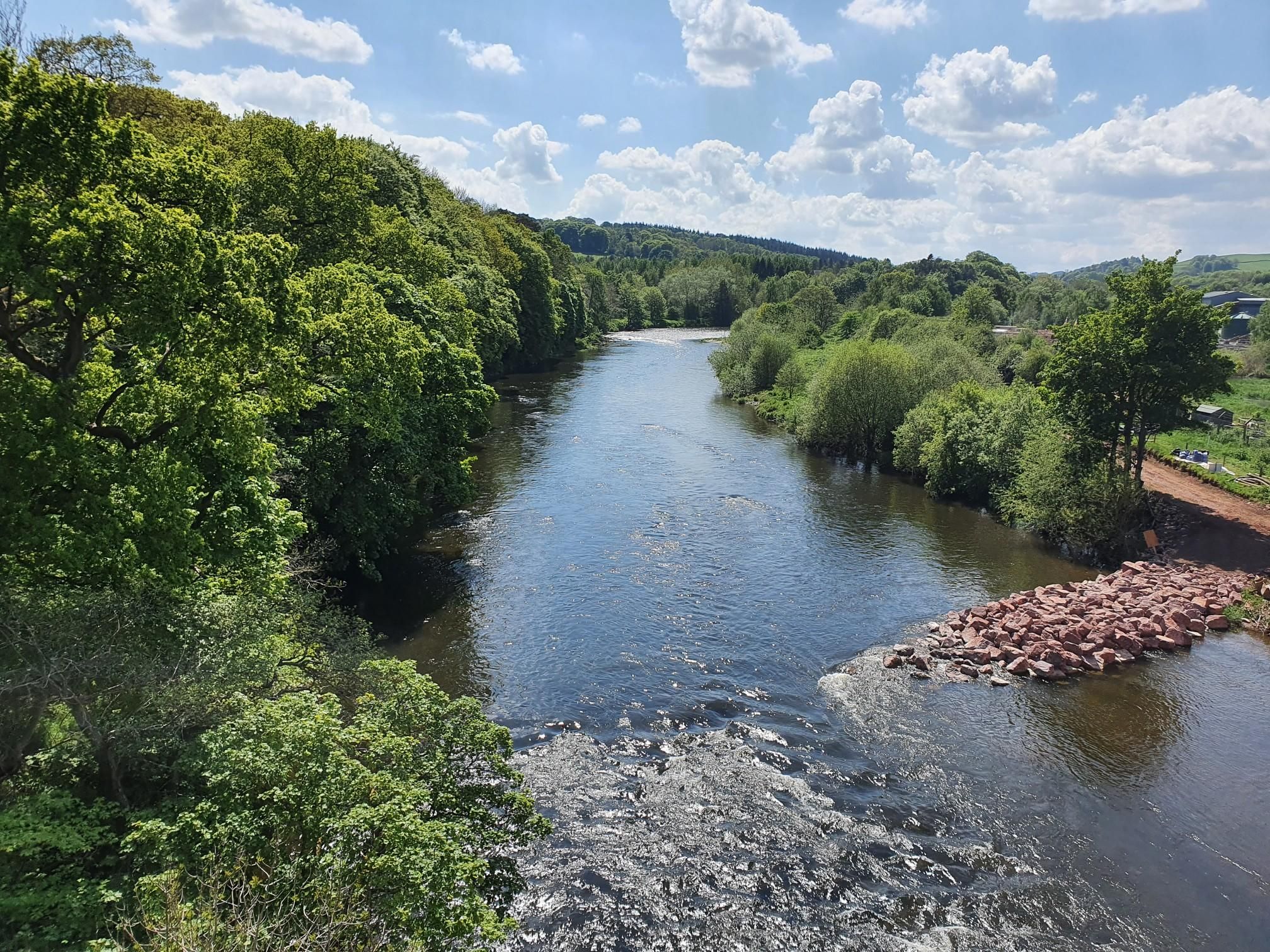
Celebrating Kirkpatrick MacMillan on the Kirkpatrick Coast to Coast
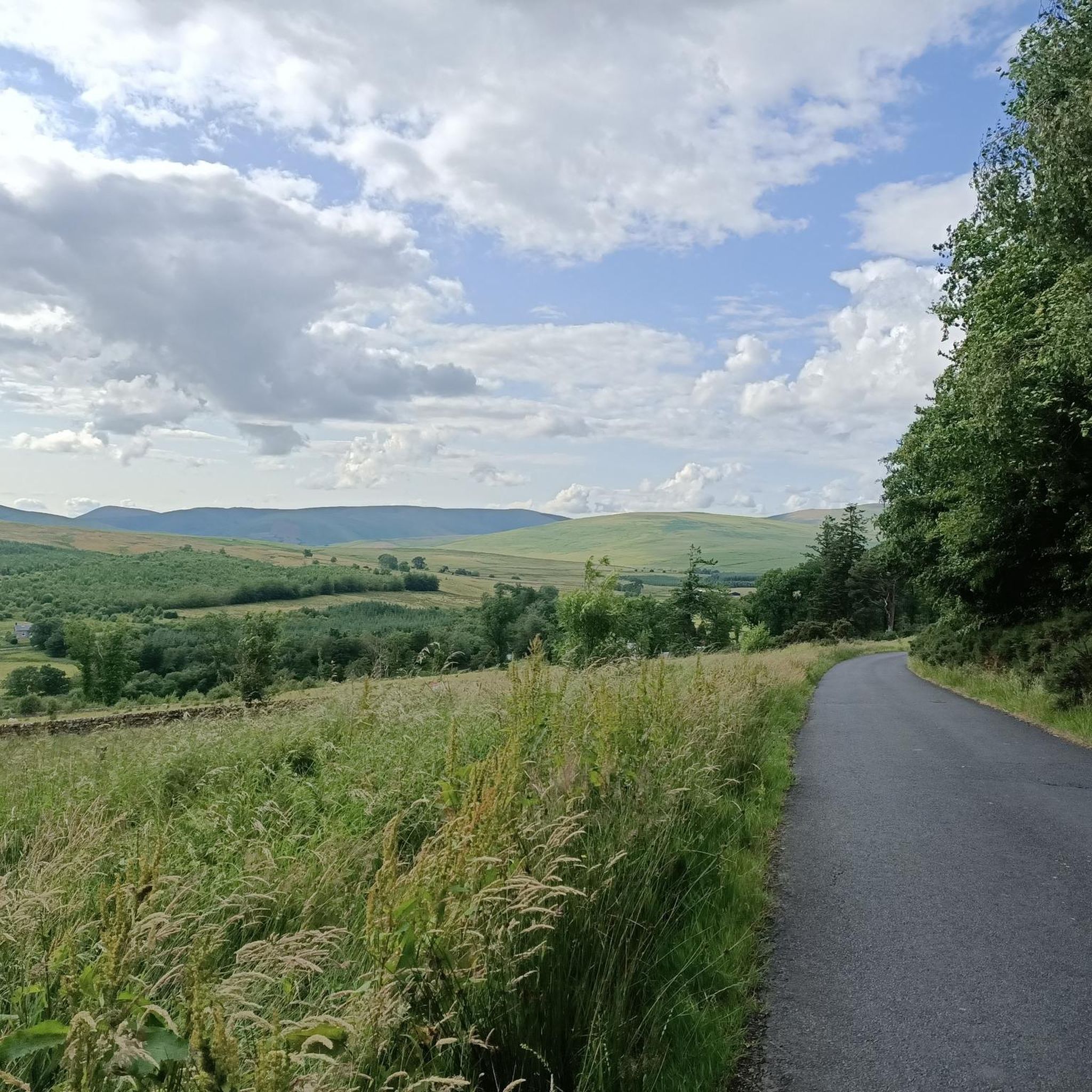
Cycling around Newcastleton And District
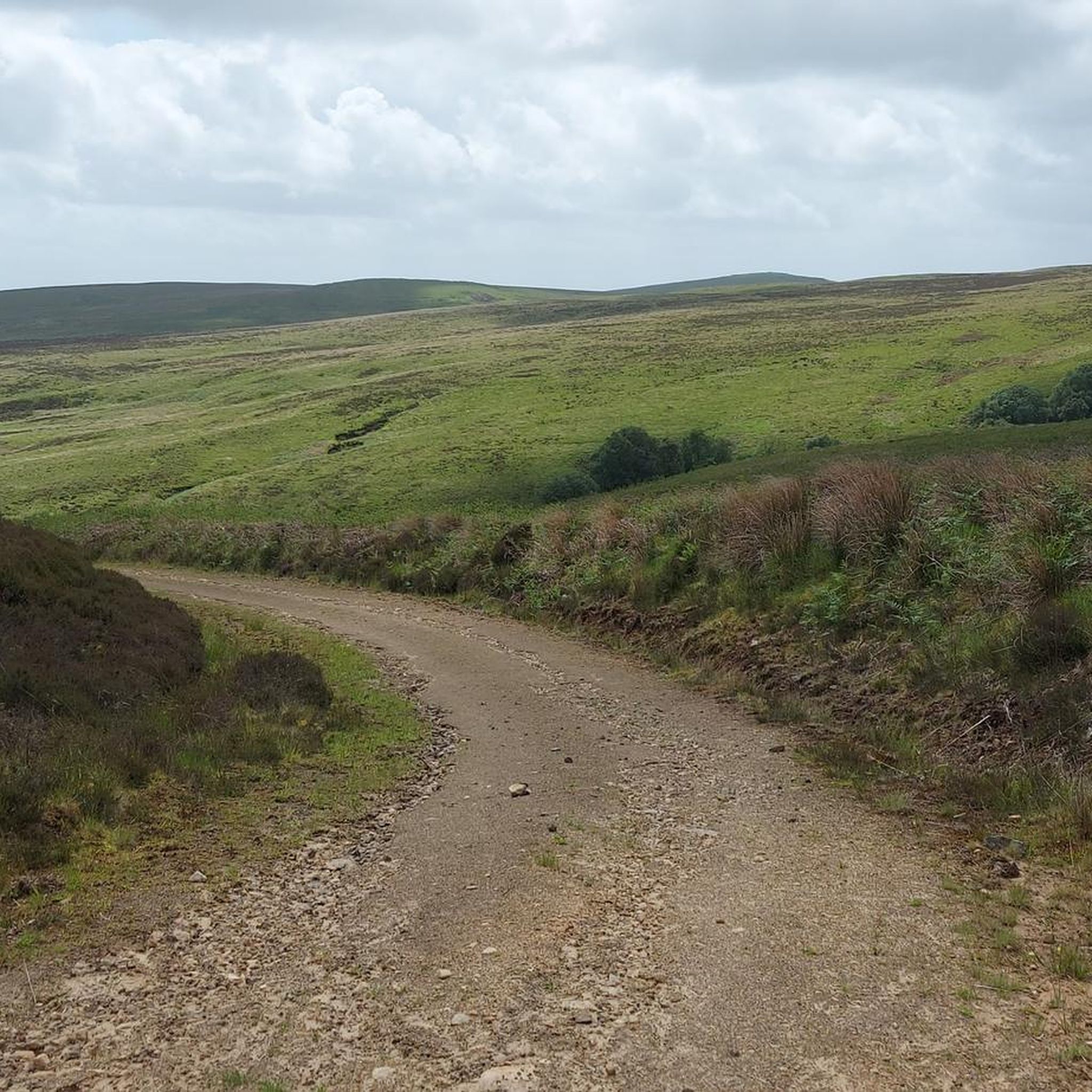
Hiking around Newcastleton And District
Running Trails around Newcastleton And District

Gravel biking around Newcastleton And District
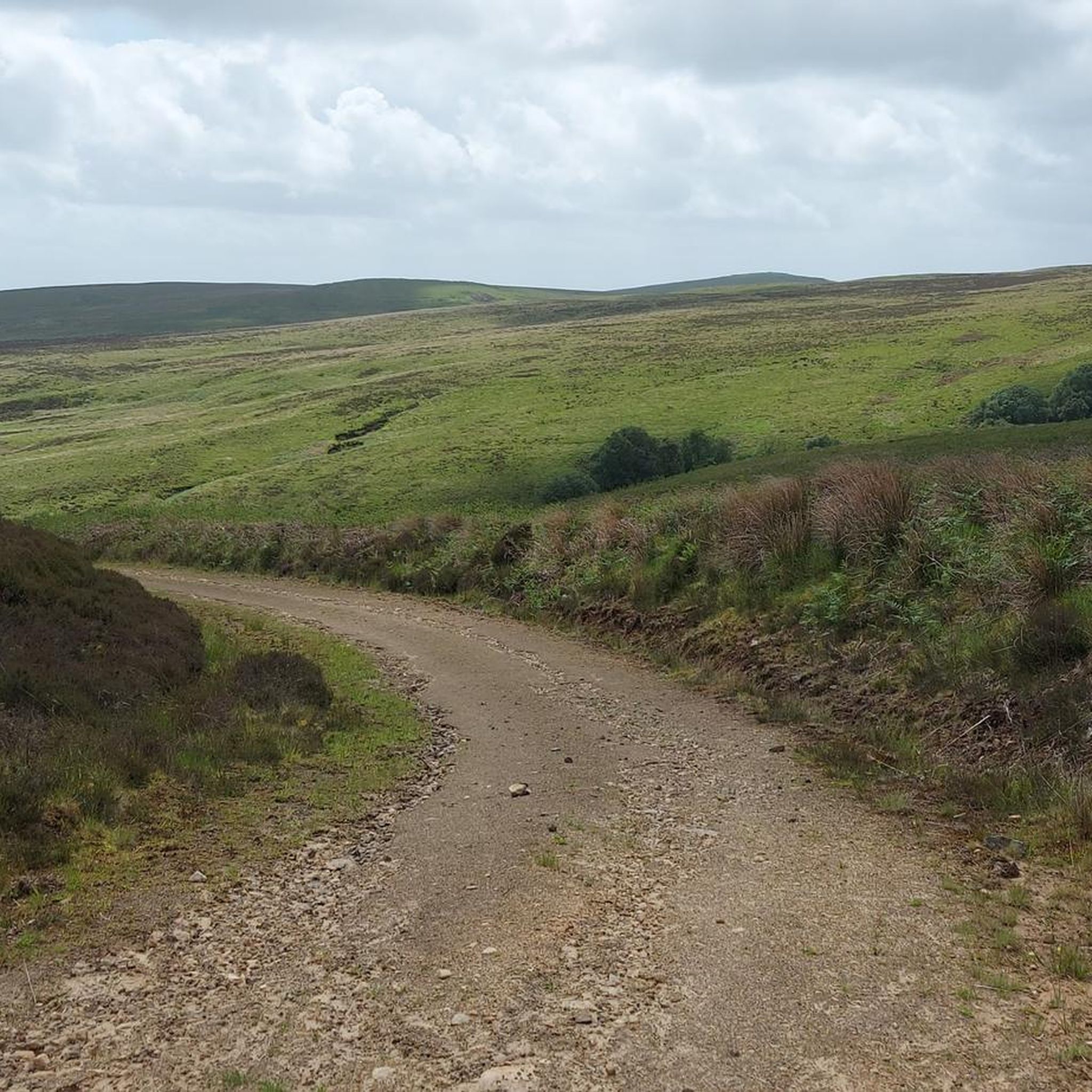
MTB Trails around Newcastleton And District
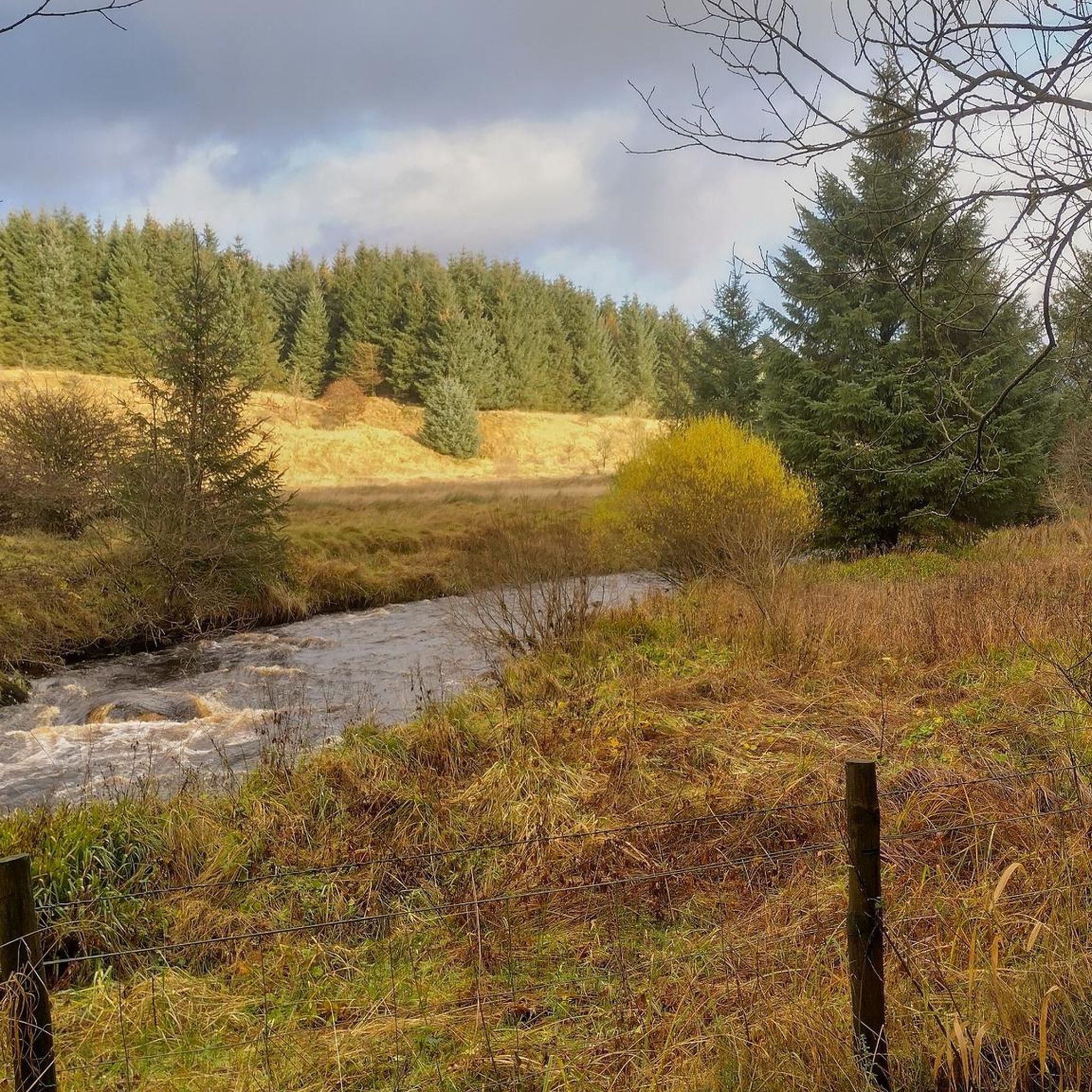
Road Cycling Routes around Newcastleton And District
Other adventures around Newcastleton And District

Tips from the Community

Not much left of the castle but worth a look on the many walks that start from Langholm
0
0

Right next to the waymarker on the road here, you will find the remains of the Mangerton Tower here. A former peel tower, once the stronghold of the Armstrong Clan in the 16th and 17th century. The clan was very powerful in the Borders, and this was one of many such towers of theirs in the area.
1
0
This castle was built in early 16th century. Langholm was practically given to the English at the beginning of the "Wars of the Rough Wooing" when Henry VIII demanded that Mary of Scots married his son Edward. The Scots had different ideas, though, and married her off to a Frenchman. The castle was retaken by the Scots in 1547.
1
0

Hermitage castle has a reputation as the most sinister and atmospheric castles in Scotland. It's a foreboding site from the roadside. Known as “the guardhouse of the bloodiest valley in Britain", it might well be one of the most interesting places in the borders. Well worth stopping in for a look. Oh yeah, The Castle is said to be haunted by Mary Queen of Scots...
0
0

You can't miss Hermitage Castle if you're passing by bike, car or foot. The semi-ruined castle was built in the 13th Century and has been of paramount importance in the border conflict between England and Scotland, and many historical characters described it as “the guardhouse of the bloodiest valley in Britain”.
2
0

Frequently Asked Questions
What makes Hermitage Castle a unique historical site?
Hermitage Castle is renowned as one of Scotland's most sinister and atmospheric castles, often called 'the guardhouse of the bloodiest valley in Britain'. Its formidable semi-ruined structure, built primarily of sandstone with thick walls and narrow windows, reflects its defensive purpose. It has a rich and dark history, including associations with William de Soulis and Mary Queen of Scots, making it a captivating visit for those interested in Scottish folklore and medieval history. You can find more details about this historical site on komoot: Hermitage Castle.
Can I visit the remains of Langholm Castle?
Yes, you can explore the remains of Langholm Castle Ruins. Built in the early 16th century, it played a role in the 'Wars of the Rough Wooing' and was retaken by the Scots in 1547. While not much of the original structure remains, it offers a glimpse into the region's turbulent past and is worth a look if you're on one of the many walks starting from Langholm.
What is the significance of Mangerton Tower Ruins?
Mangerton Tower Ruins was once the stronghold of the powerful Armstrong Clan, notorious Border Reivers. Although only a fragment of masonry remains, including a carved stone panel with the Armstrong coat of arms, it provides a direct link to the infamous families who raided across the region for generations. It offers insight into their way of life and the violent nature of the Borders during the 16th and 17th centuries.
What can I expect to see at Liddel Strength?
Liddel Strength, near Carwinley, Cumbria, is primarily an ancient monument of earthwork remains. It was once a significant Anglo-Norman border fortification, originally a wooden motte and bailey castle. You can explore the impressive earthworks of what was a crucial stronghold, offering a tangible connection to the early medieval period and the constant border skirmishes between England and Scotland. Its strategic location on a 160-foot high cliff underscores its historical importance.
Are there any family-friendly castles to visit in the Newcastleton And District area?
While many castles in the region are ruins, their historical significance and open spaces can be engaging for families. Hermitage Castle, with its dramatic history and isolated location, can be fascinating for older children interested in tales of medieval warfare and folklore. Exploring the earthworks of Liddel Strength also offers an opportunity for children to imagine ancient fortifications. Always check the specific site for accessibility and facilities suitable for younger visitors.
What is the best time of year to visit the castles around Newcastleton And District?
The best time to visit is generally during the spring, summer, and early autumn months (April to October). The weather is milder, making it more pleasant for exploring the outdoor ruins and surrounding landscapes. During these seasons, the natural beauty of the Borders region also enhances the experience. Winter visits can be atmospheric but may involve colder, wetter conditions and potentially limited access or opening hours for some sites.
Are there any walking or hiking trails near these castles?
Yes, the Newcastleton And District area offers various outdoor activities. You can find several easy hikes, running trails, and road cycling routes. For example, there are easy hikes like the 'River Esk and Langholm Castle loop' or the 'Priest Hill loop in Newcastleton Forest'. You can explore more options for outdoor activities in the region on komoot's guides for easy hikes, running trails, and road cycling routes around Newcastleton And District.
Is Hermitage Castle accessible for visitors with mobility issues?
Hermitage Castle is a semi-ruined medieval fortress with uneven terrain, narrow passages, and steps, which may present challenges for visitors with mobility issues or wheelchairs. It's advisable to check the official Historic Environment Scotland website for the most up-to-date accessibility information before planning your visit. You can find more information on their site: Historic Environment Scotland - Hermitage Castle.
Are dogs allowed at the castles in this region?
Policies for dogs can vary between sites. For outdoor ruins like Liddel Strength and Mangerton Tower, dogs are generally welcome if kept on a lead. For Hermitage Castle, which is managed by Historic Environment Scotland, dogs are typically allowed in the grounds but may have restrictions inside the castle structure itself. It's always best to check the specific site's visitor information or official website before your visit to confirm their current dog policy.
How long should I allocate for visiting the castles in Newcastleton And District?
For a site like Hermitage Castle, you might want to allocate 1-2 hours to explore the ruins and read the interpretive panels. For Liddel Strength and Mangerton Tower, which are primarily earthworks or fragments, a visit might take 30 minutes to an hour, depending on your interest in history and exploration. If you plan to visit multiple sites and combine them with walks or other activities, consider dedicating a full day or more to the region.
Are there admission fees for the castles?
Hermitage Castle typically has an admission fee as it is managed by Historic Environment Scotland. It's recommended to check their official website for current pricing and opening hours: Historic Environment Scotland - Hermitage Castle. For sites like Liddel Strength and Mangerton Tower, which are largely ruins or earthworks, there is generally no admission fee, and they are accessible to the public.
Where can I find parking when visiting Hermitage Castle?
Hermitage Castle has a dedicated car park available for visitors. Due to its somewhat isolated location, driving is the most common way to reach it, and parking facilities are provided on-site or very close by. Always follow local signage for designated parking areas.
Most popular routes around Newcastleton And District
Most popular attractions around Newcastleton And District

Get inspired with the komoot mobile app


Explore more
Looking for the best castles somewhere else? Discover other guides around Newcastleton And District:
