The best gravel rides around Gilhoc-Sur-Ormèze
4.6
(14)
166
riders
8
rides
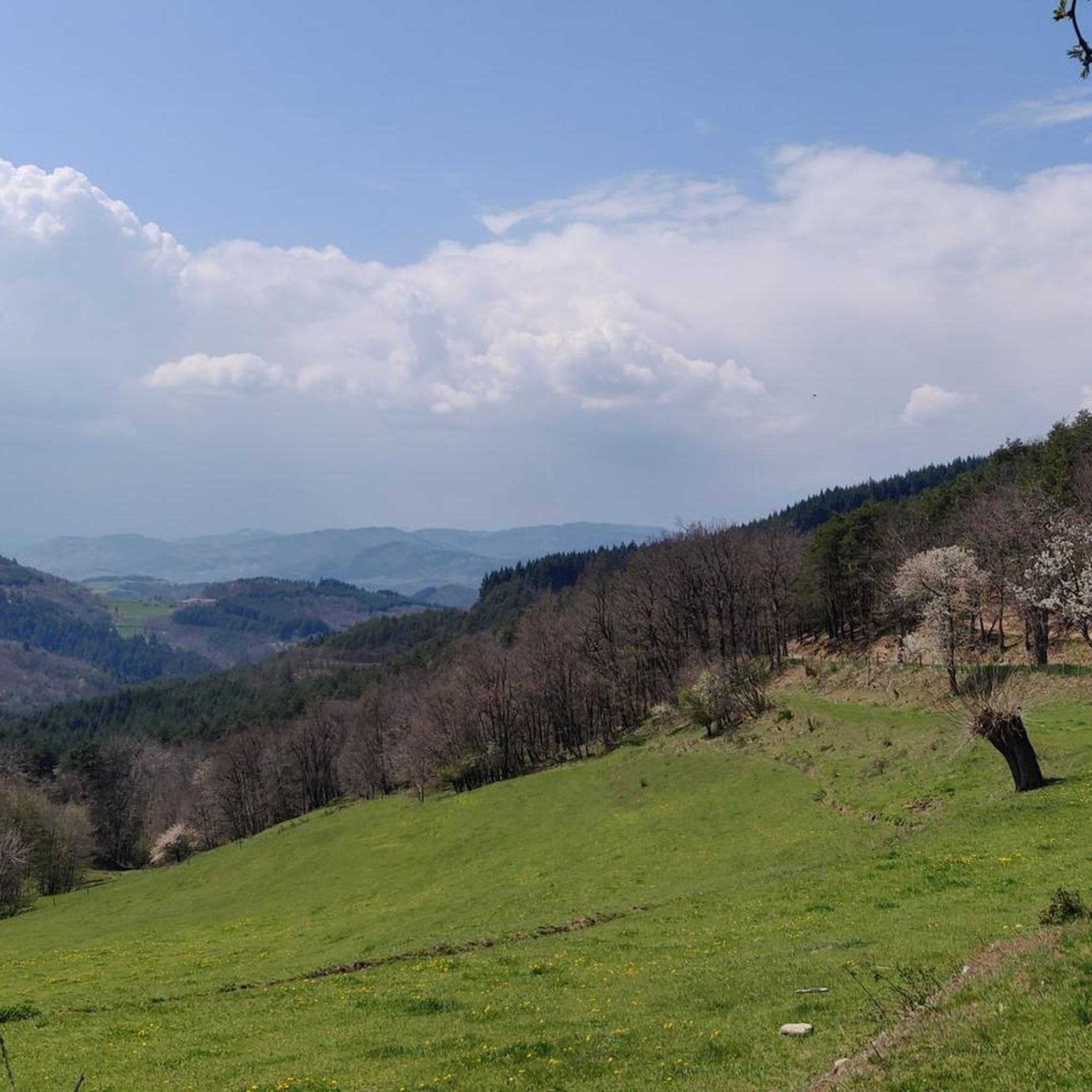
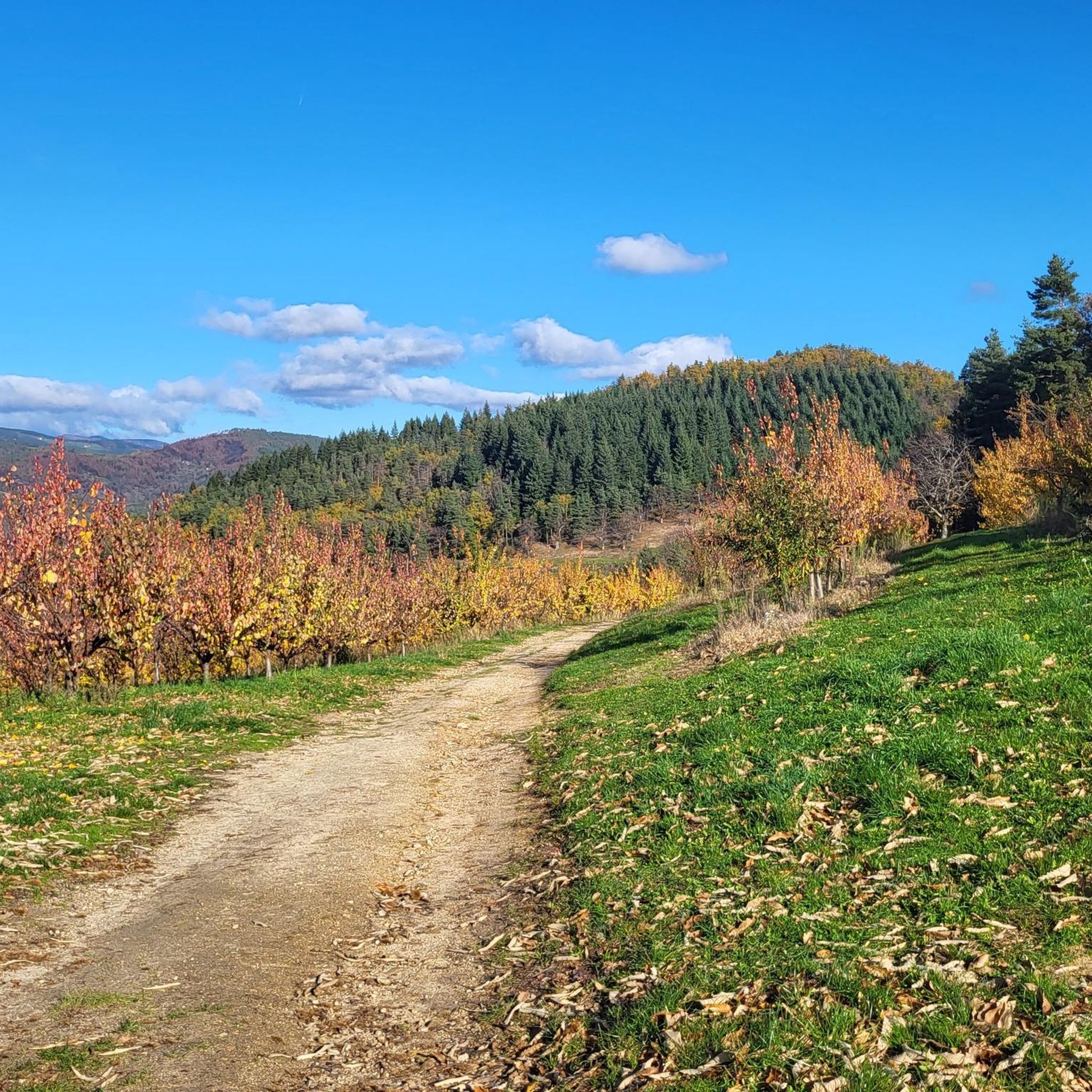
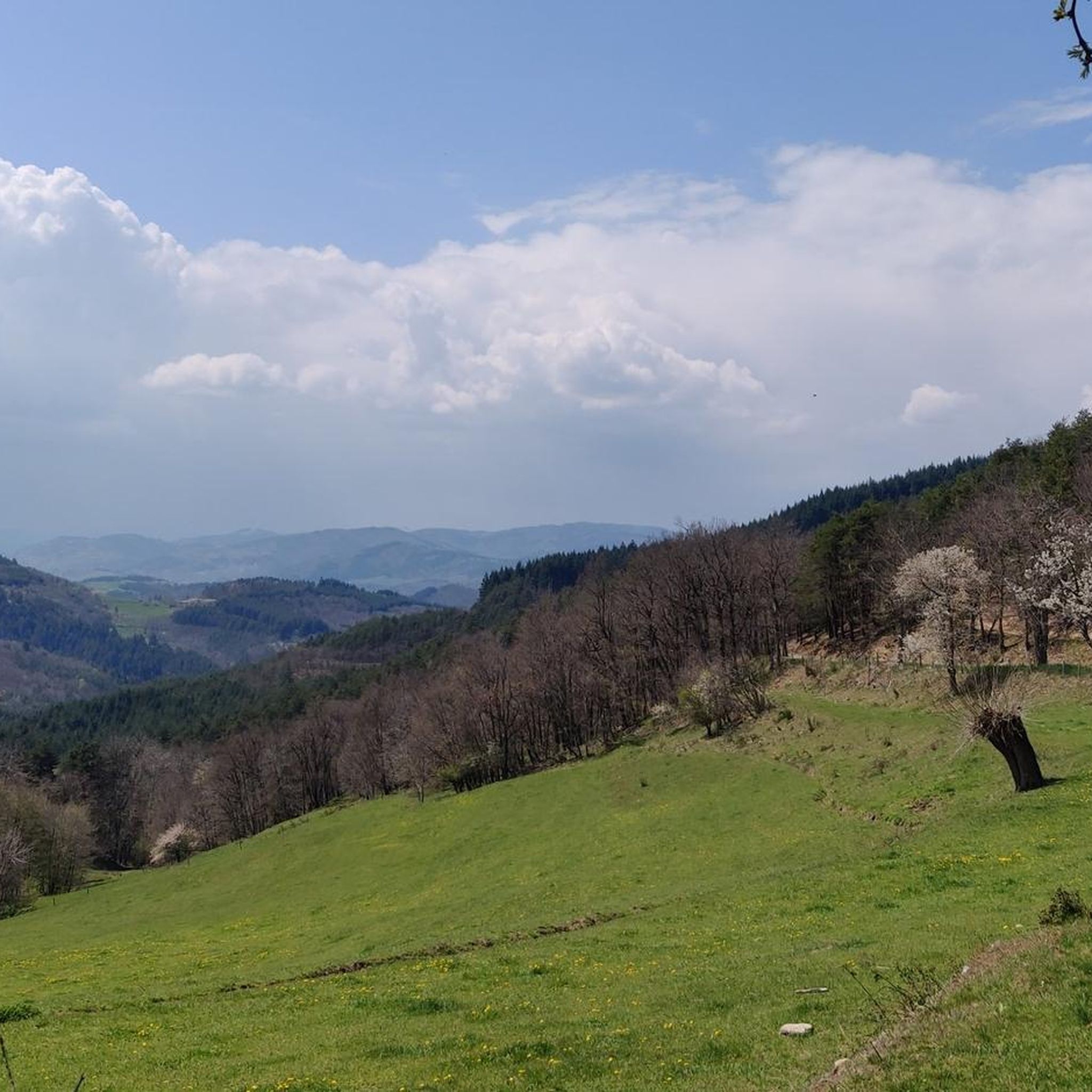
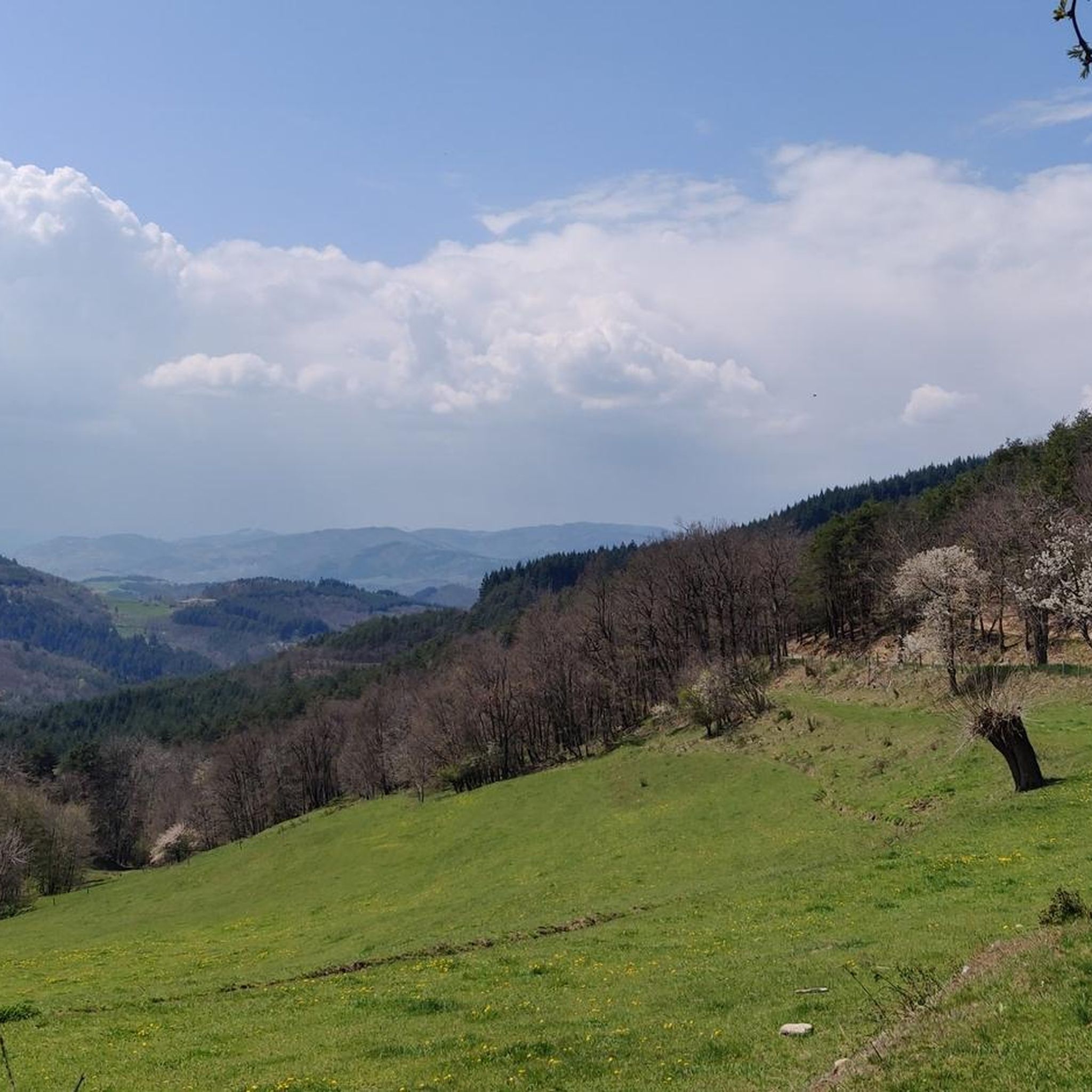
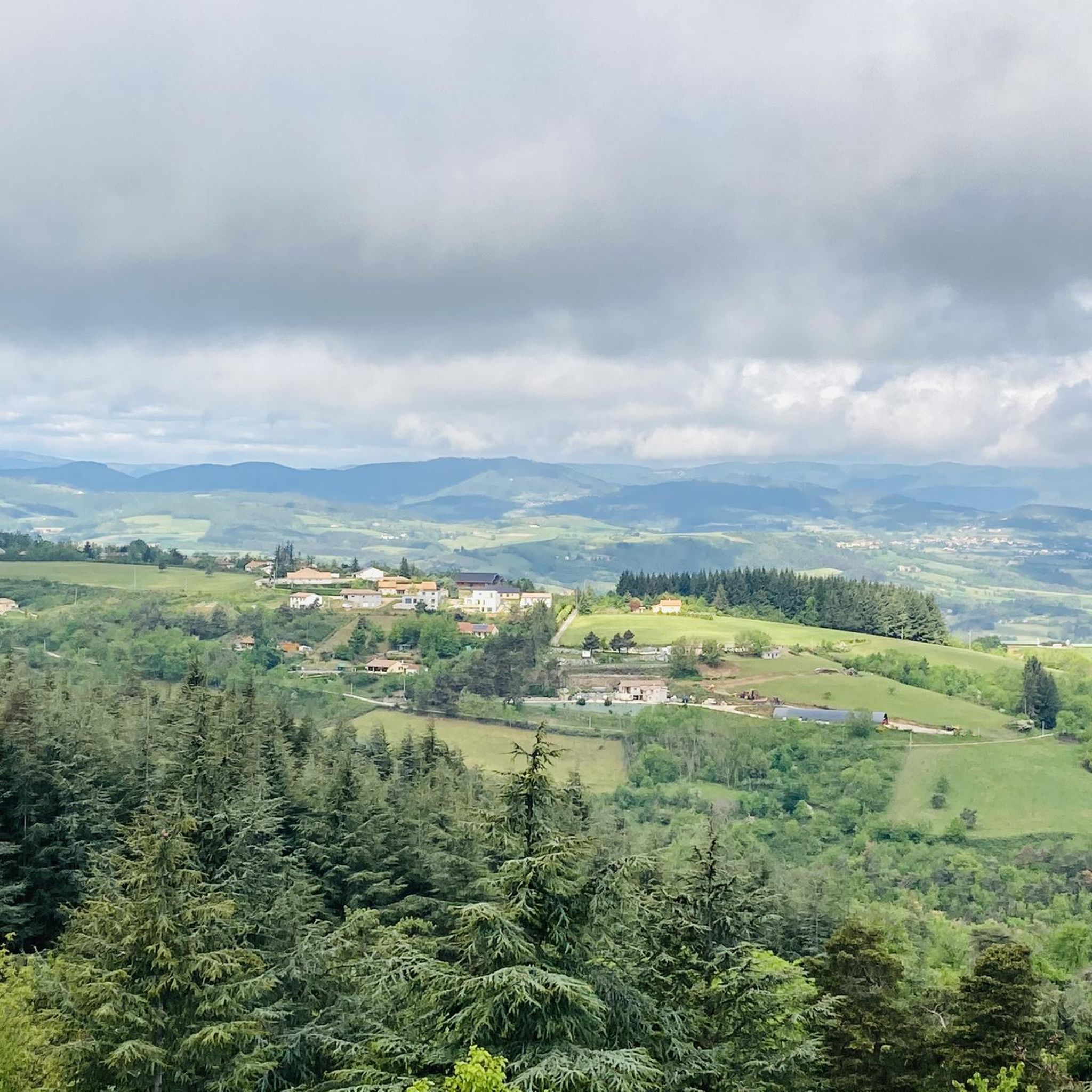
Gravel biking around Gilhoc-Sur-Ormèze offers a diverse landscape characterized by woods, rivers, and varied terrain. Situated at the confluence of oceanic and Mediterranean influences, the region features a network of paths suitable for gravel cycling. The area includes verdant landscapes, the Ormèze river, and significant geological diversity with ancient volcanoes and mountains. These features create varied and engaging terrain for exploration on gravel bike trails.
Best gravel bike trails around Gilhoc-Sur-Ormèze
- The most popular gravel bike trail is Viewpoint on…
Last updated: June 28, 2026
5.0
(10)
104
riders
66.4km
04:43
1,240m
1,240m
Hard gravel ride. Very good fitness required. Mostly paved surfaces. Suitable for all skill levels.
4.5
(2)
19
riders
45.0km
02:58
710m
710m
Hard gravel ride. Very good fitness required. Mostly paved surfaces. Suitable for all skill levels.

Sign up for free
4.0
(1)
14
riders
19.9km
01:08
240m
240m
Moderate gravel ride. Good fitness required. Mostly paved surfaces. Suitable for all skill levels.
10
riders
50.6km
03:25
990m
990m
Hard gravel ride. Very good fitness required. Mostly paved surfaces. Suitable for all skill levels.
6
riders
109km
06:59
1,280m
1,280m
Hard gravel ride. Very good fitness required. Mostly paved surfaces. Suitable for all skill levels.
Get access to more routes and recommendations from other explorers.
Sign up for free
Already have an account?
Our route recommendations are based on thousands of hikes, rides, and runs completed by other people on komoot.
Start today with a free account
Your next adventure awaits.
Login or Signup
Tips from the Community

The first footbridge built by Marc Seguin between Tournon and Tain in 1825 was revolutionary for its time. It was the world's first iron cable suspension bridge, a true technical feat for the era. This footbridge helped facilitate trade and strengthen ties between the two towns. However, the original footbridge underwent several transformations over time. It was first raised to allow the passage of steamships, then a second footbridge was built by Marc Seguin in 1847, still based on the iron cable suspension principle. The two footbridges coexisted for a time, the first being used for pedestrian traffic and the second for road traffic. As road traffic intensified over time, it became necessary to build a new bridge to facilitate circulation. This is how the Gustave Toursier bridge was built in 1958. Located about 350 meters downstream from the Marc Seguin footbridge, this suspension bridge over 240 meters long comprises three spans. It is designed to support road traffic, thus facilitating exchanges between the two municipalities. The current footbridge, inaugurated in 1972, is therefore the fourth of its name. It was designed to resemble the 1847 footbridge, while meeting current safety standards and needs. https://www.ardeche-hermitage.com/fr/zoom-sur/la-passerelle-marc-seguin-celebre-son-bicentenaire/
0
0
Board the Mastrou and discover our entire line, from the T. St Jean de Muzols station to Lamastre. The railway is the only way to admire the wild landscapes of the Doux Valley, a river it follows for 28 kilometers, crossing bridges, viaducts, and tunnels. From the Gorges du Doux to the Ardèche plateau, passing through orchards and chestnut groves, you won't miss a thing in the Ardèche verte! https://www.trainardeche.fr/
0
0


Hello everyone, Please note that the footbridge crossing the Rhône between Tournon and Tain is closed until November 28th due to ongoing construction. You must use the motorway bridge 500m away… it's much less pleasant.
0
0

The Marc Seguin Suspension Bridge in Tournon-sur-Rhône is a 19th-century engineering masterpiece and one of the oldest suspension bridges in Europe. A stroll over the Rhône offers impressive views of the river and the surrounding vineyards. Tournon's old town boasts charming alleyways, historic buildings, and a Renaissance palace. Wine lovers can sample local wines from the Cornas and Saint-Joseph regions. The combination of engineering, nature, and history makes this place an unforgettable experience. By the way, cycling is prohibited and police patrol the area!
0
0

I didn't eat there, but the menu and atmosphere were good. Right on Dolce Via.
1
0

A small station for repairing and charging bicycles - with shady seating - near a small cafe/restaurant about 50m
1
0

A large, refreshing tunnel
0
0
Frequently Asked Questions
How many gravel bike trails are available around Gilhoc-Sur-Ormèze?
There are over 10 gravel bike routes in the Gilhoc-Sur-Ormèze area, offering a mix of moderate and difficult terrain. These trails are highly rated by the komoot community, with an average score of 4.6 stars.
What kind of terrain can I expect on gravel bike trails in Gilhoc-Sur-Ormèze?
Gilhoc-Sur-Ormèze offers a diverse landscape for gravel biking, characterized by dense woodlands, river valleys, and varied terrain. You'll encounter paths that crisscross the territory, including sections of existing cycle paths and roads, with significant geological diversity from ancient volcanoes and mountains creating varied and engaging routes.
Are there any family-friendly gravel biking options in the Ardèche region?
While many routes around Gilhoc-Sur-Ormèze are rated moderate to difficult, the broader Ardèche region, including sections of the ViaRhôna and the Voie douce de la Payre, offers paths that can be suitable for families. For specific family-friendly routes, it's best to check individual tour details for distance and elevation.
What is the best time of year for gravel biking in Gilhoc-Sur-Ormèze?
The region benefits from a refreshing climate due to its oceanic and Mediterranean influences, offering cool woods and ample sunshine for much of the year. This makes spring, summer, and early autumn generally excellent times for gravel biking, allowing you to enjoy the verdant landscapes.
What attractions or landmarks can I see along the gravel bike trails?
Many routes offer scenic views and pass by interesting points. For example, the Old Lamastre train station – Trail along the Sumène loop from Lamastre leads past historic sites. You can also find highlights like the Old Lamastre train station itself, or panoramic viewpoints such as Saint Romain de Lerps Peak, offering breathtaking vistas of the Rhône Valley.
Are there any long-distance gravel routes for experienced riders?
Yes, for experienced riders seeking a challenge, routes like the Voie verte La Dolce Via – Passerelle Marc-Seguin loop from Boffres cover over 100 kilometers with significant elevation gain, providing an extensive and demanding gravel biking experience.
Can I access gravel trails using public transport in Gilhoc-Sur-Ormèze?
While specific public transport links directly to trailheads might be limited, the region is known for its 'Train de l'Ardèche' (Le Mastrou) which offers a unique experience through the Doux gorges with dedicated bike wagons. This could be an interesting way to combine cycling with scenic transport, though direct access to all gravel trails may require personal transport.
What do other gravel bikers enjoy most about the trails in Gilhoc-Sur-Ormèze?
The area is highly rated by the komoot community, with an average score of 4.6 stars from over 10 reviews. Reviewers often praise the extensive views, varied terrain, and the unique experience of passing through tunnels on routes like the Tunnel des Nonnières – Viewpoint on the Dolce Via loop from Les Gaux, showcasing the region's natural beauty.
Are there any circular gravel routes available?
Many of the gravel routes in Gilhoc-Sur-Ormèze are designed as loops, allowing you to start and finish at the same point. Examples include the Viewpoint on the Dolce Via – Viaduc de Chabranç loop from Lamastre and the Old Lamastre train station – Trail along the Sumène loop from Lamastre, providing convenient options for exploration.
Where can I find parking for gravel biking trailheads in Gilhoc-Sur-Ormèze?
Specific parking information for each trailhead is usually detailed within individual komoot tours. Generally, villages like Lamastre or Les Gaux, which serve as starting points for several popular routes, will have designated parking areas suitable for accessing the trails.
Are there any moderate difficulty gravel trails for intermediate riders?
Yes, for intermediate riders, there are several moderate difficulty routes. An example is the Old Lamastre train station – Trail along the Sumène loop from Lamastre, which is a 20-kilometer trail leading through river valleys and past historic sites, typically completed in about 1 hour 35 minutes.
What are some notable natural features I might encounter on the trails?
The region is defined by its 'lands of woods, paths and rivers.' You'll encounter the Ormèze river and its tributaries, the Solignac and Barral streams, contributing to the area's natural charm. The broader Ardèche region also boasts significant geological diversity, including ancient volcanoes and mountains, creating varied and exciting terrains for exploration.
Most popular routes around Gilhoc-Sur-Ormèze
Most popular attractions around Gilhoc-Sur-Ormèze

Get inspired with the komoot mobile app


Explore more
Browse the best Gravel rides in other regions.
