Top 14 Caves around Centro-Sur O Guadalorce
Best caves around Centro-Sur O Guadalorce region Spain are found in the Guadalhorce Valley, a central-southern part of Malaga province. This area features natural beauty and caves with significant geological and archaeological interest. The region offers diverse experiences, from ancient cave art to unique geological formations. These sites provide insight into the natural and historical richness of the area.
Best caves around Centro-Sur O Guadalorce
- The most popular caves is Ojén, a settlement that includes small caves historically used…
Last updated: October 20, 2026
Source of the Río Grande of Yunquera
Highlight • River
Translated by Google •
Tip by

Ojén
Highlight • Settlement
Translated by Google •
Tip by

Sign up now to discover places like this
Get recommendations on the best single tracks, peaks, & plenty of other exciting outdoor places.
Puerto Rico Caves
Highlight • Cave
Translated by Google •
Tip by

Cave of the Bull
Highlight • Cave
Translated by Google •
Tip by

Pilar de Tolox
Highlight • Natural Monument
Showing Translation
Tip by

Hermitage of the Virgin of the Rock (Mijas)
Highlight • Religious Site
Translated by Google •
Tip by

Cave of Water
Highlight • Cave
Translated by Google •
Tip by
Mina Buenavista
Highlight • Historical Site
Good shoes would not be bad.
Translated by Google •
Tip by
Cave of the Trinidad Mine
Highlight • Cave
Translated by Google •
Tip by
The Dark Cave
Highlight • Cave
Tip by

Sign up for free to discover even more caves around Centro-Sur O Guadalorce.
Already have an account?
Start today with a free account
Your next adventure awaits.
Popular around Centro-Sur O Guadalorce

Triathlon 360 – my journey around the world
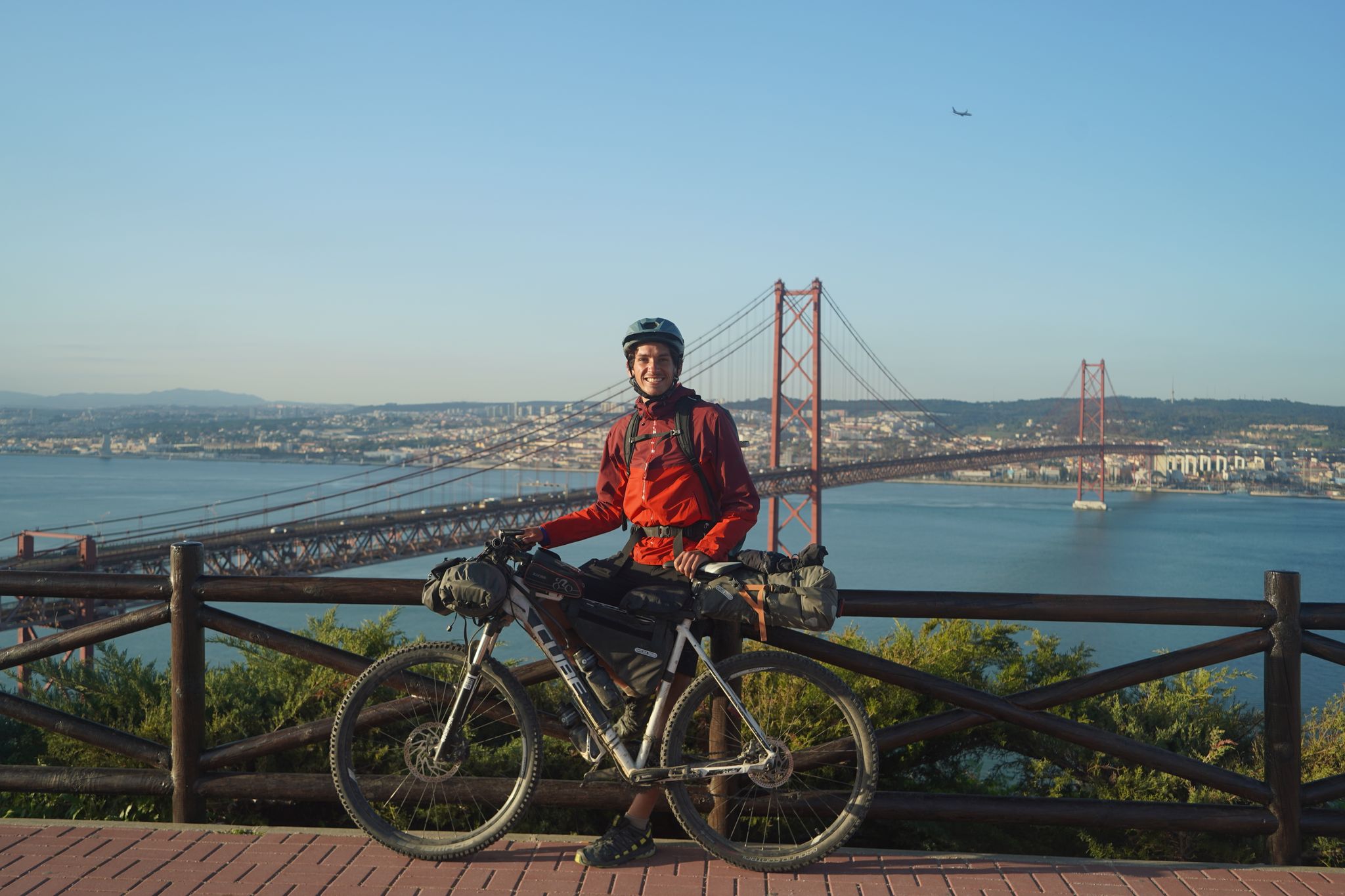
Road to Lisbon – bikepacking the Alps, Pyrenees and Picos de Europa
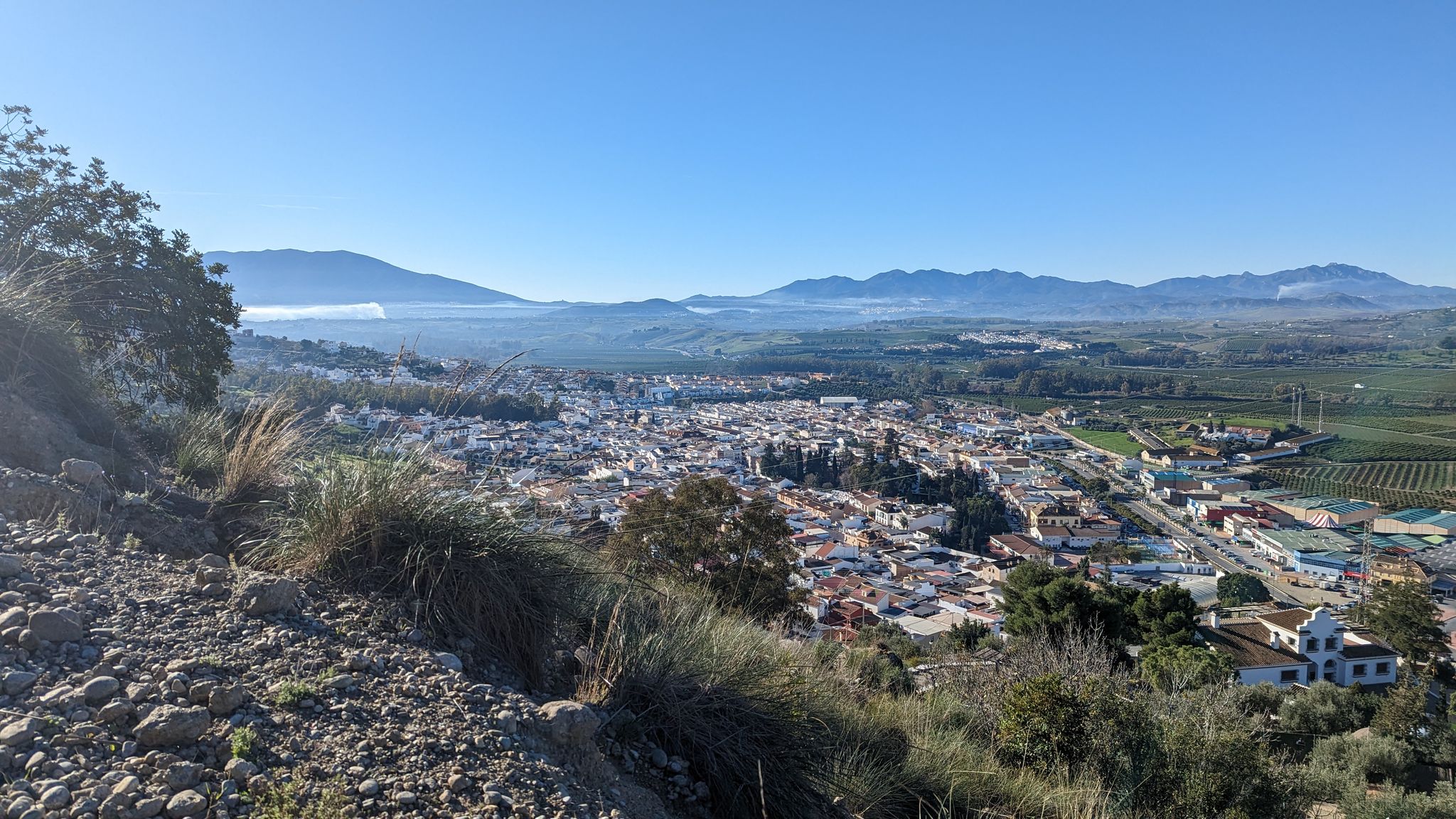
River path to the sea in Andalusia – Gran Senda del Guadalhorce (GR 248)
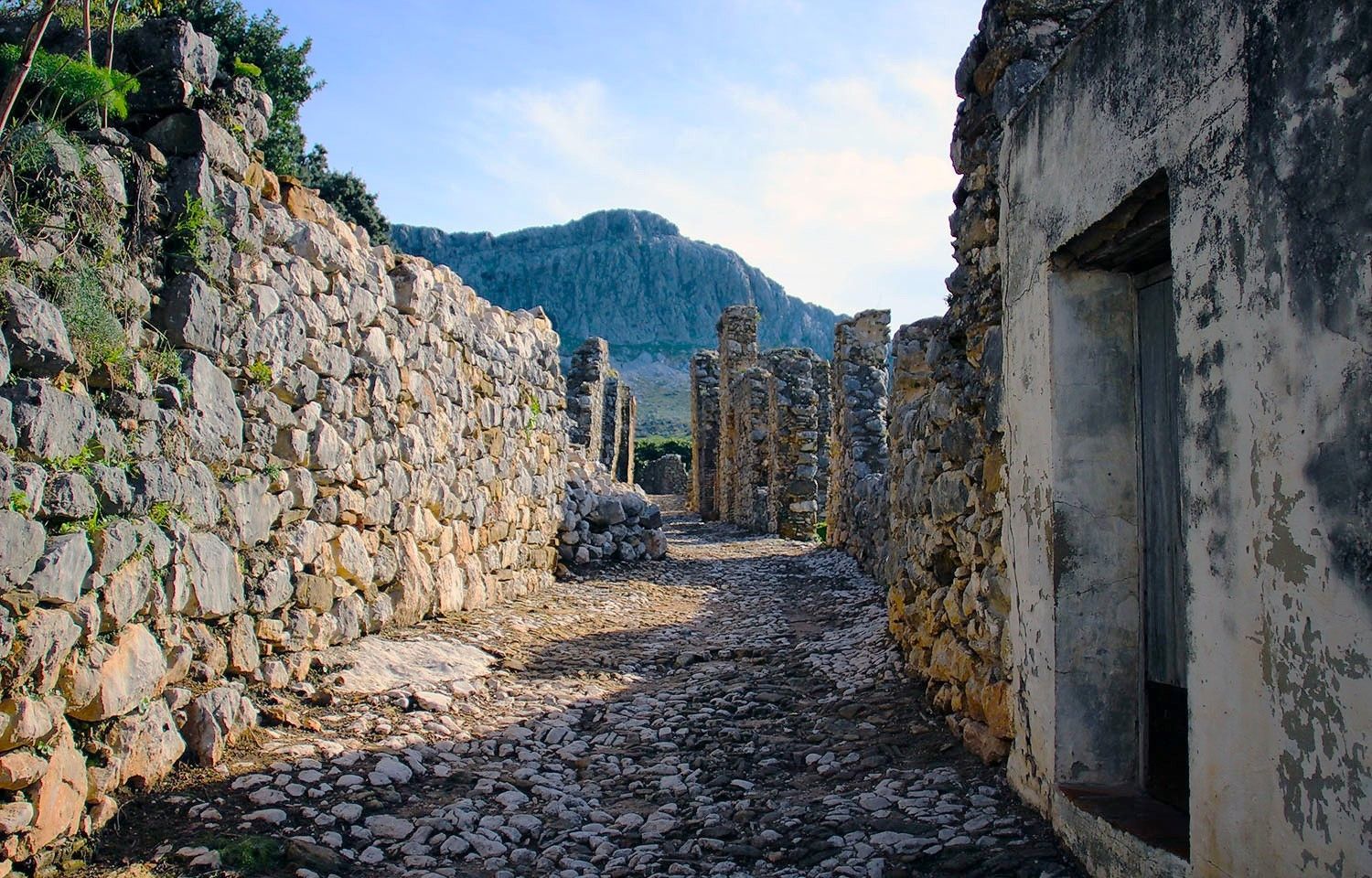
Andalusia without limits – Tarifa to La Puebla de Don Fabrique on the GR 7
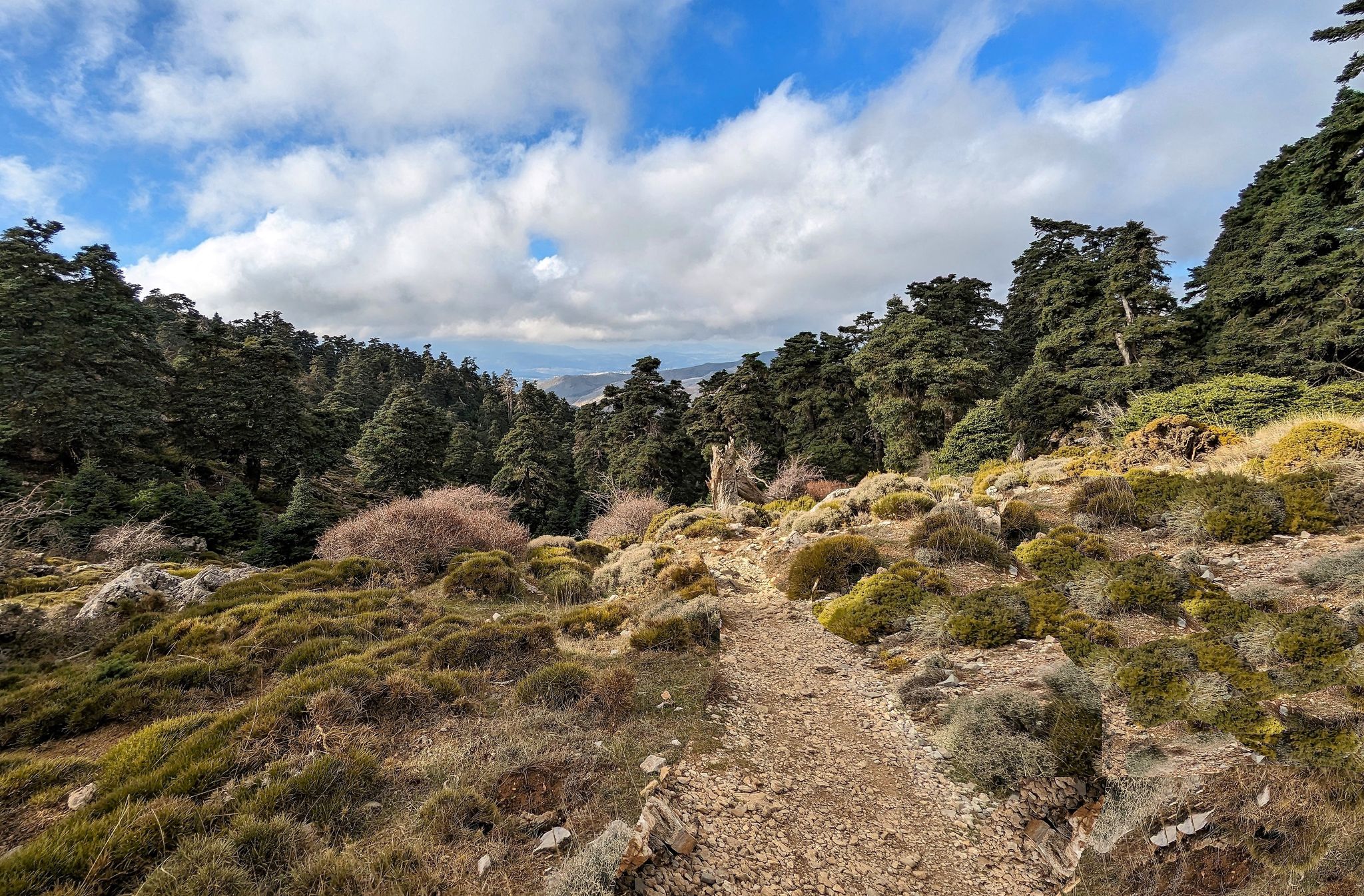
Magic in its purest form – hiking in Spain’s Sierra de las Nieves
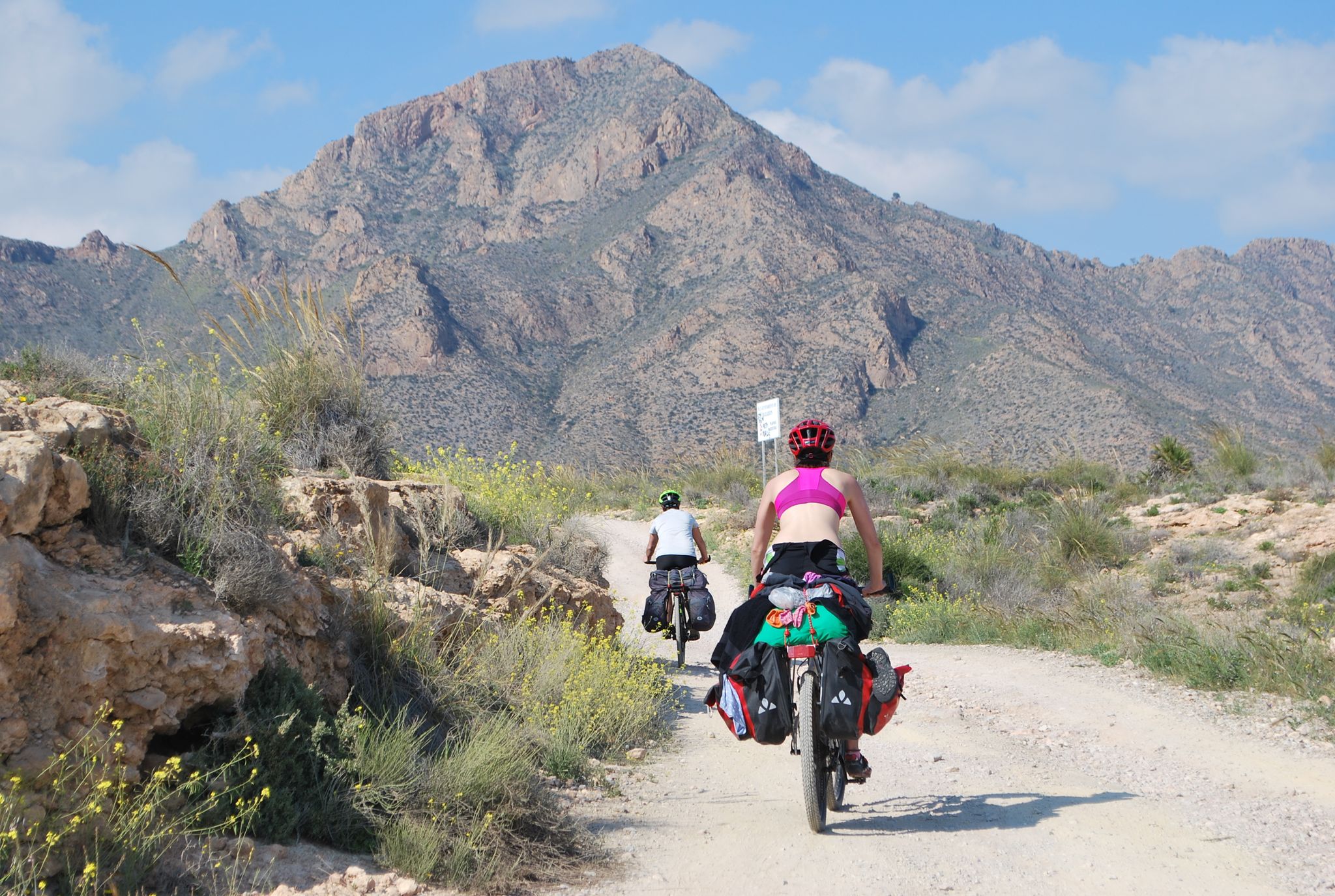
Mediterranean coastal paradise – EuroVelo 8 in Spain
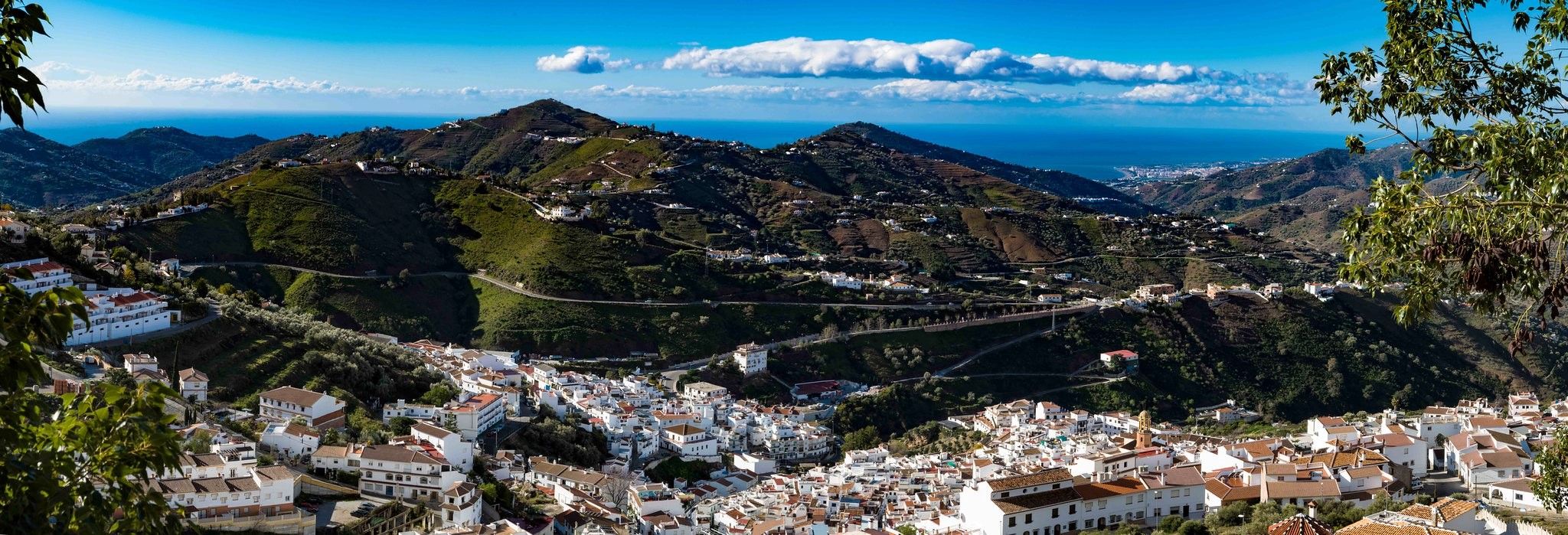
Hike between sea and mountains — Gran Senda de Málaga (GR 249)
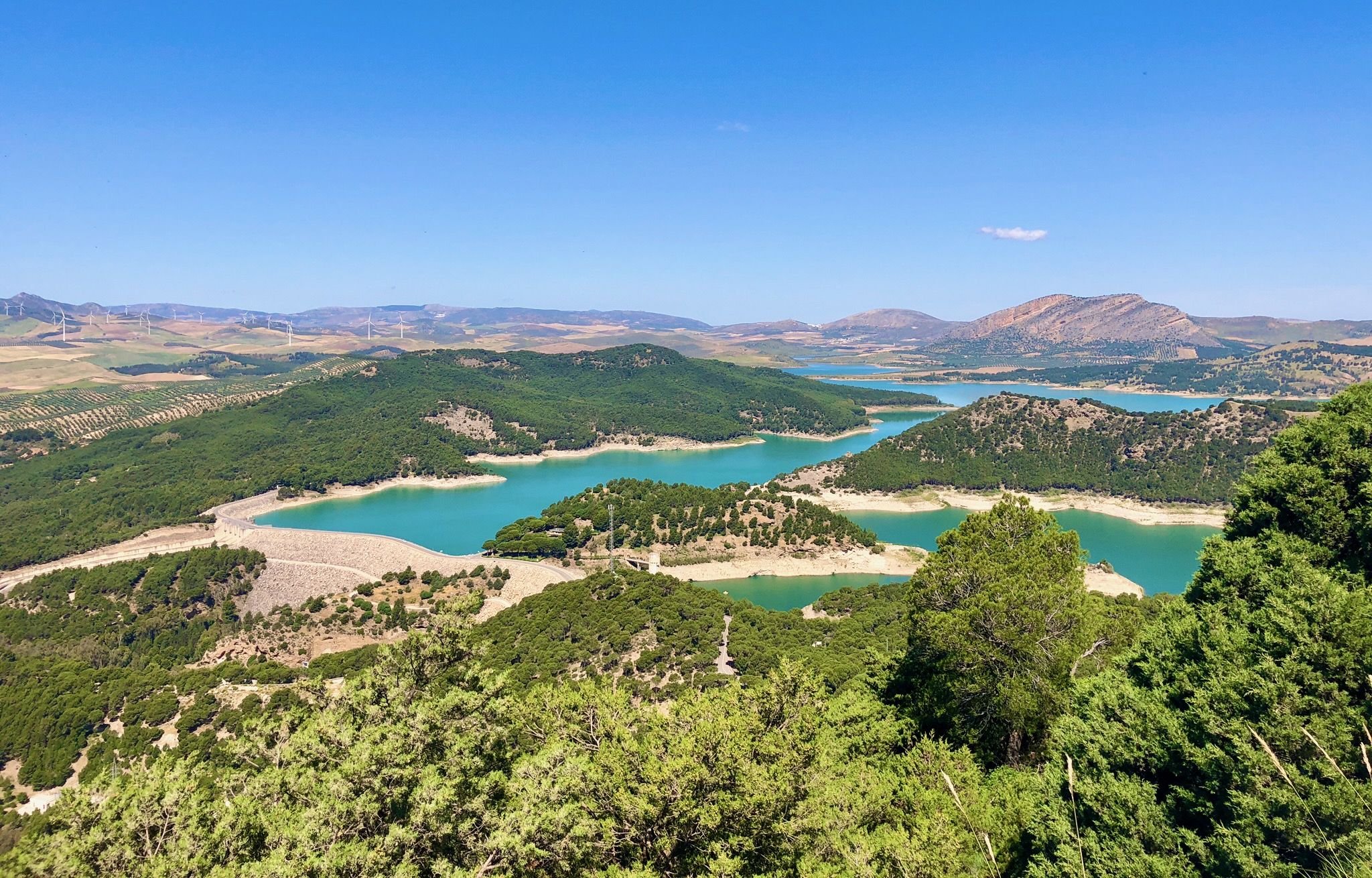
Seven days walking along the Gran Senda de Málaga (GR 249)
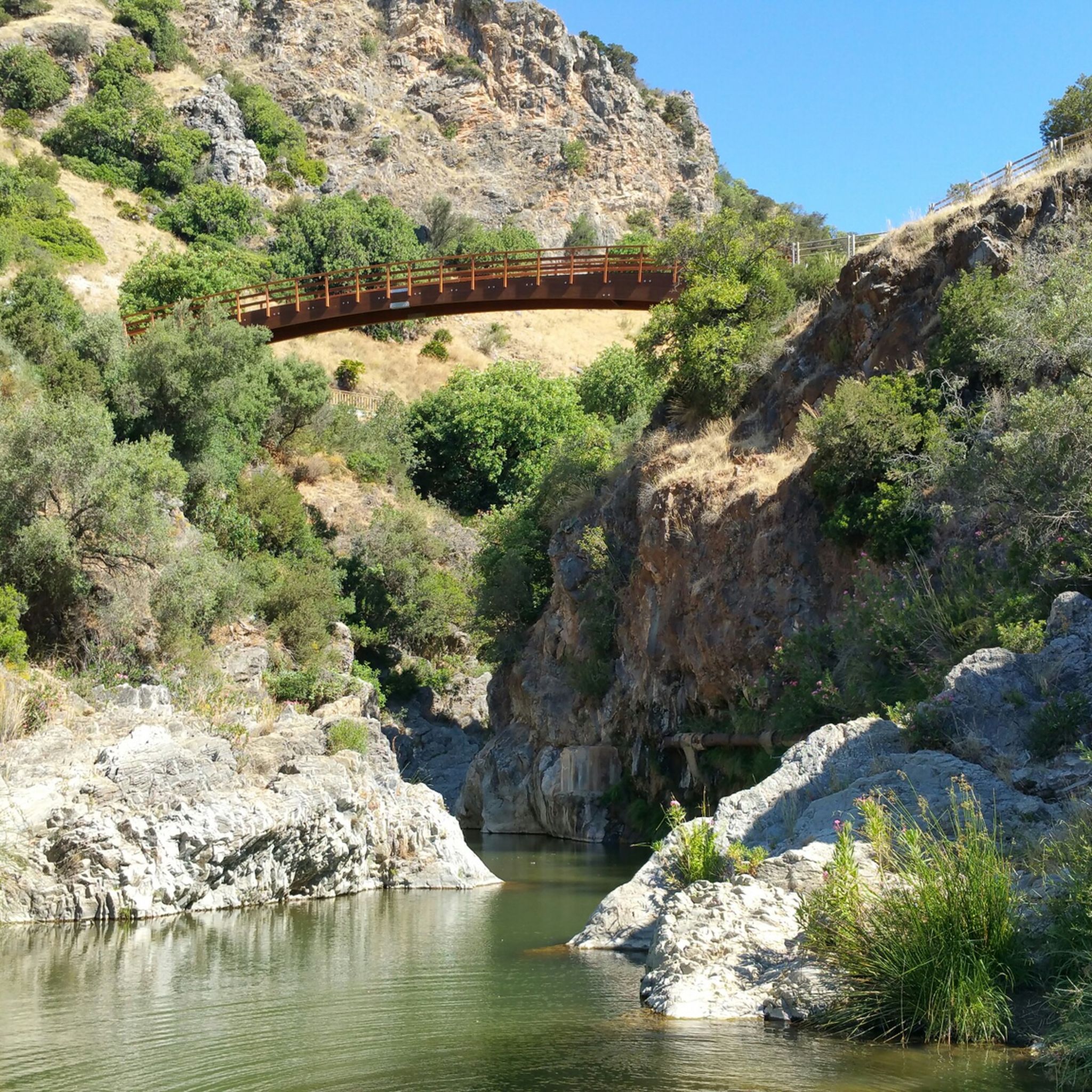
Hiking around Centro-Sur O Guadalorce
Road Cycling Routes around Centro-Sur O Guadalorce
Other adventures around Centro-Sur O Guadalorce


Tips from the Community

At 1700 meters above sea level, the Pilar de Tolox is the highest spring in the entire province of Málaga. It is believed to have Roman origins, and for centuries it was a mandatory stopping point for shepherds and flocks. From this point begins the toughest section of the ascent to the Torrecilla peak, the highest peak in Málaga.
1
0

Notable karst caves, which also provided us with shelter from the rain that set in.
1
0

A new wooden bench has been installed at the grotto, comfortably seating six people. It's a lovely place to enjoy the view and have a light snack.
0
0

This cave is on private land. How could this be sold to a private individual!!? Only option seems to climb the stupid gate at the end of the bridge.
0
0

Missed return section indication. GPS required
0
0
Take a top as it may be cold in the hills.
0
0

Mountain village overlooking the Mediterranean Sea
1
0
Frequently Asked Questions
Which caves in the Centro-Sur O Guadalorce region are known for prehistoric art or archaeological significance?
The region is rich in historical caves. The Cueva de Ardales (also known as Cueva de Doña Trinidad) is a prominent Paleolithic site with cave art dating back to 20,000 BC, and even Neanderthal markings. The Cueva de la Pileta is another prehistoric jewel, famous for its cave paintings up to 20,000 years old. The Cave of the Bull also contains cave paintings estimated to be 20,000 years old. Additionally, the Cueva del Gato and Cueva del Tesoro both hold archaeological significance with elements from the Palaeolithic and Bronze Ages.
Are there family-friendly caves to visit in the Centro-Sur O Guadalorce region?
Yes, the settlement of Ojén is considered family-friendly. It features small caves historically used for storage and offers beautiful views, making it a pleasant place for families to explore and enjoy the surroundings.
What unique geological features can be found in the caves of the Centro-Sur O Guadalorce region?
The caves in the region showcase diverse geological formations. Cueva de Ardales features impressive labyrinths of columns, permanent lakes, and stalagmite formations. The Cueva del Tesoro is a unique sea cave with underground galleries, tunnels, large caverns, stalactites, stalagmites, and mysterious underground lakes. The Cueva del Gato is known for its natural beauty, including a stunning waterfall that flows into the 'Charco Frío' lake.
Are there caves with water features or underground lakes in the area?
Yes, several caves feature water elements. The Cueva del Gato is famous for its waterfall and the 'Charco Frío' lake. The Cueva del Tesoro, a sea cave, contains mysterious underground lakes. The Cave of Water is notable for a water pipe that flows during the rainy season, and the Source of the Río Grande of Yunquera is a natural monument that includes a cave and river features.
What kind of views can I expect from caves or viewpoints near them?
Many caves and their surrounding areas offer spectacular views. From Ojén, you can enjoy views of the mountains. The Cave of the Bull provides magnificent views of the entire coast. The Cave of Water offers a panoramic view of incredible beauty over the pinsapar. From the Puerto Rico Caves, you get a great view over the valley and the sea, and on clear days, you might even see the coast of Africa.
Are there historical sites related to mining or other human activities within the caves?
Yes, the region has caves with historical connections to human activities. The Cave of the Trinidad Mine is a historical site. Additionally, Mina Buenavista is another historical site related to mining. The small caves in Ojén were historically used for storing food and feed.
What outdoor activities can I do near the caves in Centro-Sur O Guadalorce?
The region offers various outdoor activities. You can find numerous hiking trails, including easy, moderate, and difficult options. For example, there are easy hikes like the Sendero Acequia del Guadalmina, and more challenging ones like the Caminito del Rey. Cycling is also popular, with routes such as the Estepona and Casares Loop. You can explore more options on the Hiking around Centro-Sur O Guadalorce or Cycling around Centro-Sur O Guadalorce guide pages.
Are there any caves that are part of religious or spiritual sites?
Yes, some caves in the region have religious significance. The Hermitage of the Virgin of the Rock (Mijas) is a religious building located within a cave. The Pilar de Tolox Spring features a virgin statue in one of the caves above the fountain. The La Virgencita Hermitage is another religious building associated with a cave.
What is the best time to visit the caves in the Centro-Sur O Guadalorce region?
The best time to visit depends on the specific cave and your preferences. For caves with water features like the Cave of Water, the rainy season ensures the water pipe is flowing. For caves like Cueva del Gato, its crystal-clear waters make it an attractive spot for a refreshing dip in the summer. Generally, spring and autumn offer pleasant temperatures for exploring both the caves and the surrounding natural environments.
What do visitors enjoy most about the caves in Centro-Sur O Guadalorce?
Visitors appreciate the diverse experiences offered by the caves. Many enjoy the historical and archaeological significance, particularly the ancient cave paintings found in sites like Cueva de Ardales and Cueva de la Pileta. The stunning natural beauty, including geological formations, waterfalls, and panoramic views from places like the Cave of Water and Puerto Rico Caves, is also a major draw. The opportunity to combine cave exploration with hiking in beautiful natural parks is highly valued.
Are there any caves that are part of a larger natural park or protected area?
Yes, several caves are situated within or near protected natural areas. The Cueva de la Pileta is located in the Sierra de Líbar, and the Cueva del Gato is found within the Sierra de Grazalema Natural Park. The Cave of Water is part of the Sierra de las Nieves Natural Park, offering spectacular trails.
Most popular routes around Centro-Sur O Guadalorce
Most popular attractions around Centro-Sur O Guadalorce

Get inspired with the komoot mobile app


Didn’t find what you were looking for?
Discover more caves around Centro-Sur O Guadalorce region by region:
Explore more
Extend your search for the best caves by checking out these guides of the top ones around Centro-Sur O Guadalorce:
