The 20 Most Amazing Peaks in the Appalachian Mountains
Best mountain peaks in the Appalachian Mountains stretch over 1,500 miles, offering diverse terrain from Alabama to Newfoundland. This region is characterized by ancient, rounded mountains, dense forests, and a rich natural landscape. The peaks provide varied experiences, from accessible viewpoints to challenging wilderness adventures. They are significant for their ecological diversity and geological formations.
Best mountain peaks in the Appalachian Mountains
- The most popular mountain peaks is Stony Man Lookout, a viewpoint that offers extensive views of the…
Last updated: July 7, 2026
Stony Man Lookout
Highlight • Viewpoint
Tip by

Kuwohi Observation Tower
Highlight • Viewpoint
Translated by Google •
Tip by

Sign up now to discover places like this
Get recommendations on the best single tracks, peaks, & plenty of other exciting outdoor places.
Sign up for free
Old Rag Summit
Highlight • Summit
The …
Tip by

McAfee Knob
Highlight • Viewpoint
Translated by Google •
Tip by

Mount Chocorua Summit
Highlight • Summit
Translated by Google •
Tip by
Mount Washington Summit
Highlight • Summit
Tip by

Veterans' War Memorial Tower at the summit of Mount Greylock
Highlight • Monument
Tip by
Cathedral Ledge
Highlight • Climb
Translated by Google •
Tip by
Springer Mountain
Highlight • Summit
Tip by
Mount Mitchell Summit
Highlight • Summit
Tip by
Sign up for free to discover even more peaks in the Appalachian Mountains.
Sign up for free
Already have an account?
Start today with a free account
Your next adventure awaits.
Login or Signup
Popular around Appalachian Mountains
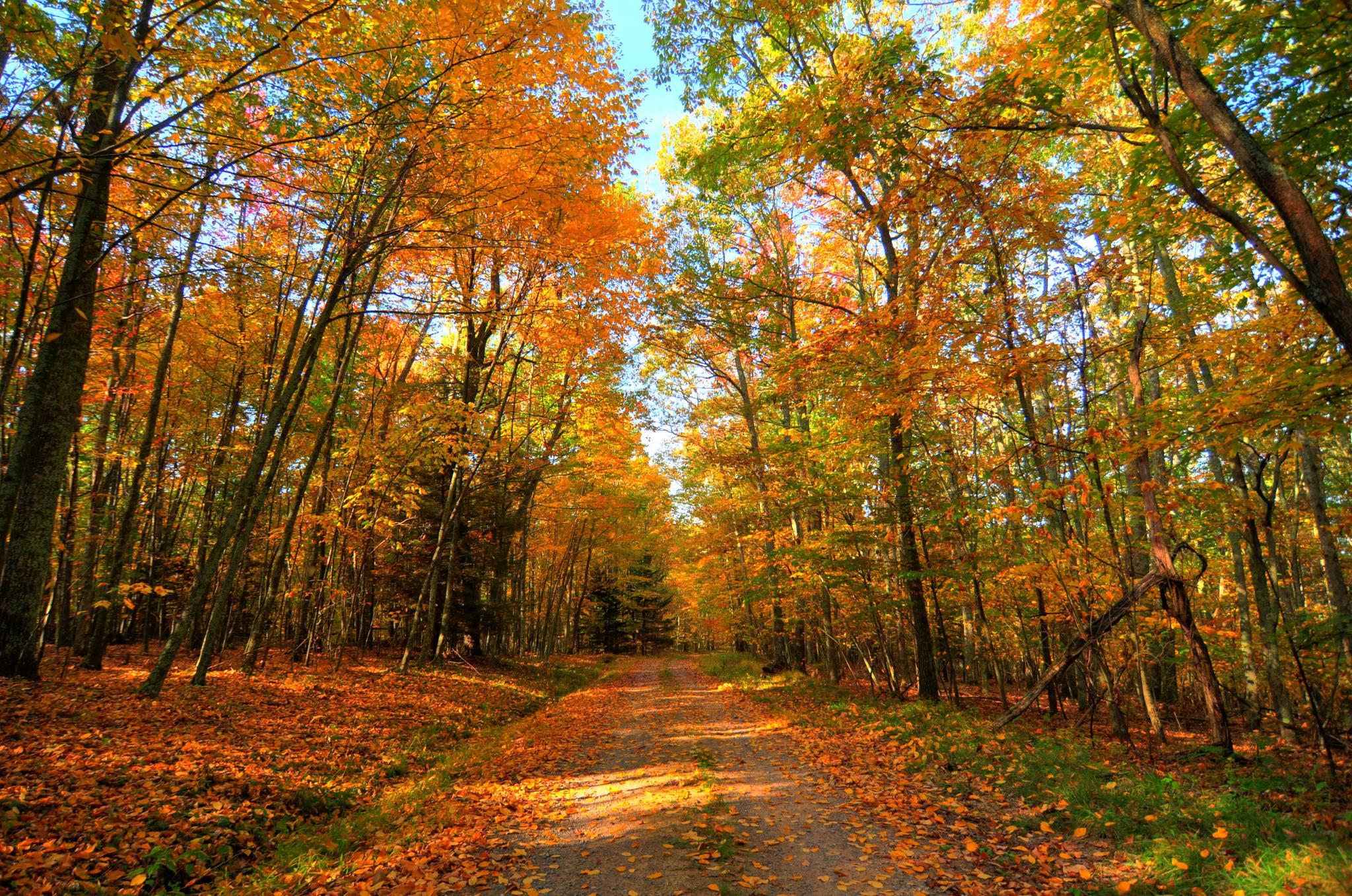
Greenbrier River & Allegheny Highlands loop — Cycling through the heart of West Virginia’s wild beauty
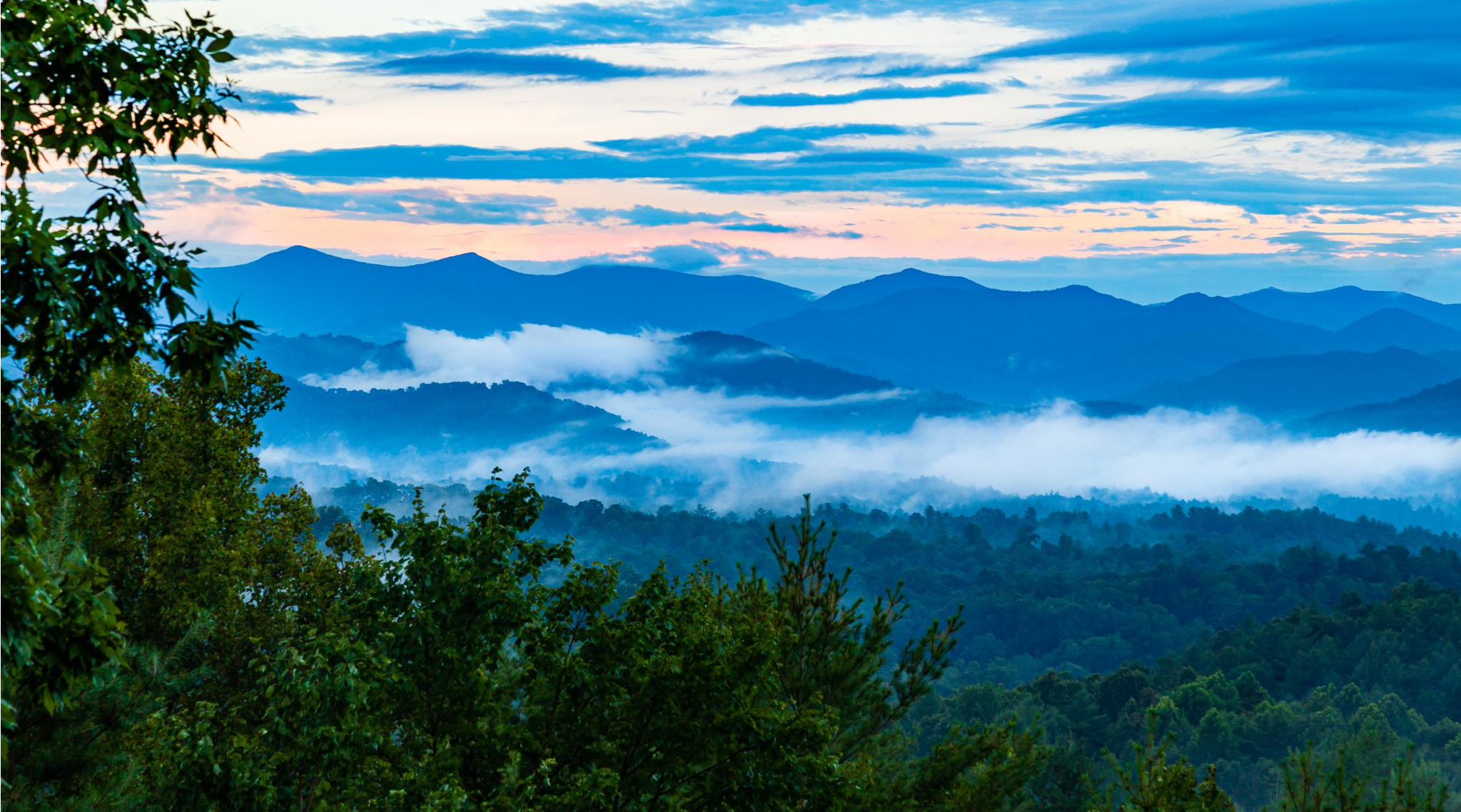
Mountains-to-Sea Trail — An epic adventure from the Smokies to the Atlantic

American Discovery Trail — Walking from sea to shining sea
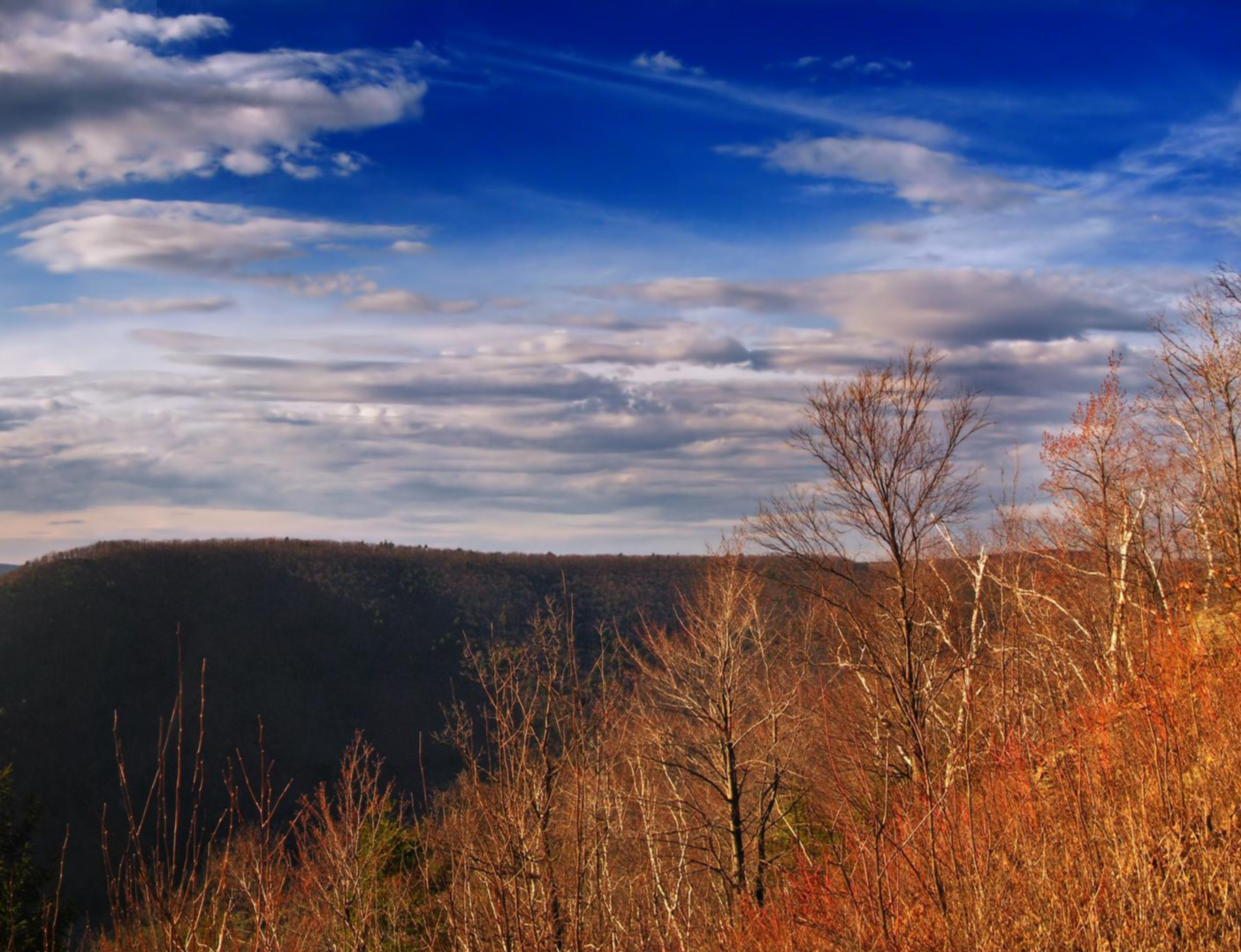
Mid State Trail — Traversing the Pennsylvania divide

Benton MacKaye Trail — Hiking from Georgia to the Smokies
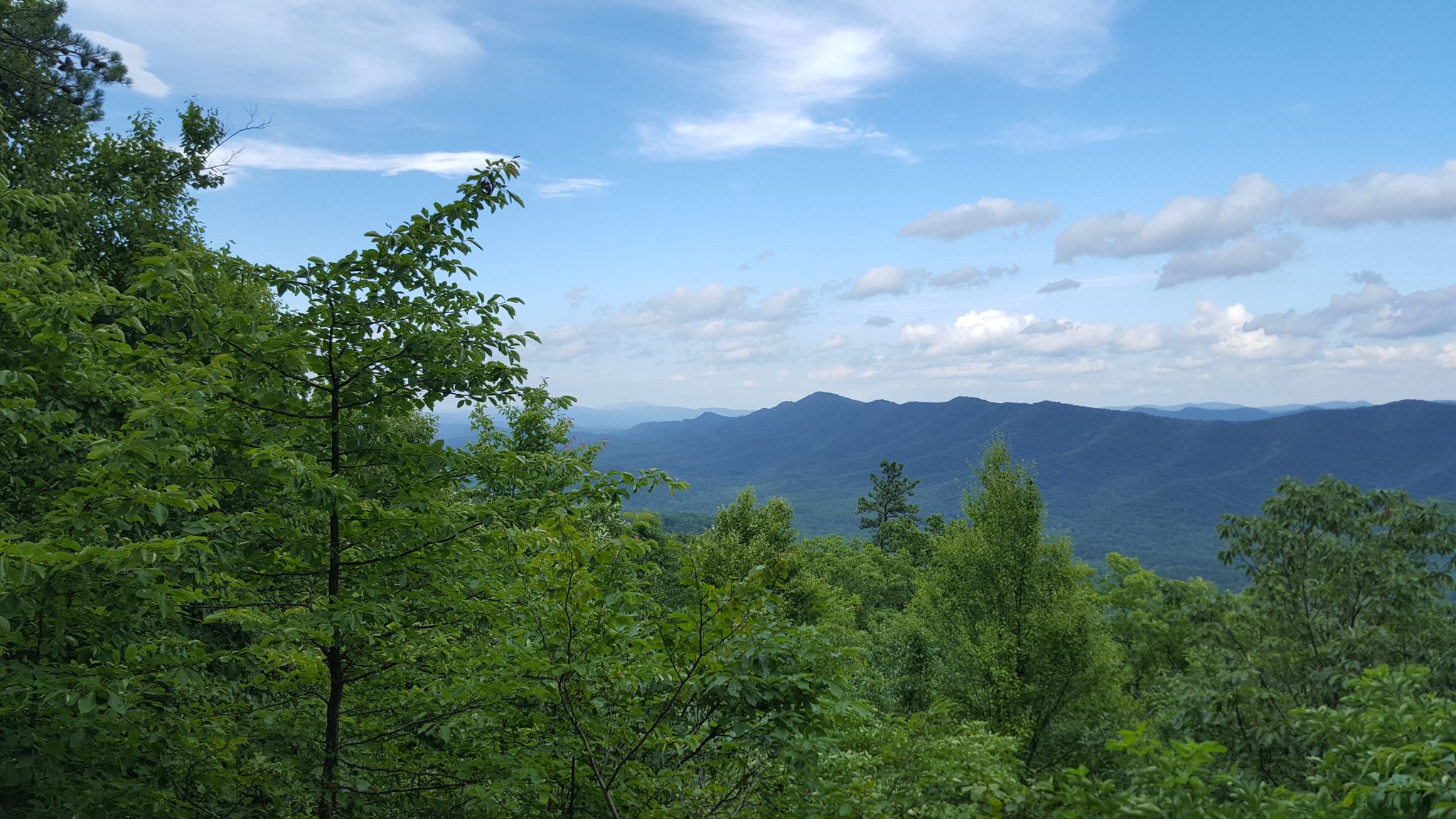
Tuscarora Trail — A remote trek across the backbone of Appalachia
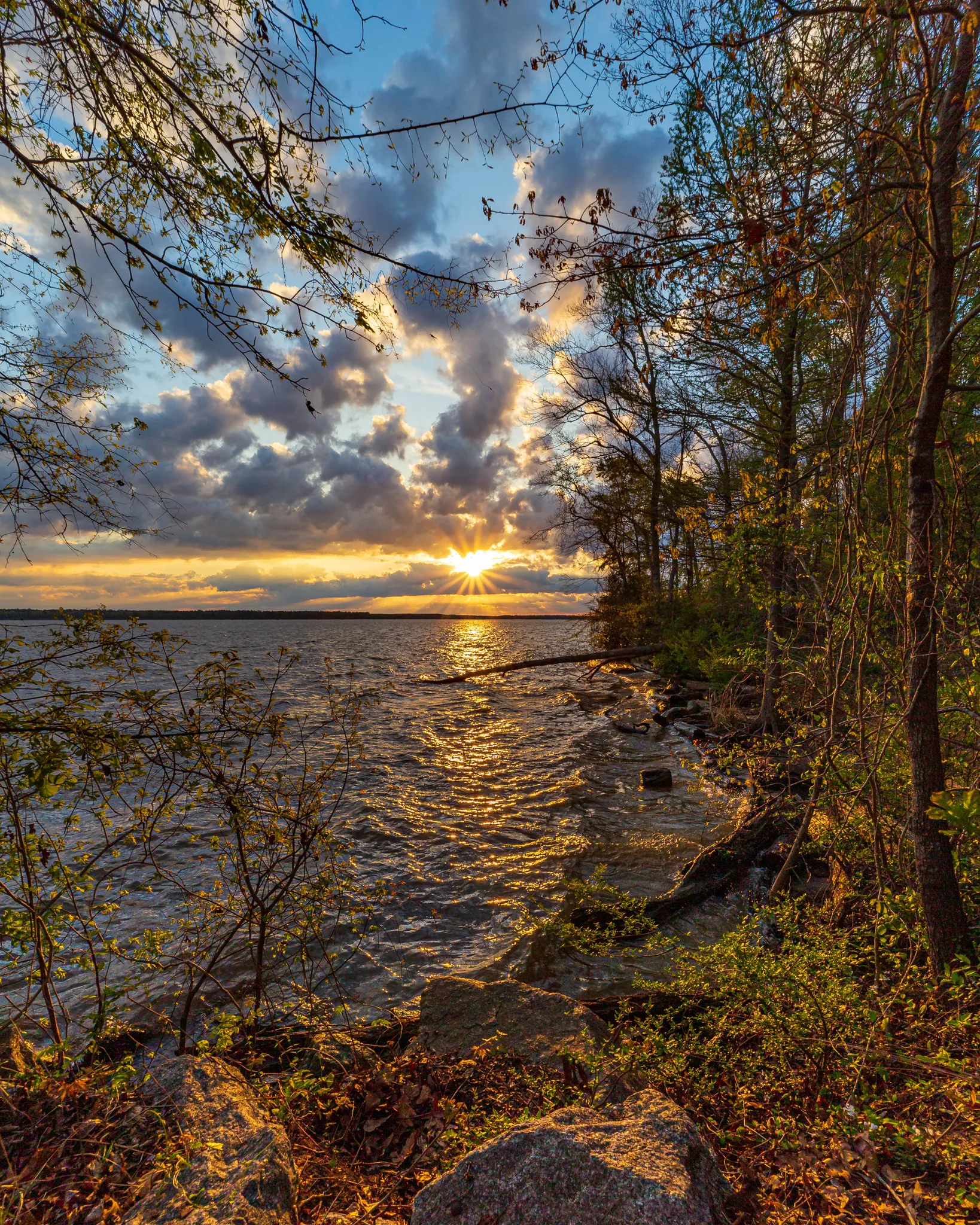
Palmetto Trail — Riding the mountains and marshes of South Carolina
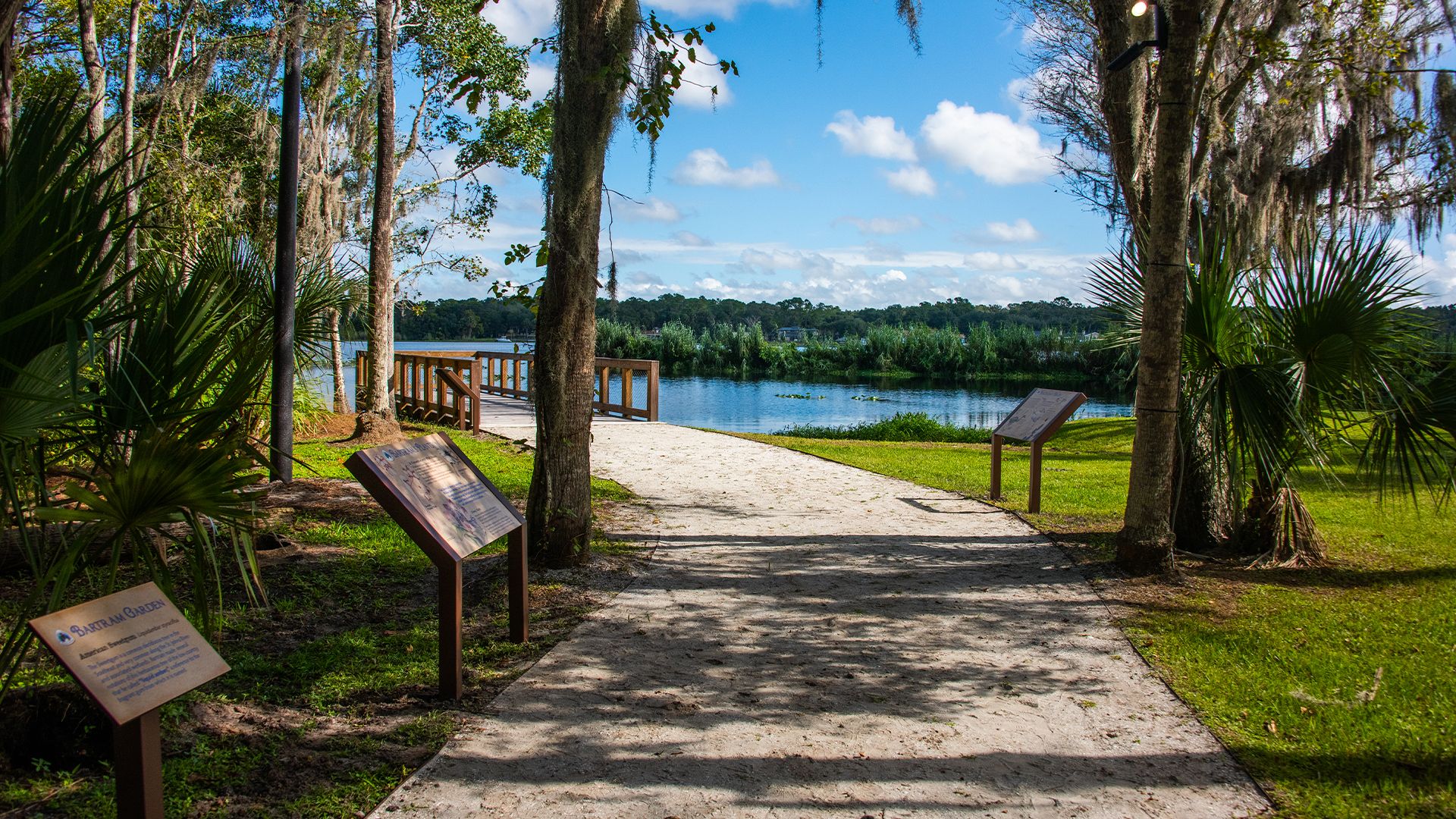
The Bartram Trail — In the footsteps of William Bartram
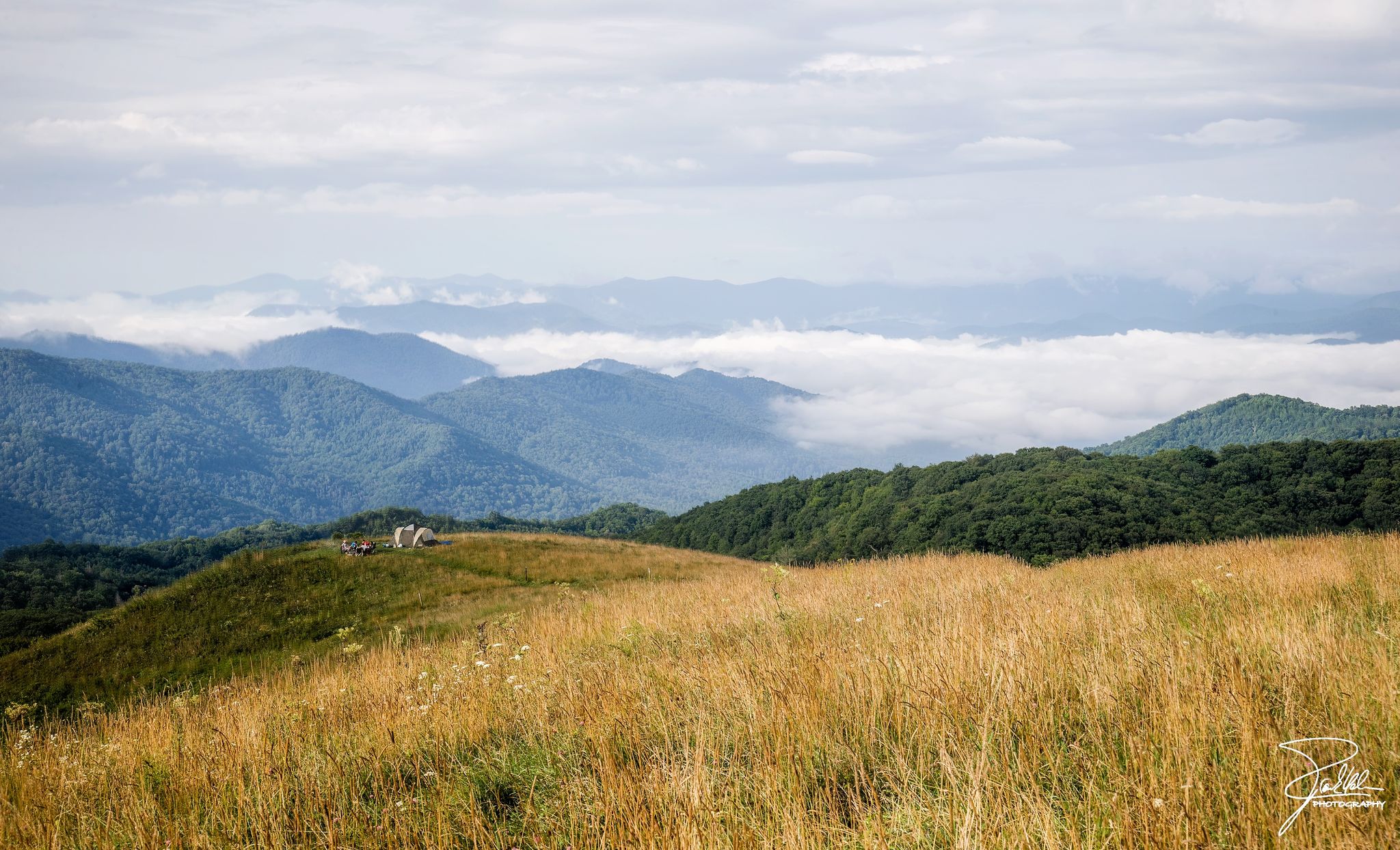
The Appalachian Trail — America's most iconic long-distance hike
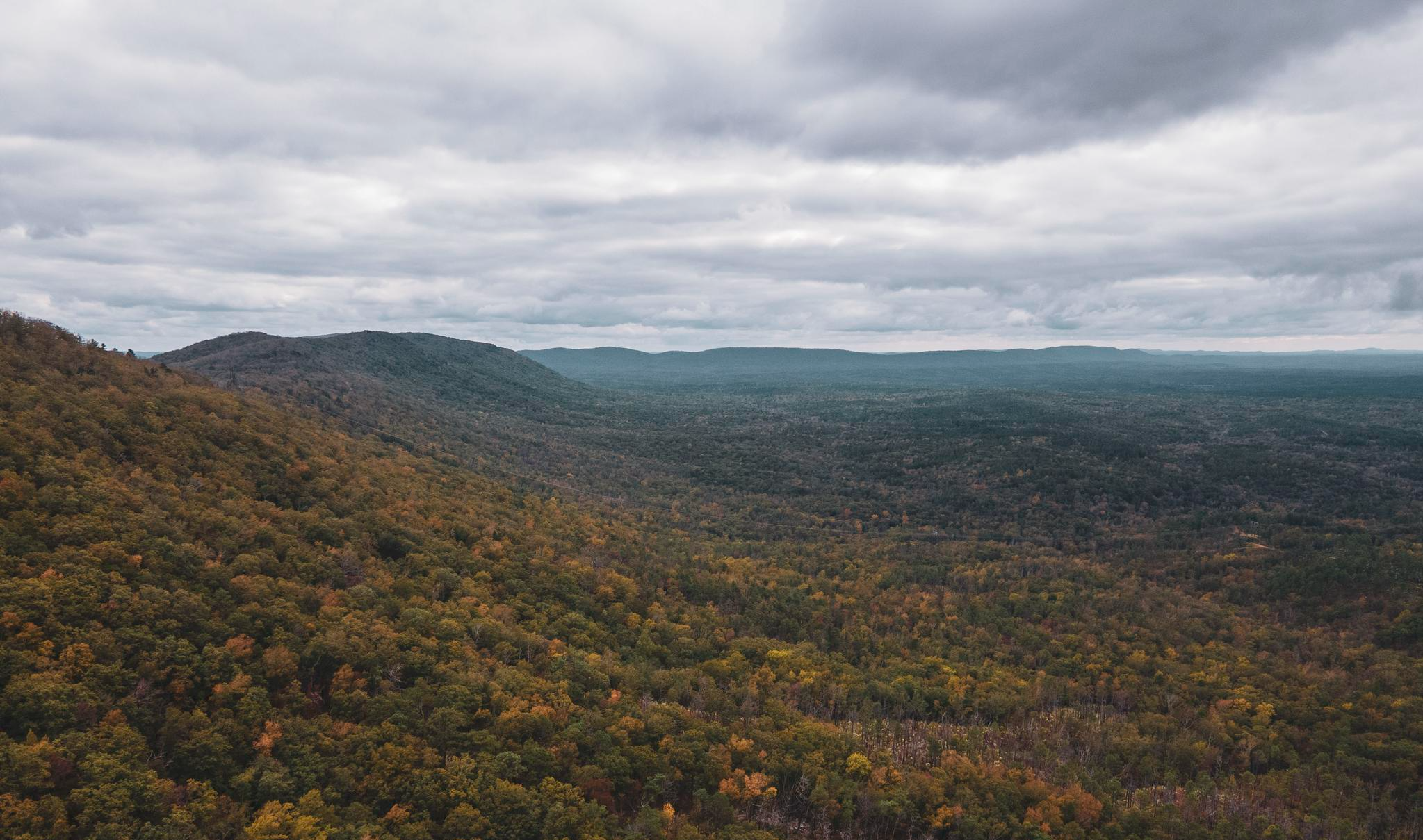
Pinhoti Trail — Alabama & Georgia's southernmost Appalachias
Other adventures in the Appalachian Mountains


Tips from the Community

Make sure to have a pass to enter the trail if you are going during “peak season” can be found on the national park service website. I underestimated the rock scramble. There were portions requiring us to be on our hands and knees, then full pull ups.
0
0

A great monument with a magnificent view once you have conquered the stairs. Tip: hike to the summit!
0
0

Washington is the most prominent mountain in the eastern U.S. and an absolutely incredible peak to bag. This is easily one of the best summits in New England. It is also the most dangerous if you come unprepared, especially in the winter. Washington creates its own rapidly changing weather system and is known for being the deadliest small mountain in the world. The second-fastest wind speed on earth was recorded here at over 230mph. That said, a quarter million people visit Washington every year, and if you come prepared and respect the mountain you have nothing to fear and are guaranteed to have an epic summit.
0
0

A very good vantage point, usually well-visited. The view is breathtaking, though. I would always bring a jacket, even on warm days it can be a bit colder there.
0
0

Mount Chocorua is named after the Sokosis chief Chocorua, who lived in the early 18th century. The 1,064 m high Mount Chocorua is one of the most frequently climbed mountains in the US state of New Hampshire. The Appalachian Mountain Club notes that Mount Chocorua is one of the most photographed mountains in the world. https://www.chocorualake.org/hike-chocorua The striking mountain is the easternmost peak of the Sandwich Range and lies at the southern end of the White Mountains. The rocky peak is the result of a series of forest fires between the early 19th and 20th centuries. From its summit there are excellent views of the surrounding mountains and forests. The mountain is part of the almost 25 sq. km. large protected area ‘Mount Chocorua Scenic Area‘, which was created in 1986 as part of the ‘White Mountain Forest Plan‘. https://www.fs.usda.gov/Internet/FSE_DOCUMENTS/stelprdb5364479.pdf
2
0
The 'Cathedral Ledge' is the epicenter of traditional climbing in New Hampshire. The area near the town of North Conway in the 'Saco River Valley' offers routes of all levels of difficulty and styles and has been popular for decades. The viewpoint on the rocky cliff overlooking the 'Saco River Valley' can be reached via hiking trails and a road. https://www.mountainproject.com/area/105908823/cathedral-ledge
3
0

Dress warmly. Snow season begins July 1 and ends June 30. We were at 68 mph at the summit. Keeping your hat on is a good idea. Two days ago, when we were last up there, it was 73 degrees Fahrenheit and the wind was blowing lightly around 23 mph. Mt. Washington is the highest peak within 1,000 miles, making it an exposed location with what the US Weather Service calls the worst and most surprising weather in the world.
0
0

Springer Mountain is essentially a small rocky plateau with a few views, known for being the southern end of the Appalachian Trail. The trail from Amicalola Falls State Park is beautiful. Camping is not permitted on the summit plateau, but the Springer Mountain Shelter is just 600 feet to the north.
5
0
Frequently Asked Questions
What are some of the most iconic mountain peaks to visit in the Appalachian Mountains?
The Appalachian Mountains offer many iconic peaks. Stony Man Lookout in Shenandoah National Park provides extensive views of the Shenandoah Valley. For panoramic views of the Great Smoky Mountains, visit Kuwohi Observation Tower. Further north, McAfee Knob is renowned as the most photographed point along the Appalachian Trail, offering dramatic vistas of the Catawba Valley.
Are there any family-friendly mountain peaks or viewpoints in the Appalachian Mountains?
Yes, several peaks and viewpoints are suitable for families. Stony Man Lookout is easily accessible from a nearby parking area, making it a popular stop along Skyline Drive. Kuwohi Observation Tower features a paved, wheelchair-accessible path to its viewing platform. Additionally, the Veterans' War Memorial Tower at the summit of Mount Greylock is family-friendly and includes facilities.
What are the highest peaks in the Appalachian Mountains?
Mount Mitchell in North Carolina, at 6,684 feet, is the highest peak east of the Mississippi River. Kuwohi (formerly Clingmans Dome), at 6,643 feet, is the highest point in Tennessee and the Great Smoky Mountains National Park, and the second-highest east of the Mississippi. Mount Washington in New Hampshire, at 6,288 feet, is the highest peak in the Northeastern United States.
What kind of natural features can I expect to see at these mountain peaks?
The Appalachian peaks showcase diverse natural beauty. You'll find dense spruce-fir forests at Mount Mitchell and Kuwohi, an ecosystem typical of more northern climates. Mount Katahdin features majestic granite slabs and the challenging Knife Edge ridgeline. Many peaks offer extensive panoramic views of valleys, mountain ranges, and forests, often extending for dozens of miles on clear days.
Are there challenging hikes for experienced climbers in the Appalachian Mountains?
Absolutely. Old Rag Summit in Shenandoah National Park is famous for its challenging rock scramble. Mount Katahdin in Maine, the northern terminus of the Appalachian Trail, offers a range of experiences from moderate to extreme, including the exhilarating Knife Edge traverse. Mount Chocorua Summit in New Hampshire is also a challenging climb with significant elevation gain.
What outdoor activities can I do near the mountain peaks in the Appalachian Mountains?
The region offers a wide array of outdoor activities. For hiking, you can explore routes like the Franconia Ridge Loop or Alum Cave Trail. Cycling enthusiasts can enjoy scenic drives such as the Kancamagus Highway or sections of Skyline Drive. There are also dedicated waterfall hikes, like those found in the Waterfall hikes in the Appalachian Mountains guide. For more options, check out the Hiking in the Appalachian Mountains guide and the Cycling in the Appalachian Mountains guide.
What is the best time of year to visit the Appalachian mountain peaks?
The best time to visit depends on your activity. Summer offers a cooler retreat at higher elevations like Mount Mitchell, with temperatures often 10-30 degrees Fahrenheit lower than nearby cities. Fall brings spectacular foliage. Spring and fall generally provide pleasant hiking weather, while winter offers opportunities for backcountry skiing and snowshoeing, though some roads and facilities may be closed due to snow and ice.
Are there any historical or cultural sites associated with the Appalachian peaks?
Yes, some peaks have historical significance. The Veterans' War Memorial Tower at the summit of Mount Greylock is a notable historical site. Mount Chocorua Summit in New Hampshire is associated with a local legend about an Indian chief, which is even featured on a state historical marker.
Can I drive to the summit of any Appalachian peaks?
Yes, several prominent peaks offer road access. You can drive almost to the summit of Mount Mitchell via the scenic Blue Ridge Parkway. Mount Washington's summit is accessible by car via the Mount Washington Auto Road. Kuwohi (Clingmans Dome) also has a scenic drive leading close to its summit, though the road is typically closed from December to March.
What are some unique viewpoints in the Appalachian Mountains?
Beyond the well-known spots, the Appalachian Mountains offer many unique perspectives. The observation deck at Mount Mitchell provides 360-degree panoramic views that can extend up to 85 miles. The observation tower at Kuwohi allows views into seven states on clear days. McAfee Knob offers a dramatic 270-degree view of the Catawba Valley and surrounding mountains.
What kind of facilities are available at the summits of these peaks?
Facilities vary by peak. Mount Mitchell's summit features an observation deck, museum, gift shop, and restaurant (open seasonally). Mount Washington's summit hosts a weather observatory, museum, and visitor center. The Veterans' War Memorial Tower at Mount Greylock also has facilities, including accommodation and a restaurant.
Are there any peaks in the Appalachian Mountains that are part of the Appalachian Trail?
Yes, the Appalachian Trail (AT) traverses many peaks in the region. Kuwohi (Clingmans Dome) is crossed by the Appalachian Trail. Mount Washington is also a premier destination for hikers on the AT. Mount Katahdin in Maine holds special significance as the northern terminus of the entire Appalachian Trail, making it a major goal for thru-hikers.
Most popular routes in the Appalachian Mountains
Most popular attractions in the Appalachian Mountains

Get inspired with the komoot mobile app


Explore more
See even more amazing summits in the Appalachian Mountains with these guides:
