The best gravel rides around La Victoria
5.0
(4)
85
riders
6
rides
Gravel biking around La Victoria offers routes through varied rural landscapes. The terrain includes a mix of unpaved roads and tracks, often connecting small towns and recreational areas. Riders can expect undulating profiles with moderate climbs and descents across the region.
Best gravel bike trails around La Victoria
- The most popular gravel bike trail is Fuente Redonda de Las Pinedas – Guadalcazar Recreation Area loop from El Álamo, a 57.6 miles (92.8 km) trail that takes 8 hours 57…
Last updated: July 2, 2026
5.0
(3)
44
riders
Hard gravel ride. Very good fitness required. Mostly paved surfaces. Suitable for all skill levels.
5.0
(1)
25
riders
77.8km
04:27
640m
640m
Hard gravel ride. Very good fitness required. Mostly paved surfaces. Suitable for all skill levels.

Sign up for free
7
riders
47.8km
03:41
230m
220m
Moderate gravel ride. Good fitness required. Mostly paved surfaces. Suitable for all skill levels.
2
riders
29.6km
02:00
210m
210m
Moderate gravel ride. Good fitness required. Mostly paved surfaces. Suitable for all skill levels.
3
riders
34.2km
02:09
430m
430m
Moderate gravel ride. Good fitness required. Mostly paved surfaces. Suitable for all skill levels.
Our route recommendations are based on thousands of hikes, rides, and runs completed by other people on komoot.
Start today with a free account
Your next adventure awaits.
Login or Signup

Tips from the Community

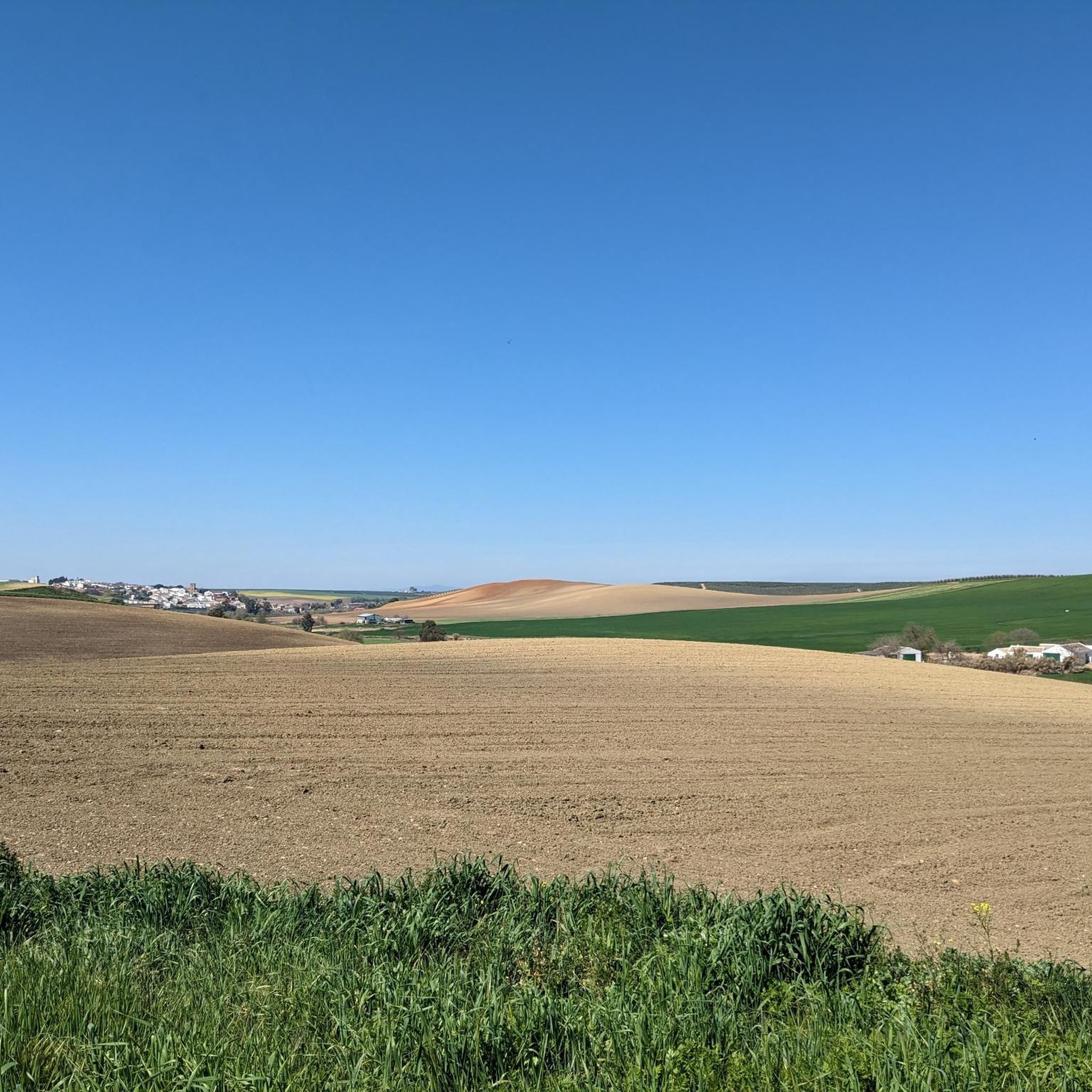
The administrative district is located in the southwest of the province. The landscape consists mainly of grain fields. The village was founded in 1767 when Carlos III implemented his colonization policy. For this reason, the urban structure corresponds to the linear planning of the Enlightenment. Perhaps the most interesting building is the Palacio de la Intendencia (Palace). History It was founded by Carlos III in 1767 (it also received its name from him). Don Pablo de Olavide was commissioned to carry out the project, and Don Fernando de Quintanilla managed the population, which was mainly German colonists. In 1769, the village had a population of 1,088, of whom 84 were Spanish. At the time of its founding, the colonists were allocated land holdings of 28 fanegas each (fanega: Castilian unit of area: 64,596 ares).
0
0

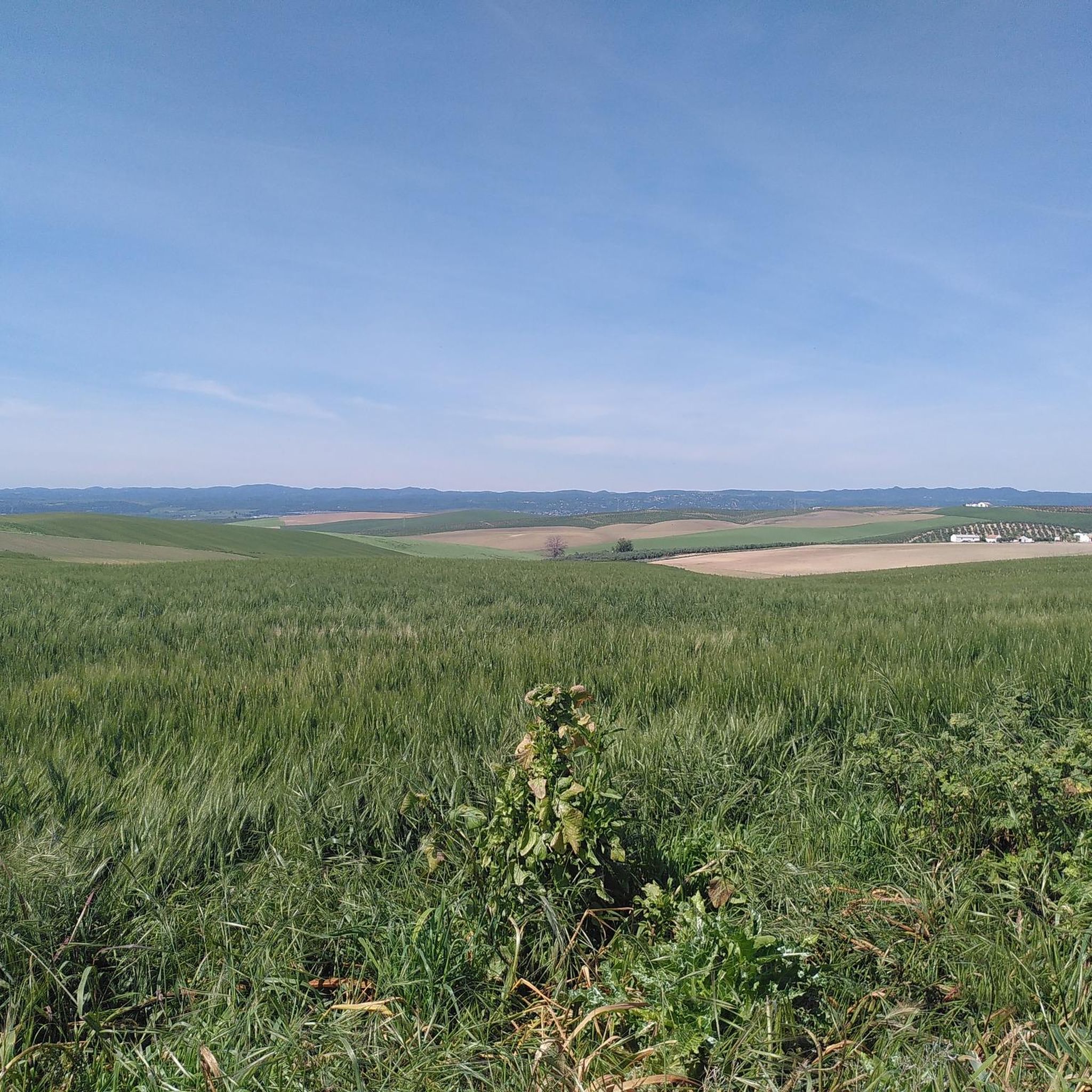
Dehesa area in the heart of the countryside
0
0

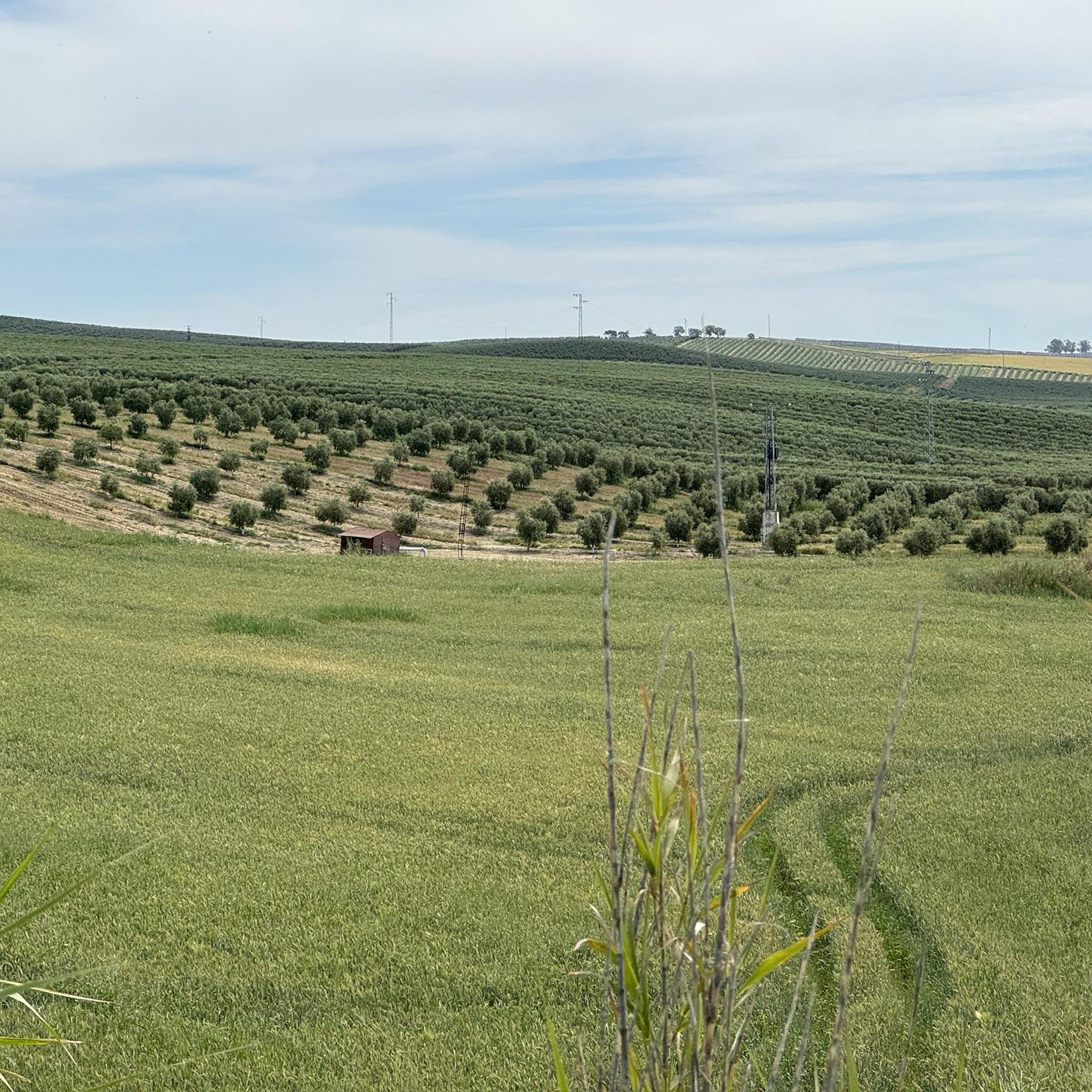
Lovely barman who made me a great sandwich de tortilla just as I was having an energy crash!
1
0

Córdoba, on the northern bank of the Guadalquivir, is one of the three largest cities in Andalusia, along with Seville and Granada, but is quieter than the other two. The beautiful city was once the heart of Roman Baetica and later one of the leading centres of Al-Andalus. The mosque-cathedral with red and white arches symbolises the enormous wealth of Spanish-Islamic civilisation. But the Mezquita, a UNESCO World Heritage Site, is certainly not the only thing the city has to offer. Churches and palaces, a maze of narrow streets and alleys, patios and balconies full of flowers: everything invites you to a romantic exploration full of surprises.
8
0

Córdoba is one of Spain's most beautiful cities, with a fascinating mix of Moorish, Jewish and Christian history. A must-see for lovers of history, culture and architecture. Córdoba is a bike-friendly city, ideal for exploring on two wheels. Many attractions are easily accessible by bike, and there are dedicated cycle paths and reduced-traffic zones.
8
0
A beautiful stretch of this route that runs along part of the old Córdoba-Marchena railway line. The construction of this line was completed by the Andalusian Railway Company in October 1885. Due to the high operating deficit, the RENFE dismantled this line in 1971. Since 1993, the "Foundation of Spanish Railways", in collaboration with other organizations, has been converting these old railway lines into cycle tourist routes. The Vía Verde de la Campiña is a scenic cycle route that runs from Córdoba through the rural region of the Campiña to the town of Marchena. The route of the Via Verde also passes through landscapes on the banks of the Guadalquivir, mainly characterized by cereal cultivation. An easy and pleasant cycle route that offers the perfect way to explore part of the provinces of Córdoba and Seville on two wheels.
3
0
The gardens were created in the 19th century on the site of a former monastery, the Convento de la Victoria, from which they take their name. The aim was to create a public space that would serve as a place of recreation for citizens. Over time, the gardens have been redesigned several times to adapt them to the growing city and the needs of the population. Today, the Jardines de la Victoria combine traditional elements with modern design elements. A striking building in the gardens is the Pavilion of Córdoba - Kiosko de la Música, which was originally used for cultural events such as concerts and exhibitions. In addition to their function as a recreational space, the gardens have been the setting for numerous cultural and social events. The gardens combine extensive lawns, palm trees, cypresses, and flowerbeds that reflect the Mediterranean climate. Shady paths, water fountains, and benches invite you to linger. An ideal place for a relaxing rest.
7
0
The Puerta de Sevilla in Córdoba is a valuable part of the old city walls that once surrounded the historic city. Although the name Seville refers to the neighboring city, this is one of the important city gates of Córdoba, which played a central role in the defense and access to the city in the past. The Puerta de Sevilla is an important remnant of the city walls of Córdoba and a fascinating monument that reflects the city's varied history. A testament to Roman, Moorish and Christian influences, it combines different architectural styles and tells the story of Córdoba as one of the most culturally and historically rich cities in Andalusia.
9
0
Frequently Asked Questions
How many gravel bike trails are available around La Victoria?
There are over 5 gravel bike routes recorded on komoot around La Victoria, attracting more than 70 riders who have explored the varied terrain.
What kind of difficulty can I expect on gravel bike routes in La Victoria?
The gravel routes around La Victoria range from moderate to difficult. You'll find 2 moderate routes and 3 challenging options, offering undulating profiles with moderate climbs and descents through rural and agricultural landscapes.
Are there any circular gravel bike routes in La Victoria?
Yes, many of the gravel routes around La Victoria are designed as loops. For example, the challenging Fuente Redonda de Las Pinedas – Guadalcazar Recreation Area loop from El Álamo and the moderate Écija – Puente de Écija loop from La Carlota are popular circular options.
What are the longer gravel bike routes available in the La Victoria area?
For longer rides, consider the challenging Fuente Redonda de Las Pinedas – Guadalcazar Recreation Area loop from El Álamo, which spans nearly 93 km. Another substantial option is the Guadalcazar Recreation Area – Seville Gate loop from La Carlota, covering over 76 km.
What can I see along the gravel bike trails in La Victoria?
The routes often pass through rural and agricultural areas, connecting small towns. You might encounter points of interest like the Guadalcazar Recreation Area, the Via Verde de la Campiña, or even historical sites such as the Ducal Palace of Fernán Núñez.
Are there any facilities or rest areas along the routes?
Yes, some routes pass by facilities. For instance, the Guadalcazar Recreation Area is a notable spot, and you might find water fountains like the one in Guadalcazar or the La Pineda rest area.
What do other gravel bikers enjoy most about gravel biking in La Victoria?
The komoot community rates the gravel routes in La Victoria highly, with an average score of 5.0 stars. Riders often appreciate the varied rural landscapes, the mix of unpaved roads and tracks, and the connection between small communities.
Are there any easier gravel bike routes suitable for beginners or families?
While many routes are moderate to difficult, the Information board loop from San Sebastián de los Ballesteros is a moderate option, covering about 24 km. It offers a good introduction to the region's gravel terrain without the extensive climbs of the more challenging routes.
What is the best time of year for gravel biking in La Victoria?
Given the rural and agricultural nature of the region, spring and autumn generally offer the most pleasant weather for gravel biking, with milder temperatures and vibrant landscapes. Summer can be quite hot, while winter might bring cooler, potentially wetter conditions.
Are there any specific routes that offer unique scenery or a 'hidden gem' experience?
The Guadalcazar Recreation Area – Campos loop from La Victoria is a challenging route that takes you through diverse rural settings, offering a good sense of the local agricultural landscape and connecting various small communities, providing a less-traveled perspective of the area.
Is public transport available to reach the gravel bike trailheads?
The guide data does not specifically detail public transport options to trailheads. However, routes often start from or pass through small towns like La Carlota, El Álamo, and San Sebastián de los Ballesteros, which may have local bus services. It's advisable to check local transport schedules for specific starting points.
Most popular routes around La Victoria
Most popular attractions around La Victoria

Get inspired with the komoot mobile app


Explore more
Browse the best Gravel rides in other regions.
