The best road cycling routes around La Victoria
4.8
(12)
463
riders
30
rides
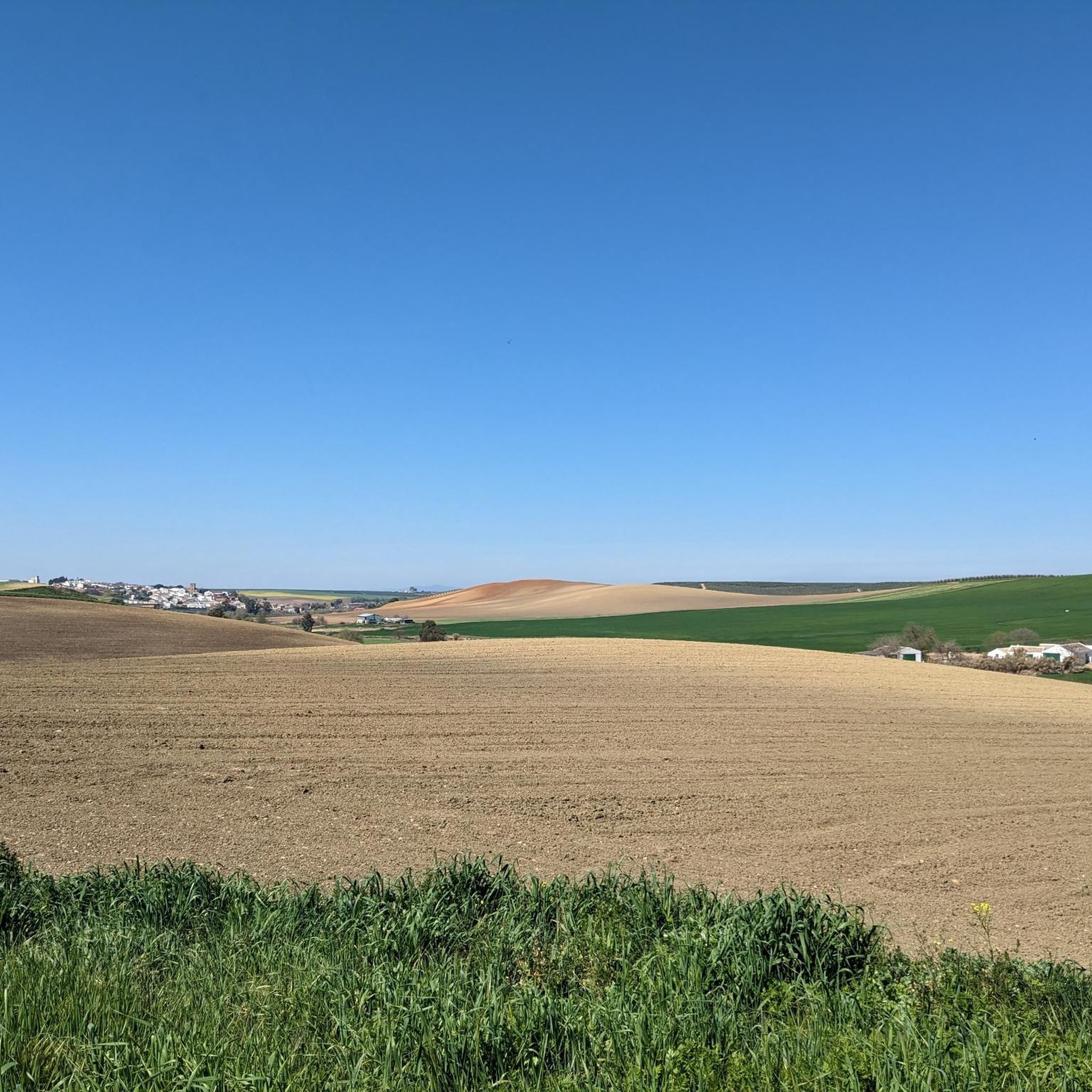
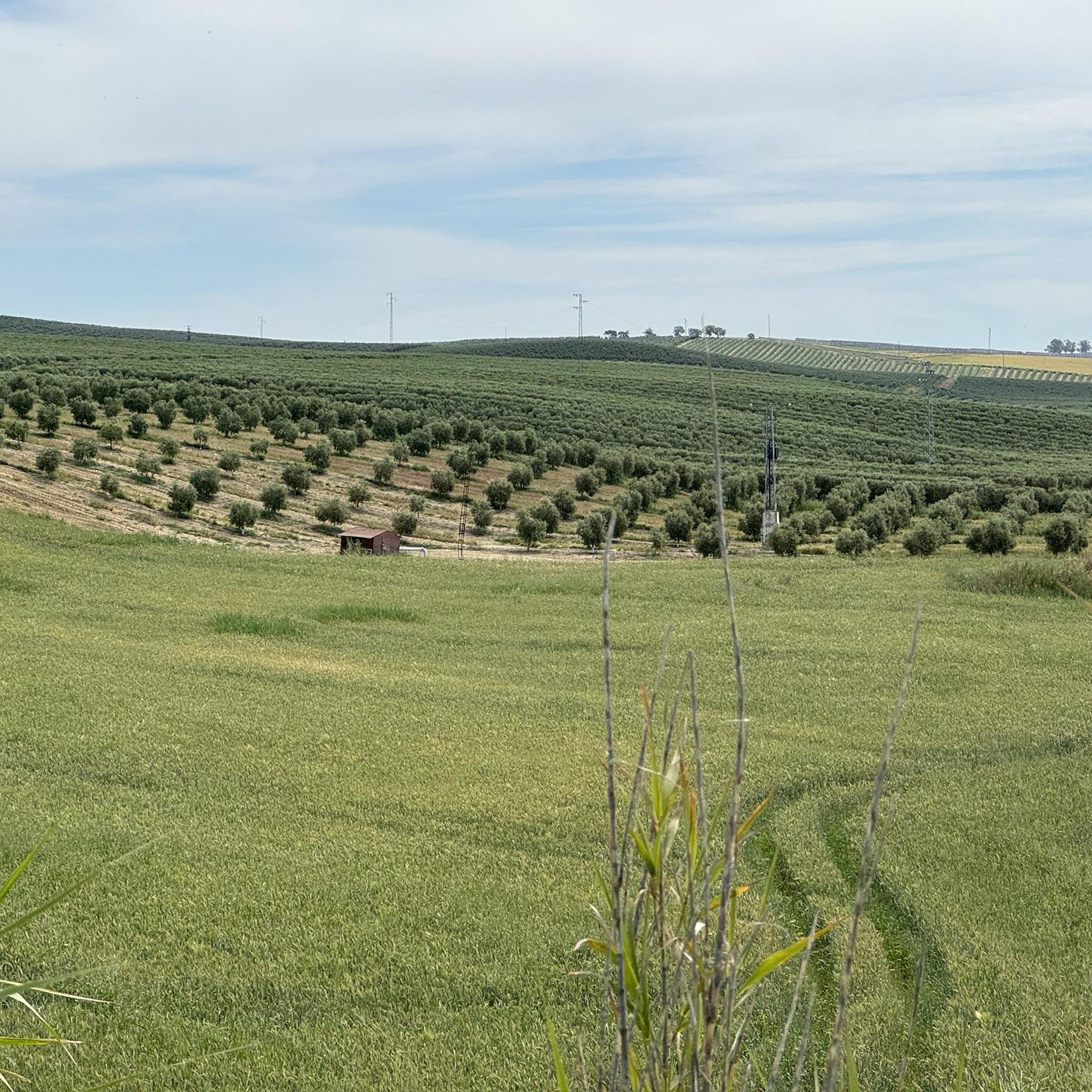
Road cycling around La Victoria features routes that traverse the agricultural plains and rolling hills of Andalusia. The terrain includes moderate ascents and descents, connecting historical towns and cultural landmarks. Cyclists can expect varied landscapes, from open fields to areas with olive groves, offering diverse riding experiences.
Best road cycling routes around La Victoria
- The most popular road cycling route is Medina Azahara Complex – Castle of Almodóvar del Río loop from La Carlota, a 59.3 miles (95.4 km)…
Last updated: July 11, 2026
81
riders
95.4km
03:54
530m
530m
Moderate road ride. Good fitness required. Mostly well-paved surfaces and easy to ride.
5.0
(2)
31
riders
63.4km
02:48
620m
620m
Moderate road ride. Good fitness required. Mostly well-paved surfaces and easy to ride.

Sign up for free
33
riders
72.1km
03:06
550m
550m
Moderate road ride. Good fitness required. Mostly well-paved surfaces and easy to ride.
20
riders
98.7km
04:24
990m
990m
Hard road ride. Very good fitness required. Mostly well-paved surfaces and easy to ride.
23
riders
58.1km
02:38
610m
610m
Moderate road ride. Good fitness required. Mostly well-paved surfaces and easy to ride.
Get access to more routes and recommendations from other explorers.
Sign up for free
Already have an account?
Our route recommendations are based on thousands of hikes, rides, and runs completed by other people on komoot.
Start today with a free account
Your next adventure awaits.
Login or Signup


Tips from the Community

Generations of stork families have made this location their home. You find them here every year during spring, refreshing their nests and rearing their young.
0
0

The municipality was founded under the leadership of the enlightened Pablo de Olavide and, by 1767, had a Central European population. Funded by the state at the request of King Charles III, the colonization was intended to promote agriculture and industry in an uninhabited area threatened by bandits, as well as to increase the security of the royal road connecting Madrid with Cadiz. Initially, the municipality belonged administratively to La Carlota, which, along with other municipalities, was also founded on this occasion.
1
0
Sebastian, and Easter eggs. It's safe to say that San Sebastián's colonial and "German" roots are still very present among its residents today, and they are often proud of them, so much so that even the local first name is "Sebastianenses" or "Alemanes." But... what about the language? Why has nothing of the language of these settlers survived to this day? The majority of the population was, of course, German, since the French settlers also came from German-speaking areas. It is believed that the first settlers and their children spoke exclusively German. However, when they came into contact with the locals, they had to learn Spanish. Therefore, it is quite possible that for several decades they spoke German among themselves, especially at home, and Spanish on the street or at work. Certainly, there were German expressions used when speaking Spanish, or words from both languages were mixed when speaking (as happens today in Gibraltar, where they speak the famous "Spanglish," a mixture of English and Spanish). Over the years and across generations, the German language fell into disuse until, almost 250 years later, it reached what it is today. It is striking that (at least as far as I know) there is not a single vernacular word or expression in German or of German origin. Proof that German expressions continued to exist in everyday life even when the Sebastianians spoke Spanish was provided to me by a good friend from the city named Sebastian. This man, about 55 years old, remembers how, when he was very young, his grandmother, who was already very old, fed the chickens instead of calling them with a voice of "PITAS, PITAS, PITAS!" He called them in German: KOMM, KOMM, KOMM! (come, come, come).
0
0

Castillo de Almodóvar del Río (Hisnu-l-mudawar; "the round castle") is a castle of Arab Muslim origin in the town of Almodóvar del Río, Province of Córdoba, Spain. Previously a Roman fort, the current structure is of Arab Umayyad origin, in the year 760. During the Middle Ages, it underwent several renovations and reconstructions. Between 1901 and 1936, it was restored by the owner Raphael Desmaissiers, 12th Count of Torravala, under the technical direction of the architect Adolfo Fernández Casanova. The most important towers are the Cuadrada, the Redonda, and the Homenaje.
3
0

The Guadalcabrillas Tower is one of the defensive towers that formed part of the fortification system of Cordoba. These towers were built to protect the city and its surroundings during the medieval period. Although it is not as well known as other monuments in Cordoba, it is an interesting place for lovers of history and architecture.
14
0

The Castillo de Almodóvar del Río, also known as Castillo de la Floresta, is located near the town of Almodóvar del Río and is a well-preserved and lavishly restored castle. The castle was built by the Moors in the 8th century for strategic reasons and was completed in the 12th century. Due to its location on a hill, it controlled a significant section of the Guadalquivir. The mighty towers of the complex are naturally reminiscent of the fortress and the wall of the Alhambra in Granada. The impressive fortress, which towers high above the Guadalquivir River, was the filming location for the series "Game of Thrones". Guided tours are offered to visitors to the castle.
4
0
A beautiful stretch of this route that runs along part of the old Córdoba-Marchena railway line. The construction of this line was completed by the Andalusian Railway Company in October 1885. Due to the high operating deficit, the RENFE dismantled this line in 1971. Since 1993, the "Foundation of Spanish Railways", in collaboration with other organizations, has been converting these old railway lines into cycle tourist routes. The Vía Verde de la Campiña is a scenic cycle route that runs from Córdoba through the rural region of the Campiña to the town of Marchena. The route of the Via Verde also passes through landscapes on the banks of the Guadalquivir, mainly characterized by cereal cultivation. An easy and pleasant cycle route that offers the perfect way to explore part of the provinces of Córdoba and Seville on two wheels.
3
0

The old parish church of Santa María belonged to the Gothic-Mudejar type of church. It seems that it was built by D. Pedro Fernández Gragera, a knight in the service of San Fernando in the reconquest of Écija. According to sources, it was completed in 1262. The structure was designed with three naves and a polygonal head, later two side naves were added, so its plan was irregular, with a tower, a patio with orange trees and a cemetery. The building was extensively renovated in the 16th and 17th centuries, with the church being demolished and rebuilt in 1758.
4
0
Frequently Asked Questions
How many road cycling routes are available in La Victoria?
La Victoria offers a diverse selection of road cycling routes, with over 25 routes available. These routes cater to various skill levels, from moderate loops to more challenging rides with significant elevation gain.
What kind of terrain can I expect when road cycling around La Victoria?
Road cycling around La Victoria features routes that traverse the agricultural plains and rolling hills of Andalusia. The terrain includes moderate ascents and descents, connecting historical towns and cultural landmarks. You can expect varied landscapes, from open fields to areas with olive groves.
Are there routes suitable for beginners or those looking for an easy ride?
Yes, while many routes are moderate, there is at least one easy road cycling route available in La Victoria. These routes are perfect for those new to road cycling or looking for a more relaxed experience through the scenic agricultural landscapes.
What are some challenging road cycling routes in La Victoria?
For experienced cyclists seeking a challenge, La Victoria offers several difficult routes. One notable option is the La Fuencubierta – Ducal Palace of Fernán Núñez loop from La Carlota, which is 59.2 miles (95.3 km) long and features nearly 1000 meters of elevation gain, often completed in about 4 hours 15 minutes.
What historical sites or landmarks can I see along the road cycling routes?
Many routes in La Victoria pass by significant historical sites and cultural landmarks. For instance, the Medina Azahara Complex – Castle of Almodóvar del Río loop from La Carlota takes you past the impressive Castle of Almodóvar del Río. Another route, the La Fuencubierta – Ducal Palace of Fernán Núñez loop from La Carlota, leads towards the beautiful Ducal Palace of Fernán Núñez.
Are the road cycling routes in La Victoria typically circular?
Yes, many of the road cycling routes around La Victoria are designed as loops, offering convenient starting and ending points. Examples include the Medina Azahara Complex – Castle of Almodóvar del Río loop from La Carlota and the La Rambla – La Rambla, Pottery City loop from La Carlota.
What do other cyclists say about road cycling in La Victoria?
The road cycling routes in La Victoria are highly rated by the komoot community, with an average score of 5.0 stars from 9 reviews. Over 400 road cyclists have used komoot to explore the varied terrain, often praising the scenic agricultural landscapes and the connection to historical towns.
What is the best time of year to go road cycling in La Victoria?
Given its location in Andalusia, the best time for road cycling in La Victoria is typically during the spring (March to May) and autumn (September to November). During these seasons, temperatures are milder and more comfortable for longer rides, avoiding the intense heat of summer.
Where can I find facilities or rest areas along the routes?
Along some routes, you can find convenient facilities and rest areas. For example, the Guadalcazar Recreation Area and La Pineda rest area are available. You might also find a water fountain in Guadalcazar for hydration.
Are there good starting points for road cycling in La Victoria, especially with parking?
Many popular routes, such as the Medina Azahara Complex – Castle of Almodóvar del Río loop, often start from La Carlota. While specific parking information isn't detailed for every route, La Carlota serves as a common and accessible hub for beginning your cycling adventure.
Can I combine road cycling with other activities or attractions in La Victoria?
Absolutely! The region's road cycling routes often pass through or near charming towns and historical sites. You can plan your ride to include stops at places like the Pottery City, or explore the Via Verde de la Campiña, which is a dedicated cycle path offering a different kind of riding experience.
Are there any long-distance road cycling routes in the area?
Yes, La Victoria offers several long-distance routes. For example, the Medina Azahara Complex – Castle of Almodóvar del Río loop from La Carlota is 59.3 miles (95.4 km) long, and the La Fuencubierta – Ducal Palace of Fernán Núñez loop from La Carlota is 59.2 miles (95.3 km), providing substantial distances for endurance cyclists.
Most popular routes around La Victoria
Most popular attractions around La Victoria

Get inspired with the komoot mobile app


Explore more
Browse the best Road cycling routes in other regions.
