Attractions and Places To See in the Cordillera de Talamanca - Top 20
Best attractions and places to see in the Cordillera de Talamanca include a majestic mountain range spanning southern Costa Rica and extending into western Panama. This region is a biodiversity hotspot, characterized by rugged terrain, towering peaks, and diverse ecosystems, from tropical rainforests to high-altitude páramo. It is home to several Indigenous communities whose cultural heritage is deeply intertwined with the landscape. The Cordillera de Talamanca offers a rich tapestry of experiences for nature enthusiasts and cultural explorers.
Best attractions…
Last updated: July 2, 2026
Crestones Base Camp
Highlight • Mountain Hut
Tip by

Cerro Chirripó Summit
Highlight • Summit
Tip by
Sign up now to discover places like this
Get recommendations on the best single tracks, peaks, & plenty of other exciting outdoor places.
Sign up for free
Nauyaca Waterfalls
Highlight • Waterfall
Translated by Google •
Tip by

National Theatre of Costa Rica
Highlight • Monument
Translated by Google •
Tip by

Volcán Barú Summit
Highlight • Summit
Tip by
Cenizo (Ulmus Mexicana) – The 1,000-Year-Old Tree
Highlight • Natural Monument
Tip by

Entrance to Marino Ballena National Park
Highlight • Rest Area
There are trails in both directions.
Parking is available.
Translated by Google •
Tip by

Whale Tail Sandbar Hike (Parque Nacional Marino Ballena)
Highlight • Beach
Translated by Google •
Tip by

El Pianista
Highlight • Trail
Translated by Google •
Tip by

Third Waterfall, Parque Internacional La Amistad
Highlight • Waterfall
Translated by Google •
Tip by

Sign up for free to discover even more attractions in the Cordillera de Talamanca.
Sign up for free
Already have an account?
Start today with a free account
Your next adventure awaits.
Login or Signup
Popular around Cordillera de Talamanca
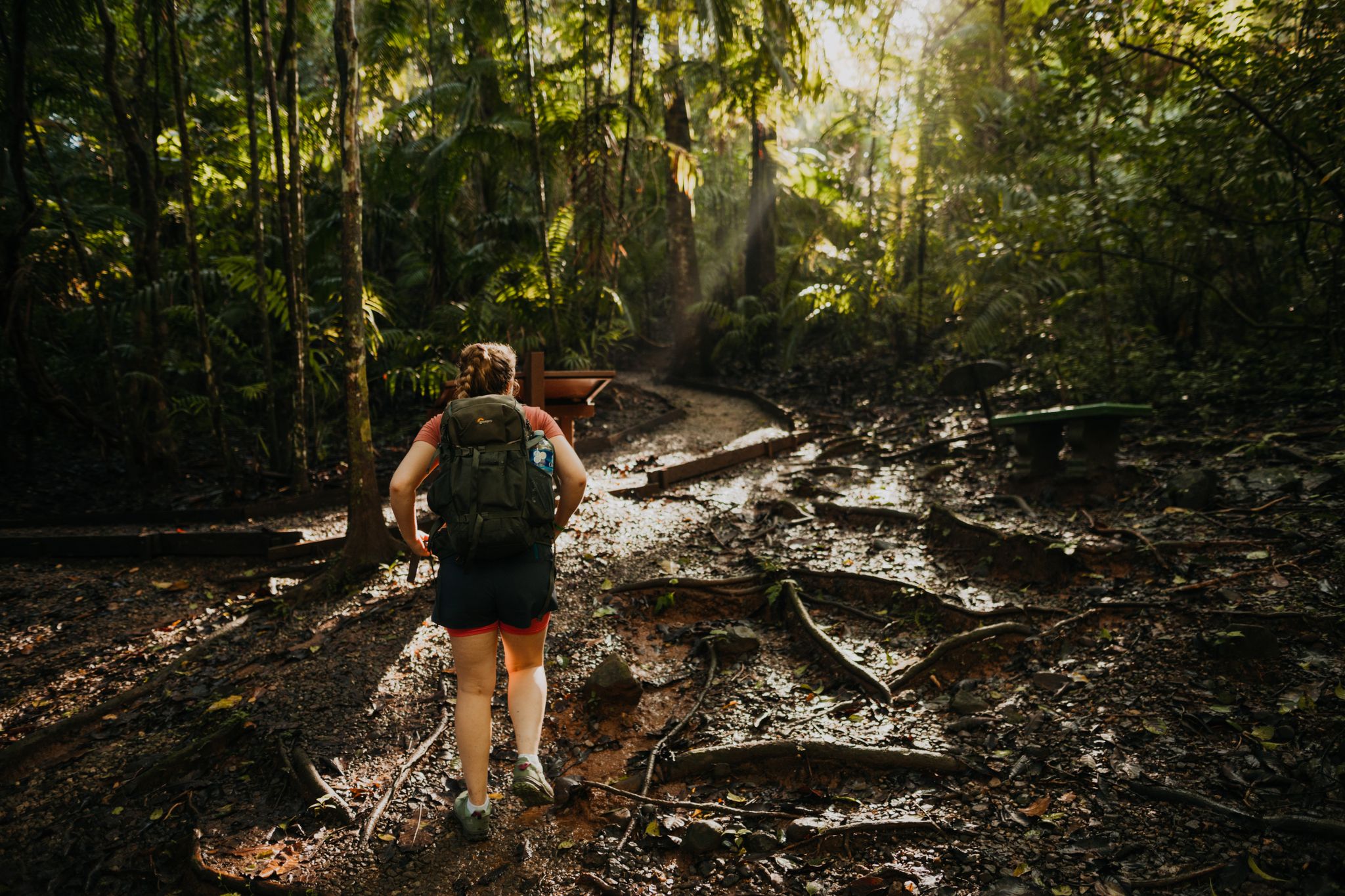
Through the rainforest up to 3,300 metres – hiking in Panama
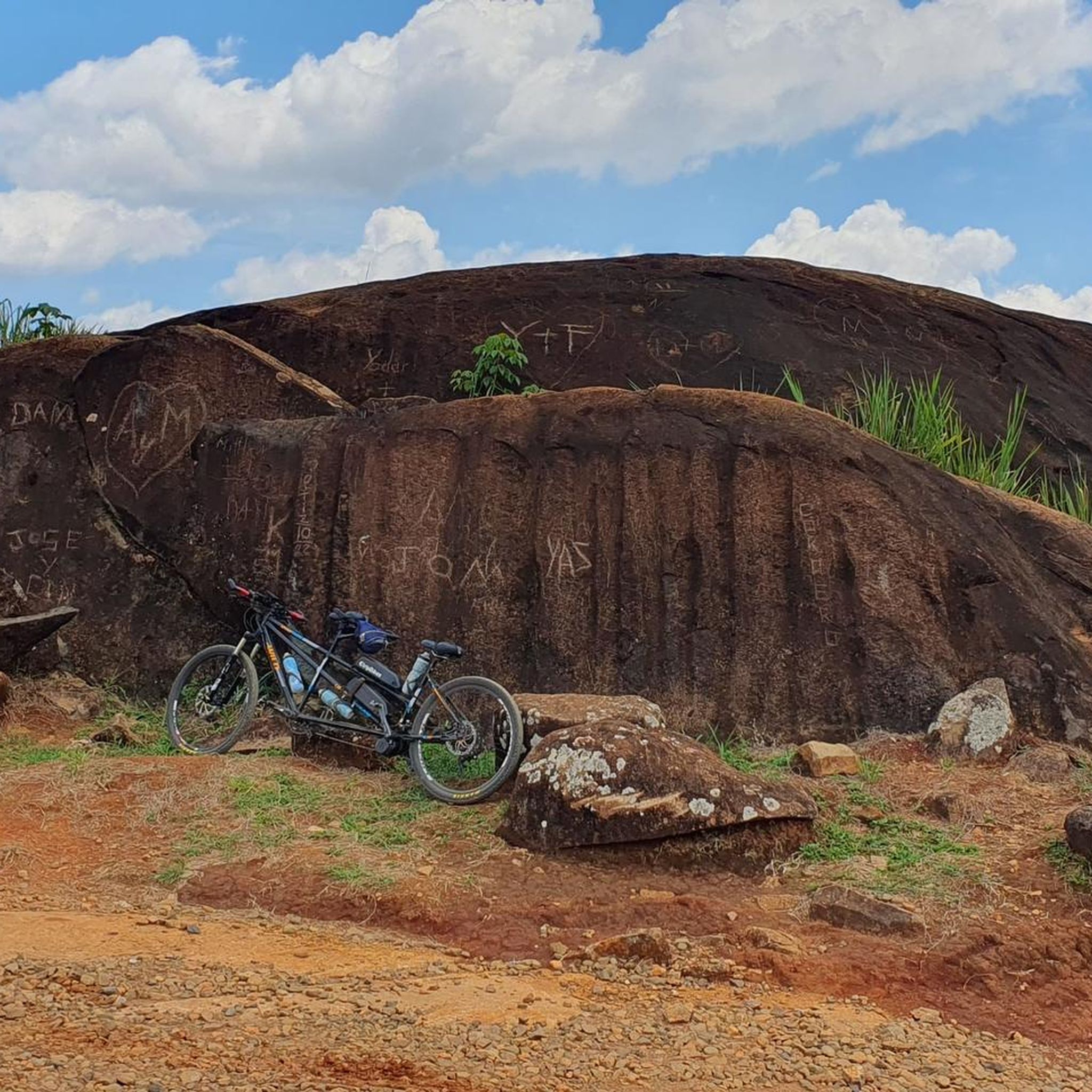
Hiking in the Cordillera de Talamanca
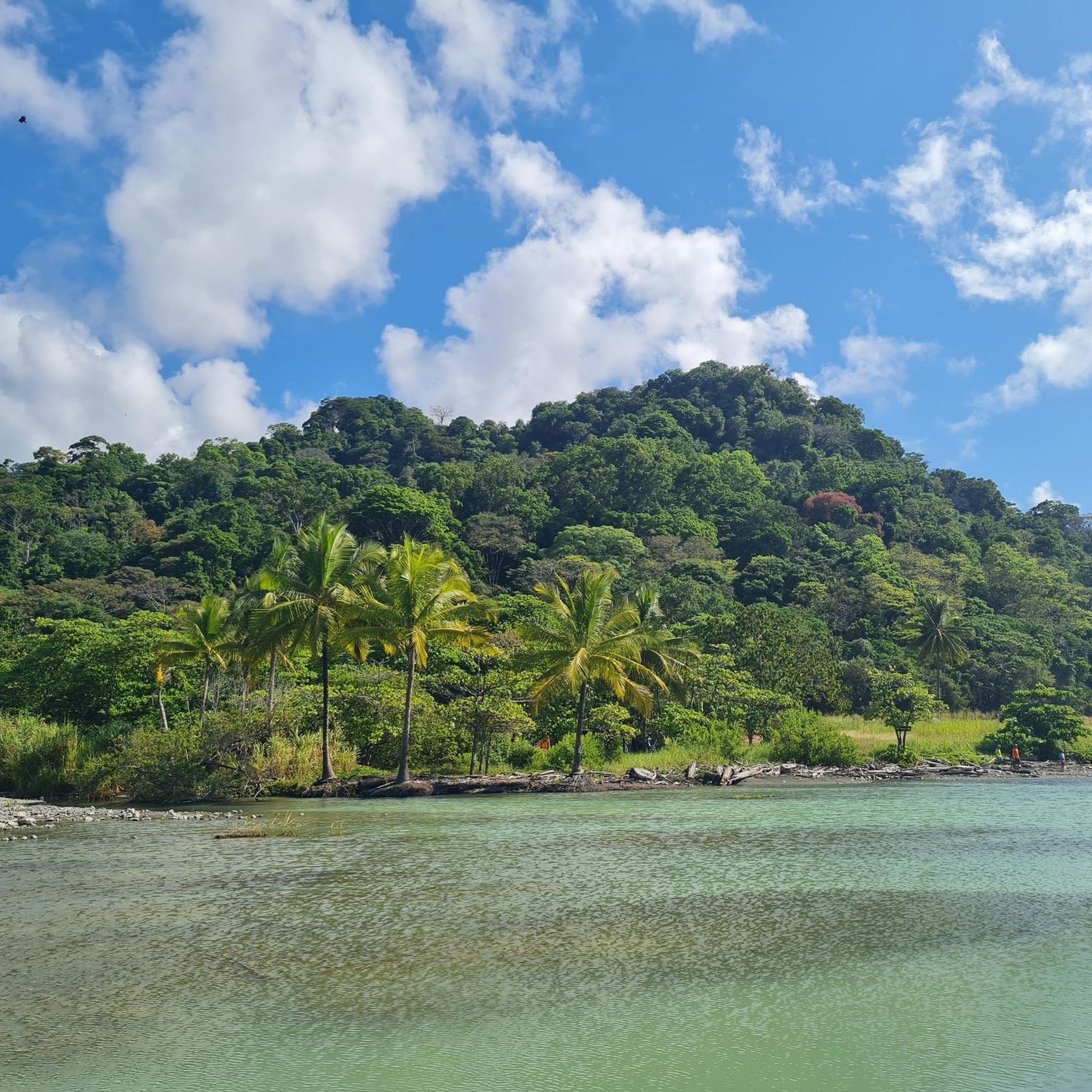
Road Cycling Routes in the Cordillera de Talamanca
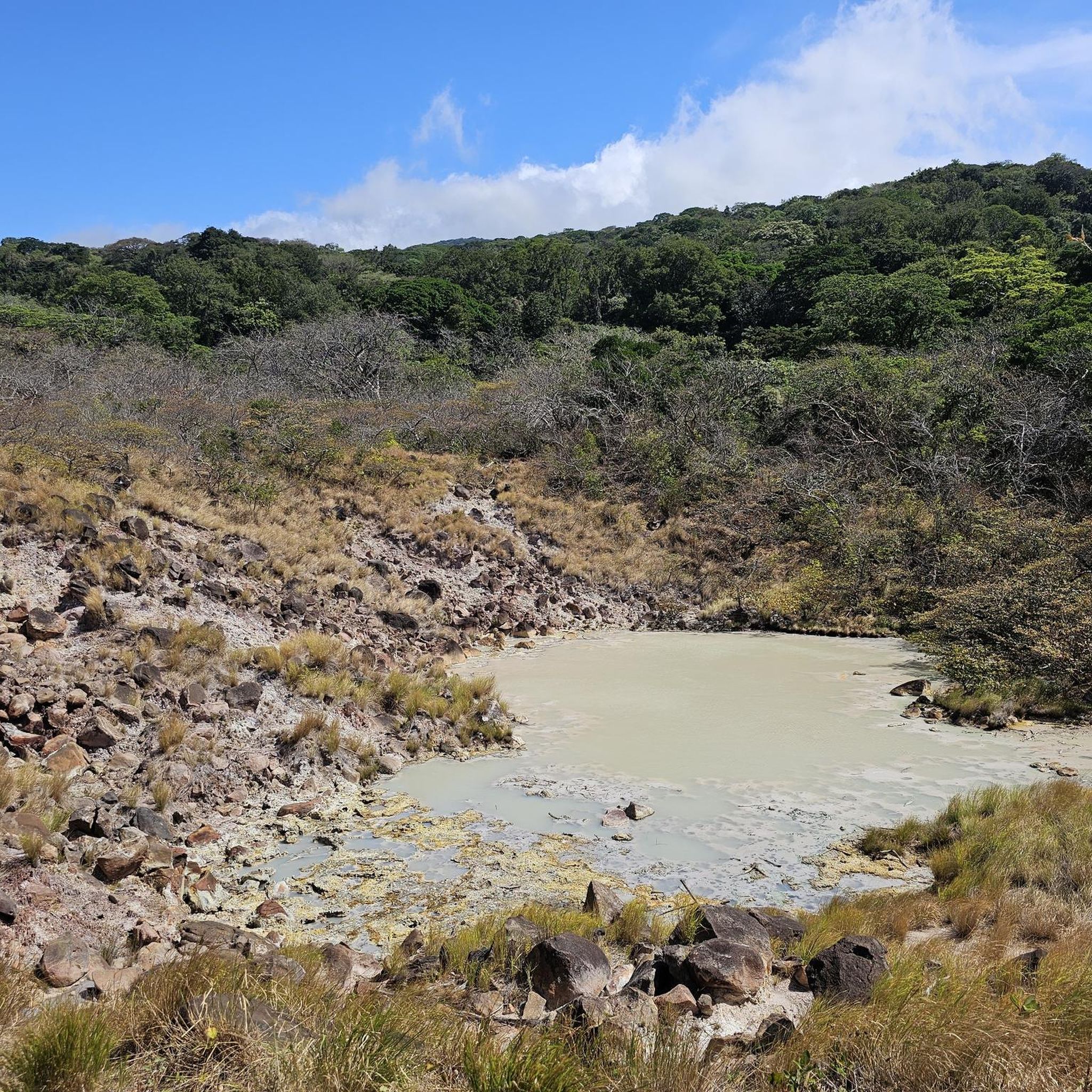
Cycling in the Cordillera de Talamanca
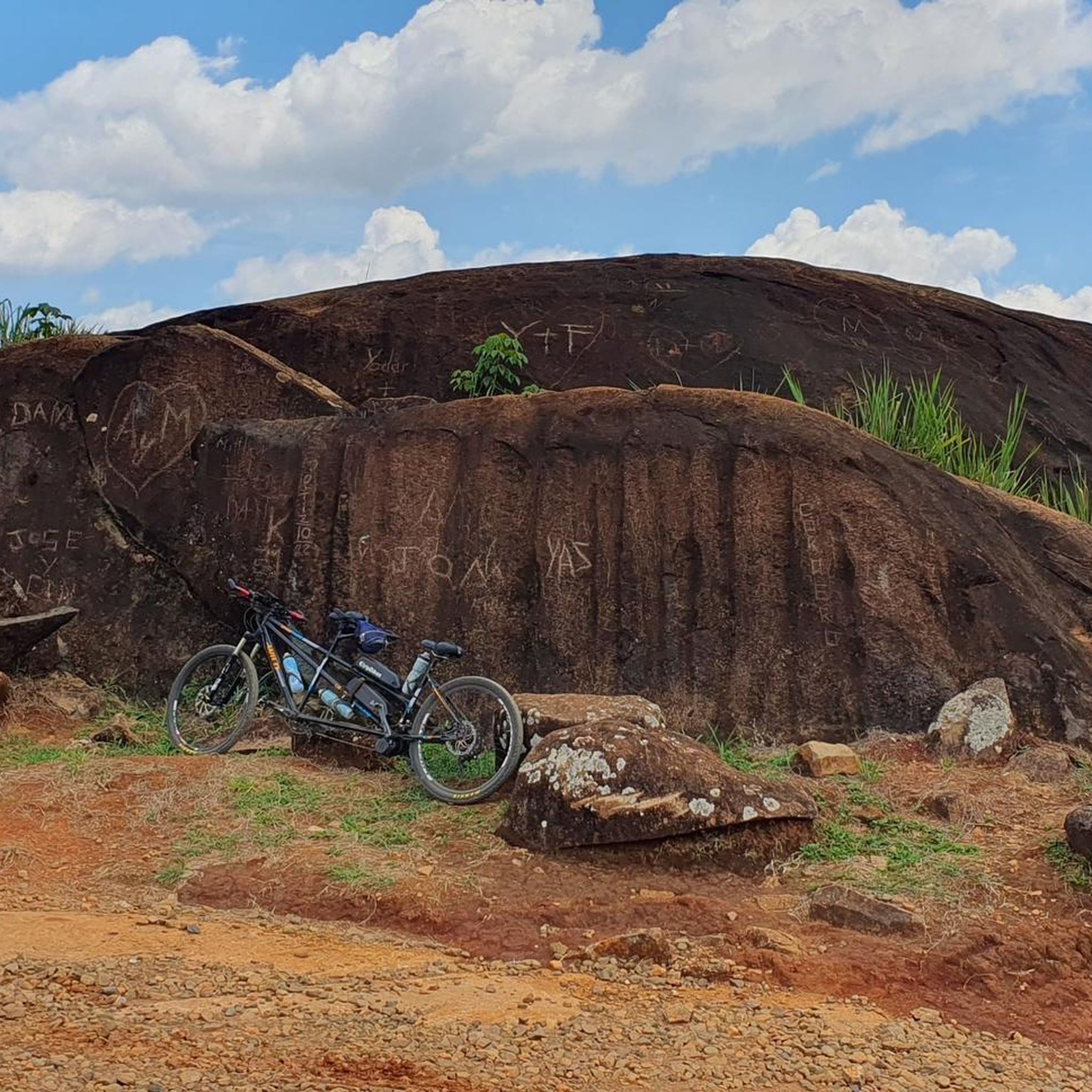
MTB Trails in the Cordillera de Talamanca

Running Trails in the Cordillera de Talamanca
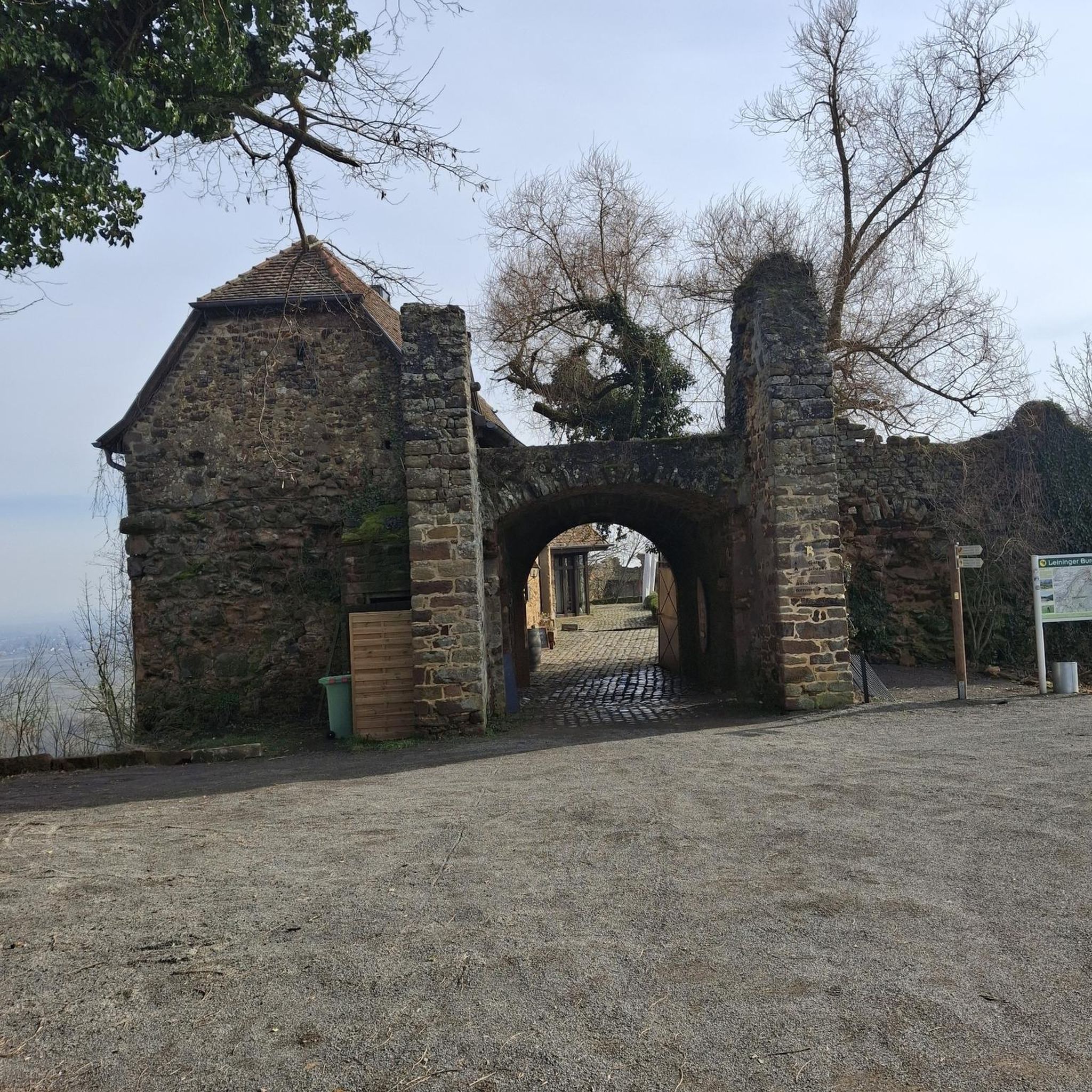
Gravel biking in the Cordillera de Talamanca
Other adventures in the Cordillera de Talamanca

Tips from the Community

Marino Ballena National Park near Uvita protects a spectacular coastal landscape. The park is famous for its whale-shaped sandbar, visible at low tide. Mangroves, reefs, and beaches provide habitat for sea turtles. Humpback whales migrate past the park between July and October, and again from December to April. The park is ideal for snorkeling, hiking, and enjoying relaxing sunsets every day.
0
0
Marino Ballena National Park near Uvita protects a spectacular coastal landscape. The park is famous for its whale-shaped sandbar, visible at low tide. Mangroves, reefs, and beaches provide habitat for sea turtles. Humpback whales migrate past the park between July and October, and again from December to April. The park is ideal for snorkeling, hiking, and enjoying relaxing sunsets every day.
0
0
The National Theater of Costa Rica is the cultural heart of San José. This magnificent 19th-century building impresses with its neoclassical architecture, marble, frescoes, and gold decorations. Today, it hosts concerts, operas, and guided tours, making it a perfect place for a brief stop in the city. Centrally located, it's a popular meeting point for travelers, locals, and culture enthusiasts alike.
0
0


Tourist site, with no easier access.
1
0

For hikes to Chirripó or in the surrounding area, it is a good idea to spend at least one night in camp. From San Gerardo de Rivas, the climb to the camp takes 6 to 8 hours, and to the summit another 2.5 hours if you are in good shape. The supplies at the camp are very good; you get wholesome meals and there is a kiosk. You can borrow blankets, towels, etc., thus saving on backpack weight. Luggage transport is also offered, but in my opinion it is not necessary. For the descent, if you are in good shape, you should plan on 1-1.5 hours from the summit and 5-6 hours back to the valley. It is quite a knee-breaker on the way back, but it is worth it. There are hardly any people in the park and the nature is simply unbelievably beautiful. We were there in April and had two days with good weather until late afternoon, after which the clouds move up the mountain. You can park in San Gerardo de Rivas in several private parking lots for little money.
1
0

Good shoes will help you master the challenging trail. Turn back at the "Mirador Pianista."
1
0

Frequently Asked Questions
What are some notable natural landmarks and viewpoints in the Cordillera de Talamanca?
The region is home to several impressive natural landmarks. You can visit the Cerro Chirripó Summit, Costa Rica's highest peak, offering panoramic views. Another significant landmark is the Volcán Barú Summit, Panama's tallest mountain. For unique coastal views, explore the Whale Tail Sandbar in Marino Ballena National Park, visible at low tide.
Where can I find beautiful waterfalls to visit in the Cordillera de Talamanca?
The Cordillera de Talamanca boasts several stunning waterfalls. The Nauyaca Waterfalls are a popular attraction where visitors can also observe wildlife. Another picturesque option is the San Gerardo de Dota Waterfall, nestled in a misty cloud forest area. You can find easy and difficult waterfall hikes in the region, such as the 'View of the Río Barú – Upper Nauyaca Waterfall loop' or the 'Suspension Bridge – San Ramón Waterfall loop', detailed in the Waterfall hikes in the Cordillera de Talamanca guide.
Are there any ancient trees or significant forests to visit?
Yes, a remarkable natural monument is the Cenizo (Ulmus Mexicana) – The 1,000-Year-Old Tree. Visiting this ancient tree offers an impressive experience hiking through a mountain rainforest, allowing you to witness a testament to the region's long-standing natural heritage.
What kind of wildlife can I expect to see in the Cordillera de Talamanca?
The Cordillera de Talamanca is a biodiversity hotspot. In areas like Chirripó National Park, you might spot spider monkeys, tapirs, and jaguars. The cloud forests around San Gerardo de Dota and Los Quetzales National Park are prime locations for birdwatching, especially for the vibrant Resplendent Quetzal. Coastal areas like Marino Ballena National Park are vital for sea turtles and serve as a migration path for humpback whales.
What are some popular hiking trails in the Cordillera de Talamanca?
The region offers diverse hiking experiences. The trek to Cerro Chirripó Summit is a significant draw, often involving a stop at Crestones Base Camp. Another popular option is the El Pianista trail, which meanders through dense rainforest. For easier options, consider routes like the 'Nauyaca Waterfalls loop' or the 'Savegre River – Waterfall on the Río Savegre loop' found in the Easy hikes in the Cordillera de Talamanca guide.
Are there options for mountain biking in the Cordillera de Talamanca?
Yes, the Cordillera de Talamanca offers challenging routes for mountain biking. You can explore trails like the 'View of Ujarrás and Cachí Dam – Cachí artificial lake loop' or the 'La Estrella – The Yellow Bus loop'. More details on these and other routes can be found in the MTB Trails in the Cordillera de Talamanca guide.
Are there family-friendly attractions or activities in the Cordillera de Talamanca?
Yes, several attractions are suitable for families. The Entrance to Marino Ballena National Park provides access to beaches and trails, including the famous Whale Tail Sandbar, which can be an exciting experience for children at low tide. The National Theatre of Costa Rica, while outside the immediate mountain range, is a cultural site that is wheelchair accessible and listed as family-friendly.
When is the best time to visit the Cordillera de Talamanca for outdoor activities?
The Cordillera de Talamanca generally experiences a dry season from December to April, which is often considered the best time for hiking and outdoor activities due to less rainfall and clearer skies. The wet season, from May to November, brings lush greenery but also more challenging trail conditions and potential for afternoon showers.
Do I need permits to access national parks or specific trails in the Cordillera de Talamanca?
Yes, many national parks and protected areas within the Cordillera de Talamanca, such as Chirripó National Park and La Amistad International Park, require permits or entrance fees for access. It's advisable to check the specific requirements for each park or trail you plan to visit, as some popular treks, like Cerro Chirripó, may require advance reservations, especially during peak seasons.
Are there any cultural sites or indigenous communities I can learn about?
The Cordillera de Talamanca is home to several Indigenous communities, including the Bribri and Cabécar, whose rich cultural heritage is deeply connected to the landscape. These communities preserve traditional knowledge and practices. While specific visitor access varies, their presence highlights the region's cultural significance. The La Amistad International Park, a UNESCO World Heritage site, also reflects the cultural and ecological meeting point of North and South American influences.
What is the difficulty level of hiking trails in the Cordillera de Talamanca?
Hiking trails in the Cordillera de Talamanca range from easy to challenging. You can find easy loops like the 'Nauyaca Waterfalls loop' suitable for many visitors. However, the region is also known for its demanding routes, such as the ascent to Cerro Chirripó Summit or Volcán Barú Summit, which are considered challenging due to high altitudes and rugged terrain. Always check the difficulty rating for specific trails before you go.
Can I bring my dog on trails in the Cordillera de Talamanca?
Regulations regarding pets, especially dogs, vary significantly within the Cordillera de Talamanca. While some trails outside national parks might be dog-friendly, national parks in Costa Rica generally have strict rules prohibiting pets to protect wildlife and ecosystems. Always verify the specific park or trail's pet policy before planning your visit.
Most popular routes in the Cordillera de Talamanca
Most popular attractions in the Cordillera de Talamanca

Get inspired with the komoot mobile app


Explore more
Still not found the Highlight you’re looking for? See guides of the top attractions in other regions:
