The best cycling routes around Flor Da Rosa
20
riders
5
rides
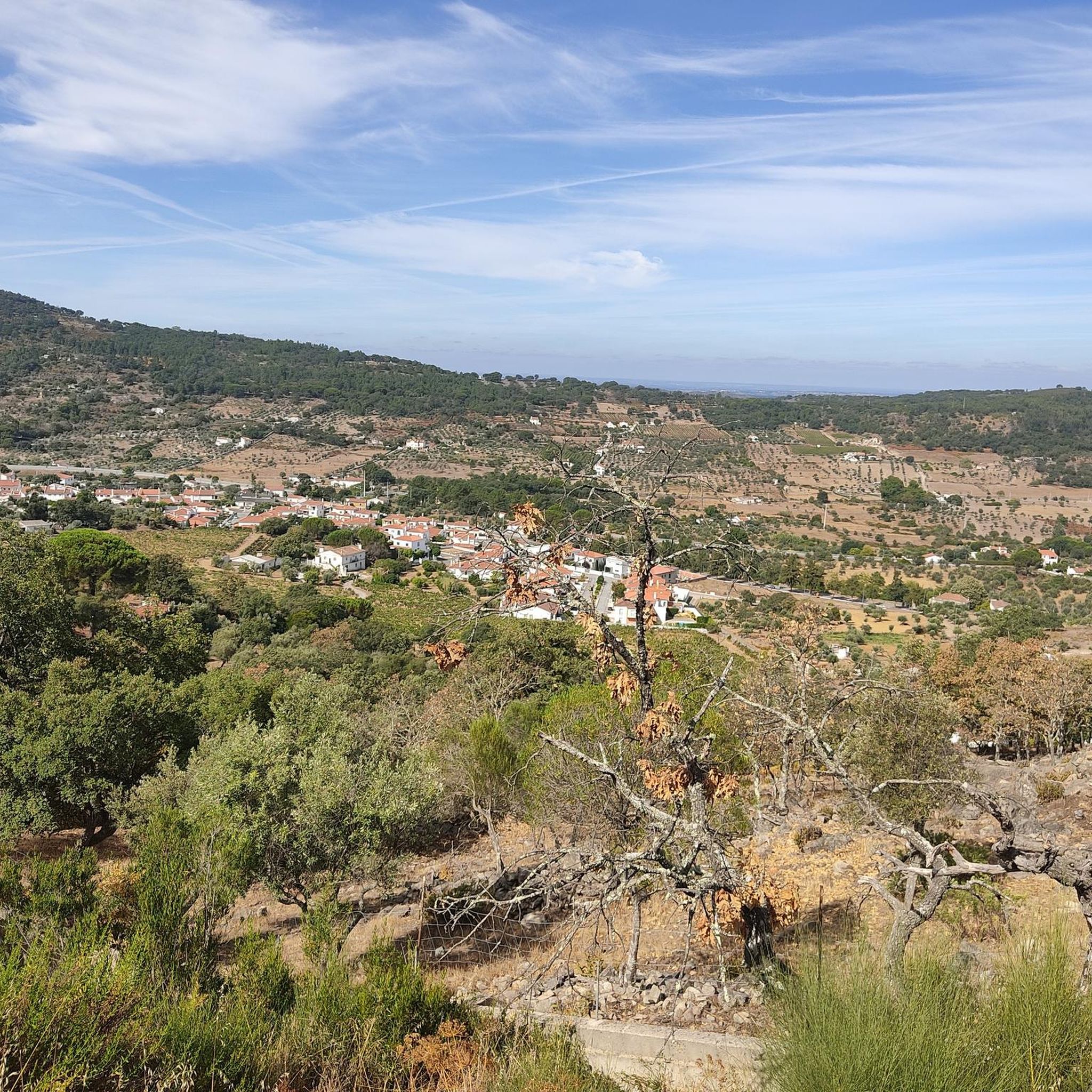
Touring cycling around Flor Da Rosa is set within the expansive Alentejo plain, characterized by an agricultural landscape. The region features fields of cork and olive trees, vineyards, and farmlands. Secondary roads, often well-maintained, provide routes through this rural environment.
Best touring cycling routes around Flor Da Rosa
- The most popular touring cycling route is Flor da Rosa Monastery – Alter do Chão Castle loop from Vale do Peso, a 34.9 miles (56.1 km) trail that takes 3 hours…
Last updated: June 27, 2026
5
riders
56.1km
03:37
530m
530m
Hard bike ride. Very good fitness required. Mostly paved surfaces. Suitable for all skill levels.
7
riders
58.8km
03:48
740m
740m
Hard bike ride. Very good fitness required. Mostly paved surfaces. Suitable for all skill levels.

Sign up for free
3
riders
33.6km
01:58
220m
220m
Moderate bike ride. Good fitness required. Mostly paved surfaces. Suitable for all skill levels.
3
riders
46.5km
03:57
380m
380m
Moderate bike ride. Good fitness required. Mostly paved surfaces. Suitable for all skill levels.
2
riders
46.7km
03:50
340m
340m
Moderate bike ride. Good fitness required. Mostly paved surfaces. Suitable for all skill levels.
Our route recommendations are based on thousands of hikes, rides, and runs completed by other people on komoot.
Start today with a free account
Your next adventure awaits.
Login or Signup
Popular around Flor Da Rosa

Tips from the Community

The castle was founded by King D. Dinis in 1290, with the aim of defending the Alentejo border. Originally, it had an imposing structure with a double ring of walls, twelve towers and eight gates. Over the centuries, it lost part of its structure to the growth of the city, but it remains a National Monument. The Keep is the best-preserved part of the original complex. Inside, there is a museum that you can visit.
1
0

Portalegre is a historic town in the Serra de São Mamede near the Spanish border, known for its medieval strategic role and rich religious and architectural heritage. It became a city in the 16th century under King João III. Today, it blends baroque charm with cultural landmarks like the Tapestry Museum and José Régio’s House-Museum.
0
0
The Castle of Portalegre is a medieval Portuguese castle located in the town of Portalegre. Positioned on a high point overlooking the old town, it stands out for its dark walls contrasting with whitewashed houses. Historically, it served as a key defense on the frontier with Castile.
1
1

Between walls and legends of tragic love, the fields around Flor da Rosa hold memories that can be felt at every step. The Monastery, founded in 1356 by D. Álvaro Pereira, stands out as one of the most unique examples of Portuguese Gothic: a fusion of fortress and temple, a living legacy of the Order of the Hospital.
2
0

The Castle of Alter do Chão, in Alentejo, is located in the parish of Alter do Chão, in the town and municipality of the same name, district of Portalegre, in Portugal. In the historic center of the town, this castle is representative of 16th century medieval architecture, when it cooperated with the neighboring Castle of Alter Pedroso in the defense of this region. Alter do Chão Castle has been classified as a National Monument since 1910.
6
0

Magnificent medieval castle which was reconquered from the Arabs during the reign of D. Afonso II. It is classified as a National Monument.
18
0
Frequently Asked Questions
How many touring cycling routes are available in Flor da Rosa?
Flor da Rosa offers 5 dedicated touring cycling routes. These routes vary in difficulty, with 3 classified as moderate and 2 as difficult, providing options for different skill levels.
What kind of terrain can I expect on touring cycling routes around Flor da Rosa?
The touring cycling routes in Flor da Rosa traverse the expansive Alentejo plain, characterized by an agricultural landscape. You'll cycle through fields of cork and olive trees, vineyards, and farmlands. While many secondary roads are well-maintained, some routes, like the Flor da Rosa Monastery – Alter do Chão Castle loop from Vale do Peso, may feature unpaved sections, requiring good fitness or a suitable bike.
Are there any easy or beginner-friendly touring cycling routes in Flor da Rosa?
While there are no routes specifically classified as 'easy' in our current selection, there are moderate options that might be suitable for beginners with some cycling experience. For example, the Flor da Rosa Monastery loop from Monte da Pedra is a moderate 33.6 km route with less elevation gain compared to the difficult trails.
Can I find circular touring cycling routes in the area?
Yes, many of the touring cycling routes around Flor da Rosa are designed as loops. Examples include the Flor da Rosa Monastery – Alter do Chão Castle loop from Vale do Peso, the Flor da Rosa Monastery – Portalegre Castle loop from Portalegre, and the Flor da Rosa Monastery loop from Monte da Pedra, allowing you to start and finish at the same point.
What are some notable landmarks or attractions I can see while cycling near Flor da Rosa?
A primary attraction is the Monastery of Flor da Rosa itself, a significant Gothic fortress church. Many routes, such as the Flor da Rosa Monastery loop from Tolosa, pass by or near this historic monument. The broader region also features picturesque fields of cork and olive trees, vineyards, and the historic quarter of Crato with its Arab walls.
Is it possible to rent a bike in or near Flor da Rosa?
Bike rentals, including mountain bikes and trekking bikes, are available in the wider Alentejo region. While specific rental shops in Flor da Rosa are not detailed, some local accommodations may offer easy routes for less experienced cyclists, potentially including bike access.
What is the best time of year to go touring cycling in Flor da Rosa?
The Alentejo region generally offers pleasant cycling conditions for much of the year. Spring and autumn are typically ideal, with milder temperatures and beautiful landscapes. Summers can be very hot, so early morning or late afternoon rides are recommended if cycling during this season.
Are there options for more challenging touring cycling routes?
Yes, Flor da Rosa offers challenging routes for experienced touring cyclists. The Flor da Rosa Monastery – Portalegre Castle loop from Portalegre is a difficult 58.8 km path with significant elevation gain, traversing varied landscapes. Another difficult option is the Flor da Rosa Monastery – Alter do Chão Castle loop from Vale do Peso.
Are the touring cycling routes around Flor da Rosa suitable for families?
The region offers diverse routes, but many listed are moderate to difficult with some unpaved sections. For families with younger children or less experienced cyclists, it's advisable to choose shorter, flatter sections or inquire about specific easy routes offered by local accommodations. The tranquil rural backdrop is generally safe and pleasant for cycling.
Can I bring my dog on touring cycling routes in Flor da Rosa?
While specific regulations for dogs on cycling routes are not detailed, the rural and natural environment of Flor da Rosa and the Alentejo plain is generally dog-friendly. It's always recommended to keep dogs on a leash, especially near farmlands or livestock, and to ensure they are comfortable with the distance and terrain of your chosen route.
Where can I find parking when starting a touring cycling route in Flor da Rosa?
Parking is generally available in the vicinity of key attractions like the Monastery of Flor da Rosa or in the town of Crato. When planning your route, consider starting points in villages or near landmarks where public parking is typically accessible.
How can I reach Flor da Rosa using public transport with my bike?
Flor da Rosa is located in the municipality of Crato. While direct public transport options specifically for cyclists are not detailed, regional bus services or trains to nearby larger towns in the Alentejo region might offer connections. It's best to check with local transport providers for their bike carriage policies.
Are there places to stop for food or drinks along the touring cycling routes?
The Alentejo region is known for its rural charm, and while specific cafes or pubs on every route are not listed, you can often find local establishments in the small towns and villages you pass through. The Taberna do Claro loop from Crato, for instance, suggests a stop at a local eatery.
Most popular routes around Flor Da Rosa

Get inspired with the komoot mobile app


Explore more
Browse the best Cycling routes in other regions.
