The best MTB trails around Flor Da Rosa
4.7
(7)
25
riders
7
rides
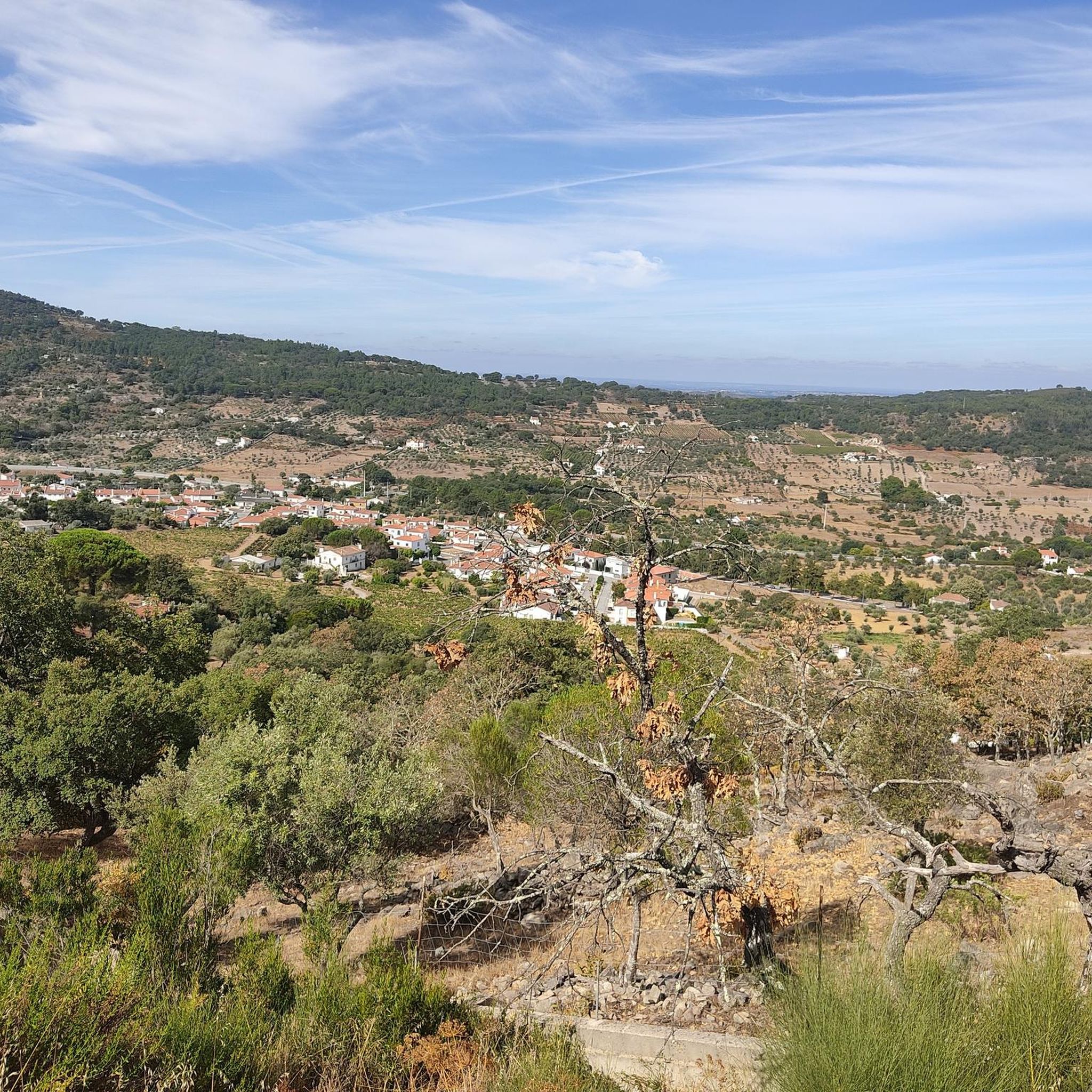
Mountain biking around Flor Da Rosa offers diverse terrain characterized by rolling hills, vast plains, and ancient cork oak forests. The region features numerous country paths and dirt tracks that wind through olive groves and vineyards, providing varied conditions for off-road cycling. This landscape includes gentle slopes and some steeper inclines, catering to different skill levels. Riders can expect tranquil, unspoiled nature with views of watercourses and local wildlife.
Best mountain bike trails in Flor Da Rosa
- The most popular…
Last updated: October 11, 2026
4.8
(4)
4
riders
47.0km
03:41
390m
390m
Moderate mountain bike ride. Good fitness required. Suitable for all skill levels.
4.7
(3)
3
riders
48.1km
03:47
310m
310m
Moderate mountain bike ride. Good fitness required. Suitable for all skill levels.

3
riders
47.8km
03:39
410m
410m
Moderate mountain bike ride. Good fitness required. Suitable for all skill levels.
6
riders
86.0km
07:00
820m
820m
Hard mountain bike ride. Very good fitness required. Suitable for all skill levels.
4
riders
94.9km
07:14
860m
860m
Hard mountain bike ride. Very good fitness required. Suitable for all skill levels.
Get access to more routes and recommendations from other explorers.
Already have an account?
Our route recommendations are based on thousands of hikes, rides, and runs completed by other people on komoot.
Start today with a free account
Your next adventure awaits.
Popular around Flor Da Rosa

Tips from the Community

In Tolosa, municipality of Nisa, Santo Amaro is linked to the historic chapel south of the village and to the traditional Romaria de Santo Amaro, which takes place annually on the Monday after Easter.
0
0

The chafurdão is a traditional dry-stone shelter with a false dome, typical of the region’s vernacular heritage. Though most surviving examples are recent (the oldest dated to 1733), they follow ancient construction techniques. Oriented toward sunrise, these structures include ventilation and lighting through wall openings. Built for temporary use by farmers and shepherds, they often have walled pens and a compact earth-covered roof stabilized by stone capping.
0
0
The chafurdão is a traditional dry-stone shelter with a false dome, typical of the region’s vernacular heritage. Though most surviving examples are recent (the oldest dated to 1733), they follow ancient construction techniques. Oriented toward sunrise, these structures include ventilation and lighting through wall openings. Built for temporary use by farmers and shepherds, they often have walled pens and a compact earth-covered roof stabilized by stone capping.
0
0

Between walls and legends of tragic love, the fields around Flor da Rosa hold memories that can be felt at every step. The Monastery, founded in 1356 by D. Álvaro Pereira, stands out as one of the most unique examples of Portuguese Gothic: a fusion of fortress and temple, a living legacy of the Order of the Hospital.
2
0
small chapel closed to the public. open only on the day of the feast. great prickly pears along the way 😜
0
0
Frequently Asked Questions
What kind of terrain can I expect on mountain bike trails around Flor da Rosa?
The terrain around Flor da Rosa is characterized by rolling hills, vast plains, and ancient cork oak forests. You'll find numerous country paths and dirt tracks winding through olive groves and vineyards. This diverse landscape offers a mix of gentle slopes and some steeper inclines, providing varied conditions for off-road cycling.
Are there mountain bike trails for different skill levels in Flor da Rosa?
Yes, the trails around Flor da Rosa cater to various skill levels. While there are no trails specifically rated as 'easy' in our current selection, you'll find 5 moderate routes and 2 difficult routes. This ensures options for both intermediate riders and those seeking a greater challenge.
How long are the mountain bike trails near Flor da Rosa?
The mountain bike trails near Flor da Rosa vary in length. For example, the Gáfete Fountain – Flor da Rosa Monastery loop from Crato is 47 km (29.2 miles), and the Chafurdão of Vale de Cales – Ruins loop from Crato is a longer, more challenging 93.5 km (58.1 miles) route.
What natural features or landmarks can I see while mountain biking near Flor da Rosa?
You'll cycle through tranquil, unspoiled nature with views of crystal-clear watercourses, vast plains, and ancient cork oak forests. The region is also home to olive groves and vineyards. Keep an eye out for local wildlife, such as raptors, amphibians, and reptiles.
Are there any historical sites or points of interest along the mountain bike routes?
Yes, Flor da Rosa itself is home to the notable Monastery of Flor da Rosa, a medieval gem constructed by the Knights Hospitaller. Several routes, such as the Gáfete Fountain – Flor da Rosa Monastery loop from Crato, incorporate this historic site.
Are there family-friendly mountain bike trails in Flor da Rosa?
While the listed routes are primarily moderate to difficult, the region's rolling hills and extensive network of country paths and dirt tracks offer potential for creating shorter, less challenging rides suitable for families. Look for flatter sections through olive groves and vineyards.
Can I bring my dog on the mountain bike trails in Flor da Rosa?
Generally, dogs are welcome on many rural paths in Portugal, especially in less populated areas like Flor da Rosa. However, it's always best to keep your dog under control, especially when passing through agricultural land or near wildlife. Be mindful of local regulations and ensure your dog is well-behaved and doesn't disturb livestock or other trail users.
Is there parking available for mountain bikers in Flor da Rosa?
Yes, Flor da Rosa is a village with local infrastructure. You can typically find parking in or near the village center, especially around the Monastery of Flor da Rosa, which serves as a starting point for several routes. For specific trailheads, check the route details on komoot for suggested starting points.
What is the best time of year for mountain biking in Flor da Rosa?
The Alentejo region, including Flor da Rosa, is best enjoyed for mountain biking during the spring (March to May) and autumn (September to November). During these seasons, temperatures are milder, and the landscape is lush. Summers can be very hot, making early morning or late afternoon rides preferable, while winters are generally mild but can have more rainfall.
Are there any circular mountain bike routes around Flor da Rosa?
Yes, many of the mountain bike routes around Flor da Rosa are circular. Examples include the Gáfete Fountain – Flor da Rosa Monastery loop from Crato, the Flor da Rosa Monastery – Gáfete Fountain loop from Tolosa, and the Flor da Rosa Monastery loop from Flor da Rosa, all designed for convenient round trips.
Are there places to eat or stay near the mountain bike trails in Flor da Rosa?
Flor da Rosa village offers options for dining and accommodation. The historic Monastery of Flor da Rosa itself has been converted into a Pousada (historic hotel), providing a unique place to stay. You'll find local cafes and restaurants in the village to refuel after your ride.
How accessible are the mountain bike trails by public transport?
While Flor da Rosa is a charming village, public transport options in rural Alentejo can be limited. It's generally more convenient to access the mountain bike trails by car. However, you can check local bus schedules for connections to larger towns like Crato, from which some routes originate.
What do other mountain bikers enjoy most about mountain biking in Flor da Rosa?
The area is highly rated by the komoot community, with an average score of 4.7 stars. Reviewers often praise the tranquil and unspoiled nature, the diverse terrain of rolling hills and cork oak forests, and the extensive network of dirt tracks that allow for immersive off-road cycling experiences.
Most popular routes around Flor Da Rosa

Get inspired with the komoot mobile app


Explore more
Browse the best MTB trails in other regions.
