The best mountain hikes around Portimão
5.0
(3)
9
hikers
2
hikes
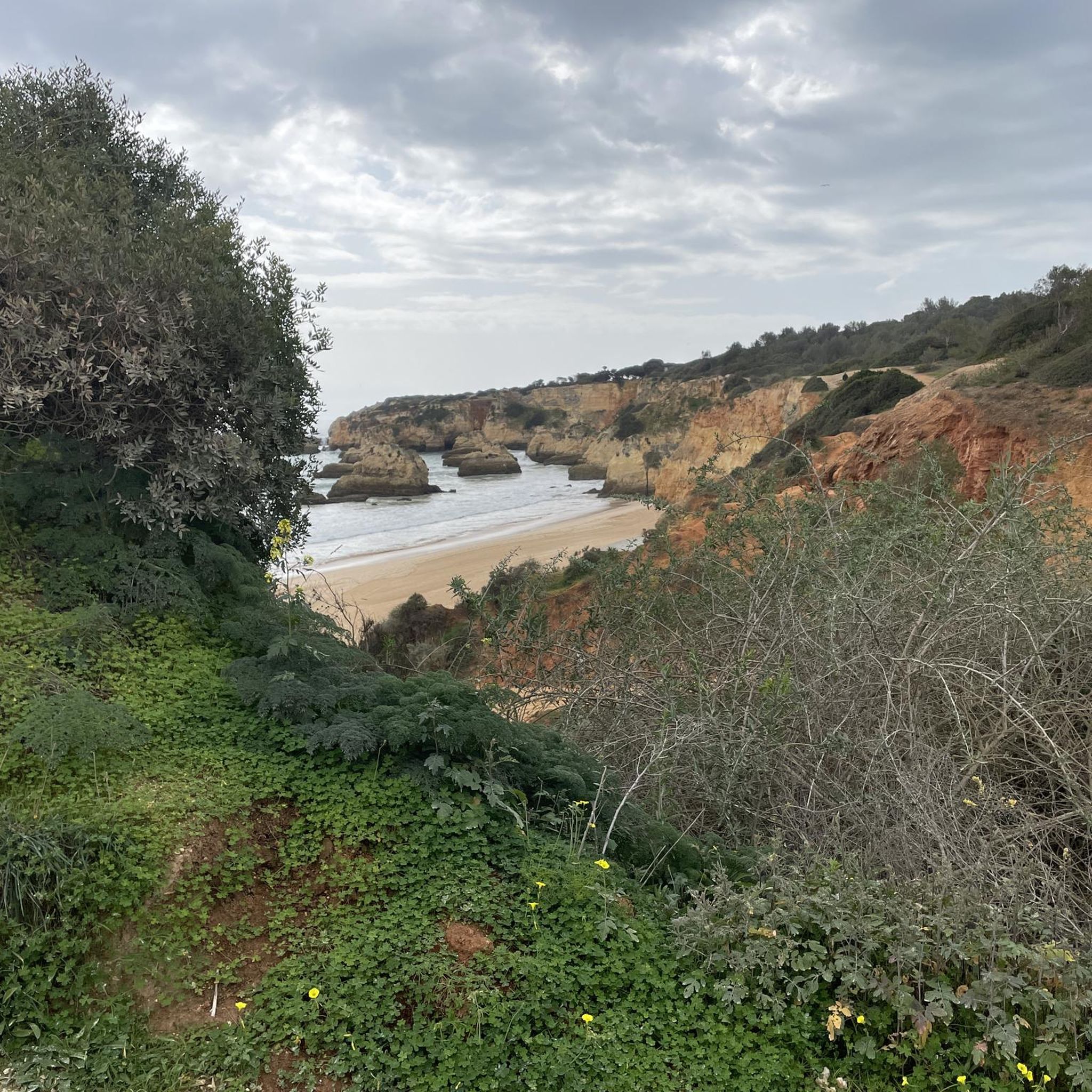
Mountaineering routes around Portimão are primarily found in the nearby Serra de Monchique, a mountain range characterized by lush forests of cork oaks and eucalyptus. The region features notable peaks such as Fóia at 902 meters and Picota at 774 meters, offering significant elevation changes. While the coastline provides dramatic cliffs, the main mountaineering terrain is inland, with trails leading through varied woodlands and to panoramic viewpoints.
Best mountaineering routes around Portimão
- The most popular mountaineering route is Monchique Town…
Last updated: August 21, 2026
5.0
(2)
4
hikers
9.08km
03:02
460m
460m
Moderate mountaineering route. Good fitness required. Easily-accessible paths. Suitable for all skill levels.
5.0
(1)
3
hikers
11.3km
03:37
460m
460m
Moderate mountaineering route. Good fitness required. Mostly accessible paths. Sure-footedness required.

Sign up for free
2
hikers
Moderate mountaineering route. Good fitness required. Easily-accessible paths. Suitable for all skill levels.
Our route recommendations are based on thousands of hikes, rides, and runs completed by other people on komoot.
Start today with a free account
Your next adventure awaits.
Login or Signup
Other adventures around Portimão

Tips from the Community

At the top of the Monchique mountain range rises Foia, the highest point in the Algarve, at 902 meters altitude. Its antennas mark the summit where the sky seems closest and, on clear days, the view reaches the Atlantic. Up here, the wind blows freely and the view is simply unforgettable.
2
0
Founded in 1631 by Pêro (or Pedro) da Silva, nicknamed "Mole," who later became Viceroy of India, the Convent of Our Lady of Exile now rests in ruins, shrouded in legend and silence. It is said to have originated from a promise made at sea, and that its founder brought back from India a small ivory image, still kept as a relic. Even abandoned, the convent retains the charm of the place where it was built: among trees and views that seem to embrace the entire mountain range.
2
0
The dirt track winds through a serene valley, where ancient terraces still shape the hillside and the sound of pasture echoes between stone walls. These terraces, shaped over centuries, are veritable agricultural staircases, a patient work that transformed the mountain range and remains today as a living testament to the harmony between man and the mountain.
1
0
A dense and imposing cork oak forest stretches before you, a scene worthy of a fairy tale, where nature displays its splendor. Cork, the greatest wealth of these lands, is harvested here with mastery and respect, in an ancestral gesture that unites tradition and sustainability.
3
0
Picota, at 774 meters, is the second highest point in the Algarve and one of the most breathtaking. Here, it's worth stopping, taking a deep breath, and letting your gaze wander across the 360° landscape: rolling mountains and even the Alentejo region in the distance, if the day is clear. It's a magical feeling of almost touching the clouds.
3
0

So if you still have the energy, you can enjoy the beautiful oak trees.
1
0

Monchique is a charming, small village with narrow streets, colorful houses, and a traditional Portuguese atmosphere. You'll find local shops, cafés, and restaurants, often clustered around the central square. It's the perfect place to enjoy the tranquil mountain scenery and authentic Algarve culture.
2
0
The center of Monchique is a charming, small village with narrow streets, colorful houses, and a traditional Portuguese atmosphere. You'll find local shops, cafés, and restaurants, often clustered around the central square. It's the perfect place to enjoy the tranquil mountain scenery and authentic Algarve culture.
2
0
Frequently Asked Questions
What kind of terrain can I expect on mountaineering routes around Portimão?
The mountaineering routes primarily explore the Serra de Monchique, a mountain range characterized by lush forests of cork oaks and eucalyptus. You'll encounter significant elevation changes as you ascend to peaks like Fóia (902 meters) and Picota (774 meters), offering diverse woodlands and panoramic viewpoints. While the coastline features dramatic cliffs, the main mountaineering terrain is found inland.
Are there any circular mountaineering routes in the Portimão area?
Yes, several routes are designed as loops, allowing you to start and end in the same location. For example, the Monchique Town Center – Foia Summit loop from Monchique takes you to the highest point of the Algarve, while the Monchique Cork Oak Forest – Picota Summit loop from Monchique offers a journey through dense cork oak forests.
What are the difficulty levels of mountaineering routes near Portimão?
The routes in this guide are generally considered moderate. They involve significant elevation gains and cover varied terrain, making them suitable for those with a reasonable level of fitness. While there are no routes classified as 'difficult' in this selection, the region offers a range of challenges for different skill levels.
Are there any waterfalls to see on the mountaineering trails?
Yes, you can discover the Chilrão Waterfall on the Fóia agricultural terraces – Chilrão Waterfall loop from Cascata do Chilrão. This route not only leads to the waterfall but also takes you through picturesque agricultural terraces.
What are some notable viewpoints or landmarks along the routes?
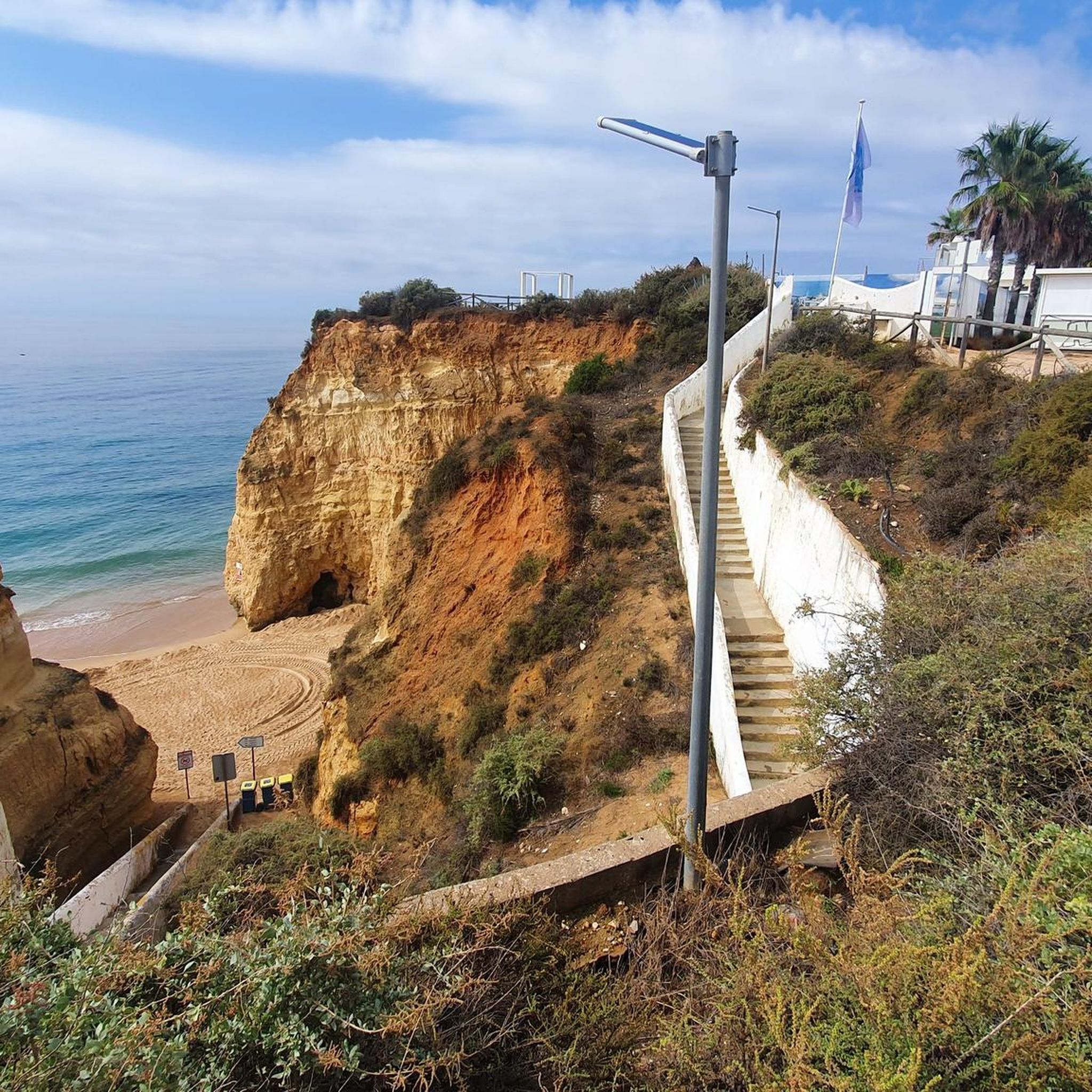
The Serra de Monchique offers breathtaking panoramic views from its peaks. From Fóia Summit, you can often see Portimão, Lagos, and even the Atlantic Ocean on clear days. The region also features unique natural formations like the dramatic coastal cliffs and rock formations, though these are more suited for coastal hiking than traditional mountaineering. For other natural wonders, consider exploring the nearby Benagil Caves or the Algar Seco Rock Formations.
Is Portimão a good destination for family-friendly mountaineering?
While the routes in this guide are moderate and involve elevation, the Serra de Monchique area does offer a variety of trails. For families, it's best to choose shorter sections or trails specifically designed for a more leisurely pace. The diverse ecosystems and natural beauty can be very engaging for children, but always consider the fitness level of all family members before embarking on a route.
Can I bring my dog on the mountaineering routes around Portimão?
Many trails in the Serra de Monchique are dog-friendly, allowing you to enjoy the natural beauty with your canine companion. However, it's always advisable to keep your dog on a leash, especially in areas with wildlife or near livestock, and to carry enough water for both of you. Please check local regulations for specific trails before you go.
What is the best time of year to go mountaineering in Portimão?
The best time for mountaineering in Portimão is typically during the spring (March to May) and autumn (September to November). During these seasons, the weather is milder, and the landscapes are vibrant. Summer can be very hot, especially inland, making longer routes challenging. Winter offers cooler temperatures but can bring more rainfall.
Are there places to eat or stay near the mountaineering trails?
Yes, the town of Monchique, located within the Serra de Monchique, offers various amenities including cafes, restaurants, and accommodation options. You'll find places to refuel and relax after your hike, often serving local specialties. Caldas de Monchique also features natural geothermal springs and related facilities.
What do other mountaineers enjoy most about the routes in Portimão?
The mountaineering routes around Portimão are highly rated by the komoot community, with an average score of 5.0 stars. Reviewers often praise the stunning panoramic views from Fóia and Picota, the tranquility of the cork oak forests, and the opportunity to explore the unique natural landscapes of the Serra de Monchique.
How can I get to the starting points of the mountaineering routes?
Access to the Serra de Monchique, where most mountaineering routes are located, is primarily by car. There are parking facilities available in towns like Monchique and near popular trailheads. While public transport options might be limited directly to all starting points, local buses can take you to Monchique town, from where some routes are accessible.
Are there opportunities for wildlife spotting on these trails?
The diverse ecosystems of the Serra de Monchique, with its dense forests and varied habitats, offer opportunities for wildlife spotting. You might encounter various bird species, and if you're lucky, some of the region's mammals. Early mornings or late afternoons are often the best times for observing wildlife.
Most popular routes around Portimão
Most popular attractions around Portimão

Get inspired with the komoot mobile app


Explore more
Browse the best Mountain Hikes & Routes in other regions.
