The best gravel rides around Vila Viçosa
4
riders
4
rides
Gravel biking around Vila Viçosa offers diverse terrain within Portugal's Alentejo region. The landscape features expansive golden fields, traditional olive groves, and cork forests, with routes winding through vineyards and past historical sites. Riders encounter a mix of rolling hills, gentle climbs, and descents on gravel tracks. The area is characterized by its marble heritage and the rugged scenery of Serra d'Ossa, providing varied elevation changes.
Best gravel bike trails around Vila Viçosa
- The most popular gravel bike trail is…
Last updated: July 4, 2026
149km
11:57
1,760m
1,760m
Hard gravel ride. Very good fitness required. Mostly paved surfaces. Suitable for all skill levels.
66.9km
06:54
1,410m
1,410m
This difficult 41.6-mile gravel biking loop in Serra d'Ossa offers rugged Alentejo scenery and 4625 feet of elevation gain.

Sign up for free
2
riders
45.3km
03:15
630m
630m
Hard gravel ride. Very good fitness required. Mostly paved surfaces. Suitable for all skill levels.
2
riders
46.2km
02:56
400m
400m
Moderate gravel ride. Good fitness required. Mostly paved surfaces. Suitable for all skill levels.
Our route recommendations are based on thousands of hikes, rides, and runs completed by other people on komoot.
Start today with a free account
Your next adventure awaits.
Login or Signup

Tips from the Community

The Igreja de Nossa Senhora do Monte Virgem is a picturesque 16th-century rural church located on the slopes of Serra d'Ossa, near Redondo (Évora, Alentejo). It is famous for its typical Alentejo architecture and for its interiors rich in Portuguese tiles.
0
0
The Castelo de Alandroal is a medieval fortress located in the municipality of Alandroal, in the district of Évora, within the suggestive region of Alentejo in Portugal. Built at the end of the 13th century under the reign of King D. Dinis, this imposing structure is classified as a National Monument and is a fundamental stop on the famous "rota dos castelos" (the castles' route).
0
0
Aldeia da Serra is a characteristic and picturesque village of white houses located on the slopes of Serra d'Ossa, in the Alentejo region, Portugal. It is surrounded by greenery and is renowned for its tranquility and unspoiled nature.
0
0

Right next to the town hall, but outside the city walls, is Borba's mother church, dedicated to Nossa Senhora das Neves. According to the memorial stone inside the church, it was founded in 1420.
3
0

The Castle of Alandroal is a medieval fortress located in the municipality of Alandroal, in Portugal’s Évora district. It is classified as a National Monument.
1
0

Castelo de Redondo is a medieval fortress built in the 13th century by order of King D. Dinis. The castle played a crucial defensive role in the region. Although today, the only things that remain are the perimeter walls, with an irregular perimeter and several quadrangular towers, and part of the old Torre de Menagem (Keep).
0
0
Starting point for the Serra d'Ossa Walkways. There is a restaurant in this village, where you can sample good regional dishes.
2
0
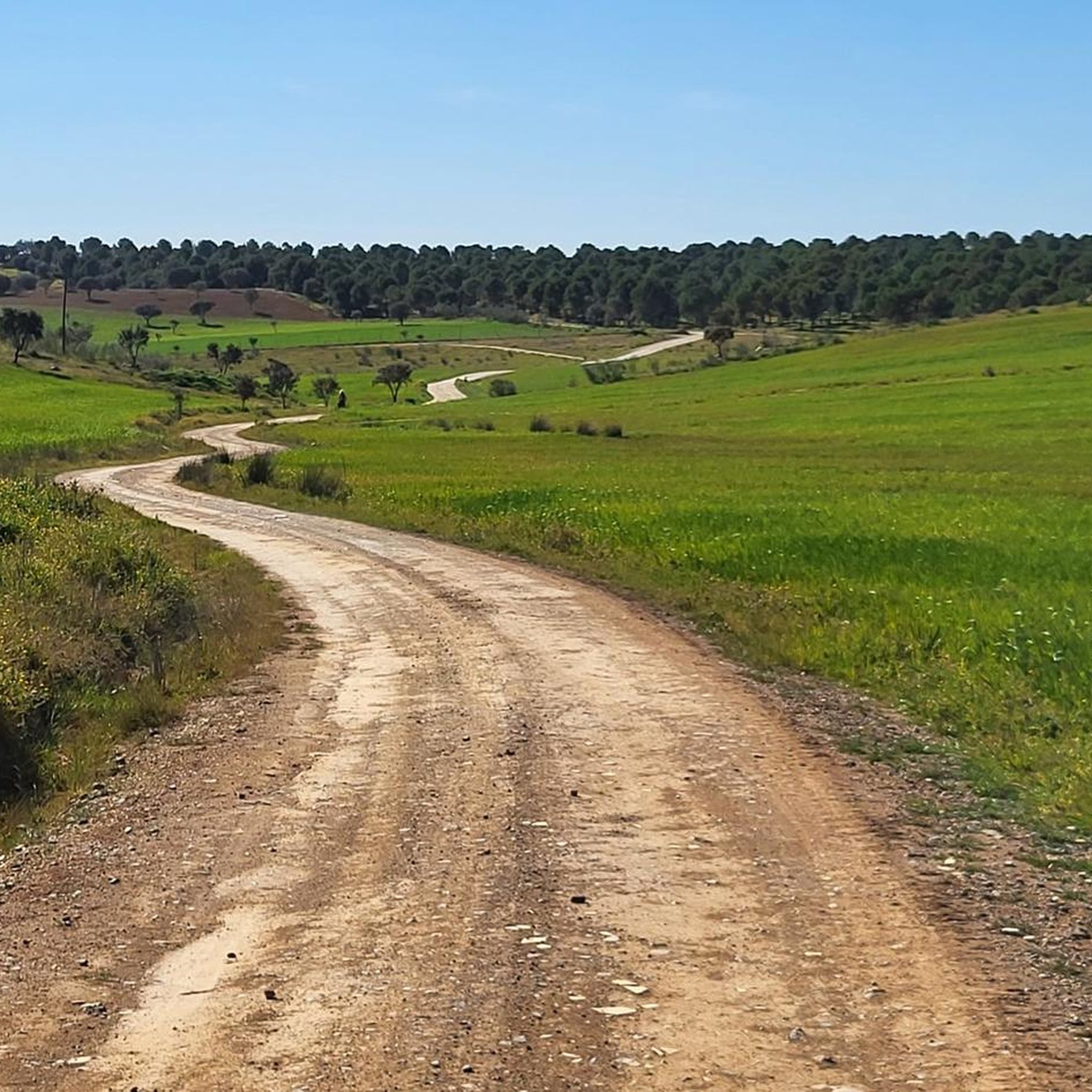
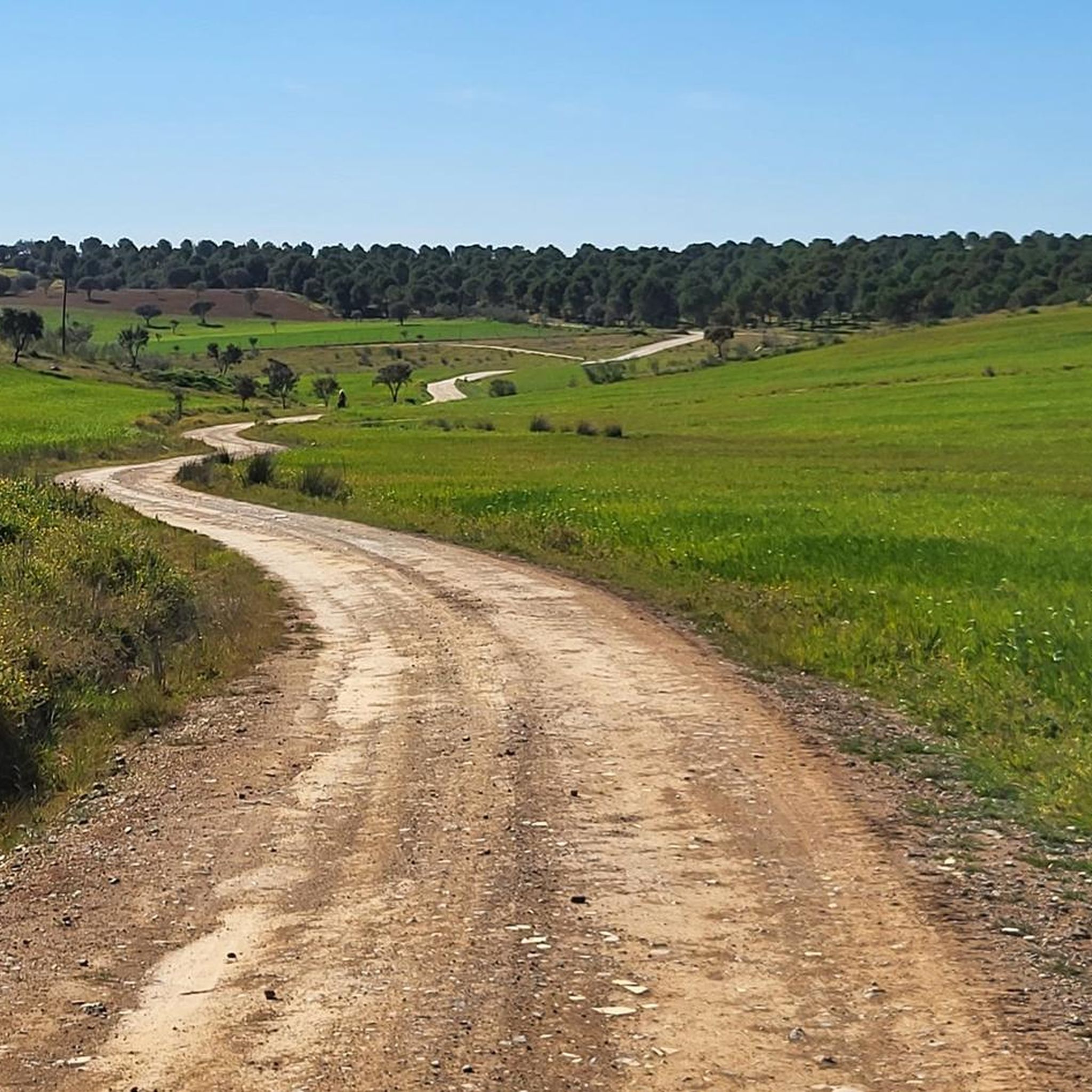
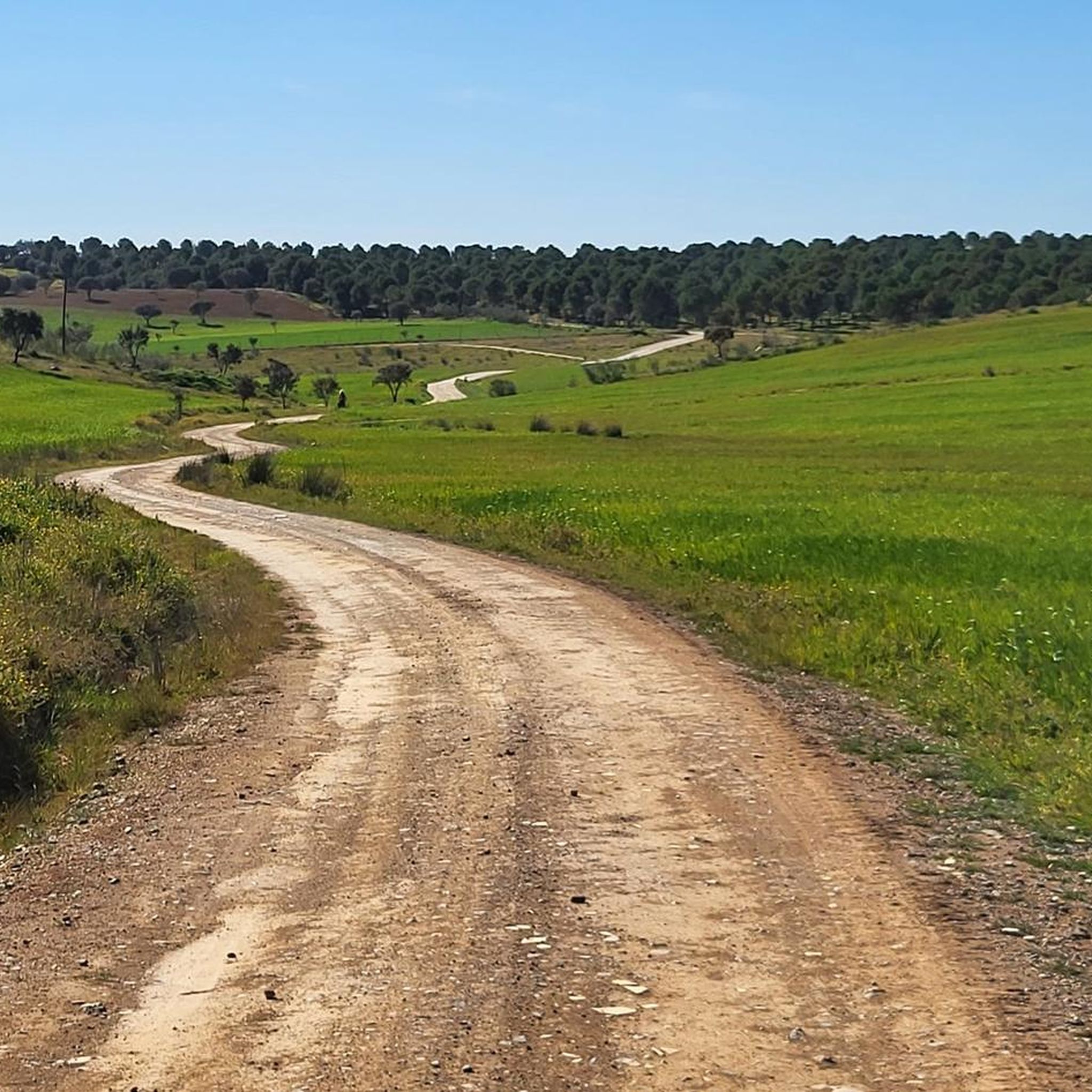
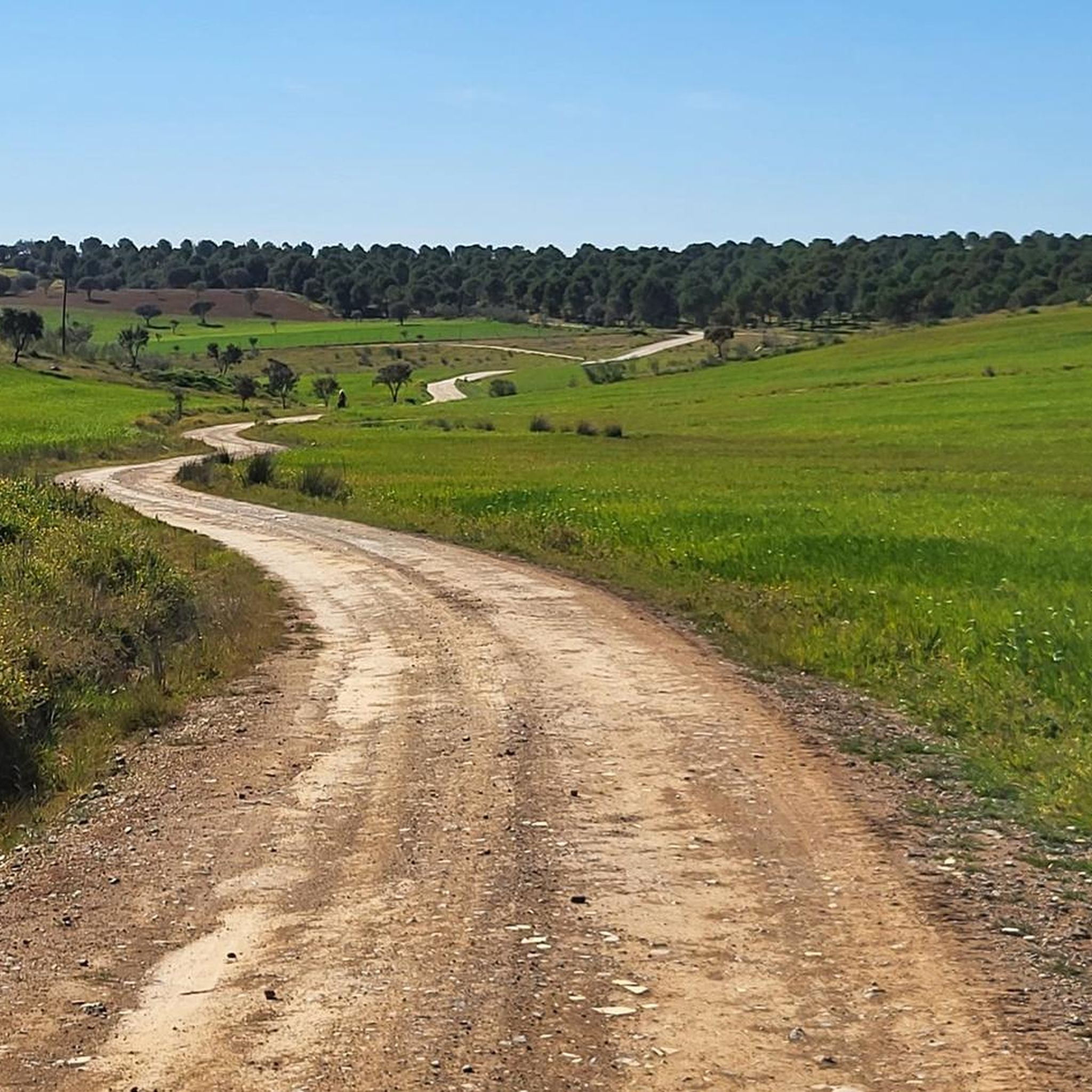
This scenic road gives stunning views over the region and the hills all around. Enjoy it!
1
0
Frequently Asked Questions
What kind of terrain can I expect on gravel bike trails around Vila Viçosa?
The gravel bike trails around Vila Viçosa offer a diverse mix of terrain characteristic of the Alentejo region. You'll encounter expansive golden fields, traditional olive groves, and cork forests. Routes often wind through vineyards and past historical sites. The area features rolling hills, gentle climbs, and descents on gravel tracks. A unique aspect is the presence of marble landscapes, particularly in the "Vila Viçosa - Borba – Estremoz" corridor, where you might cycle past impressive marble quarries, creating a distinctive backdrop.
Are there any easy or moderate gravel routes suitable for beginners or families?
Yes, there are routes suitable for varying skill levels. For a moderate experience, consider the Solar Farm – Vineyard Path in Alentejo loop from Monte do Outeiro de Cima. This 46.3 km route traverses vineyard paths and offers scenic views of the Alentejo landscape with manageable elevation changes, making it a good option for those seeking a less strenuous ride or a family outing.
What historical landmarks or points of interest can I see along the gravel routes?
Vila Viçosa is rich in history, and many gravel routes pass by significant landmarks. You can explore sites like the majestic Ducal Palace of Vila Viçosa, known for its marble facade, or the medieval Vila Viçosa Castle, which offers panoramic views. Other notable attractions in the wider area include the Amoreira Aqueduct and the Fort of Graça. The region's unique marble quarries also provide an interesting industrial landscape to observe.
What is the best time of year for gravel biking in Vila Viçosa?
The Alentejo region, including Vila Viçosa, generally experiences hot, dry summers and mild winters. The most comfortable seasons for gravel biking are spring (March to May) and autumn (September to November). During these periods, temperatures are pleasant, and the landscape is often at its most vibrant, with blooming wildflowers in spring or rich autumnal colors. Summers can be very hot, making early morning or late afternoon rides preferable if visiting then. Winters are mild but can bring some rain.
Are there any challenging gravel bike routes for experienced riders?
Yes, experienced riders looking for a challenge will find several difficult routes. The Serra d'Ossa Loop from Rio de Moinhos is a demanding 66.9 km trail with significant elevation gain through the rugged Serra d'Ossa. Another challenging option is the Serra d'Ossa – Loop Tour among the castles, which is even longer at nearly 150 km and features substantial climbing, taking you through a landscape dotted with historical castles.
Can I find circular gravel bike routes in the area?
Yes, many of the gravel routes around Vila Viçosa are designed as loops, allowing you to start and end at the same point. Examples include the Serra d'Ossa Loop from Rio de Moinhos, the Serra d'Ossa – Loop Tour among the castles, and the Solar Farm – Vineyard Path in Alentejo loop from Monte do Outeiro de Cima. These circular routes make planning your ride and return logistics straightforward.
Are there places to eat or drink near the gravel trails in Vila Viçosa?
Vila Viçosa and its surrounding towns offer various cafes, restaurants, and traditional taverns (tascas) where cyclists can refuel. While specific establishments directly on the trails might be limited, you'll find options in the town centers of Vila Viçosa, Borba, and other villages along or near the routes. These places often serve local Alentejan cuisine and offer a chance to experience the regional culture.
What makes gravel biking in Vila Viçosa unique compared to other regions?
Gravel biking in Vila Viçosa is uniquely defined by its striking marble landscapes. The extensive marble quarries create an 'inverted architecture' of deep craters, offering a visually distinct backdrop unlike typical natural trails. This industrial heritage, combined with the serene, expansive natural features of the Alentejo—rolling plains, vineyards, olive groves, and cork forests—provides a blend of cultural immersion and outdoor adventure. The quiet backroads and trails ensure a peaceful connection to nature.
Is public transport available to access the gravel bike trails around Vila Viçosa?
Public transport options to directly access specific trailheads might be limited, as many routes start from smaller villages or rural areas. However, Vila Viçosa itself is accessible by bus from larger cities in Portugal. If you plan to use public transport, it's advisable to check local bus schedules and policies regarding bicycle transport in advance. For ultimate flexibility, driving to a starting point with parking is often the most convenient option.
Where can I park my car when starting a gravel bike route in Vila Viçosa?
When embarking on a gravel bike route, you can typically find parking in the towns and villages where the routes begin. For example, if starting a route like the Serra d'Ossa Loop, you could look for parking in Rio de Moinhos. Similarly, routes starting from Monte do Outeiro de Cima or near Borba will have parking available in those localities. Always check for designated parking areas or consult local signage.
Are there any specific permits required for gravel biking in the Alentejo region?
Generally, no specific permits are required for gravel biking on public roads, tracks, and trails in the Alentejo region, including around Vila Viçosa. However, always respect private property and any posted signs. If a route passes through a protected natural area or private estate, ensure you are on designated public access paths. It's always good practice to be aware of local regulations, but for typical gravel riding, permits are not usually an issue.
Most popular attractions around Vila Viçosa

Get inspired with the komoot mobile app


Explore more
Browse the best Gravel rides in other regions.
