The best road cycling routes around Urrea De Gaén
114
riders
9
rides
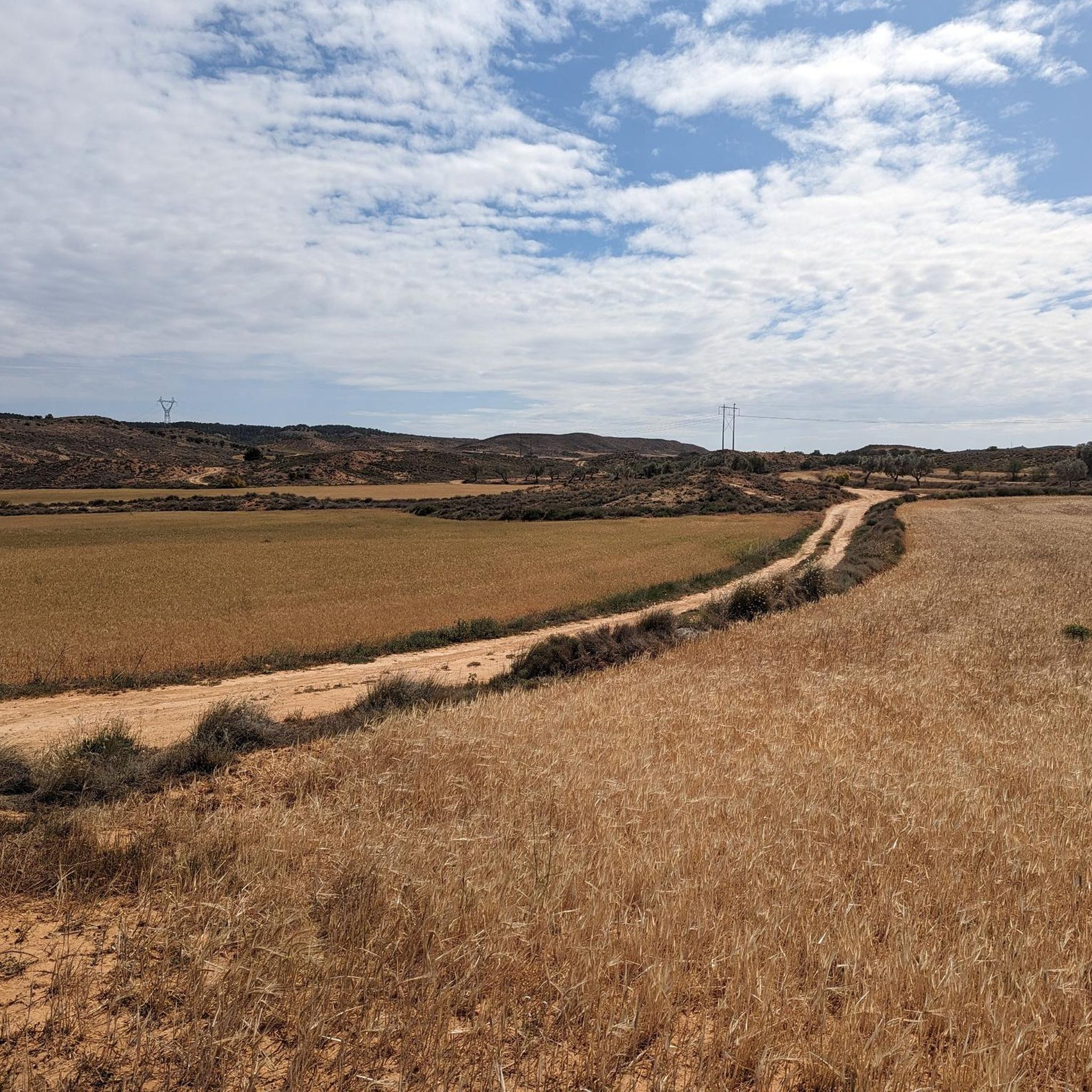
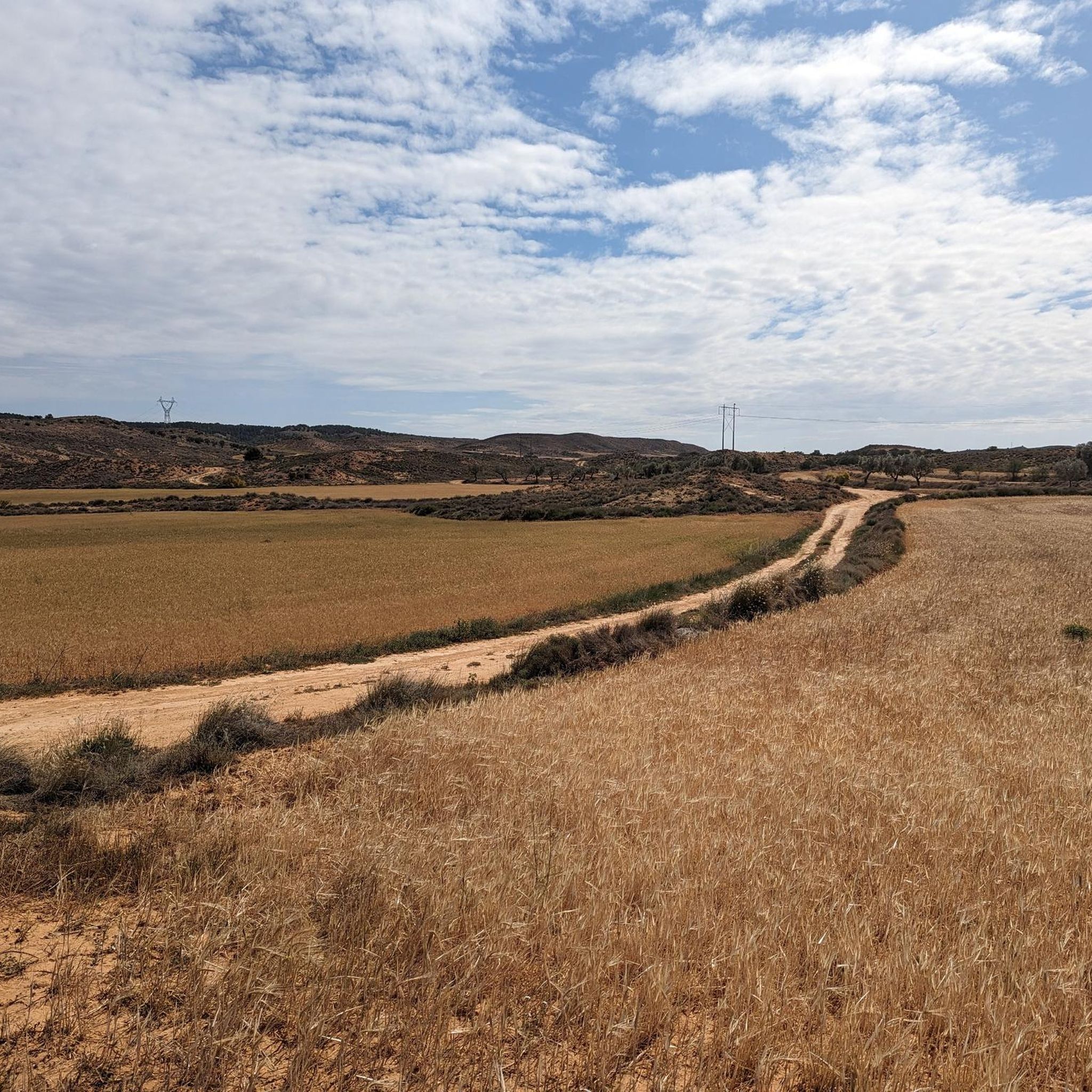
Road cycling around Urrea De Gaén offers diverse landscapes for cyclists. The region is situated on the banks of the Martín River, providing picturesque riverside scenery. It is characterized by traditional agricultural vistas, including extensive olive groves and peach orchards. The area is framed by the Iberian mountain range and the Ebro valley, presenting varied terrain suitable for both challenging climbs and scenic, flatter routes.
Best road cycling routes around Urrea De Gaén
- The most popular road cycling route is…
Last updated: July 6, 2026
2
riders
53.5km
02:24
490m
490m
Cycle 33.2 miles (53.5 km) through the semi-desert landscapes of Desierto de Calanda and the Río Martín valley from Híjar.
63
riders
73.8km
03:30
970m
970m
Hard road ride. Very good fitness required. Mostly well-paved surfaces and easy to ride.

Sign up for free
8
riders
112km
05:08
1,200m
1,200m
Hard road ride. Very good fitness required. Some segments of this route may be unpaved and difficult to ride.
10
riders
156km
07:33
2,250m
2,250m
Hard road ride. Very good fitness required. Mostly well-paved surfaces and easy to ride.
6
riders
23.1km
01:03
210m
210m
Easy road ride. Great for any fitness level. Mostly well-paved surfaces and easy to ride.
Get access to more routes and recommendations from other explorers.
Sign up for free
Already have an account?
Our route recommendations are based on thousands of hikes, rides, and runs completed by other people on komoot.
Start today with a free account
Your next adventure awaits.
Login or Signup

Tips from the Community

Beautiful Mudejar church and curious sculptures. We have shops and a couple of fountains
0
0

We are in the beautiful mining town of Ariño located at the foot of the Sierra de Arcos and with many points of interest such as the Mining Museum, a spring, the parish church of San Salvador or the hermitage of Santa Bárbara among many others, so if we have time, it is definitely worth a visit.
1
0
Declared a Cataloged Asset of Aragonese Cultural Heritage, the Church of Santa María Magdalena rises above the town of Lécera with a clearly Mudejar style.
0
0

The Hermitage is located a few kilometers from the town of Ariño and since 1983 it has been a historical-artistic monument. Also popularly known as a monastery, the function in its beginnings was the exercise of political and religious power over the neighboring towns, sometimes even over an entire region. Today many are in ruins but can be visited to understand a little more how they functioned in a time very different from today.
2
1

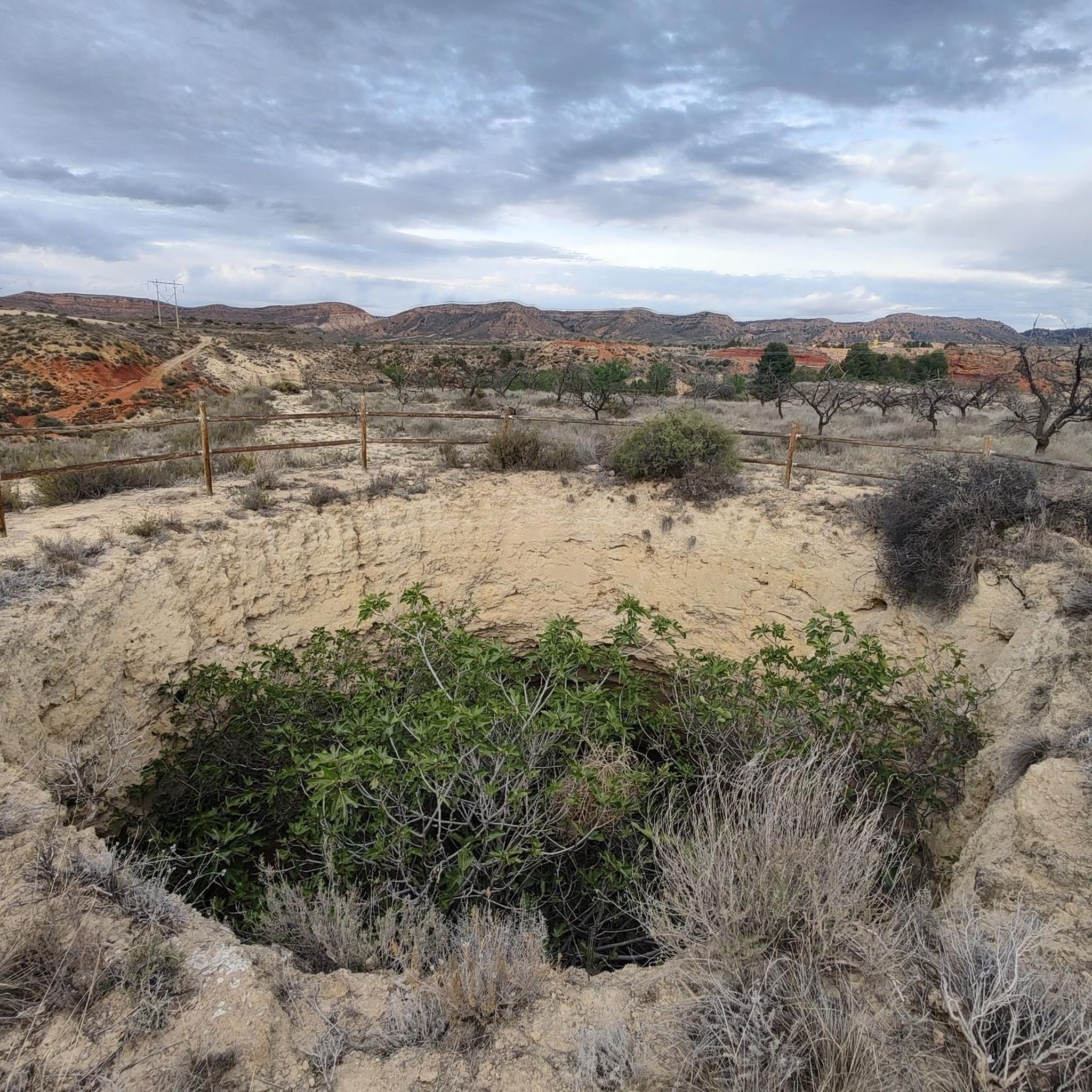
The relief of the municipality is characterized by the so-called Calanda Desert, an arid area with little rainfall, only softened by the presence of the Martín River, which crosses the territory to the west. The Hermitage of Santa Quiteria is towards the train station and to the left, you come to the hermitage, where water miraculously flows in such an arid land.
0
0
Oliete is located above the riverbed of the Río Martín, where it is elevated from the rest of the land since the river has created a plain below the town, where there are currently agricultural fields.
0
0
Andorra is located between the valleys of the Martín and Guadalope rivers, next to the small Regallo river. It is located on the side of a hill 714 m above sea level, where it originated, although now it has been moving towards the plain. The population was known in the middle of the 20th century for the arrival of the railway that gave way to the mining activities of the population of Andorra.
1
0
One of the most important characteristics of this construction is the way it blends in with the landscape in which it is located, where there appears a church, an inn and all buildings on a stone.
0
0
Frequently Asked Questions
What kind of terrain can I expect on road cycling routes around Urrea de Gaén?
The region offers a diverse landscape for road cyclists. You'll find picturesque riverside scenery along the Martín River, extensive olive groves, and peach orchards in traditional agricultural vistas. The area is framed by the Iberian mountain range and the Ebro valley, providing a mix of challenging climbs and scenic, flatter routes.
Are there routes suitable for beginners or those looking for an easier ride?
Yes, there are routes suitable for various skill levels. For an easier ride, consider the Híjar loop from La Puebla de Híjar, which is 23.1 km long with moderate elevation gain, offering a pleasant experience for less experienced cyclists.
Which routes offer a more challenging experience for advanced road cyclists?
For those seeking a challenge, the region provides several difficult routes. The Ariño – Andorra loop from Urrea de Gaén is a demanding 73.8 km path with significant elevation gain. Another option is the Oliete – Ariño loop from La Puebla de Híjar, a 112.3 km trail through diverse terrain, often taking over 5 hours to complete.
Are there any road cycling routes that incorporate cultural or historical landmarks?
Absolutely. The Ruta del Tambor y el Bombo Cycling Loop is a popular 53.5 km route that follows part of the cultural Ruta del Tambor y el Bombo, offering a scenic ride through traditional villages known for their Holy Week celebrations. You can also explore the historical layout of Urrea de Gaén itself, with its unique Muslim essence in traditional streets.
What are some notable attractions or points of interest I can see while cycling in the area?
While cycling, you can encounter various points of interest. The 18th-century Baroque-Classical Church of San Pedro Mártir in Urrea de Gaén is a prominent landmark. You might also pass near the La Torica Aqueduct or the Albalate del Arzobispo Historic Center. The 16th-century Ermita de Santa Bárbara offers panoramic views of the town and surrounding Vega.
Are there any long-distance road cycling routes for experienced riders?
Yes, for experienced riders looking for a longer journey, the Ermita Virgen Sierra de Arcos – Ariño loop from Urrea de Gaén is a substantial 156.3 km route with over 2200 meters of elevation gain, providing a full day's challenge.
What is the best time of year for road cycling in Urrea de Gaén?
The region's climate generally allows for good cycling conditions for much of the year. Spring and autumn typically offer pleasant temperatures, making them ideal for longer rides. Summers can be warm, so early morning or late afternoon rides are recommended during peak season. Always check local weather forecasts before heading out.
Are there any family-friendly cycling options in the area?
While many road cycling routes are designed for experienced riders, the general area around Urrea de Gaén, with its agricultural vistas and riverside paths, can offer quieter sections suitable for families. For dedicated family-friendly cycling, consider exploring parts of the Val de Zafán Greenway, which is a converted railway line offering a flatter, traffic-free experience.
Is it possible to find cafes or accommodation suitable for cyclists in Urrea de Gaén?
Urrea de Gaén, as part of the Bajo Martín comarca, is accustomed to visitors, including cyclists, especially given events like the 'Sesé Bike Tour'. You can find local cafes and restaurants in the town center for refreshments. For accommodation, there are guesthouses and rural lodgings that cater to tourists, though it's always advisable to check for bike storage facilities when booking.
What are the parking options for cyclists in Urrea de Gaén?
Urrea de Gaén is a small town, and parking is generally available in and around the town center. You can typically find public parking spaces where you can leave your vehicle before starting your cycling route. Specific designated cyclist parking might not be widely advertised, but general public parking is usually sufficient.
Can I use public transport to reach Urrea de Gaén with my bike?
Public transport options to Urrea de Gaén are primarily bus services connecting it to larger towns in the Teruel province. Policies regarding bikes on buses can vary, so it's essential to check with the specific bus operator in advance to confirm if they allow bicycles, especially during peak times or for longer journeys.
Most popular attractions around Urrea De Gaén

Get inspired with the komoot mobile app


Explore more
Browse the best Road cycling routes in other regions.
