Top 20 Natural Monuments in Isère
Best natural monuments in Isère are found within the French Alps, offering a diverse array of landscapes. The region features majestic mountains, serene lakes, and powerful waterfalls, showcasing its natural beauty. These sites provide varied experiences for outdoor enthusiasts. Isère's geography makes it a prime destination for exploring natural formations.
Best natural monuments in Isère
- The most popular natural monuments is Saint-Michel Peak, a challenging trail and summit that offers magnificent panoramic views of the Vercors. This peak provides…
Last updated: May 13, 2026
Lake Achard
Highlight • Lake
Tip by

Lake Lauvitel
Highlight • Lake
Translated by Google •
Tip by

Sign up now to discover places like this
Get recommendations on the best single tracks, peaks, & plenty of other exciting outdoor places.
Sign up for free
The Moucherotte Summit
Highlight • Summit
Translated by Google •
Tip by

Saint-Michel Peak
Highlight • Trail
Translated by Google •
Tip by

Arc Pass
Highlight • Mountain Pass
Translated by Google •
Tip by

Saint-Même Cirque Waterfalls
Highlight • Waterfall
Translated by Google •
Tip by

Sarenne Pass
Highlight • Mountain Pass
Translated by Google •
Tip by
Grand Veymont
Highlight • Summit
Translated by Google •
Tip by

White Waterfall
Highlight • Waterfall
Translated by Google •
Tip by

Dent de Crolles
Highlight • Summit
Translated by Google •
Tip by
Sign up for free to discover even more natural monuments in Isère.
Sign up for free
Already have an account?
Start today with a free account
Your next adventure awaits.
Login or Signup
Popular around Isère

Triathlon 360 – my journey around the world
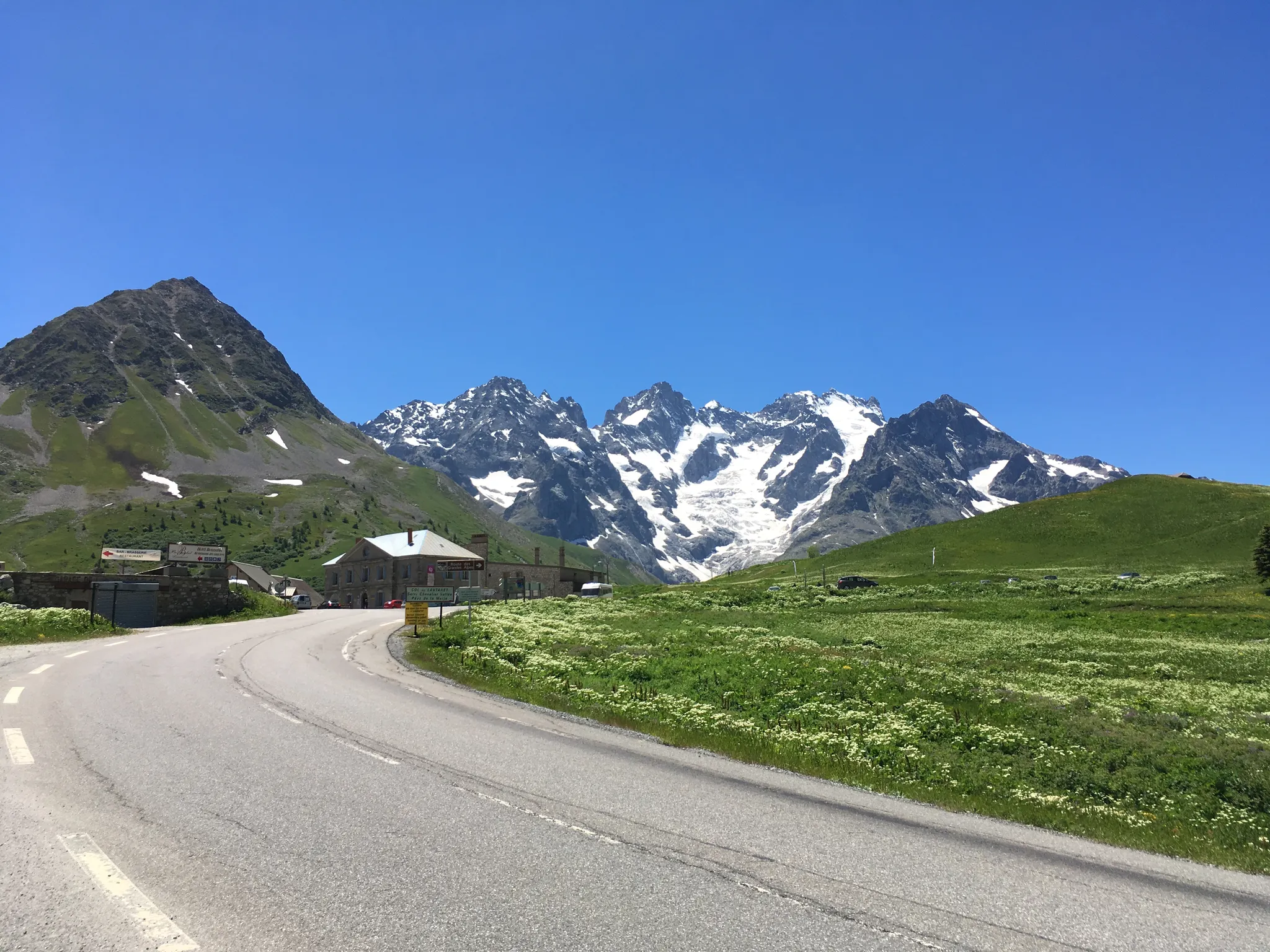
La Marmotte — Panoramas and Mythical Passes
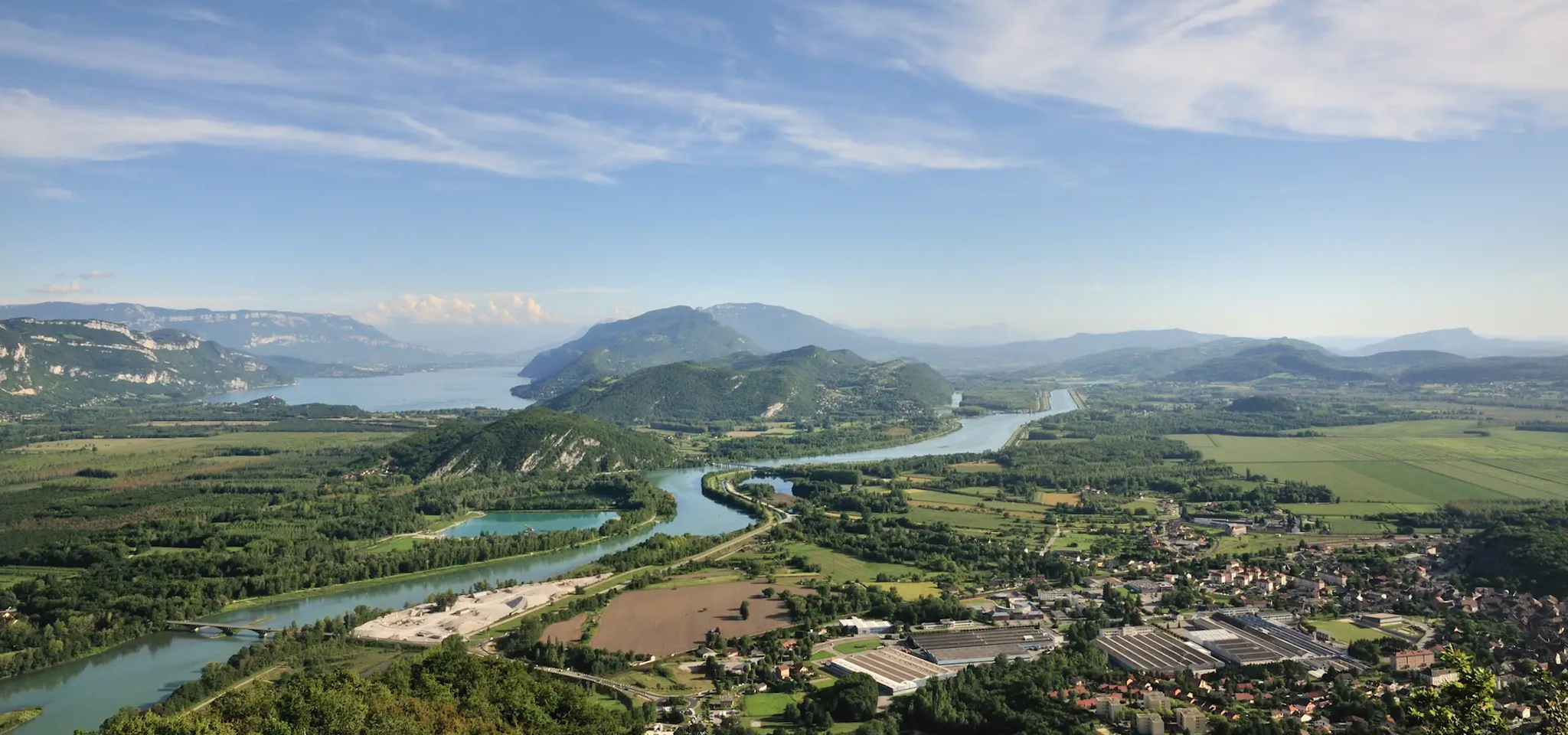
GR 9 from the Jura to the Mediterranean – Crossing contrasts
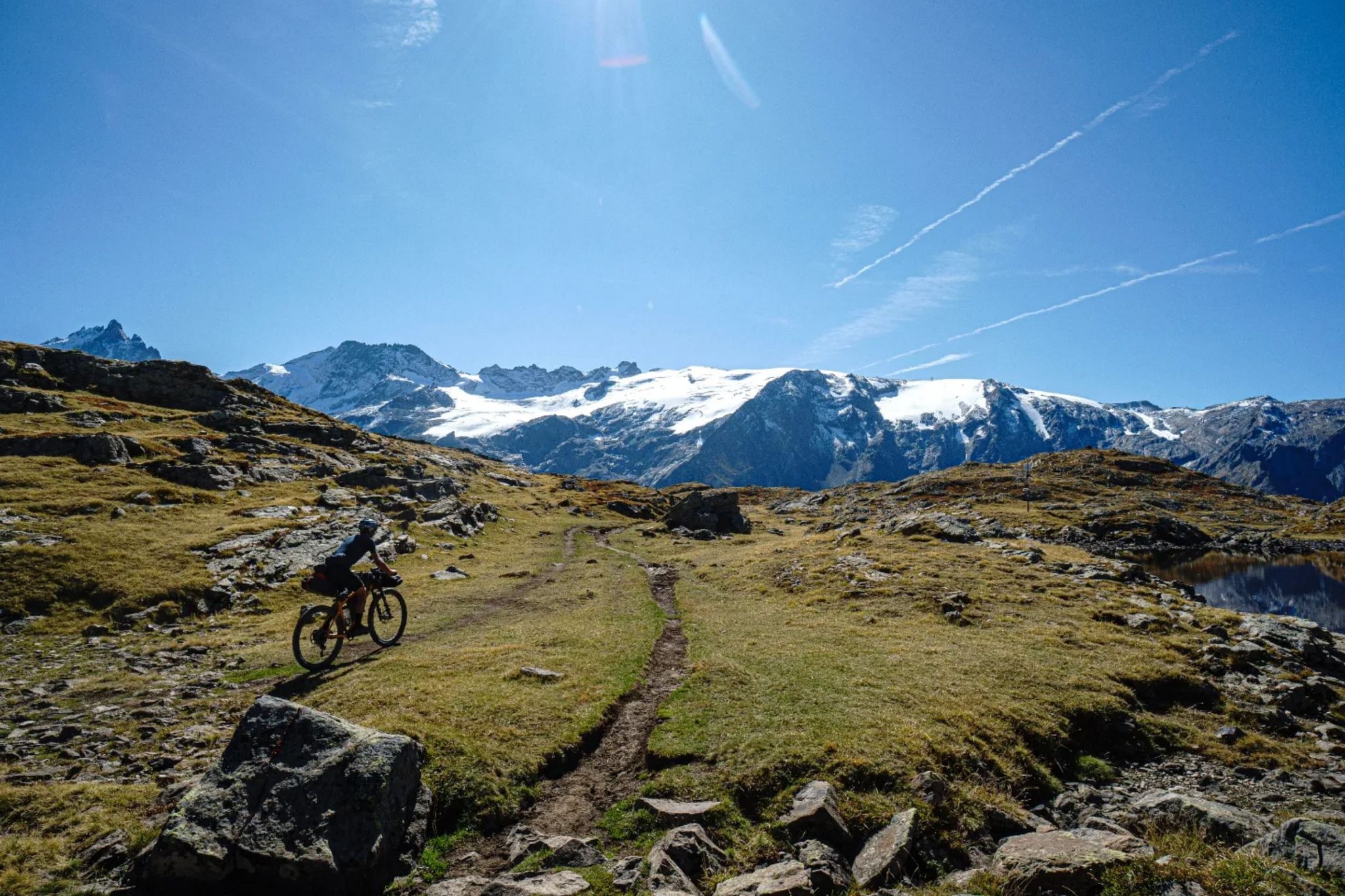
Transalps MTB – Chamonix to the Mediterranean Sea
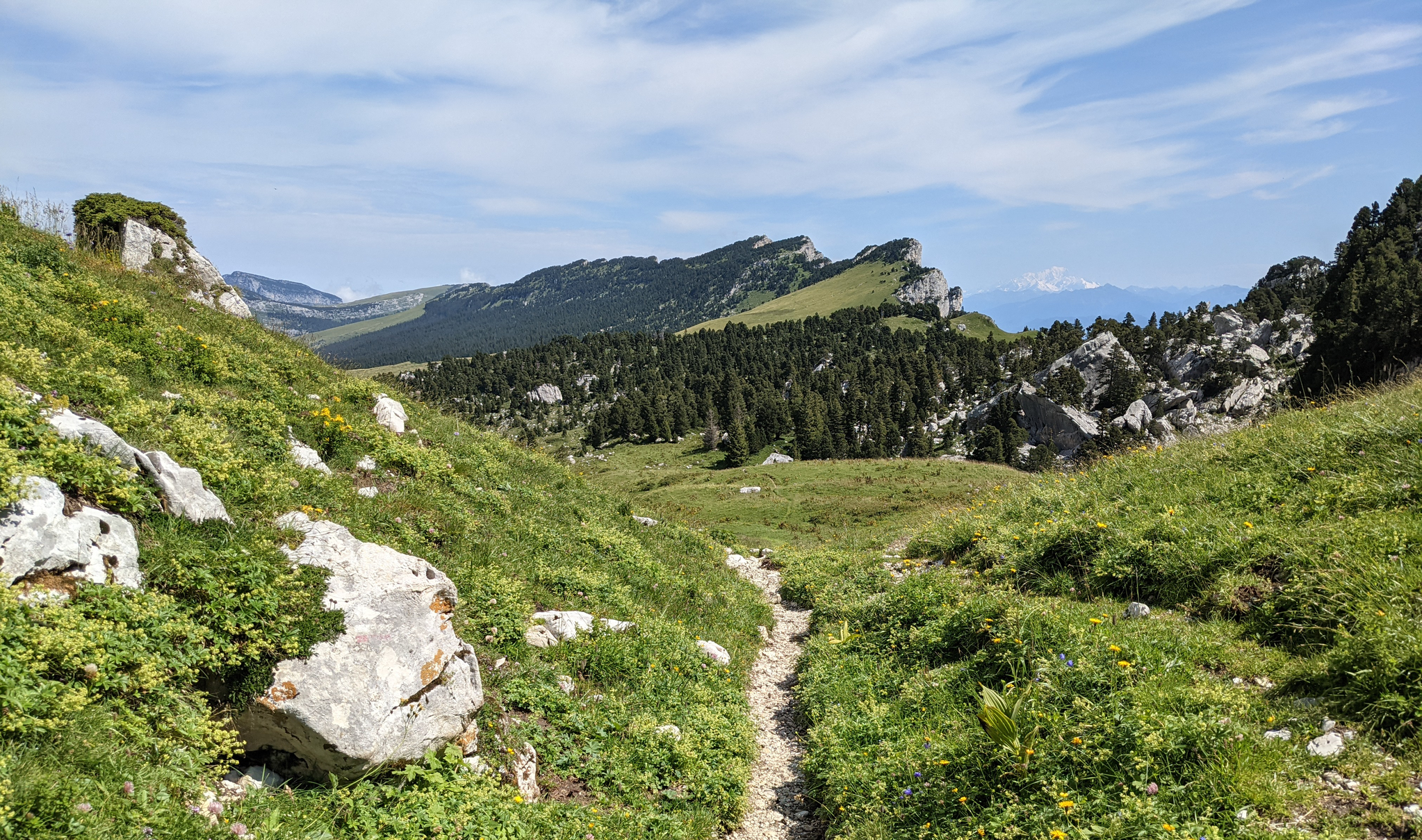
Crossing the Chartreuse – History in the making
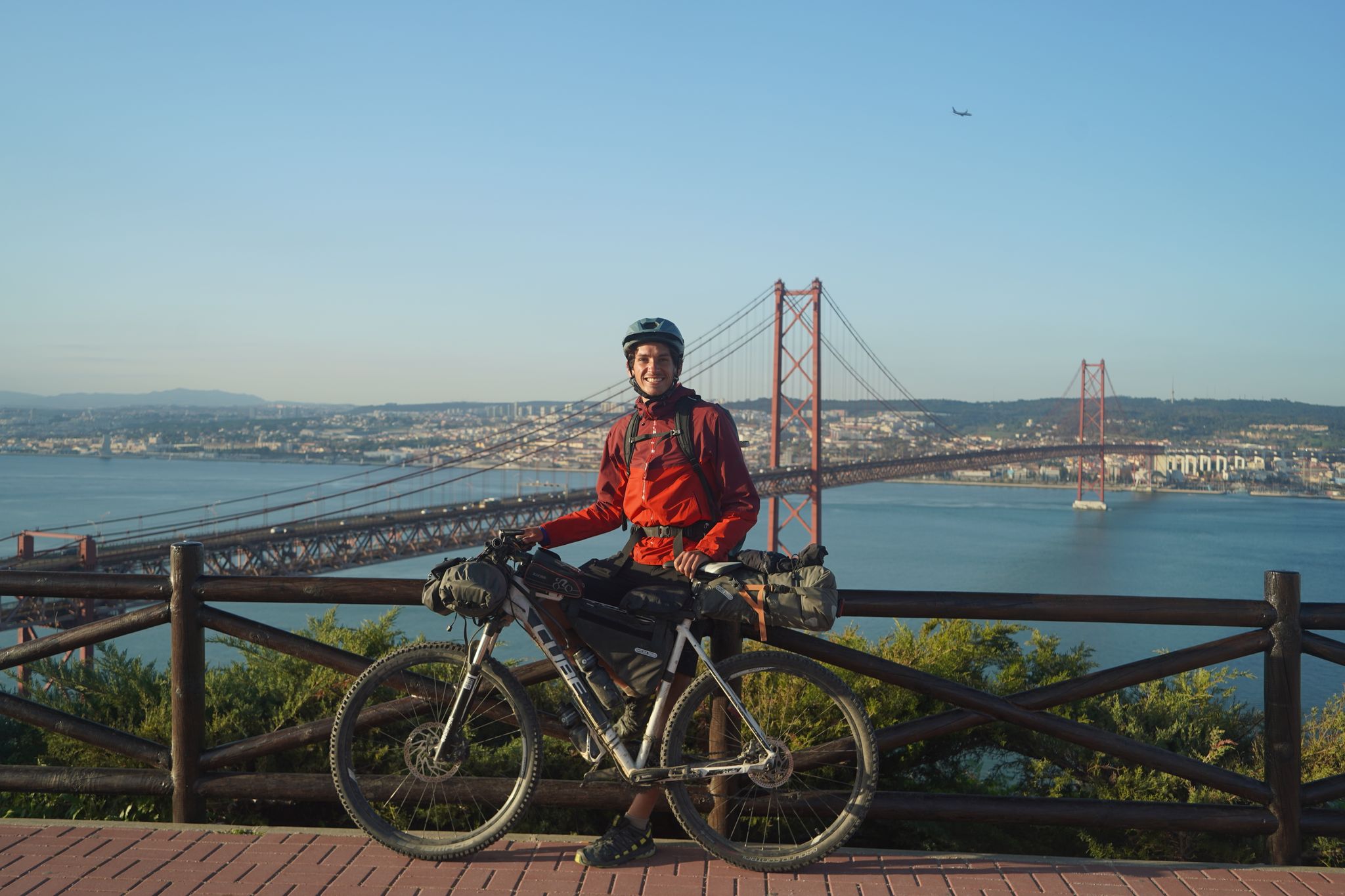
Road to Lisbon – bikepacking the Alps, Pyrenees and Picos de Europa
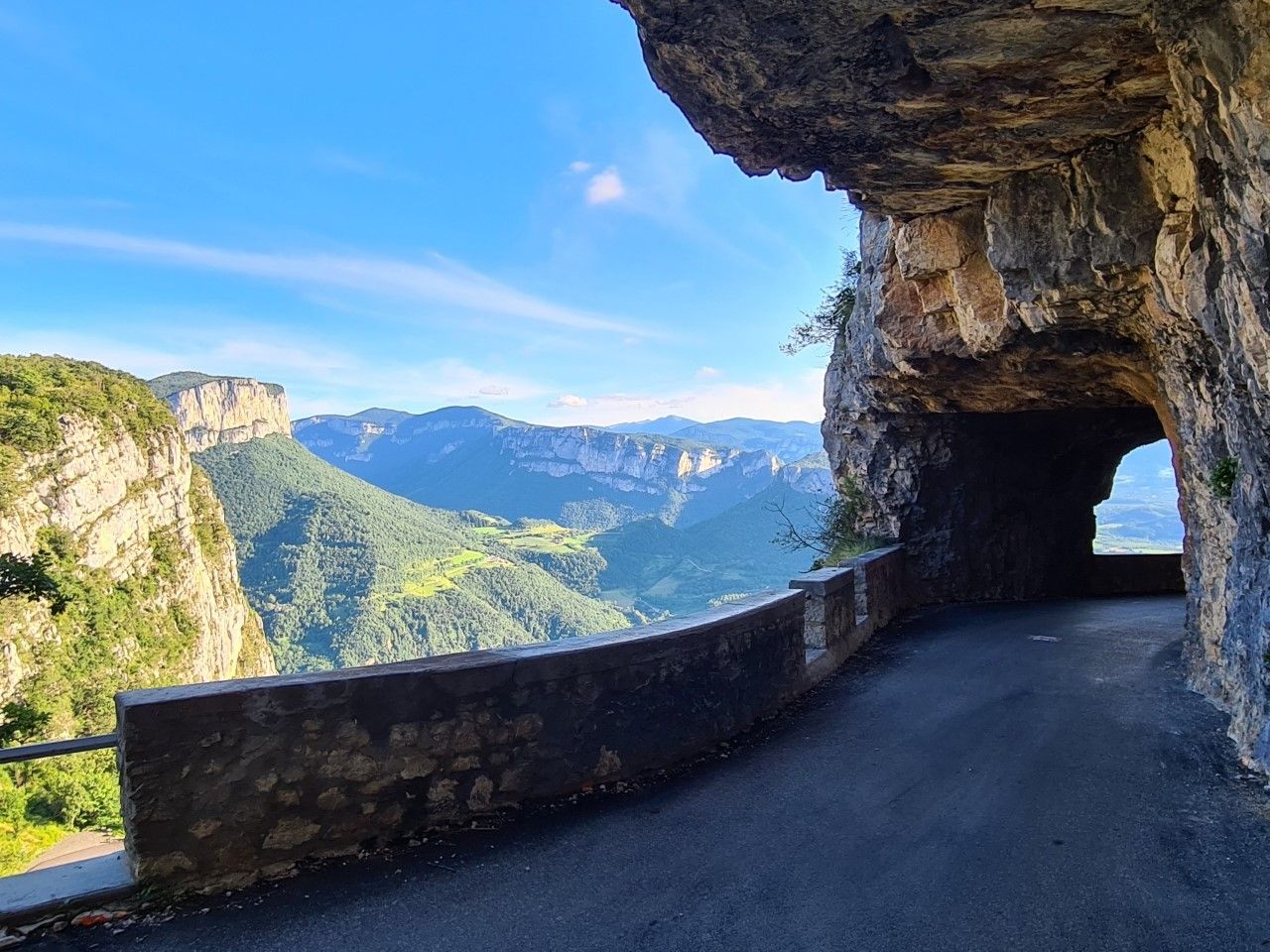
La Grande Traversée du Vercors — In the West of the Alps
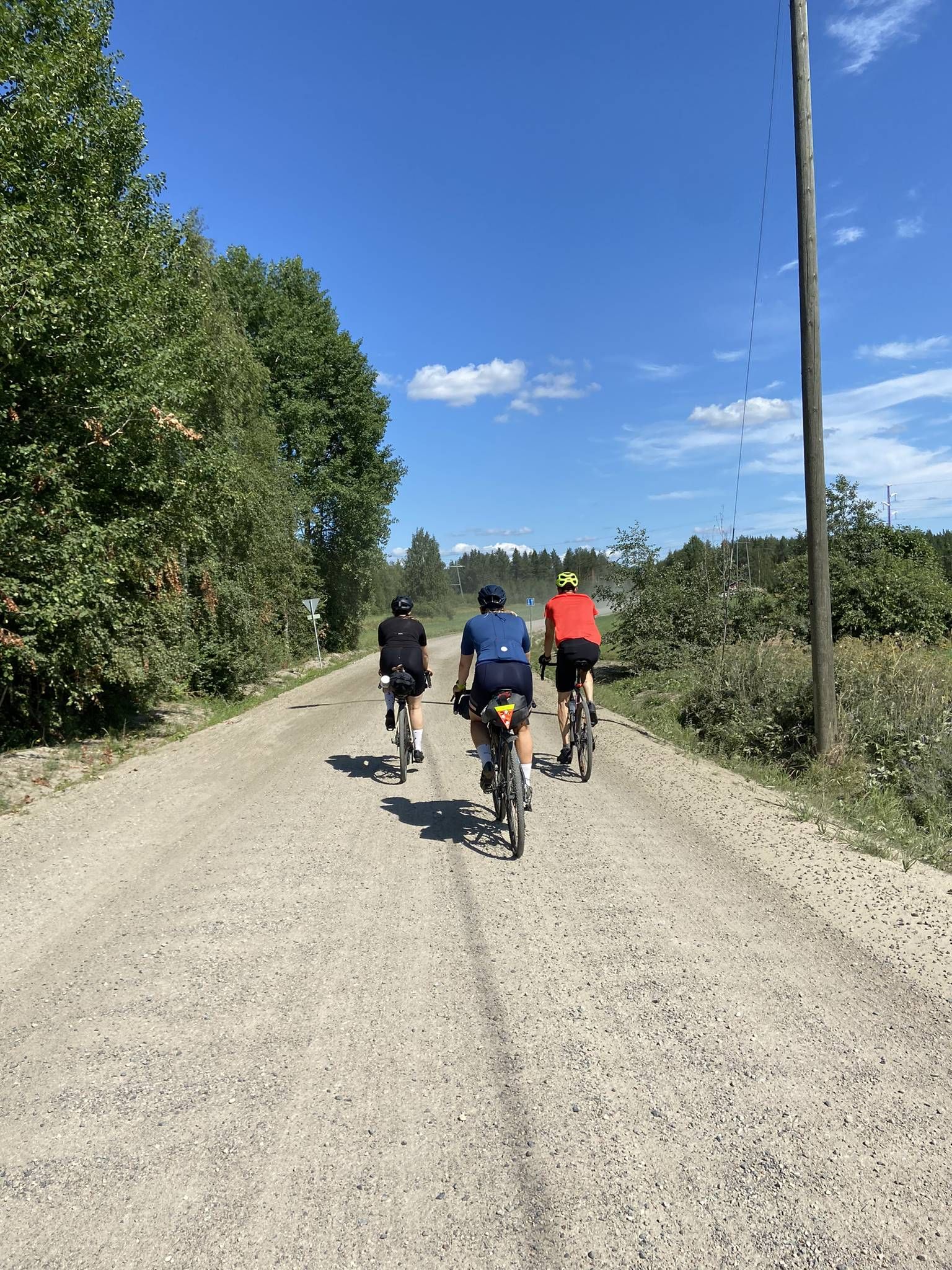
Naples to North Cape — Two friends, one purpose and many scoops of ice-cream
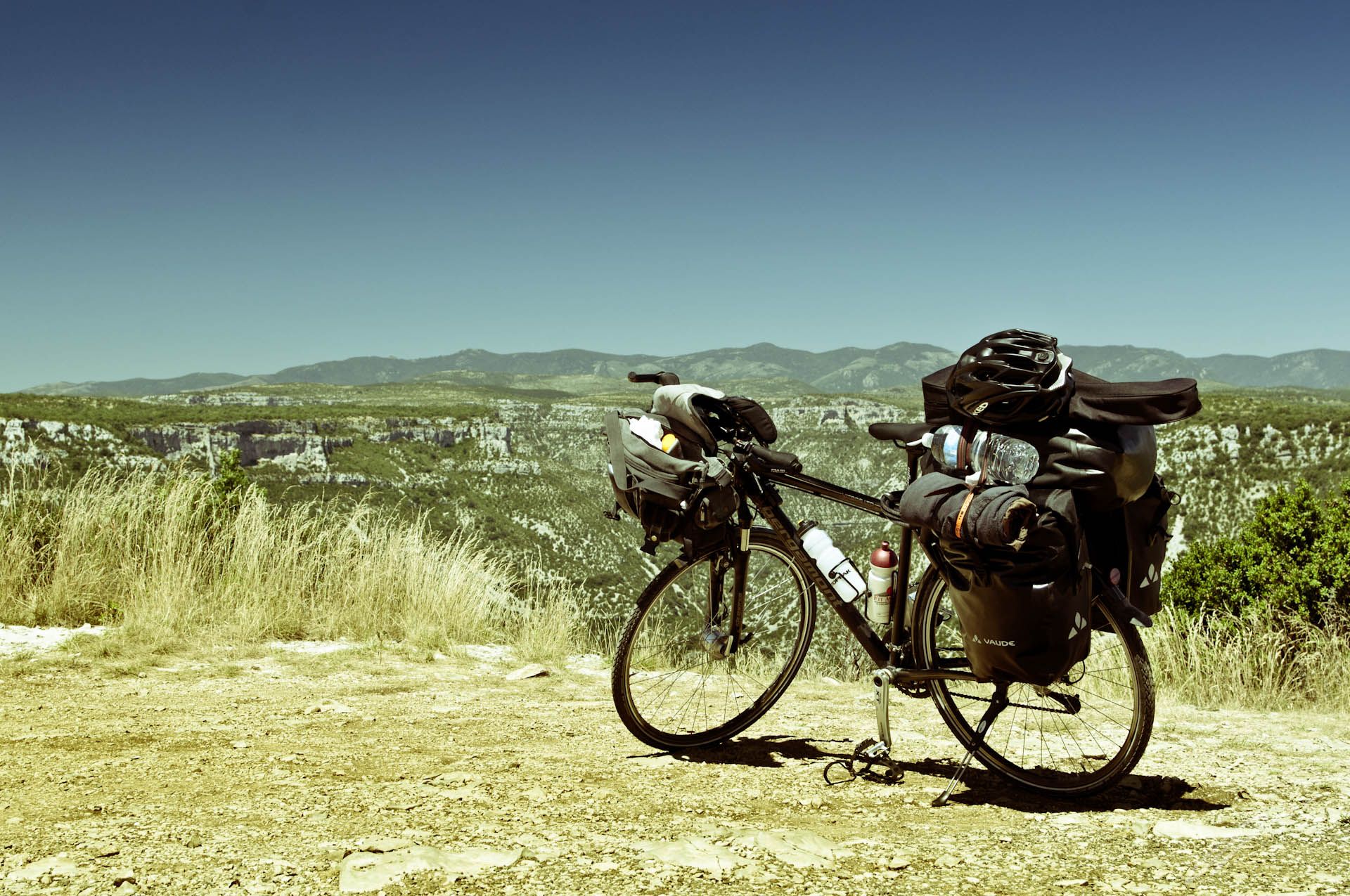
Follow the sun – riding from Germany to the south of France
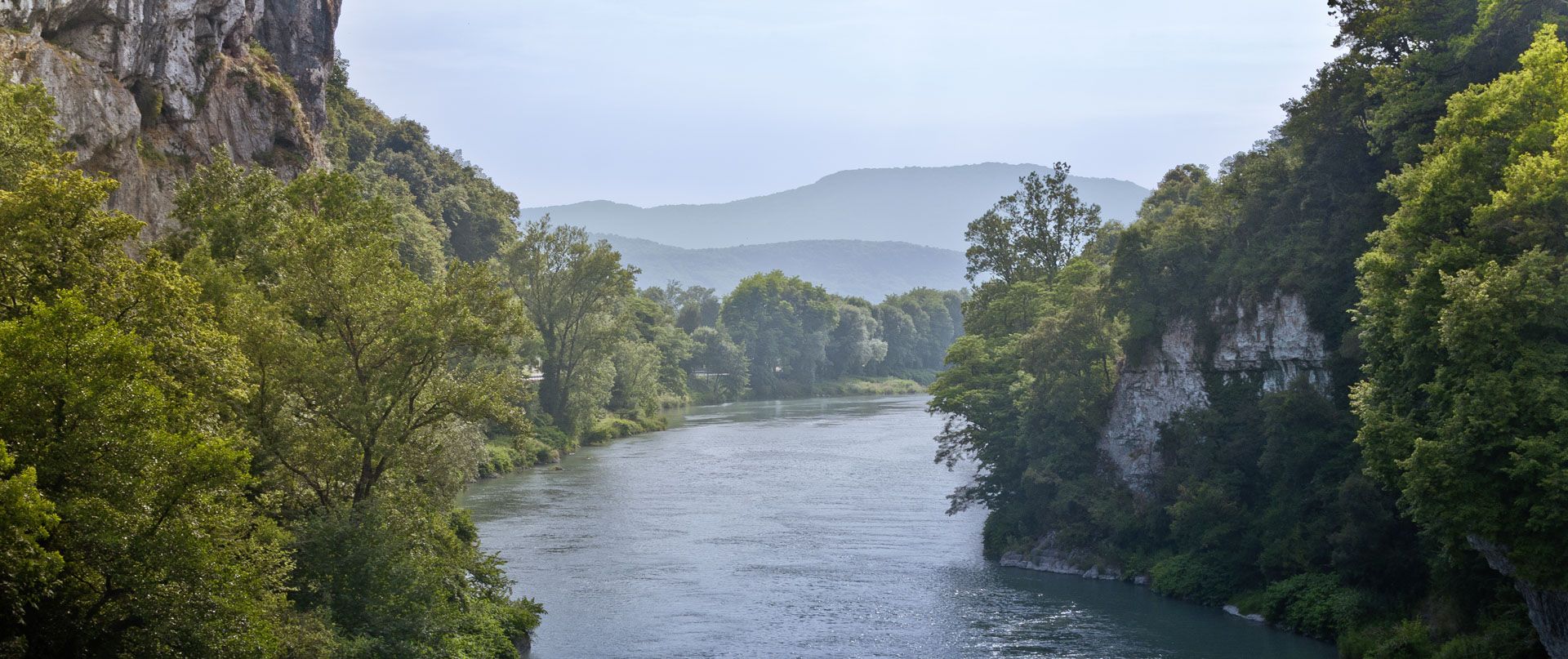
Rhone Cycle Route — From the southern Jura to Lyon
Other adventures in Isère


Tips from the Community

The access is very well signposted, and you can do a lovely loop hike, starting from Saint-Même-le-Haut, or from Saint-Pierre-d'Entremont for the more adventurous. At the end of winter, the water level can be very high.
0
0

The most beautiful hill to climb in these areas.
12
0

As pretty at the top as at the bottom, lots of ways to get to the top, accessible for all levels (not technical but lots of elevation gain depending on your starting point) but it's worth it!
1
0


Magnificent mountain lake!! However, bring good shoes because there is a lot of elevation gain and a repellent for flying insects because during our breaks, it was impossible to be left in peace.
0
0

Magnificent mountain lake where it is pleasant to swim despite a slight influx of hikers. Prepare yourself with courage, good shoes, and a good hour's walk before you can dip your feet in.
0
0

A stunning summit with views of Mont Blanc. The two climbs from the Col des Ayes are relatively steep, but steel cables are installed at the more dangerous sections. The climb north via the Trou du Glaz is a bit longer and a bit easier. The climb east is a bit steeper and more exposed. The view is good, though.
0
0
Frequently Asked Questions
What types of natural features can I expect to see among Isère's natural monuments?
Isère, nestled in the French Alps, offers a diverse range of natural features. You can explore majestic mountains, serene lakes like Lake Lauvitel and Lake Achard, and powerful waterfalls such as the Saint-Même Cirque Waterfalls and White Waterfall. The region also features striking limestone formations like Mont Aiguille and numerous viewpoints from summits and mountain passes.
What are some highly-rated natural monuments in Isère?
Visitors frequently praise several natural monuments in Isère. Saint-Michel Peak is a challenging trail offering magnificent panoramic views of the Vercors. The Moucherotte Summit provides a vast panorama of the Isère valley, Grenoble, and the Alps. Another favorite is Lake Lauvitel, the largest lake in the Ecrins National Park, surrounded by peaks.
Are there family-friendly natural monuments in Isère?
Yes, Isère offers several natural monuments suitable for families. The Saint-Même Cirque Waterfalls are noted as family-friendly, providing a refreshing walk amidst cascades. Many forest walks and accessible lake areas also offer enjoyable experiences for all ages.
Can I bring my dog to the natural monuments in Isère?
Some natural monuments in Isère are dog-friendly. For example, the White Waterfall is listed as dog-friendly. However, it's always recommended to check specific regulations for each site, especially within national or regional parks, as rules can vary regarding leashes and access.
What outdoor activities can I enjoy near Isère's natural monuments?
The region around Isère's natural monuments is ideal for various outdoor activities. You can find numerous routes for cycling, mountain biking, and gravel biking. For instance, the Cycling in Isère guide features routes like the challenging climb of Alpe d'Huez. Mountain biking enthusiasts can explore trails from the MTB Trails in Isère guide, while gravel biking options are available in the Gravel biking in Isère guide.
When is the best time of year to visit Isère's natural monuments?
The best time to visit Isère's natural monuments largely depends on the activity. Summer and early autumn (June to September) are ideal for hiking and exploring high-altitude lakes and summits, offering pleasant weather and clear views. Spring brings lush greenery and powerful waterfalls from snowmelt. Winter transforms the landscape into a snowy wonderland, suitable for snowshoeing or skiing, though some high-altitude access might be restricted.
What are the typical hiking difficulties for natural monuments in Isère?
Hiking difficulties vary significantly across Isère's natural monuments. You can find intermediate trails leading to viewpoints like The Moucherotte Summit or lakes like Lake Achard. More challenging routes include summit ascents like Saint-Michel Peak and Grand Veymont, or mountain passes such as Sarenne Pass, which often involve significant elevation gain and technical sections.
What natural parks host many of Isère's natural monuments?
Isère is home to several significant natural parks that encompass many of its natural monuments. These include the Écrins National Park, where you'll find Lake Lauvitel, and the Chartreuse Massif Regional Natural Park, known for its emerald forests and unique limestone formations, including the Saint-Même Cirque Waterfalls. The Vercors Regional Natural Park also hosts numerous impressive sites, such as Grand Veymont.
What do visitors appreciate most about the natural monuments in Isère?
Visitors consistently highlight the breathtaking panoramic views and the sense of tranquility offered by Isère's natural monuments. Many enjoy the feeling of 'absolute fullness' from summits like The Moucherotte Summit, or the 'incredible contemplation' inspired by unique formations like Mont Aiguille. The presence of diverse wildlife, such as ibexes and marmots at Grand Veymont, also adds to the memorable experience.
How accessible are the natural monuments in Isère by public transport or car?
Access to Isère's natural monuments varies. Many popular sites and trailheads are reachable by car, often with designated parking areas. However, public transport options can be limited, especially for more remote locations within national or regional parks. It's advisable to research specific transport links for your chosen destination in advance, as some areas may require a combination of public transport and a final walk or taxi ride.
Are there any lesser-known natural monuments worth exploring in Isère?
While the guide focuses on popular spots, Isère has many hidden gems. Exploring areas within the Chartreuse Massif or the Belledonne mountain range can reveal less-trafficked trails and viewpoints. For example, Lac du Crozet, perched at 1,974 meters, offers an 'infinity view' over the Grésivaudan valley and Chartreuse massif after a rewarding hike, providing a stunning mountain lake experience away from the busiest crowds.
Can I expect to see wildlife at Isère's natural monuments?
Yes, Isère's diverse natural environments are home to a variety of wildlife. At Grand Veymont, for instance, visitors frequently encounter ibexes and marmots. The regional and national parks, such as Écrins National Park and the Chartreuse Massif, provide habitats for numerous species, including chamois, eagles, and various bird species, especially in quieter areas and during less busy times.
Most popular routes in Isère
Most popular attractions in Isère

Get inspired with the komoot mobile app


Explore more
Extend your search for the best caves by checking out these guides of the top ones in Isère:
