The best gravel rides around Jully-Lès-Buxy
4.9
(14)
94
riders
2
rides
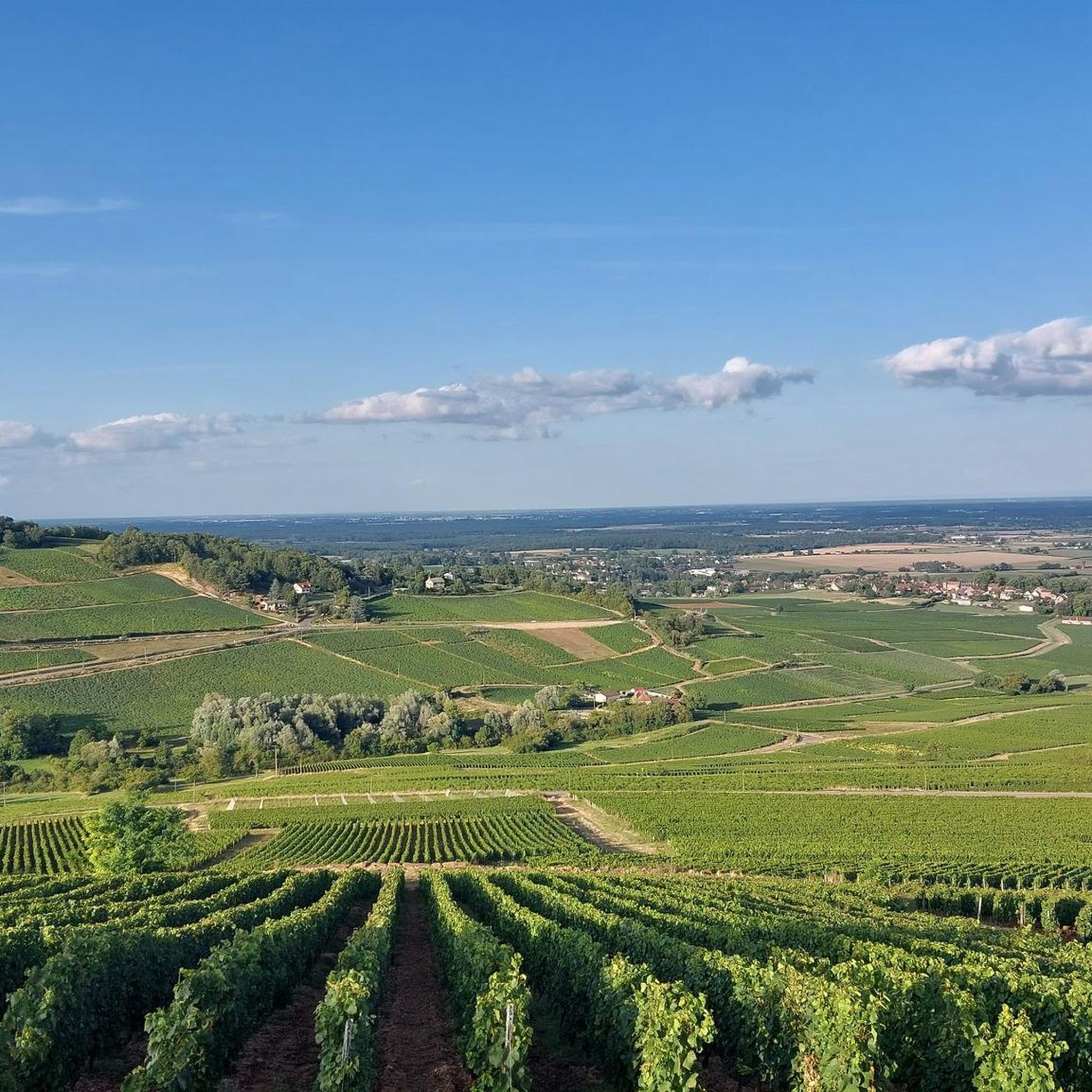
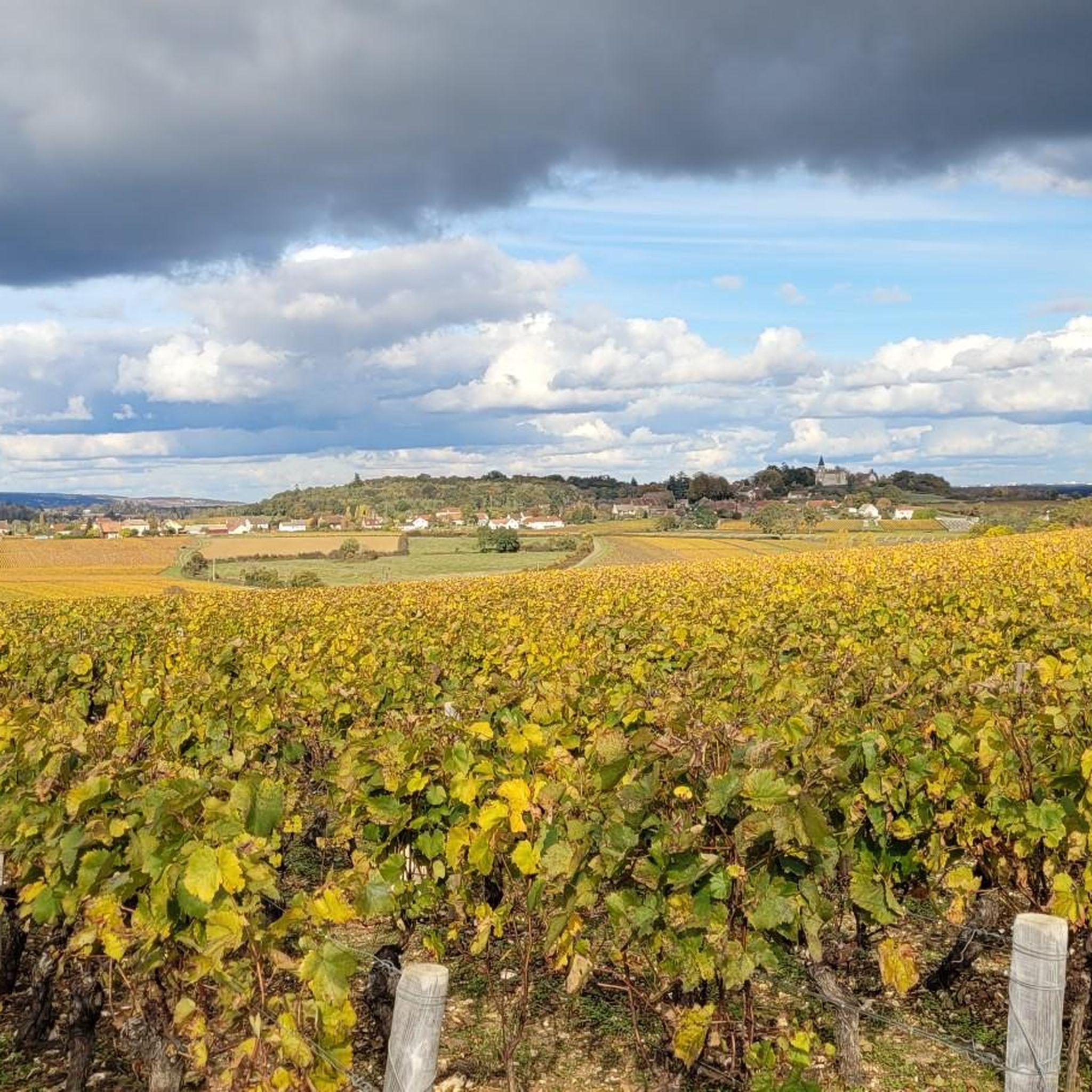
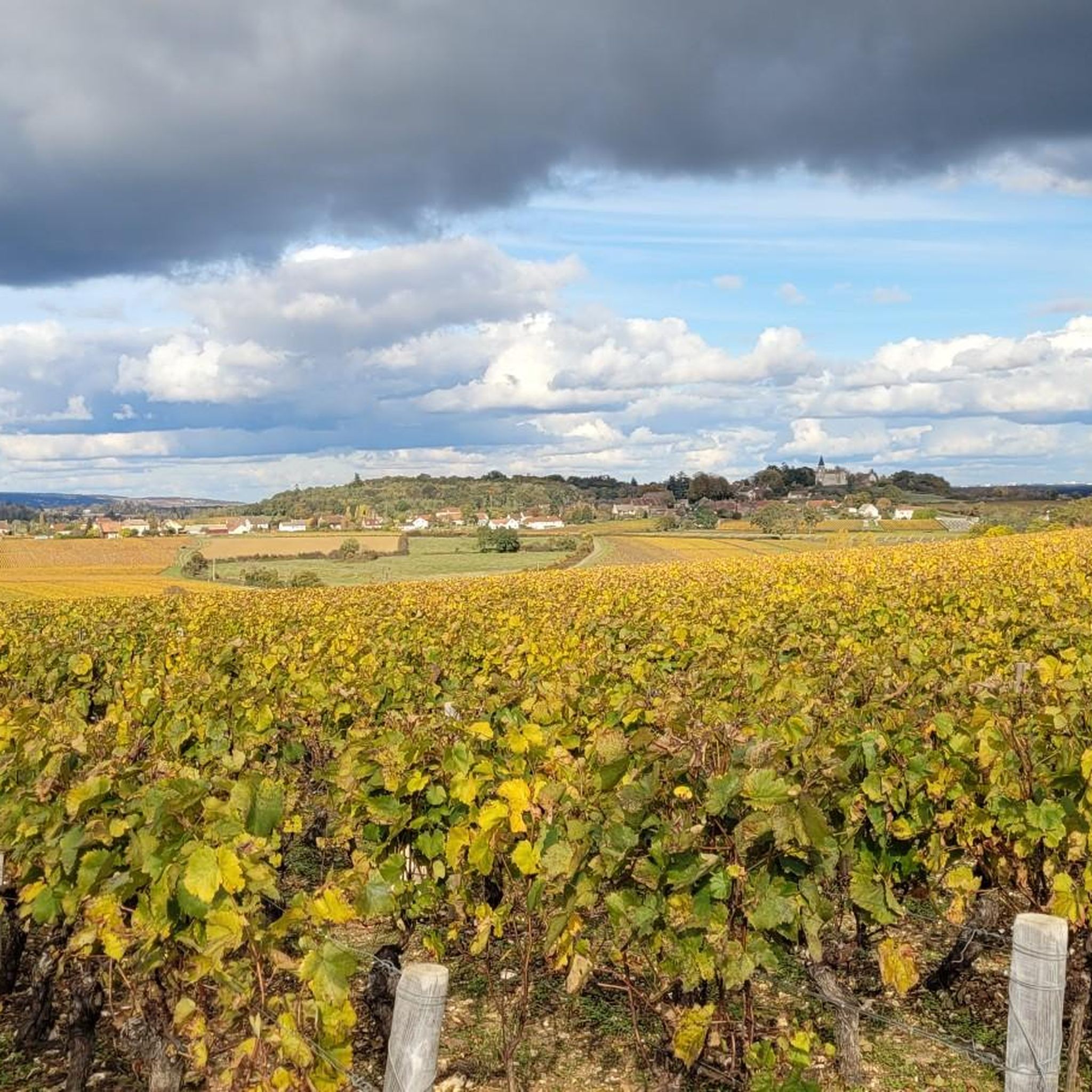
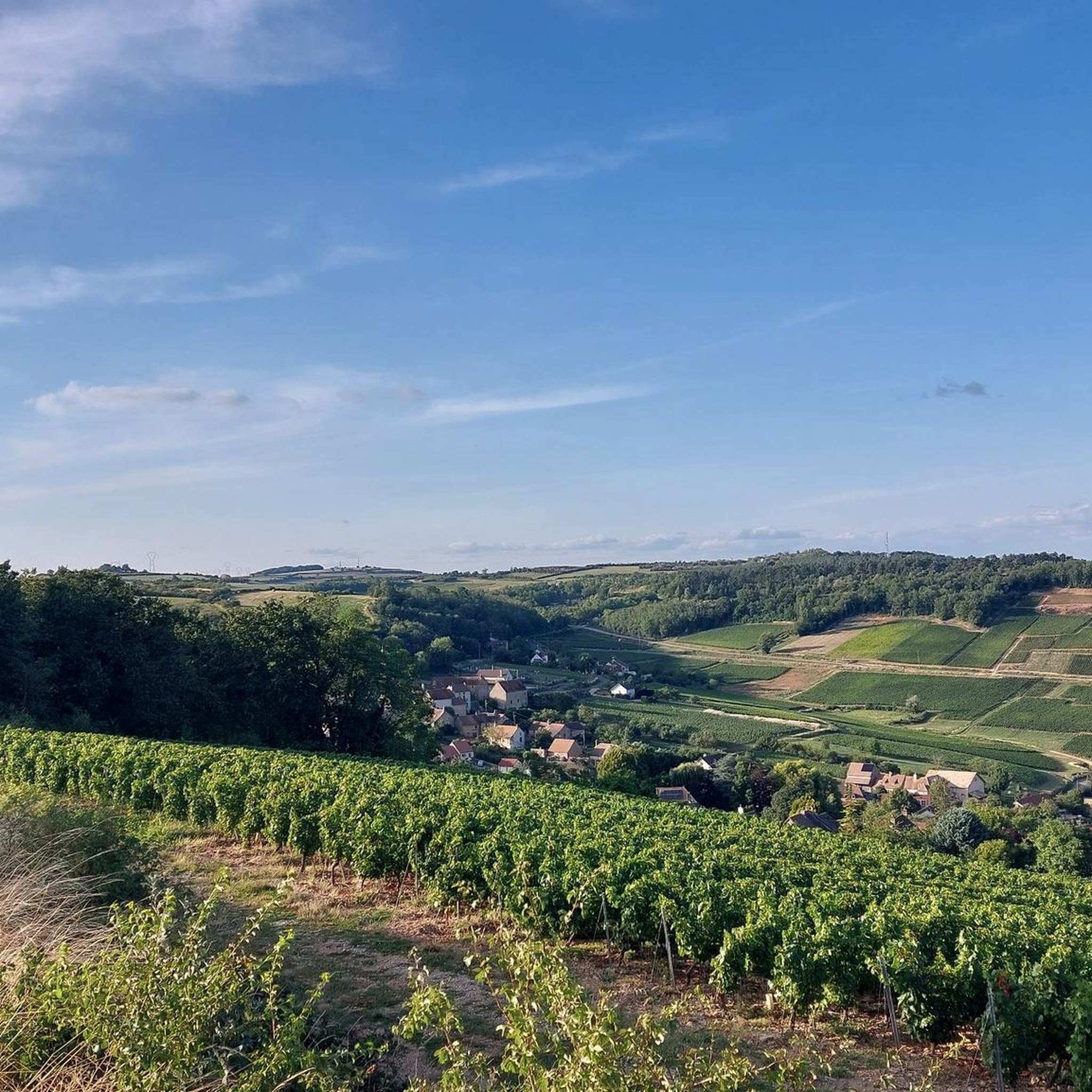
Gravel biking around Jully-Lès-Buxy offers diverse terrain across the Bourgogne-Franche-Comté region, characterized by rolling hills, extensive vineyards, and dense forests. The area features a network of paths, including former railway lines like the Voie Verte, which provide access to unpaved sections suitable for gravel bikes. Routes often traverse varied surfaces of earth, gravel, and rocks, with manageable climbs and descents. This topography provides a balanced experience for gravel cyclists exploring the Côte Chalonnaise.
Best gravel bike trails around Jully-Lès-Buxy
- The…
Last updated: July 4, 2026
4.6
(9)
69
riders
Hard gravel ride. Very good fitness required. Mostly paved surfaces. Suitable for all skill levels.
4
riders
23.5km
02:00
480m
480m
Hard gravel ride. Very good fitness required. Mostly paved surfaces. Suitable for all skill levels.

Sign up for free
2
riders
41.5km
03:08
710m
710m
Hard gravel ride. Very good fitness required. Mostly paved surfaces. Suitable for all skill levels.
5.0
(1)
3
riders
55.6km
03:06
120m
120m
Moderate gravel ride. Good fitness required. Mostly paved surfaces. Suitable for all skill levels.
5.0
(1)
2
riders
12.8km
00:59
210m
210m
Moderate gravel ride. Good fitness required. Mostly paved surfaces. Suitable for all skill levels.
Our route recommendations are based on thousands of hikes, rides, and runs completed by other people on komoot.
Start today with a free account
Your next adventure awaits.
Login or Signup

Tips from the Community

The Church of St. Peter and Paul (Église Saint-Pierre et Saint-Paul) in the municipality of Givry was built between 1772 and 1791. It is considered a masterpiece of French Classicism. It was designed by the famous regional engineer and architect Émiland Gauthey. Its striking, bright yellow facade, which makes it visible from afar in the village, is very noticeable. Its round shape and the large bull's-eye windows (Œil-de-bœuf) also make it unique.
0
0
The Halle ronde (the "round hall") in the French municipality of Givry was built between 1825 and 1830. It was designed by the regionally known architect Lazare Narjoux. It originally served as a grain hall (Halle au blé) to supply the surrounding mills and the population with grain. Due to its rare, circular design, the market hall has been classified as a historic monument since 1931.
0
0
An idyllic, paved cycle path directly on the riverbank. It is a section of the well-known French long-distance cycle route „La Voie Bleue - Moselle-Saône Radweg" (Route V50) along the Saône. The entire long-distance cycle route covers around 700 kilometers from the Luxembourg border town of Apach (near the tripoint) to Lyon. The Saône section follows the natural meanders of the Saône, passing meadows, historic villages, and well-known wine-growing regions such as Mâcon. The route is mostly flat on former towpaths.
0
0
An idyllic, asphalted cycle path right on the riverbank. This is a section of the well-known French long-distance cycle route "La Voie Bleue - Moselle-Saône Radweg" (Route V50) along the Saône. The entire long-distance cycle route runs for around 700 kilometers from the French border town of Apach (near the tripoint) to Lyon. The Saône section follows the natural meanders of the Saône, passing meadows, historic villages, and well-known wine-growing regions such as Mâcon. The route runs mostly flat on former towpaths.
0
0
The historic old town of Tournus, a French town in the Burgundy region (Saône-et-Loire department). Main attractions: Saint-Philibert Abbey Church: One of France's most significant Romanesque structures from the 11th and 12th centuries. Picturesque streets: The old town is characterized by narrow, right-angled streets, colorful facades, and Mediterranean-style flat roofs with round tiles. Hôtel-Dieu: A historic hospital with a well-preserved, ornate 17th-century pharmacy. Greuze Monument: A statue in honor of the famous painter Jean-Baptiste Greuze, born in Tournus in 1725.
1
0
The Abbey Church of Saint-Philibert in Tournus is one of the most important examples of early Romanesque architecture in Central Europe. The mighty west facade, with its embrasures and massive walls, is reminiscent of a medieval fortress. The nave features unique, transversely running barrel vaults, which create an extraordinary play of light inside. An ancient crypt lies beneath the choir, while the upper church, dedicated to Saint Michael, is located above the narthex.
2
0
The abbey church of Saint-Philibert in Tournus is one of the most important examples of early Romanesque architecture in Central Europe. The mighty west facade, with its battlements and massive walls, is reminiscent of a medieval fortress. The nave features unique, transversely running barrel vaults, which create an extraordinary play of light inside. Beneath the choir lies an ancient crypt, while above the narthex is the upper church, dedicated to Saint Michael.
1
0

Along the Saône runs the unfortunately often unpaved, patchy Voie Bleu ("Blue Way"). Incidentally, there is only one Voie Bleu, unlike the Voies Vertes. From Wikivoyage.
1
0
Frequently Asked Questions
What kind of terrain can I expect on gravel bike trails around Jully-lès-Buxy?
The terrain around Jully-lès-Buxy is diverse, characterized by rolling hills, extensive vineyards, and dense forests. You'll encounter a mix of surfaces, including unpaved sections of earth, gravel, and rocks, often connected by former railway lines like the Voie Verte. This provides a varied experience with manageable climbs and descents.
Are there any family-friendly gravel bike routes in the area?
While many gravel routes involve varied terrain, the region's 'Voie Verte' (greenway) offers dedicated, car-free paved paths that are suitable for various cycling levels, including families. These greenways can serve as excellent connectors for more adventurous gravel routes, or be enjoyed on their own for a smoother ride.
What are some notable landmarks or attractions I can see while gravel biking near Jully-lès-Buxy?
The region offers several points of interest. You might pass through charming settlements like Saint-Gengoux-le-National or Jambles. Historical sites such as Sercy Castle are also nearby. The fortified village of Buxy, with its historic architecture and wine cellars, is also easily accessible and a great stop.
Are there any circular gravel bike routes around Jully-lès-Buxy?
Yes, there are circular routes available. For example, the Gravel loop from Saint-Privé is a difficult 23.5 km route. Another option is the Givry Town Hall Arch – Jambles loop from Givry, a difficult 41.5 km route that takes you through the scenic countryside.
What is the best time of year for gravel biking in Jully-lès-Buxy?
The region's rolling countryside, vineyards, and forests are beautiful throughout much of the year. Spring and autumn generally offer pleasant temperatures and vibrant scenery, making them ideal for exploring. Summer can also be enjoyable, especially on shaded forest trails.
Where can I find parking for gravel biking trails in Jully-lès-Buxy?
While specific parking areas for each trail are not always designated, many routes start or pass through villages like Buxy or Givry, where public parking is typically available. It's advisable to check the starting point of your chosen route for the most convenient parking options.
Can I access these gravel trails using public transport?
Jully-lès-Buxy is a rural commune, and direct public transport links to specific trailheads might be limited. However, nearby towns like Buxy or Chalon-sur-Saône may offer better public transport connections, from which you can cycle to the starting points of various routes. For detailed information on regional transport, you might consult local tourism resources.
What do other gravel bikers enjoy most about the routes in Jully-lès-Buxy?
The area is highly rated by the komoot community, with an average score of 5.0 stars. Reviewers often praise the diverse terrain, the scenic beauty of the vineyards and forests, and the balance of moderate and challenging routes available. The combination of paved greenways and unpaved rural paths is also frequently highlighted.
Are there any routes that offer particularly good viewpoints?
Given Jully-lès-Buxy's location "sur une butte" (on a hillock) and the region's rolling hills, many routes naturally offer elevated views of the surrounding countryside, especially across the vineyards. The View of Saint-Denis-de-Vaux is a specific highlight that offers panoramic vistas.
Are there any amenities like cafes or places to rest along the gravel routes?
Many routes pass through or near charming villages in the Côte Chalonnaise, such as Buxy or Givry. These villages typically offer amenities like cafes, bakeries, and sometimes small shops where you can refuel and rest. It's a good idea to plan your route to include these stops.
What is the longest gravel bike route available in this area?
One of the longer routes is the Saône River – Cycle Path along the Saône loop from Sennecey-le-Grand, which covers 55.7 km and is rated as moderate. This route offers a substantial ride along the Saône.
Most popular routes around Jully-Lès-Buxy
Most popular attractions around Jully-Lès-Buxy

Get inspired with the komoot mobile app


Explore more
Browse the best Gravel rides in other regions.
