Top 4 Castles around Müllrose
Castles around Müllrose offer a glimpse into the region's rich history, though prominent castles within the town itself are mostly ruins. Müllrose, known as the gateway to the Schlaubetal Nature Park, provides a historical backdrop with its market square and Evangelical church. The area features historical sites and manor houses that reflect centuries of regional development. These landmarks are situated within a landscape characterized by natural beauty and outdoor activities.
Best castles around Müllrose
- The most popular castles is Beeskow…
Last updated: June 24, 2026
Beeskow Castle
Highlight • Castle
Translated by Google •
Tip by

Beeskow Old Town and Market Square
Highlight • Historical Site
Translated by Google •
Tip by

Sign up now to discover places like this
Get recommendations on the best single tracks, peaks, & plenty of other exciting outdoor places.
Sign up for free
Krügersdorf Village Church
Highlight • Religious Site
Translated by Google •
Tip by

Schloss Krügersdorf
Highlight • Castle
Translated by Google •
Tip by

Start today with a free account
Your next adventure awaits.
Login or Signup
Popular around Müllrose
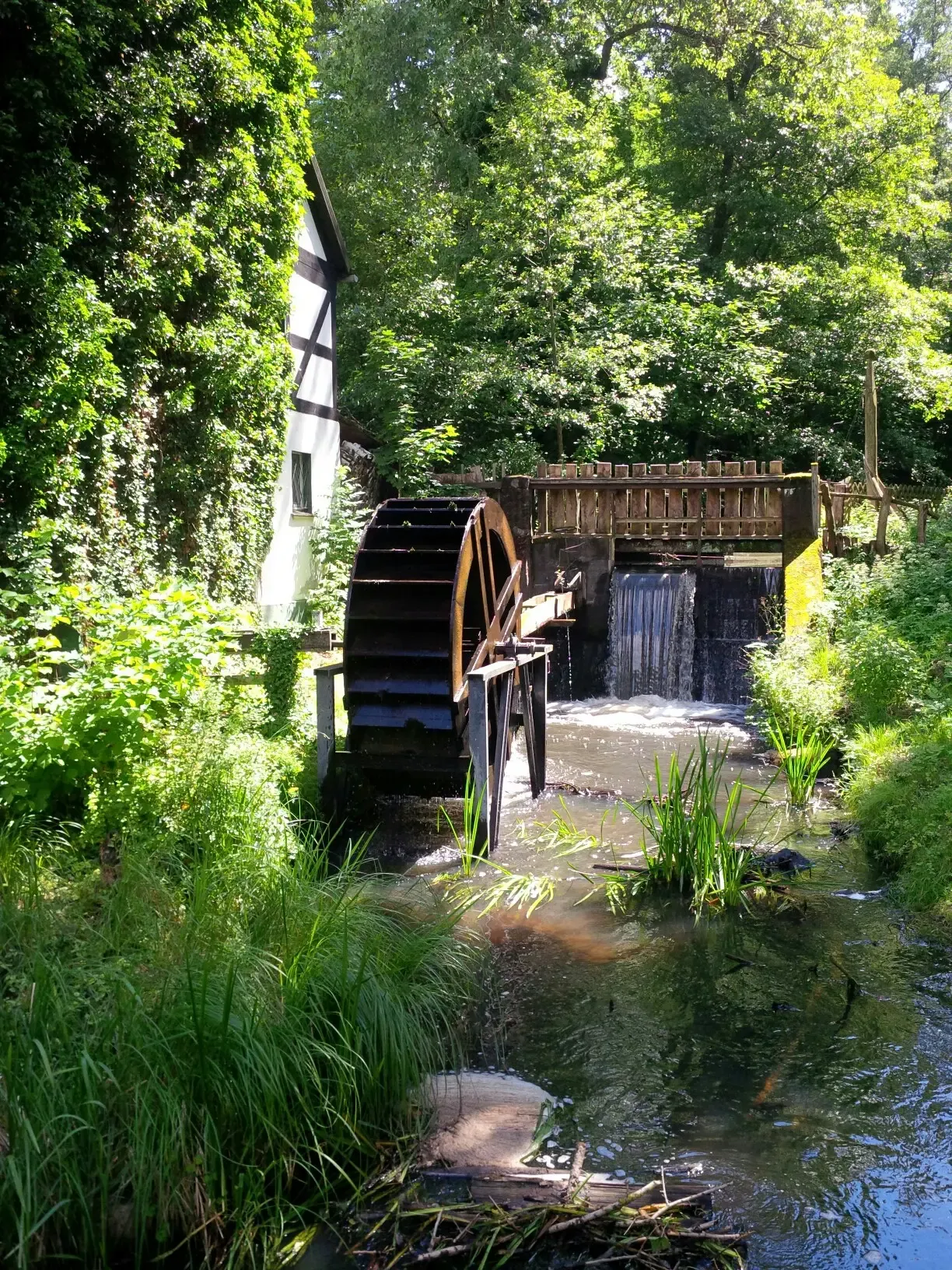
Mill Hiking Trail – The Schlaubetal hiking paradise
Ten unique cycling tours in the Lakeland Oder-Spree
The treasures of Lower Lusatia
Mit der Ausflugslinie (A400) zum Wandern ins Schlaubetal
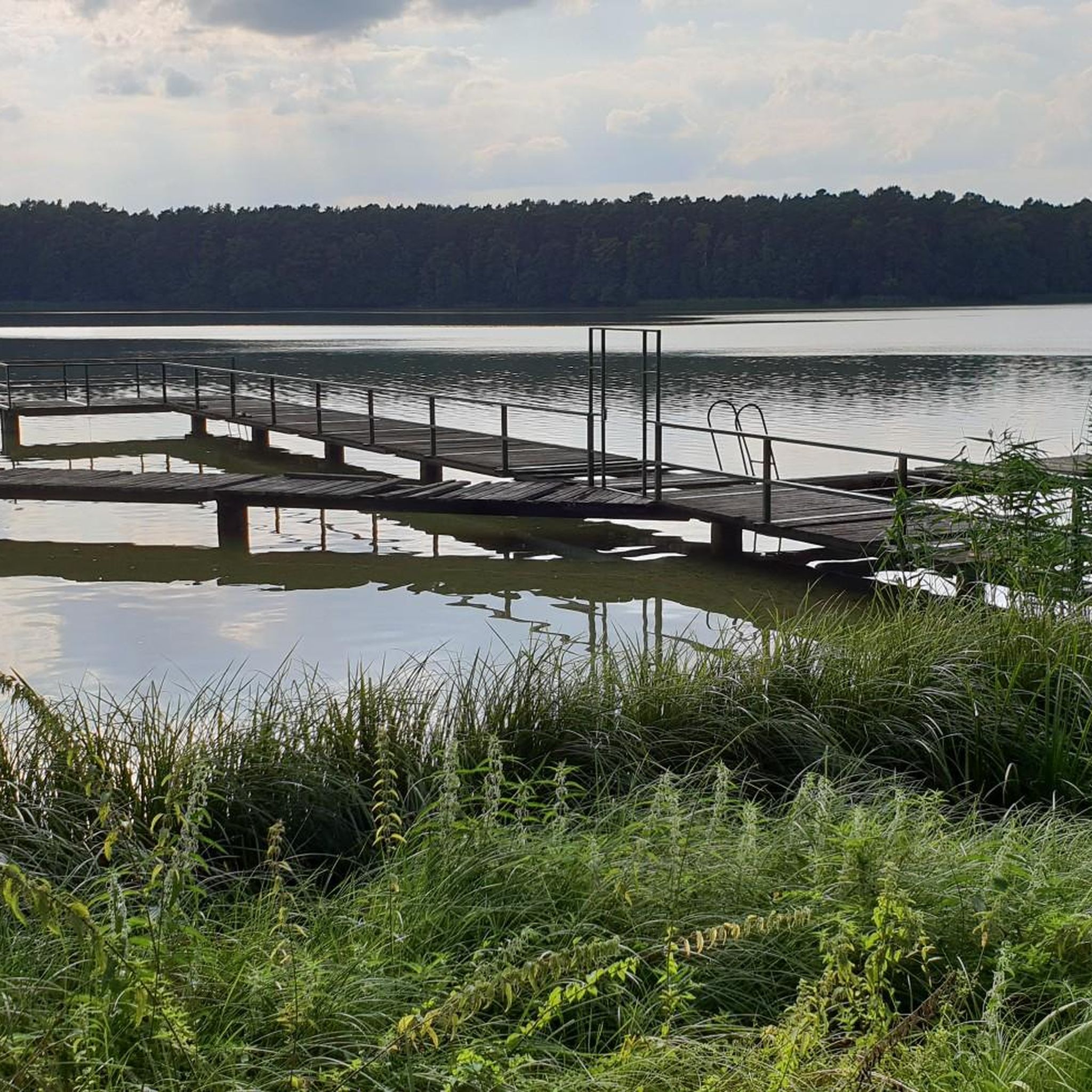
Cycling around Müllrose
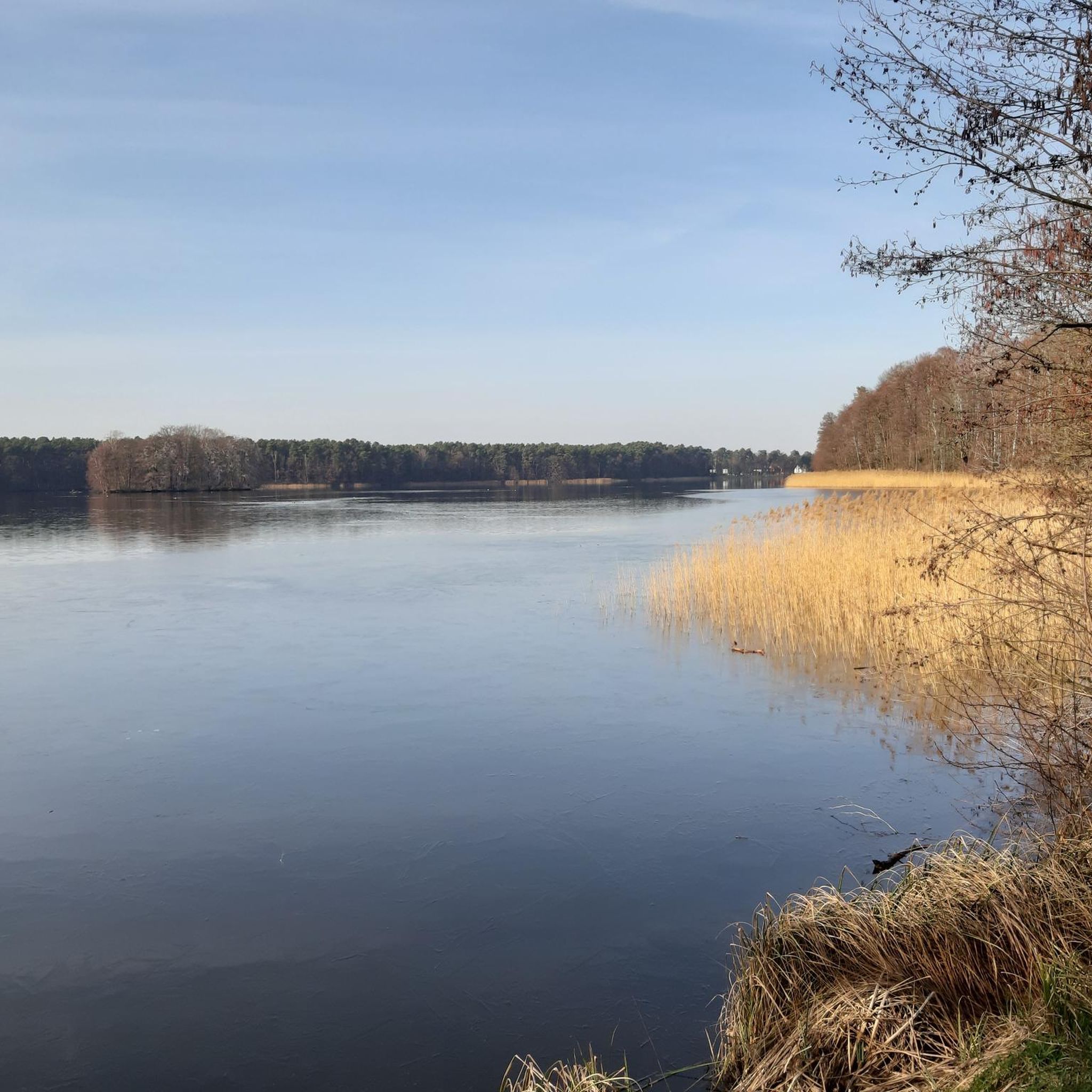
Hiking around Müllrose
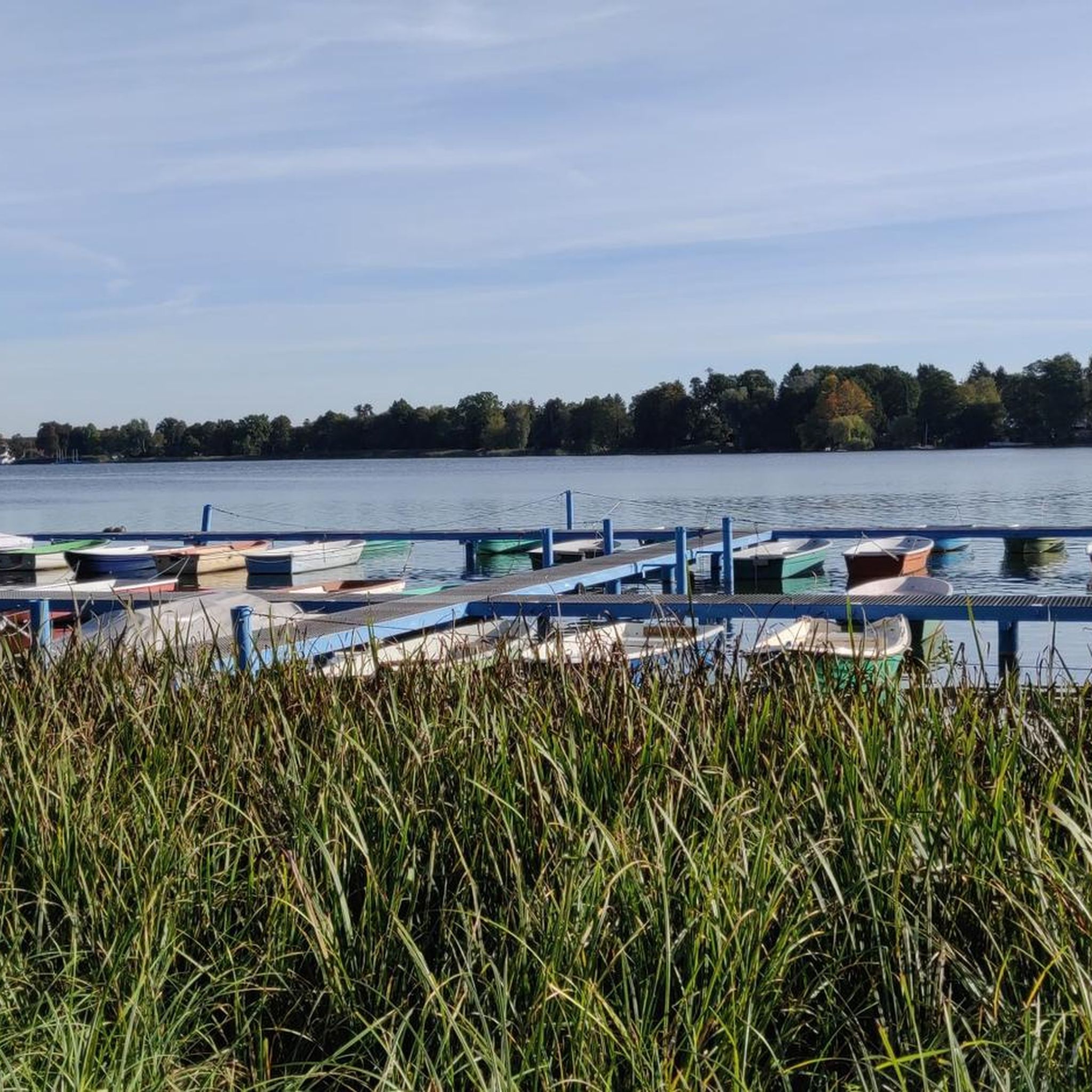
Road Cycling Routes around Müllrose
MTB Trails around Müllrose
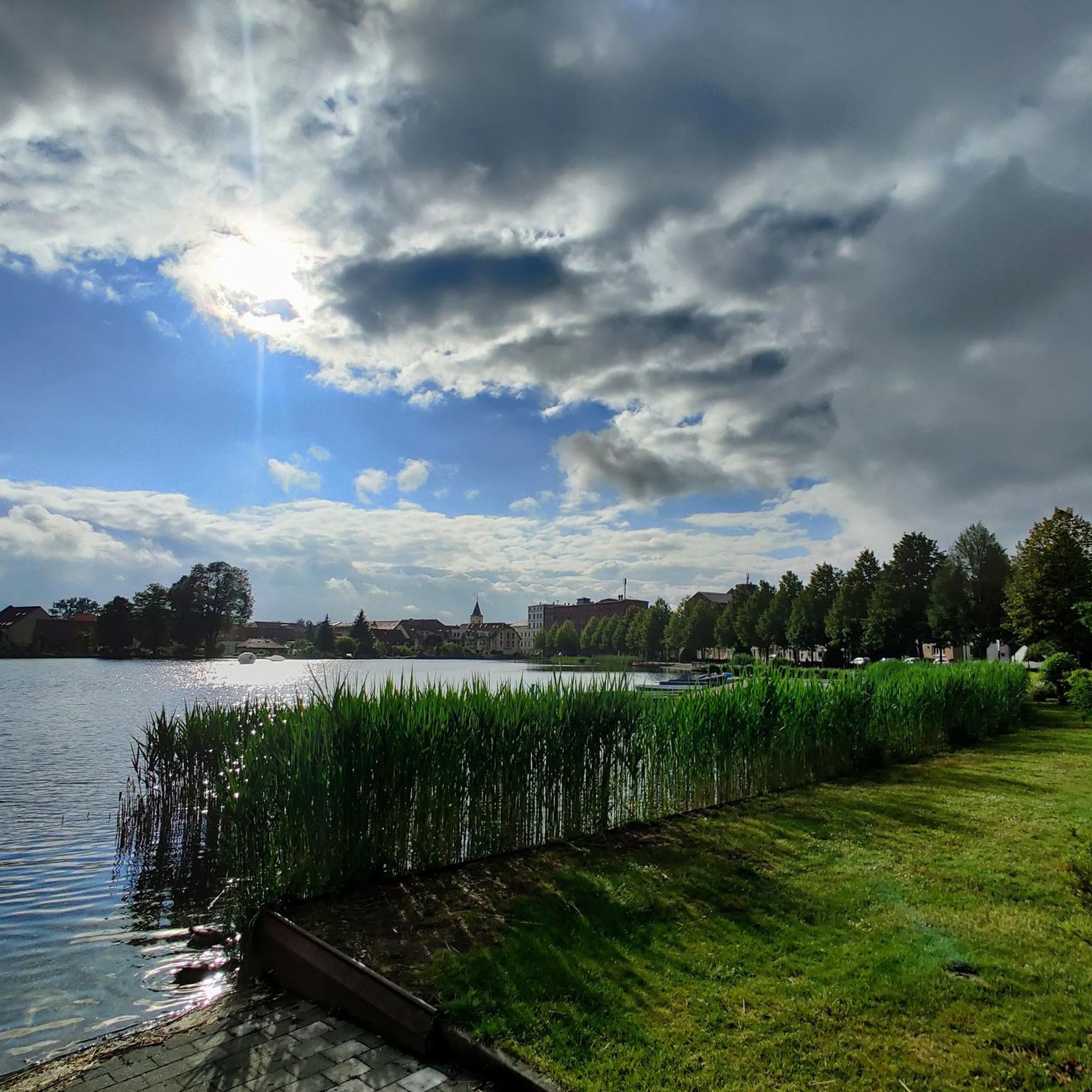
Running Trails around Müllrose
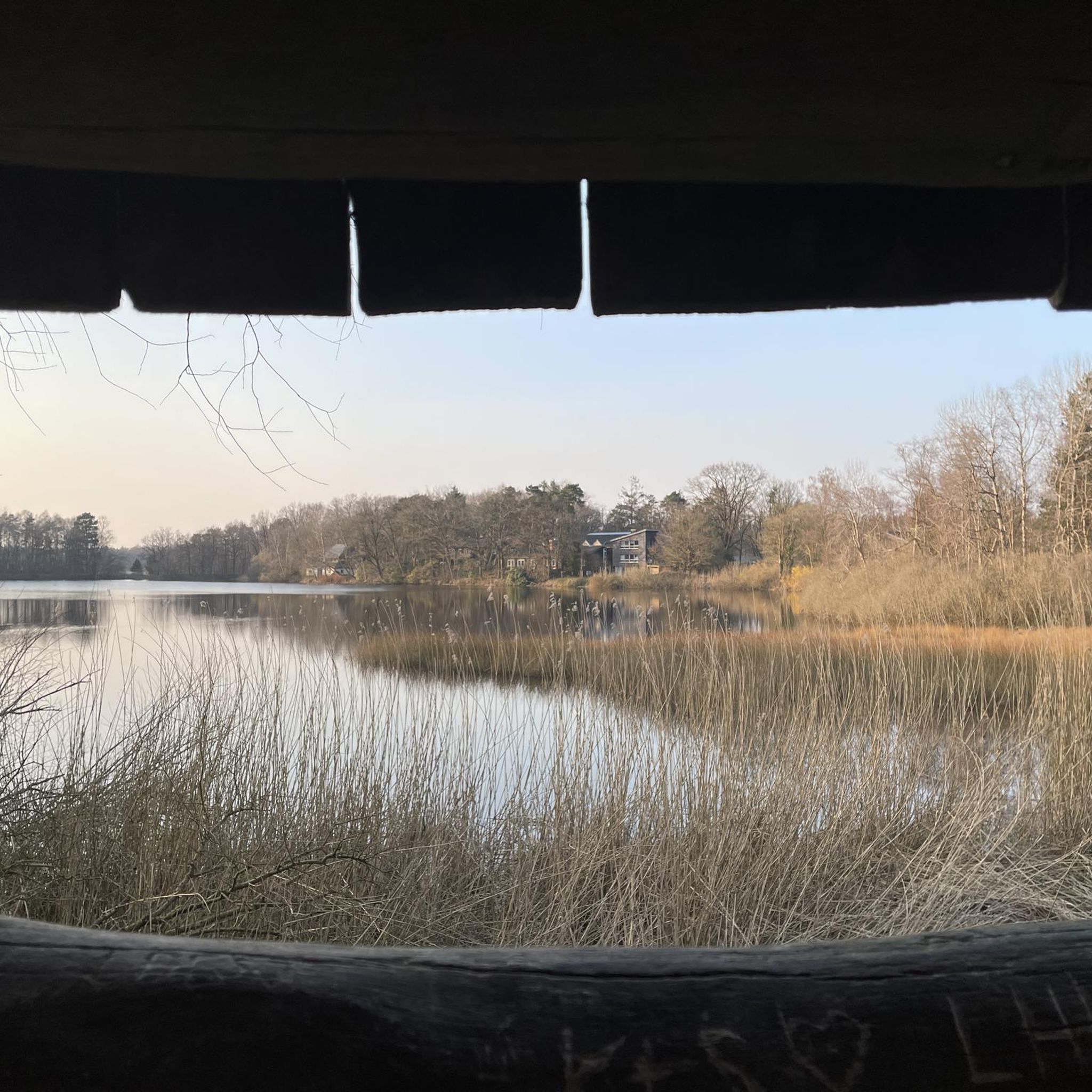
Gravel biking around Müllrose
Other adventures around Müllrose


Tips from the Community

Baroque hall church with 13 leaded glass windows from 1880.
0
0
Krügersdorf Castle is located in Beeskow, Brandenburg and is often referred to as a manor house. It was built in 1539 by the Lords of Steinkeller. In 1823 the manor house was destroyed by fire. Three servants were killed. The von Steinkeller family remained in possession of the property until 1845, when it was sold to Friedrich Wilhelm Ludwig Lehmann. Other owners followed before the last, the Möhring family, were expropriated in 1945.
0
0

The castle was first mentioned in documents in 1316 and belonged to the lords of Strehle, with which and other moated castles it formed a network of defense systems in the Mittelmark
12
0
The castle was first mentioned in a document in 1316 and belonged to the Lords of Strehle, with which and other moated castles it formed a network of defense systems in the Mittelmark.
20
0
There are also interesting exhibitions in the castle.
28
3

Large castle with refreshment stops and changing exhibitions.
10
1
I recommend a tour along the city walls.
22
1
Frequently Asked Questions
What kind of historical sites can I explore around Müllrose?
While prominent, well-preserved castles are not found directly within Müllrose, the area offers a rich history through various sites. You can visit Beeskow Castle, which features cultural activities and a museum. Other historical points of interest include the Heimatmuseum, the historic fire station with its wooden hose tower, and the historic market square with its Evangelical Church in Müllrose itself. The region also has manor houses like Schloss Krügersdorf and the historically significant Krügersdorf Village Church, sometimes referred to as a "little castle."
Are there any castle ruins or historical remnants in Müllrose?
Yes, historical records indicate that "Burg Müllrose" once existed, owned by the Margraves of Brandenburg. However, it was reported to be in ruins as early as 1706. While not a prominent, standing castle today, its history is part of Müllrose's past.
What cultural activities are available at Beeskow Castle?
Beeskow Castle is a hub for cultural activity. It houses a castle museum with exhibits on castle history, including torture cellars, music history, and contemporary art. There's also a Burgtheater offering workshops, improv theater, and paper theater. For dining, the Cucina Verde provides Mediterranean-German fusion cuisine.
Can I combine a visit to historical sites with outdoor activities near Müllrose?
Absolutely. Müllrose is known as the gateway to the Schlaubetal Nature Park, offering natural beauty and outdoor activities. You can explore historical sites and then enjoy hiking, gravel biking, or mountain biking. For example, you can find various routes in the area, such as the "Water wheel in Müllrose – Beach at Großer Müllroser See loop" for hiking, or the "Ragower Mill – Rest area at Ragower Mühle loop" for gravel biking. You can find more routes in the Hiking around Müllrose, Gravel biking around Müllrose, and MTB Trails around Müllrose guides.
Are there family-friendly historical attractions around Müllrose?
Many historical sites in the region are suitable for families. Beeskow Castle, with its museum and cultural activities, can be engaging for various ages. The Alt-Madlitz Manor and Park Pavilion offers an extensive park that is great for walks. The Heimatmuseum in Müllrose also provides an accessible overview of local history.
What is the significance of Alt-Madlitz Manor and its park?
Alt-Madlitz Manor, first mentioned in the 13th century, became a significant cultural hub in the 18th century under Friedrich Ludwig Karl Finckenstein. It attracted celebrities like Ludwig Tieck and Wilhelm von Humboldt. Finckenstein himself designed the extensive park, which is considered the oldest English landscape garden in Brandenburg, characterized by cleverly designed visual axes and large oak and chestnut trees. It's a beautiful place for a historical walk.
What is the best time to visit Müllrose for exploring historical sites and nature?
The Schlaubetal Nature Park, which Müllrose is part of, is beautiful year-round. Spring and autumn offer pleasant temperatures for exploring historical sites and hiking, with vibrant foliage or blooming nature. Summer is also popular, especially for combining visits with water activities on the nearby lakes. Winter can provide a quiet, picturesque experience, though some attractions might have reduced hours.
Are there any historical churches with unique features in the area?
Yes, the Krügersdorf Village Church is a notable example. This nicely renovated plaster building from 1720 features a three-sided east end and a western roof tower. Inside, you'll find a pulpit altar and an organ, along with a worth-seeing baptismal angel from the first half of the 18th century. The Evangelical Church in Müllrose's historic market square, originally built in 1275, also boasts Baroque renovations and a 1772 organ.
What do visitors particularly enjoy about the historical sites around Müllrose?
Visitors appreciate the blend of history and nature. Many enjoy the cultural activities and museum at Beeskow Castle, noting its well-preserved state and interesting exhibitions. The historic buildings in Beeskow's Old Town are also praised for their restoration. The unique charm of places like the Krügersdorf Village Church and the historical significance of manor houses like Schloss Krügersdorf also draw interest, offering a glimpse into the region's past.
Are there any historical industrial sites near Müllrose?
Yes, the Oderland Mühlenwerke (Mill Works) is a significant historical industrial site. It is the oldest continuously operating mill in the Schlaubetal and the largest producing grain mill in East Brandenburg, representing an important part of the town's industrial heritage.
What are some easy walking routes that include historical points of interest in Müllrose?
Within Müllrose, you can take an easy walk around the historic market square to see the Evangelical Church and the Heimatmuseum. For a slightly longer, easy route that combines nature and local history, consider the "Müllrose Photo Frame – Katharinengraben loop" which is about 3.8 km long. More options can be found in the Hiking around Müllrose guide.
How can I get to Müllrose using public transport?
Müllrose is accessible by public transport, typically via regional train and bus connections. It's advisable to check current schedules and routes from your starting location to Müllrose, as specific connections can vary.
Most popular routes around Müllrose
Most popular attractions around Müllrose

Get inspired with the komoot mobile app


Explore more
Looking for the best castles somewhere else? Discover other guides around Müllrose:
