Top 20 Castles in Dordogne
Castles in Dordogne are a prominent feature of this region, often referred to as "the land of a thousand châteaux." The area is renowned for its impressive collection of fortified structures and elegant residences. These historical sites offer a captivating glimpse into centuries of French history, from medieval warfare to Renaissance grandeur, set amidst a landscape of rivers and valleys. The region's geography, with its cliffs and river valleys, provided strategic locations for these structures.
Best castles in Dordogne
- The most popular castles is Beynac Castle, a castle located at the top of a dizzying cliff. It is one of the best-preserved and most famous castles in Périgord, offering superb viewpoints over the Dordogne.
- Another must-see spot is Castelnaud-la-Chapelle, a medieval hilltop castle. It houses a museum for medieval war machines and displays over 200 medieval weapons and armours.
- Visitors also love Montfort Castle, a castle standing on a jagged rock 90 meters above the Dordogne. The complex is located in a park surrounded by walls and was extensively restored in the 19th century.
- Dordogne is known for its diverse range of castles, from formidable medieval fortresses to elegant Renaissance châteaux. Visitors can explore structures that played key roles in historical conflicts and those that showcase classical French architecture.
- The castles in Dordogne are appreciated by the komoot community, with more than 780 upvotes and over 390 photos shared by visitors.
Last updated: June 22, 2026
La Roque-Gageac
Highlight • Settlement
Translated by Google •
Tip by

Castelnaud-la-Chapelle
Highlight • Castle
The picturesque silhouette of the place is determined by the Castelnaud castle, a medieval fortification from the 12th / 13th centuries. Century. The castle now houses a museum of medieval warfare. Various siege machines can be viewed in their original size on the grounds of the castle, for example various slingshots, a cannon and a very large crossbow which could be used to shoot up to 300m. Inside the castle is a large exhibition with beautifully decorated crossbows and everyday objects from different eras.
Castelnaud-la-Chapelle is one of the most beautiful villages in France.
Nearby, in an 18th century farmhouse, is the Walnut Eco-Museum.
Translated by Google •
Tip by

Sign up now to discover places like this
Get recommendations on the best single tracks, peaks, & plenty of other exciting outdoor places.
Sign up for free
Beynac Castle
Highlight • Castle
Translated by Google •
Tip by

Castelnaud-la-Chapelle Castle
Highlight • Castle
In 1966 it was classified as an historic monument and has been carefully restored. Today it is a museum and displays over 200 medieval weapons and armours.
Translated by Google •
Tip by

Montfort Castle
Highlight • Castle
The complex is located in a park surrounded by walls and was extensively restored in the 19th century. Nothing remains of the previous medieval buildings. The ruins of the left wing were reconstructed, the tower dates from the 15th century, the rest from the 16th century. They used to have pieces from the time of Louis XIII. and Louis XIV's furnished rooms in the basement are accessible to visitors; Now Montfort Castle can no longer be visited.
In its history, Montfort Castle was conquered, burned down and rebuilt three times. During the Albigensian Crusade in the 13th century, Simon IV de Montfort took the castle. During the Hundred Years' War the castle was destroyed under Louis XI. and then destroyed under Henry IV.
Translated by Google •
Tip by

Beynac-et-Cazenac
Highlight • Castle
Translated by Google •
Tip by

Biron Castle
Highlight • Castle
Like most castles in France, numerous architectural transformations have taken place over the centuries. All year round, magnificent works of art are exhibited in the large rooms. One of the owners of this castle, Charles de Biron, met a rather tragic end because suspected of plotting against King Henry 4, he was beheaded in the courtyard of the Bastille prison castle in Paris in the 17th century.
Translated by Google •
Tip by
Les Milandes Castle
Highlight • Castle
Admission 12 € / adult (2019).
In 1938, the castle was first rented by Josephine Baker and then bought in 1947. It brought electricity and water connection in the castle and in the adjacent village of Milandes, which became the first village in the Périgord with these amenities. Josephine Baker also commissioned a complete renovation of the interior.
(Source: Wikipedia)
Translated by Google •
Tip by

Saint-Jean-de-Côle
Highlight • Historical Site
Translated by Google •
Tip by

Thiviers Old Town
Highlight • Settlement
Translated by Google •
Tip by

Sign up for free to discover even more castles in Dordogne.
Sign up for free
Already have an account?
Start today with a free account
Your next adventure awaits.
Login or Signup
Popular around Dordogne
GR 36 long-distance footpath – Cross France from the Channel to the Pyrenees
From the Alps to the Atlantic — GR 6
From prehistory to history – hiking the GR 461
From caves to castles – France’s GR 64
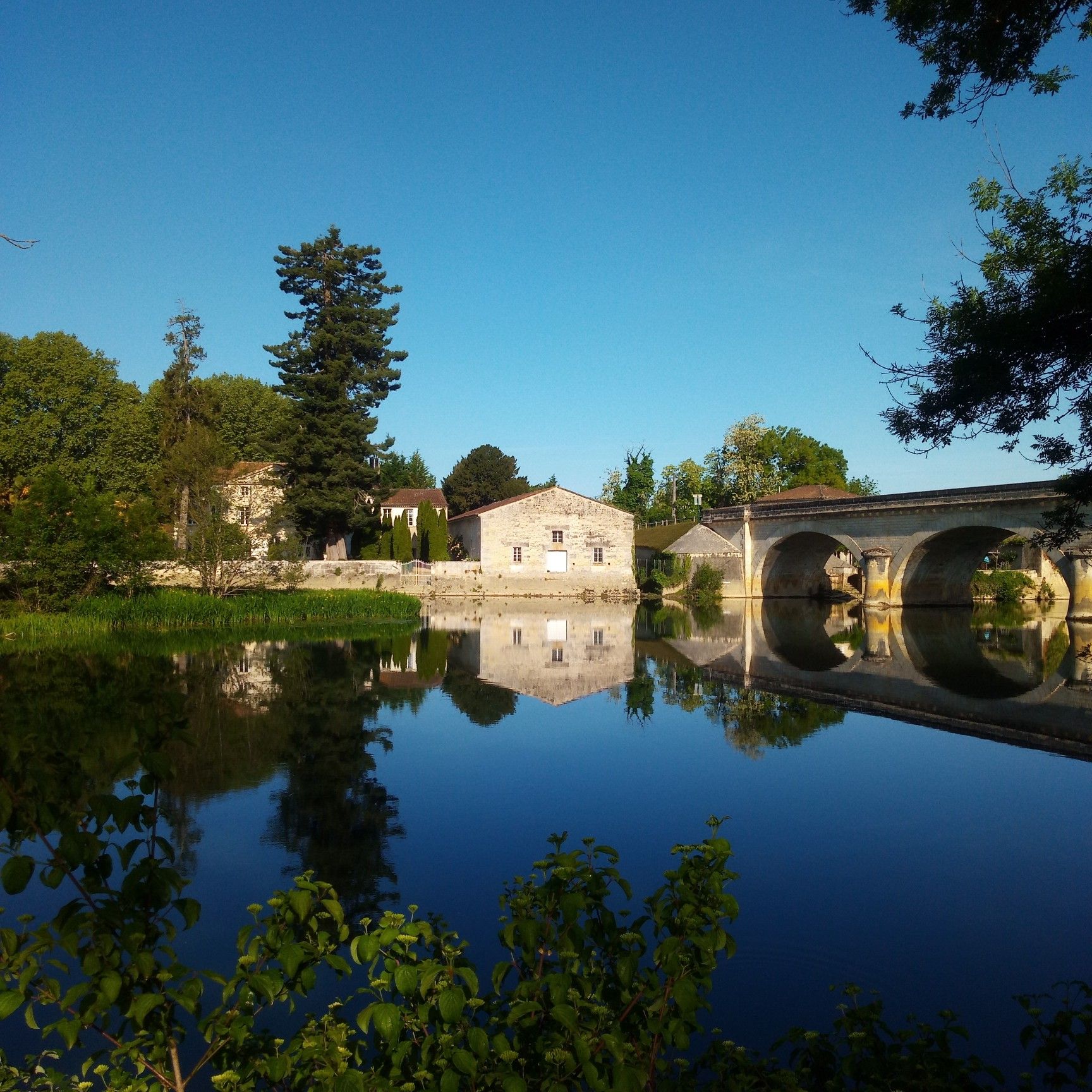
The Flow Vélo – a route that transports you
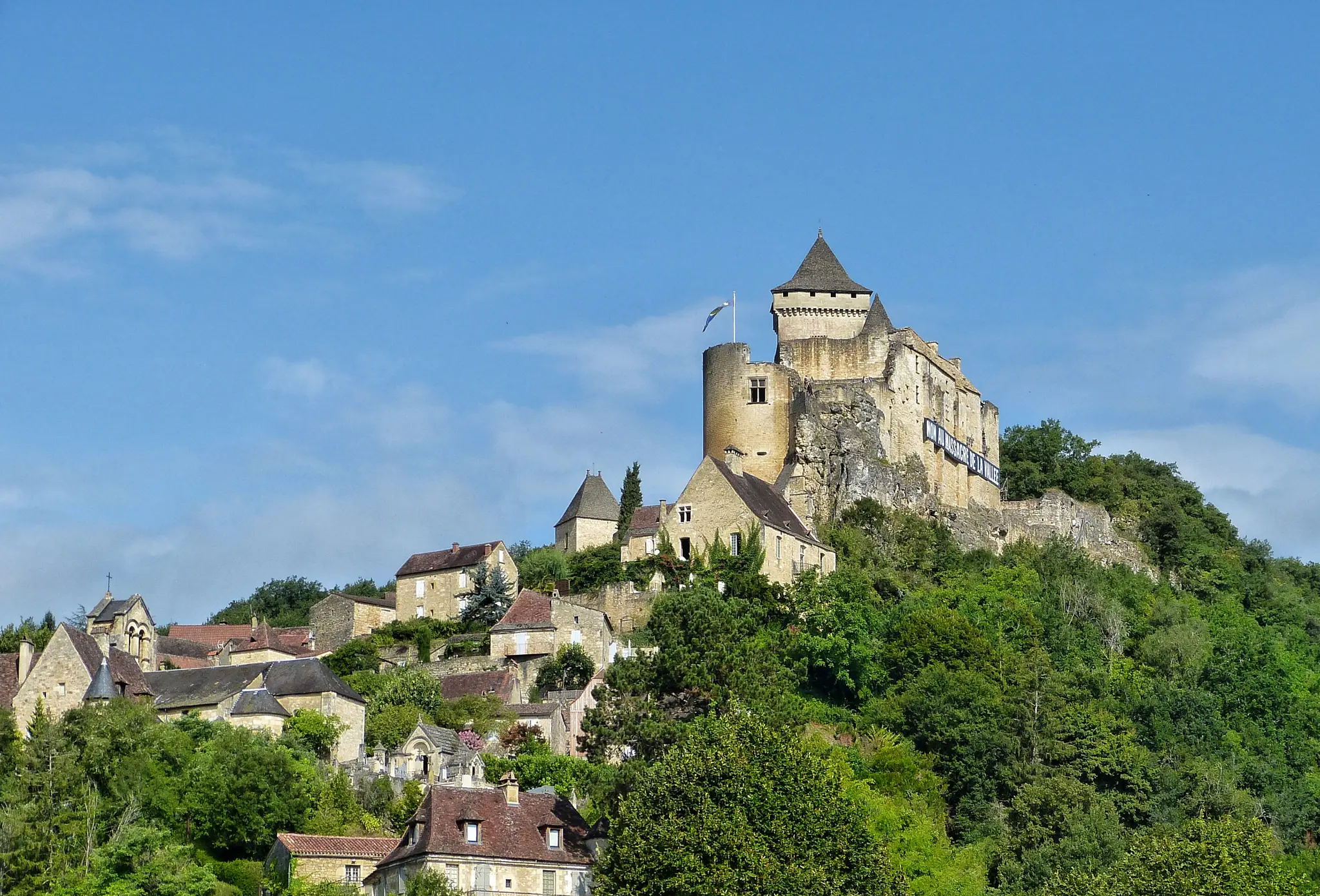
Le sud Sarladais — the Grand Tour of the Périgord noir
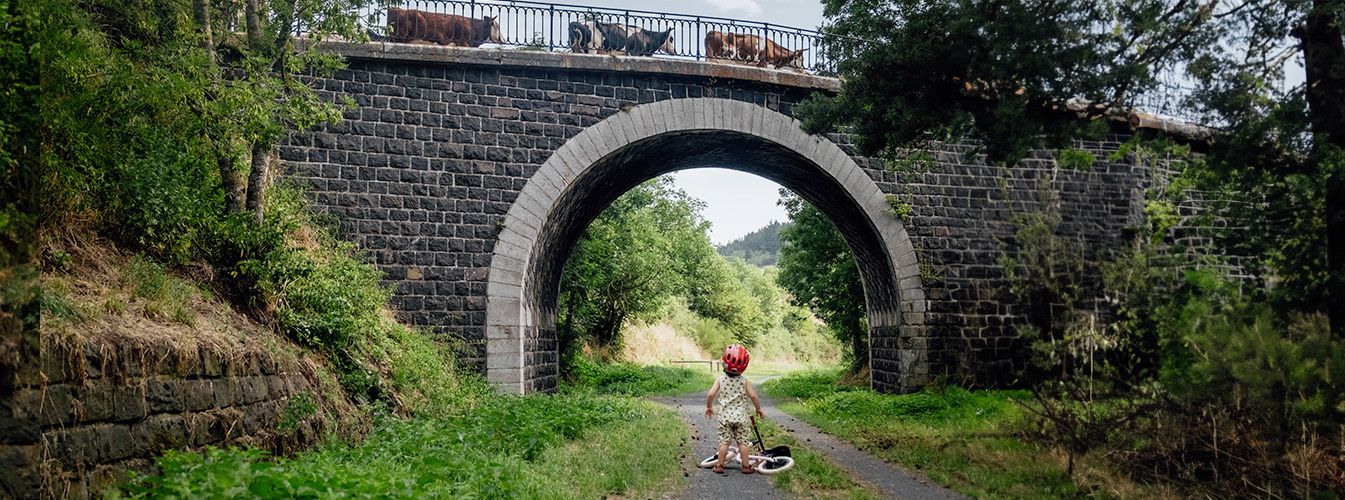
‘La Joyeuse Vadrouille’ – two months cycling with the family
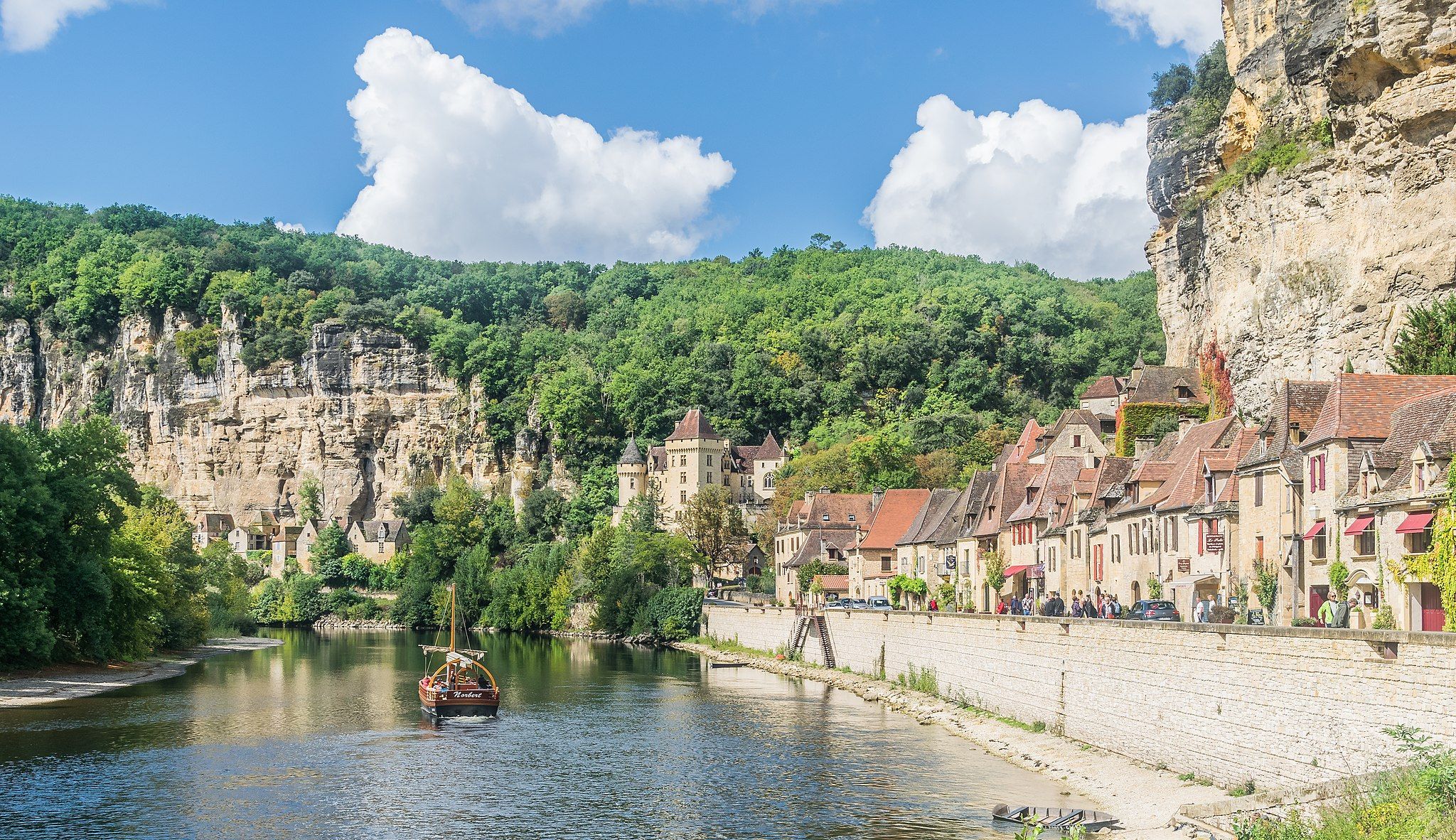
Périgourdine Escape — from Lalinde to Gramat in France
In the steps of the Cro-Magnon – a prehistoric journey in France
Hiking in Dordogne
Other adventures in Dordogne


Tips from the Community

Dogs are welcome on a leash, and it is no problem to visit the rooms with 🐕🦺.
0
0

Very beautiful medieval village, crowned by a castle.
0
0

15th-century castle, once home of Josephine Baker, with exhibits chronicling her life.
0
0

This castle is a marvel when you arrive in Montfort from any side. It overlooks the Dordogne in a majestic way. It is also clearly visible from the Montfort loop, which is a delight for cycling or, I imagine, motorcycling too. There is a single road for cars and bicycles. Like all the sites in the area, it is magnificent to visit in the early morning during the golden hour for the colors and tranquility.
1
0
Nice to arrive by the cycle path along the Dordogne after coming back down from Domme. Ideal early in the morning to avoid the crowds of families or tourists on the track. Then possibility to reach Roque-Gageac or Beynac afterwards (or Domme if done in the other direction).
0
0

It's a very beautiful castle, it can be visited
0
1


Frequently Asked Questions
Which castles in Dordogne are particularly good for families?
Several castles in Dordogne offer engaging experiences for families. Castelnaud-la-Chapelle Castle, for instance, houses a museum of medieval warfare with interactive exhibits and life-size war machines, which children often find fascinating. Biron Castle is also listed as family-friendly in its categories. Additionally, the unique, partly ruined Château de Commarque combines prehistory with the Middle Ages, offering an adventurous visit with its cave dwellings and medieval games room.
What is the best time of year to visit the castles in Dordogne?
The Dordogne region is beautiful throughout the year, but the best time to visit the castles is generally during the spring (April-June) and early autumn (September-October). During these periods, the weather is pleasant, ideal for exploring the castle grounds and enjoying the scenic views, and the crowds are typically smaller than in the peak summer months. Visiting in winter can be quieter, but some attractions might have reduced opening hours.
Are there any castles in Dordogne that are wheelchair accessible?
While many medieval castles in Dordogne, due to their historical architecture and hilltop locations, may present accessibility challenges, some have made efforts to accommodate visitors. It is highly recommended to check the official websites of individual castles like Château de Hautefort or Les Milandes Castle directly for their specific accessibility information before planning your visit.
What kind of outdoor activities can I do near the castles in Dordogne?
The Dordogne region offers a variety of outdoor activities near its castles. You can find numerous hiking trails, such as the 'Hike of Lacypierre' or 'Around Montfort,' which are generally easy. For cycling enthusiasts, there are routes like 'Between Sarlat and Carlux' or 'Around Bergerac.' If you enjoy running, trails like 'Lac de l'Escourou – running loop' are available. You can explore more options and detailed routes in the Easy hikes in Dordogne, Cycling in Dordogne, and Running Trails in Dordogne guides.
Are there any castles in Dordogne that offer unique historical insights beyond medieval warfare?
Yes, beyond medieval fortresses, the Dordogne offers castles with unique historical narratives. Les Milandes Castle, for example, was the home of Josephine Baker, offering insights into her extraordinary life, her role in the French Resistance, and her 'rainbow tribe' of adopted children. Château de Hautefort showcases elegant 17th-century Renaissance architecture and richly furnished interiors, providing a glimpse into a different era of French grandeur.
Can I find cafes or amenities near the major castles?
Yes, many of the popular castle sites are located near villages or towns that offer amenities. For instance, Castelnaud-la-Chapelle is a picturesque village with small shops, cafes, and restaurants. Similarly, La Roque-Gageac, a beautiful village near several castles, also has cafes and restaurants along the river. Larger castles like Biron Castle may also have facilities or restaurants on-site or nearby.
Are there any castles in Dordogne that are known for their gardens?
Absolutely. While many castles boast impressive architecture, some are equally famous for their magnificent gardens. Château de Hautefort is renowned for its stunning formal gardens with topiary, parterres, and shaded alleys, often compared to those of the Loire Valley. Another notable example is Château et Jardins de Losse, which features elegant gardens overlooking the Vézère river.
How long should I plan for a visit to a Dordogne castle?
The duration of a visit can vary greatly depending on the castle and your interest level. For a comprehensive visit to a major castle like Castelnaud-la-Chapelle Castle or Beynac Castle, including exploring the interiors, grounds, and enjoying the views, you should typically allow 2 to 3 hours. Smaller sites or those you only wish to view from the exterior might take less time, while those with extensive gardens or special exhibitions could warrant half a day.
Are there any castles in Dordogne that offer panoramic viewpoints?
Many castles in Dordogne are strategically perched on hills or cliffs, offering spectacular panoramic views. Beynac Castle, located at the top of a dizzying cliff, provides superb viewpoints over the Dordogne valley and its rival, Castelnaud. Montfort Castle also stands on a jagged rock 90 meters above the Dordogne, offering breathtaking views of the surrounding landscapes and the famous 'Cingle de Montfort' river loop.
What makes the castles in Dordogne different from those in the Loire Valley?
While both regions boast impressive châteaux, Dordogne castles often have a more rugged, fortified, and medieval character, reflecting their history in conflicts like the Hundred Years' War. Castles like Castelnaud-la-Chapelle Castle and Beynac Castle are prime examples of formidable fortresses. In contrast, many Loire Valley châteaux are known for their opulent Renaissance architecture and grand, decorative styles, built more for pleasure than defense. However, Dordogne also features Renaissance gems like Château de Hautefort and Château de Puyguilhem, which resemble their Loire Valley counterparts.
Are there any hidden gem castles in Dordogne that are less well-known but worth visiting?
While many castles are popular, the Dordogne region is rich with lesser-known but equally captivating sites. Château de Commarque, though partly in ruins, offers a unique journey through time with its medieval village, troglodytic chapel, and prehistoric cave dwellings in a wild, unspoiled setting. Another interesting visit could be Château de Monbazillac, located in the heart of the wine region, offering wine tastings alongside its historical exploration.
Is parking available at the castles, for example, at Beynac Castle?
Parking availability varies by castle. For popular sites like Beynac Castle, there are usually designated parking areas in the village below or near the castle entrance, though they can fill up quickly during peak season. For Castelnaud-la-Chapelle, there's a parking lot below the village, and it's recommended to park there and walk up the steep streets. Always check specific castle websites for the most current parking information and any associated fees.
Most popular routes in Dordogne
Most popular attractions in Dordogne

Get inspired with the komoot mobile app


Explore more
Looking for the best castles somewhere else? Discover other guides in Dordogne:
