The best traffic-free bike rides in Dordogne
4.4
(1371)
36,560
riders
1,274
rides
Road cycling in Dordogne offers a diverse landscape for no traffic road cycling routes, characterized by river valleys, rolling hills, and extensive forests. The region features tranquil routes alongside the Dordogne River, past dramatic cliffs, and through picturesque villages. Cyclists can navigate through areas known for vineyards and walnut groves, with varied terrain ranging from gentle gradients to more challenging climbs. The landscape includes both lush woodlands and open plateaus, providing a range of cycling environments.
Best no traffic road…
Last updated: July 11, 2026
4.5
(4)
22
riders
48.6km
02:21
610m
610m
Moderate road ride. Good fitness required. Mostly well-paved surfaces and easy to ride.
4.7
(3)
13
riders
48.5km
02:16
500m
490m
Moderate road ride. Good fitness required. Mostly well-paved surfaces and easy to ride.

Sign up for free
3.0
(1)
7
riders
51.7km
02:32
570m
570m
Moderate road ride. Good fitness required. Mostly well-paved surfaces and easy to ride.
4.0
(6)
145
riders
53.7km
02:26
190m
190m
Moderate road ride. Good fitness required. Some segments of this route may be unpaved and difficult to ride.
4.8
(4)
68
riders
64.4km
03:25
1,200m
1,200m
Hard road ride. Very good fitness required. Mostly well-paved surfaces and easy to ride.
Get access to more routes and recommendations from other explorers.
Sign up for free
Already have an account?
Our route recommendations are based on thousands of hikes, rides, and runs completed by other people on komoot.
Start today with a free account
Your next adventure awaits.
Login or Signup
Popular around Dordogne
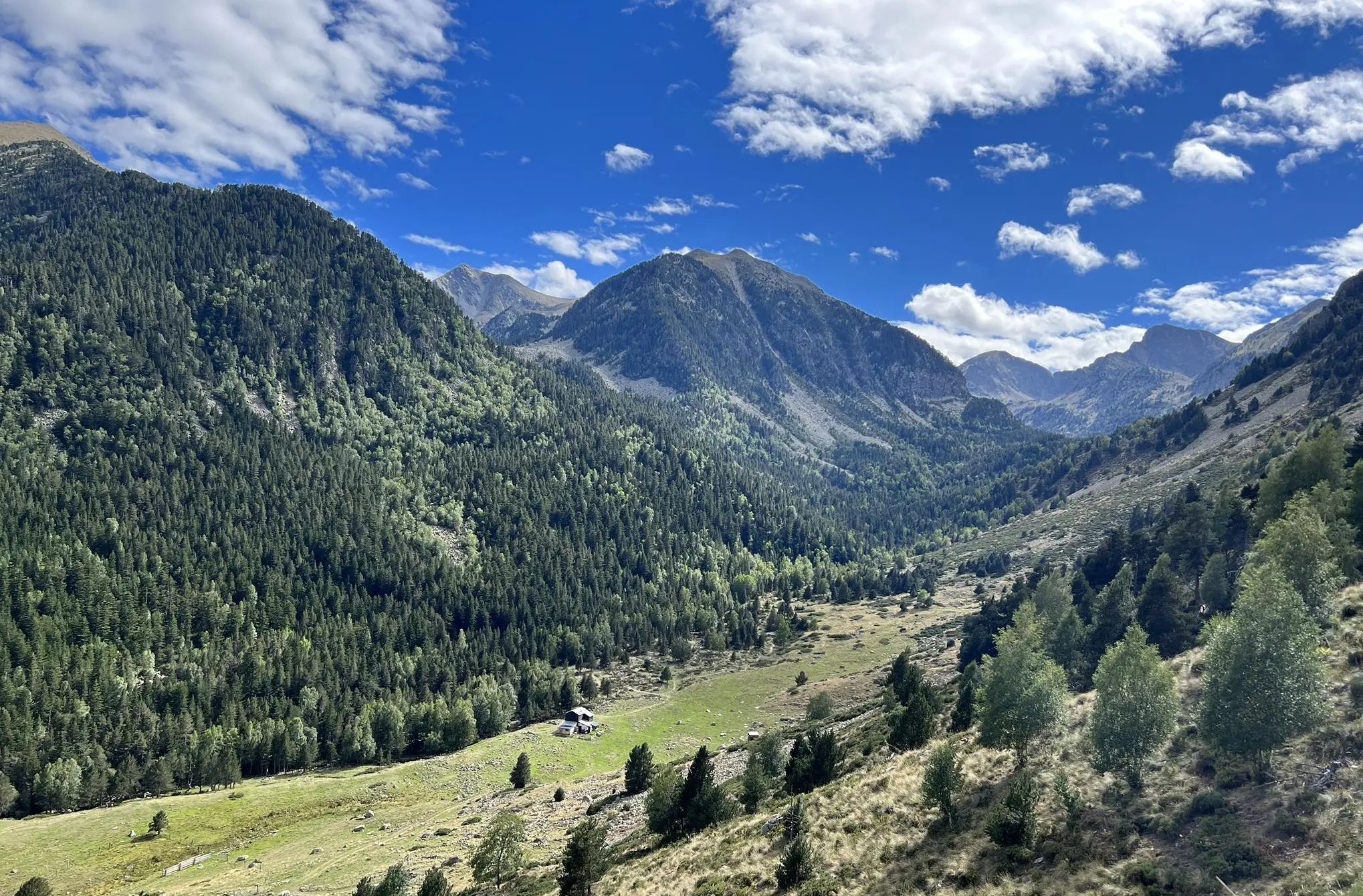
GR 36 long-distance footpath – Cross France from the Channel to the Pyrenees
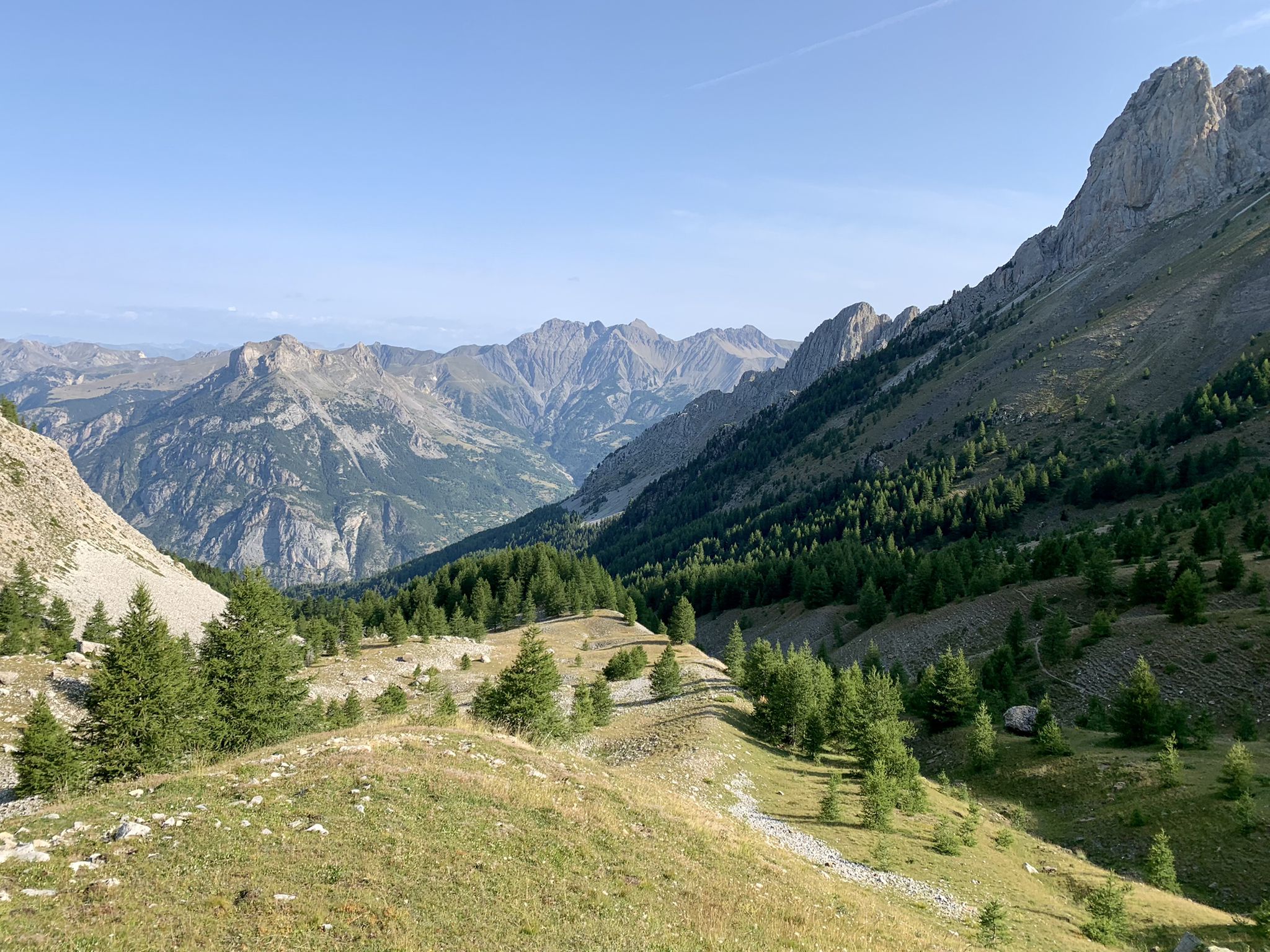
From the Alps to the Atlantic — GR 6
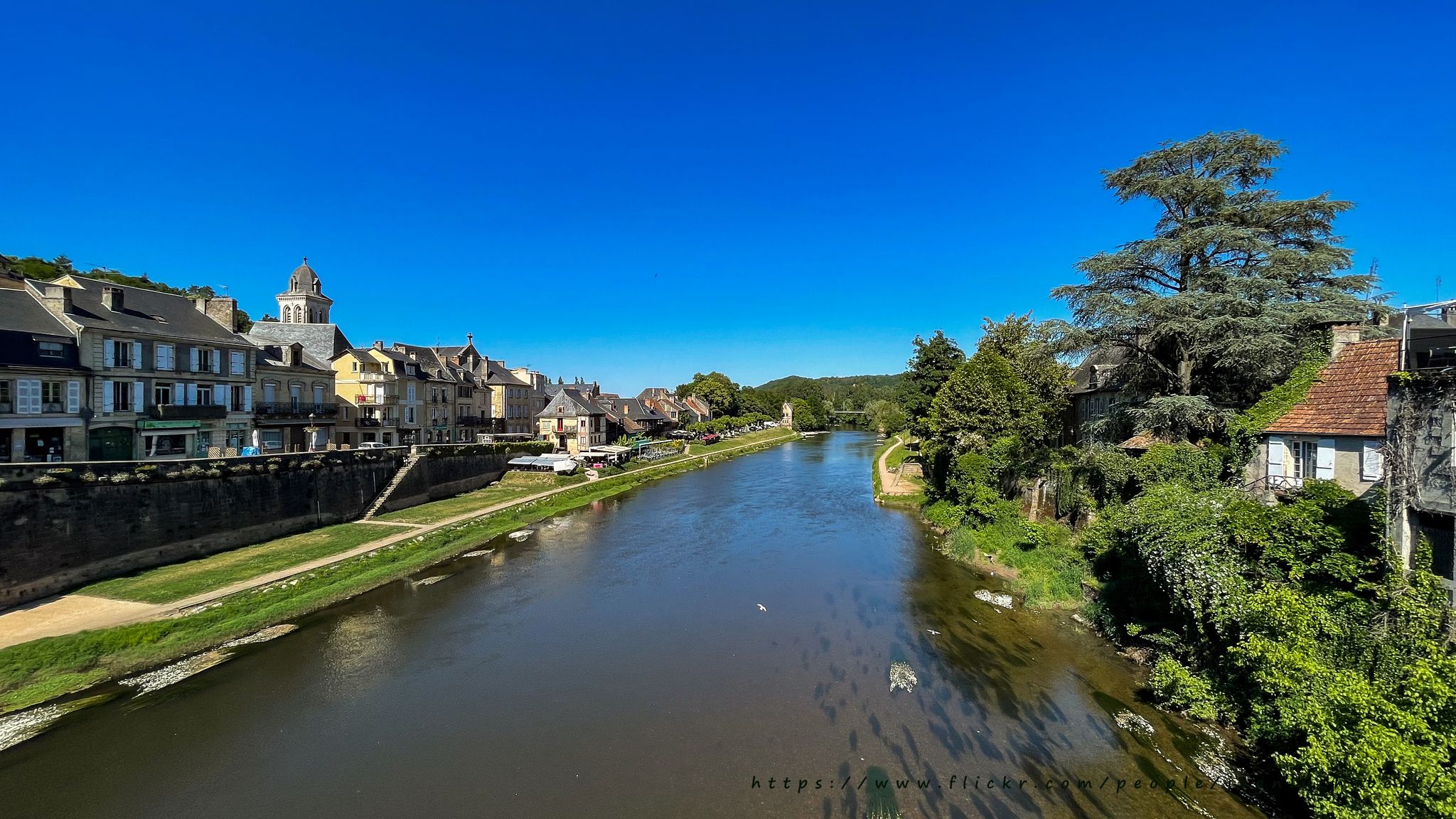
From prehistory to history – hiking the GR 461
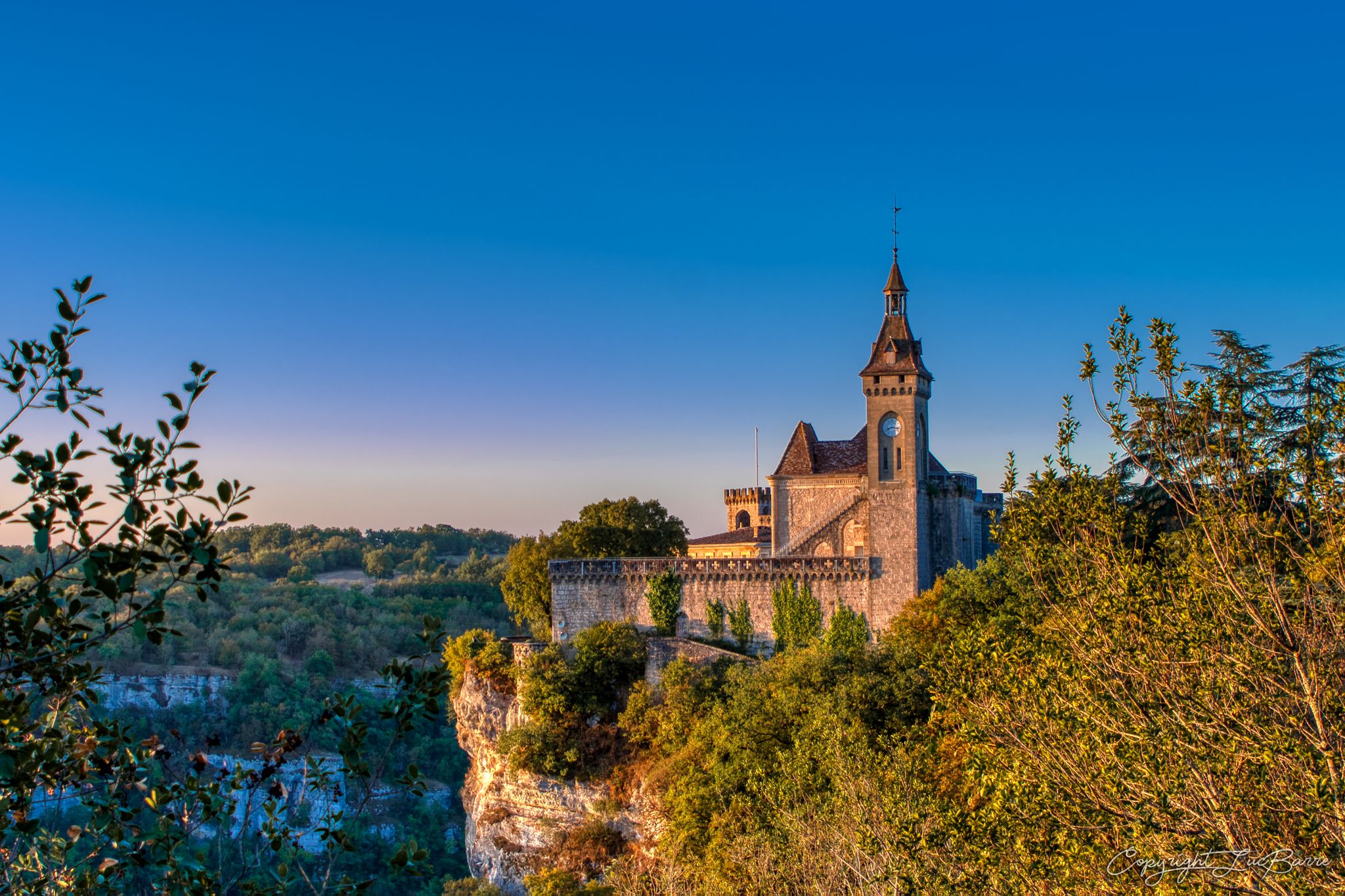
From caves to castles – France’s GR 64
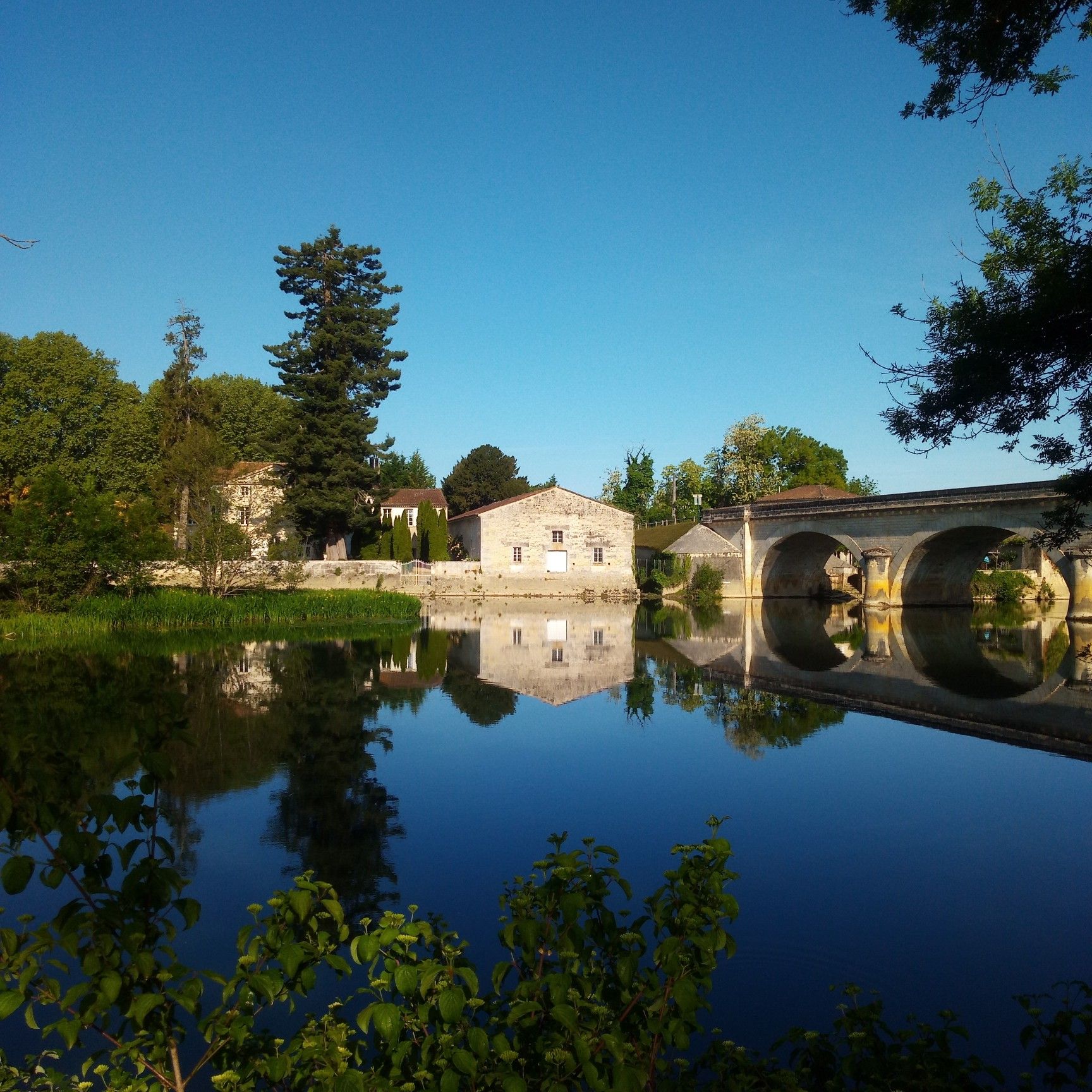
The Flow Vélo – a route that transports you
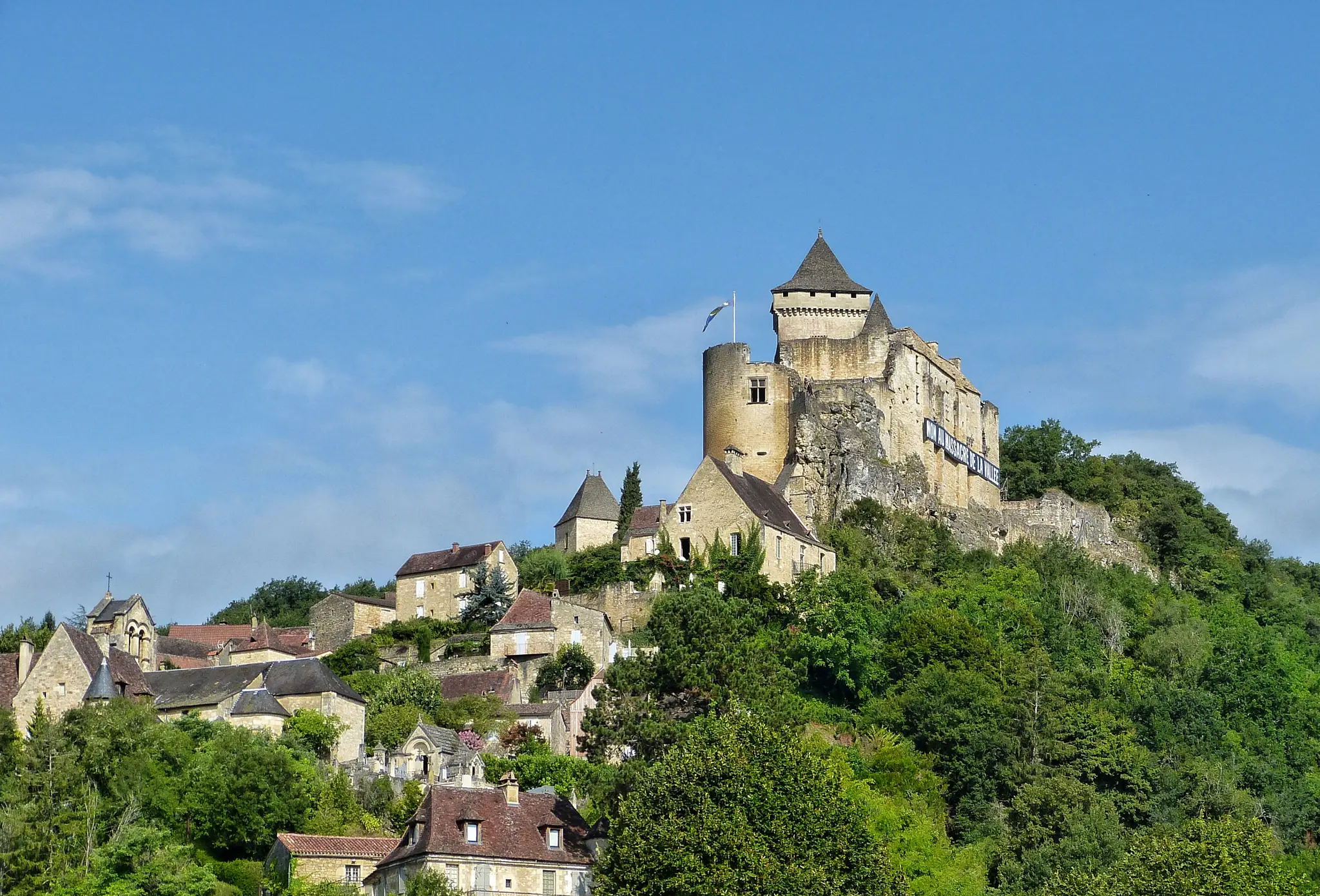
Le sud Sarladais — the Grand Tour of the Périgord noir
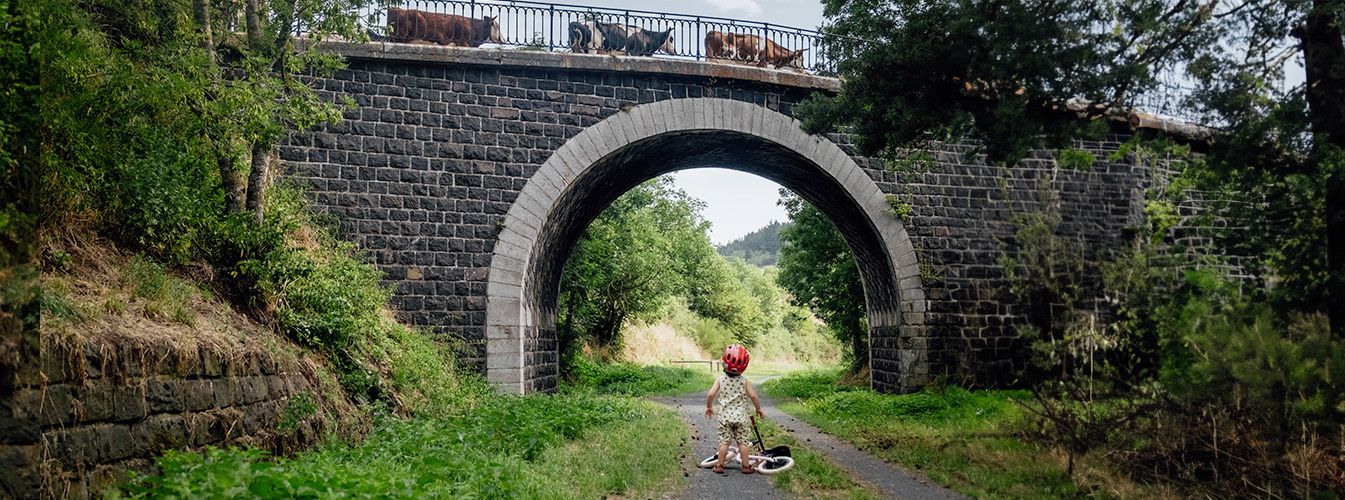
‘La Joyeuse Vadrouille’ – two months cycling with the family
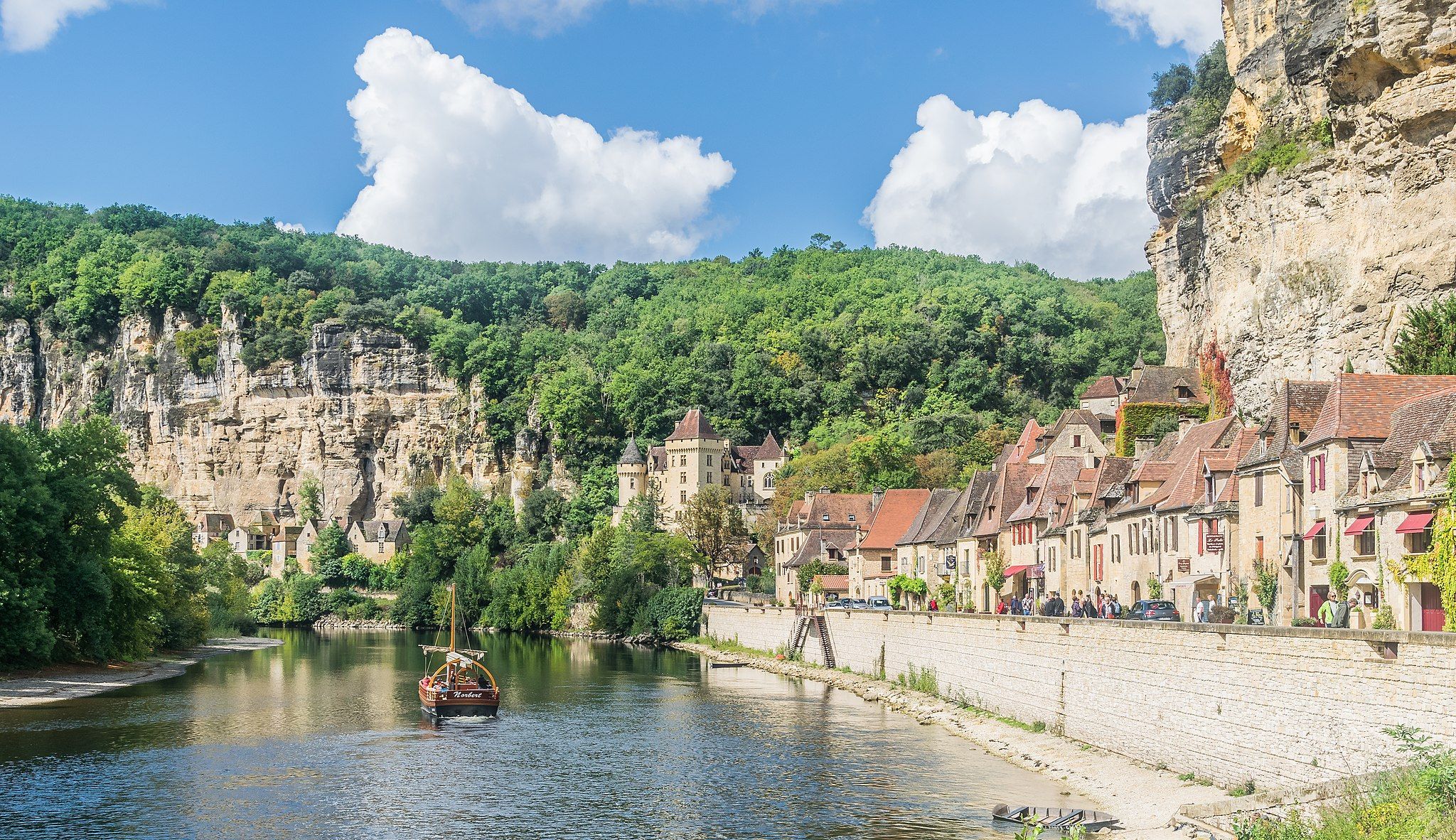
Périgourdine Escape — from Lalinde to Gramat in France
In the steps of the Cro-Magnon – a prehistoric journey in France

Traffic-free bike rides in Dordogne
Other adventures in Dordogne


Tips from the Community

Saint-Astier is a jewel of the Périgord, where history flirts with nature along the Isle. It hosts the famous Thursday market, festive and fragrant, a popular meeting place for savoring local produce. The town is home to heritage gems like the Château de Puyferrat and the fortified church, proud guardian of a vibrant past. Saint-Astier also shines for its natural lime, a world star in the restoration of historic monuments.
0
0

Beautiful chateau! Best seen from the road. The last 200 meters or so aren't really suitable for a racing bike.
0
0
A beautiful, newly paved cycle path, the Flow Velo, between Nontron and St. Pardoux. The Flow Velo runs along an old railway line much further than to Nontron or St. Pardoux, but this section is the best for cycling. The only annoying thing is the barriers at every crossing, no matter how small, such as a dirt road.
0
0

The Eschif of Périgueux is a small medieval building located on the banks of the Isle River, in the heart of the historic city center. It is one of the few defensive constructions still standing in Périgueux, a testament to medieval military architecture. Points of interest of the Eschif: Architecture and History: Dating from the Middle Ages, the Eschif served as a lookout post to monitor the passage of the Isle River. Its strategic location made it possible to control access to the city by river. This small tower, built in stone and wood, is typical of medieval watchtowers or sentry boxes. It has narrow openings and a sloping roof, characteristic of military buildings of this period. The Eschif was once part of the fortifications that protected the city, especially during the Hundred Years' War.
2
0

A beautiful cathedral and definitely worth a visit. It is the eye-catcher in Perigeux
4
0
The Pont des Barris, located in Périgueux, is one of the city's emblematic bridges. This stone bridge, which crosses the Isle River, connects the two banks of Périgueux and is part of the historic urban landscape. Points of interest of the Pont des Barris: Architecture and History: The Pont des Barris is a beautiful example of traditional stone architecture. It was built in the 19th century to replace old wooden bridges that once allowed people to cross the Isle. Its solid structure makes it an essential crossing point between the different districts of the city. It is made up of several stone arches, which give it both robustness and elegance. View of Périgueux: From the bridge, you can enjoy a magnificent view of the old town of Périgueux, including the Saint-Front Cathedral, whose domes dominate the skyline. The bridge is also a great vantage point to admire the Isle River, which meanders peacefully through the city. Access to the Isle Riverbanks: The Pont des Barris provides easy access to the Isle Riverbanks, which are ideal for walking or cycling. Along the river, many paths offer picturesque views of the city and surrounding nature. Place of Passage: This bridge is a central axis for residents and visitors of Périgueux, connecting the city center to the outlying districts and facilitating access to important sites such as markets, shops, and residential areas. Why go there? The Pont des Barris is both a strategic point for exploring Périgueux and a place offering superb panoramic views of the city. Its charm lies in its historic architecture and its central location, making it an essential passage for any visit to the city. Whether strolling along the river or crossing the town, it embodies one of the peaceful and picturesque symbols of Périgueux.
1
0
Why visit the Église Saint-Étienne de la Cité? Historical and spiritual heritage: The church is an important place of memory for Périgueux, having been the seat of the bishopric for centuries. It reflects the religious and architectural history of the region. A peaceful setting: Located in a quiet area full of history, the church offers an atmosphere conducive to reflection and contemplation. Proximity to ancient sites: A visit to the church can be combined with the discovery of the nearby Roman remains, including the amphitheater and the Vesunna Museum. The Église Saint-Étienne de la Cité is a hidden gem of Périgueux, to be discovered for its historical character and its serene atmosphere, while exploring the Gallo-Roman roots of the city.
1
0
The Church of Saint-Étienne de la Cité is one of the oldest churches in Périgueux, located in the old district of the Cité Vesunna, the historic heart of the city during the Gallo-Roman era. It is an exceptional witness to the religious and architectural history of the region, with a style that combines Romanesque and Gothic influences. Points of interest of the Church of Saint-Étienne de la Cité: History and architecture: The church dates from the 12th century and served as a cathedral until the 16th century, before this honor went to the Cathedral of Saint-Front. Its structure bears witness to the architectural evolution, with a massive Romanesque nave, sculpted capitals and a vaulted apse in a cul-de-four, characteristics of the Romanesque style. After being partially destroyed during the Wars of Religion, the church was restored several times, preserving a unique blend of Romanesque and Gothic styles. A sober and spiritual interior: The interior of the church is relatively bare, which adds to its peaceful and spiritual atmosphere. The sobriety of the place highlights the clean lines of the architecture and the historical elements that remain, such as the Romanesque columns and sculpted capitals. Traces of ancient frescoes, as well as some colored stained glass windows, add touches of subtle beauty to the whole. Impressive bell tower: The church is topped by a massive bell tower, whose Romanesque base is a typical example of the architecture of the Périgord. This bell tower, with its robust buttresses, is a dominant element of the landscape of the Cité. An archaeological site: The church is located in the heart of the Cité Vesunna district, which is home to many Gallo-Roman remains. In the immediate vicinity of the church, visitors can discover the ruins of the Roman amphitheater and other testimonies of antiquity.
2
0
Frequently Asked Questions
How many no-traffic road cycling routes are available in Dordogne?
Komoot offers over 1200 road cycling routes in the Dordogne region that focus on minimal traffic, with a good mix of easy, moderate, and challenging options. This includes more than 200 easy routes, over 900 moderate routes, and more than 120 difficult routes, ensuring there's something for every skill level.
What types of landscapes can I expect on no-traffic road cycling routes in Dordogne?
The Dordogne region offers incredibly diverse landscapes for road cycling. You'll find routes winding through serene river valleys alongside the Dordogne and Vézère rivers, past dramatic cliffs, and through lush forests and rolling hills. The Périgord Pourpre area features scenic vineyards and walnut groves, while other routes explore wild plateaus with stone walls. Many routes utilize dedicated greenways or quiet country roads, ensuring a peaceful experience.
Are there any family-friendly no-traffic road cycling routes in Dordogne?
Yes, the Dordogne is well-suited for family cycling, especially with its network of 'Voies Vertes' (greenways) which are 100% car-free. Routes like the Old Railway Greenway from Sarlat-la-Canéda to Cazoulès or the La Voie Verte along the Isle River near Périgueux are excellent choices for a safe and enjoyable family ride. These paths often have gentle gradients and smooth surfaces.
What historical sites or attractions can I visit along no-traffic road cycling routes in Dordogne?
Many no-traffic road cycling routes in Dordogne pass by or lead to significant historical and prehistoric sites. You can cycle past medieval villages such as La Roque-Gageac, Domme, or Sarlat-la-Caneda. The region is also rich in castles, with routes offering views of impressive fortresses like Castelnaud-la-Chapelle. For prehistoric history, the Vézère Valley is home to sites like Lascaux International Centre for Cave Art and Les Eyzies-de-Tayac.
Are there circular no-traffic road cycling routes in Dordogne?
Yes, many of the no-traffic road cycling routes in Dordogne are designed as circular loops, allowing you to start and end at the same point. An example is the Château de Puyguilhem Loop, which offers a moderate 51.6 km ride with scenic views. These loops are convenient for exploring the region without needing to arrange transport back to your starting point.
What is the best time of year to enjoy no-traffic road cycling in Dordogne?
The optimal weather conditions for road cycling in Dordogne typically span from March to November. During these months, the temperatures are generally pleasant, and the natural beauty of the region, from spring blossoms to autumn foliage, enhances the cycling experience. Summer can be warm, but many routes offer shade through forests and along riverbanks.
What do other road cyclists enjoy most about no-traffic routes in Dordogne?
The komoot community highly rates road cycling in Dordogne, with an average score of 4.4 stars from over 1200 reviews. Cyclists often praise the region's quiet country roads and dedicated greenways that allow for peaceful rides away from traffic. The stunning natural scenery, charming medieval villages, and historical sites encountered along the routes are also frequently highlighted as major draws.
Are there any longer no-traffic road cycling routes for advanced cyclists?
While many routes are moderate, there are options for more advanced cyclists seeking longer distances and more elevation. For example, the Maison Forte de Reignac – Cycling through the rocks loop from Sarlat is a challenging 64.3 km route with significant elevation gain, offering a rewarding experience for experienced riders. The region's diverse terrain ensures that even on quiet roads, you can find challenging climbs.
Can I find routes that follow the Dordogne River with minimal traffic?
Absolutely. The Dordogne River is a central feature of the region, and many routes are designed to follow its banks, offering serene views and often utilizing quiet roads or dedicated paths. The Along the Dordogne between Limeuil and Trémolat route is a prime example, providing a beautiful 48.6 km ride alongside the river with minimal traffic.
Are there specific greenways (Voies Vertes) in Dordogne for completely car-free cycling?
Yes, the Dordogne boasts several excellent greenways perfect for completely car-free cycling. Notable examples include the Old Railway Greenway connecting Sarlat-la-Canéda to Cazoulès, the La Voie Verte along the Isle River near Périgueux, and the Lalinde Canal Greenway. These routes are ideal for a relaxed ride, offering safety and tranquility away from vehicular traffic.
Where can I find routes that explore the 'Périgords' regions, like Périgord Noir or Périgord Pourpre?
The Dordogne is divided into distinct 'Périgords,' each offering unique cycling experiences. Routes in Périgord Noir will take you through dark oak forests and past medieval towns like Sarlat. Périgord Pourpre, around Bergerac, is known for its vineyards. While specific routes are not explicitly named by Périgord, you can find tours that traverse these areas, such as the The castles around Verteillac route, which explores the northern part of the region, often associated with Périgord Vert.
Are there any routes that pass through charming villages or towns?
Many no-traffic road cycling routes in Dordogne are designed to connect or pass through the region's picturesque villages and towns. You can expect to cycle through or near some of France's 'Most Beautiful Villages' such as La Roque-Gageac, Domme, and Sarlat-la-Caneda. These offer opportunities for breaks, refreshments, and exploring local culture.
Most popular routes in Dordogne
Most popular attractions in Dordogne

Get inspired with the komoot mobile app


Explore more
Browse the best Road cycling routes in other regions.
