Top 7 Caves in New York
Caves in New York present a diverse array of subterranean environments. The state features ancient geological formations and unique underground experiences. Many of these sites hold distinct features and historical significance. New York's landscape provides varied cave systems for exploration.
Best caves in New York
- The most popular caves is Ice Caves, a cave that features a collection of quartz caves and cliffs. These caves are known for their hard quartz rock formations, which differ from typical limestone systems.
- Another must-see spot is Claudius Smith's Den, a historical site and cave. This location is known as a hideout used by Claudius Smith during the Revolutionary War, offering views of the surrounding park.
- Visitors also love Badmans Cave Shelter, a natural monument. This shelter is rumored to have served as a hideout for bandits, giving it a unique historical context.
- New York is known for natural rock shelters, quartz caves, and historical hideouts. Visitors can explore a variety of cave types, from geological formations to sites with historical significance.
- The caves in New York are appreciated by the komoot community, with more than 8 upvotes and 3 photos shared by users.
Last updated: October 12, 2026
Ice Caves
Highlight • Cave
Tip by

Claudius Smith's Den
Highlight • Cave
Tip by

Sign up now to discover places like this
Get recommendations on the best single tracks, peaks, & plenty of other exciting outdoor places.
Badmans Cave Shelter
Highlight • Cave
Tip by

The Leatherman's Cave
Highlight • Cave
Tip by
Chimney Mountain
Highlight • Summit
The Trail has an elevation gain of 870 feet, leading you to the chimney and, beyond it, the true summit for a 360-degree panoramic view
Tip by

Bear Caves and Mount Seneca Trail
Highlight (Segment) • Trail
Tip by
Kunjamuk Cave
Highlight • Cave
Tip by

Start today with a free account
Your next adventure awaits.
Popular around New York
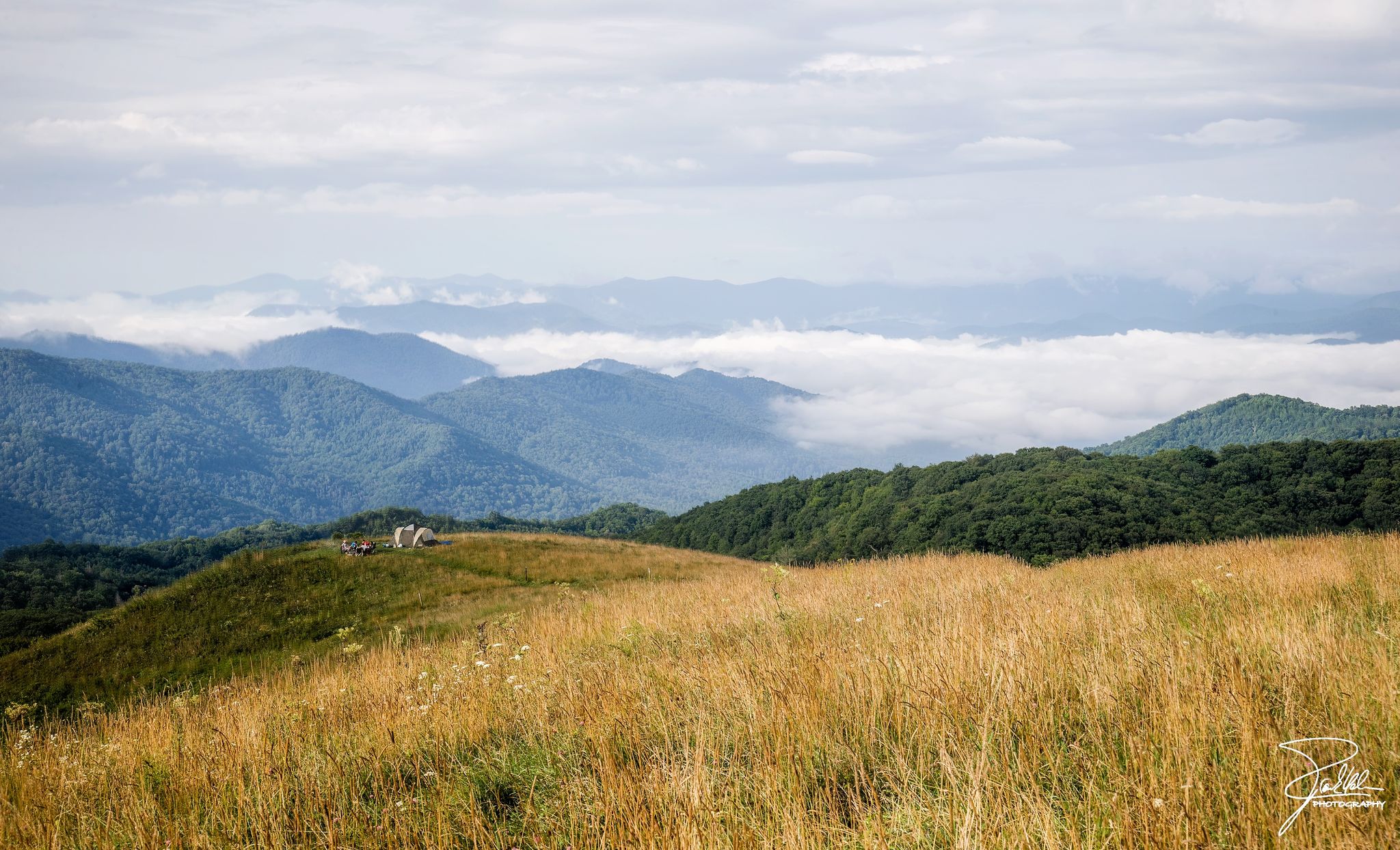
The Appalachian Trail — America's most iconic long-distance hike
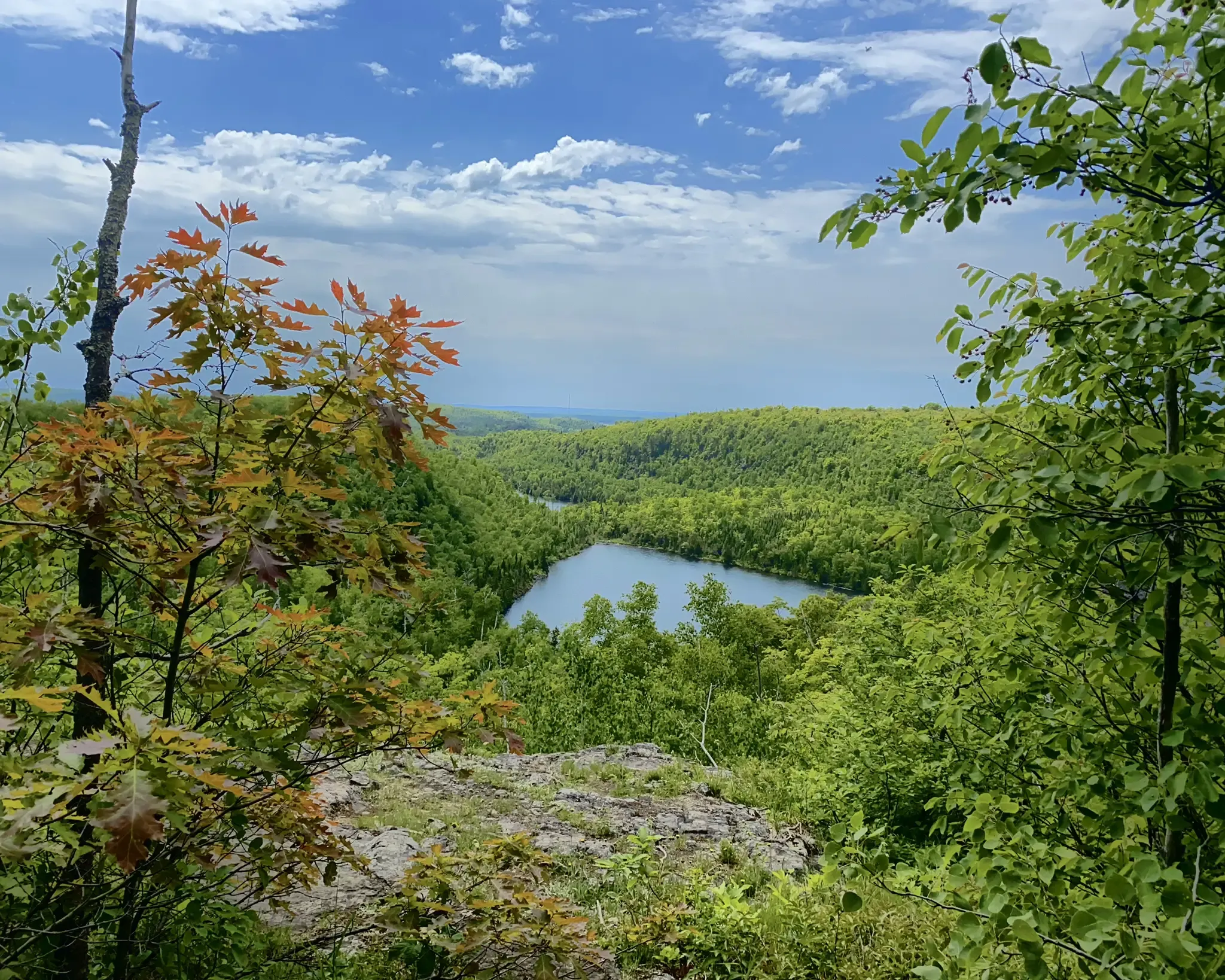
North Country Trail – 4,800 Miles along the edge of northern U.S.
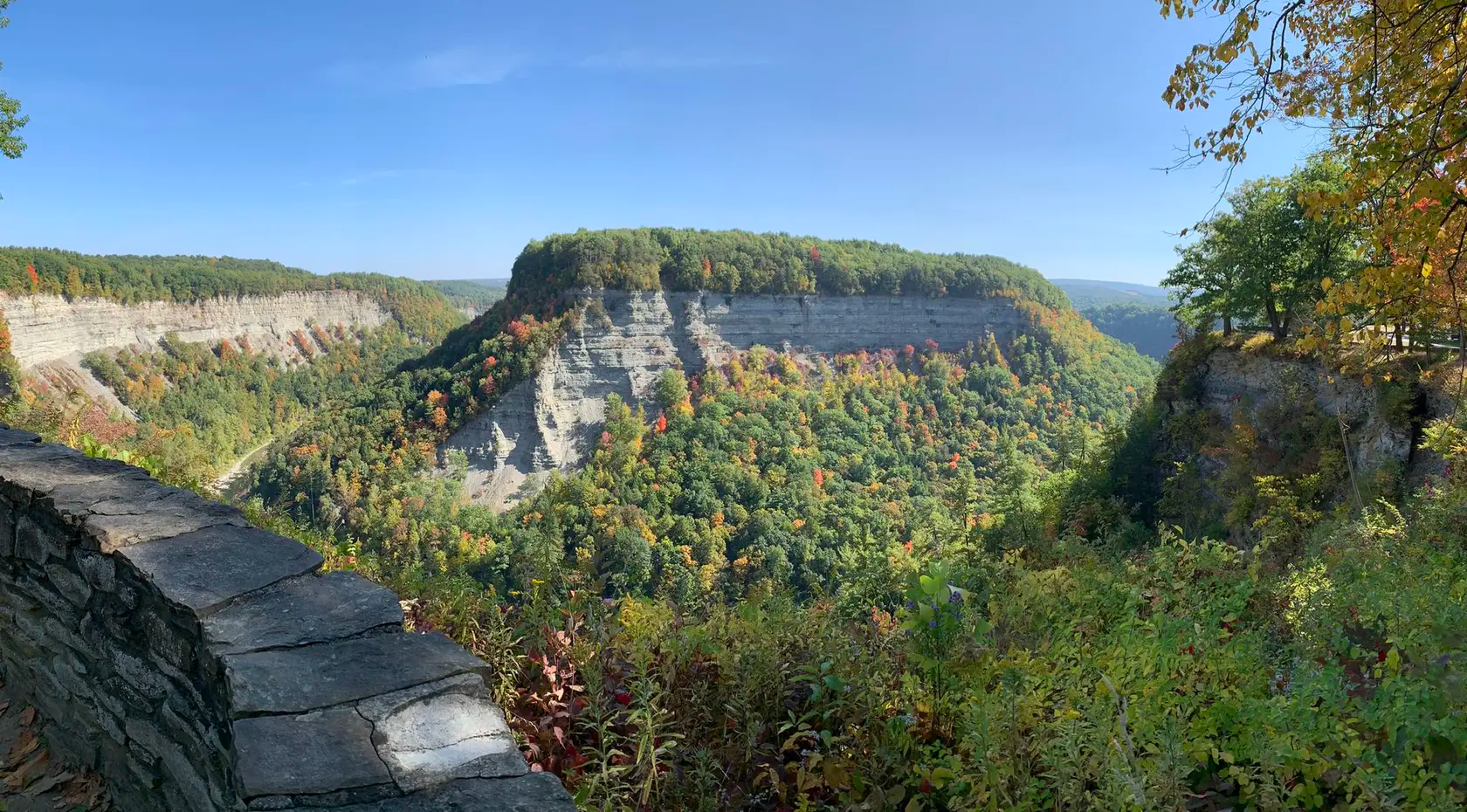
Cycling the Grand Canyon of the East — Riding Genesee Valley Greenway to Letchworth State Park
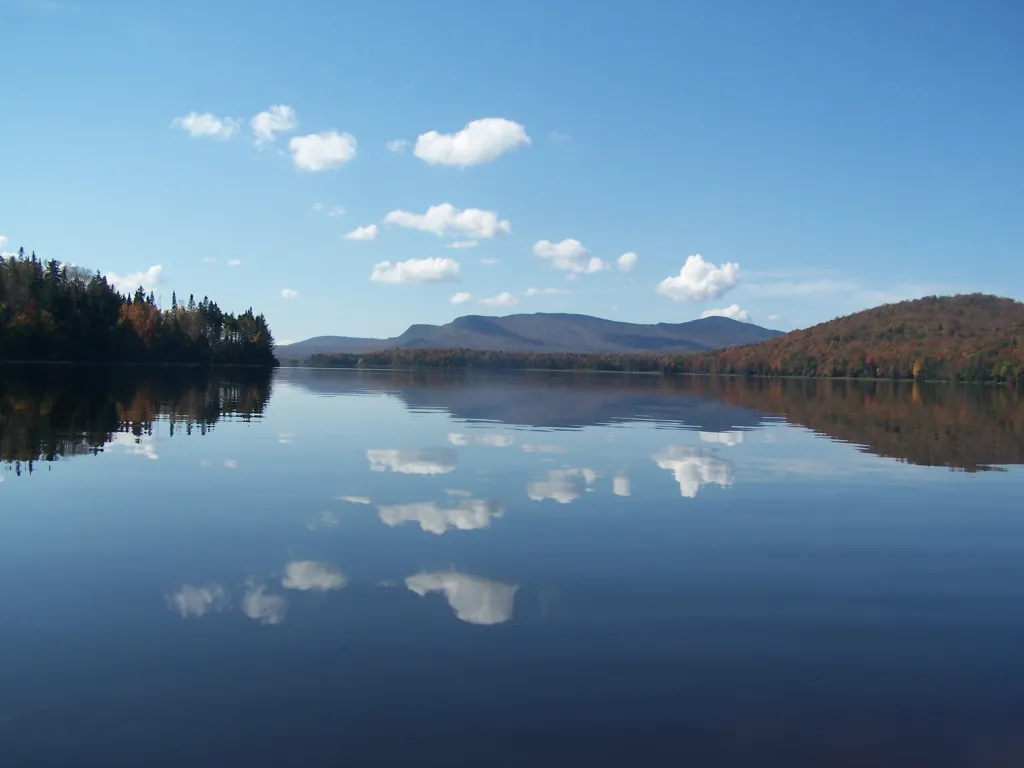
Northville-Placid Trail — A walk through Adirondack Park
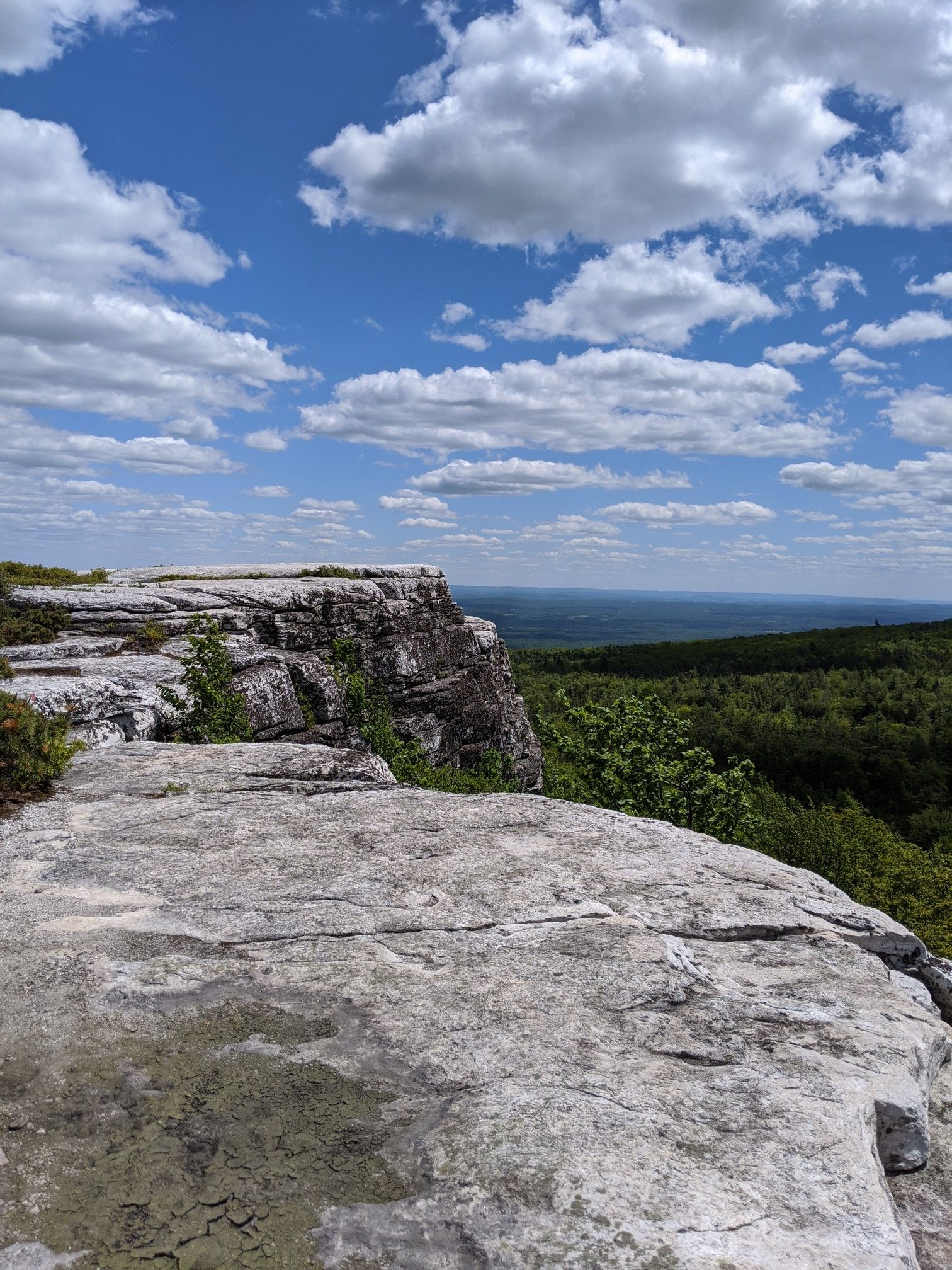
Long Path — A walk through wild New York
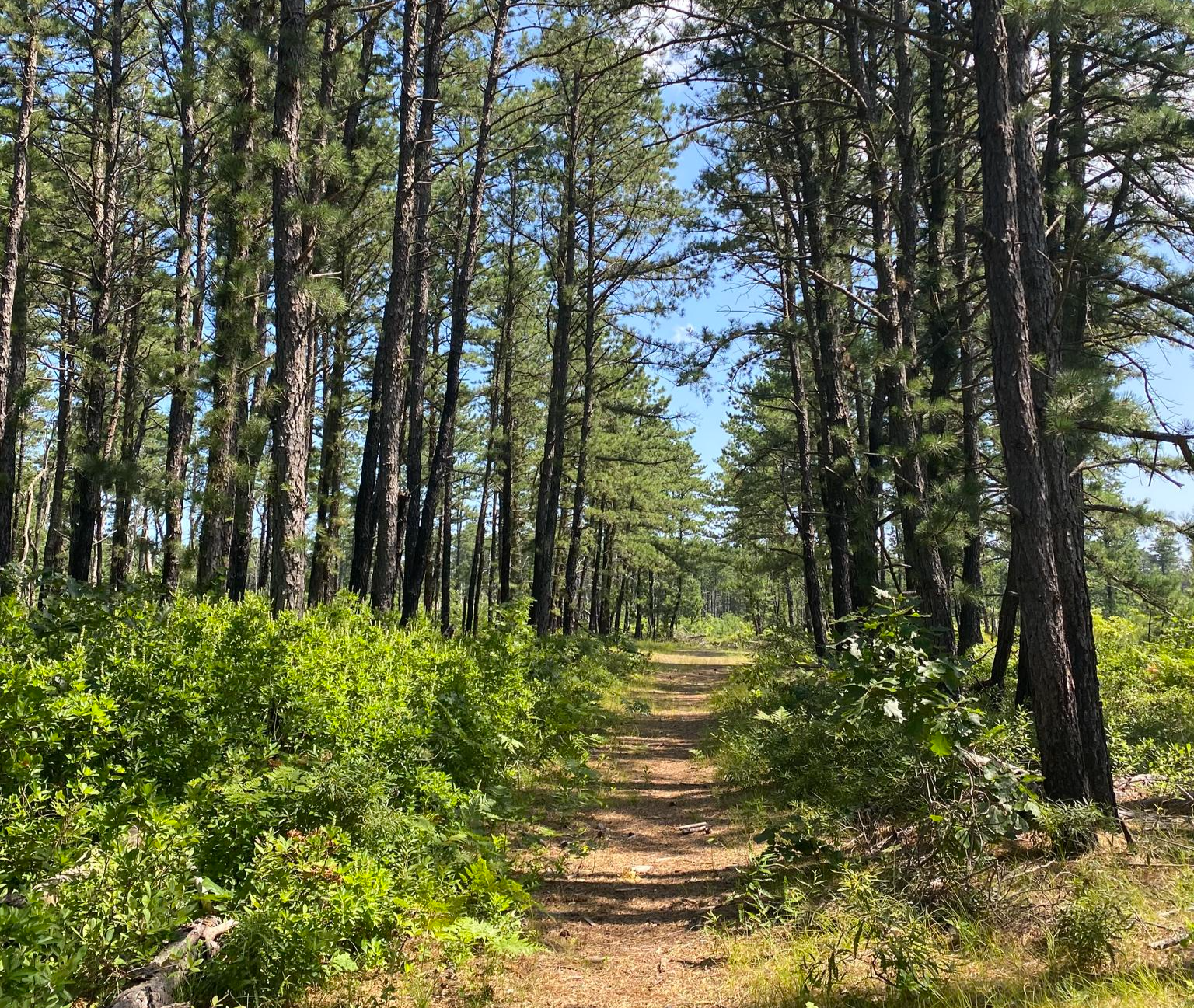
The Paumanok Path — Exploring Long Island's beachside pine barrens
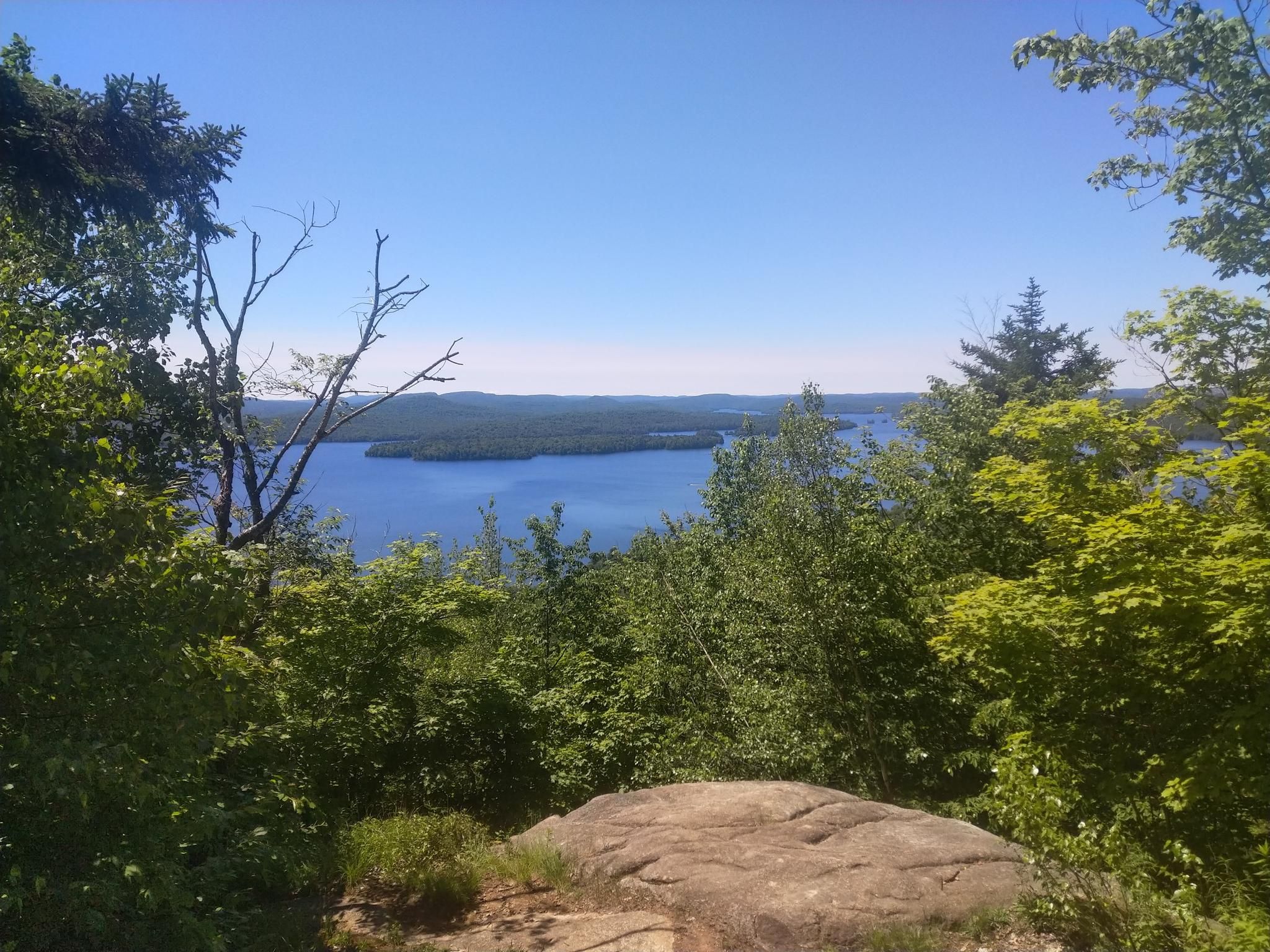
Cranberry Lake 50 — Wild beauty in the Adirondacks
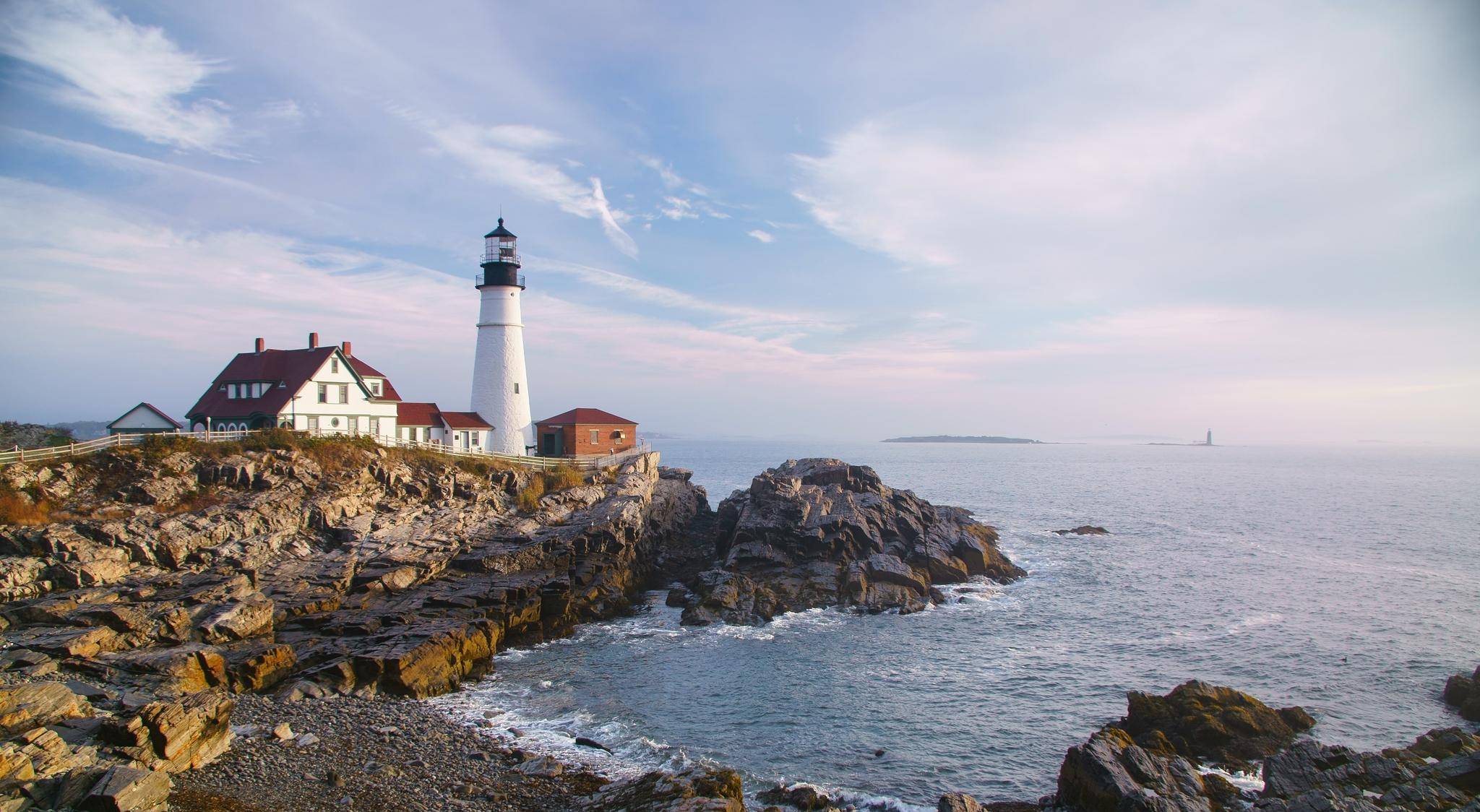
On the trail of the Pilgrim Fathers – road trip along the Atlantic coast
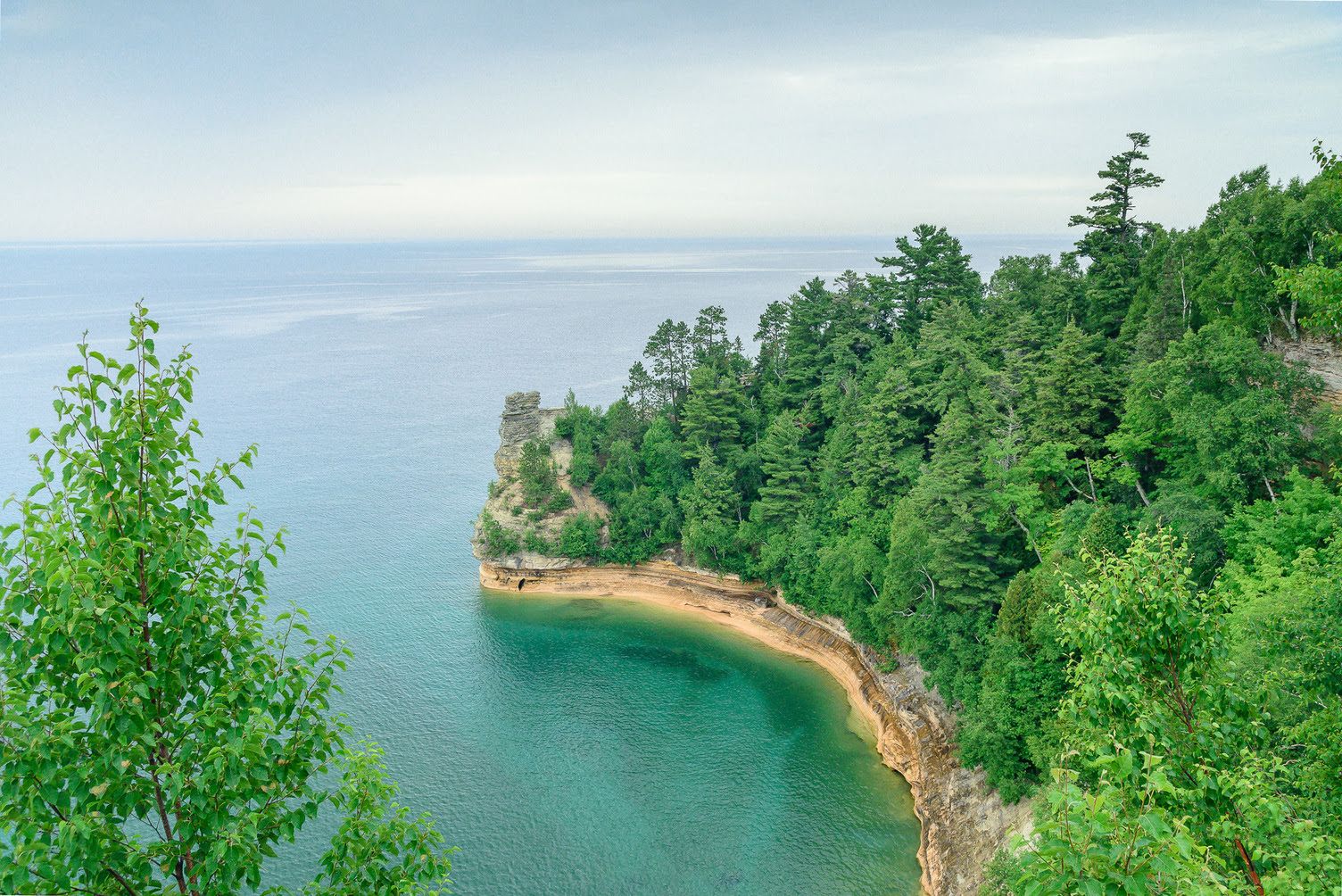
Great North Music Tour – hiking in the footsteps of music legends
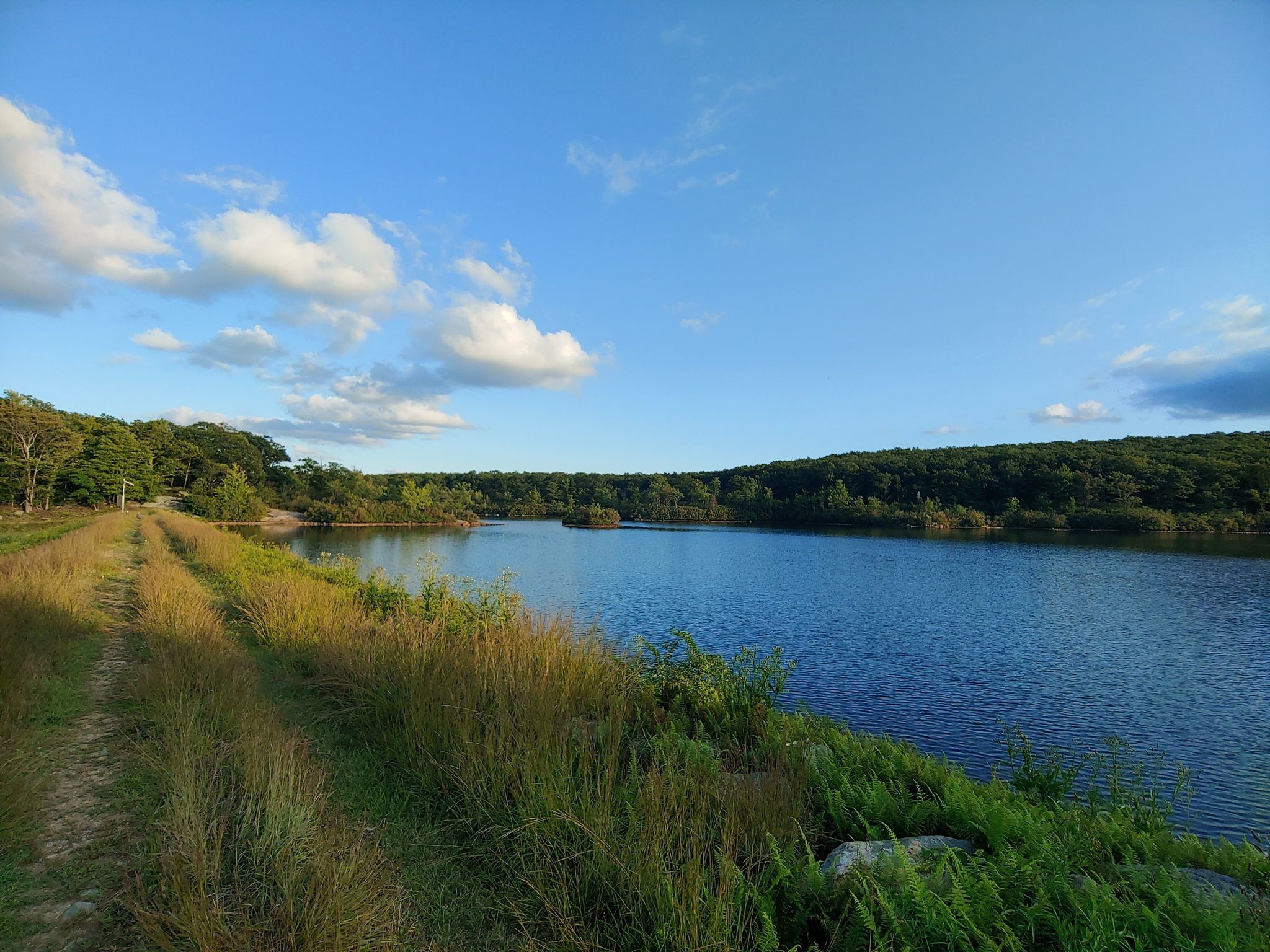
Lace up your shoes – Trail running in and around NYC
Other adventures in New York


Tips from the Community

Rumor has it that this location served as a hideout for bandits in the area, earning it the name Badmans Cave. Although it's not technically a cave but more of a shelter, it remains a cool place with a unique history.
1
0

The Ice Caves in Minnewaska State Park are a cool collection of quartz caves and cliffs known as the Ice Caves. Most caves aren't made of rocks that are as hard as quartz (most cave systems are limestone and consist of the soft mineral calcite). There are some tight trails that make a fun loop through the caves.
0
0
The Ice Caves in Minnewaska State Park are a cool collection of quartz caves and cliffs known as the Ice Caves. Most caves aren't made of rocks that are as hard as quartz (most cave systems are limestone and consist of the soft mineral calcite). There are some tight trails that make a fun loop through the caves.
0
0
The Bear Caves and Mount Seneca Trail is a popular hiking trail just north of the New York and Pennsylvania state border. This trail remains in a forest the entire time on its way up to the summit of Mount Seneca and back down to Route 3.
0
0

Kunjamuk Cave, nestled in the Adirondack Mountains, is a captivating geological wonder. Adventure seekers can explore its fascinating formations, discovering the underground beauty hidden beneath the rugged terrain.
0
0

This 2721-foot mountain is an accessible summit hike and has some cool geological features including a unique chimney formation and an intricate network of caves and crevices. The Trail has an elevation gain of 870 feet, leading you to the chimney and, beyond it, the true summit for a 360-degree panoramic view
0
0
One of the area's most renowned landmarks is The Leatherman's Cave. It received its name from a man in the late 1800s who earned his nickname due to his distinctive attire made entirely of raw leather. He became known for his impressive feat of embarking on a 34-day, 365-mile journey on foot across Connecticut, during which he would seek refuge in caves for shelter along the way.
0
0

Nice view of the surrounding area from the top. There are several options to climb up and around the rocks for different skill levels.
0
0
Frequently Asked Questions
What unique geological features can I expect to see in New York's caves?
New York's caves showcase a variety of geological wonders. For instance, the Ice Caves in Minnewaska State Park are notable for their hard quartz rock formations, which are distinct from typical limestone systems. Howe Caverns features impressive stalactites, stalagmites, and flowstone, along with an underground river. Secret Caverns boasts a dramatic 100-foot underground waterfall, while Natural Stone Bridge and Caves is home to the largest marble cave entrance in the Eastern U.S.
Are there any caves in New York with historical significance?
Yes, several caves in New York have rich historical contexts. Claudius Smith's Den is known as a hideout used by Claudius Smith during the Revolutionary War. Badmans Cave Shelter is rumored to have served as a hideout for bandits. The Leatherman's Cave is named after a man who famously sought refuge in caves during his extensive travels in the late 1800s. Additionally, Lockport Cave offers an underground boat ride through man-made tunnels historically used for transportation and hydroelectric power.
Which caves in New York are suitable for families with children?
Many of New York's caves offer family-friendly experiences. Howe Caverns provides traditional guided tours, including a boat ride, and even unique activities like cave yoga. Natural Stone Bridge and Caves offers self-guided trails and adventure tours suitable for various ages. Lockport Cave and Underground Boat Ride is another great option, combining a walking tour of historic locks with an underground boat ride, appealing to those interested in history and a unique adventure.
What are some options for more adventurous cave exploration in New York?
For those seeking more adventure, Clarksville Cave is a popular spot for spelunkers, featuring over 4,800 feet of horizontal passageways, some requiring wading through water or tight squeezes. Natural Stone Bridge and Caves also offers adventure tours for spelunking and exploring underground waterfalls. McFails Cave, the longest cave in New York, provides challenging exploration but requires permission, specific gear, and group size requirements, and is closed seasonally to protect bats.
Can I visit New York's caves during the winter months?
Yes, some caves in New York are accessible or offer unique experiences in winter. The Ellenville Fault Ice Caves are particularly special as they remain chilly year-round due to constant ice deep within the rock shadows. Natural Stone Bridge and Caves transforms into a landscape of ice sculptures in winter. Howe Caverns maintains a constant temperature of 52 degrees Fahrenheit year-round, making it a comfortable visit regardless of the outside weather.
What kind of unique underground experiences do New York caves offer?
New York's caves provide diverse and unique underground experiences. Howe Caverns is known for its underground boat ride on the 'Lake of Venus' or 'River Styx' and even offers cave yoga. Secret Caverns features a dramatic 100-foot underground waterfall. Lockport Cave offers an underground boat ride through historic man-made tunnels, showcasing artifacts from miners. Natural Stone Bridge and Caves allows visitors to explore massive stone bridges and grottos carved by a river.
What should I wear for cave exploration in New York?
Given the constant cool temperatures in many caves (around 52°F in Howe Caverns, for example) and potentially damp conditions, it's advisable to wear layers of comfortable clothing, including a light jacket or sweatshirt. Sturdy, closed-toe shoes with good grip are essential, especially for areas that might be wet or uneven. For more adventurous caving, like in Clarksville Cave or McFails Cave, specific gear such as helmets and multiple light sources are required.
Are there hiking trails near New York's caves?
Yes, many caves in New York are located within areas rich with hiking opportunities. For example, accessing the Ellenville Fault Ice Caves requires a two-mile hike on the 'Ice Caves Trail' within Sam's Point Preserve. You can find various hiking trails nearby, ranging from easy to difficult. Explore more hiking options in the region by visiting our guide on Hiking in New York.
What other outdoor activities can I do near these caves?
Beyond cave exploration, the areas surrounding New York's caves offer a variety of outdoor activities. Many locations provide access to scenic trails for hiking, such as those found near Bear Caves and Mount Seneca Trail. You can also discover beautiful waterfalls on dedicated routes. For more ideas, check out our guides on Waterfall hikes in New York and MTB Trails in New York.
What is the difference between Howe Caverns and Secret Caverns?
Howe Caverns and Secret Caverns are both located in Howes Cave, but offer distinct experiences. Howe Caverns is a larger, more developed tourist attraction known for its extensive formations, underground river boat ride, and amenities like cave yoga. Secret Caverns, while smaller, offers a more natural and less polished feel, known for its dramatic 100-foot underground waterfall. Secret Caverns often permits touching formations and photography, which may differ from Howe Caverns' policies.
Can I find caves that are less crowded in New York?
While popular sites like Howe Caverns can attract crowds, New York offers options for a more secluded experience. Smaller, less commercialized caves or those requiring more effort to access, such as Clarksville Cave or McFails Cave (which requires permits and specific gear), tend to be less crowded. Exploring caves within state parks or forests, like Howe State Forest Caves, can also provide a more serene setting for nature enthusiasts.
Are there any caves in the Adirondacks region of New York?
Yes, the Adirondacks region is home to several notable cave systems. Natural Stone Bridge and Caves in Pottersville is a prime example, featuring the largest marble cave entrance in the Eastern U.S. and offering both self-guided and adventure tours. Additionally, Chimney Mountain features an intricate network of caves and crevices, providing a unique geological experience alongside a summit hike.
Most popular routes in New York
Most popular attractions in New York

Get inspired with the komoot mobile app


Explore more
Extend your search for the best caves by checking out these guides of the top ones in New York:
