Attractions and Places To See in Kefallonia - Top 20
Attractions and places to see in Kefallonia include a diverse array of natural wonders and historical sites on this Ionian island. The region features a landscape of mountains, unique forests, and coastal areas with geological phenomena. Visitors can explore ancient ruins, traditional villages, and significant religious sites.
Best attractions and places to see in Kefallonia
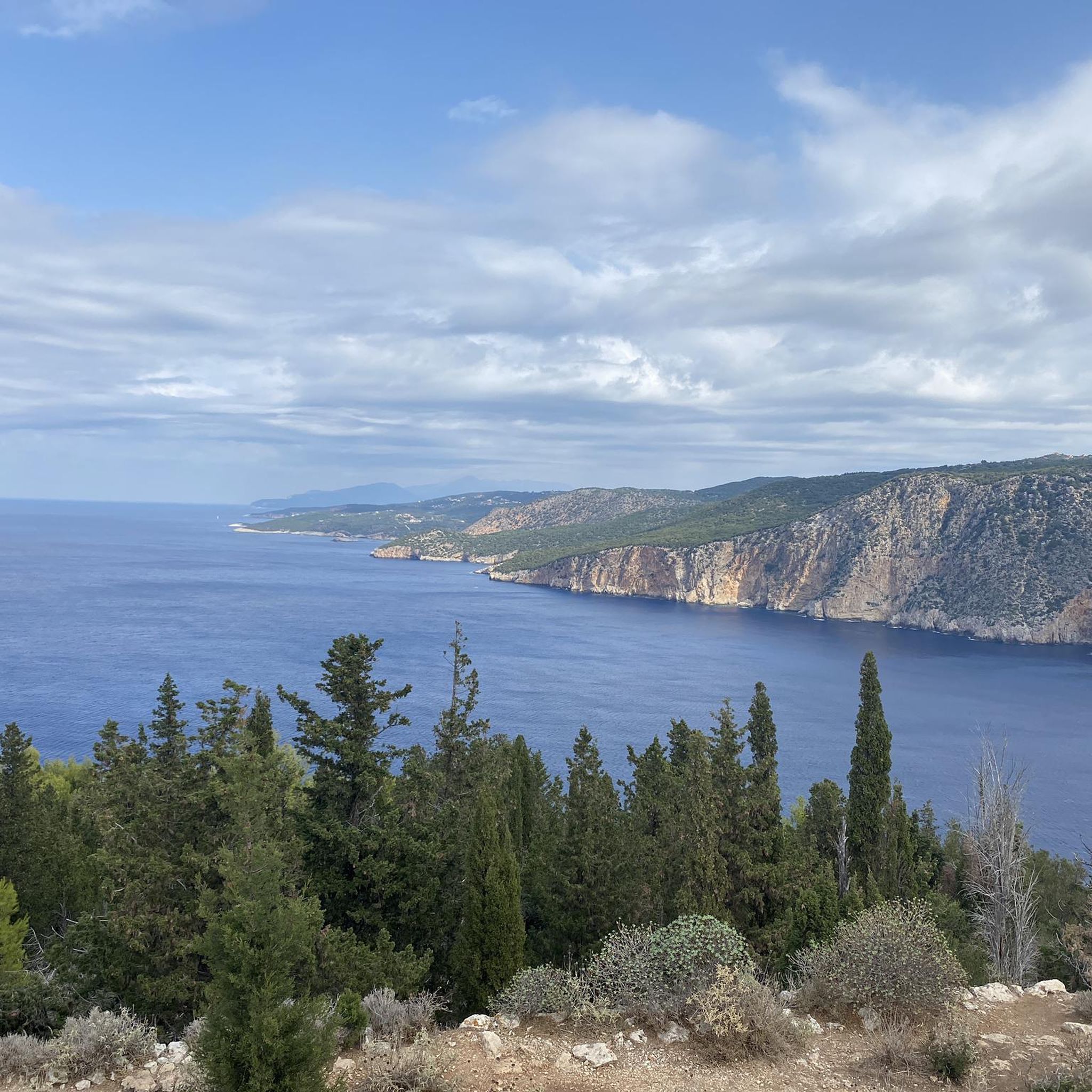
- The most popular attraction is Assos Village, a settlement located on a natural harbor. It is known for its picturesque setting and historical significance, with a Venetian fortress overlooking the village.
- Another must-see spot is Mount Ainos summit, a summit with a height of 1628 m, making it the highest mountain on the island. The park is distinguished by its unique fir trees and offers hiking trails with panoramic views.
- Visitors also love Fteri Beach, a beach accessible via a challenging path. It is considered one of the most beautiful beaches on the island.
- Kefallonia is known for its natural features like caves and beaches, alongside historical landmarks and traditional settlements. The island offers a variety of attractions to see and explore, from geological formations to ancient sites.
- The attractions in Kefallonia are appreciated by the komoot community, with more than 60 photos and over 60 upvotes across its highlights.
Last updated: October 9, 2026
Mount Ainos summit
Highlight • Summit
Translated by Google •
Tip by

Assos Village
Highlight • Settlement
Translated by Google •
Tip by

Sign up now to discover places like this
Get recommendations on the best single tracks, peaks, & plenty of other exciting outdoor places.
Saint Theodore Lighthouse
Highlight • Monument
+ reasonably passable view
- it would be very interesting to put a plaque here with the historical background (this is a common weakness of historical places in Kefalonia).
- the building is already badly weathered, from afar it looks much more attractive than up close.
Translated by Google •
Tip by

Sea Turtles at Argostoli Promenade
Highlight • Viewpoint
Translated by Google •
Tip by
Fteri Beach
Highlight • Beach
Translated by Google •
Tip by

Sign up for free to discover even more attractions in Kefallonia.
Already have an account?
Start today with a free account
Your next adventure awaits.
Tips from the Community

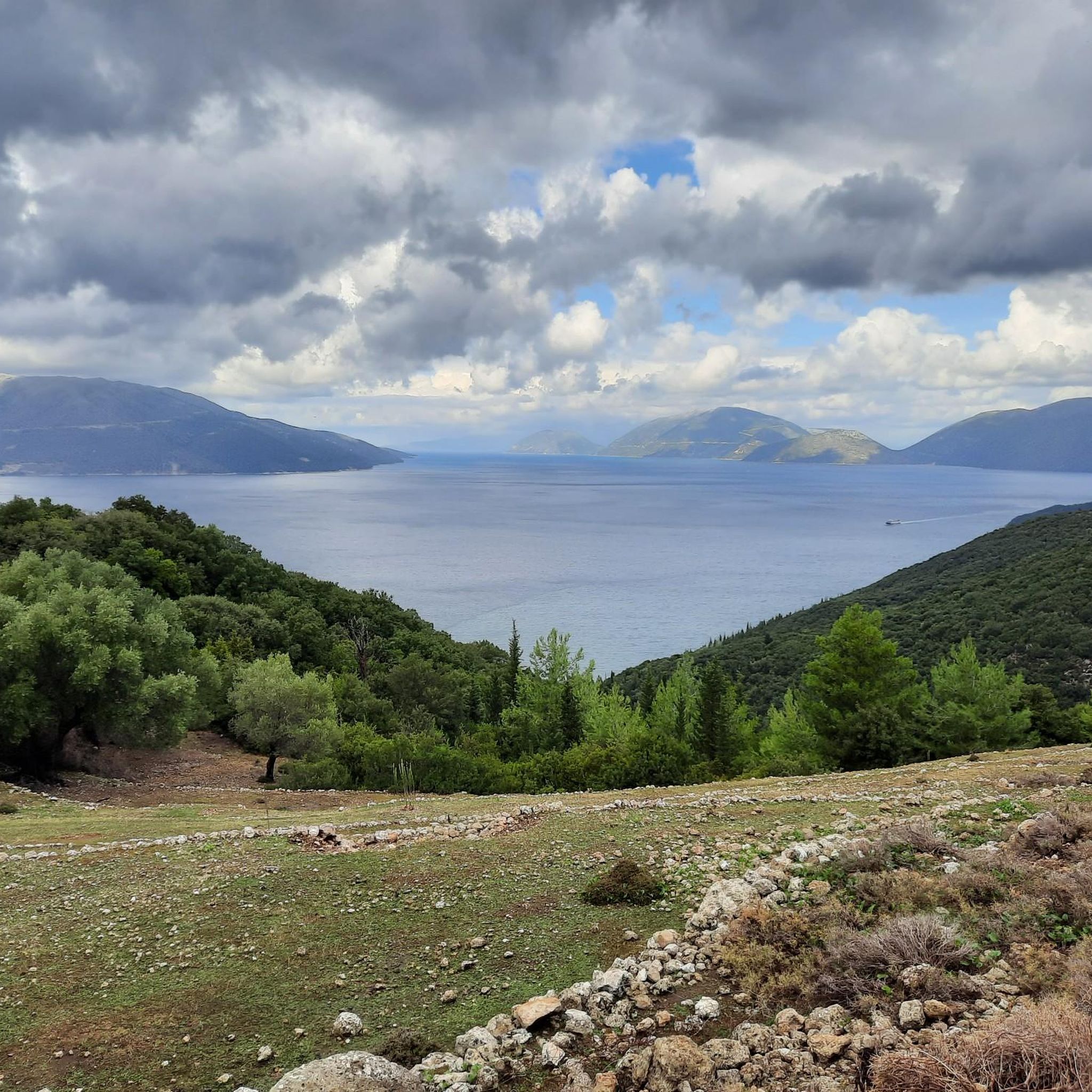
On a clear day, a fantastic view from the summit of Ainos (also called Mount Enos), the highest mountain on the Ionian island of Kefalonia in Greece, at 1,628 meters. The mountain is located in the Ainos National Park of the same name, which is known for its rare Kefalonian fir trees and a herd of semi-wild horses. The summit point is called Megas Soros. There are various ways to reach it. The easiest way: Drive by car on an asphalt road to the transmission stations (Chionistra). From there, a path about 2.1 km long (approx. 30 minutes to 1 hour walking time) leads to the summit.
0
0
In the bay of Argostoli, these fascinating loggerhead sea turtles (Caretta caretta) can be observed up close. The animals often stay particularly in the harbour basin, near the fish market and along the promenade. The best time for a sighting is early morning (between 8:00 and 11:00 AM), when the fishing boats return. The turtles are attracted by the fish waste that goes overboard when cleaning the nets. Besides the harbour basin, the De Bosset Bridge - the longest stone bridge over the sea worldwide, as well as the adjacent Koutavos Lagoon, also offer excellent views of the swimming animals.
0
0
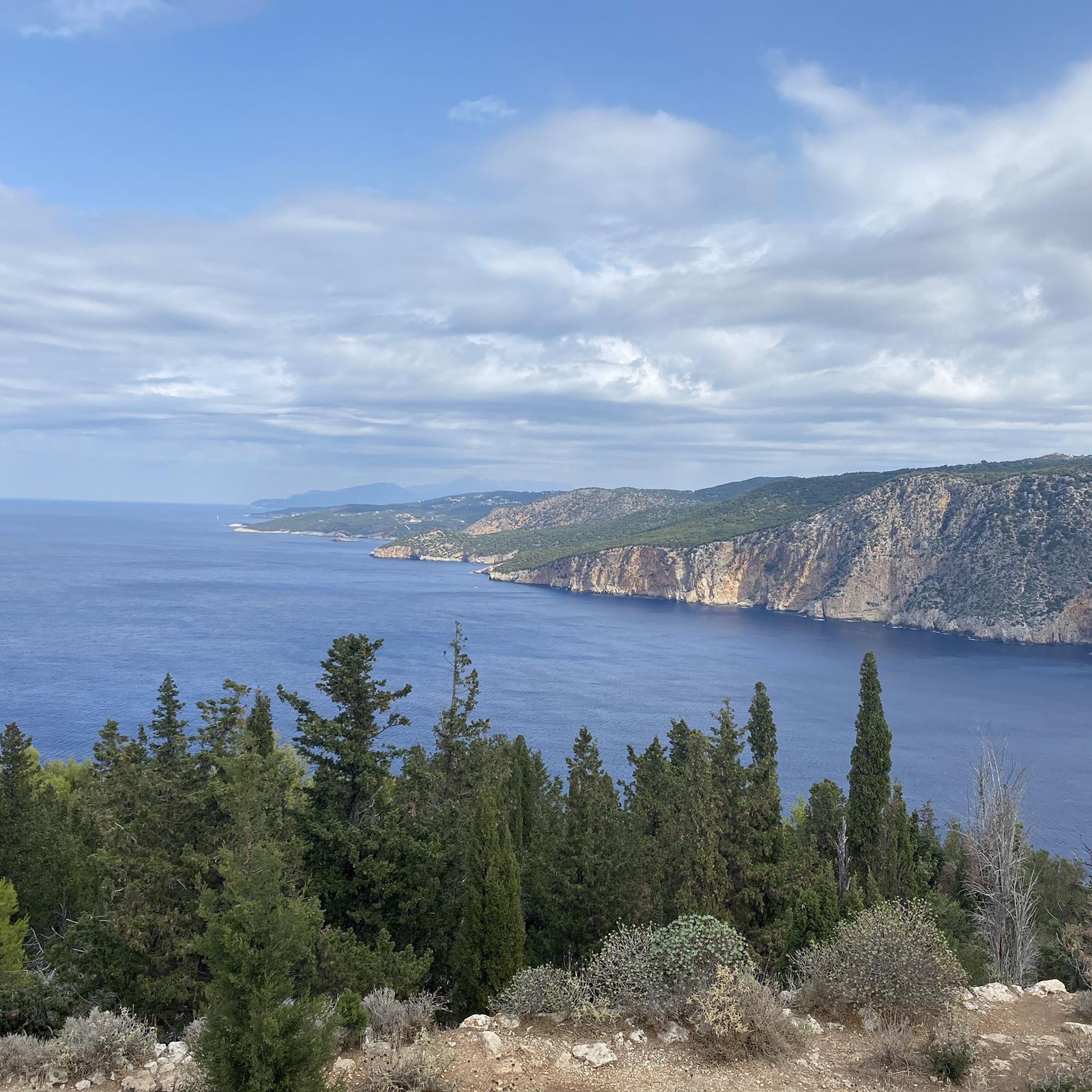
The picturesque village of Asos is considered one of the most beautiful and most photographed villages on the island of Kefalonia. It is located on a narrow isthmus in the northwest of the island and is surrounded by lush green landscape and crystal-clear water. Sights include the Venetian castle, the harbor area with colorful houses and traditional tavernas, and the small Assos Beach. The village has fewer than 100 inhabitants and retains a relaxed, authentic atmosphere.
0
0
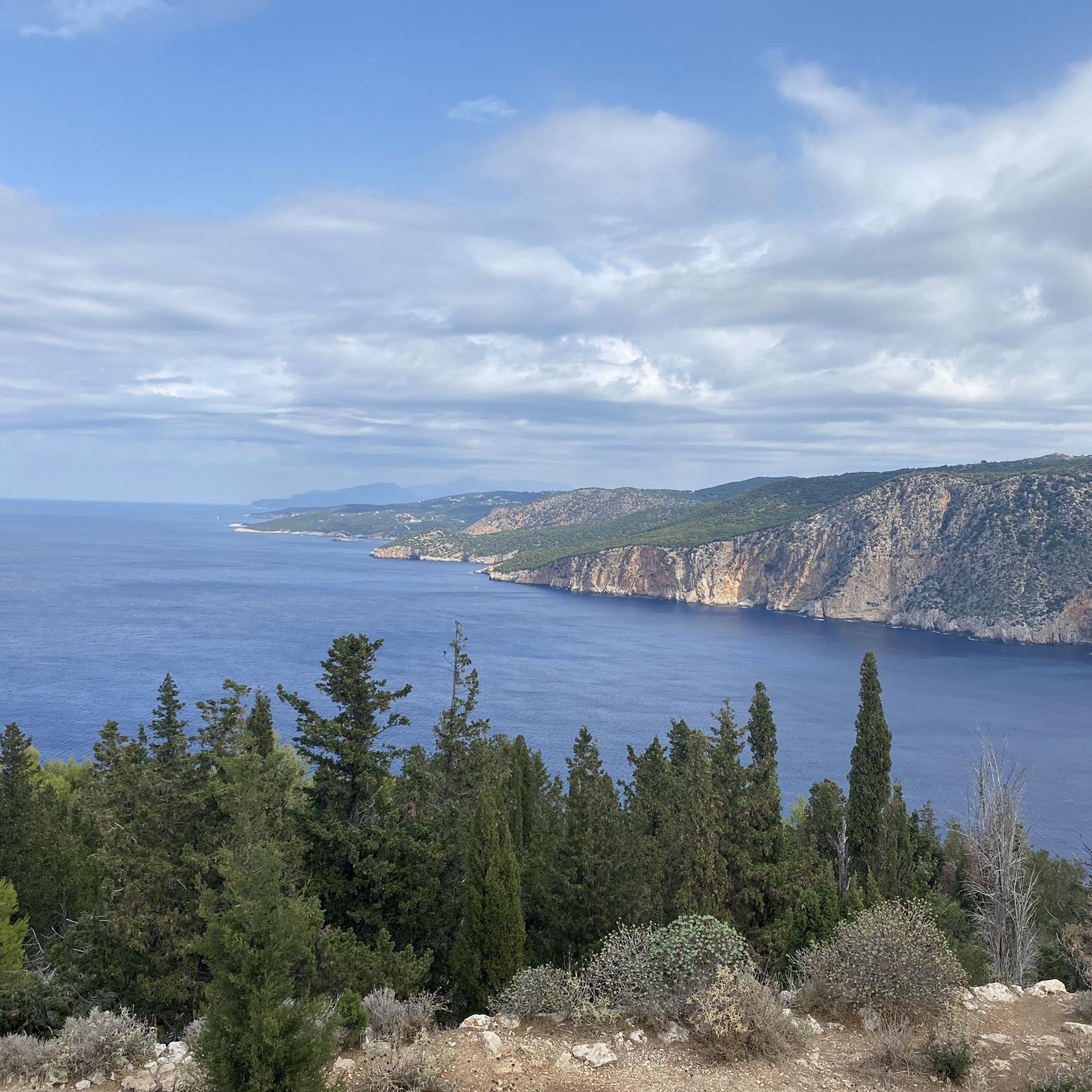
This secluded beach on the north coast of the Paliki peninsula is known for its striking white limestone cliffs, crystal-clear turquoise waters, and pristine nature, as it is not directly accessible by car. A footpath leads from a car park above the beach down to the bay, taking approximately 40 to 60 minutes each way.
0
0
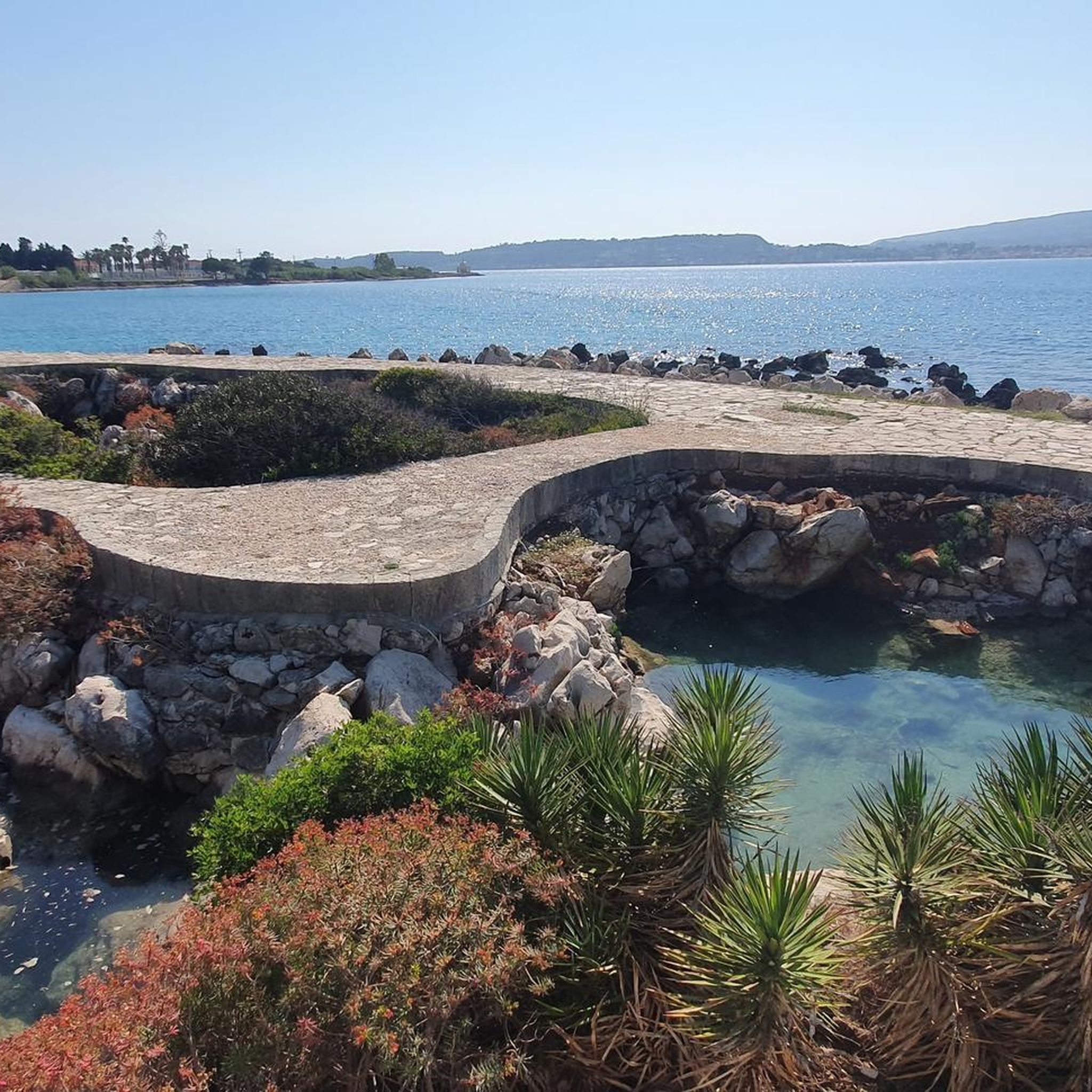
The Saint Theodore Lighthouse (Greek: Agioi Theodoroi), also known as Fanari, is one of Kefalonia's most famous landmarks. It stands on an artificial peninsula about 3 km from the island's capital, Argostoli. The original lighthouse was built in 1828/29. The structure is distinguished by its striking circular design in the Doric style. The 8-meter-high tower is framed by 20 white columns. The devastating earthquake of 1953 completely destroyed the original. In 1964, the lighthouse was faithfully reconstructed by architect Takis Pavlatos, following the original plans. Since 1995, it has been a protected monument of modern Greek history. The location offers sweeping views across the sea to the Paliki peninsula and the island of Vardianoi.
2
0

The red markers could be much (also on other walks) more clearly red and in my opinion there should be more! Despite Komoot I went wrong several times and experienced scary moments when I walked along the abyss a few times! Eventually I went back and looked at the beach on the other side from above and that is amazing!
2
1

We did our circular hike here, it was great.👍🏻
3
0

Assos, a picturesque town on the northwest coast of the Greek island of Kefalonia, offers excellent hiking opportunities for nature lovers and hiking enthusiasts. Hiking in Assos: Scenery: The region around Assos is known for its stunning scenery, which includes rugged coastlines, dense pine forests and scenic views of the Ionian Sea. Routes: There are several hiking trails that pass through historical ruins, traditional villages and along the coast. A particularly popular hike is the hike to Assos Castle, a 16th-century Venetian fortress that offers panoramic views over the peninsula. Difficulty: The trails vary in difficulty and length, so both novice and experienced hikers will find suitable routes. Flora and fauna: Hikers can spot a variety of plants and animals typical of the Mediterranean region, including wild herbs, olive trees and rare bird species. Hiking in Assos is a wonderful way to experience the natural beauty and cultural history of the region.
1
1
Frequently Asked Questions
What natural wonders and viewpoints can I explore in Kefalonia?
Kefalonia is rich in natural beauty. You can visit the iconic Fteri Beach, known for its dramatic setting and turquoise waters, though it requires a challenging path to access. For unique geological formations, explore the Melissani Cave Lake, where sunlight illuminates the water, or the Drogarati Cave, famous for its impressive stalactites and acoustics. Don't miss the Mount Ainos summit, offering panoramic views from the island's highest point.
Where can I find unique geological phenomena in Kefalonia?
Kefalonia features several fascinating geological sites. The Sea Water Mills of Argostoli, also known as Katavothres, are a unique phenomenon where seawater flows inland and disappears into underground tunnels, reappearing across the island. The Melissani Cave Lake and Drogarati Cave also showcase stunning natural rock formations and underground water systems.
What historical sites and landmarks are there to visit in Kefalonia?
The island boasts a rich history. Explore Assos Village, home to a Venetian fortress offering historical insights and scenic views. Near Argostoli, you can visit the Saint Theodore Lighthouse, an iconic landmark with serene sea views. Other notable sites include Saint George's Castle, the island's former capital, and the ruins of a Roman Villa in Skala with preserved mosaic floors.
Are there any traditional villages worth visiting in Kefalonia?
Absolutely. Assos Village is considered one of the prettiest on the island, with its picturesque setting and Venetian fortress. Fiscardo Village is another must-see, as it largely survived the 1953 earthquake, retaining its beautiful traditional architecture and offering a glimpse into the island's past.
Are there family-friendly attractions in Kefalonia?
Yes, Kefalonia offers several attractions suitable for families. The Saint Theodore Lighthouse is a pleasant spot for a family stroll. The Melissani Cave Lake and Drogarati Cave offer an exciting and educational experience for all ages. Observing the loggerhead turtles in Argostoli Bay can also be a memorable family activity.
When is the best time to visit Kefalonia for outdoor activities and sightseeing?
The best time to visit Kefalonia for outdoor activities and sightseeing is typically from late spring (May) to early autumn (October). During these months, the weather is warm and sunny, ideal for exploring beaches, hiking, and visiting historical sites. Midday in summer can be very hot, so plan outdoor activities for mornings or late afternoons.
What hiking opportunities are available in Kefalonia?
Kefalonia offers diverse hiking trails, especially in Mount Ainos National Park, which features unique fir trees and panoramic views. You can find trails like the 'Mount Ainos summit – View from the summit of Mount Ainos loop' or the 'View from the summit of Mount Ainos – Ainos Ridge Trail loop'. For more options, explore the Hiking in Kefallonia guide.
Are there options for running or cycling near the attractions?
Yes, you can find various routes for running and cycling. Near Argostoli, there are running routes like the 'Agios Theodoros Lighthouse – View of Kefalonia loop'. For cycling, options range from easy loops around Argostoli to more challenging routes like 'Foki Beach – View of Myrtos Beach loop from Agia Efimia'. Discover more routes in the Running Trails in Kefallonia and Cycling in Kefallonia guides.
What do visitors enjoy most about Kefalonia's attractions?
Visitors frequently praise the breathtaking views, especially from places like Assos Village and Mount Ainos summit. The unique geological features, such as the Melissani Cave Lake and the Sea Water Mills of Argostoli, are also highly appreciated for their natural wonder. Many also highlight the beauty of beaches like Fteri Beach, despite the challenging access.
Can I visit a monastery or religious site in Kefalonia?
Yes, the Monastery of Agios Gerasimos is a significant religious site on the island, dedicated to Kefalonia's patron saint. It's a central point for local religious life and includes both historic and modern churches, offering insight into the island's spiritual heritage.
Are there any museums in Kefalonia that provide insight into local culture?
Yes, the Korgialenio Historic and Folklore Museum in Argostoli offers a fascinating look into Kefalonian everyday life. It features exhibits of traditional tools, garments, and interiors, providing a comprehensive understanding of the island's cultural heritage and history.
Where can I experience the local wine culture in Kefalonia?
Kefalonia is renowned for its Robola wine. You can explore the Robola Wine Region, located on the lower slopes of Mount Ainos. Many vineyards offer wine tasting tours, allowing you to sample local varieties and learn about the winemaking process unique to the island.
Most popular attractions in Kefallonia

Get inspired with the komoot mobile app


Explore more
Still not found the Highlight you’re looking for? See guides of the top attractions in other regions:
