Top 12 Gorges in Death Valley National Park
Best canyons in Death Valley National Park showcase a landscape shaped by geological forces, featuring diverse rock formations and unique ecosystems. This arid region, known for its extreme temperatures and vast desert expanses, holds numerous canyons carved by water and wind over millennia. These natural formations offer insights into the park's geological history and provide varied exploration opportunities.
Best canyons in Death Valley National Park
- The most popular canyons is Red Cathedral, a natural monument that stands out 183…
Last updated: July 6, 2026
Red Cathedral
Highlight • Natural Monument
Tip by

Darwin Falls
Highlight • Waterfall
Tip by

Sign up now to discover places like this
Get recommendations on the best single tracks, peaks, & plenty of other exciting outdoor places.
Sign up for free
Badlands Junction
Highlight • Trail
Translated by Google •
Tip by

Green Marble Walls
Highlight • Canyon
Tip by

Upper Darwin Falls
Highlight • Waterfall
More adventurous souls can climb the …
Tip by
Sign up for free to discover even more gorges in Death Valley National Park.
Sign up for free
Already have an account?
Start today with a free account
Your next adventure awaits.
Login or Signup
Popular around Death Valley National Park
Tips from the Community

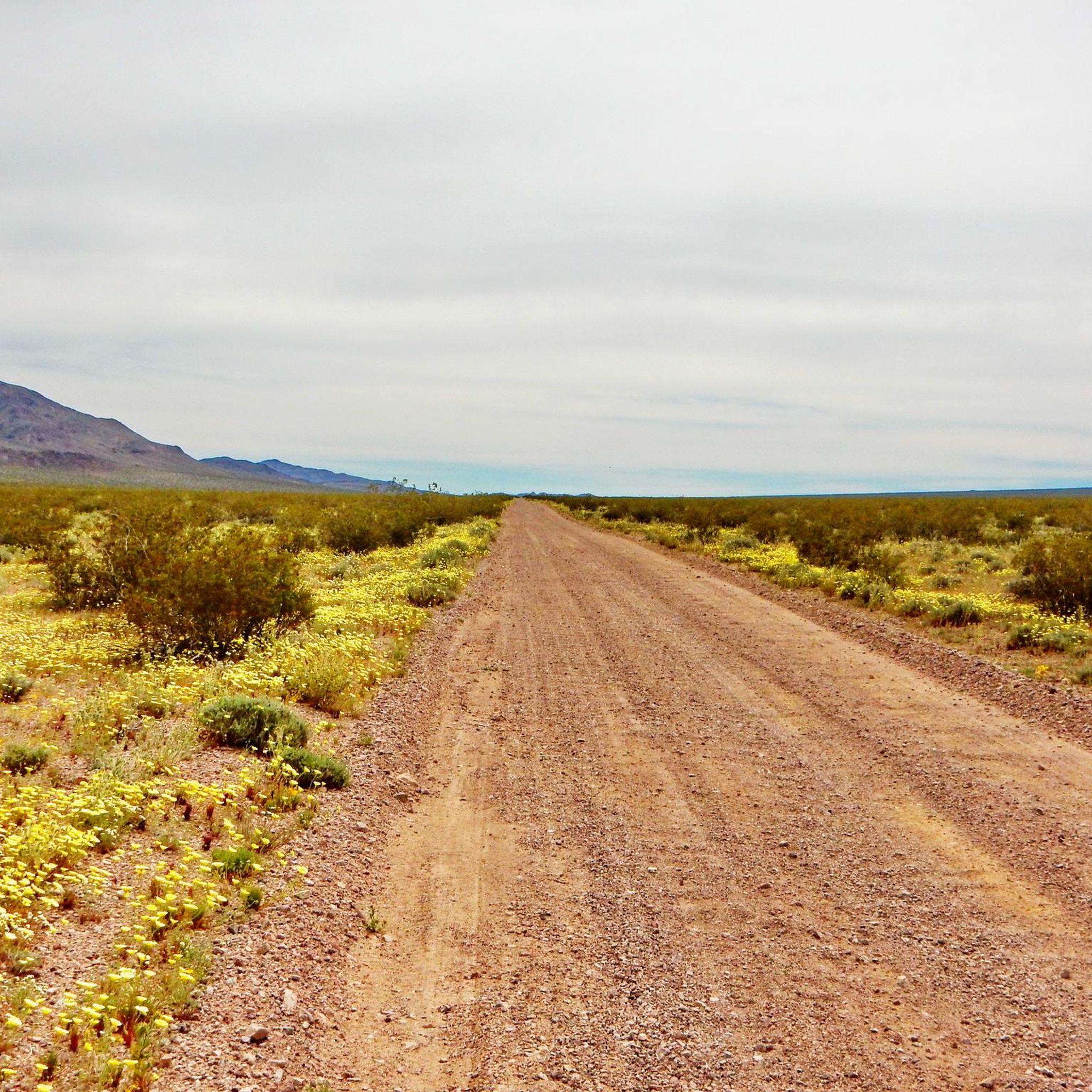
On April 25 it was not possible to do this route because the dirt road is impassable by car. Do not venture it is very dangerous, we had to go back after 5 minutes and luckily we managed to turn around without too many maneuvers in the only clearing we found.
0
0

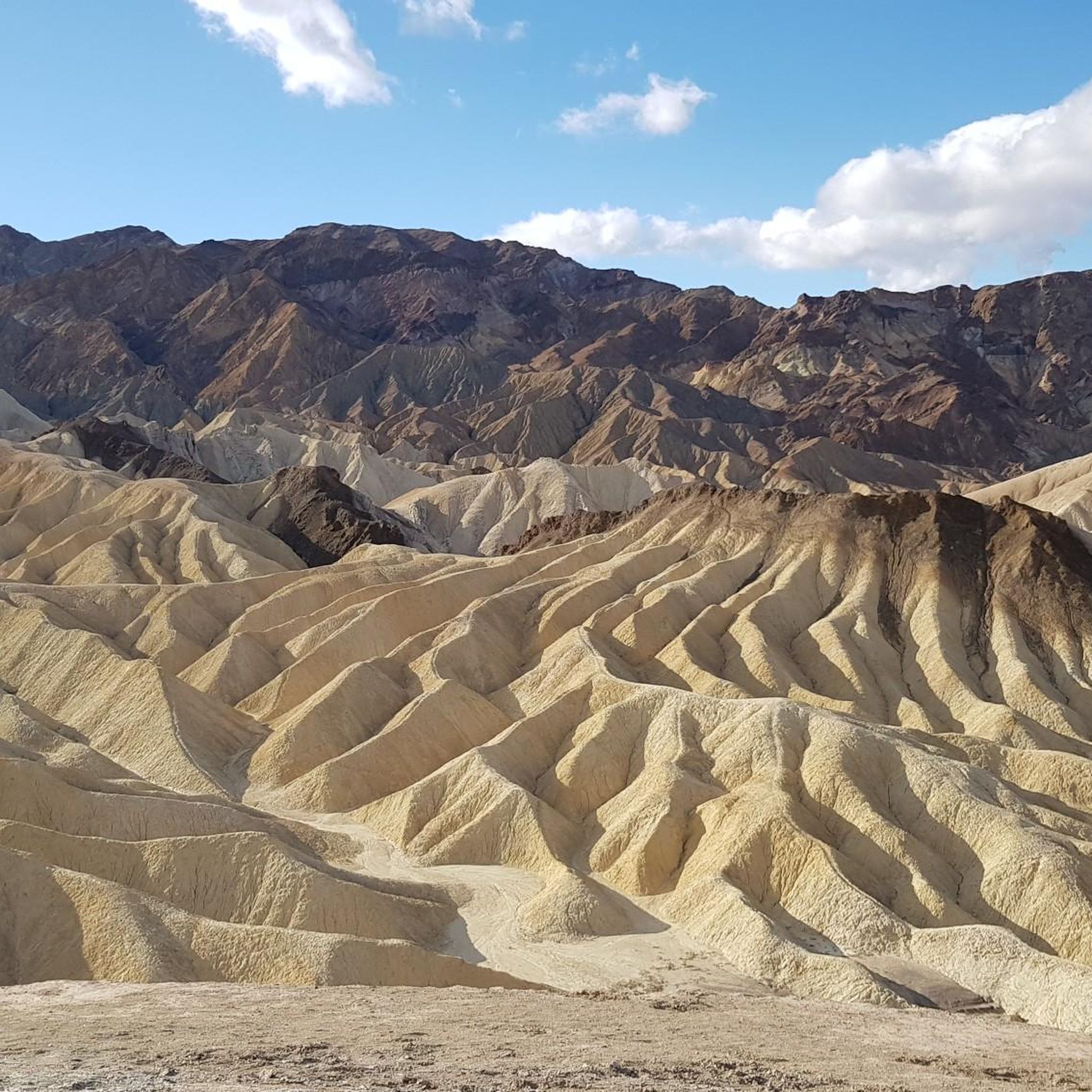
The Red Cathedral is a crimson cliff that stands out 183 meters above and behind the yellow and brown slopes and walls of the Golden Canyon. The origin of the name comes from the red rocks that have eroded into pillars in some places
0
0

There are great views of the falls from the path. To access more views of the falls, some people will climb the left side of the canyon, but this should only be attempted if you have the necessary equipment and experience.
0
0

Branching off various paths through the Badands, e.g. towards Red Cathedral but also back to Zabriskie Point.
0
1

We were there in March 2023 and it rained lightly at only about 10°. Nevertheless, the hike was a nice experience. It is quite short and does not have any major differences in altitude. At this time of year, the small waterfall bubbles quite nicely - but we did not find a pool... must have been due to the long dry spell before (?). But it is still wet and you keep going through the stream bed, so you have to be a little careful to keep your feet dry. Unlike at the more well-known hotspots, we only met a few people here, even though it was Sunday. The only challenge was ultimately the approach. Immediately after the turnoff, you have to go through a small ford that was completely washed out by the rainy weather. While the large pickup trucks can easily drive over it, the usual rental cars reach their limits...
0
0
The Red Cathedral is a crimson cliff that stands out 183 meters above and behind the yellow and brown slopes and walls of the Golden Canyon. The origin of the name comes from the red rocks that have eroded into pillars in some places.
1
0

If you are afraid of exposure, climbing the steep wall might give you some trouble. Just try to find some gaps between the rock to put your feet in and you are good to go. It is worth the effort.
1
0

A bit over half a mile into the canyon the name becomes clear: not only the rock cliff walls reveal distinct colorful layers; the stream also cut through and reveals colorful layers of clay, like these red and green soft clay deposits.
2
0
Frequently Asked Questions
What are some of the most popular canyons to explore in Death Valley National Park?
Death Valley National Park offers a variety of spectacular canyons. Among the most popular are Red Cathedral within Golden Canyon, known for its crimson cliffs, and Darwin Falls, an unexpected oasis with a waterfall. Other highly regarded canyons include Mosaic Canyon, Golden Canyon, and Titus Canyon, each offering unique geological features and hiking experiences.
Are there family-friendly canyon hikes in Death Valley National Park?
Yes, several canyons offer accessible sections suitable for families. Mosaic Canyon, for instance, has a particularly scenic first half-mile that winds through narrow slot canyons with gentle inclines, making it enjoyable for those seeking a shorter, easier hike. Artist's Drive also provides a scenic loop with opportunities for short walks into colorful hills.
What unique geological features can I expect to see in Death Valley's canyons?
Death Valley's canyons showcase diverse geological wonders. In Mosaic Canyon, you'll find polished marble walls and unique 'mosaic breccia' rock formations. Golden Canyon features vibrant yellow-gold badlands and walls displaying a spectrum of colors due to mineral oxidation. Green Marble Walls reveal distinct colorful layers of clay, while Artist's Palette on Artist's Drive displays stunning arrays of pink, purple, blue, and green mineral deposits.
What is the best time of year to visit Death Valley's canyons?
The best time to visit Death Valley's canyons is generally during the cooler months, from late fall through early spring (October to April). Temperatures are more moderate, making hiking and exploration more comfortable. Summer months bring extreme heat, which can be dangerous for strenuous activities.
Are there any challenging or advanced canyon hikes for experienced adventurers?
Yes, for those seeking a more strenuous experience, Desolation Canyon offers a challenging off-trail adventure with incredible scenery and a sense of solitude. The trail in Mosaic Canyon also continues for up to 2 miles beyond the initial easy section, involving some rock scrambling and navigating narrow passages. Additionally, adventurous hikers can climb to the Upper Darwin Falls, which requires some rock scrambling skills and sure-footedness.
Can I find ancient historical sites or cultural landmarks within the canyons?
Titus Canyon is notable for ancient petroglyphs found near natural springs, offering a glimpse into the region's past. Additionally, the ghost town of Leadfield is an historical point of interest along the one-way road that traverses Titus Canyon, providing a unique historical dimension to your visit.
What kind of wildlife might I encounter in Death Valley's canyons?
While wildlife can be elusive in Death Valley, Titus Canyon is a known habitat for bighorn sheep, offering a chance to spot these majestic animals. Darwin Falls, being an oasis, supports a small ecosystem, keeping its canyon green and full of life, which can attract various desert creatures.
Are there scenic drives that allow me to experience the canyons without extensive hiking?
Absolutely. Titus Canyon provides a unique one-way scenic drive experience, accessible from east to west, through breathtaking landscapes and dramatic narrows. Artist's Drive is another excellent option, a 9-mile paved, one-way loop that winds through scenic canyons and hills, offering close-up views of vibrantly colored mineral deposits, especially at Artist's Palette.
What outdoor activities can I do near these canyons?
Beyond canyon exploration, Death Valley National Park offers a range of outdoor activities. You can find numerous hiking opportunities, including routes like the Golden Canyon & Gower Gulch loop or the Mosaic Canyon Loop. For mountain biking enthusiasts, trails like Echo Canyon Road or Chloride City Road provide challenging rides. You can explore more options on the Hiking in Death Valley National Park or MTB Trails in Death Valley National Park guide pages.
How long do canyon hikes typically take in Death Valley?
The duration of canyon hikes varies greatly depending on the trail and your pace. Shorter, easier hikes like the initial section of Mosaic Canyon or the walk to Darwin Falls can take less than an hour. More extensive trails, such as the 2-mile round trip in Golden Canyon, or the longer 7.8-mile loop to Zabriskie Point, can take several hours. Always plan for extra time, especially in challenging terrain.
Are there any specific safety considerations for hiking in Death Valley's canyons?
When hiking in Death Valley's canyons, it's crucial to be prepared for extreme desert conditions. Always carry plenty of water, wear appropriate sun protection, and inform someone of your itinerary. Be aware of potential flash floods, especially during monsoon season, and watch for loose rocks or challenging terrain, particularly in less-maintained or off-trail areas like Desolation Canyon.
Where can I find more information about Golden Canyon and its trails?
Golden Canyon offers a 'choose-your-own-adventure' hiking experience with various interconnected trails, including routes to Red Cathedral. For detailed information on trails and current conditions, you can check resources like the National Park Service website for Golden Canyon.
Most popular routes in Death Valley National Park
Most popular attractions in Death Valley National Park

Get inspired with the komoot mobile app


Explore more
Already discovered everything in this region? See additional gorges in Death Valley National Park for your next adventure:
