Top 20 Caves around Voerendaal
Best caves around Voerendaal are primarily man-made marl quarries and limestone formations, reflecting the region's unique geology in South Limburg. While Voerendaal itself features the Kunradersteengroeve, an opencast limestone quarry, the broader area is known for extensive underground systems. These sites offer insights into historical quarrying techniques, geological formations, and cultural heritage. The landscape is characterized by chalk and marl deposits, which have shaped both the natural environment and human activity for centuries.
Best caves around Voerendaal
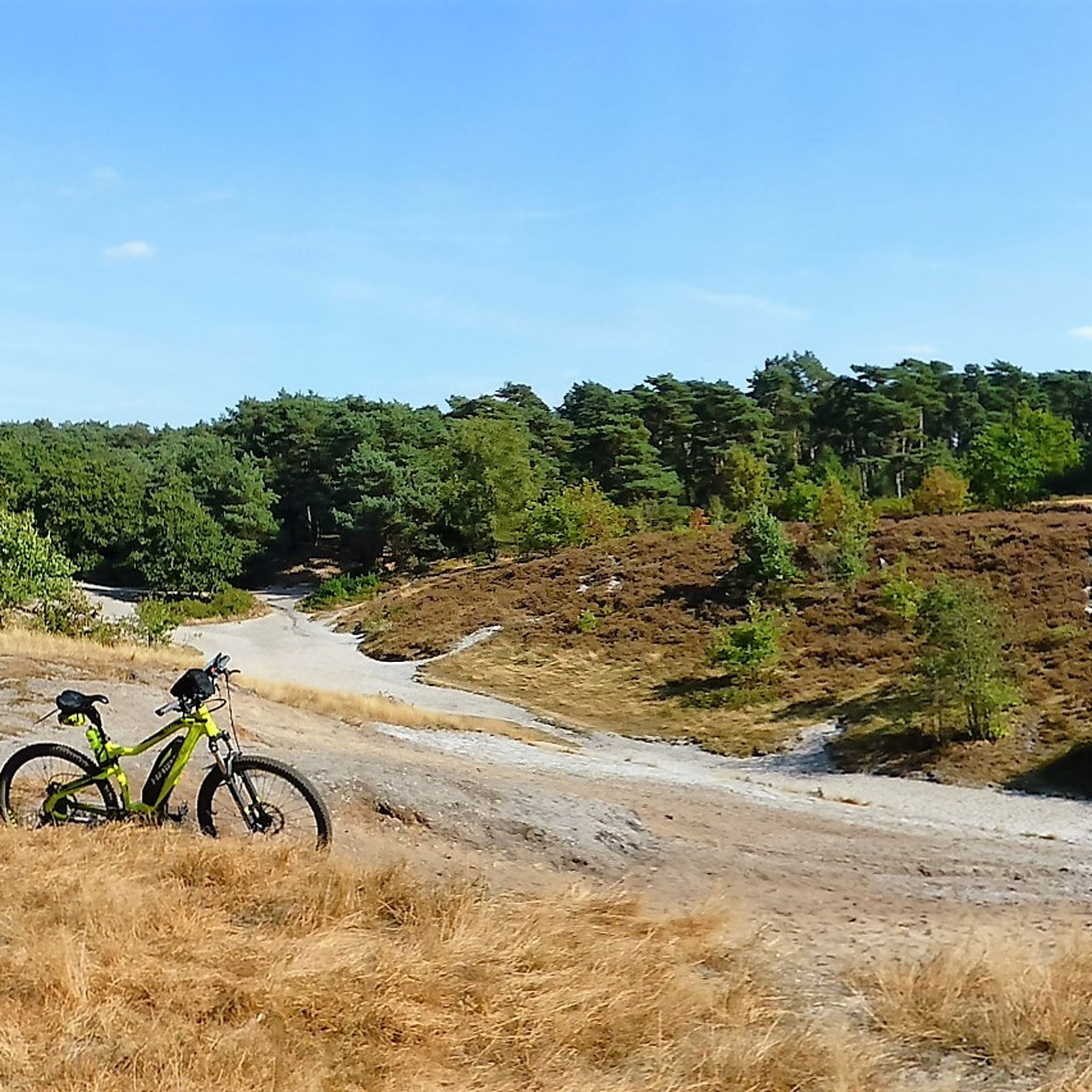
- The most popular caves is Strooberggroeve (Bemelen Caves), a cave that features beautiful gravel roads along the rocks of the Bemelerberg. These rocks are known from the asphalt road through the village and form part of several marked MTB routes.
- Another must-see spot is Strooberg Quarry, a cave featuring marl caves in the Bemelerberg. Here, yellow limestone rises high, providing a protected habitat for birds of prey and forming a nature reserve.
- Visitors also love Däölkesberg Abri (Limestone Rock Shelter), a special cavity with an overhanging wall. This site may have once provided shelter for prehistoric inhabitants and is the only known shelter of its kind in the Netherlands.
- Voerendaal and its surroundings are known for marl quarries and limestone rock shelters. These sites offer a variety of underground experiences, from historical excavations to natural geological formations.
- The caves around Voerendaal are appreciated by the komoot community, with more than 635 upvotes and 222 photos shared by visitors.
Last updated: July 6, 2026
Strooberg Quarry
Highlight • Cave
The green, sloping Bemelerberg has a marl wall on one side like on a postcard. Here the yellow limestone rises high into the air and forms a protected habitat for birds of prey who like to nest there. On top of the mountain is one of the most popular benches in all of South Limburg.
Around the hill are barren chalk grasslands that look anything but barren. 'Poor' soil is exactly what wild orchids like, for example. Rare species are given space here by the grazing of the Mergellandschaap, one of the few sheep that can defy the steep slopes.
Translated by Google •
Tip by

Geulhemmerberg Climb and Cave Dwellings
Highlight (Segment) • Climb
Translated by Google •
Tip by

Sign up now to discover places like this
Get recommendations on the best single tracks, peaks, & plenty of other exciting outdoor places.
Sign up for free
Terborgh Castle
Highlight • Castle
Translated by Google •
Tip by

Däölkesberg Abri (Limestone Rock Shelter)
Highlight • Cave
Translated by Google •
Tip by

Bemelerberg Cave
Highlight • Cave
In the Middle Ages, not everyone was allowed to plant hedges. That is why small farmers made fences by means of a construction of posts, stuck planks in wickerwork of twigs. They called that a tuyn tuen or tuun The word tuin comes from it. Such a dead hedge, took up little space and could be easily moved. The disadvantage was that a lot of wood was needed, also for annual repairs
Old craft
Tuynen (gardens, tuunen, tunen) is an almost lost craft. Fortunately, a few elderly hedge weavers were able to pass on their knowledge to the members of the Vogelwerkgroep Bemelen. Thanks to this expertise, old tools such as klamatsch and picker could also be remade. If you look closely, you will see vertical sticks of (pruning) wood on both sides of the existing hedge. These are connected horizontally with 'binders' (long thicker sticks). All of this is pulled together. Together with the existing hedge, this becomes a barrier that no sheep or chicken can get through. Braided hedges, hedgerows and wooded banks are very important for the quality of the landscape and nature. The Tuynheggen are therefore real cultural heritage.
Birds such as willow warbler, yellowhammer and wren use the hedge to shelter and build nests in.
Native plants, including bittersweet, also grow there.
The classic Tuynheg here was created in 2002. The maintenance, gardens or tuunge is on the programme of the Bemelen Bird Working Group every spring. In this way, the knowledge of the craft is preserved.
More information or help?
Bemelen Bird Working Group E-mail: ha.brouwer36@ziggo.nl
Translated by Google •
Tip by

Sign up for free to discover even more caves around Voerendaal.
Sign up for free
Already have an account?
Start today with a free account
Your next adventure awaits.
Login or Signup
Popular around Voerendaal
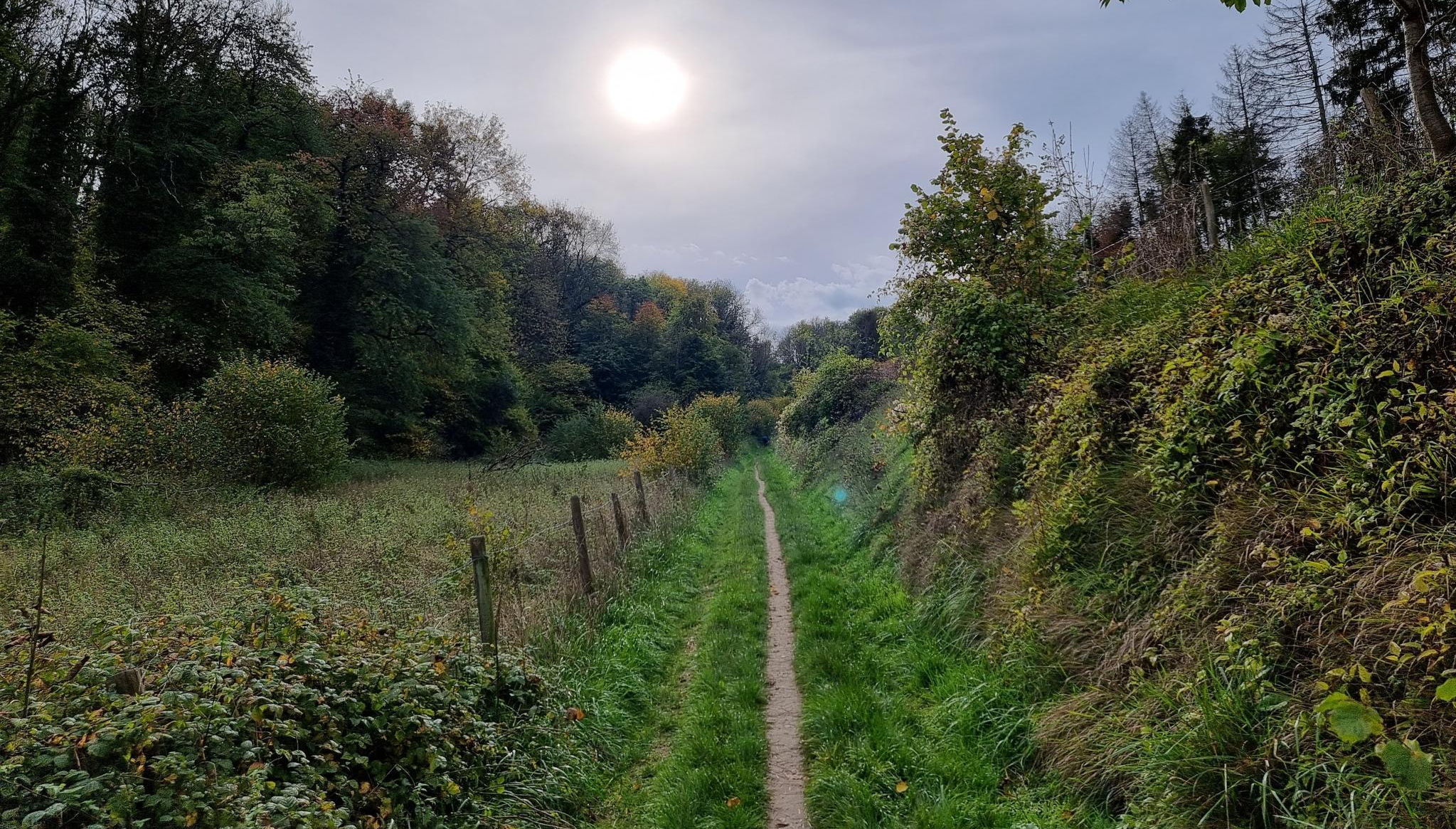
Via Coriovallum – a pilgrimage in the Dutch region of South Limburg
The Limburg200 MTB Ultra – A real Mountainbike Challenge
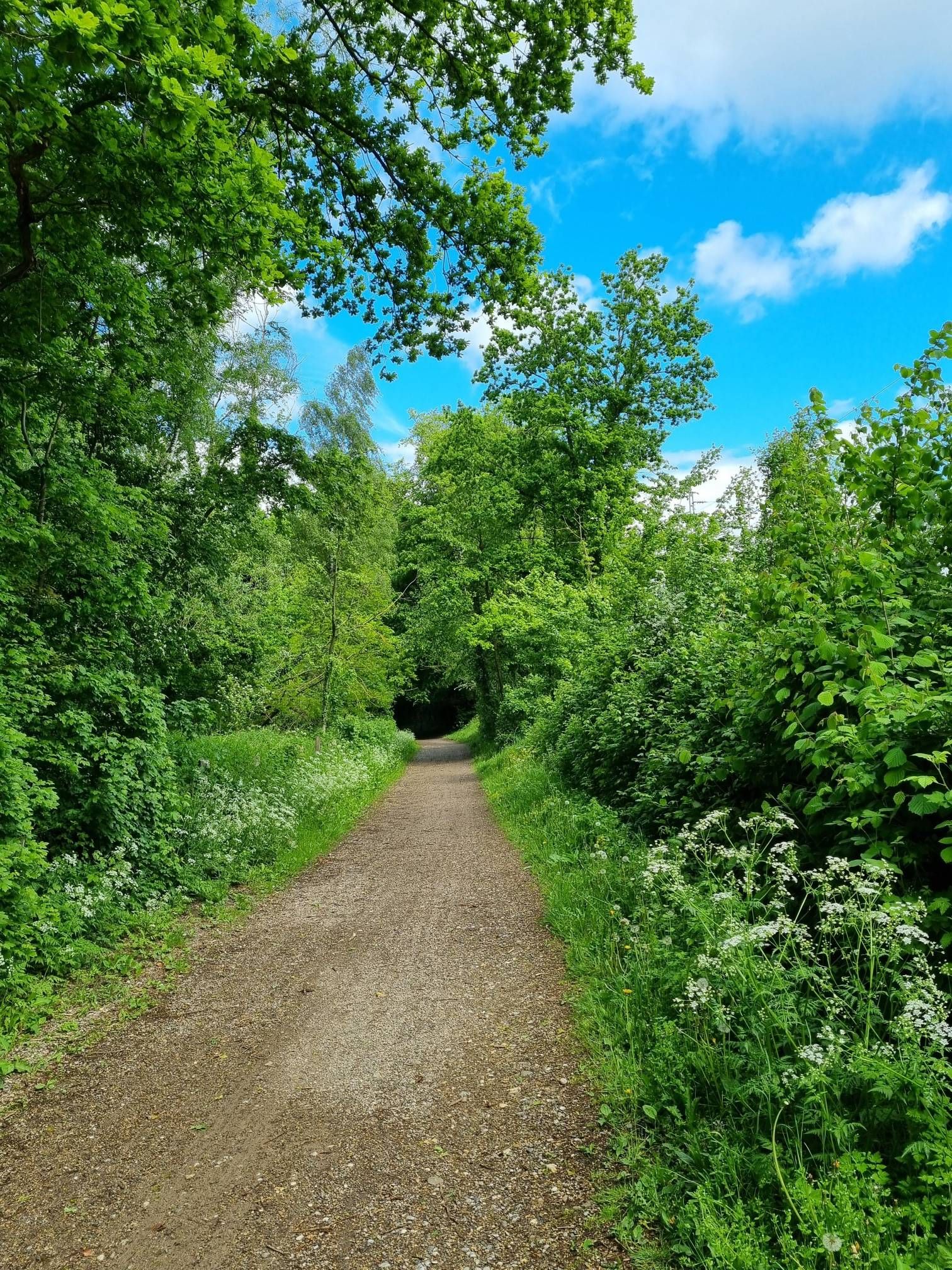
Landscape in transition – international cycling on the Green Route
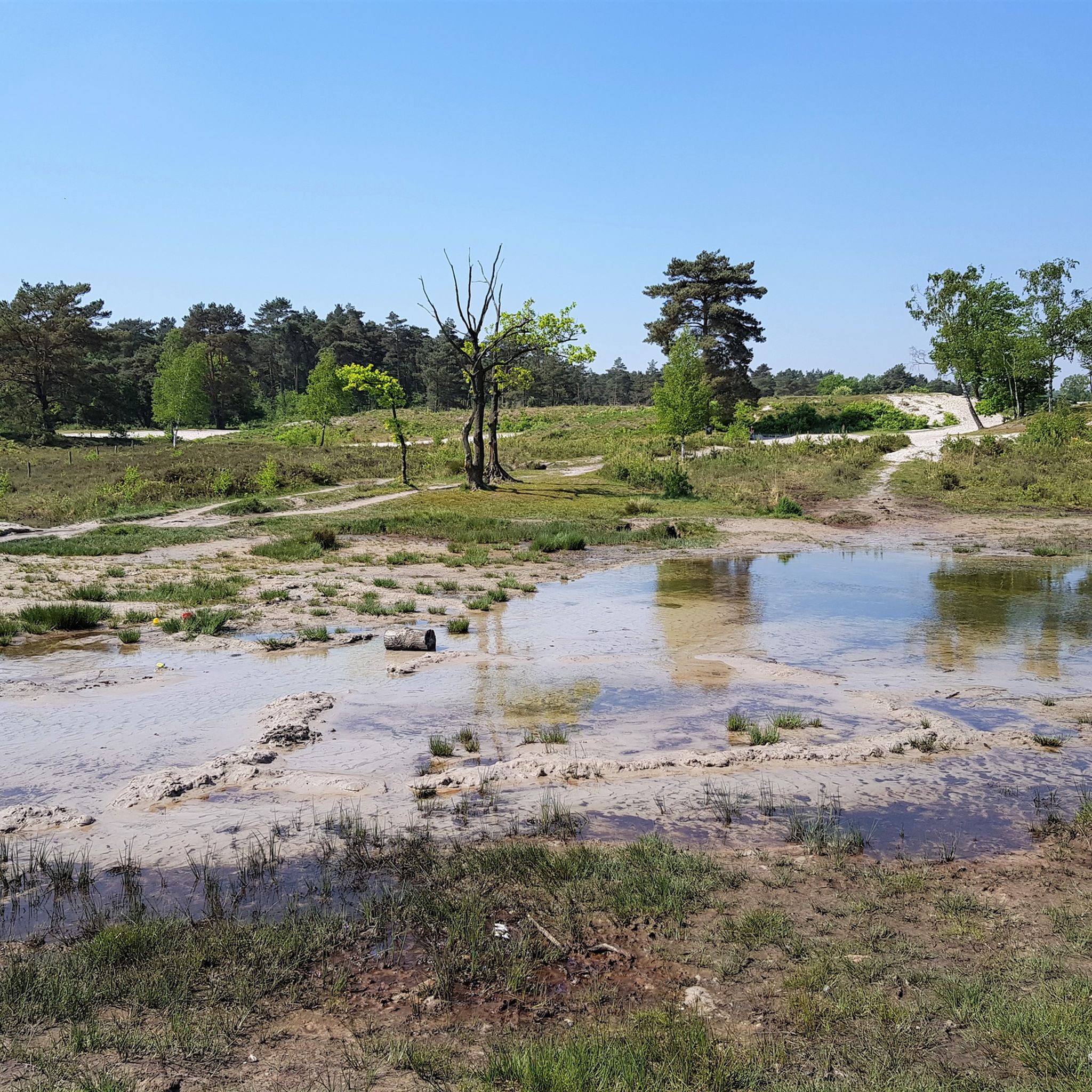
Hiking around Voerendaal
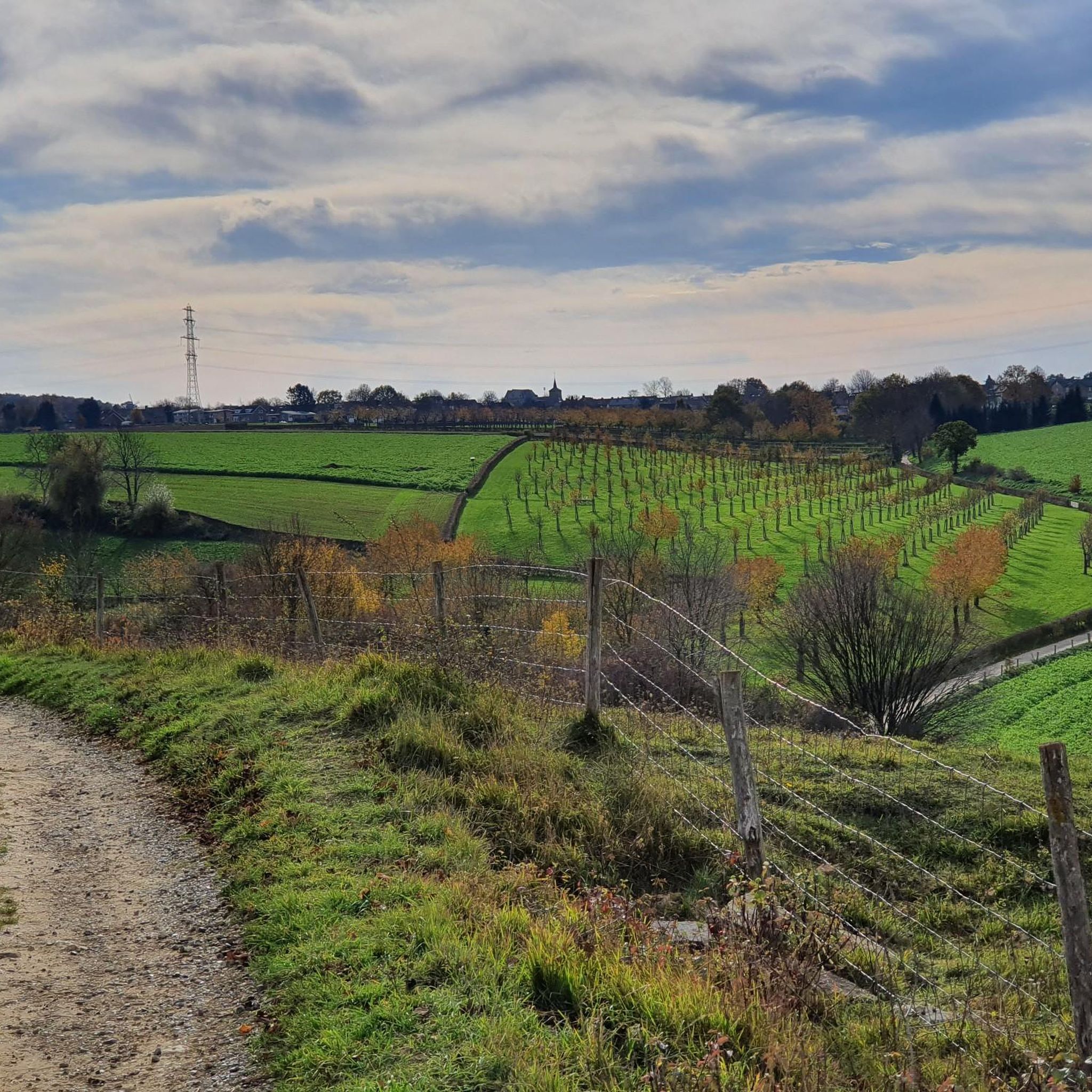
Running Trails around Voerendaal
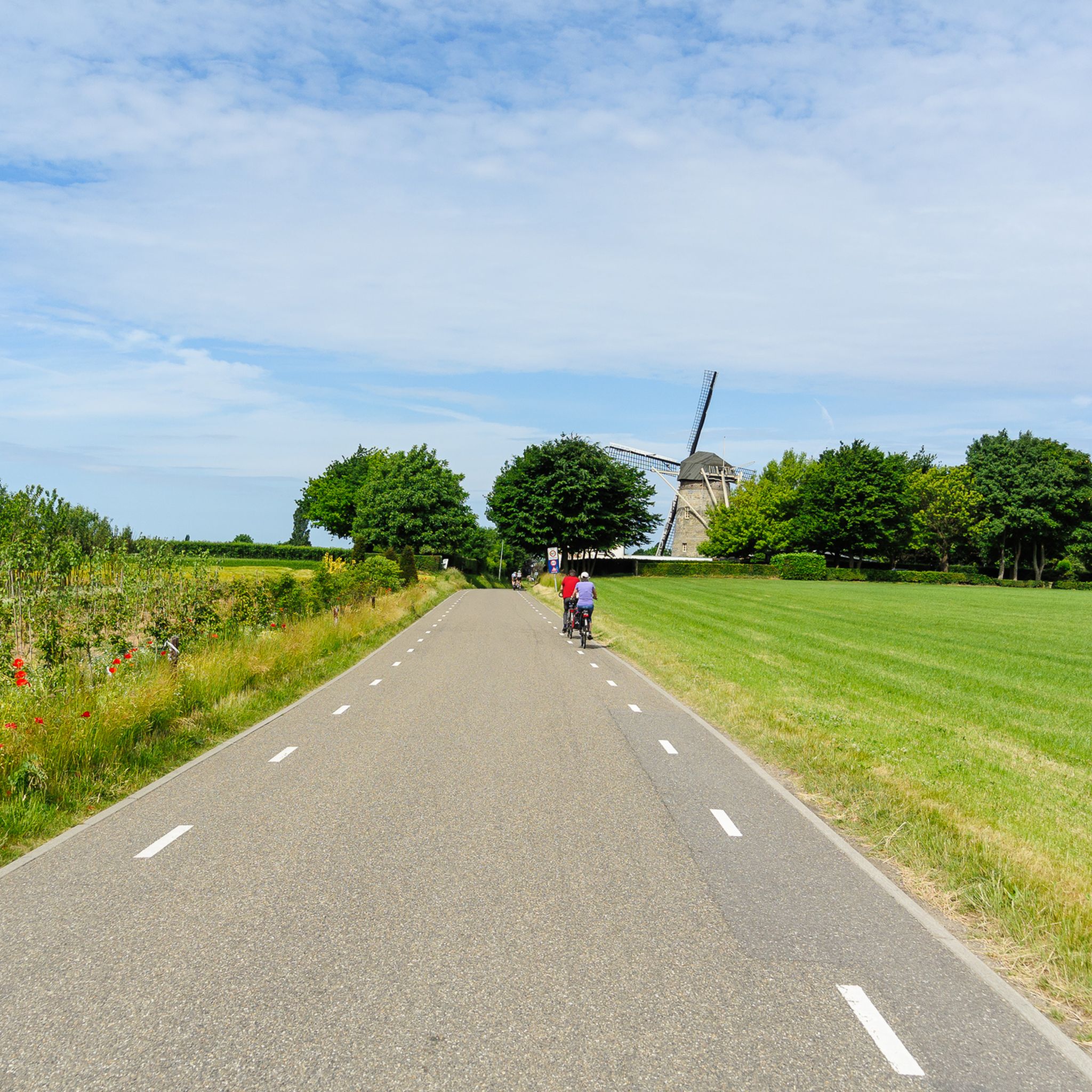
Road Cycling Routes around Voerendaal
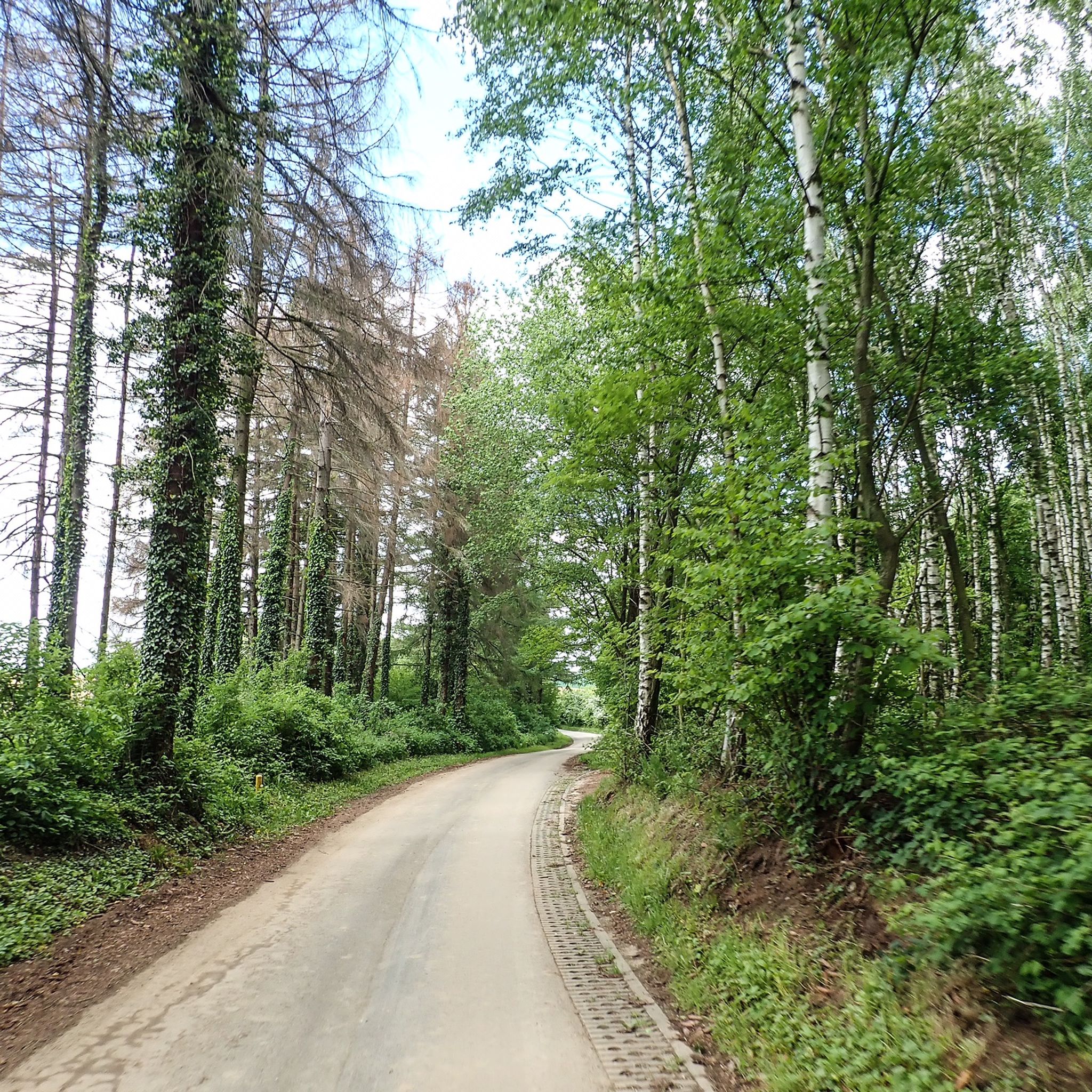
Cycling around Voerendaal
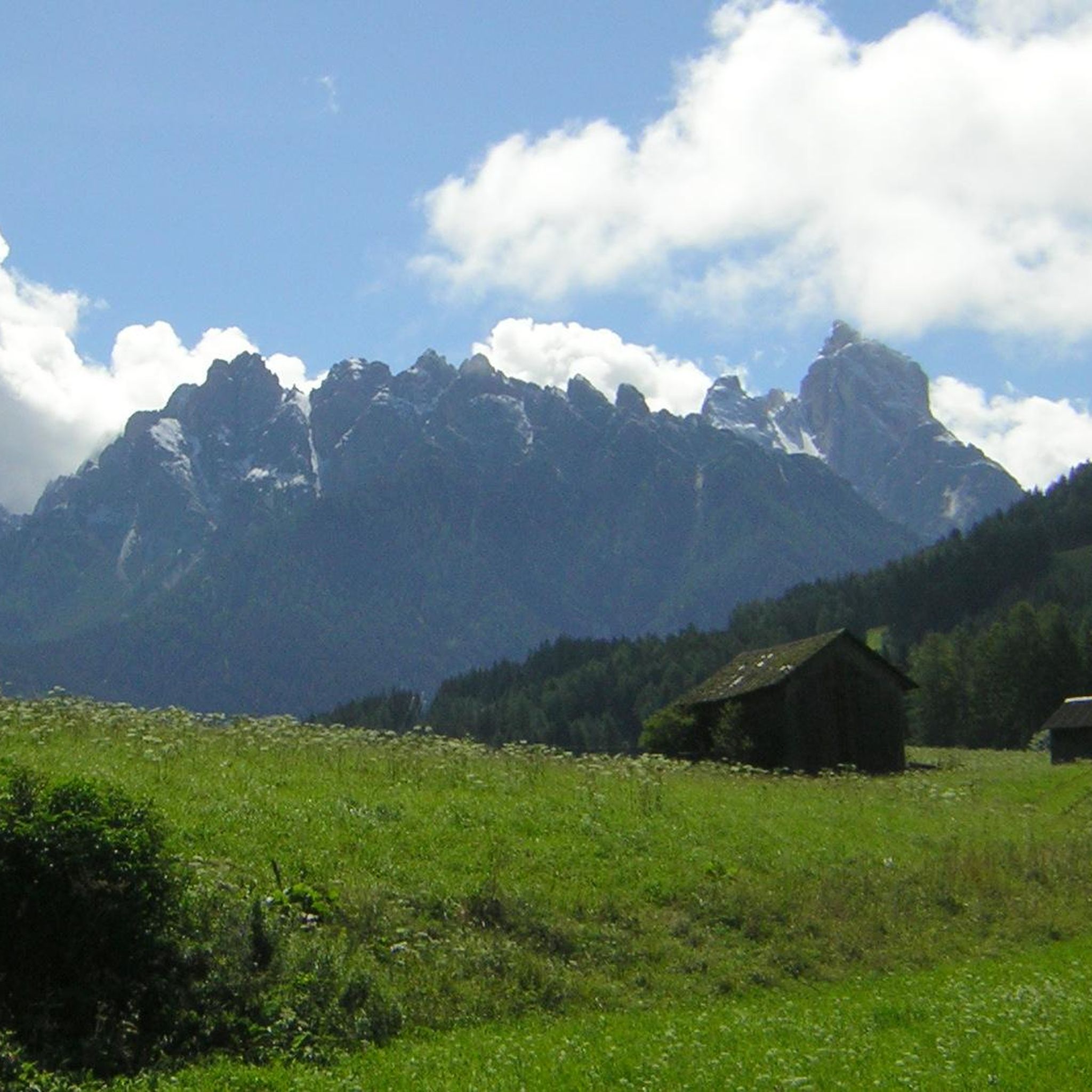
Gravel biking around Voerendaal
MTB Trails around Voerendaal

Mountain Hikes around Voerendaal
Other adventures around Voerendaal


Tips from the Community


we tried to return to Maastricht using the Arriva bus. However, it was a small bus and only 3 seats were available. My friends walked.
0
0

Here you have a view of old marl quarries. You can see a marl wall with meadows, cows, or sheep.
0
0

The Strooberggroeve is a Limburg marl quarry in the Dutch municipality of Eijsden-Margraten. The underground quarry is located north of Bemelen under the Bemelerberg on the north side of the mouth of the dry valley Koelbosgrub in the Meuse valley. The quarry is located on the western edge of the Plateau of Margraten in the transition to the Meuse valley. At this point, the plateau drops steeply for a few meters. https://nl.wikipedia.org/wiki/Strooberggroeve
1
0


TUYNHEG In the Middle Ages, not everyone was allowed to plant hedges. That is why small farmers made fences by means of a construction of posts, stuck planks in wickerwork of twigs. They called that a tuyn tuen or tuun The word tuin comes from it. Such a dead hedge, took up little space and could be easily moved. The disadvantage was that a lot of wood was needed, also for annual repairs Old craft Tuynen (gardens, tuunen, tunen) is an almost lost craft. Fortunately, a few elderly hedge weavers were able to pass on their knowledge to the members of the Vogelwerkgroep Bemelen. Thanks to this expertise, old tools such as klamatsch and picker could also be remade. If you look closely, you will see vertical sticks of (pruning) wood on both sides of the existing hedge. These are connected horizontally with 'binders' (long thicker sticks). All of this is pulled together. Together with the existing hedge, this becomes a barrier that no sheep or chicken can get through. Braided hedges, hedgerows and wooded banks are very important for the quality of the landscape and nature. The Tuynheggen are therefore real cultural heritage. Birds such as willow warbler, yellowhammer and wren use the hedge to shelter and build nests in. Native plants, including bittersweet, also grow there. The classic Tuynheg here was created in 2002. The maintenance, gardens or tuunge is on the programme of the Bemelen Bird Working Group every spring. In this way, the knowledge of the craft is preserved. More information or help? Bemelen Bird Working Group E-mail: ha.brouwer36@ziggo.nl
2
0

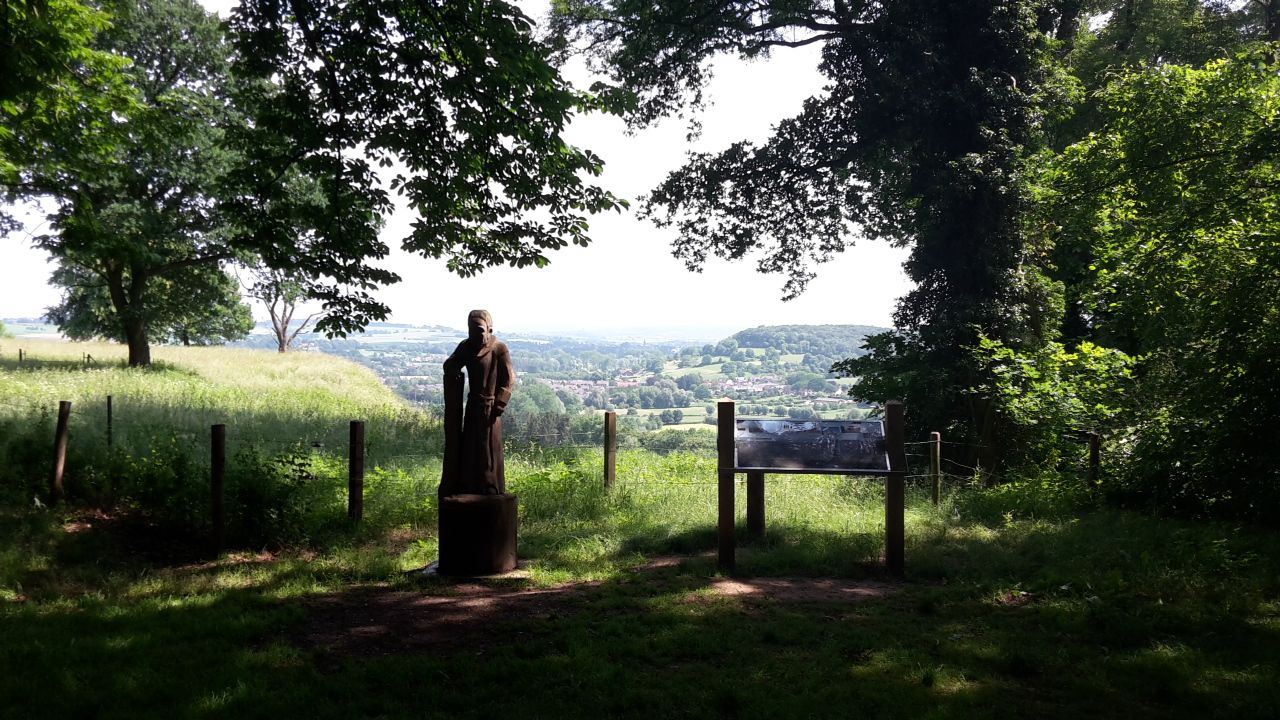
A beautiful view here over the hills of South Limburg
2
0

This hill must be included on your walk...
7
0
Frequently Asked Questions
What kind of 'caves' can I expect to find around Voerendaal?
The 'caves' in the broader South Limburg region, including areas near Voerendaal, are primarily man-made marl quarries and limestone formations. These extensive underground systems were excavated over centuries for building materials, offering insights into historical quarrying techniques and geological formations. Voerendaal itself is known for the Kunradersteengroeve, an opencast limestone quarry.
What is the Kunradersteengroeve and can I visit it?
The Kunradersteengroeve is an opencast quarry in Voerendaal where Kunrade stone, a distinctive type of limestone, is extracted. It's a significant geological site that shows the mining process and the use of this stone in local construction. The quarry is typically open on Saturdays, with other visits possible by appointment. You can find more information at visitzuidlimburg.com.
Are there any natural caves in the Voerendaal area?
While the region is primarily known for its man-made marl quarries, the Däölkesberg Abri (Limestone Rock Shelter) is a unique natural cavity with an overhanging wall. It is considered the only known shelter of its kind in the Netherlands and may have provided shelter for prehistoric inhabitants.
What historical significance do the caves near Voerendaal hold?
The man-made marl quarries in nearby Maastricht and Valkenburg, such as the North Caves, Zonneberg Caves, and Velvet Cave, are rich in history. They served various purposes over centuries, including quarrying for building materials, hiding valuable artworks during WWII, and even as strategic passageways for knights. The Däölkesberg Abri also has historical significance, with discoveries of flint tools suggesting prehistoric human activity.
What can I expect to see at <a href="https://www.komoot.com/highlight/2809832" target="_blank" rel="noopener">Strooberg Quarry</a>?
At Strooberg Quarry, you'll find marl caves within the Bemelerberg. The site features high yellow limestone walls that provide a protected habitat for birds of prey. The surrounding barren chalk grasslands are home to rare species like wild orchids, maintained by the grazing of Mergellandschaap sheep.
What makes the <a href="https://www.komoot.com/highlight/6906265" target="_blank" rel="noopener">Bemelerberg Cave</a> special?
The Bemelerberg Cave is noted as a special cave within the region's marl landscape. It is appreciated for its unique characteristics and the surrounding natural environment, including traditional 'Tuynheggen' (braided hedges) that are important for local wildlife and cultural heritage.
Are there any cave dwellings or similar historical structures near Voerendaal?
Yes, near the start of the Geulhemmerberg Climb, you can still see old rock dwellings on the left side of the road. These historical structures offer a glimpse into how blockbreakers used to live in the area.
What is the best time of year to visit the caves around Voerendaal?
The underground systems in the South Limburg region maintain a constant temperature of around 11 degrees Celsius year-round. This makes them suitable for visiting in any season. However, for exploring the surrounding natural areas and opencast quarries like Kunradersteengroeve, spring and autumn offer pleasant weather conditions.
What should I wear when visiting the caves?
Given the constant temperature of around 11 degrees Celsius inside the underground systems, appropriate clothing for cooler conditions is recommended. Sturdy shoes are also advisable for walking through the cave networks and quarries.
Are there family-friendly activities related to caves in the area?
Many of the guided tours in the larger marl quarries in nearby Maastricht and Valkenburg are suitable for families, offering an educational and adventurous experience. The unique geological and historical aspects can be engaging for all ages. Always check specific tour details for age recommendations.
What outdoor activities can I do near the caves around Voerendaal?
The region around Voerendaal offers various outdoor activities. You can explore mountain biking trails, with options like the 'MTB Singletrack – Blue Route – Parkstad Singletrack loop' or the 'Keutenberg Climb – Gronzedelle loop'. There are also mountain hiking routes, such as the 'Maria Monument, Gulperberg – Virgin Mary statue loop', and gravel biking opportunities like the 'Scenic Ridge Road – Gravel section Slunderweg loop'. For more details, refer to the MTB Trails around Voerendaal, Mountain Hikes around Voerendaal, and Gravel biking around Voerendaal guides.
Are there hiking trails that incorporate cave features or geological sites?
Yes, many hiking routes in the South Limburg area will take you past significant geological sites and marl quarries. For example, trails around the Bemelerberg feature marl caves and unique landscapes. The Däölkesberg Abri is also accessible via walking paths, offering stunning panoramic views of the surrounding area.
Most popular routes around Voerendaal
Most popular attractions around Voerendaal

Get inspired with the komoot mobile app


Explore more
Extend your search for the best caves by checking out these guides of the top ones around Voerendaal:
