Attractions and Places To See in Sligo - Top 20
Attractions and places to see in Sligo offer a diverse landscape of historical landmarks, natural formations, and cultural sites along Ireland's Wild Atlantic Way. The region is characterized by its distinctive geological features, such as Benbulben, and ancient megalithic sites. Sligo provides opportunities for exploring ancient history, engaging with outdoor activities, and experiencing local culture. Its coastline, mountains, and lakes contribute to a varied environment for visitors.
Best attractions and places to see in Sligo
- The most popular attractions is…
Last updated: August 16, 2026
Queen Maeve's Grave (Knocknarea Cairn)
Highlight • Historical Site
Translated by Google •
Tip by

Sligo Abbey
Highlight • Historical Site
Translated by Google •
Tip by

Sign up now to discover places like this
Get recommendations on the best single tracks, peaks, & plenty of other exciting outdoor places.
Sign up for free
Carrowmore Megalithic Tombs
Highlight • Historical Site
Translated by Google •
Tip by
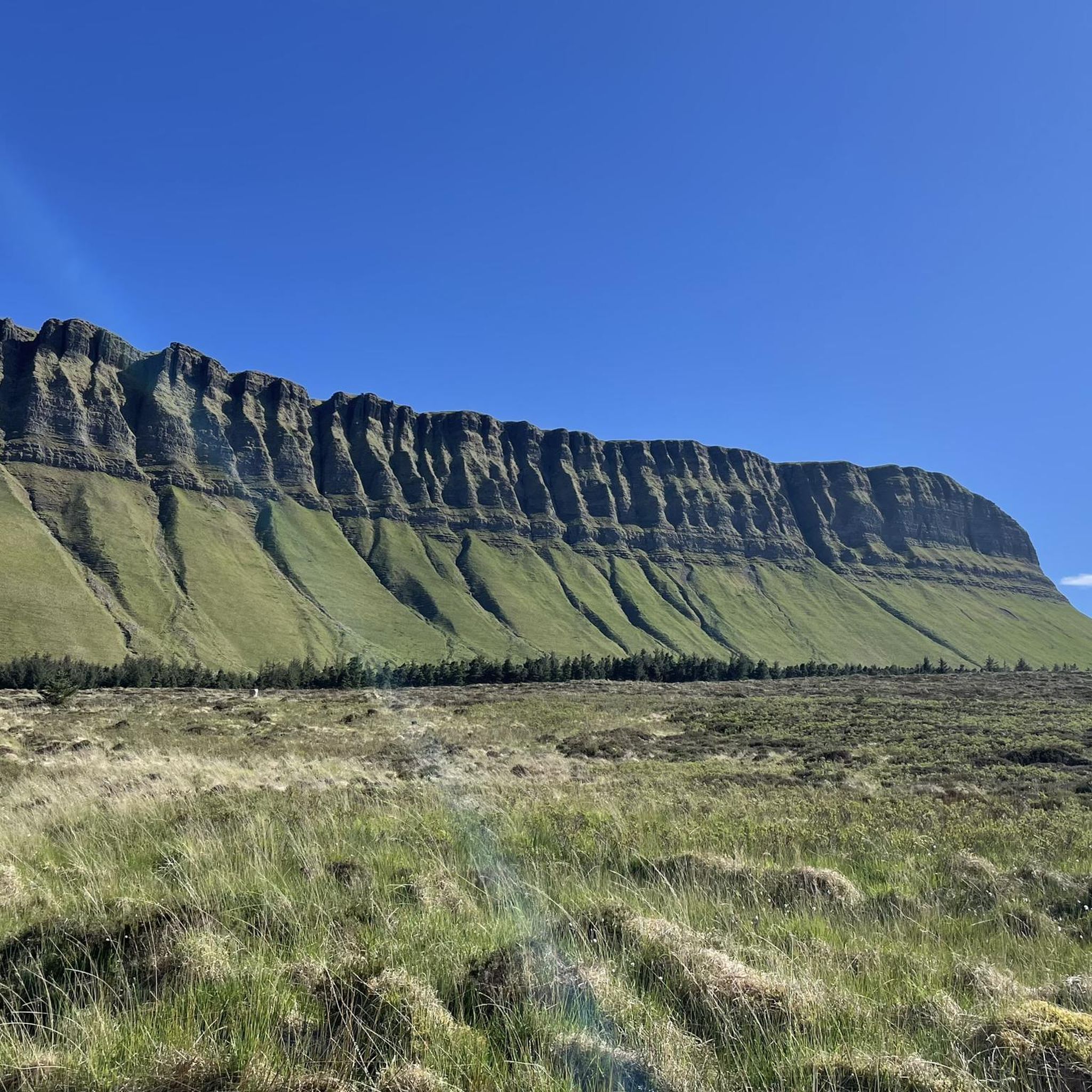
Benbulben
Highlight • Summit
Translated by Google •
Tip by

Easky Castle
Highlight • Castle
Showing Translation
Tip by

Mullaghmore Head
Highlight (Segment) • Viewpoint
Showing Translation
Tip by
Cliff Bath, Enniscrone
Highlight • Monument
Tip by

High Cross and Round Tower of Drumcliff
Highlight • Historical Site
Tip by

Strandhill Beach
Highlight • Beach
Showing Translation
Tip by
Drumcliff Church, High Cross and Grave of W. B. Yeats
Highlight • Historical Site
Translated by Google •
Tip by

Sign up for free to discover even more attractions in Sligo.
Sign up for free
Already have an account?
Start today with a free account
Your next adventure awaits.
Login or Signup
Popular around Sligo
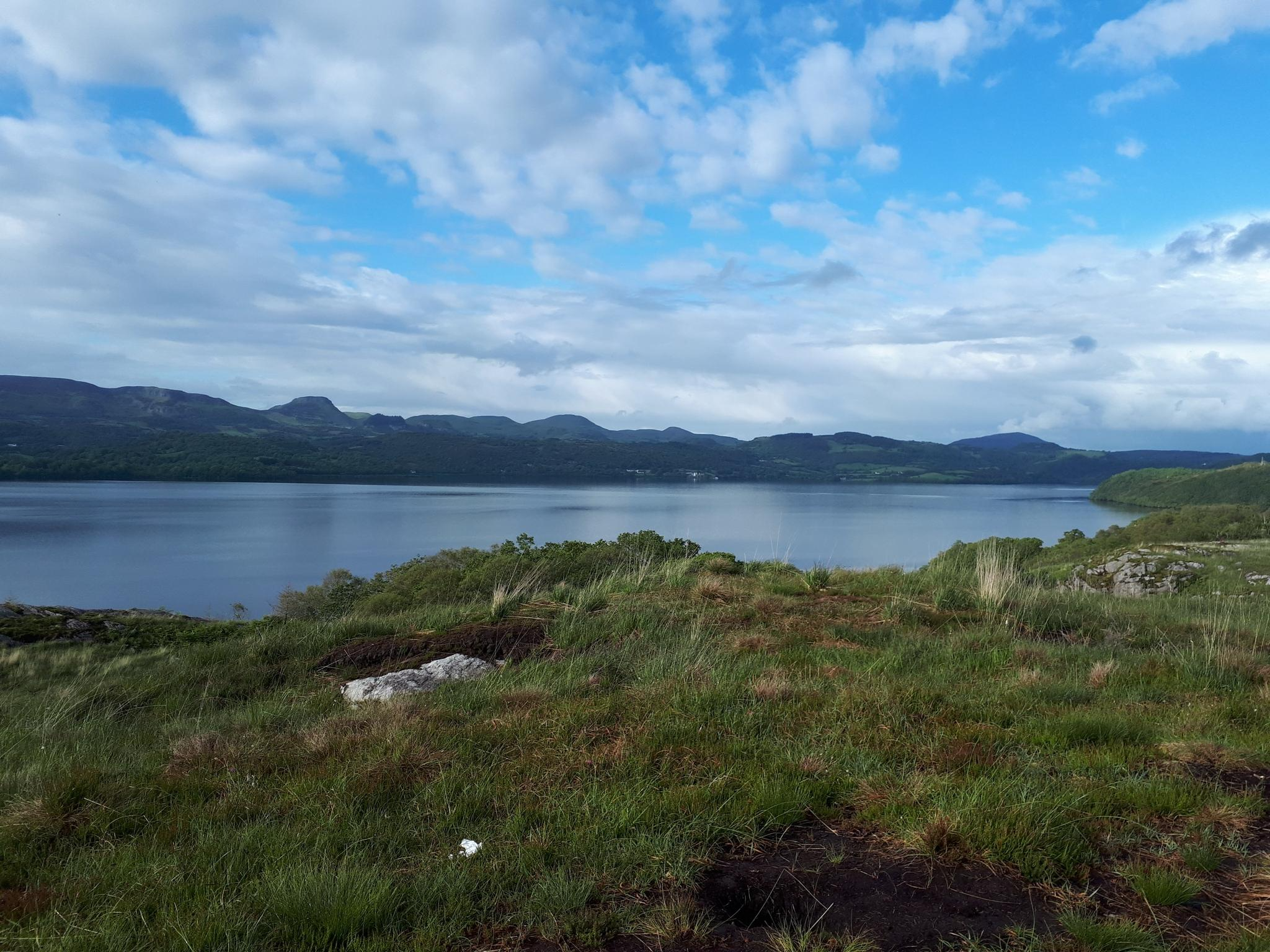
Sligo Way – Hiking through Yeats Country
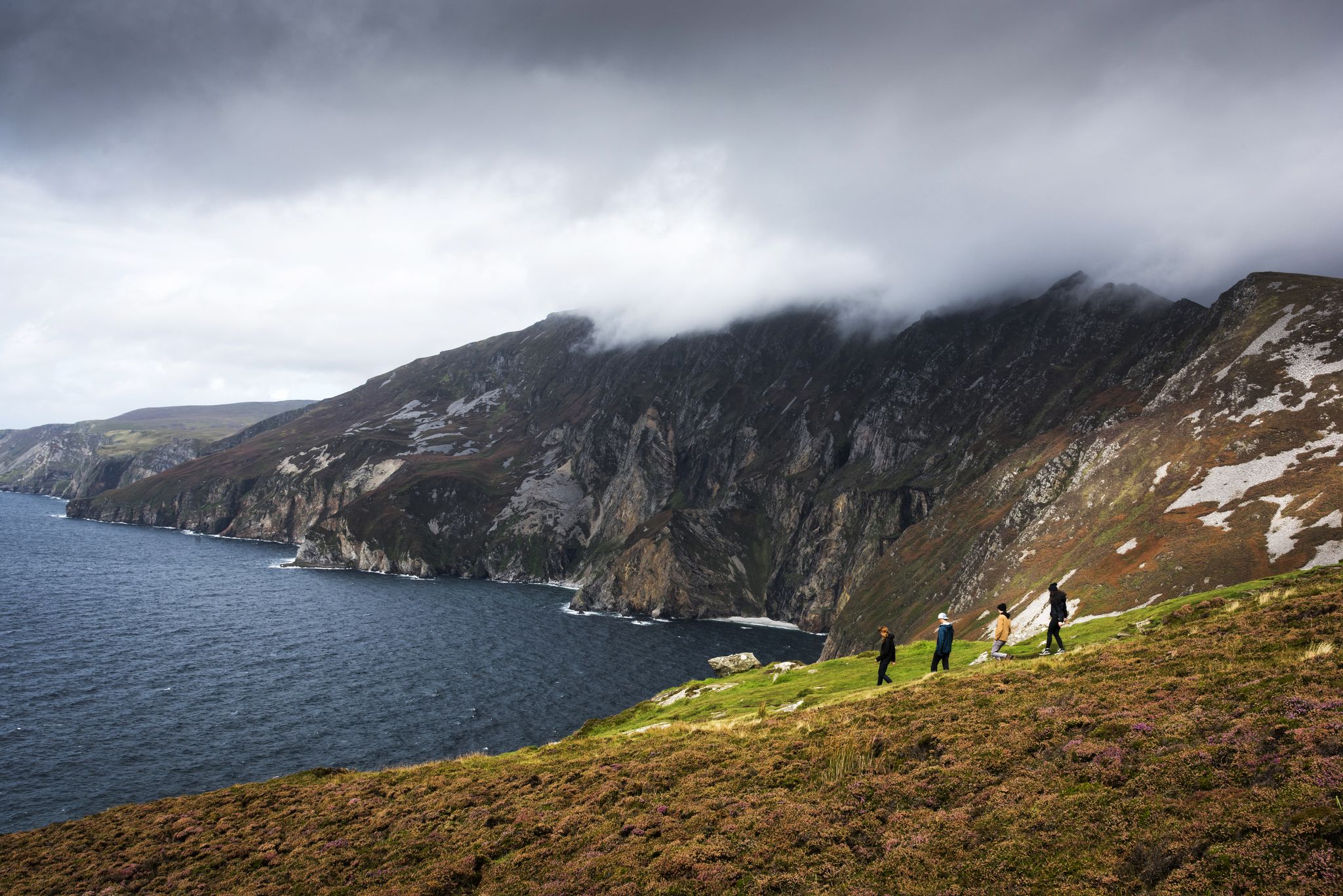
Hike Ireland's coast: cliffs, waves and wonderful wide beaches
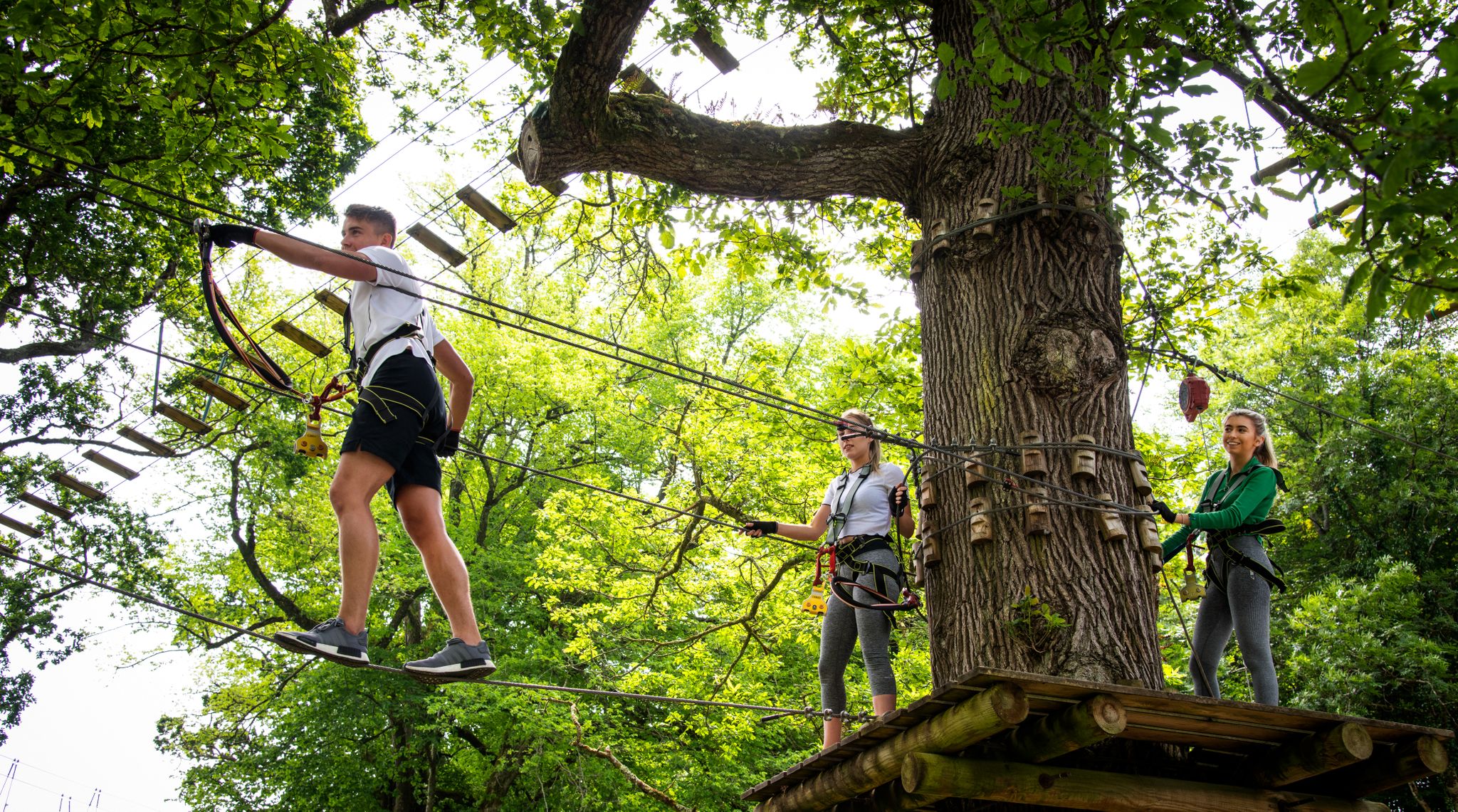
Awaken your spirit of discovery — family-friendly walks in Ireland
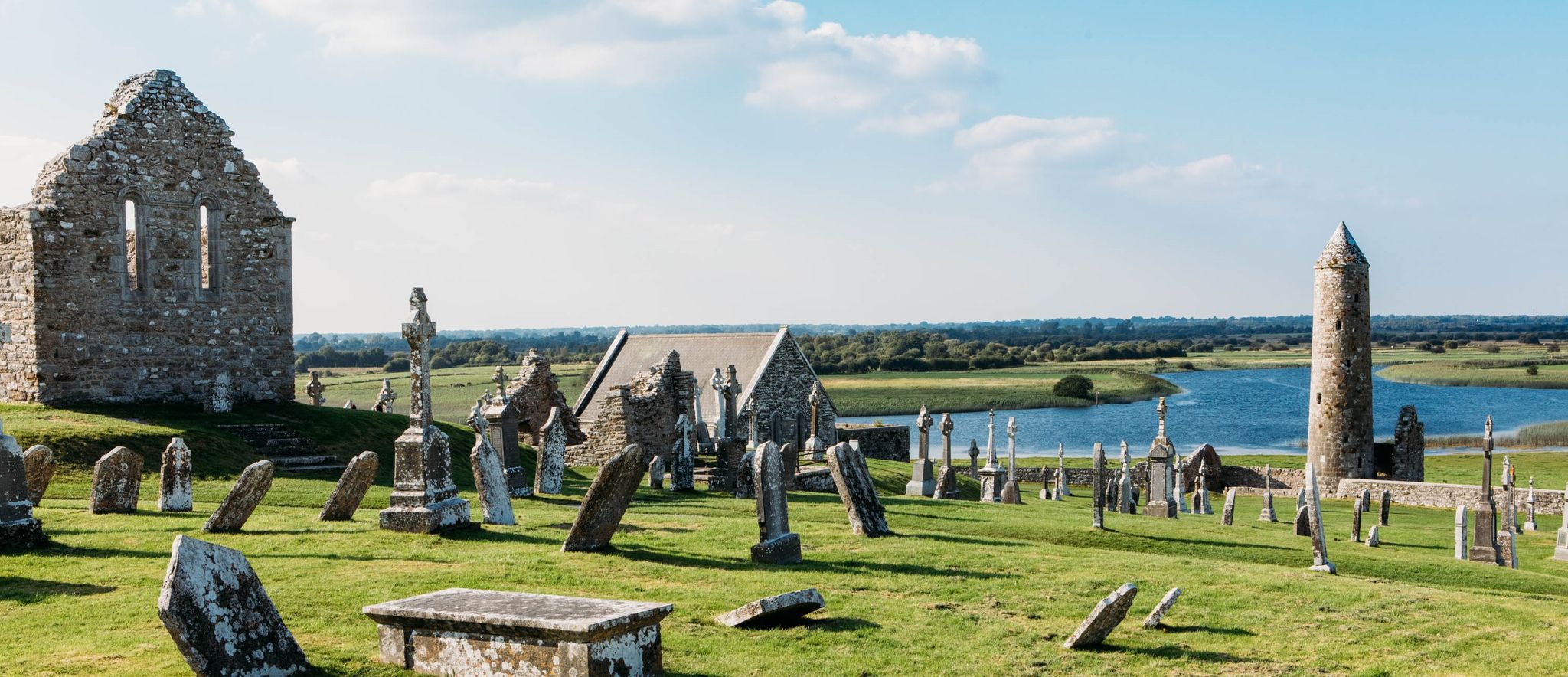
Discover Ireland's past – historical walks on the Emerald Isle
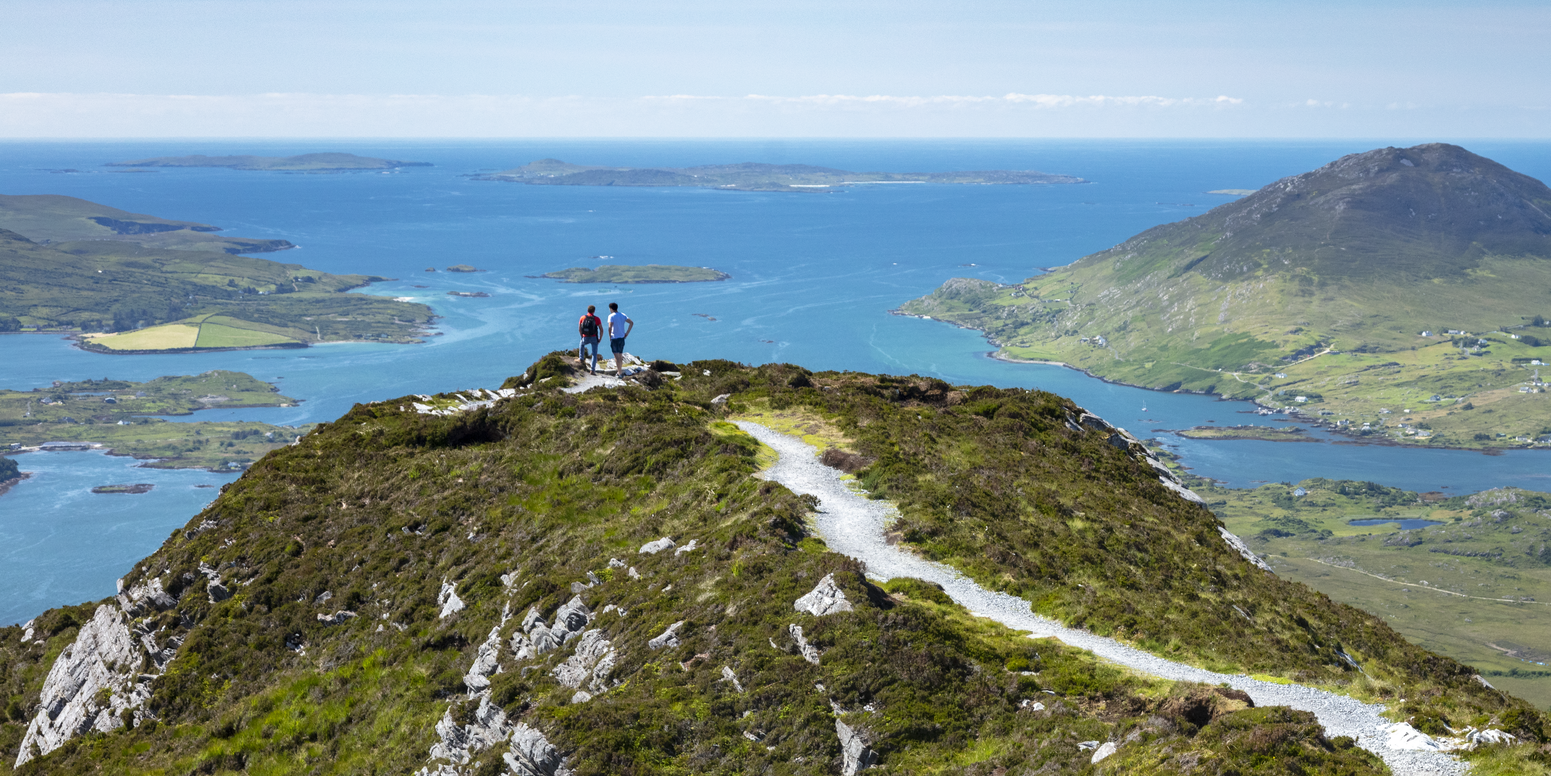
Between waves and peaks — to the best views in Ireland
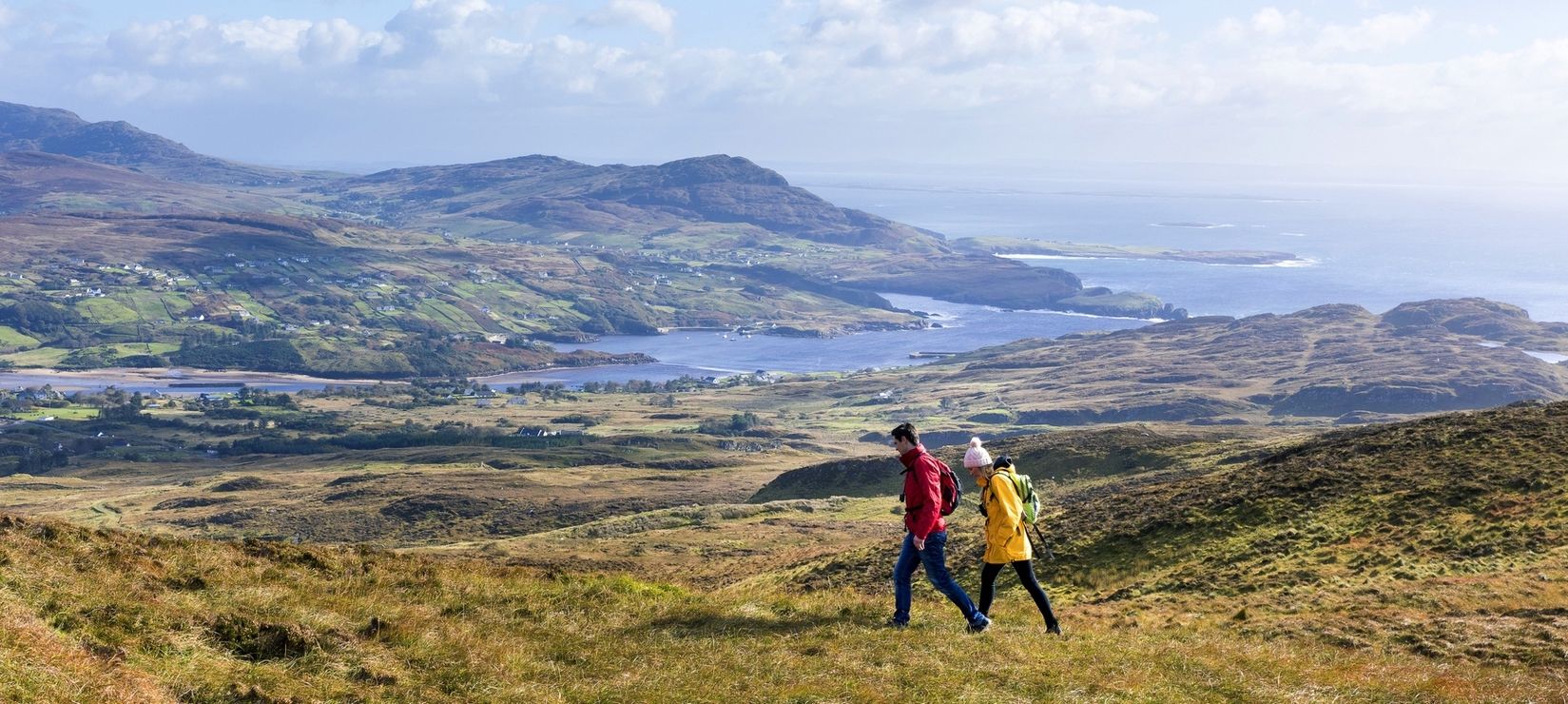
Wild Atlantic Way — day hikes for your road trip along Ireland's coastline
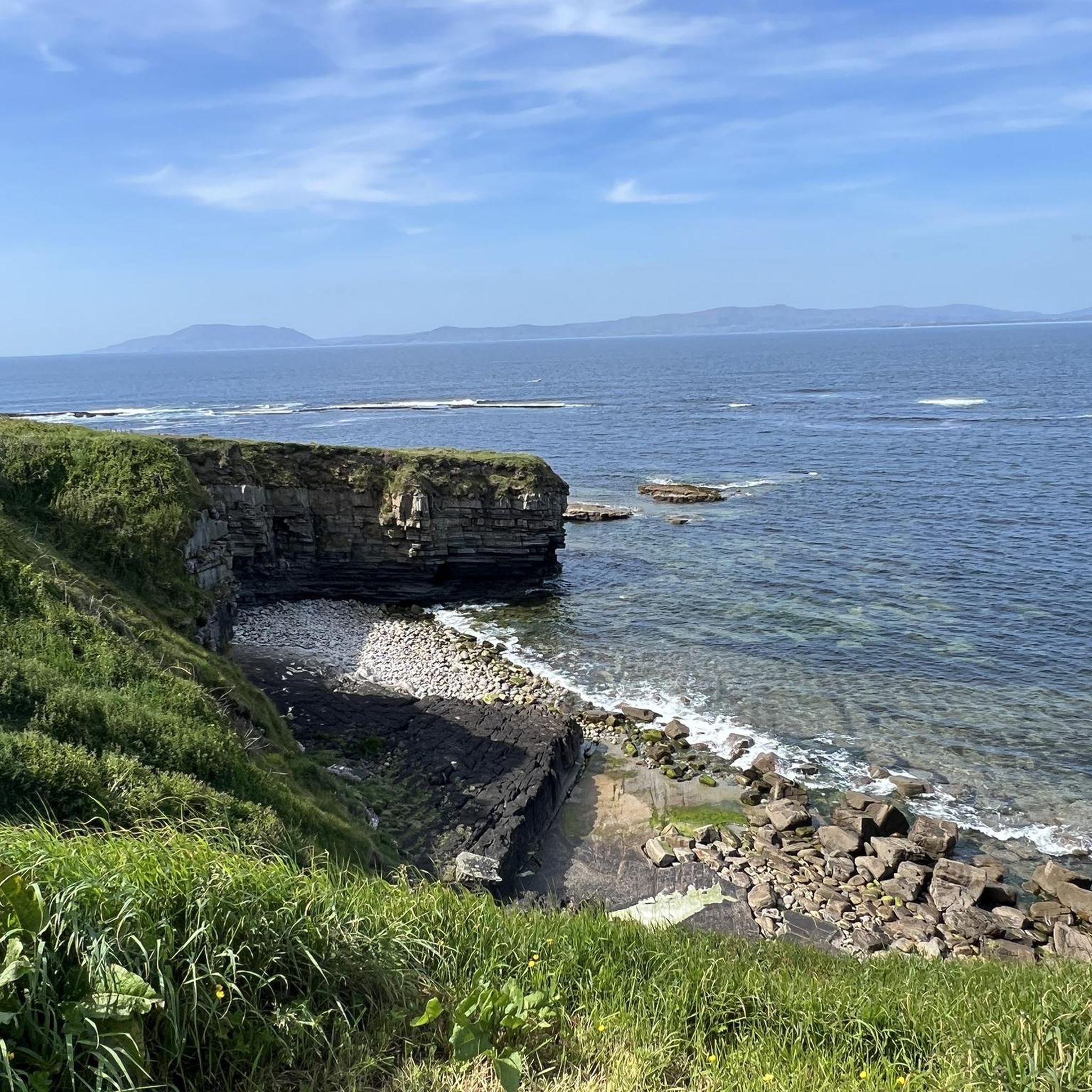
Hiking in Sligo
Cycling in Sligo
Running Trails in Sligo
Road Cycling Routes in Sligo
Other adventures in Sligo


Tips from the Community

Open viewpoint northeast of the Mullaghmore Head Sculpture, with a wide panorama over the Atlantic Ocean and the rugged cliffs of Mullaghmore. A quiet, windy photo spot on the highest part of the north coast, ideal between the sculpture and the western cliff strip.
5
0
Drumcliff is one of the most symbolic places in County Sligo: an early Christian site with a 12th-century High Cross, remains of a round tower, and the quiet church where W. B. Yeats is buried. The high cross displays weathered biblical reliefs, while the tower base recalls the ancient monastery that once stood here. Yeats’ grave lies simply beside the church, with his famous last line as an epitaph. The combination of history, literature, and the view towards Benbulben makes this one of the most layered stops in the north.
4
0
The strange silhouette of Benbulben watches over Drumcliff, the village where Yeats, who died in Roquebrune (France), wanted to be buried. To the left of the church is his tombstone with the epitaph written by the poet. Don't miss the round tower and the high cross (early 11th century), engraved with biblical scenes, reminiscent of the first monastery founded in the 6th century by Saint Columba.
4
0
This Dominican priory, the city's oldest monument, built in the 13th century by Maurice Fitzgerald, has a choir and the remains of a stone rood screen with three arches from that period. Heavily damaged by fire, the abbey received additions in the 15th century, such as the cloister, the nave, the tower, and especially the most beautiful element of the building: the sarcophagus altar, carved with nine panels, unique in its kind in Ireland.
4
0
Official Wild Atlantic Way viewpoint on the west coast of Sligo. From the promenade, you look out over the wide beach, the powerful Atlantic waves and the dunes stretching along the bay. Strandhill is a lively coastal village with surfers, walkers and an open view towards Knocknarea. A recognizable stop on the WAW route between Aughris Head and Culleenamore.
4
0
Directly at the pier of Easkey you will find the impressive remains of Roslee Castle (Easky Castle), built in 1207. This robust tower has defied the fierce Atlantic winds for centuries and is one of the absolute highlights along this part of the coast. For the adventurers: via a hidden staircase in the wall you can (at your own risk!) climb to the top for an unforgettable view over the ocean. From the pier, also be sure to look down at the surfers who are mastering the famous 'left-hand break' here. A perfect place to get some fresh air and breathe in the salty sea air. dominated for centuries.
4
0
The Cliff Baths (also known as the Old Cliff Baths) are one of the most iconic and photogenic ruins on the Irish west coast. This striking, castle-like building was constructed in 1850 on the rocks on the north side of Enniscrone beach by the Orme family. During the heyday of Victorian tourism, wealthy visitors came here for the beneficial effects of warm seawater baths. Historically, the building was technically advanced: a rectangular basin was carved into the rocks in front of the door (now known as the 'Crab Pool'), which filled with every high tide to ensure a constant supply of fresh seawater even at low tide. Although the baths fell into disuse after severe storms and the opening of more modern facilities, the weathered walls remain a powerful symbol of Sligo's early spa culture.
3
0

The famous Irish poet William Butler Yeats is closely associated with County Sligo; he used the abbey in two short stories: "The Crucifixion of the Outcasts" and "The Curse of Fire and Shadow." Yeats is buried in the nearby Drumcliffe Church.
4
0
Frequently Asked Questions
What are some iconic natural landmarks to visit in Sligo?
Sligo is home to several striking natural landmarks. Benbulben, often called 'Ireland's Table Mountain,' is an iconic geological formation with a distinctive flat top, offering challenging hiking trails and panoramic views. Another unique sight is The Devil's Chimney Waterfall, Ireland's highest waterfall, which is particularly spectacular after heavy rain. You can also visit Glencar Waterfall, a picturesque 50-foot waterfall that inspired W.B. Yeats.
Are there good hiking opportunities in Sligo?
Yes, Sligo offers a wide range of hiking opportunities. You can hike to the summit of Benbulben for stunning views, or explore the trails around Queen Maeve's Grave (Knocknarea Cairn). For more detailed routes and options, check out the Hiking in Sligo guide, which includes routes like the Benbulben Loop and the Knocknarea and Queen Maeve's Grave loop from Strandhill.
What historical sites can I explore in Sligo?
Sligo is rich in history. You can visit Sligo Abbey, a 13th-century Dominican friary with well-preserved cloisters and intricate carvings. Another significant site is Drumcliffe High Cross and Round Tower, an ancient monastic settlement and the burial place of W.B. Yeats. Don't miss Sligo Abbey for its tumultuous history and architectural details.
Where can I find ancient megalithic sites in Sligo?
Sligo is home to some of Ireland's most important megalithic sites. Just outside Sligo town, you'll find Carrowmore Megalithic Tombs, one of the largest and oldest megalithic cemeteries in Europe, with over 30 tombs dating back to around 4500 BCE. Additionally, the large cairn atop Knocknarea Mountain, known as Queen Maeve's Grave (Knocknarea Cairn), is a prominent Neolithic monument.
Are there family-friendly attractions in Sligo?
Yes, Sligo offers several family-friendly attractions. The Carrowmore Megalithic Tombs provide an engaging historical experience for all ages. Strandhill Beach is great for walks and playing in the sand. The Sligo Folk Park in Riverstown offers an immersive experience of rural Irish life, complete with a museum and traditional houses.
What is the best time of year to visit Sligo for outdoor activities?
The best time to visit Sligo for outdoor activities is generally during the late spring, summer, and early autumn months (May to September). During this period, the weather is milder, and daylight hours are longer, making it ideal for hiking, cycling, and exploring natural attractions like Benbulben and the coastline. However, some natural features like The Devil's Chimney Waterfall are most impressive after heavy rainfall, which is more common in wetter seasons.
Where can I find beautiful coastal scenery and beaches in Sligo?
Sligo's coastline along the Wild Atlantic Way offers stunning views. Strandhill Beach is a popular spot for surfers and walkers, backed by dunes and overlooked by Knocknarea Mountain. Rosses Point is an old seafaring village with glorious views and a blue flag beach. You can also visit Coney Island, accessible by car at low tide or by ferry, known for its deserted beaches and unique charm.
Are there options for cycling in Sligo?
Absolutely, Sligo provides excellent cycling routes for various skill levels. You can explore scenic loops around Lough Gill or coastal paths. For detailed routes, refer to the Cycling in Sligo guide, which features routes like the 'Sligo, Strandhill and Lough Gill Loop' and the 'Lough Arrow, Caves of Keash and Castlebaldwin loop'.
What are some unique natural phenomena or 'hidden gems' in Sligo?
Beyond the well-known sites, Sligo has some unique natural wonders. The Caves of Keash are a fascinating system of 17 caves in a mountainside, rich in local legends and archaeological finds. Another unique experience is visiting Lough Gill, a serene freshwater lake that inspired W.B. Yeats, where boat trips are available to appreciate its picturesque surroundings, including the famous Lake Isle of Innisfree.
Can I find traditional Irish music and culture in Sligo?
Yes, Sligo has a vibrant traditional Irish music scene. The Coleman Irish Music Centre in Gurteen is dedicated to Irish traditional music, offering audio-visual presentations and interactive exhibits. Sligo also hosts various cultural events throughout the year, celebrating its rich heritage.
Where can I learn about Sligo's literary heritage, particularly related to W.B. Yeats?
Sligo is deeply connected to the poet W.B. Yeats. You can visit his burial place at Drumcliffe Church, Round Tower and High Cross. The Yeats Memorial Building in Sligo Town, home to the Yeats Society, celebrates his life and work, and hosts the annual Yeats Festival. Many of Sligo's landscapes, such as Lough Gill and Benbulben, also inspired his poetry.
Are there any unique wellness experiences like seaweed baths in Sligo?
Yes, Sligo is known for its traditional and therapeutic seaweed baths. You can find these unique wellness experiences in coastal areas like Strandhill and Enniscrone, offering a relaxing and rejuvenating treatment using local seaweed.
Most popular attractions in Sligo

Get inspired with the komoot mobile app


Didn’t find what you were looking for?
Are you keen on exploring more awesome places nearby? Browse our guides:
Explore more
Still not found the Highlight you’re looking for? See guides of the top attractions in other regions:
