Top 20 Castles in Genoa
Best castles in Genoa are found within a city known for its rich history and strategic importance, situated on the Ligurian Sea. The area features a diverse landscape, from coastal views to hills, providing a backdrop for historical structures. Genoa's fortifications and castles offer insights into its past as a powerful maritime republic. The region's natural features complement the historical sites, making it suitable for exploration.
Best castles in Genoa
- The most popular castles is Forte Diamante, a castle…
Last updated: October 4, 2026
Forte Diamante
Highlight • Castle
Translated by Google •
Tip by

Forte Geremia
Highlight • Historical Site
Translated by Google •
Tip by

Sign up now to discover places like this
Get recommendations on the best single tracks, peaks, & plenty of other exciting outdoor places.
Castello della Pietra
Highlight • Castle
Translated by Google •
Tip by

Spinola Palace (Palazzo Spinola di Pellicceria)
Highlight • Historical Site
Translated by Google •
Tip by

Rapallo Castle
Highlight • Castle
Translated by Google •
Tip by

Royal Palace of Genoa (Palazzo Reale di Genova)
Highlight • Castle
Translated by Google •
Tip by

Castello Bruzzo
Highlight • Castle
Translated by Google •
Tip by

Chiavari Castle
Highlight • Castle
Translated by Google •
Tip by

Forte Fratello Minore
Highlight • Historical Site
It was part …
Translated by Google •
Tip by
Malaspina-Doria Castle
Highlight • Castle
Translated by Google •
Tip by

Sign up for free to discover even more castles in Genoa.
Already have an account?
Start today with a free account
Your next adventure awaits.
Popular around Genoa
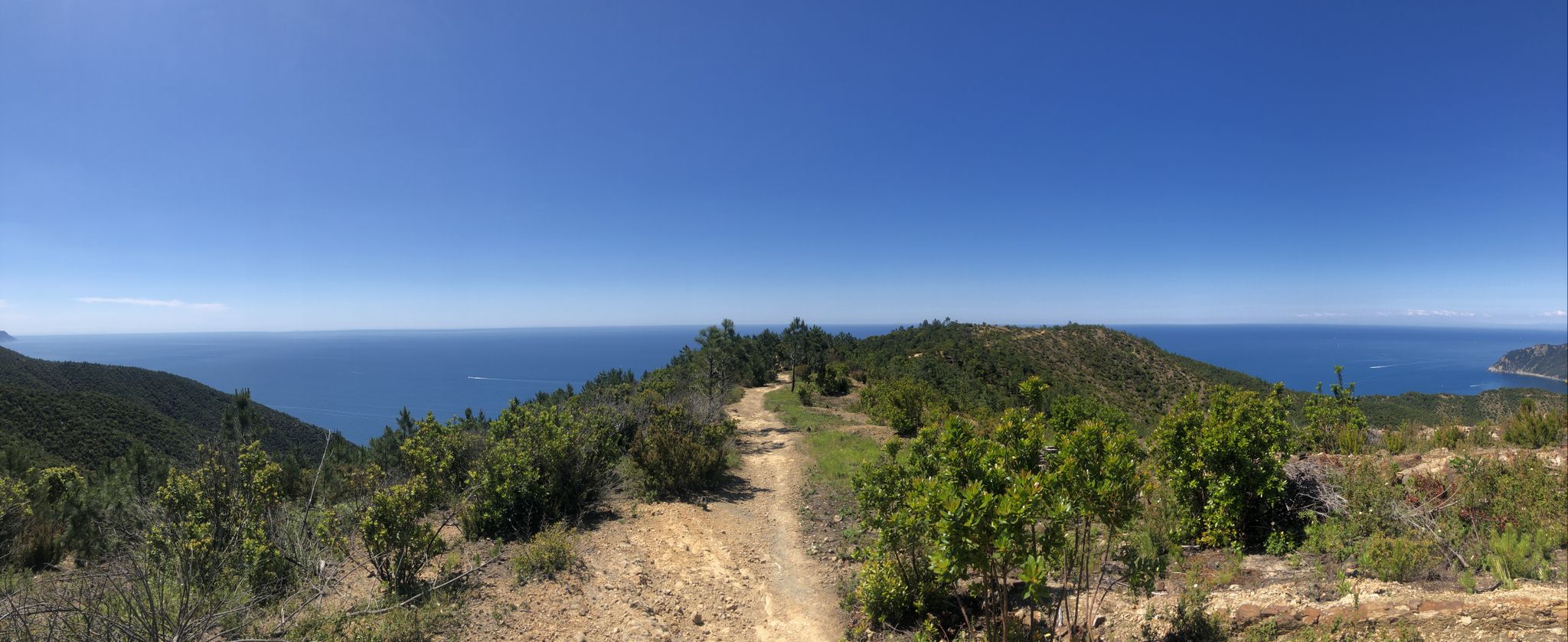
Via della Costa – A breathtaking hike along the Italian Riviera
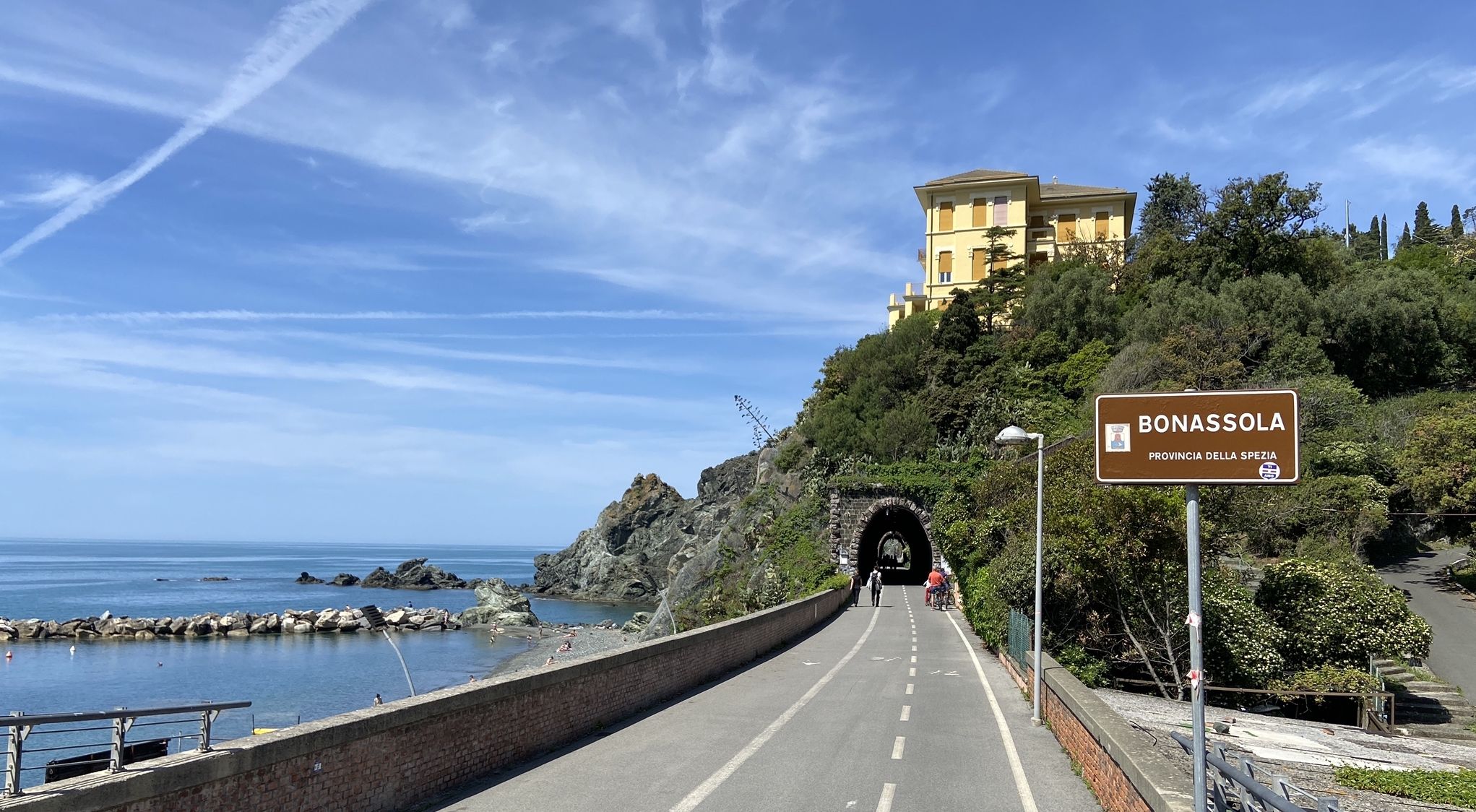
Pedalling to Portofino and the Cinque Terre — sea and mountains
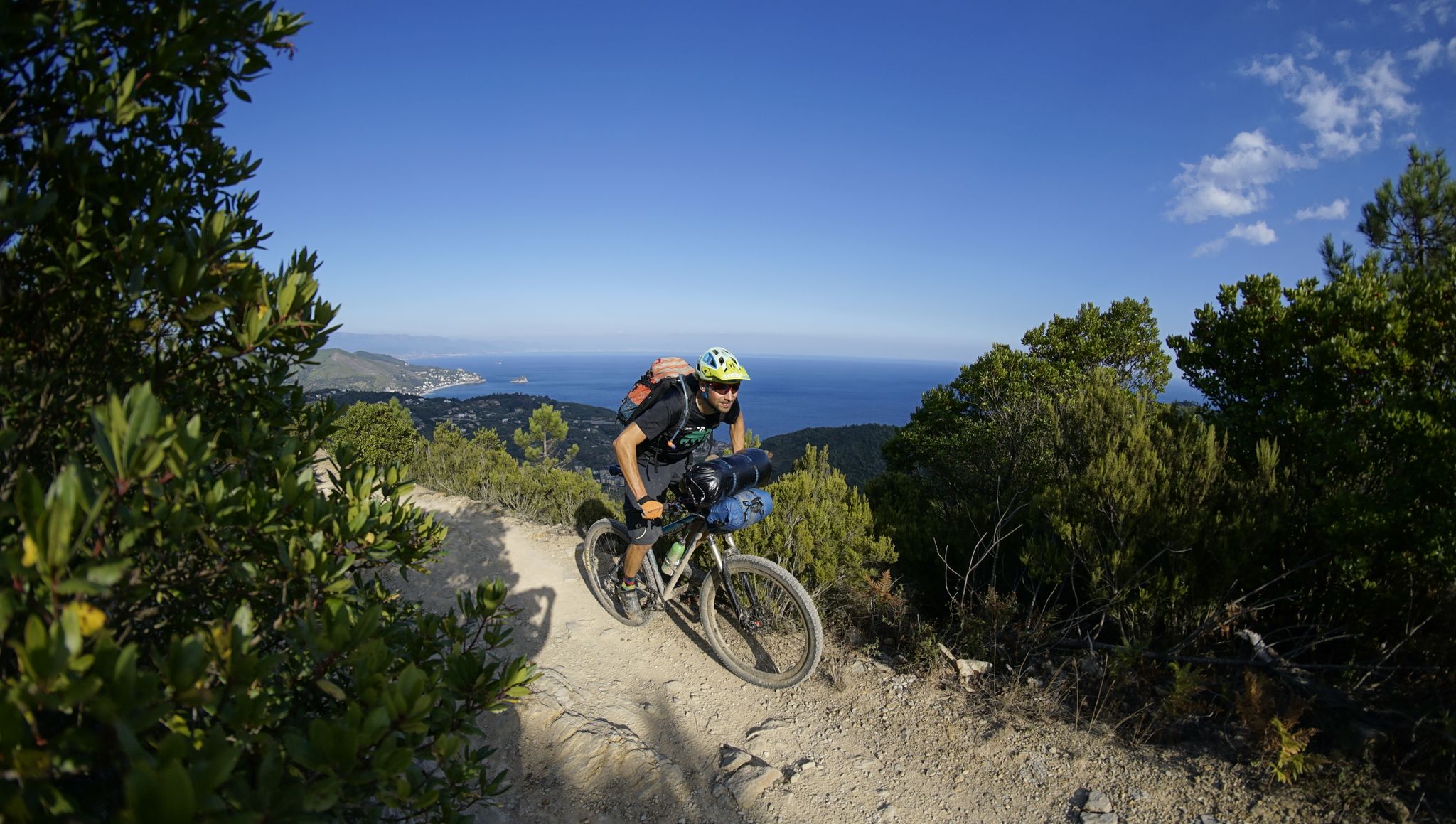
Alta Via Stage Race – Only the brave
Naples to North Cape — Two friends, one purpose and many scoops of ice-cream

#transit: My farewell to pro-cycling – from Como to Lecchi in two days

Road to BAM! 2026 – Condividi la strada
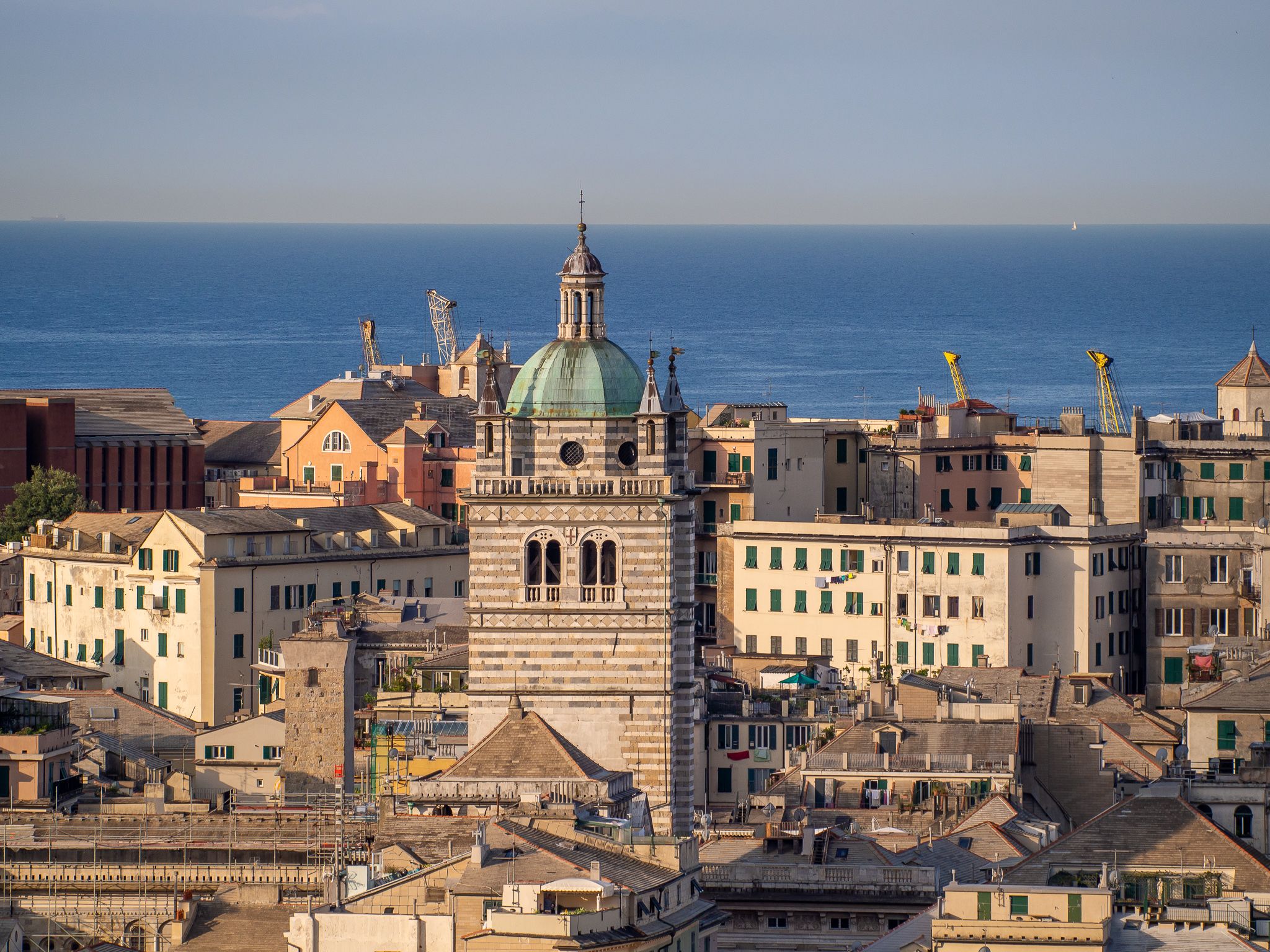
Urban Trekking in Genoa – the Anelli del Benessere
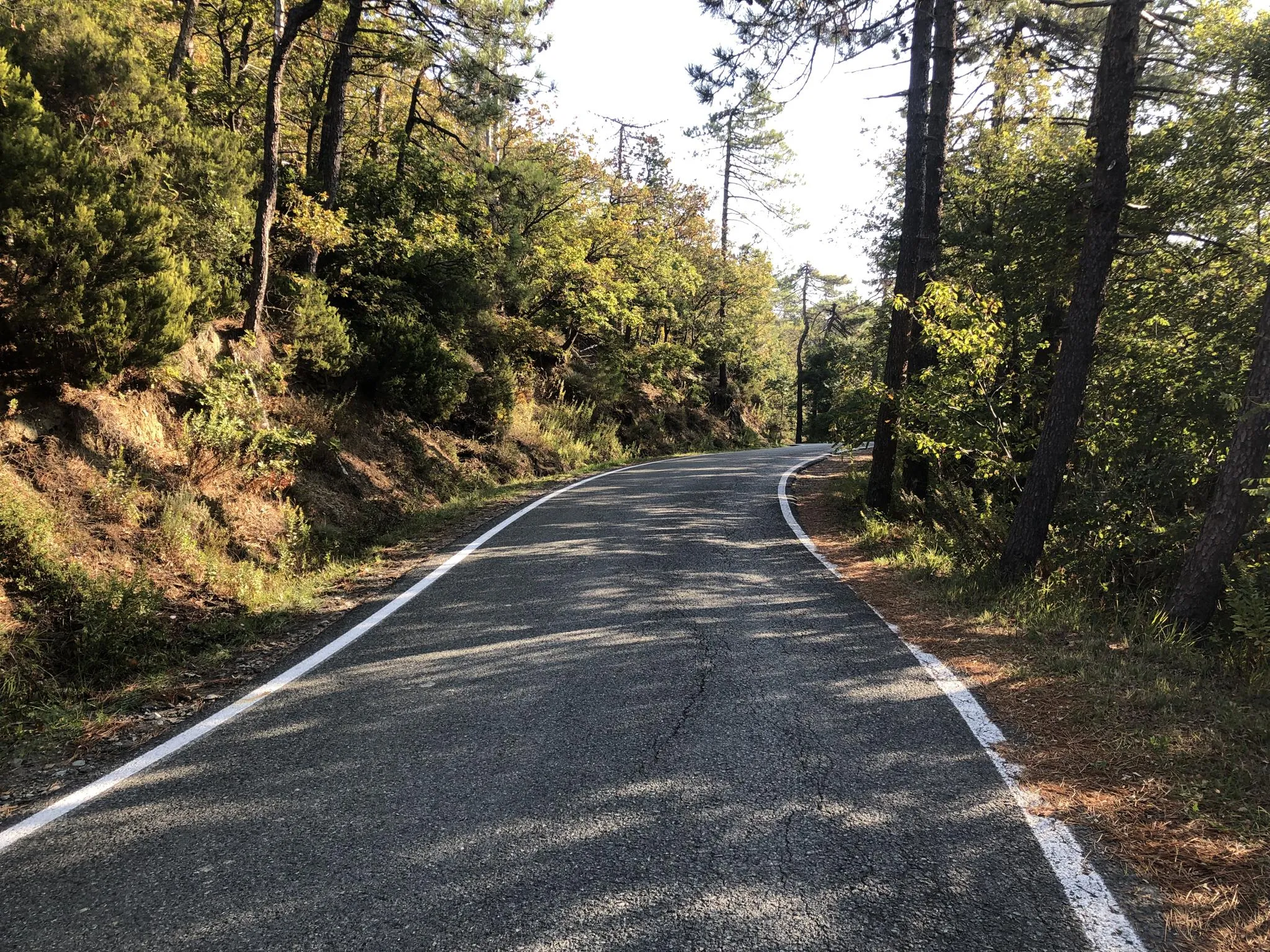
Apennine Cycle Route (Part 1) - From Liguria to Umbria
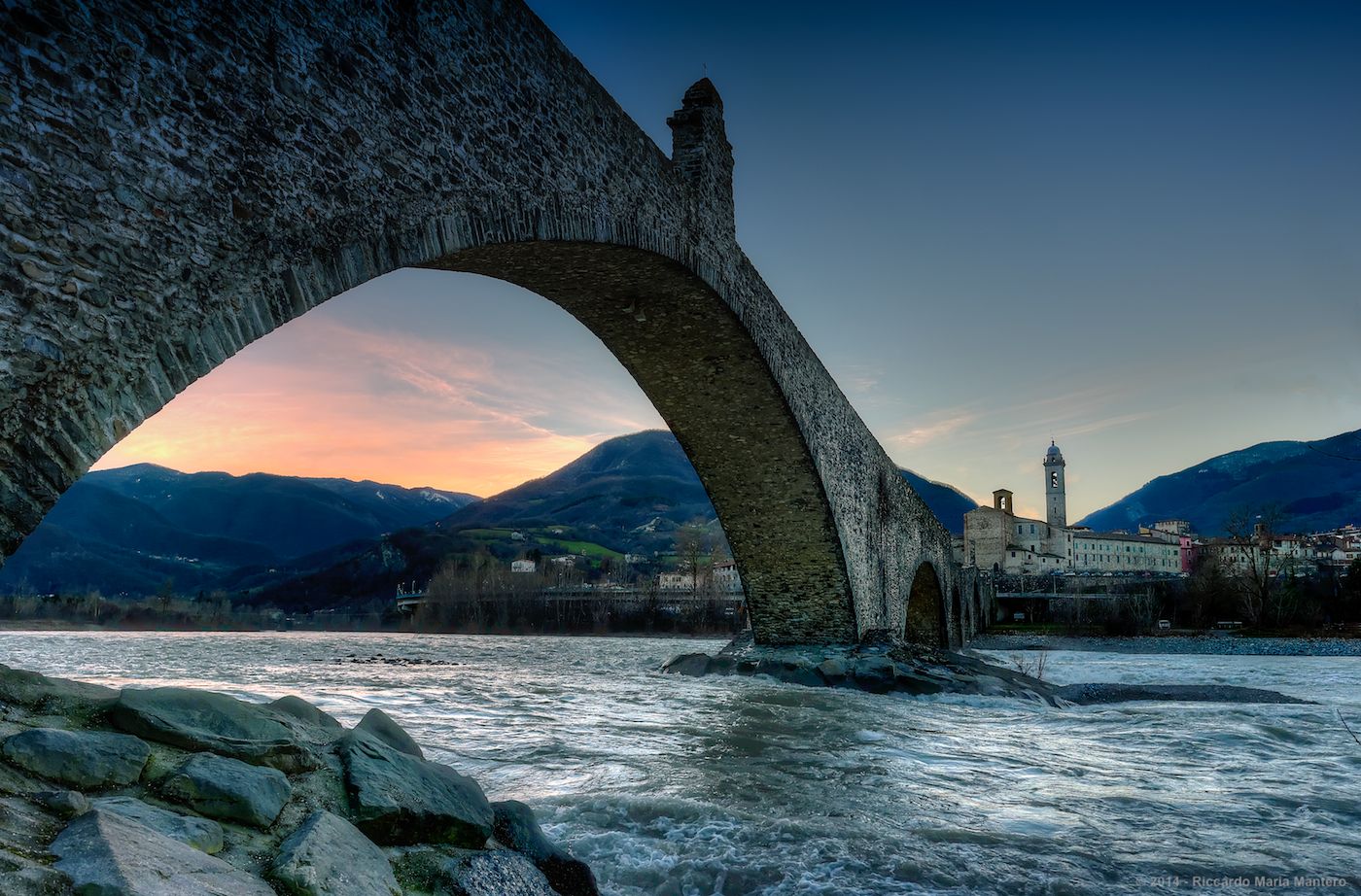
Hike from Milan to the sea – Path of the Celts and Ligurians
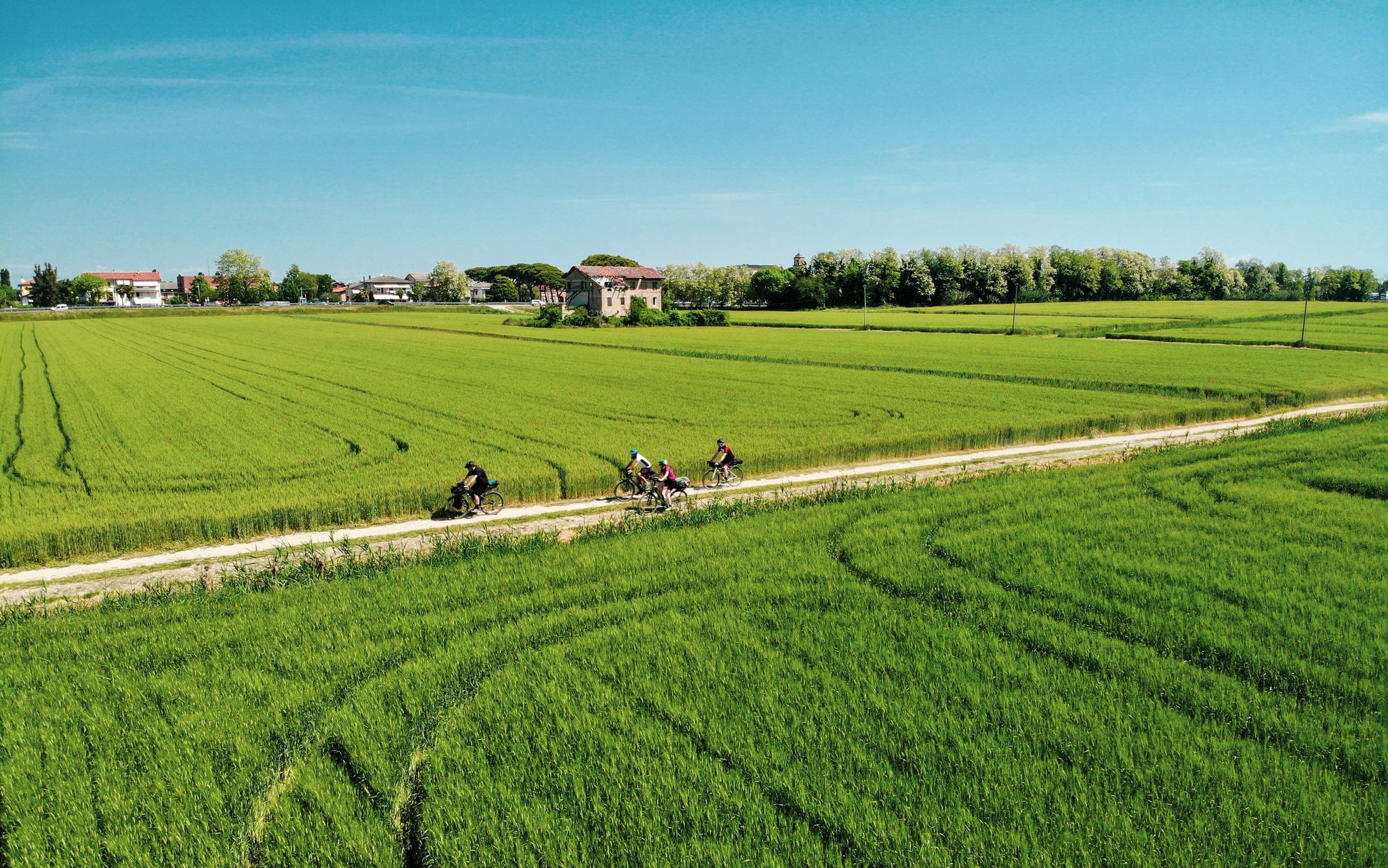
Ride through Italy’s Po Valley – a pilgrimage on the Via Postumia
Other adventures in Genoa


Tips from the Community


Whether you choose to climb from the parking lot below the castle (moderate difficulty, about 40 minutes on a well-marked path, steps, and a walkway) or follow the "Castellani's Path" from Vobbia (about two hours, including stops), the arrival near the castle is breathtaking! Spectacular, simply! This view is worth the effort (by car) to reach the tiny village of Vobbia, which, however, is located in an area rich in natural beauty! For information, visit this wonderful website: https://www.parcoantola.it/pagina.php?id=47
0
0

A beautiful village perched in the Ligurian Apennines. It's worth stopping to see the well-preserved walls of the Malaspina Fieschi Doria Castle, for an excellent coffee at Bar Leon D'oro, and especially for the "Gobeletti" pastries from the Chiesa pastry shop.
0
0

It was built in 1167 by order of the Genoese consuls on a hilltop in a dominant and panoramic position, as a garrison and outpost in the lands of the Counts of Lavagna, who were hostile to Genoa. In 1178, the decision was made to create the village below, which was then surrounded by walls—of which only a few traces remain today—with three gates and watchtowers. During its first decades of existence, the Castle endured sieges, conquests, and reconstructions during the struggles between Genoa and the local feudal families, the Fieschi and Malaspina. With the expansion of the village into the coastal plain and the end of the feudal conflicts, it lost importance and was gradually abandoned until, starting in 1575, some parts of it were demolished as a "gathering place for innovators and exiles." Today, all that remains is the upstream tower with its terrace, where the Genoese flag flies, two water cisterns that were used to ensure survival during sieges, and a fortified parade ground. The castle is now privately owned but is always open for guided tours for small groups. (c) https://www.comune.chiavari.ge.it/it/vivere/castello
0
1

The highest of the forts in Genoa and the only one not in the city municipality, but in that of Sant'Olcese. Easily accessible from the Baita del Diamante (Trensasco), Camporsella or from the Parco del Peralto, it offers truly stunning views and sunsets.
0
0

Climbing to the fort from Trensasco.
0
0

Our tour of the Ligurian Levante makes a short stop in Rapallo to dust off old memories and then continues towards Recco through an internal road full of ups and downs but which allowed us to discover some enchanting small villages
0
0

Stunning panorama and departure for the DH descent towards the start of the military road to the Diamond
0
0
Frequently Asked Questions
What are some of the most historically significant castles and fortifications in Genoa?
Genoa boasts several historically significant structures. Among them are Forte Diamante, a dominant 19th-century fortification offering panoramic views, and Fort Sperone, considered the heart of the Genoese fortifications. Beyond these, Castello D'Albertis, a neo-Gothic residence, and Castello Mackenzie, an architectural masterpiece, are notable for their unique designs and historical narratives. Castello Simon Boccanegra also offers a glimpse into Genoa's medieval past.
Are there any family-friendly castles to visit in Genoa?
Yes, the Royal Palace of Genoa (Palazzo Reale di Genova) is listed as family-friendly. While not a traditional castle, it offers a rich historical experience suitable for all ages. Many of the forts, like Forte Geremia, are located within natural parks, providing space for families to explore the outdoors alongside historical structures.
What kind of views can I expect from Genoa's castles and forts?
Many of Genoa's castles and forts offer spectacular views. From Forte Diamante, you can enjoy panoramic views of the surrounding mountains and the Parco delle Mura. Forte Geremia provides fantastic views of the coast and the port of Genoa, with the Maritime Alps visible on clear days. Castello D'Albertis, perched on Montegalletto hill, offers breathtaking vistas of the city and the Ligurian Sea.
What outdoor activities can I do near Genoa's castles?
The extensive system of fortifications around Genoa, such as those in the Parco delle Mura, provides excellent opportunities for outdoor activities. You can find numerous hiking trails connecting forts like Forte Diamante, Fort Sperone, and Fort Puin. For more structured routes, explore the MTB Trails in Genoa, Running Trails in Genoa, or Cycling in Genoa guides for routes that often pass by or near these historical sites.
Are there any castles in Genoa that are particularly unique or architecturally interesting?
Absolutely. Castello D'Albertis is renowned for its eclectic architecture, blending Gothic Revival, Florentine palaces, and Aosta Valley castle influences, reflecting Captain D'Albertis' global travels. Castello Mackenzie is another architectural masterpiece, a Gothic Revival and Art Nouveau blend designed by Gino Coppedè, featuring innovative construction techniques for its time like central heating and an indoor heated pool. Castello della Pietra is also unique, towering over the Vobbia gorge and representing a distinctive example of Ligurian defensive architecture.
What is the best time of year to visit Genoa's castles?
The best time to visit Genoa's castles and forts is generally during spring (April-June) and autumn (September-October). During these seasons, the weather is pleasant for exploring the outdoor fortifications and hiking trails, and the views are often clear. Summer can be hot, especially for extensive outdoor exploration, while winter might bring cooler temperatures and occasional rain.
Can I visit the interiors of the forts and castles?
Access varies by site. Some forts, like Fort Puin, are managed by volunteer associations and may be open for free visits on specific days (e.g., Sundays). Forte Geremia has been renovated into a visitor center, offering accommodation and refreshment services. Castello D'Albertis houses the Museum of World Cultures, allowing interior exploration. However, some forts, like Forte Diamante, might have inaccessible internal rooms, though the exterior and views are still worth visiting.
Are there any castles or forts that are less known but worth exploring?
Castello Simon Boccanegra, located within the hospital grounds of San Martino, is a lesser-known but historically significant structure dating back to the 13th century. It offers a glimpse into Genoa's medieval past and is now used for cultural events and as a library. Castello Bruzzo is another historical site that might offer a more off-the-beaten-path experience.
What are the historical origins of Genoa's fortifications?
Genoa's fortifications represent one of Europe's longest city walls, built and expanded over centuries from the 9th century through the Napoleonic era. These structures, often called 'forts' or the 'New Walls,' were crucial for protecting the Republic of Genoa. They showcase a blend of medieval origins and 19th-century military architecture, reflecting the city's continuous efforts to defend its territory as a powerful maritime republic.
What facilities are available at or near Genoa's castles and forts?
Facilities vary. Forte Geremia, for example, offers a restaurant and accommodation services. Many forts are located within natural parks, so nearby amenities might include picnic areas or visitor centers. For specific castles like Castello D'Albertis, you'll find museum facilities. For cafes or pubs, you might need to head to nearby towns or city areas, as many forts are in more remote, elevated locations.
How accessible are Genoa's castles for visitors with mobility challenges?
Accessibility varies significantly. Castello D'Albertis is noted as being fully accessible, including its park. However, many of the older forts and castles, especially those located on hills or within natural parks, may involve uneven terrain, stairs, or challenging paths. It's advisable to check specific accessibility details for each site before planning your visit if mobility is a concern.
Are dogs allowed in Genoa's castles or on nearby trails?
While specific rules for each castle or fort may vary, dogs are generally permitted on leash in public outdoor areas and natural parks surrounding the fortifications. For indoor museum sections or specific historical sites, it's best to check their individual policies. Many of the hiking trails connecting the forts are dog-friendly, offering a great opportunity to explore with your pet.
Most popular routes in Genoa
Most popular attractions in Genoa

Get inspired with the komoot mobile app


Didn’t find what you were looking for?
Explore Genoa’s best castles region by region:
Explore more
Looking for the best castles somewhere else? Discover other guides in Genoa:
