Attractions and Places To See in Norte De Santander - Top 5
Best attractions and places to see in Norte De Santander, a department in northeastern Colombia, offers a diverse range of sites. The region features historical landmarks, vibrant cultural experiences, and unique natural landscapes. It is characterized by mountainous terrain, colonial towns, and significant historical sites related to Colombian independence. Visitors can explore a variety of attractions, from geological formations to cultural monuments.
Best attractions and places to see in Norte De Santander
- The most popular attractions is Murals in Chitagá…
Last updated: July 15, 2026
Los Estoraques Unique Natural Area
Highlight • Natural Monument
Translated by Google •
Tip by

Murals in Chitagá
Highlight • Monument
It is located at an altitude of 2350 …
Translated by Google •
Tip by
Sign up now to discover places like this
Get recommendations on the best single tracks, peaks, & plenty of other exciting outdoor places.
Sign up for free
La Troja, Bochalema
Highlight • Rest Area
Translated by Google •
Tip by

Alto del Pozo
Highlight • Mountain Pass
It is 17 km of ascent if you go from Ábrego -> Sardinata and approximately 60 …
Translated by Google •
Tip by
Río Algodonal
Highlight • River
Translated by Google •
Tip by
Start today with a free account
Your next adventure awaits.
Login or Signup
Tips from the Community

Excellent hiking and mountain biking trails, perfect for family outings. La Troja is a paradise where you can enjoy natural pools from the Agua Blanca stream, restaurant service, home-style meals, and special attention to all visitors. First-time visitors will definitely return.
0
0

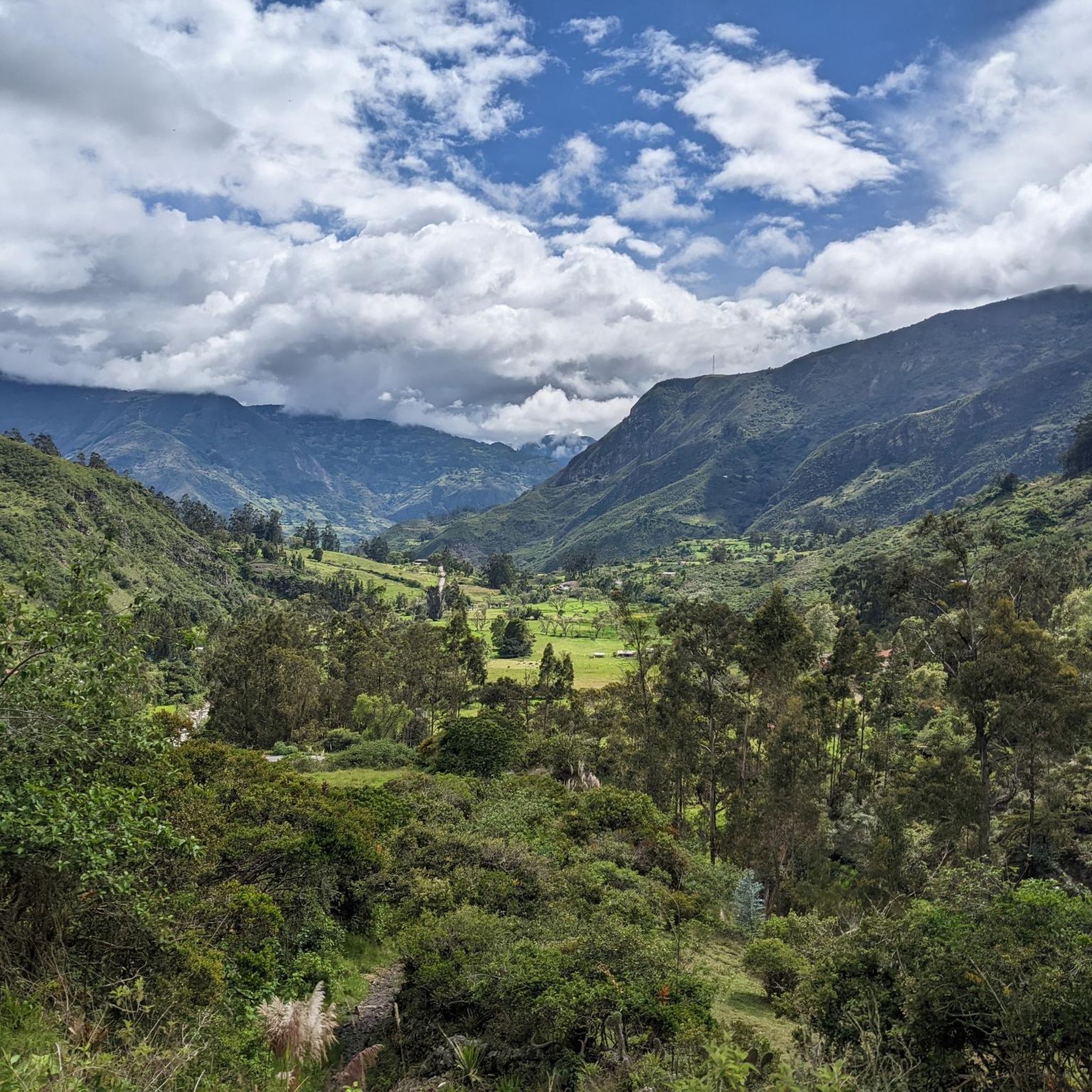
The municipality of Chitagá stands out for its incredibly detailed artistic murals that highlight the valuable work carried out by the peasants. It is located at an altitude of 2350 meters above sea level, surrounded by the mountains of the Páramo del Almorzadero. In my personal opinion, one of the most beautiful towns in Colombia.
0
0
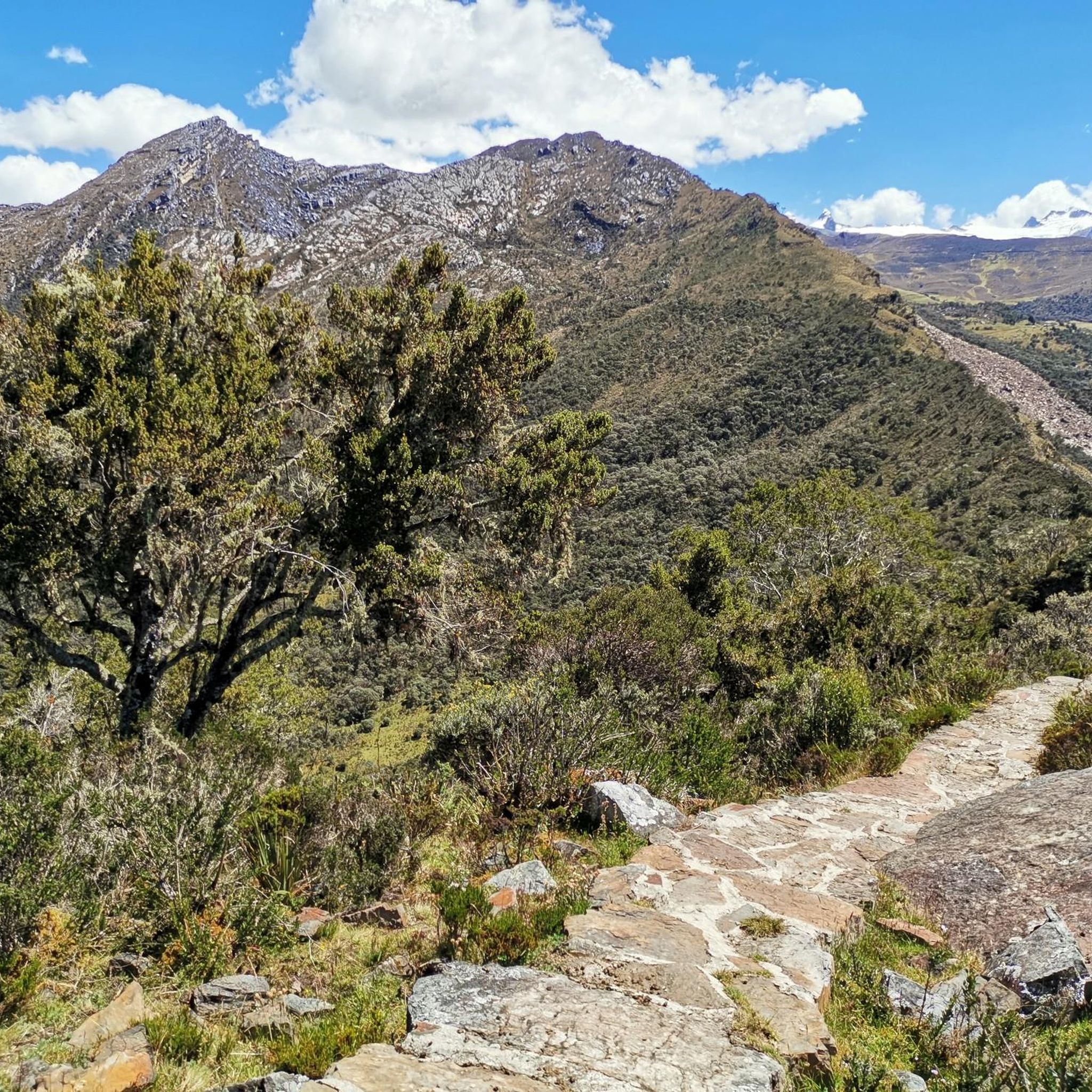
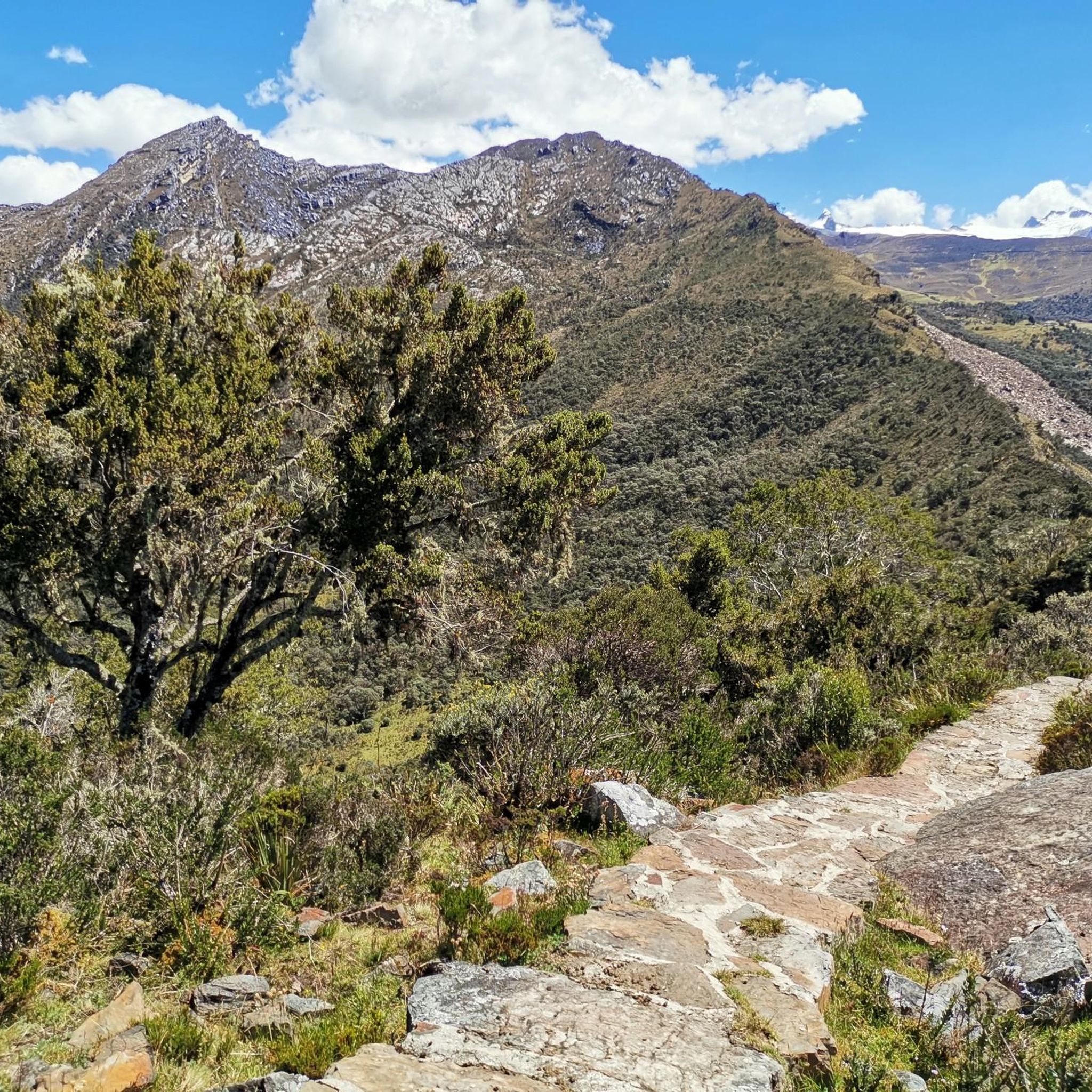
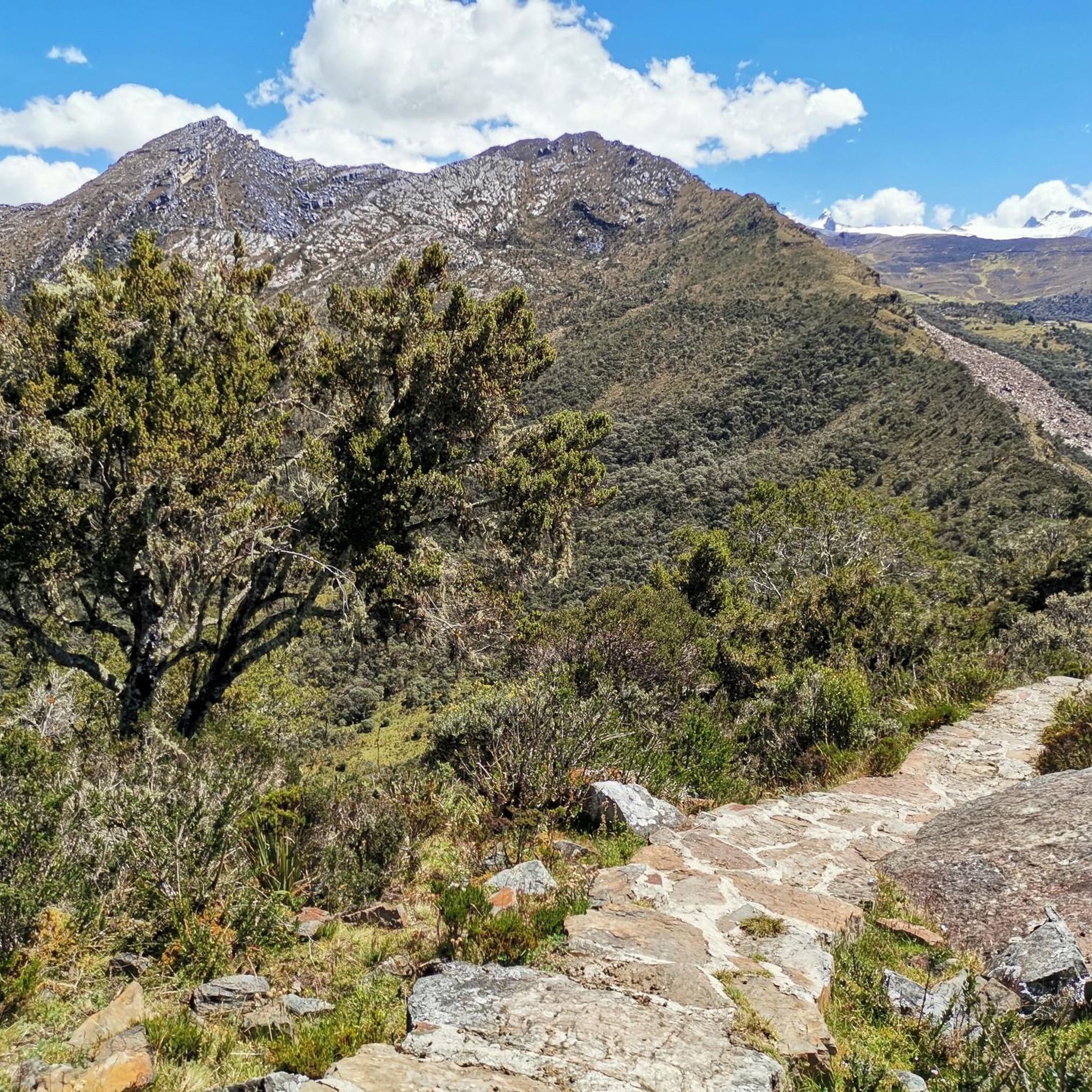
At an altitude of over 2,800 meters above sea level is Alto del Pozo. It is 17 km of ascent if you go from Ábrego -> Sardinata and approximately 60 km from Sardinata -> Ábrego, making it one of the most demanding mountain passes in Colombia, although it is very little known.
0
0
Bridge over the Algodonal River on the alternate route that leads to the municipality of La Playa de Belén and the Los Estoraques Unique Natural Area.
0
0
The Los Estoraques Unique Natural Area (UNA) takes its name from a plant species called "estoraque" (Styrax guianensis) that no longer exists in the area due to its indiscriminate use for medicine and soap making. For thousands of years, wind and water have formed hundreds of geological forms. It is one of the smallest protected areas in Colombia, covering only 6.4 km² of surface area. Considered unique in its kind for its beautiful, fragile and eroded landscapes, the area is located at an altitude ranging from 1,450 to 2,100 meters above sea level, in the heart of the Eastern Cordillera of the Andean region. Archaeological remains such as urns, mummies, caves with bones and petroglyphs have been found near the park, however they have not been able to be attributed to any particular culture.
0
0
Frequently Asked Questions
What natural attractions can I explore in Norte de Santander?
Norte de Santander offers a variety of natural wonders. The most prominent is Los Estoraques Unique Natural Area, known for its surreal brownstone formations. Other notable natural features include Tamá National Natural Park, the Santurbán and Guerrero Páramos, and the natural pools at La Troja, Bochalema, fed by the Agua Blanca stream.
What historical and cultural sites should I visit in Norte de Santander?
The region is rich in history. Explore Pamplona, a colonial town with sites like the Santa Clara Cathedral and Museo de Arte Moderno. Cúcuta, the capital, is where Gran Colombia's first constitution was drafted; visit Santander Park and Casa de la Bagatela. Villa del Rosario is crucial for Colombian independence history, featuring the Historic Temple of Cúcuta and Casa de Santander. Ocaña boasts a charming old town with the San Francisco Temple, and La Playa de Belén is a beautiful heritage town with preserved colonial architecture. Don't miss the artistic Murals in Chitagá, celebrating peasant life.
Are there family-friendly activities in Norte de Santander?
Yes, several attractions cater to families. La Troja, Bochalema, is an excellent choice, offering natural pools, restaurant services, and trails suitable for family outings. The Murals in Chitagá provide an engaging cultural experience for all ages. Additionally, the Malecón in Cúcuta is a popular spot for local cuisine and a pleasant atmosphere.
What are the best times to visit Norte de Santander for sightseeing?
Norte de Santander generally experiences pleasant weather, but the best time to visit depends on your activities. The region's mountainous areas can be cooler, while lower elevations are warmer. For outdoor activities and exploring colonial towns, the drier seasons typically offer more comfortable conditions. Always check local forecasts closer to your travel dates.
What kind of outdoor activities and routes can I find near these attractions?
Norte de Santander's diverse terrain is ideal for outdoor enthusiasts. You can find numerous road cycling routes, such as the 'IPS Therapies – Los Vaos, Km 8 loop' or the 'Historic temple loop from Villa del Rosario'. For running, trails like the 'AGROTERRAZAS FLUVIALES loop from Cúcuta' offer challenging options. General cycling routes, including the 'Los Patios Toll loop', are also available. You can explore more options and detailed routes in the Road Cycling Routes, Running Trails, and Cycling Guides for Norte de Santander.
Are there challenging adventures or viewpoints in Norte de Santander?
For those seeking a challenge, the Alto del Pozo offers one of Colombia's most demanding mountain passes, reaching over 2,800 meters above sea level. This area provides spectacular views. The mountainous landscapes throughout the department also offer numerous hiking routes with breathtaking vistas.
Where can I experience local cuisine and nightlife in Norte de Santander?
Cúcuta's Malecón is a vibrant spot for local cuisine and nightlife. In Bochalema, La Troja offers home-style meals in a natural setting. The region is also known for its coffee production, particularly in Toledo, offering a taste of local flavors. The Peach and Water Route, passing through Pamplona, Cácota, and Chitagá, provides a culinary journey.
What is unique about Los Estoraques Unique Natural Area?
Los Estoraques Unique Natural Area is unique for its dramatic geological formations, including towering brownstone pedestals, columns, and narrow corridors sculpted by wind and water erosion over millennia. It's one of Colombia's smallest national parks, covering only 6.4 km², and is home to over 50 bird species. The area's name comes from a plant species, 'estoraque', though it no longer exists there.
Can I find any hidden gems or less crowded attractions in Norte de Santander?
Beyond the main cities, towns like Bochalema offer a tranquil escape with colonial architecture and natural spas, such as El Samán Park and Capote Lagoon. Chinácota is another close option for a peaceful getaway from Cúcuta. The municipality of Teorama, known for its pineapple plantations, provides a unique cultural experience with traditional dances.
What are some significant historical events associated with Norte de Santander?
Norte de Santander played a pivotal role in Colombian history. Cúcuta is where the first constitution for Gran Colombia was drafted in 1821. Villa del Rosario is considered the 'Cradle of Colombian Independence,' being the birthplace of General Francisco de Paula Santander and where Simón Bolívar officially became president. These sites offer deep insights into the nation's early republican period.
Are there any rivers or water features to visit?
Yes, the Río Algodonal is a notable river, with a bridge providing access to La Playa de Belén and Los Estoraques Unique Natural Area. Additionally, La Troja, Bochalema, features natural pools fed by the Agua Blanca stream, perfect for enjoying the water in a recreational setting.
Most popular routes in Norte De Santander

Get inspired with the komoot mobile app


Explore more
Still not found the Highlight you’re looking for? See guides of the top attractions in other regions:
