Natural Park Kamm des Wesergebirges
Natural Park Kamm des Wesergebirges
Top 6 Castles around Natural Park Kamm des Wesergebirges
Castles around Natural Park Kamm des Wesergebirges are situated within a nature reserve that forms part of the larger Weser Uplands-Schaumburg-Hamelin Nature Park. This region encompasses the ridge of the Wesergebirge, including notable elevations like the Nesselberg. The area offers a combination of natural landscapes and historical landmarks, providing opportunities for exploration and scenic views. Visitors can discover various historical sites and castle ruins integrated into the natural environment.
Best castles around Natural Park Kamm des Wesergebirges
- The most popular…
Last updated: July 8, 2026
Ruins of Hünenburg
Highlight • Historical Site
Translated by Google •
Tip by

Paschenburg — View of the Weser Valley
Highlight • Viewpoint
Translated by Google •
Tip by

Sign up now to discover places like this
Get recommendations on the best single tracks, peaks, & plenty of other exciting outdoor places.
Sign up for free
Osterburg near Deckbergen
Highlight • Historical Site
Translated by Google •
Tip by

Hünenburg Medieval Castle Ruins (Rinteln)
Highlight • Castle
It was probably founded in the 10th / 11th century.
Parts …
Translated by Google •
Tip by

Schaumburg and Paschenburg Castles
Highlight • Castle
Translated by Google •
Tip by

Sign up for free to discover even more castles around Natural Park Kamm des Wesergebirges.
Sign up for free
Already have an account?
Start today with a free account
Your next adventure awaits.
Login or Signup
Popular around Natural Park Kamm des Wesergebirges
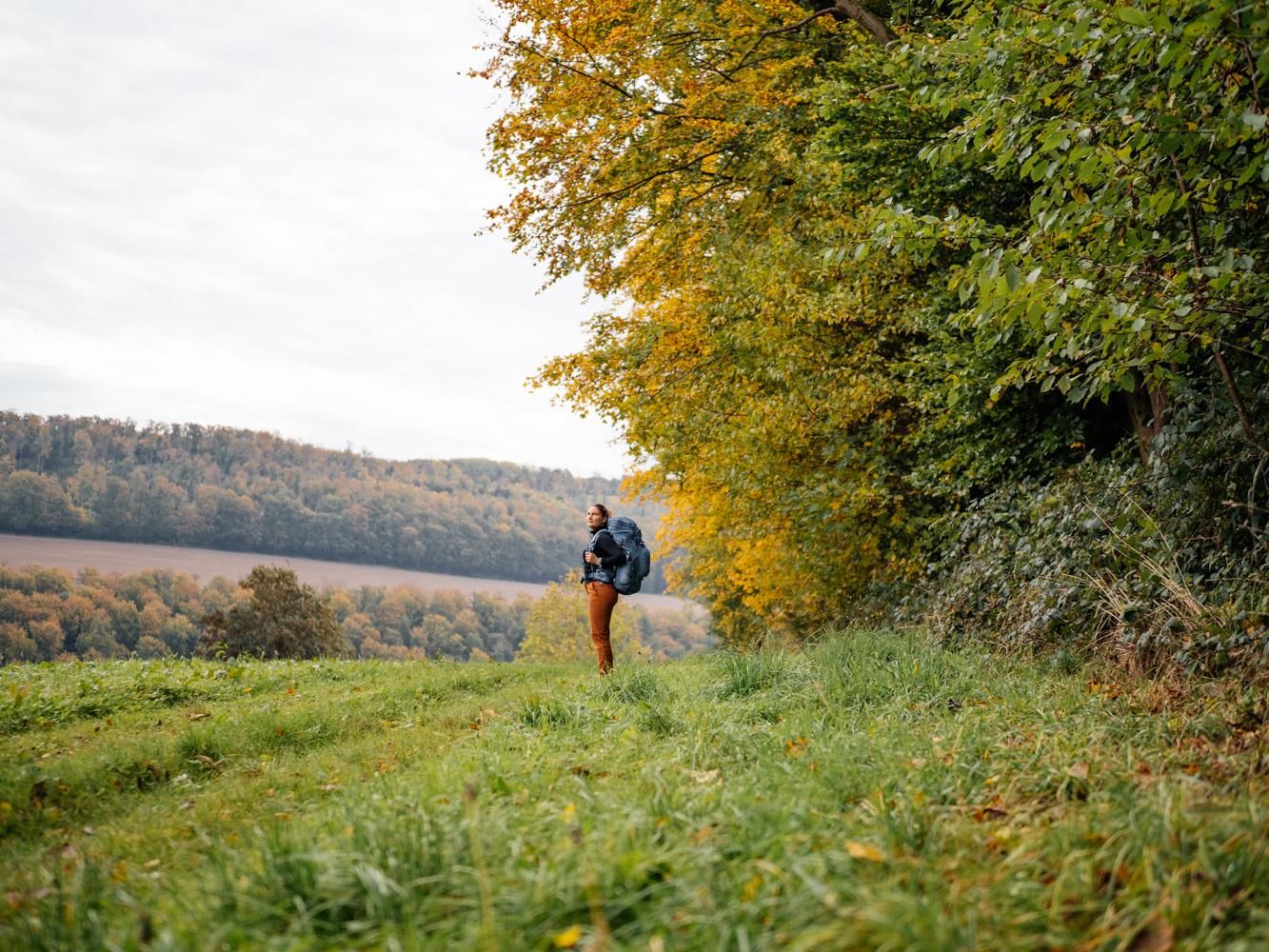
Weser Uplands Trail in autumn – out and about with Fräulein Draußen
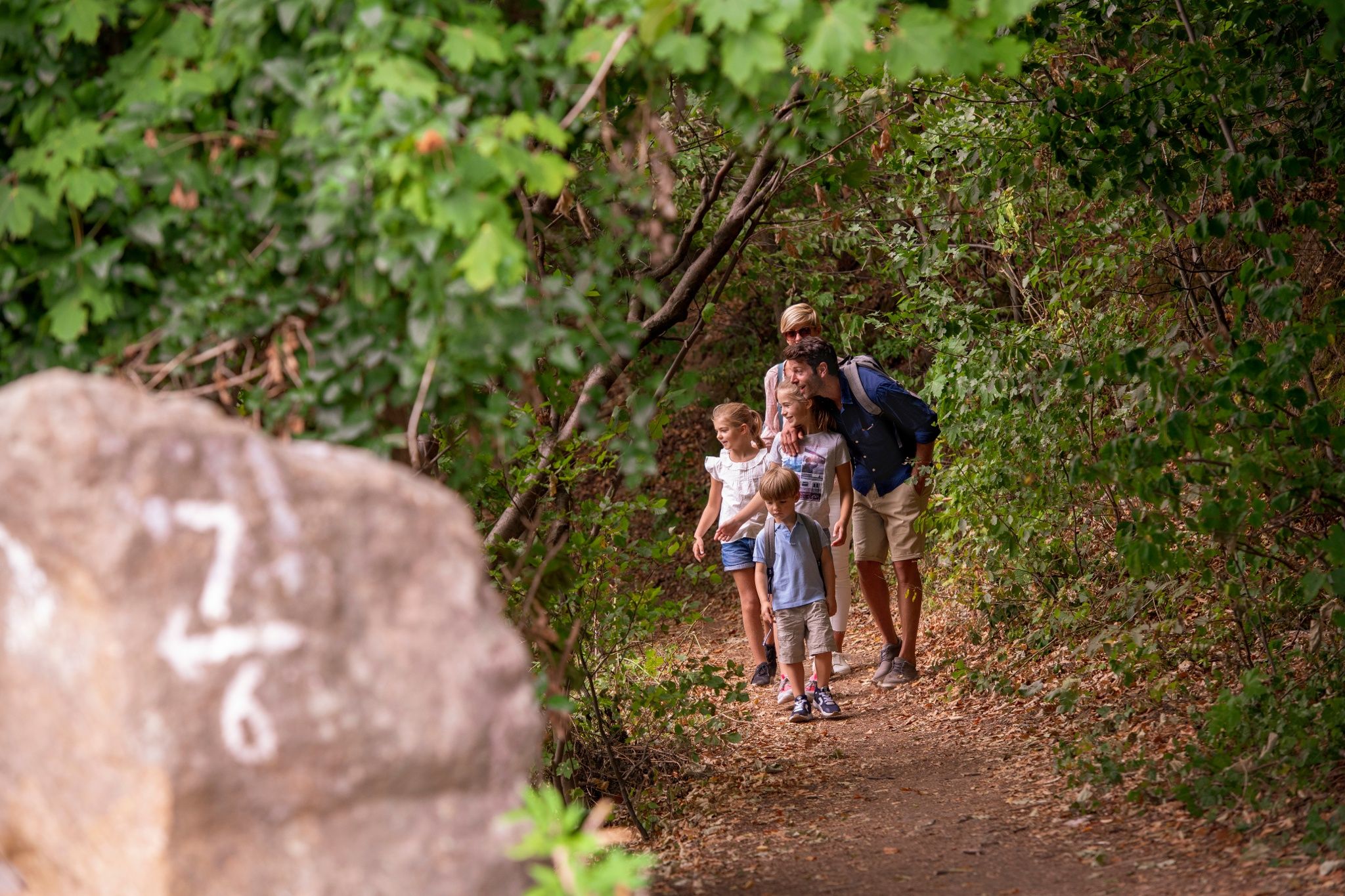
Castles and miners – hike through history in the Weserbergland region
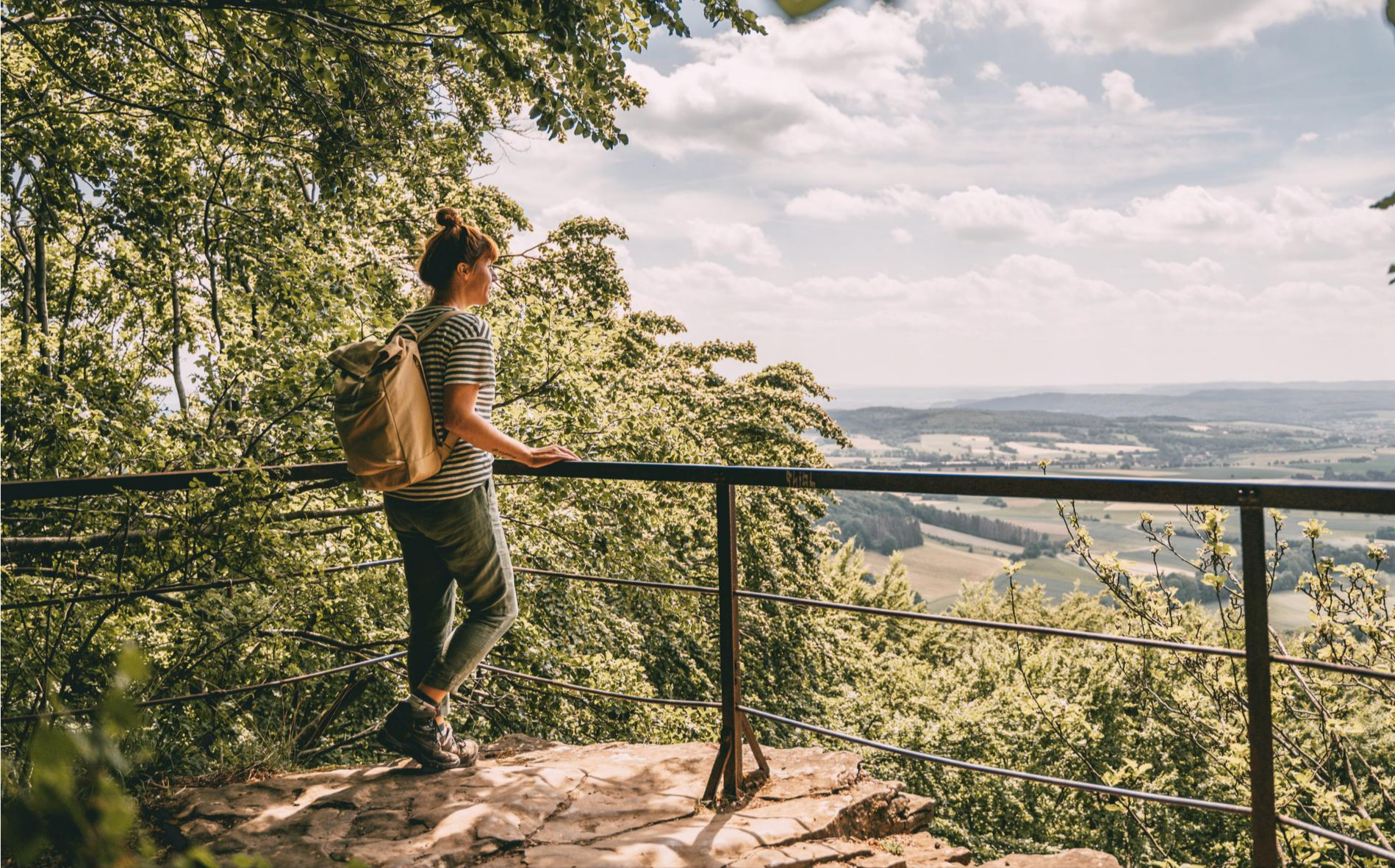
Fabulously scenic – hiking Germany’s Weserbergland Trail
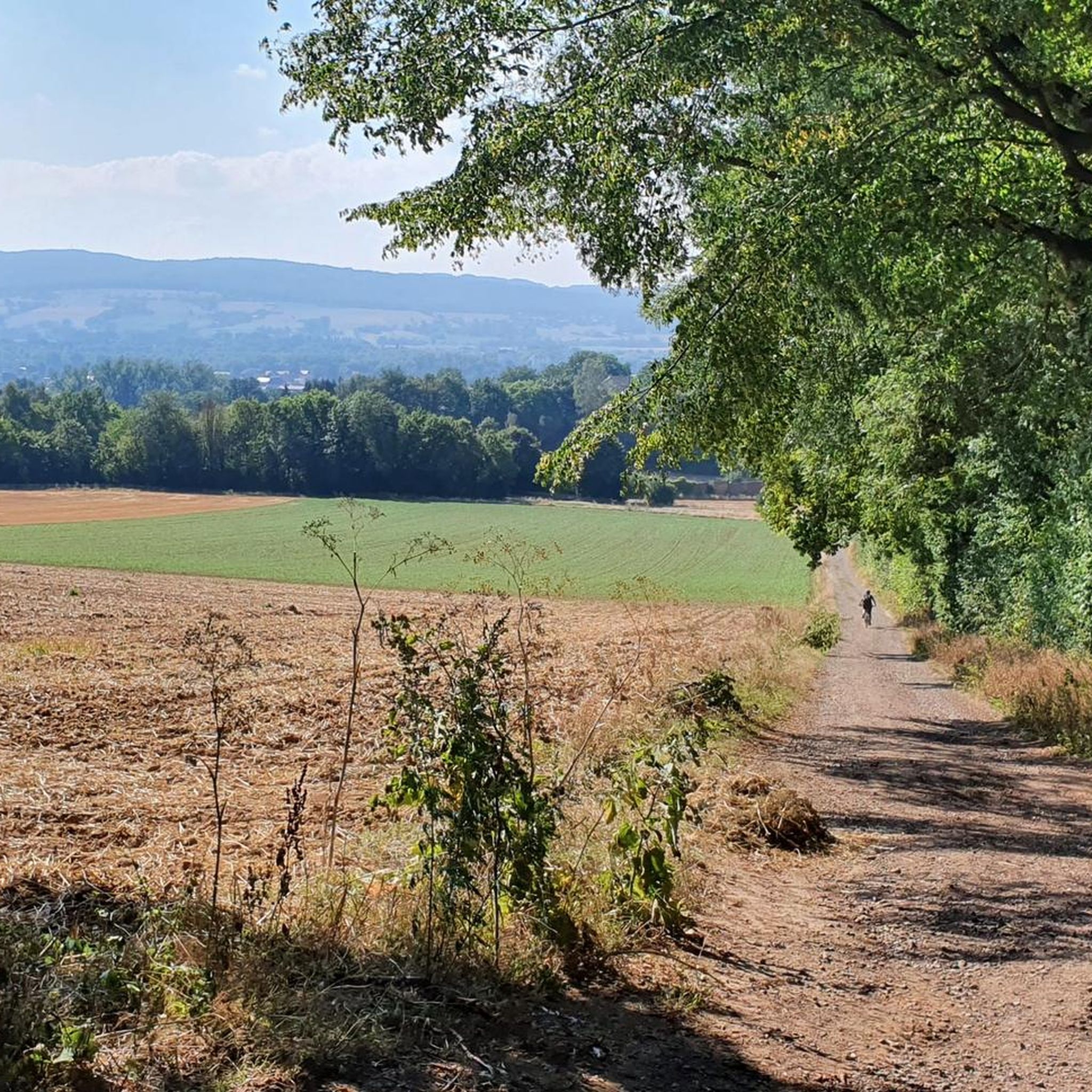
Hiking around Natural Park Kamm des Wesergebirges
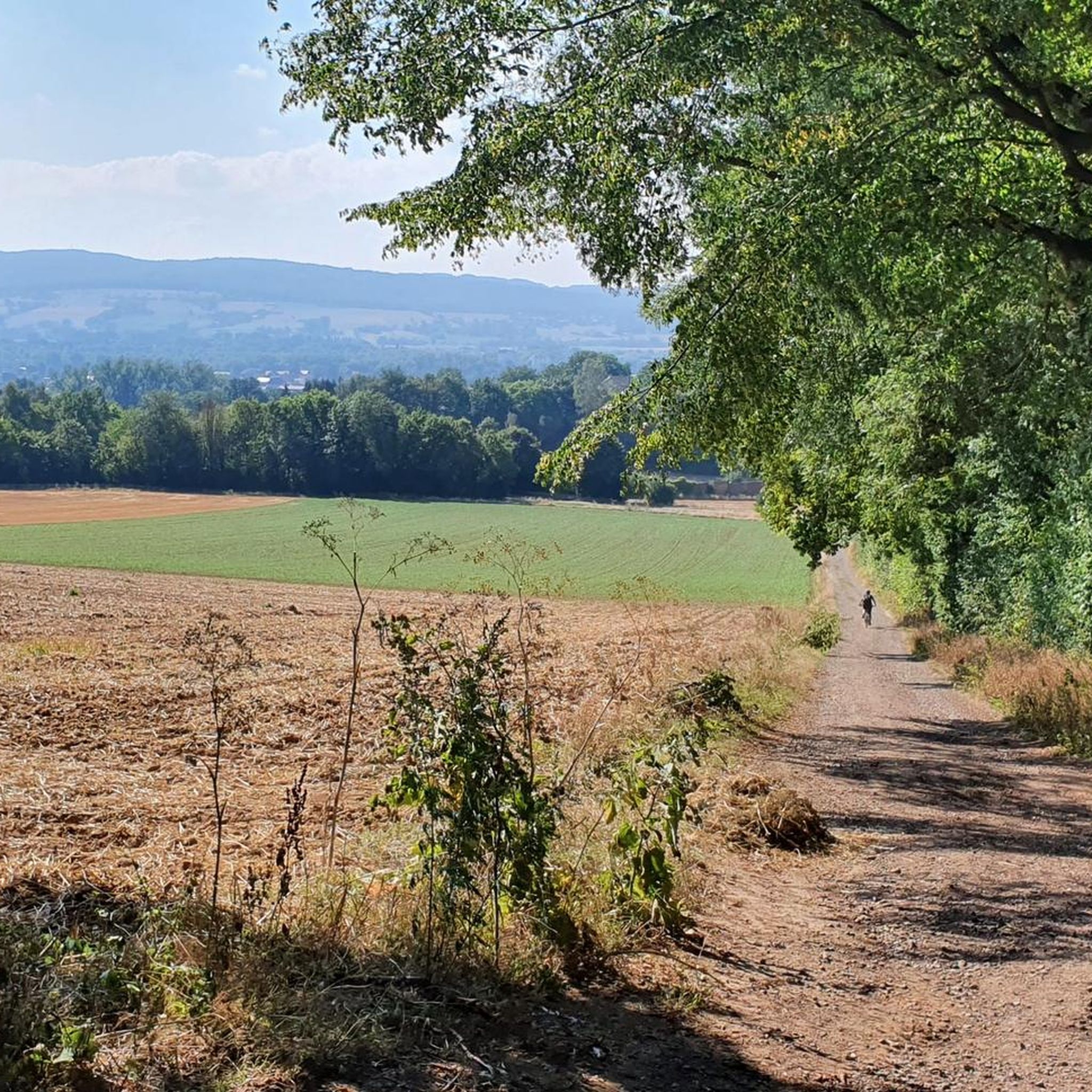
Road Cycling Routes around Natural Park Kamm des Wesergebirges
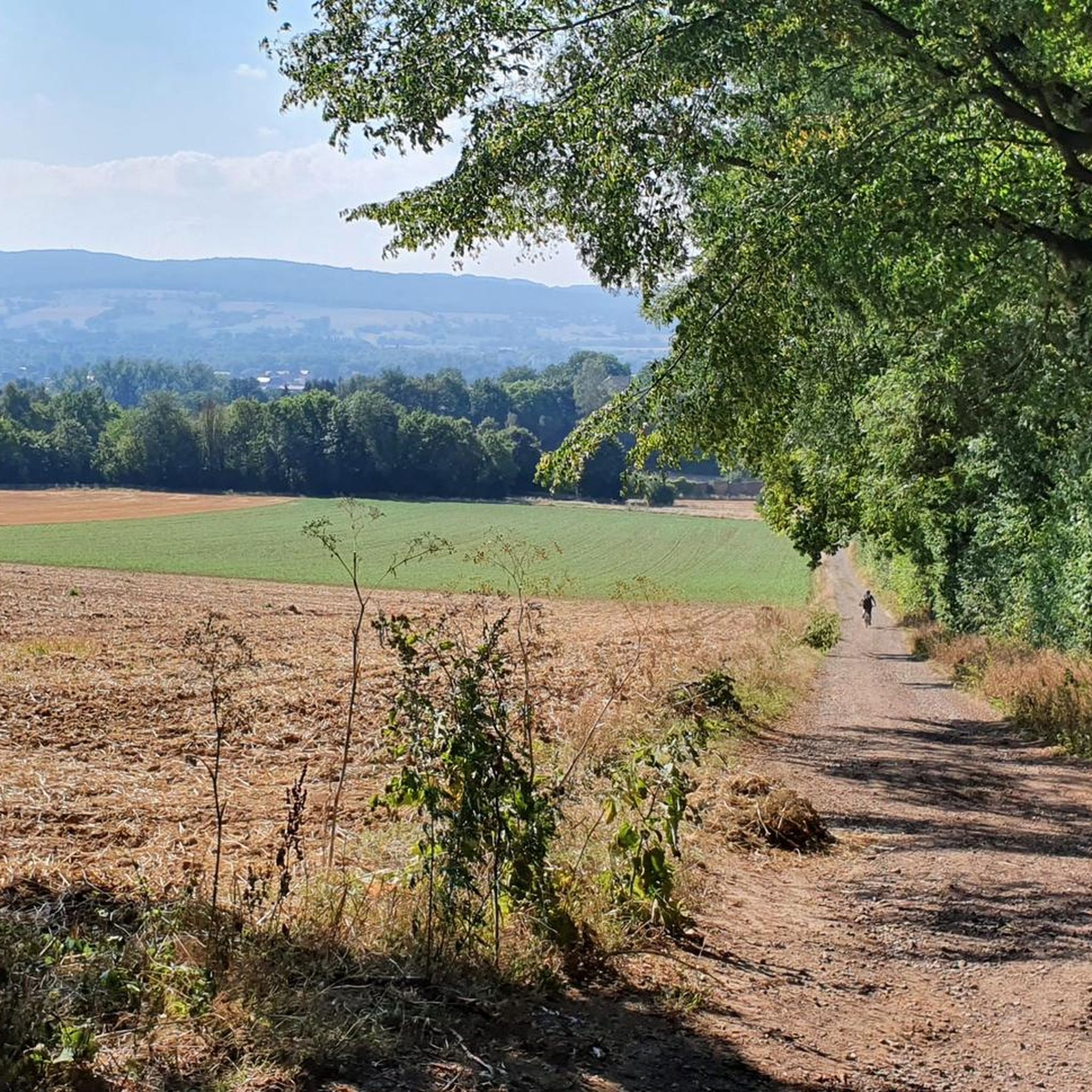
MTB Trails around Natural Park Kamm des Wesergebirges
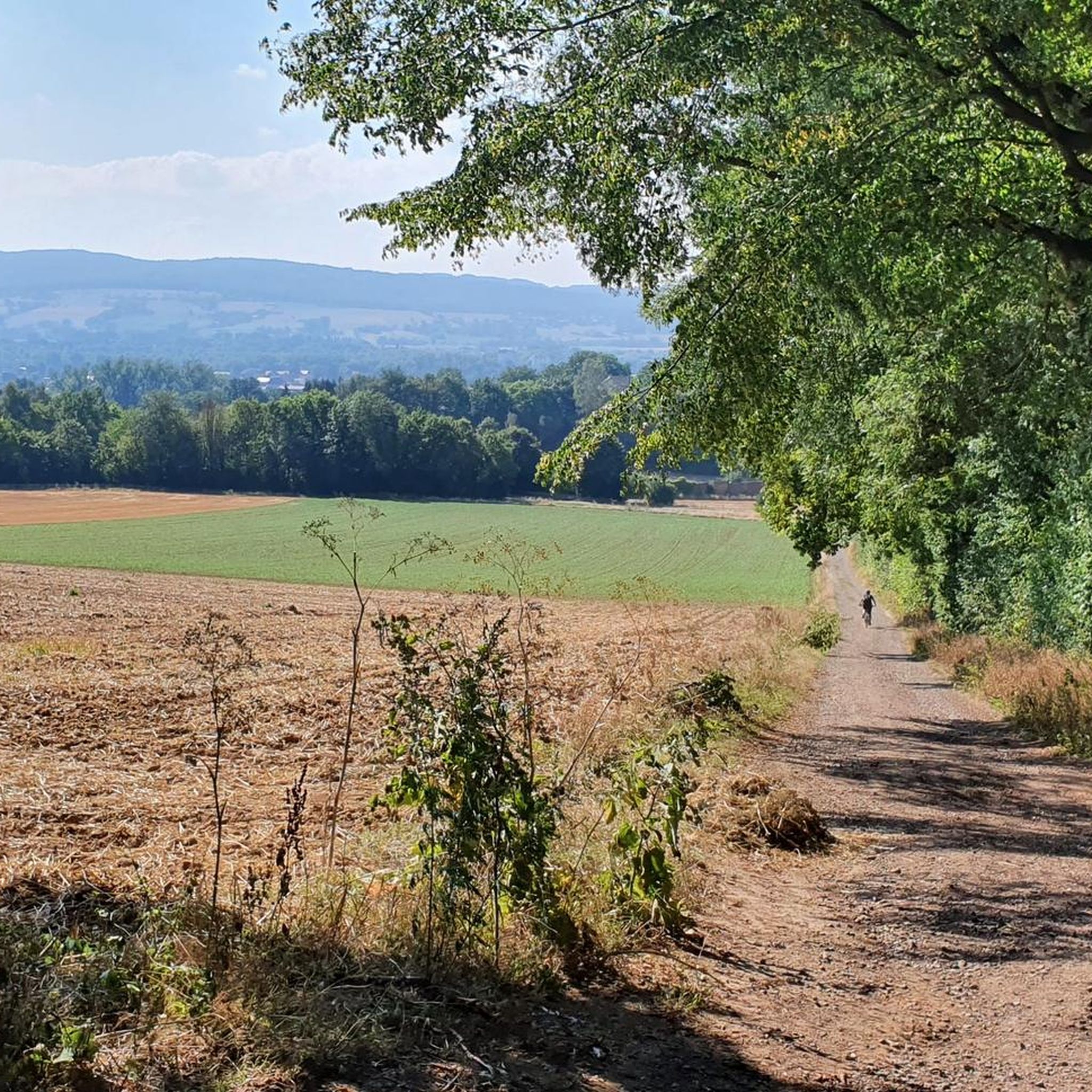
Cycling around Natural Park Kamm des Wesergebirges
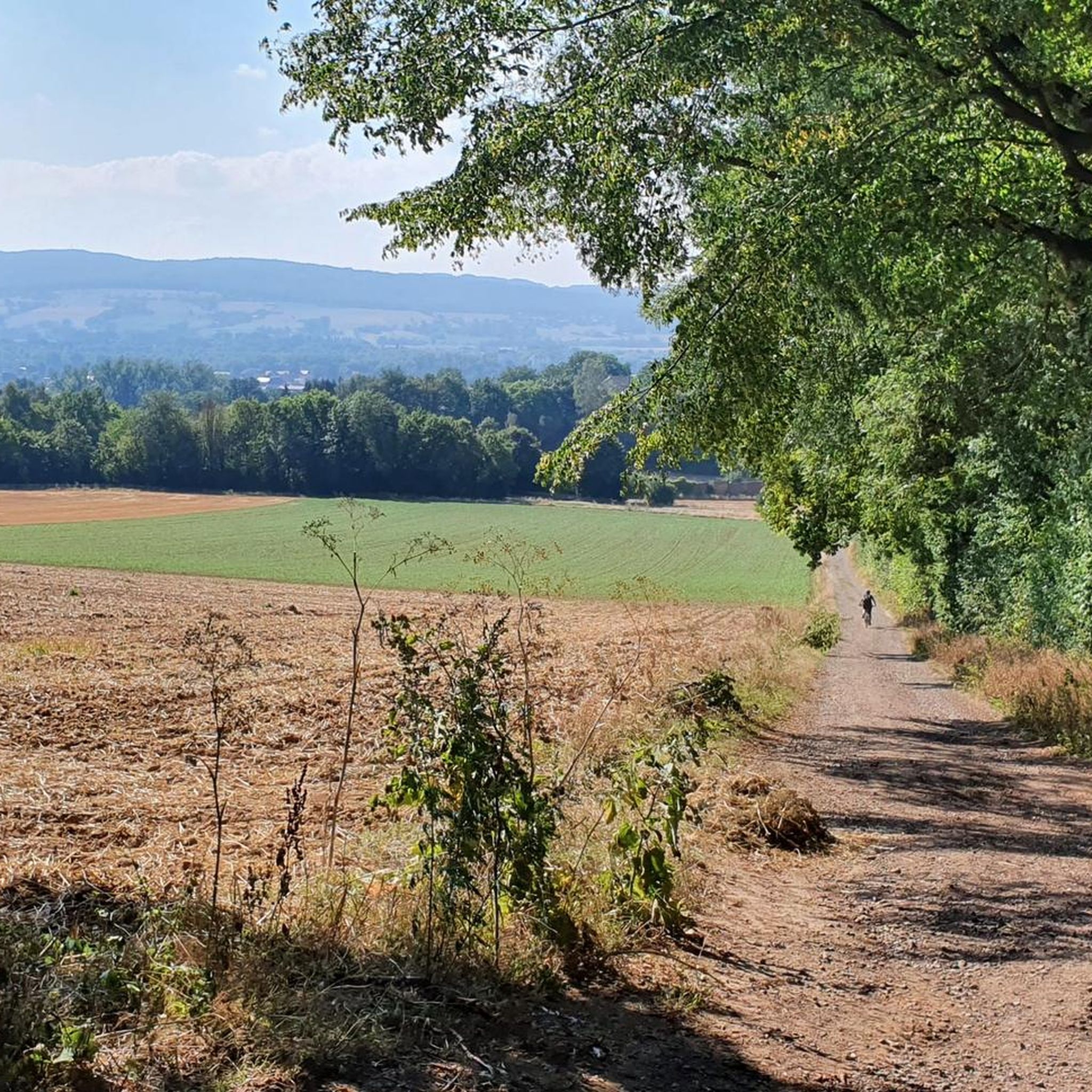
Running Trails around Natural Park Kamm des Wesergebirges

Gravel biking around Natural Park Kamm des Wesergebirges
Other adventures around Natural Park Kamm des Wesergebirges

Tips from the Community

A walk between Schaumburg and Paschenburg is beautiful at any time of year! Sometimes cozy under dense beech leaves, sometimes more or less sunny with a panoramic view of the Weser valley.
0
0

The Osterburg consisted of two neighbouring, independent castles on two hills, which were separated by a moat. They were protected from the outside by earthen ramparts and a deep moat. The remains of a ring wall are believed to be in the ramparts, but archaeological investigations can only provide information about this. The northern and smaller castle hill appears to be of more recent date. The oval structure has a diameter of around 40 × 50 m and a height of around 3 m. In the direction of the larger castle hill to the south there was an area of a small outer bailey. The main castle has an area of around 50 × 70 m and a height of up to 7 m. On it, a round rubble mound with stone remains indicates the former presence of a round tower made of rubble stone. Soil anomalies and depressions on the castle hills indicate collapsed cellars of earlier buildings, which are to be expected here as commercial and residential buildings. The holes may also have been caused in part by illegal excavations, which have already caused major damage to the remains of the castle complex. The distinctive soil shapes of the complex are still clearly visible in the area today, especially due to the surrounding ring moat in the shape of a figure of eight. At the castle site there is now an information board with an explanatory text that shows the complex in plan and as an attempt at reconstruction. The history of Osterburg is largely unknown. It was first mentioned in documents in 1121. Source: https://de.wikipedia.org/wiki/Osterburg_(Deckbergen)
1
0

The Schaumburg and the Paschenburg are definitely worth a visit. On foot, it takes between 20 and 40 minutes to get from one castle to the other via the hiking trails. The Paschenburg has a higher viewing platform than the Schaumburg. The Schaumburg has a walkable tower with a wonderful view and the old castle courtyard.
0
0

Sunrises and sunsets are special experiences here at any time of year.
0
0


The remains of the Osterburg are rather inconspicuous today and without the information board they would probably be easily overlooked. However, the drawing on the board shows that it was actually a double castle on two castle hills.
0
0

Foundations of a mysterious castle
1
0

Unfortunately, the Osterburg itself can no longer be seen. A few drops in the ground and an information board make it possible to imagine the castle in the terrain.
3
0
Frequently Asked Questions
What types of castles can I expect to find in the Natural Park Kamm des Wesergebirges region?
The region features a mix of medieval castle ruins and more preserved structures. You'll find sites like the Hünenburg Medieval Castle Ruins (Rinteln), which has restored foundations of a high castle, and the impressive Schaumburg Castle, which offers a walkable tower and an old castle courtyard. Some sites, like the Osterburg near Deckbergen, require a bit more imagination as only ground shapes and information boards remain.
Which castles offer the best panoramic views of the surrounding landscape?
For breathtaking views, Schaumburg Castle is an excellent choice, with its 30-meter high Georgsturm (keep) offering fantastic panoramic views over the Weser Valley. The Paschenburg also provides an incredibly good all-round view, especially from the restaurant located there.
Are there family-friendly castles to visit in the area?
Yes, several castle sites are suitable for families. Schaumburg Castle is considered a worthwhile destination for families, offering historical architecture and views. The Hünenburg Medieval Castle Ruins (Rinteln) are also categorized as family-friendly, providing an easy-to-reach historical site with information boards.
What outdoor activities can I combine with a castle visit in the Natural Park Kamm des Wesergebirges?
The region is ideal for combining castle visits with outdoor activities. You can find numerous hiking and gravel biking routes. For hiking, consider routes like the 'Three Castles Route' or trails leading to the 'Ruins of Hünenburg'. Explore more options on the Hiking around Natural Park Kamm des Wesergebirges guide. If you prefer cycling, there are gravel biking routes such as 'View of Schaumburg Castle – Trail Along the Aue Stream' available in the Gravel biking around Natural Park Kamm des Wesergebirges guide.
Is there a castle that offers a luxurious experience or accommodation in the region?
Yes, the Schlosshotel Münchhausen is a 16th-century moated castle transformed into a 5-star superior hotel. It offers luxurious rooms, gourmet dining, a spa, and golf courses, all set within an English landscape garden. It's located within the wider Weser Uplands-Schaumburg-Hamelin Nature Park, which encompasses the Kamm des Wesergebirges.
What is the historical significance of Schaumburg Castle?
Schaumburg Castle is an impressive medieval castle with a rich history, originally a hunting lodge from the 12th century. It became the ancestral seat of the Counts of Schaumburg and Holstein. Its historical architecture, old walls, towers, and legends offer a glimpse into a long-forgotten world, making it a significant landmark of the Schaumburger Land.
Can I bring my dog when visiting the castle areas?
Many outdoor areas around the castles are dog-friendly. For instance, the Ruins of Hünenburg are categorized as dog-friendly, making it a good option for walks with your canine companion.
Are there guided tours available for the castles?
Yes, public guided tours are available for Schaumburg Castle from May to October. Group tours can also be booked year-round, offering a deeper insight into the castle's history and features.
What should I expect when visiting the Ruins of Hünenburg?
The Ruins of Hünenburg feature restored foundations of an oval core castle, likely from the 10th or 11th century. While it requires some imagination to visualize the full structure, information boards help illustrate its former size and layout. It's a short, worthwhile detour if you're exploring the 'Long Wall' trail in the nature reserve.
What is the best time of year to visit the castles around Natural Park Kamm des Wesergebirges?
The castles and surrounding nature can be enjoyed year-round. Spring and autumn offer pleasant temperatures for hiking and exploring the castle grounds, with vibrant foliage or blooming nature. Summer is great for longer days and outdoor activities. Even in winter, a walk between castles like Schaumburg and Paschenburg can be beautiful, especially during sunrises and sunsets.
How long should I plan for a castle visit in this region?
The duration of your visit depends on the castle and your interests. For extensive sites like Schaumburg Castle, including climbing the tower and exploring the grounds, you might spend 1-2 hours. For ruins like the Ruins of Hünenburg or Osterburg, a shorter stop of 30-60 minutes might suffice, especially if combined with a hike.
Are there any unique natural features near the castles?
The castles are situated within the Natural Park Kamm des Wesergebirges, offering a blend of history and nature. Schaumburg Castle, for example, is perched on the Nesselberg, providing extensive views of the surrounding forests and the Weser Valley. The area is characterized by the ridge of the Wesergebirge, with many castle sites integrated into the natural environment, often featuring viewpoints and forest trails.
Most popular routes around Natural Park Kamm des Wesergebirges
Most popular attractions around Natural Park Kamm des Wesergebirges

Get inspired with the komoot mobile app


Explore more
Looking for the best castles somewhere else? Discover other guides around Natural Park Kamm des Wesergebirges:
