Top 7 Gorges in Bari
Best canyons in Bari are primarily formed by karst erosion, creating unique geological features across the region of Puglia. This area is characterized by vast sinkholes, deep ravines, and dramatic coastal cliffs shaped by the Adriatic Sea. The landscape offers diverse natural environments, from the Murgia's rugged terrain to the coastal formations of Polignano a Mare. These features provide a range of natural exploration opportunities.
Best canyons in Bari
- The most popular canyons is Pulo of Altamura, a canyon…
Last updated: August 16, 2026
Pulo of Altamura
Highlight • Canyon
This created a more or less …
Translated by Google •
Tip by

San Martino Cave
Highlight • Cave
Translated by Google •
Tip by

Sign up now to discover places like this
Get recommendations on the best single tracks, peaks, & plenty of other exciting outdoor places.
Sign up for free
Curtomartino Cave
Highlight • Cave
Translated by Google •
Tip by

Ardito Cave
Highlight • Cave
Translated by Google •
Tip by

Lama Baronale Trail (Via di Annetta)
Highlight (Segment) • Trail
Translated by Google •
Tip by

Horseshoe Cave
Highlight • Cave
Translated by Google •
Tip by

Pulicchio di Gravina
Highlight • Natural Monument
it.wikipedia.org/wiki/Pulicchio_di_Gravina
Translated by Google •
Tip by

Pulo di Molfetta
Highlight • Natural Monument
Translated by Google •
Tip by

Canale del Pidocchio
Highlight • Gorge
Showing Translation
Tip by

Start today with a free account
Your next adventure awaits.
Login or Signup
Popular around Bari
Discovering Puglia by bike – essential rides
Among olive trees and white stone - Via Peuceta
Caposele to Santa Maria di Leuca – Apulian Aqueduct Cycle Route
Trieste to Santa Maria di Leuca – the Adriatic Cycle Route
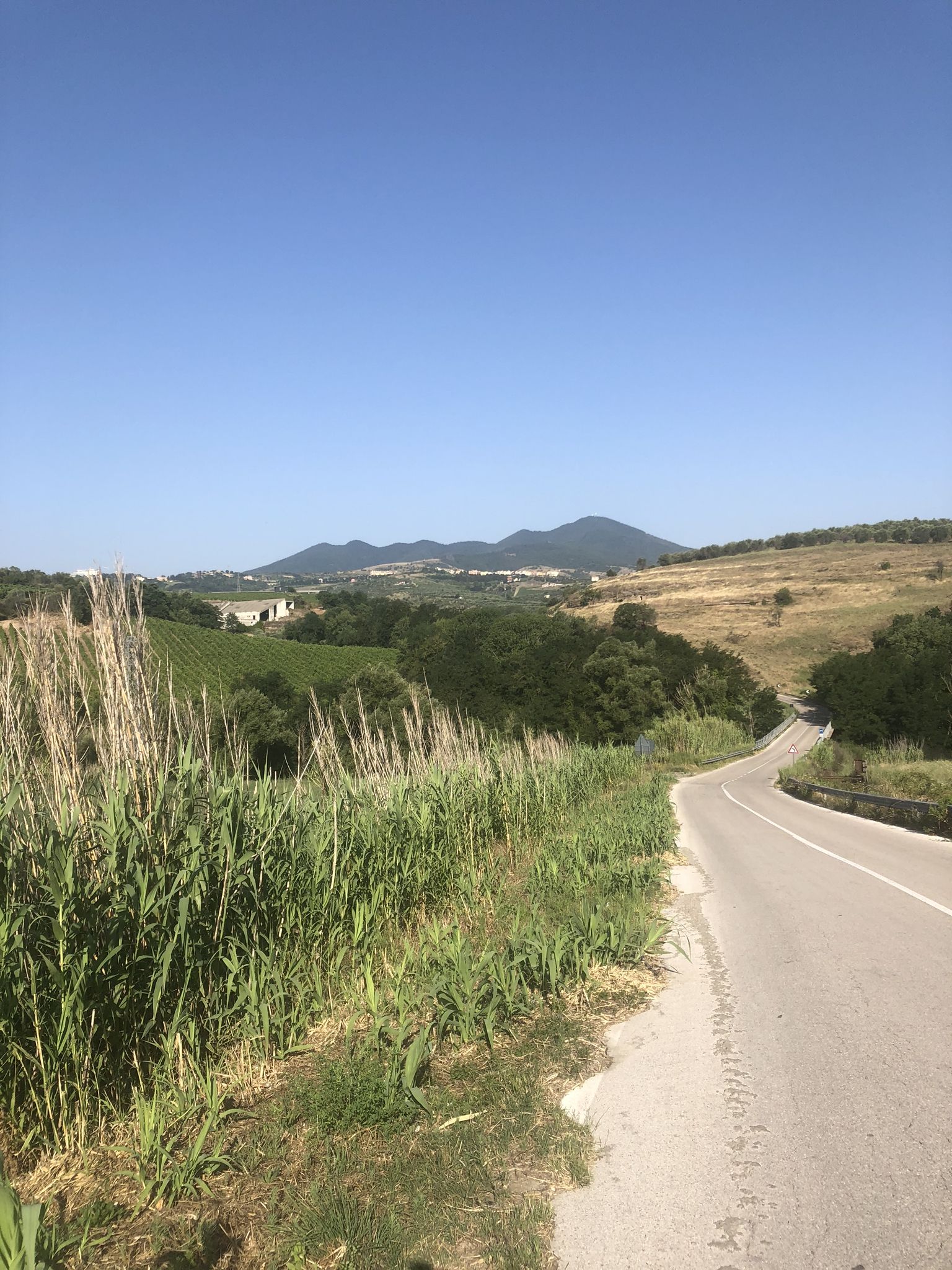
Pedalling in Italy’s far south – Ciclovia dei Borbone
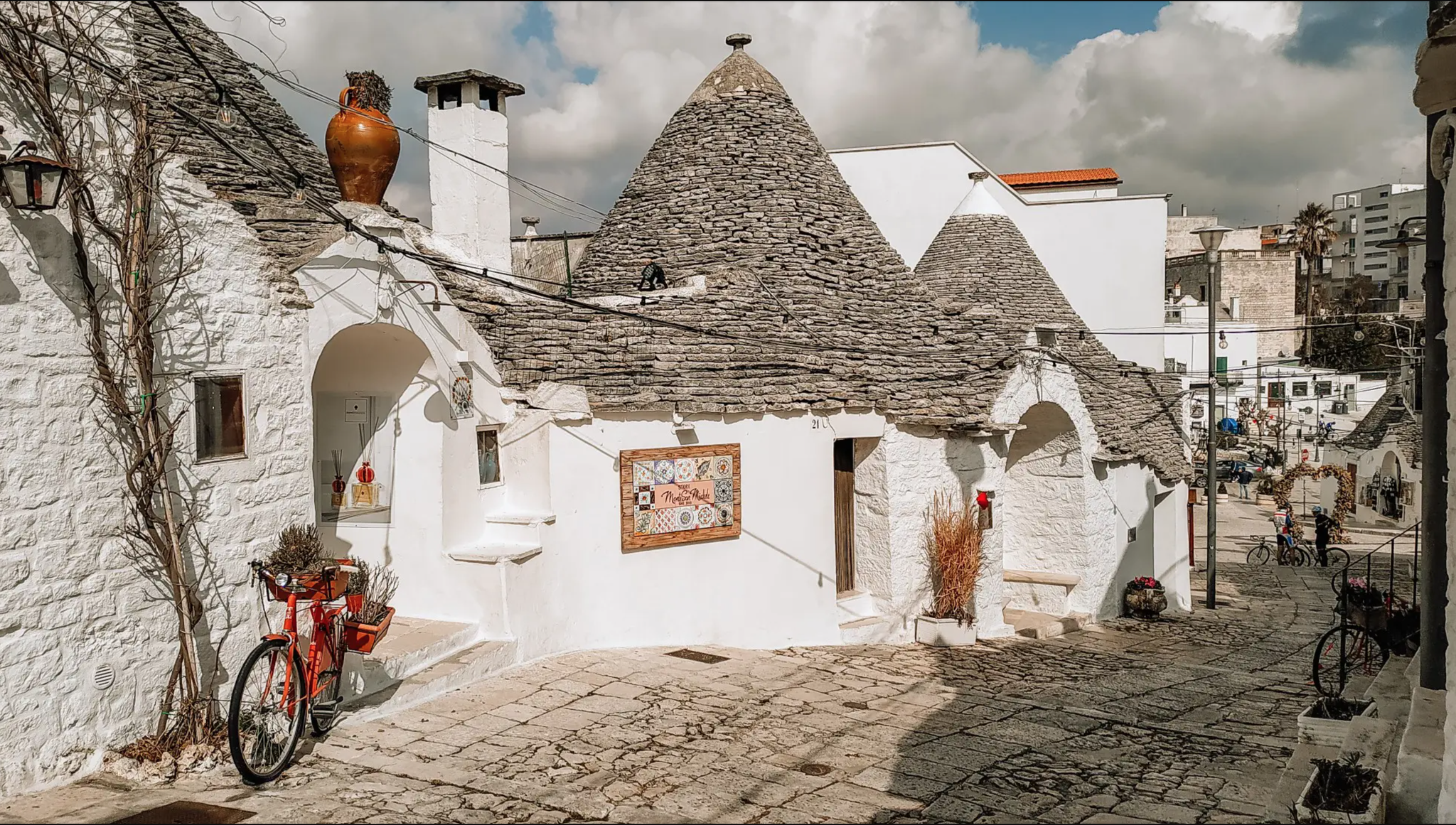
Cycle through the painted blue – a journey of discovery in Puglia
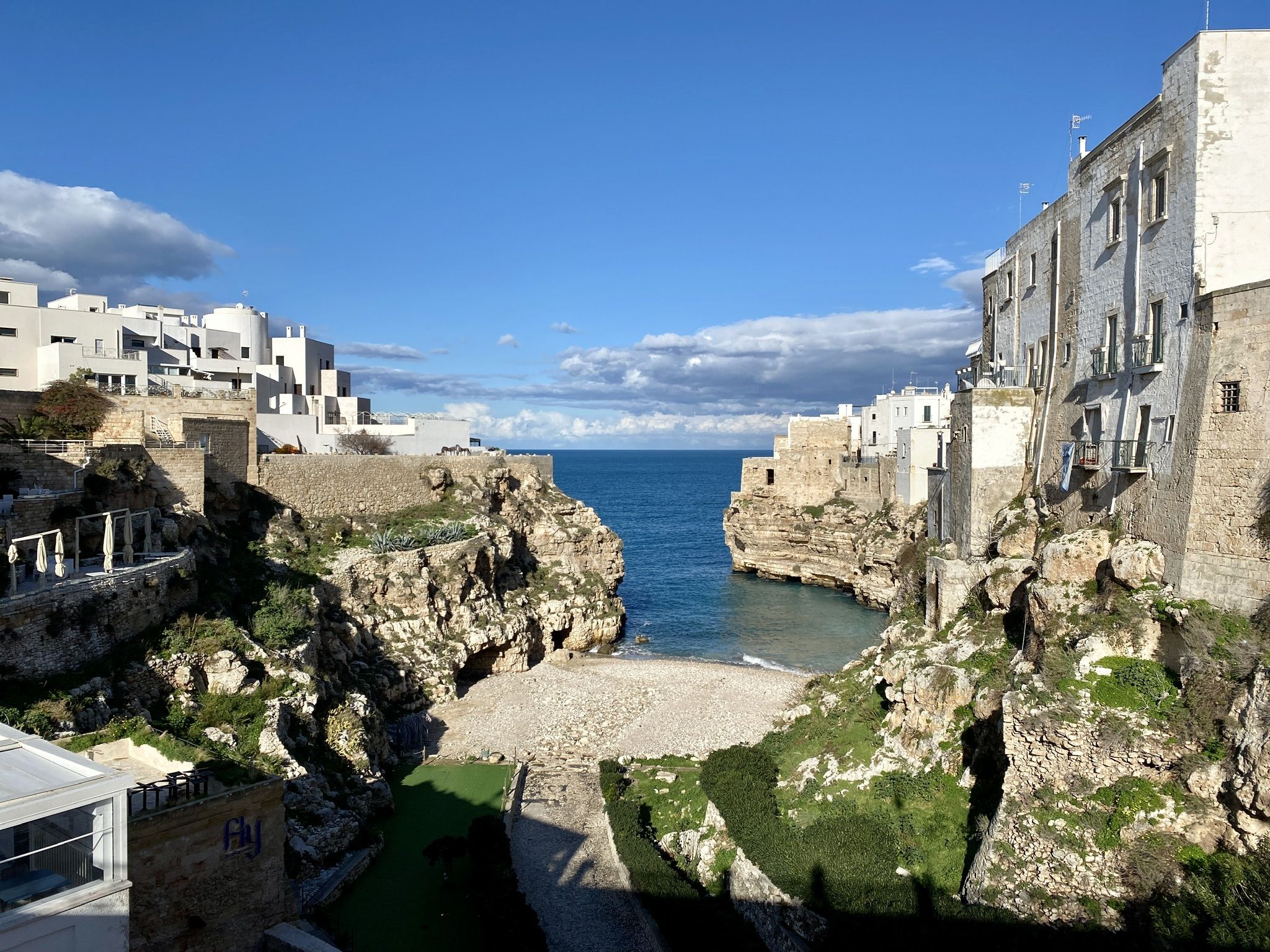
Sea, culture, taste and nature — Italy’s Puglia by bike
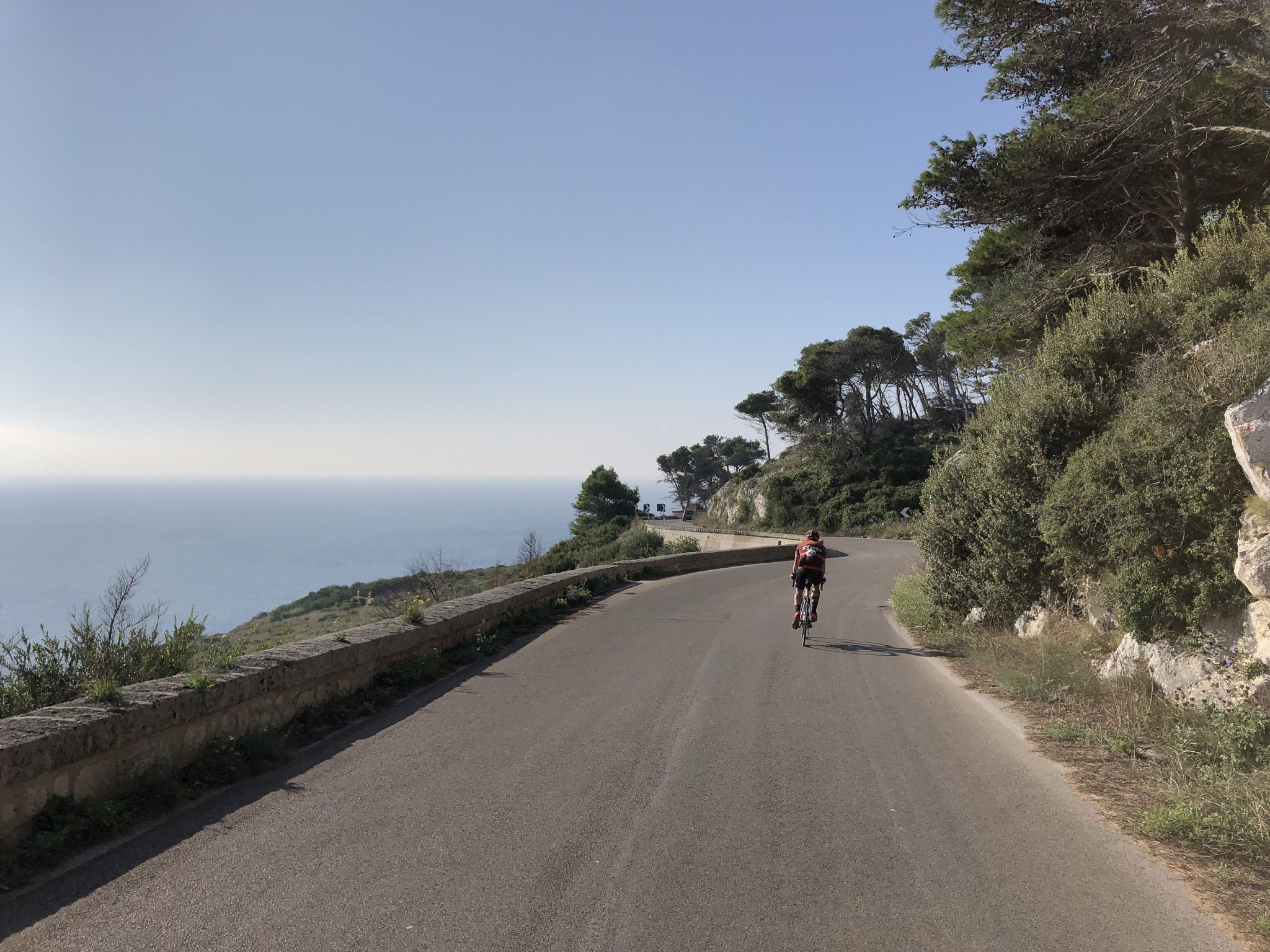
Italy’s Puglia from Bari to Santa Maria di Leuca — all the way south
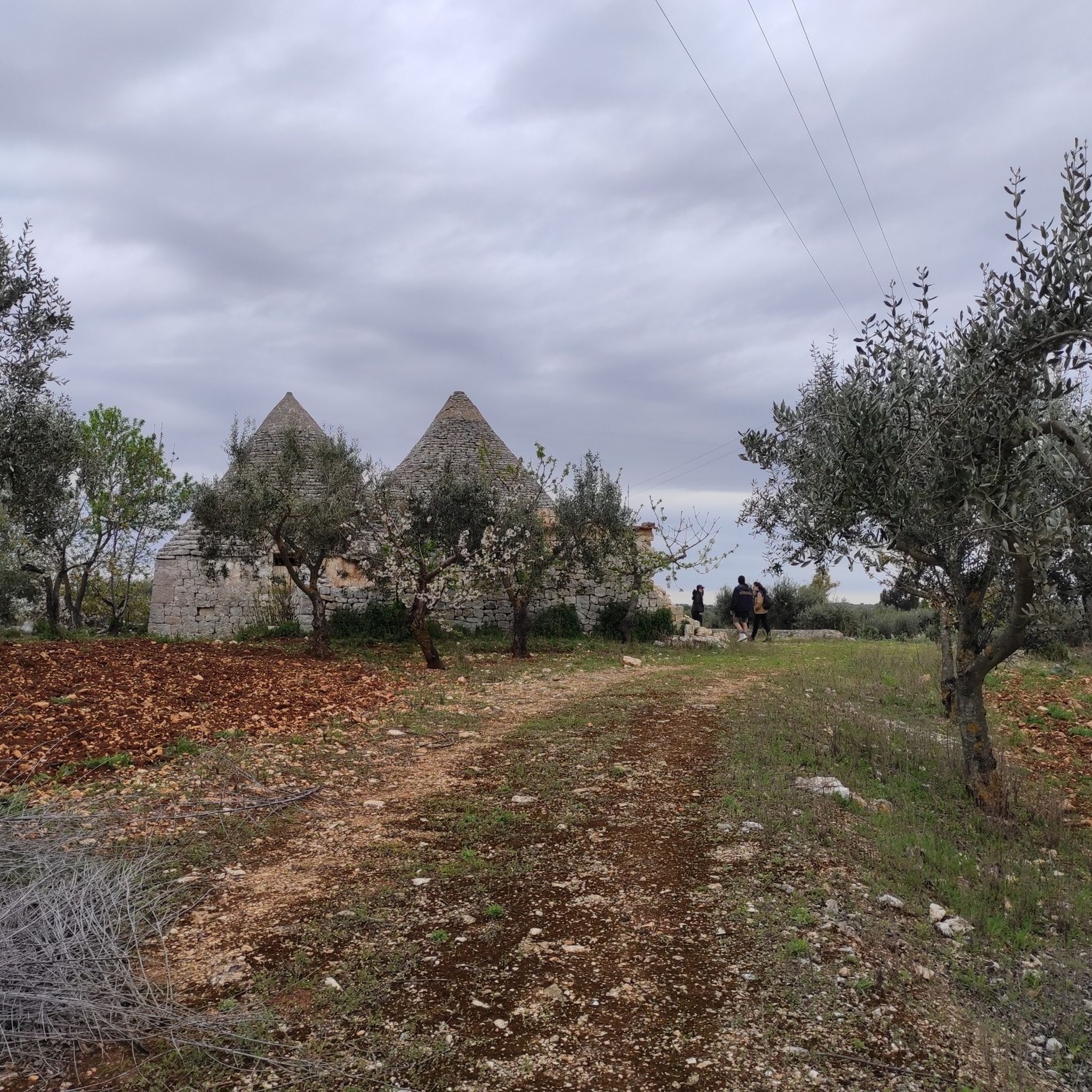
Hiking in Bari
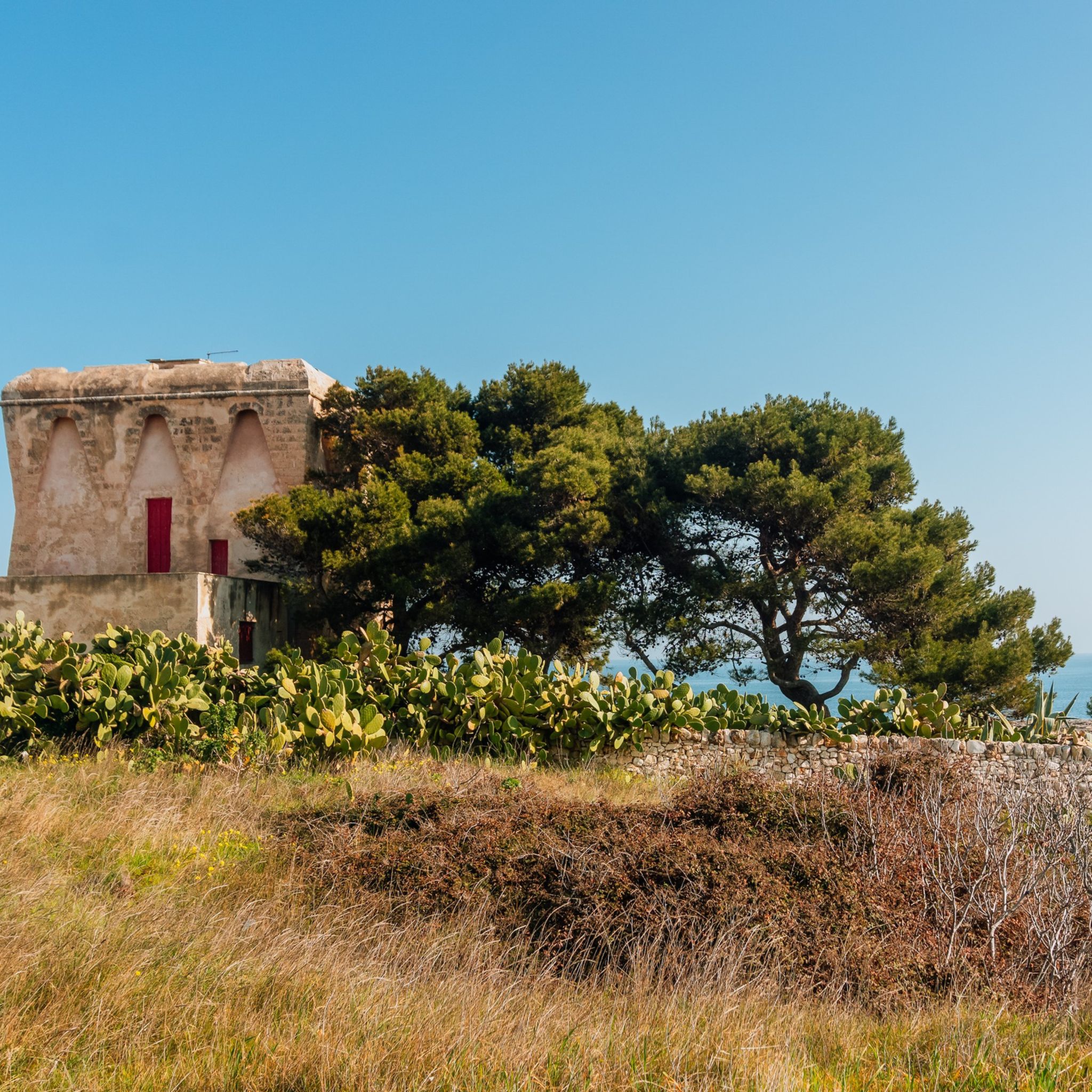
Cycling in Bari
Other adventures in Bari


Tips from the Community

The Canale del Pidocchio, in the countryside of Ruvo di Puglia, is reachable by taking the rural road "Ferrata", which in the final stretch becomes a dirt road, integrating perfectly into the rural, isolated and evocative landscape, located at over 500 meters above sea level. The dry stone walls that delimit the path bear witness to ancient agrarian divisions, often embellished by the presence of pagliari or stone jazzi, today partly dilapidated, a memory of the pre-existing latifundium system. Crossing the characteristic "carrari", dirt roads with a rocky or stabilized bottom, today in some points interrupted by plowing operations, you reach a suggestive stone bridge, built entirely dry. It is a small architectural jewel of considerable historical value, although partly ruined, near which the route ends, offering a wide view of the Canale del Pidocchio.
0
0

bumpy a bit before reaching the blade
0
0

I wasn't expecting a grotto here. But it was closed today.
1
0

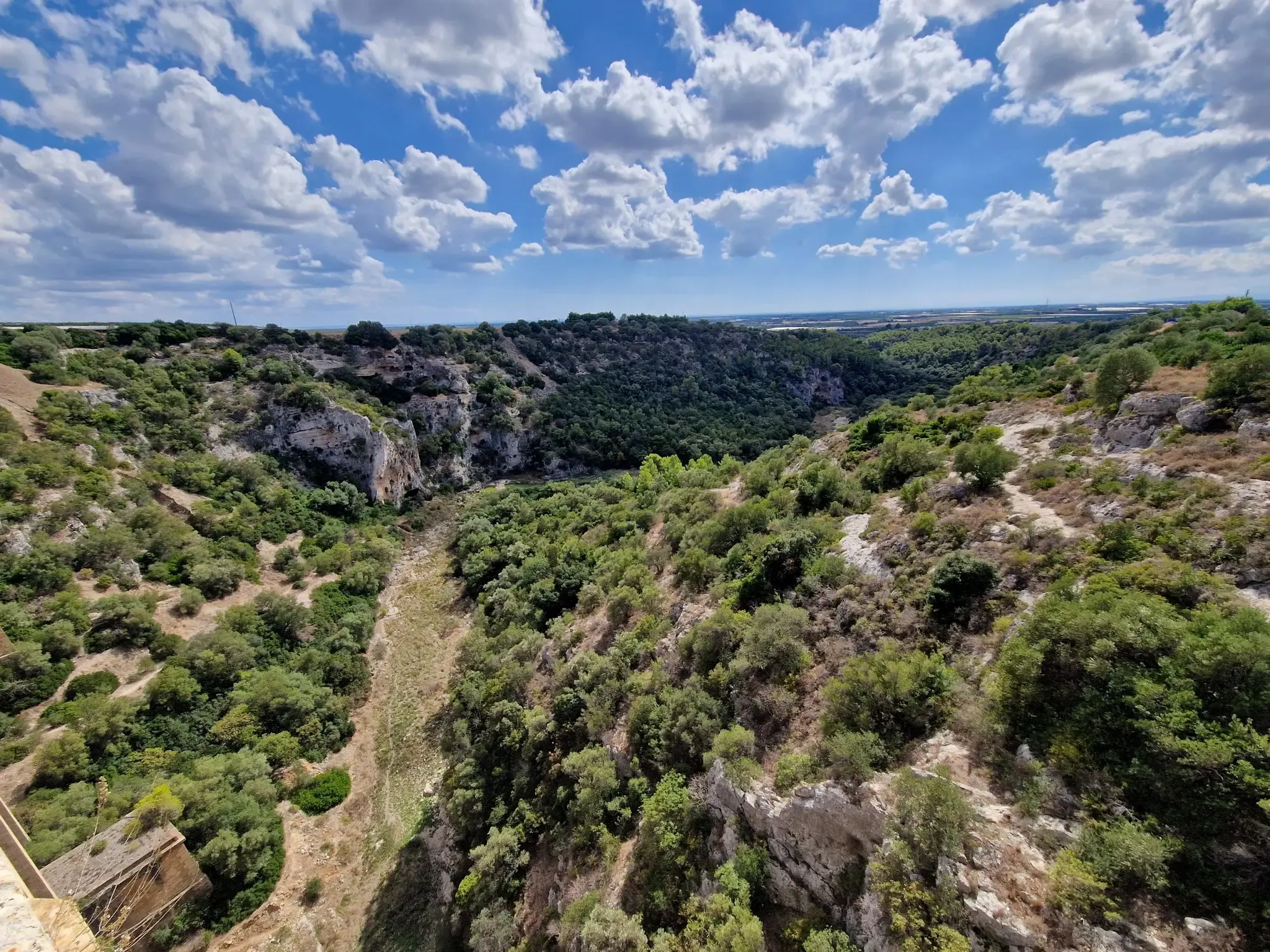
Spectacular sinkhole of karst origin among the highest altitudes of this tour
0
0


The Pulo di Altamura is a sinkhole of karst origin of the bowl type, created by the channeling of rainwater right at this point. This created a more or less circular depression with a diameter of about 500 m. with a maximum depth of 75 meters. Along the walls, which are very steep in some points, caves and ravines have been created which indicate the different levels of excavation by the waters. These caves represent a real archaeological heritage because they were inhabited since the earliest ages of prehistory. The route includes an unpaved stretch of about 1 km that can also be easily covered by racing bike.
2
0

One of the most beautiful naturalistic places in Puglia. The view is breathtaking from every perspective; it can be easily reached by MTB. It is preferable to explore it on foot due to the cavities dug in the ground and the considerable presence of stones that make the MTB experience quite impervious.
1
0

karst dolina https://it.wikipedia.org/wiki/Pulicchio_di_Gravina
0
0
Frequently Asked Questions
What types of natural canyons can I explore in the Bari region?
The Bari region, particularly Puglia, features diverse natural 'canyons' primarily formed by karst erosion. These include vast inland sinkholes like the Pulo of Altamura, deep ravines such as the Gravina di Laterza, and dramatic coastal cliffs with sea caves found in areas like Polignano a Mare. These formations offer unique geological features and varied landscapes.
Are there any significant archaeological or historical sites within the canyons?
Yes, several canyons in the region hold significant archaeological and historical importance. The Pulo of Altamura, for instance, is a sinkhole with steep walls containing caves and ancient hermitages, showing evidence of human habitation dating back over 5,000 years. Similarly, the San Martino Cave is a site linked to karst phenomena of considerable historical and archaeological importance, opening on the low reliefs of the Murgia.
What are the best places for hiking and exploring trails near the canyons?
For hiking and exploring, the Alta Murgia National Park, home to the Pulo of Altamura, offers panoramic paths and rugged landscapes. The Terra delle Gravine Regional Natural Park, where the Gravina di Laterza is located, also provides well-marked trails catering to various fitness levels, allowing visitors to explore the canyon rim and surrounding hills. You can also find trails like the Lama Baronale Trail (Via di Annetta).
Can I find family-friendly activities or easy routes in the Bari canyons?
While many canyon areas offer rugged terrain, there are options for families. The Pulo of Altamura has panoramic paths suitable for walks, and the Gravina di Laterza features trails for all fitness levels. For a coastal experience, Polignano a Mare offers boat tours to explore sea caves, which can be an exciting family activity. Always check specific trail conditions for suitability with children.
What is the best time of year to visit the canyons in Bari?
The best time to visit the canyons in Bari is generally during the spring (April to June) and autumn (September to October) months. During these periods, the weather is milder and more pleasant for outdoor activities like hiking and exploration, avoiding the intense heat of summer and the cooler, potentially wetter conditions of winter. Sunset is particularly recommended for its dramatic lighting on the red earth and rock cavities at locations like the Pulo of Altamura.
Are there opportunities for birdwatching in the canyon areas?
Yes, the canyons, especially the Gravina di Laterza within the Terra delle Gravine Regional Natural Park, are excellent for birdwatching. This protected area is rich in biodiversity and is home to various bird species, including golden eagles and kestrels. The unique micro-habitat at the bottom of the Pulo of Altamura also supports diverse flora and fauna, including various bird species.
What kind of unique natural features can I expect to see in the Bari canyons?
You can expect to see a variety of unique natural features. These include vast karst sinkholes like the Pulo of Altamura with its steep walls and ancient caves, deep limestone ravines such as the Gravina di Laterza, and numerous karst caves like the Curtomartino Cave and San Martino Cave. Along the coast, areas like Polignano a Mare feature dramatic cliffs and sea-carved grottos, including the Ardito Cave and Horseshoe Cave.
What outdoor activities, besides hiking, can I do near the canyons in Bari?
Beyond hiking, the Bari region offers various outdoor activities. You can find excellent road cycling routes, with options like the 'Bari, Conversano, and Polignano a Mare Loop.' There are also numerous running trails, including city loops and longer routes like the 'Peucetian Way.' For off-road adventures, consider gravel biking, with routes such as the 'Aqueduct Bridge – Curtomartino Cave loop'.
Are there any coastal canyon experiences or sea caves to explore?
Yes, Polignano a Mare offers a unique coastal 'canyon' experience. The town is perched atop jagged limestone cliffs that plunge into the Adriatic Sea, with the sea carving numerous caves and inlets. You can explore these sea caves, such as Grotta Palazzese, Grotta Azzurra, and Grotta Arcivescovado, by boat. The iconic Lama Monachile beach, nestled between two high rock walls, is also a must-see coastal feature.
What is the Gravina di Laterza and why is it significant?
The Gravina di Laterza, located within the Terra delle Gravine Regional Natural Park, is considered one of Europe's deepest and most impressive canyons. This massive limestone ravine, carved over millennia, stretches 12 kilometers long, up to 400 meters wide, and features vertical walls reaching 200 meters in height. It's significant for its breathtaking landscapes, rich biodiversity, and numerous rock-hewn villages and ancient rock-cut churches.
What are some of the lesser-known or 'hidden gem' canyons in the Bari area?
While the larger sites are well-known, the region also features other interesting karst formations. The Pulicchio di Gravina is another natural monument worth exploring. Additionally, the Pulo di Molfetta offers a combination of natural monument, cave, and historical site, providing a glimpse into the region's diverse geological and cultural heritage.
Most popular routes in Bari
Most popular attractions in Bari

Get inspired with the komoot mobile app


Didn’t find what you were looking for?
Want to see even more gorges? See the best ones in Bari region by region:
Explore more
Already discovered everything in this region? See additional gorges in Bari for your next adventure:
