Top 20 Caves in Malaga
Caves in Malaga province offer insights into geology, prehistory, and natural formations. The region features a variety of cave systems, from extensive caverns with geological wonders to sites with significant archaeological findings. These natural landmarks provide opportunities to explore underground landscapes and historical human presence. Malaga's diverse terrain contributes to the formation of unique cave environments.
Best caves in Malaga
- The most popular caves is Nerja Cave, a cave that features impressive geological formations and archaeological significance. It is known for its vast chambers and ancient human habitation evidence.
- Another must-see spot is Cat Cave, a cave with a natural waterfall. Visitors can expect to see a large system of underground caves with a distinctive entrance shape.
- Visitors also love Mozarabic Rock-Hewn Hermitage of Virgen de la Cabeza, a religious building and historical site. This site is special for its rock-hewn architecture and historical significance.
- Malaga is known for natural caves, rock-hewn structures, and cave systems with waterfalls. The region offers a variety of caves to see and explore, from geological formations to historical sites.
- The caves in Malaga are appreciated by the komoot community, with more than 35 highlights, over 217 photos, and more than 145 upvotes.
Last updated: October 10, 2026
Nerja Cave
Highlight • Cave
You have to book in advance for a VIP visit. The normal sightseeing tour has an audio guide in the language of your choice.
Translated by Google •
Tip by

Cat Cave
Highlight • Cave
Showing Translation
Tip by

Sign up now to discover places like this
Get recommendations on the best single tracks, peaks, & plenty of other exciting outdoor places.
Cave Houses of Sierra Parda
Highlight • Cave
Showing Translation
Tip by

Source of the Río Grande of Yunquera
Highlight • River
Translated by Google •
Tip by

Túnel de los Tafonis
Highlight • Cave
More information on the formation of the orographic/geological environment of the El Chorro region (Malaga): dialnet.unirioja.es/descarga/articulo/8712992.pdf
Translated by Google •
Tip by

Mozarabic Rock-Hewn Hermitage of Virgen de la Cabeza
Highlight • Religious Site
Translated by Google •
Tip by

Benaoján
Highlight • Settlement
In the neighborhood of the train station, following the trail PR-A 253 or SL-A 139, you can visit Cueva del Gato. It is an impressive system of permanent water galleries that has a total length of more than four kilometres. On the other side is Montejaque, where there is another exit known as the Cueva del Hundidero.
Translated by Google •
Tip by

Cueva del Hundidero
Highlight • Cave
Translated by Google •
Tip by

Ojén
Highlight • Settlement
Translated by Google •
Tip by
Cueva del Tesoro
Highlight • Cave
The Cueva del Tesoro is a fascinating mix of natural wonder, history and myth. It offers not only spectacular rock formations, but also a mysterious atmosphere surrounded by its legends. Open daily, times vary depending on the season.
Translated by Google •
Tip by

Sign up for free to discover even more caves in Malaga.
Already have an account?
Start today with a free account
Your next adventure awaits.
Popular around Malaga

Triathlon 360 – my journey around the world

Road to Lisbon – bikepacking the Alps, Pyrenees and Picos de Europa
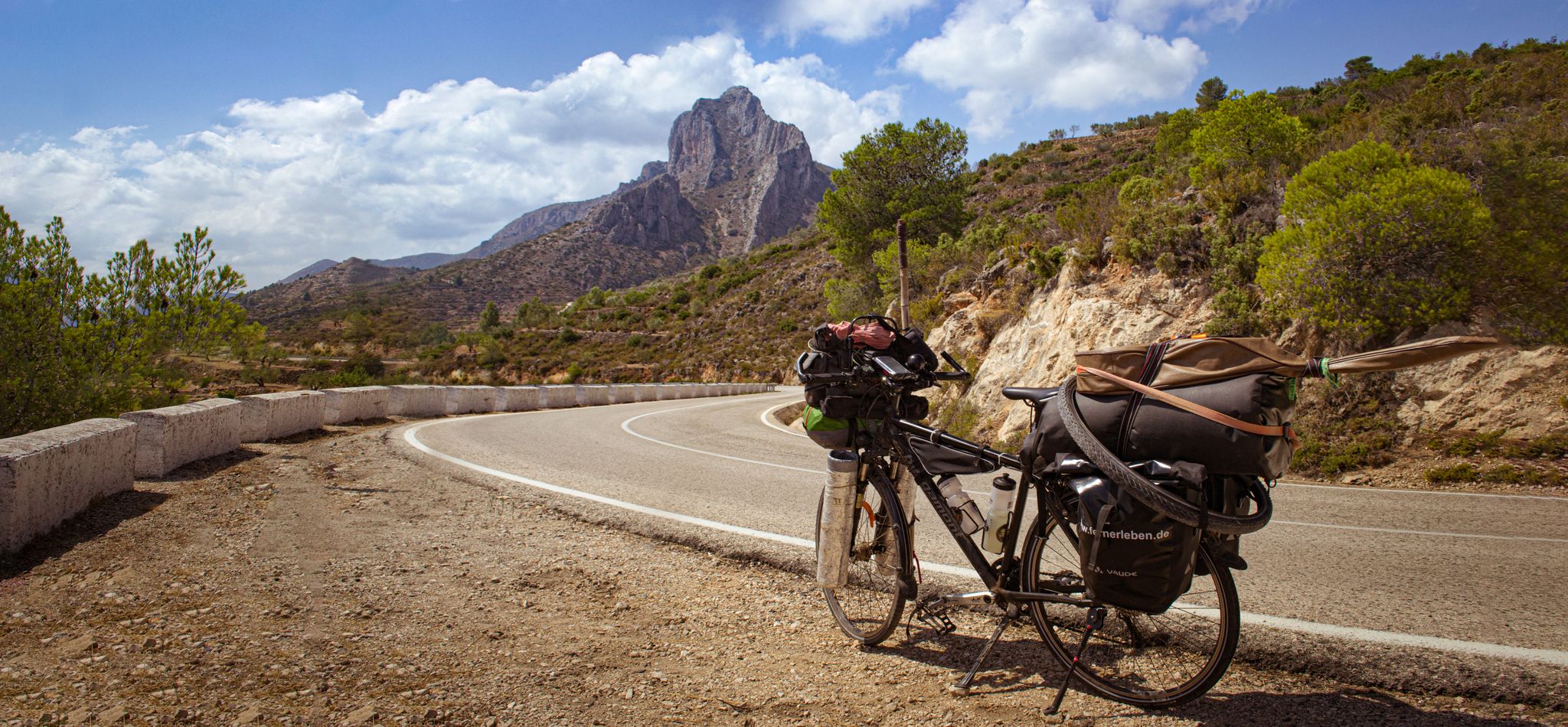
On the road to the sun — bikepacking to southeast Spain
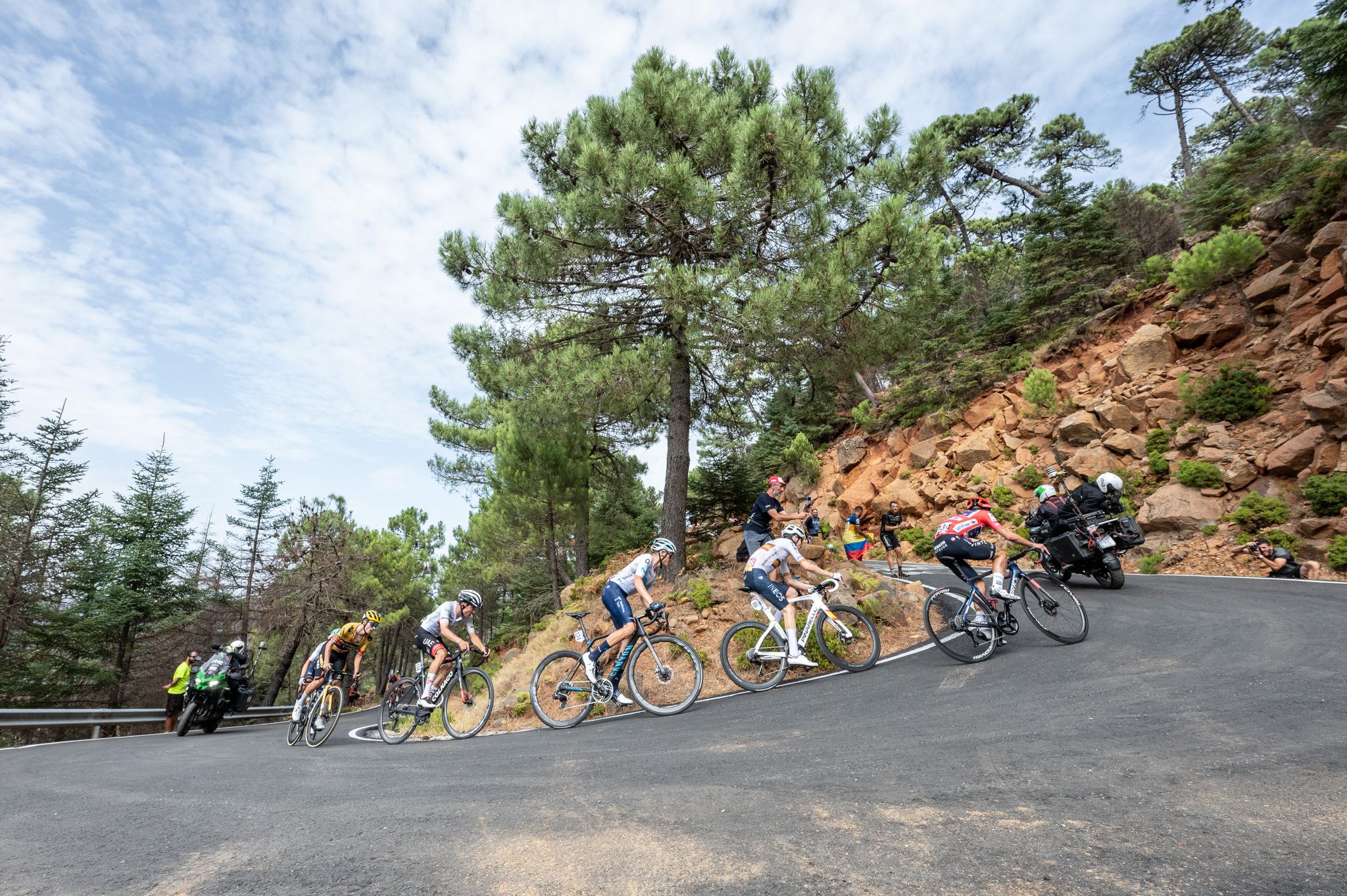
La Vuelta 26 — All Official Stages
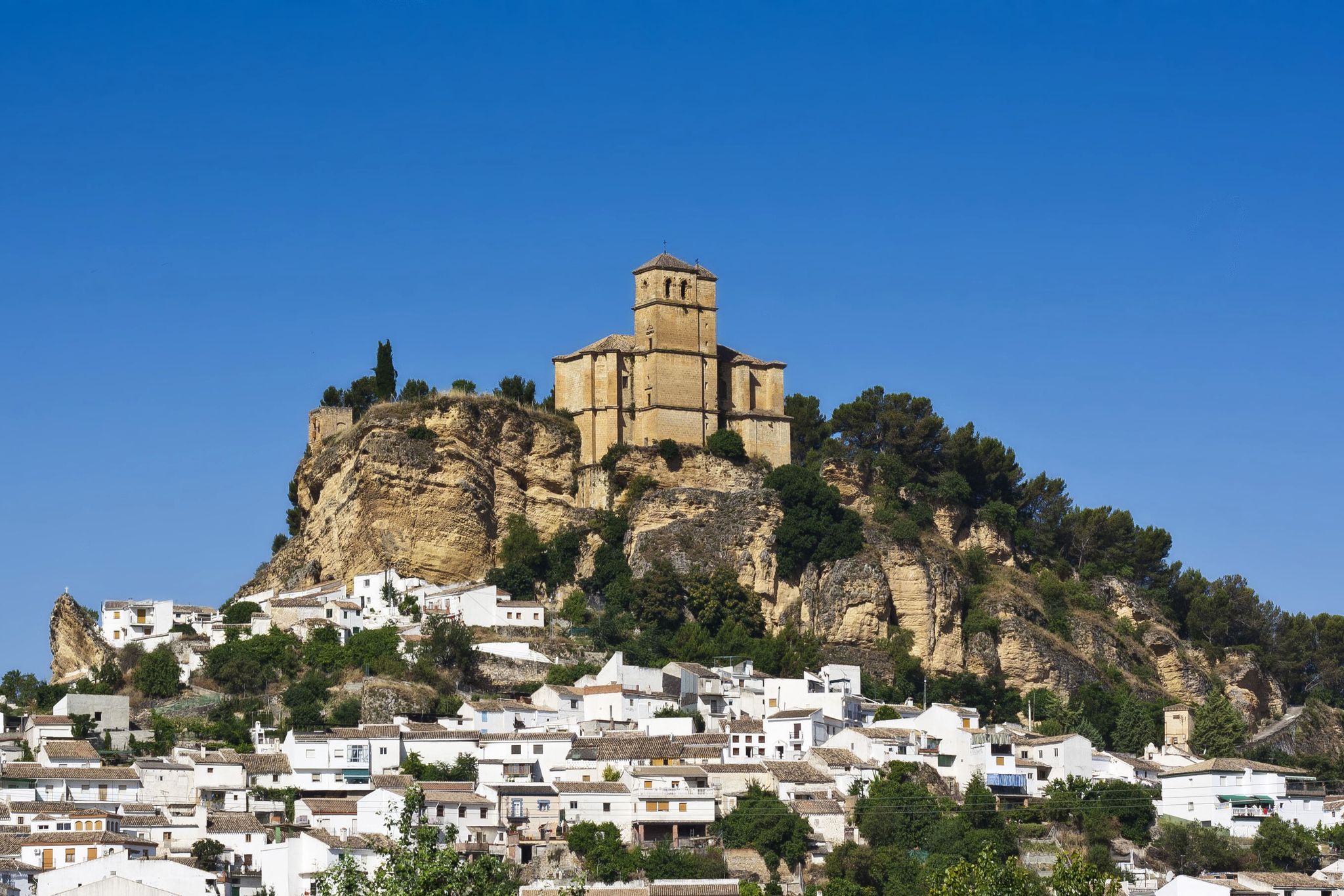
Washington Irving – cycle through the Arab vestiges of Andalusia
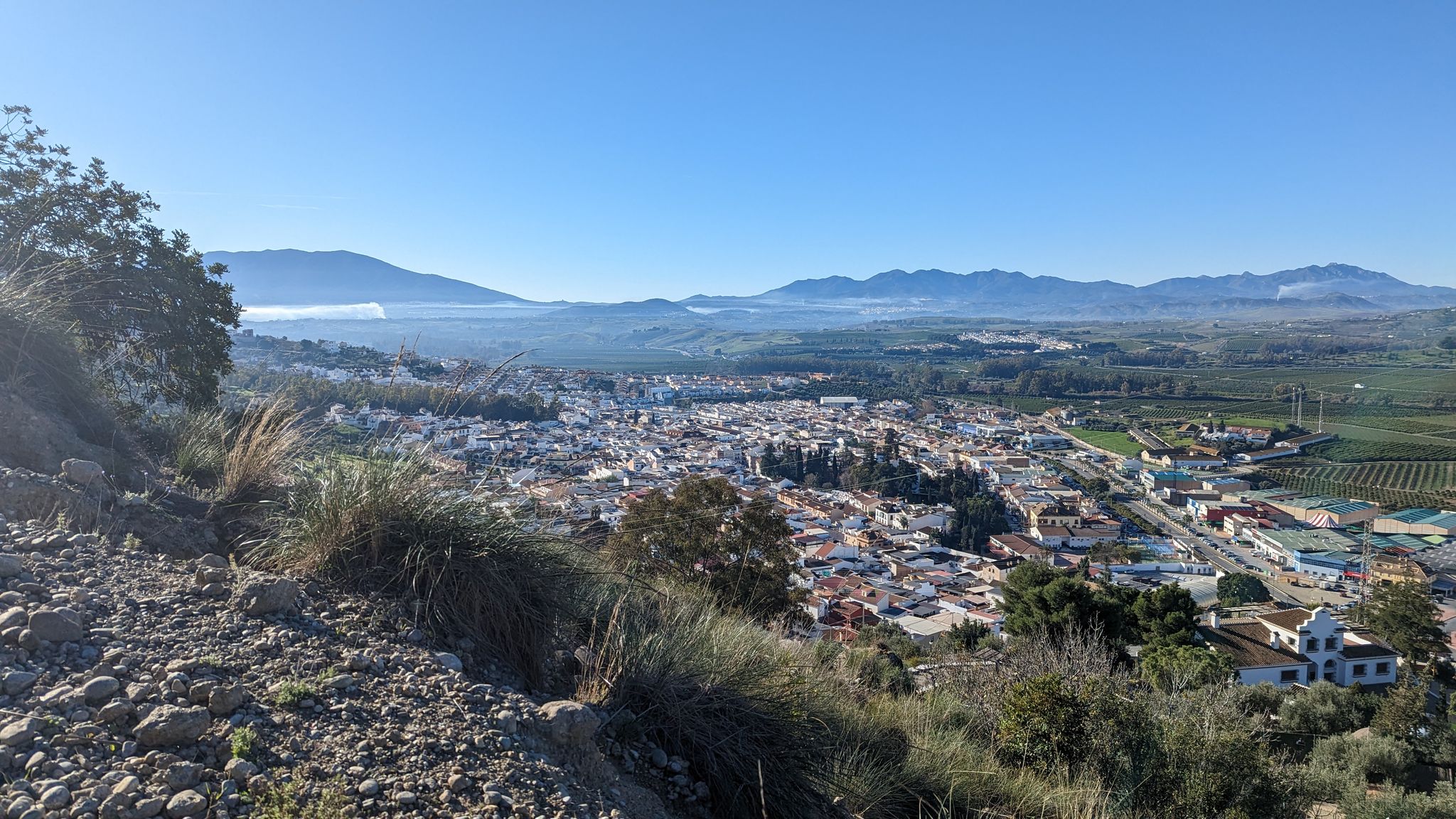
River path to the sea in Andalusia – Gran Senda del Guadalhorce (GR 248)
The beauty of the Andalusian mountains – Transandalus southern section
Explore the Betic Mountains on two wheels – Altravesur
Andalusia without limits – Tarifa to La Puebla de Don Fabrique on the GR 7
With TOUR in Andalusia - Costa del Sol and hinterland
Other adventures in Malaga


Tips from the Community

Caminito del Rey is a breathtaking trail in Andalusia that runs high above the Guadalhorce river canyon. It offers an adrenaline-pumping experience, stunning views, and a safe passage through the rocks. Ideal for nature and adventure lovers. Children from 8 years old are allowed, the route is not suitable for people who suffer from fear of heights.
2
0


Short tunnel that was built for the transport of helmets. As a pedestrian, you can also use the tunnel.
3
0
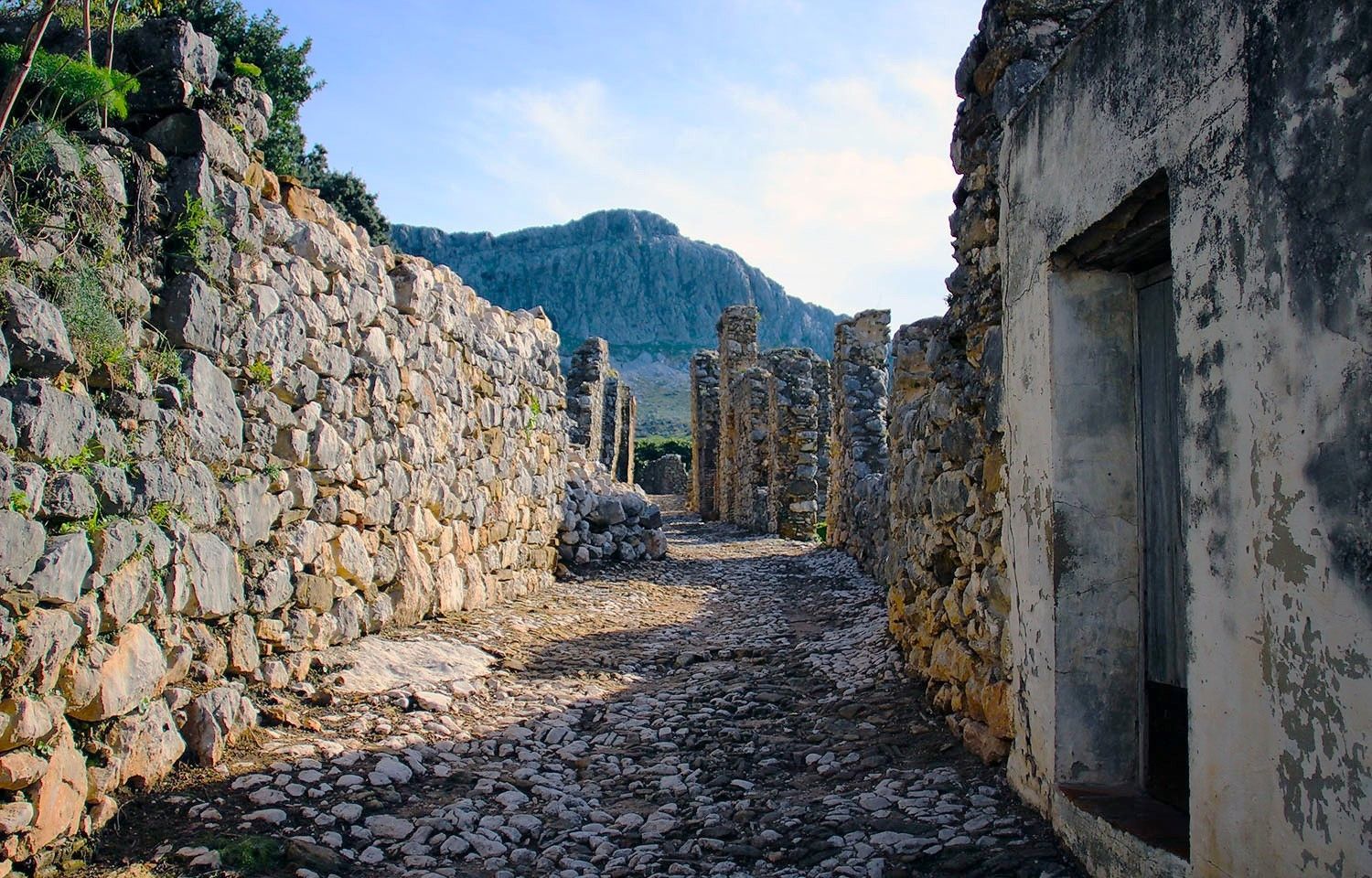
Caves that were formed by erosion, some still well preserved, others already collapsed. The workers of the hydroelectric power plant used to live here.
3
0
Amazing what five boys found in 1959. The Great Hall was found a little later after they dared to venture further inside. For an entrance fee of €18, you get to see a very impressive cave. Additionally, an audio guide, but some don't know how to use it properly - they move around the cave with their phones at full volume.
2
0

This cave is on private land. How could this be sold to a private individual!!? Only option seems to climb the stupid gate at the end of the bridge.
0
0


Short video about hiking in this area could be found on my YouTUBE Channel under the following https://www.youtube.com/watch?v=O9pw2RlrLgA
0
1
Frequently Asked Questions
Which caves in Malaga offer significant prehistoric art and archaeological insights?
For exceptional prehistoric art, visit Cueva de la Pileta near Benaoján, a national monument with authentic Paleolithic and Neolithic paintings and engravings. The Cueva de Ardales also features significant prehistoric paintings over 35,000 years old. While the most fragile paintings in the Nerja Cave are not publicly accessible, a virtual reality room allows visitors to experience them.
Are there any caves in Malaga with unique geological formations or marine origins?
The Nerja Cave is famous for its spectacular formations, including the world's largest known stalactite. For a truly unique experience, Cueva del Tesoro in Rincón de la Victoria is one of only three known marine-origin caves in the world and the only one in Europe that can be visited, featuring distinctive smooth walls and underground lakes formed by the sea.
What are the best options for family-friendly cave visits in Malaga?
The Nerja Cave is very family-friendly, with well-maintained pathways, audio guides, and amenities like a restaurant and souvenir shop. The Cueva del Tesoro also offers accessible exploration with audio guides and theatrical visits, making it engaging for families. Additionally, Túnel de los Tafonis is listed as family-friendly.
What is the best time of year to visit the caves in Malaga?
Most caves in Malaga are open year-round, making them a good option regardless of the season. However, visiting during spring or autumn can be more comfortable as the weather outside is milder, allowing for pleasant exploration of the surrounding areas before or after your cave visit. It's always advisable to check specific opening hours, especially during winter months, as some may have reduced schedules.
Are there any caves in Malaga that feature natural waterfalls or underground rivers?
Yes, the Cat Cave (Cueva del Gato) is renowned for its natural waterfall and pool of crystalline waters, marking the outlet of the Guadiaro river. The Source of the Río Grande of Yunquera also features water flowing from a cave, forming a small lake.
What kind of outdoor activities can I do near the caves in Malaga?
The region around Malaga's caves offers diverse outdoor activities. You can find numerous cycling routes, such as those in the Cycling in Malaga guide, including routes like 'Nerja, Frigiliana, and Torrox Loop'. For mountain biking, explore trails like 'Circular de Frigiliana y Cómpeta' from the MTB Trails in Malaga guide. There are also running trails, such as 'Paseo de España – La Malagueta Beach loop' in the Running Trails in Malaga guide.
How accessible are the caves in Malaga for visitors with mobility challenges or young children?
The Nerja Cave has well-maintained pathways and stairs, making it relatively easy to navigate for most visitors. While not all caves are fully wheelchair accessible due to their natural terrain, the public section of Nerja Cave is designed to accommodate a wide range of visitors. Always check specific accessibility details with individual cave sites if you have particular requirements.
Are there any historical or religious sites integrated with caves in the Malaga region?
Yes, the Mozarabic Rock-Hewn Hermitage of Virgen de la Cabeza is a notable religious building and historical site carved into rock. Additionally, the Cave Houses of Sierra Parda are historical cave dwellings that once housed hydroelectric power station staff.
What should I wear when visiting caves in Malaga?
Cave temperatures are generally cooler and more constant than outside, often around 18-20°C (64-68°F), even in summer. It's advisable to wear comfortable walking shoes with good grip, as paths can sometimes be damp or uneven. A light jacket or sweater is recommended, especially for longer visits, to stay comfortable in the cooler, humid environment.
Can I find food and drink options near the major caves in Malaga?
Yes, major attractions like the Nerja Cave have on-site facilities including a restaurant and souvenir shop. For other caves, nearby towns often provide options. For example, Cueva de la Pileta is near Benaoján, and Cueva del Tesoro is close to Rincón de la Victoria, both offering local cafes and restaurants.
How long does it typically take to explore the main caves in Malaga?
The duration varies by cave. A visit to the public section of the Nerja Cave typically takes about 45 minutes to an hour, not including time for amenities or the virtual reality room. Cueva del Tesoro also offers tours that last around 45-60 minutes. Cueva de la Pileta tours, which are guided and more intimate, can also last about an hour to an hour and a half.
Are there any caves in Malaga that are less commercialized and offer a more authentic experience?
Cueva de la Pileta, near Benaoján, offers a more authentic and less commercialized experience. It is preserved in its natural state without artificial lighting, with tours often conducted with flashlights by knowledgeable guides, providing a genuine exploration of its prehistoric art and formations.
Most popular routes in Malaga
Most popular attractions in Malaga

Get inspired with the komoot mobile app


Didn’t find what you were looking for?
Discover more caves in Malaga region by region:
Explore more
Extend your search for the best caves by checking out these guides of the top ones in Malaga:
