Top 19 Caves in Castellón
Caves in Castellón offer a range of experiences, from ancient archaeological sites to natural geological formations. The region's diverse landscape includes impressive cave systems sculpted by water erosion over millennia. These subterranean environments provide insights into geological processes and historical human occupation. Castellón features numerous caves, many of which are accessible for exploration.
Best caves in Castellón
- The most popular caves is The Cueva Negra, a cave that is of immense dimensions and can be entered. It is a natural monument and historical site, offering a landscape with history.
- Another must-see spot is Cueva de las Ferrerías, a cave that is an adventure destination. Visitors can reach it by following signs on a well-surfaced path.
- Visitors also love Ruins of Las Cuevas Calientes, a cave and natural monument. These curious caves are believed to have been used for shelter and storage.
- Castellón is known for natural caves, historical sites, and family-friendly exploration opportunities. The region offers a variety of caves to see, including those with geological formations and evidence of past human activity.
- The caves in Castellón are appreciated by the komoot community, with 61 upvotes and 30 photos shared by visitors.
Last updated: August 23, 2026
The Cueva Negra
Highlight • Cave
Translated by Google •
Tip by

Cueva de las Ferrerías
Highlight • Cave
Translated by Google •
Tip by
Sign up now to discover places like this
Get recommendations on the best single tracks, peaks, & plenty of other exciting outdoor places.
Sign up for free
Ruins of Las Cuevas Calientes
Highlight • Cave
Translated by Google •
Tip by
Cantallops Mine
Highlight • Structure
mtiblog.com/2012/05/mina-cantallops-alfondeguilla-castellon.html
Access to the mine is via the Cantallops Road, which begins in Forcall Gorge and ends in the town of Alfondeguilla.
Translated by Google •
Tip by

Caves
Highlight • Cave
Translated by Google •
Tip by

Cave of Pla de les Muletes
Highlight • Cave
Showing Translation
Tip by

Camí de les Coves de Vinromà
Highlight • Cycleway
Translated by Google •
Tip by
La Morería
Highlight • Cave
La Morería, currently owned by the Fundación Docente Privada de les Coves de Vinromà, is a place that impresses. Near the center of the town, next to the Coves river, it is a place that has dazzled the world for many reasons, since it has been the historical cradle of many of the civilizations that have passed through here. There are cave paintings in one of the caves in the mountain and also remains of Moorish constructions, since it was there where they settled after the Christian conquest, hence the name by which we know it.
But what has been on the minds of the residents is "the story of the miracle of Les Coves de Vinromà", which took place in the Cueva de la Campana in 1947.
Days before December 1, 1947, a girl named Raquel, who was then only 8 years old, claims that the Virgin Mary appeared to her in the Campana de la Morería cave. This fact spread rapidly along with the girl's prediction that on December 1, there would be a great event: at three in the afternoon, the day would turn into night and miracles would occur.
The society in post-war times, of hardships, hunger and poverty, was in need of similar events; For this reason, more than 300,000 people came to the municipality to witness these events, according to witnesses.
But nothing happened, it was the coldest day of the whole year, all hopes were dashed, even so, many months later, stimulated people continued to come.
Near the place of the Moorish neighborhood you can still see and visit some of the 17 hydraulic mills of the municipality, which boosted the economy of the time. They are still standing, some of them from the 14th century, as well as part of their water collection pipes.
In addition, it has recently been declared a flora micro-reserve by the Generalitat Valenciana, due to the peculiarity of the two slopes of the river: On the one hand, the Morería cliff, as it is a place where the sun never hits it directly, is a humid place where the flora that inhabits it is not normal in these latitudes. On the other, when crossing the river we find the typical vegetation of the Mediterranean climate with aromatic plants and scrubs characteristic of this area.
Translated by Google •
Tip by

Cueva de la Tosca
Highlight • Cave
Translated by Google •
Tip by

Cave of the Air
Highlight • Cave
Translated by Google •
Tip by

Sign up for free to discover even more caves in Castellón.
Sign up for free
Already have an account?
Start today with a free account
Your next adventure awaits.
Login or Signup
Popular around Castellón

Triathlon 360 – my journey around the world
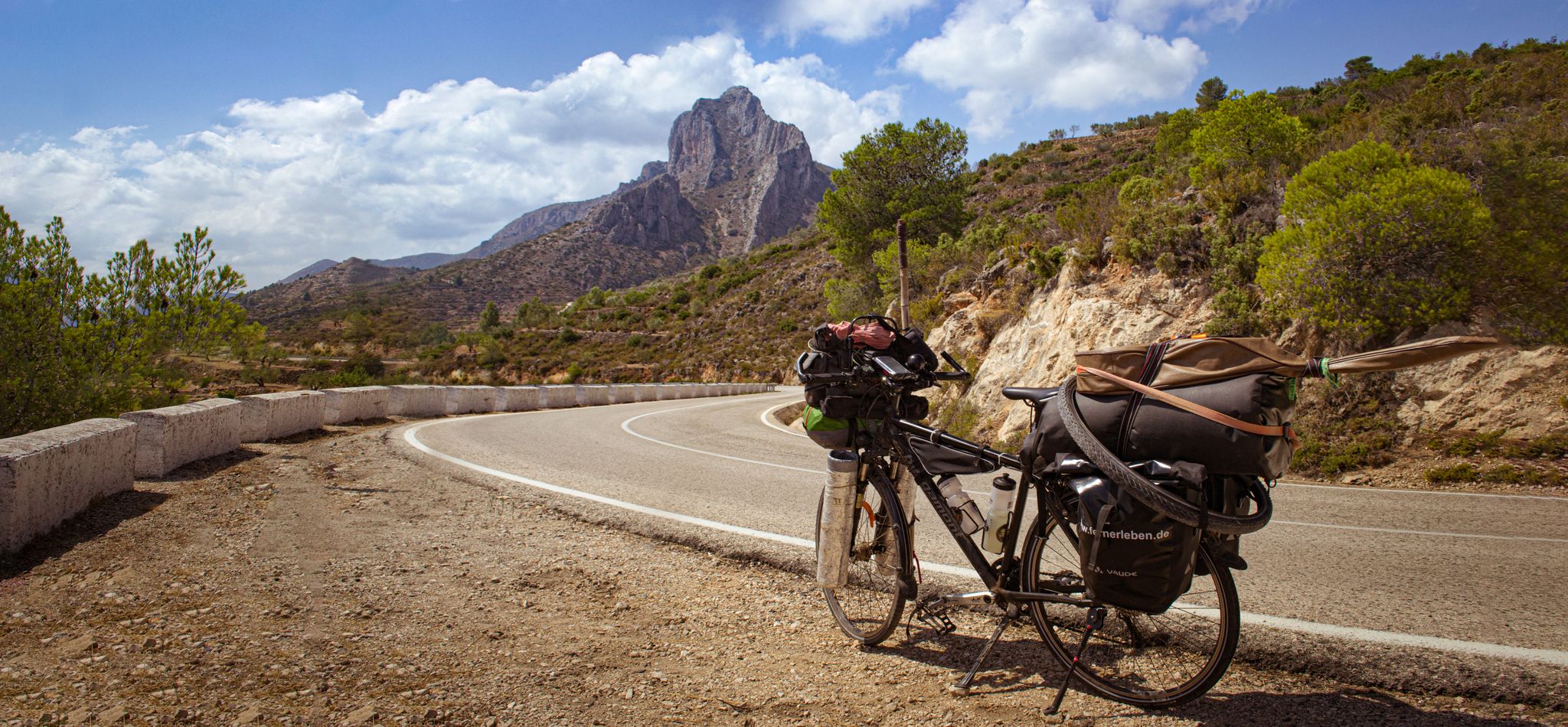
On the road to the sun — bikepacking to southeast Spain
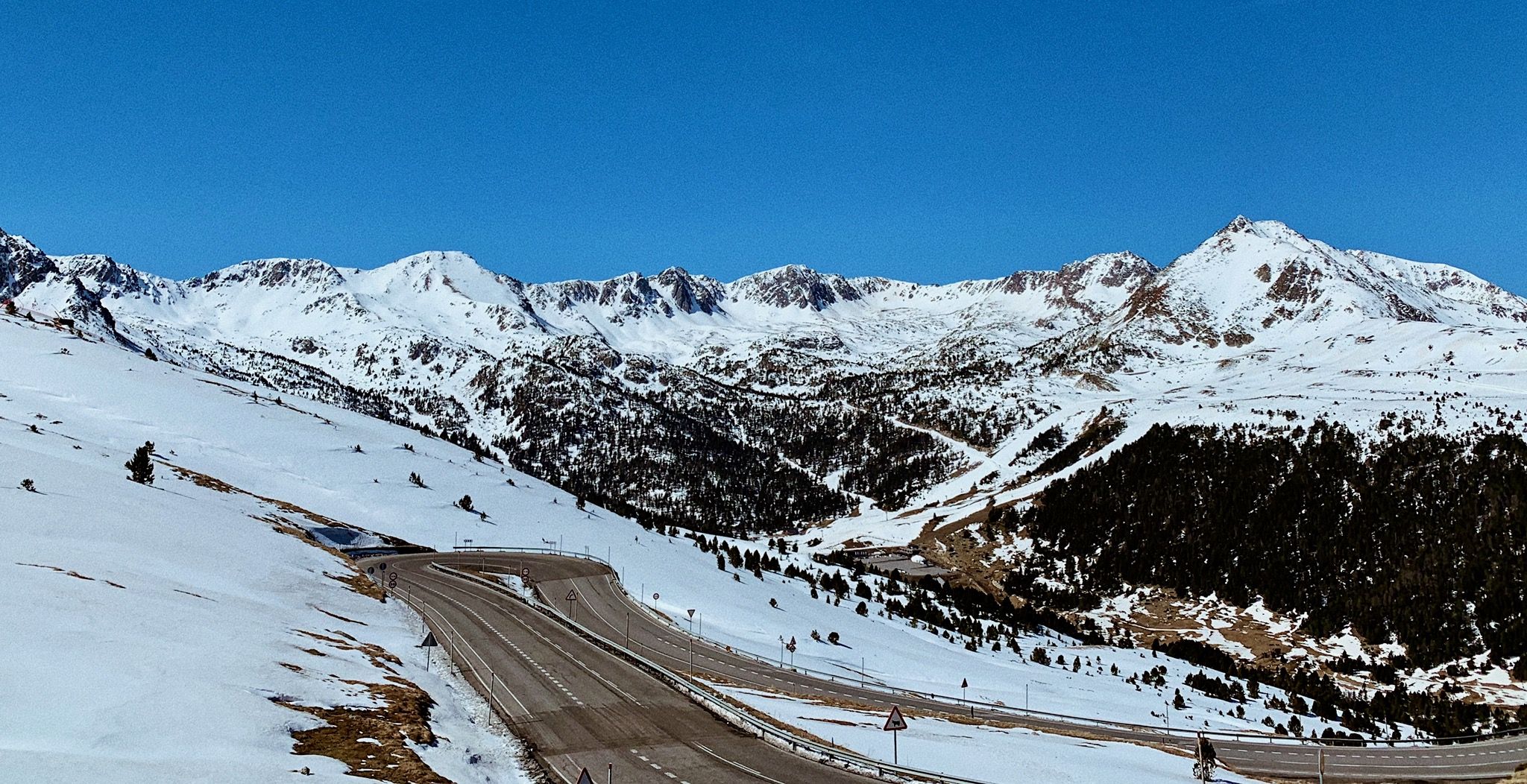
Valencia to Toulouse — Riding over the Pyrenees
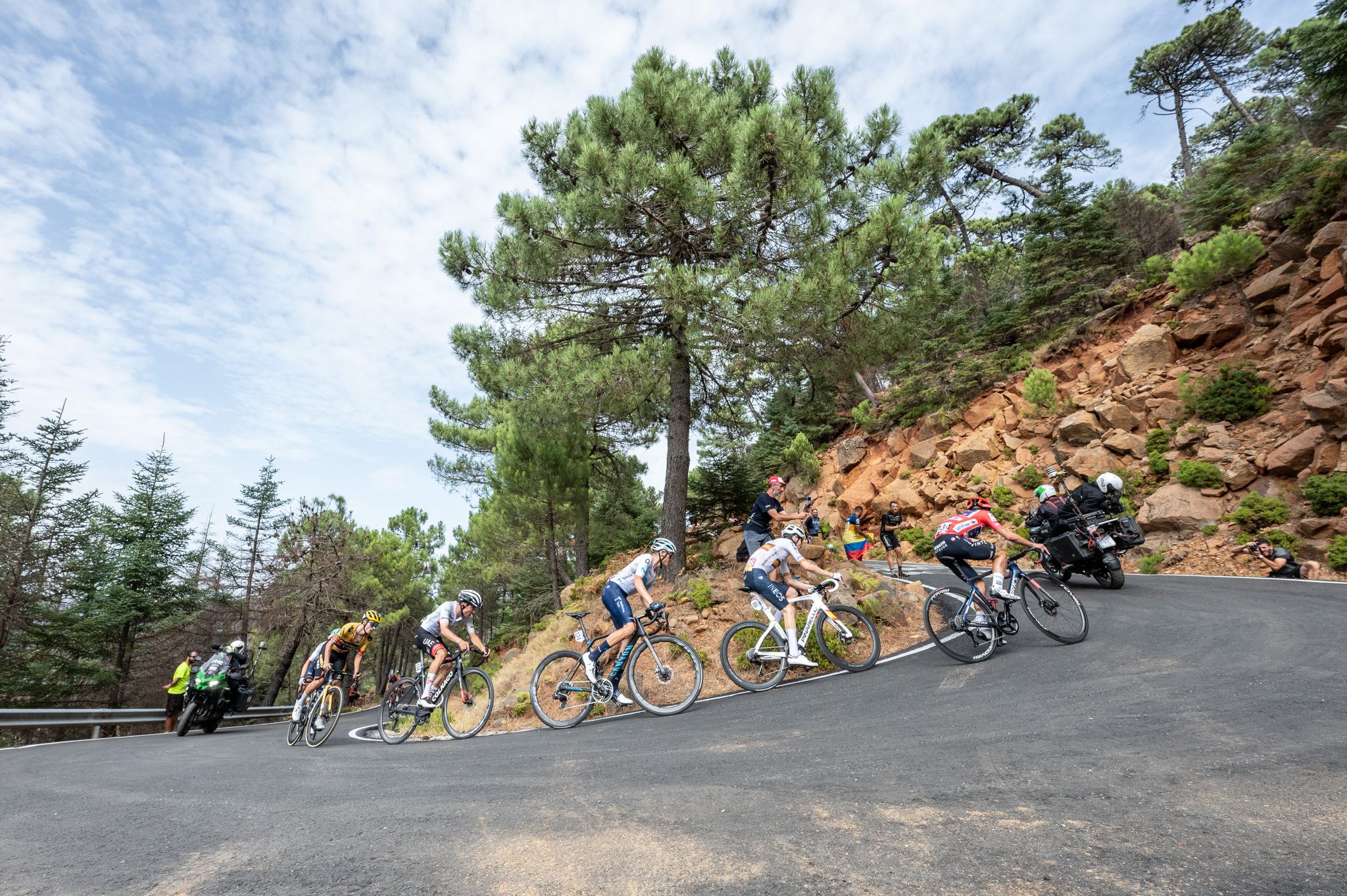
La Vuelta 26 — All Official Stages
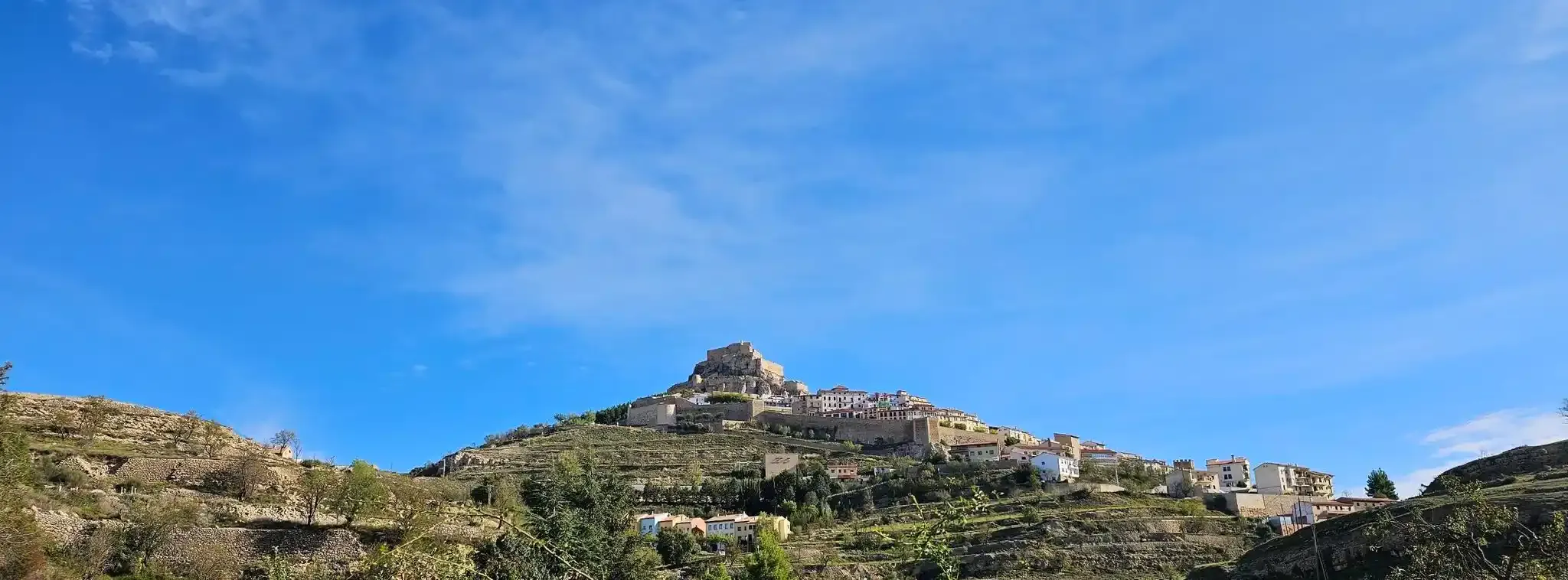
Between castles and walls - Ring of Morella
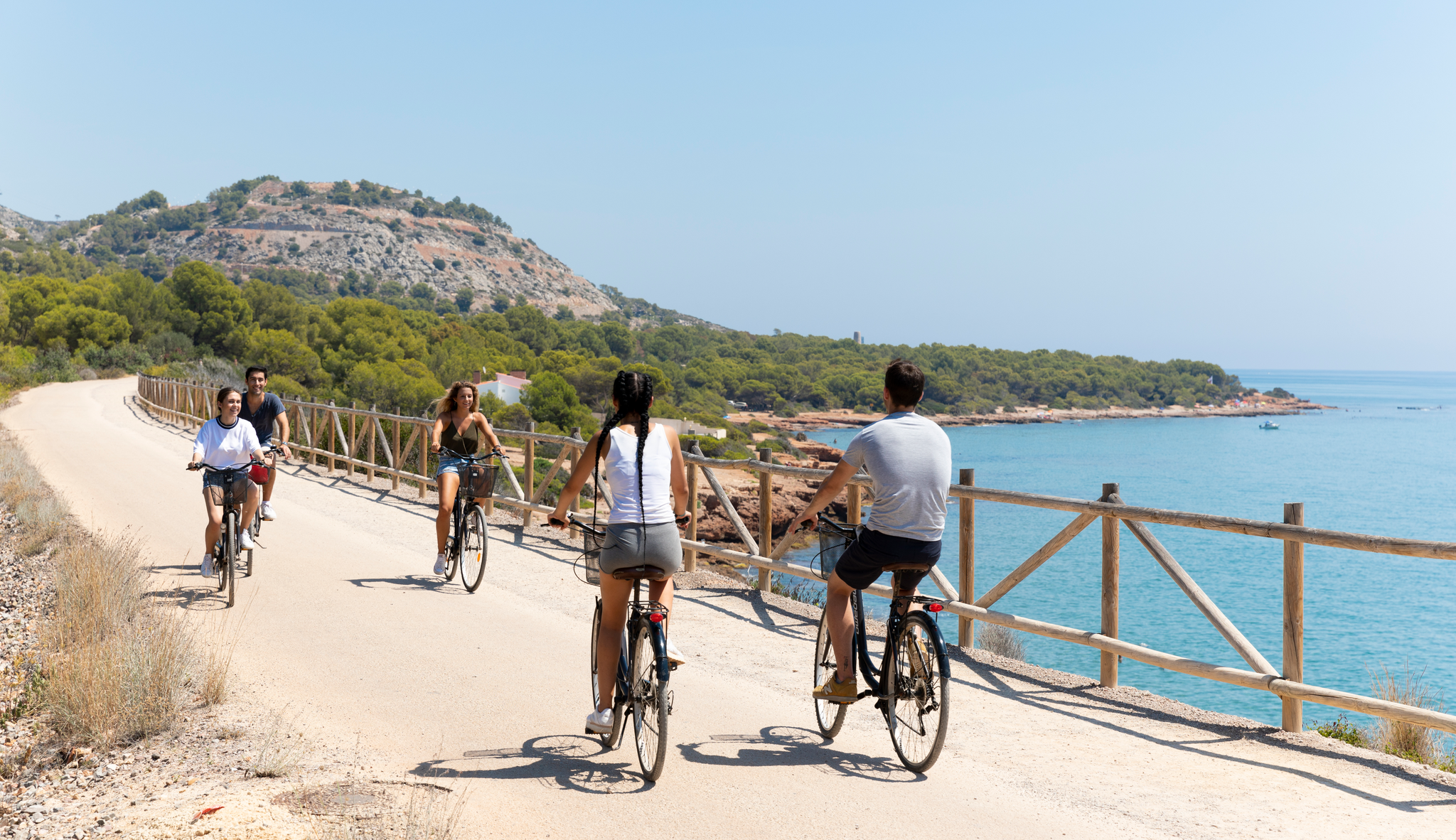
Costa del Azahar and the interior of Castellón by its greenways

European D̶I̶V̶I̶D̶E̶ Connect Trail Project – a journey across Europe
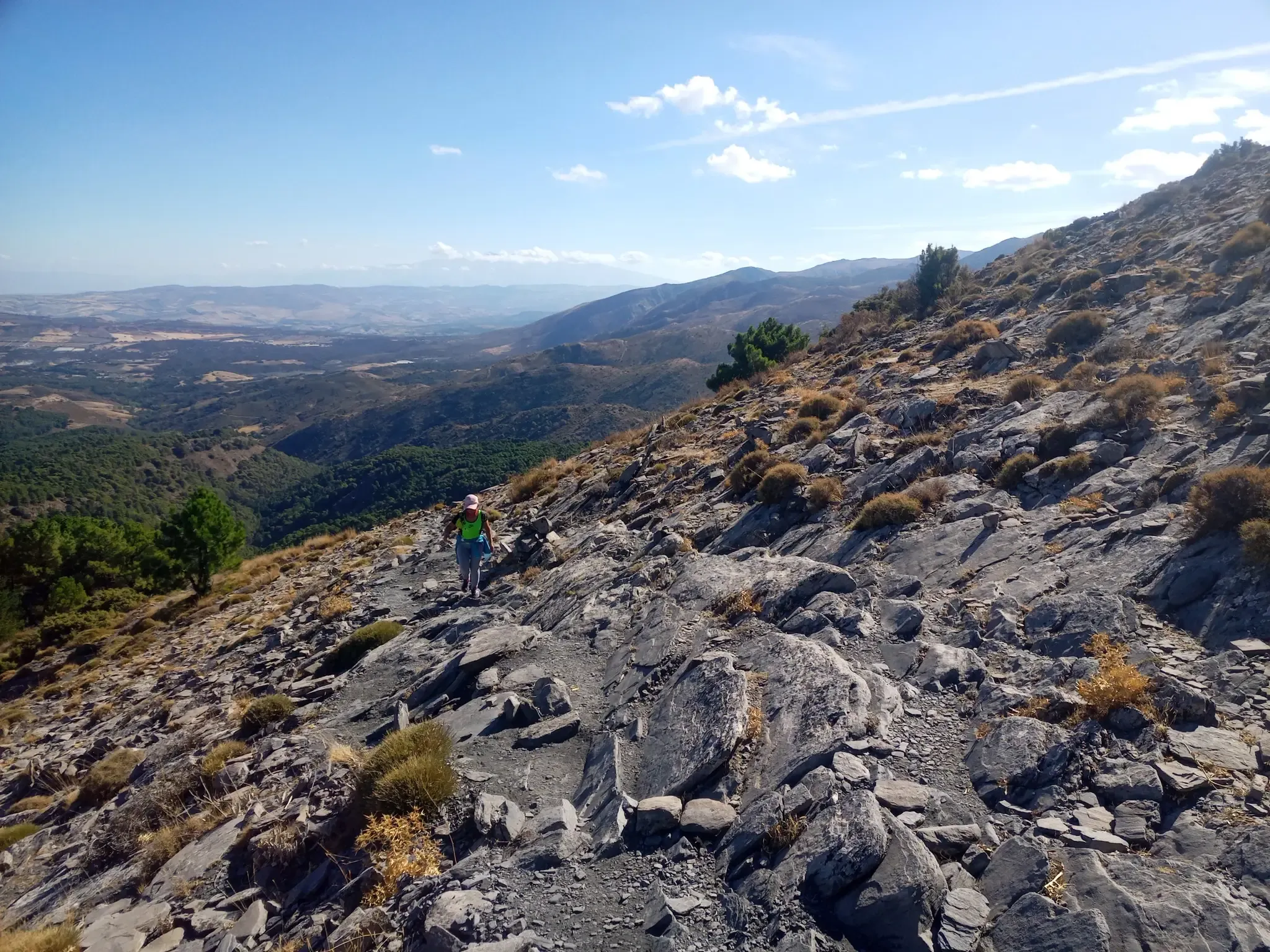
12 hiking gems throughout Spain
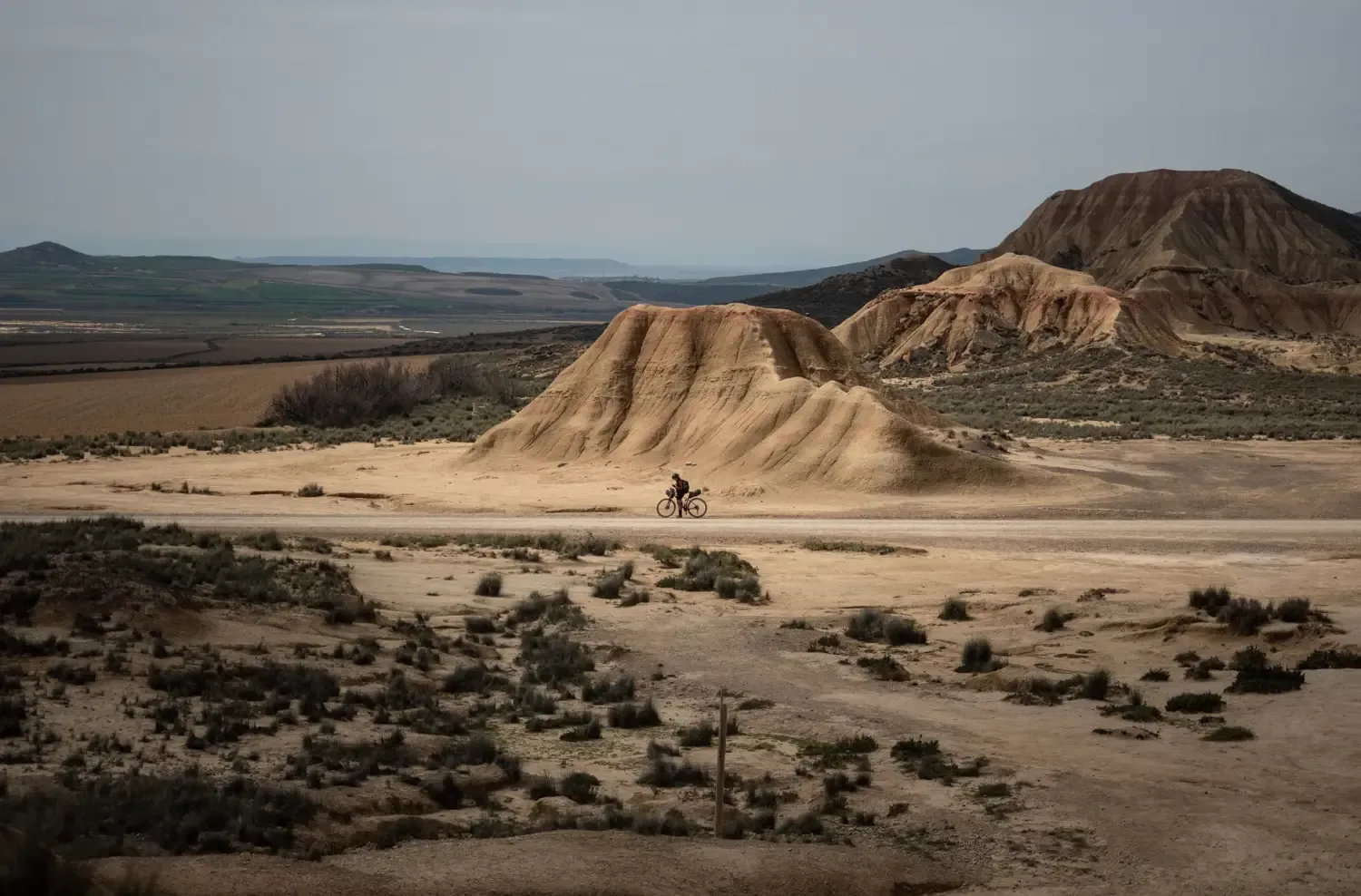
9 mountain biking routes in undiscovered Spain
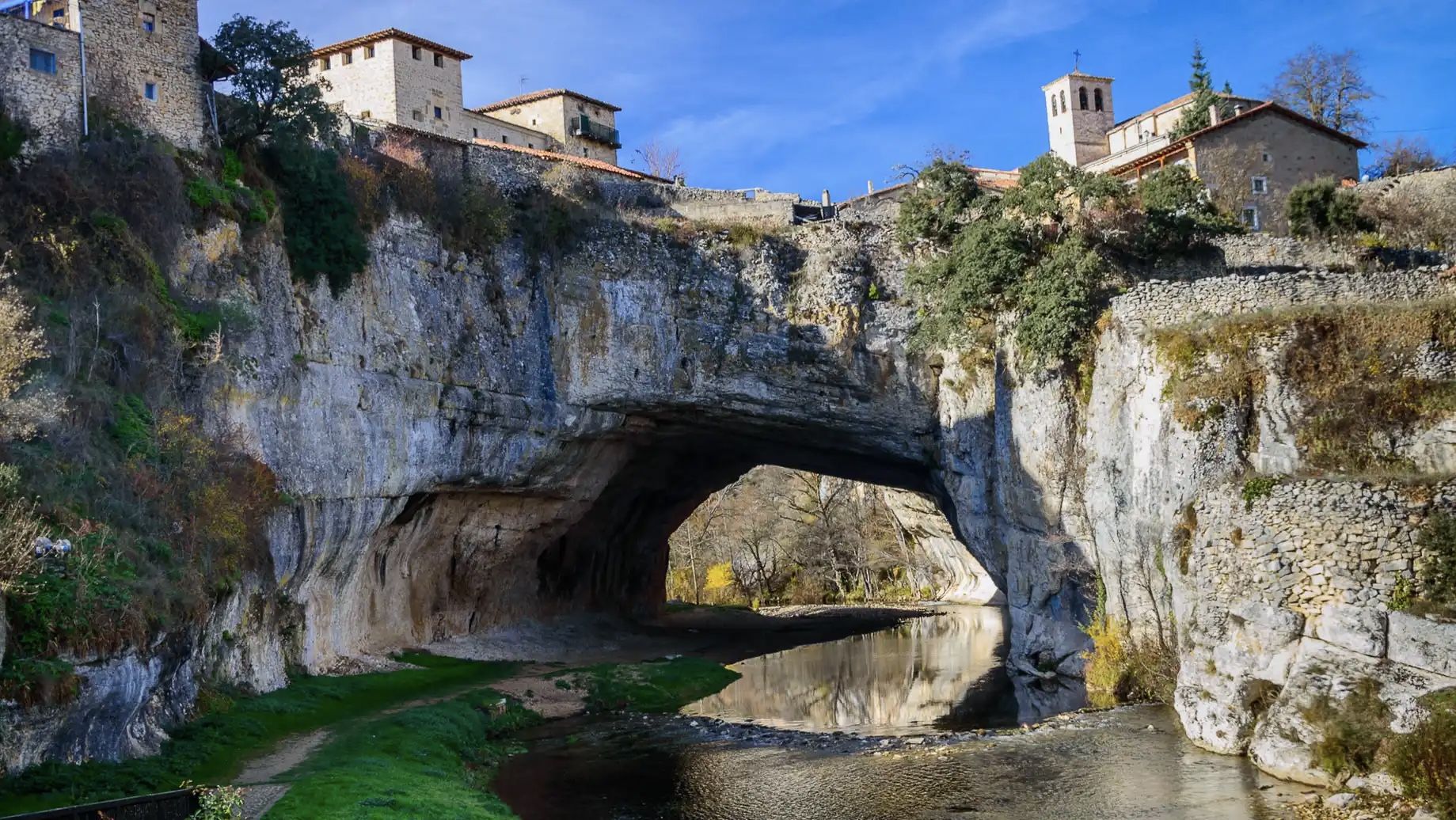
An epic getaway – Santander-Mediterráneo Nature Trail
Other adventures in Castellón


Tips from the Community

From the cave entrance, the views are impressive. The landscape opens up to a sea of pine trees that merges into the Mediterranean horizon, broken only by the reddish cliffs.
0
0

The tour begins at the hermitage of San Antonio and follows a path that passes over a small wooden bridge and a waterfall. The cave is protected to preserve its vegetation and the geological formations that have taken millions of years to form.
3
0
The Cueva de La Tosca is located near Villahermosa del Río, in the province of Castellón. It is a natural cave formed by water erosion, where you can see impressive limestone formations such as stalagmites and stalactites. The route to the cave is ideal for families, as it is not very complicated and offers spectacular views of the natural environment.
3
0

Interesting mercury mine known as Els pous de Cantallops (Fontanelles area), with a vertical well about 30 m high, carved into the rock. https://www.mtiblog.com/2012/05/mina-cantallops-alfondeguilla-castellon.html Access to the mine is via the Cantallops Road, which begins in Forcall Gorge and ends in the town of Alfondeguilla.
9
0

Beautiful scenery and fun gravel route
2
0

Place located next to the San Miguel river and near the urban area. Place of great interest to visit, in it there are several caves. La Morería, currently owned by the Fundación Docente Privada de les Coves de Vinromà, is a place that impresses. Near the center of the town, next to the Coves river, it is a place that has dazzled the world for many reasons, since it has been the historical cradle of many of the civilizations that have passed through here. There are cave paintings in one of the caves in the mountain and also remains of Moorish constructions, since it was there where they settled after the Christian conquest, hence the name by which we know it. But what has been on the minds of the residents is "the story of the miracle of Les Coves de Vinromà", which took place in the Cueva de la Campana in 1947. Days before December 1, 1947, a girl named Raquel, who was then only 8 years old, claims that the Virgin Mary appeared to her in the Campana de la Morería cave. This fact spread rapidly along with the girl's prediction that on December 1, there would be a great event: at three in the afternoon, the day would turn into night and miracles would occur. The society in post-war times, of hardships, hunger and poverty, was in need of similar events; For this reason, more than 300,000 people came to the municipality to witness these events, according to witnesses. But nothing happened, it was the coldest day of the whole year, all hopes were dashed, even so, many months later, stimulated people continued to come. Near the place of the Moorish neighborhood you can still see and visit some of the 17 hydraulic mills of the municipality, which boosted the economy of the time. They are still standing, some of them from the 14th century, as well as part of their water collection pipes. In addition, it has recently been declared a flora micro-reserve by the Generalitat Valenciana, due to the peculiarity of the two slopes of the river: On the one hand, the Morería cliff, as it is a place where the sun never hits it directly, is a humid place where the flora that inhabits it is not normal in these latitudes. On the other, when crossing the river we find the typical vegetation of the Mediterranean climate with aromatic plants and scrubs characteristic of this area.
0
0
A landscape with history. In the vicinity of Xàtiva is the Cova Negra, declared a Municipal Natural Area in 2006, an essential visit.
11
3

Wonderful place! Not only a cave, but also a very nice waterfall, all in a very picturesque setting. You will have to deviate just a few meters from the track and there you will find it!
2
0
Frequently Asked Questions
What are the most unique cave experiences in Castellón?
The most unique experience is found at the Coves de Sant Josep, home to Europe's longest navigable underground river. Visitors explore the caves on a quiet boat ride, marveling at spectacular geological formations and ancient cave paintings. Another notable experience is exploring the extensive galleries and subterranean river of Cueva de Cerdaña, one of the largest caves in Spain.
Are there caves in Castellón with significant historical or archaeological importance?
Yes, several caves hold historical significance. The Coves de Sant Josep is an important Palaeolithic site with human occupation dating back 17,000 years and UNESCO World Heritage cave paintings. Cueva de Cerdaña is known as a "Cave-Sanctuary" from the Iberian era. Additionally, the Ruins of Las Cuevas Calientes are believed to have been used for shelter and storage, and the Civil War shelters offer a glimpse into more recent history.
Which caves in Castellón are suitable for families with children?
Several caves are family-friendly. The route to Cueva de la Tosca is considered ideal for families due to its manageable path and scenic views. The Cueva Negra is a vast cave that children often enjoy exploring. Cueva de Cerdaña also offers an educational and exciting experience for families, allowing them to learn about geology and ecology.
What kind of geological formations can I expect to see in Castellón's caves?
Castellón's caves, formed by water erosion, feature impressive limestone formations. You can expect to see magnificent stalactites (hanging from the ceiling), stalagmites (rising from the floor), columns (where stalactites and stalagmites meet), and siphons. Notable examples include formations like "the Medusa" and "La Cascada de la Flor" in the Coves de Sant Josep.
Are there any caves in Castellón that feature underground rivers?
Yes, the most prominent is the Coves de Sant Josep, which boasts Europe's longest navigable underground river. Cueva de Cerdaña also features a subterranean river with crystal-clear waters flowing through its chambers.
What are some lesser-known or 'hidden gem' caves to explore in Castellón?
For those seeking less crowded spots, Cueva de las Ferrerías is an adventure destination that, while hidden, is reachable by following signs on a well-surfaced path. La Morería, located near the San Miguel river, is another area of interest with several caves.
What is the best time of year to visit caves in Castellón?
The Coves de Sant Josep maintain a constant temperature of around 20ºC (68ºF) year-round, making it a comfortable visit regardless of the season. For other caves, spring and autumn generally offer pleasant weather for exploring the surrounding areas and trails leading to the caves.
Are there opportunities for more adventurous cave exploration or speleology?
Yes, Cueva de Cerdaña, with its extensive galleries, is ideal for those interested in speleology. For a more challenging experience, the Cantallops Mine, a historical mercury mine, offers an adventure with a vertical well carved into the rock.
What outdoor activities or hiking trails are available near the caves in Castellón?
The region around Castellón's caves offers numerous outdoor activities. You can find various hiking trails, including easy, moderate, and difficult options. For example, the 'Los Estrechos Trail' is an easy hike, while 'The Bojera Path (SL-CV 105) — Circular to the Cova Negra' offers a more challenging experience. You can explore more options on the Hiking in Castellón guide.
Is there an entrance fee or guided tour required for any of Castellón's caves?
Yes, for the Coves de Sant Josep, a guided boat tour is required to navigate Europe's longest underground river. It is advisable to check their official website for current fees and booking information.
Are any caves in Castellón wheelchair accessible?
While many natural caves present accessibility challenges due to their terrain, the Coves de Sant Josep offers boat tours that may accommodate visitors with mobility needs. It is recommended to contact them directly for specific accessibility information and arrangements.
How long does a typical visit to a major cave system like Coves de Sant Josep take?
A visit to the Coves de Sant Josep typically involves an approximately 45-minute boat ride through the underground river, followed by a short walking section. Including arrival, waiting, and departure, you should plan for at least 1.5 to 2 hours for the full experience.
What should I wear when visiting caves in Castellón?
Even if it's warm outside, cave interiors can be cool and damp. For the Coves de Sant Josep, the temperature is a constant 20ºC, so light layers are suitable. For other caves, comfortable walking shoes with good grip are essential, and a light jacket is advisable to stay comfortable in the cooler, humid environment.
Most popular routes in Castellón
Most popular attractions in Castellón

Get inspired with the komoot mobile app


Didn’t find what you were looking for?
Discover more caves in Castellón region by region:
Explore more
Extend your search for the best caves by checking out these guides of the top ones in Castellón:
