Attractions and Places To See in Clervaux Canton - Top 20
Attractions and places to see in Clervaux Canton, situated in the Éislek region of northern Luxembourg, feature a combination of historical landmarks, cultural sites, and natural landscapes. The canton is characterized by its wild terrain, deep valleys, and forests, offering opportunities for outdoor activities. It encompasses the Our Nature Park, recognized for its biodiversity, and the Clerve River Valley.
Best attractions and places to see in Clervaux Canton
- The most popular attractions is Clervaux, a settlement known for its cultural highlights. This medieval town features a dominant alignment of its 12th-century castle, the new church, and the Saint Mauritius Abbey.
- Another must-see spot is Molberlee rocky ridge, a viewpoint and natural monument. This unique ridge trail is home to various animal and plant species, offering views of the surrounding rugged landscape.
- Visitors also love Wreckage of a World War II airplane, a historical site located within a forest. This site commemorates a military aircraft accident and honors the individuals involved.
- Clervaux Canton is known for its historical sites, natural features, and cultural points of interest. Visitors can explore castles, abbeys, museums, and extensive hiking trails.
- The attractions in Clervaux Canton are appreciated by the komoot community, with more than 500 upvotes and over 60 photos shared across more than 170 highlights.
Last updated: October 9, 2026
Clervaux
Highlight • Settlement
Translated by Google •
Tip by

Church of Saints Cosmas and Damian, Clervaux
Highlight • Religious Site
The building is constructed of slate, blending harmoniously into the Oeslingen landscape. The veneration of the two martyrs Cosmas and Damian likely dates back to the influence of the Diocese of Liège, to which Clervaux belonged until the French Revolution. Around 1700, Count Albert de Lannoy received relics of these saints from Rome. They are still kept in the church today. The mosaics on the tympanum above the main portal refer to the patronage of these saints over the church.
Translated by Google •
Tip by

Sign up now to discover places like this
Get recommendations on the best single tracks, peaks, & plenty of other exciting outdoor places.
Molberlee rocky ridge
Highlight • Viewpoint
Translated by Google •
Tip by
Belgium–Luxembourg Border on the Vennbahn
Highlight • Cycleway
Translated by Google •
Tip by
St. Maurice and St. Maurus Abbey, Clervaux
Highlight • Religious Site
Expelled from France by anti-religious laws in 1901
Baronville in Belgium became the new home.
1910 Founding and construction of the Abbey of Clervaux (Luxembourg)
Expelled by the occupying power in 1941.
Refuge was found in Belgium (in Chanly, Scy, Rochefort)
1945 return to Clervaux
Address:
Abbey of Saint Maurice
1, place de l'abbaye
L-9737 CLERVAUX
Grand Duchy of Luxembourg
Tel: 00352 / 92 10 27
Fax: 00352 / 92 01 44
E-mail: abbaye-clervaux@cathol.lu
Translated by Google •
Tip by

St. Michael's Chapel
Highlight • Religious Site
Translated by Google •
Tip by
Mill in Asselborn
Highlight • Monument
Translated by Google •
Tip by

Wreckage of a World War II airplane
Highlight • Historical Site
Translated by Google •
Tip by

Vennbahn Cycle Path at Troisvierges Tunnel
Highlight • Cycleway
Translated by Google •
Tip by
Schüttburg Castle
Highlight • Castle
Translated by Google •
Tip by
Sign up for free to discover even more attractions in Clervaux Canton.
Already have an account?
Start today with a free account
Your next adventure awaits.
Popular around Clervaux Canton
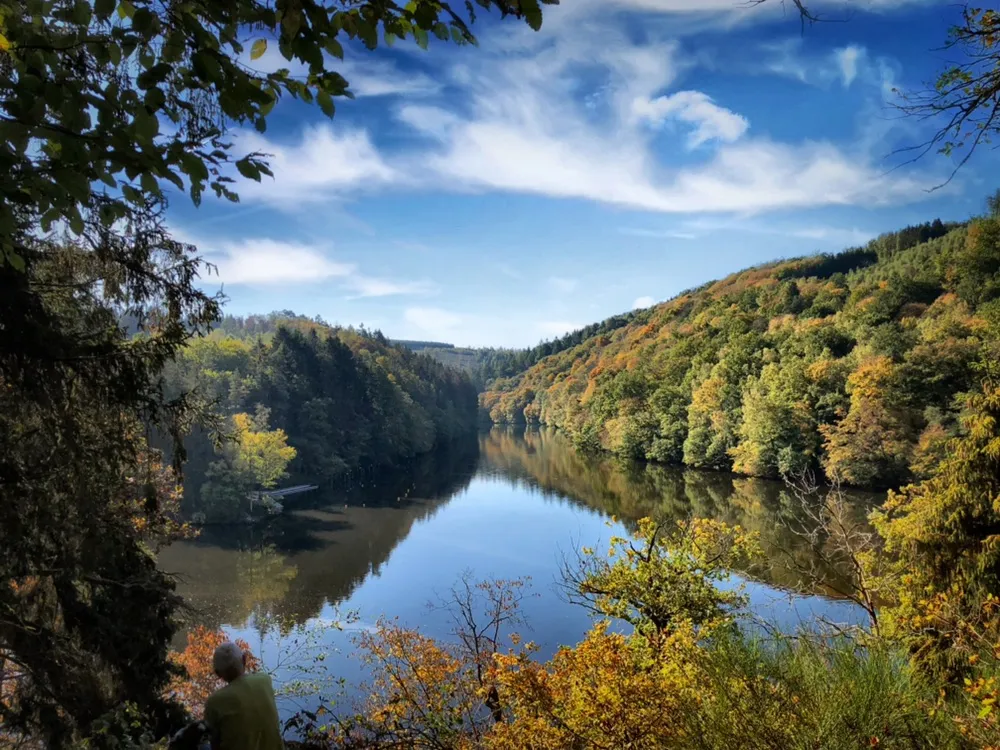
Deep valleys and mysterious forests - L'Escapardenne
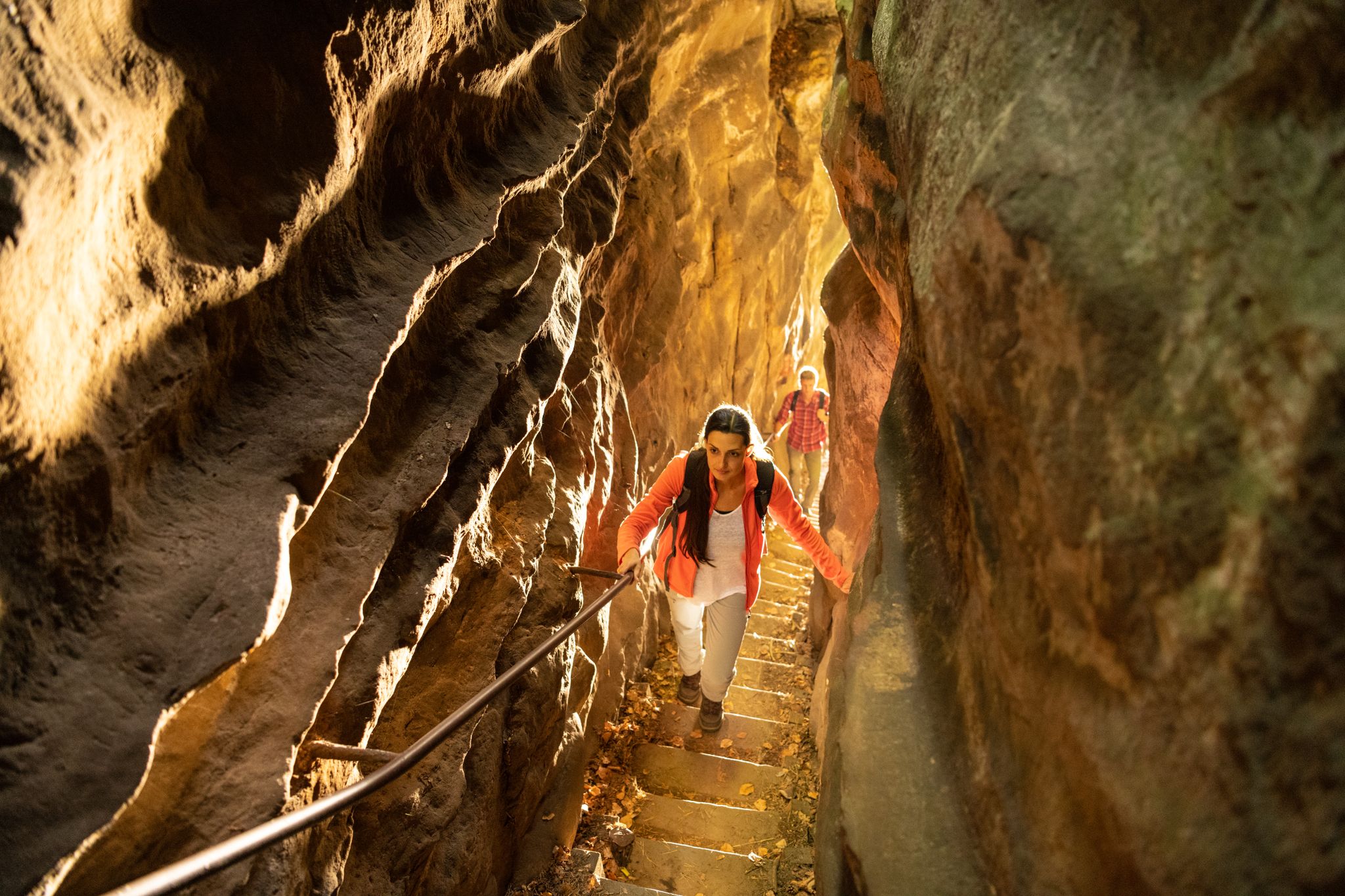
Lakes, castles and rocks – hiking in the NaturWanderPark delux
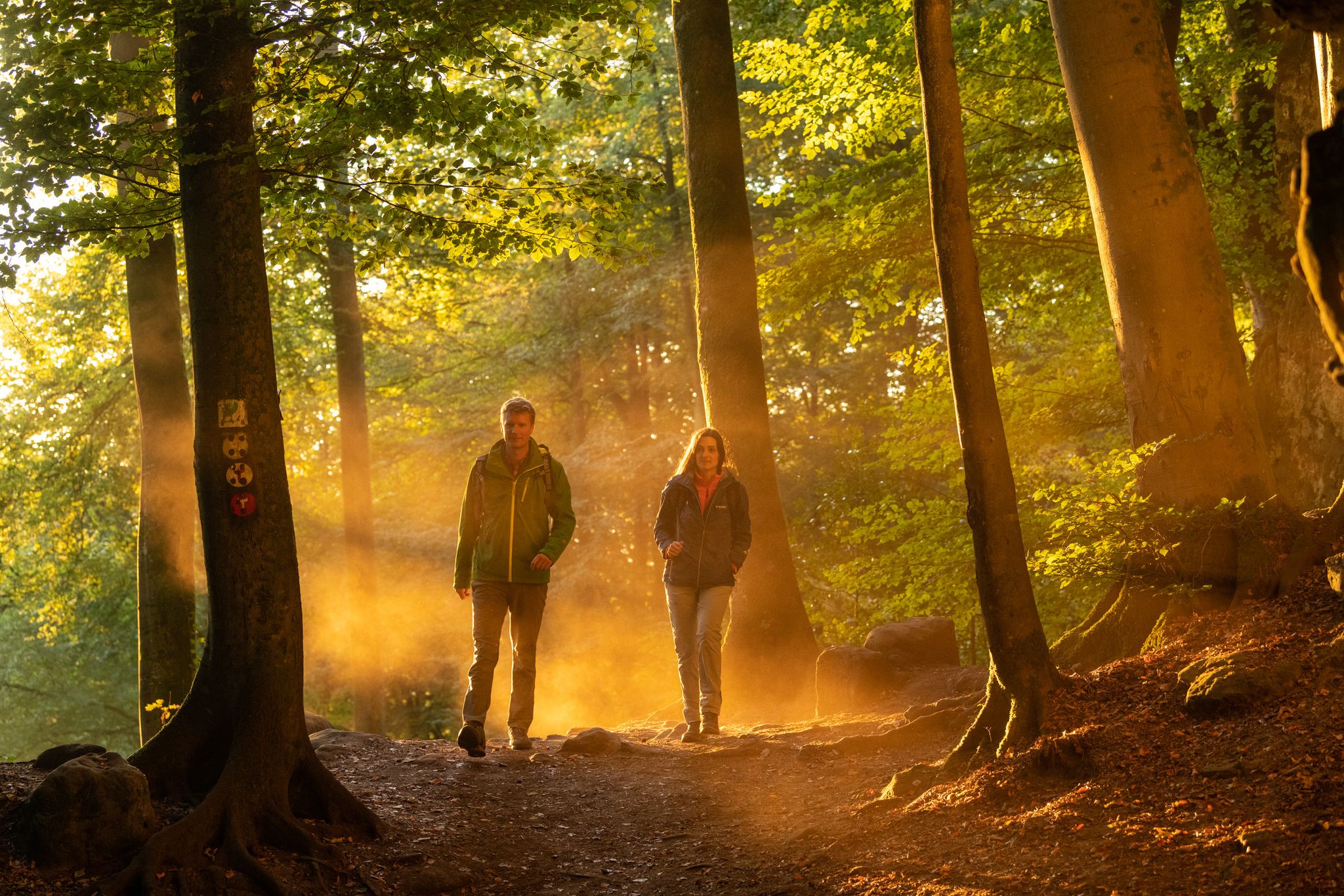
Mysterious forests and gorges — South Eifel and Luxembourg
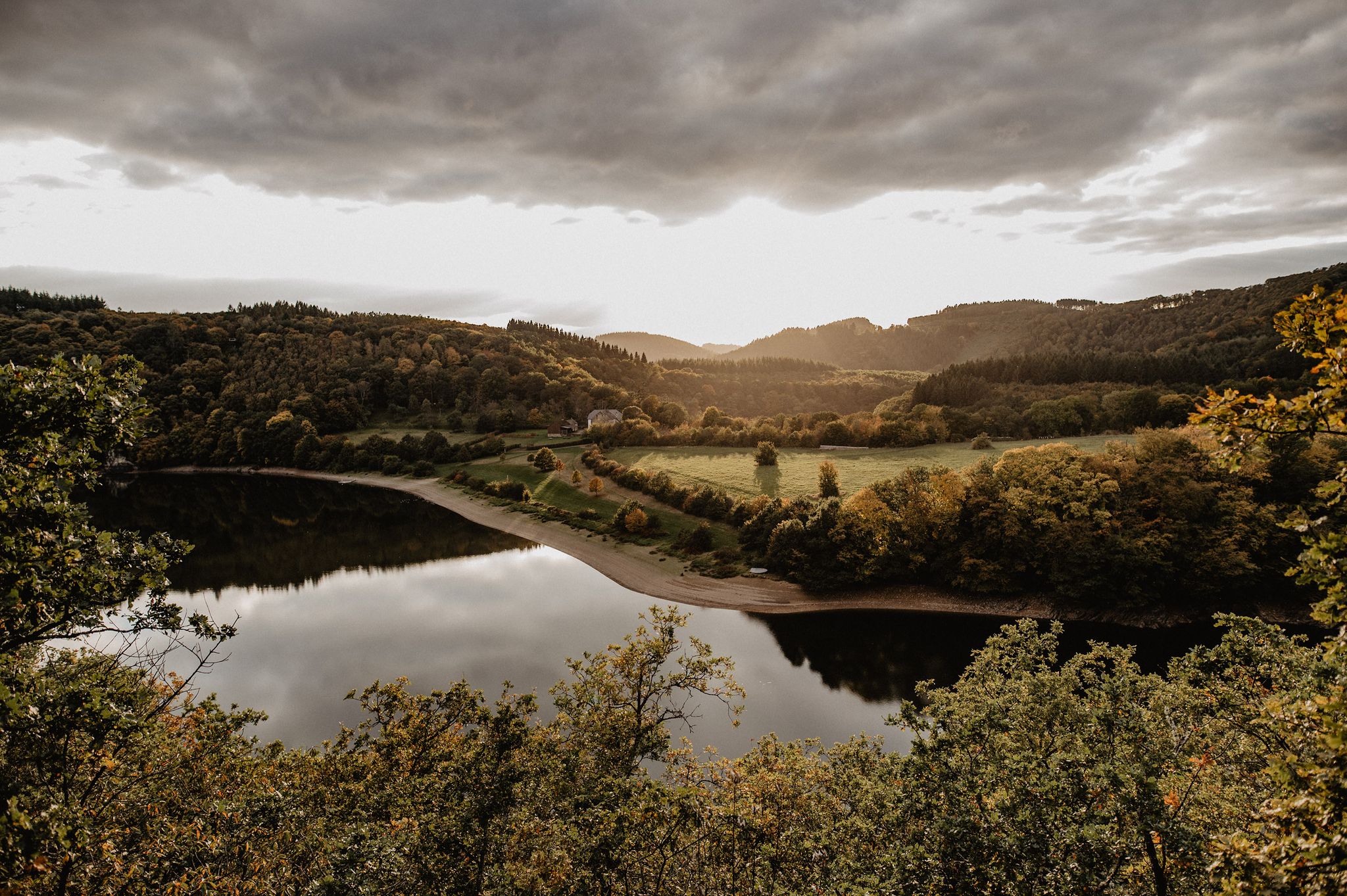
Éislek Wanderlust – The most beautiful hiking trails in the north of Luxembourg
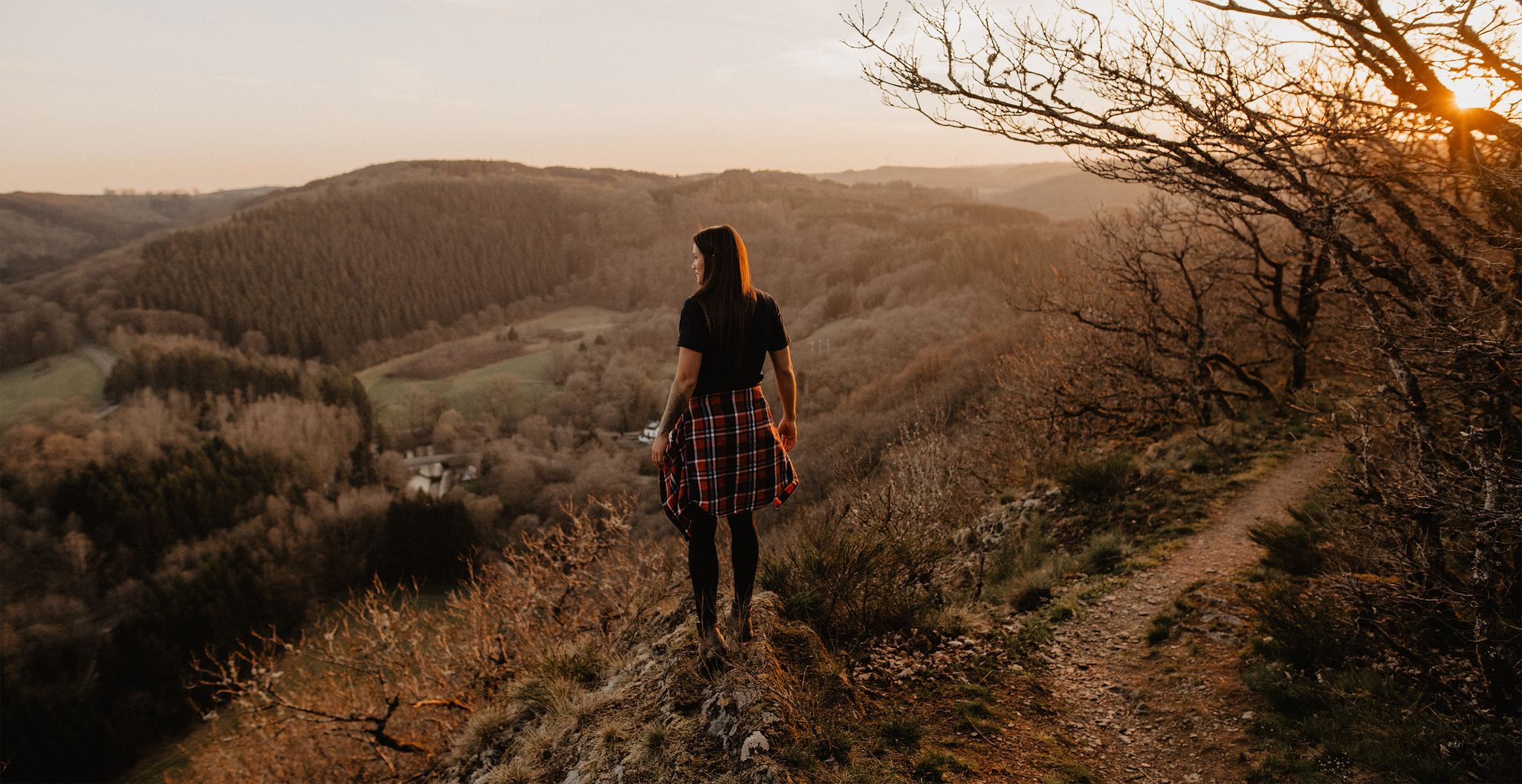
Éislek Pied - 18 top hiking trails in the north of Luxembourg
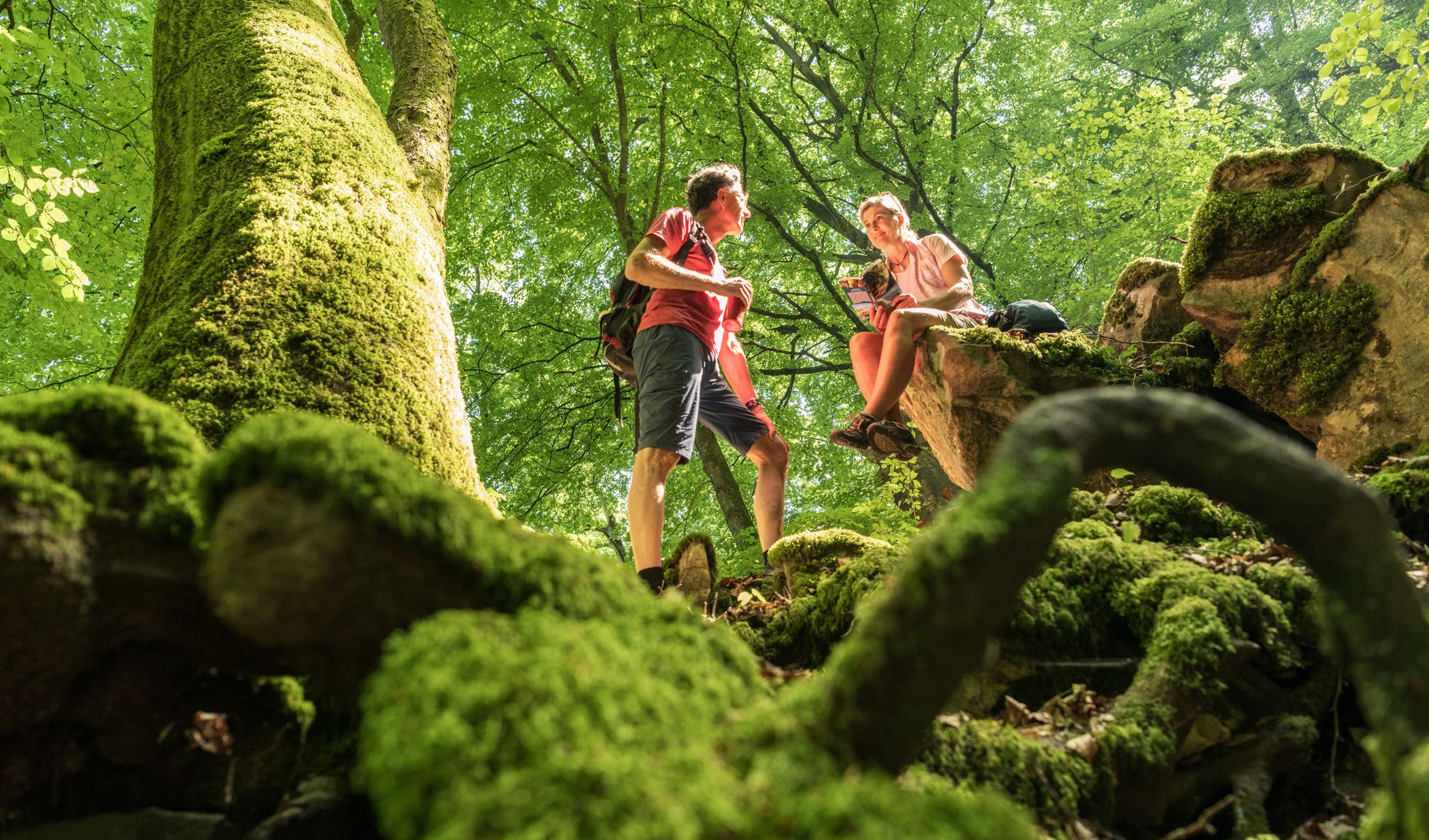
Ancient forests in the DeLux Nature Park
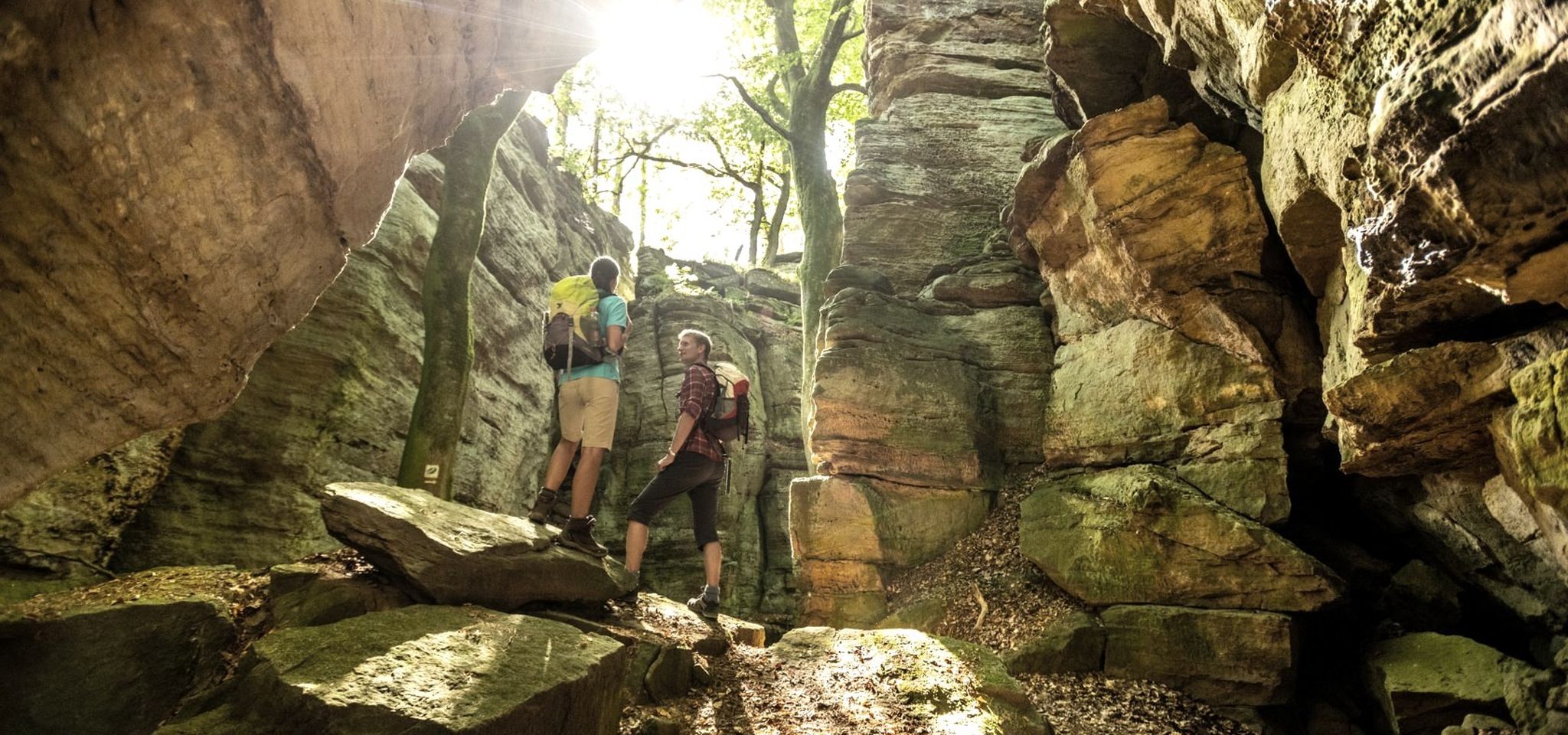
Giant trees & rocky canyons — hiking in the Southern Eifel
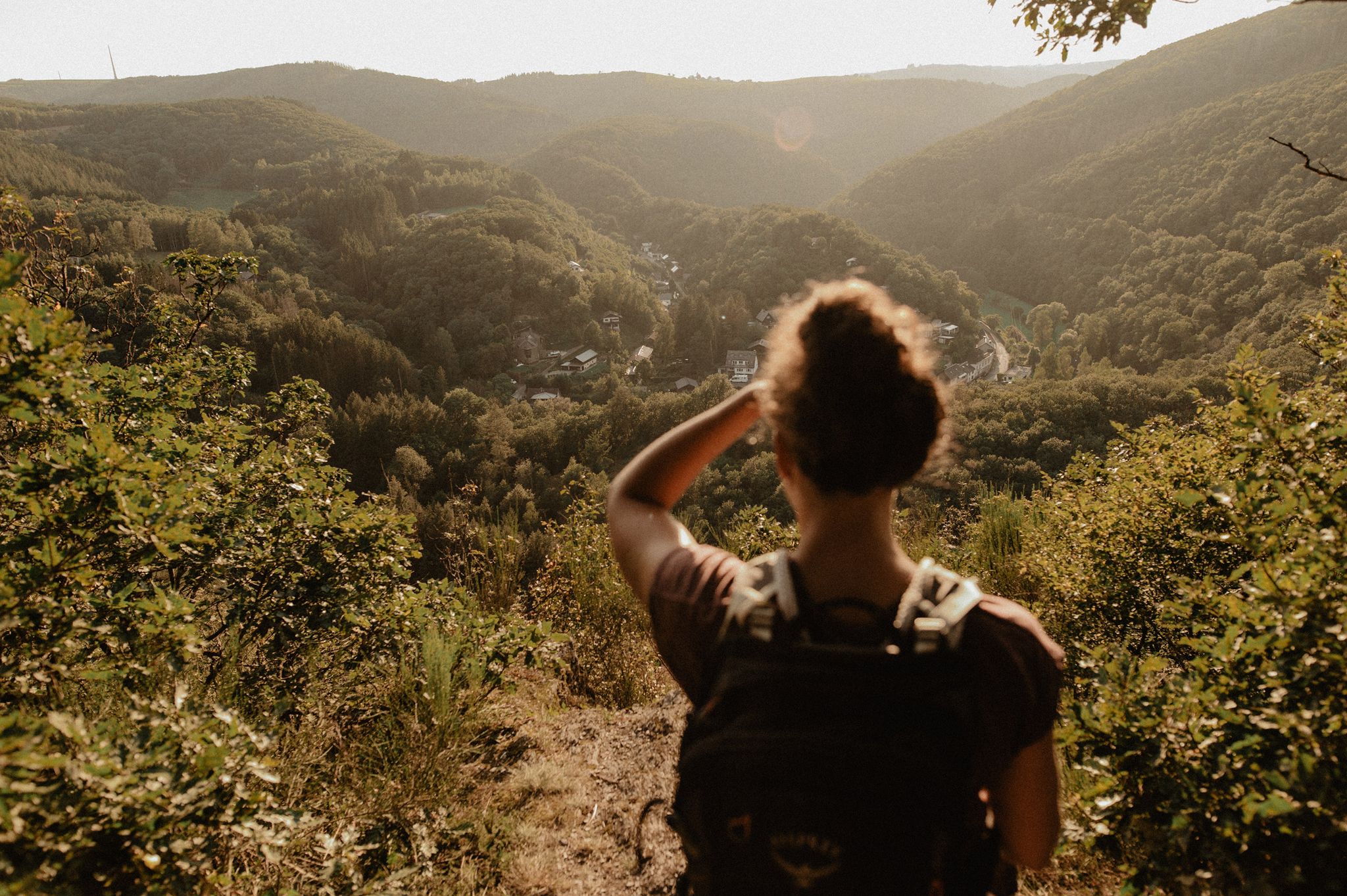
8 days of borderless hiking in the Ardennes – the Lee & Éislek Trail
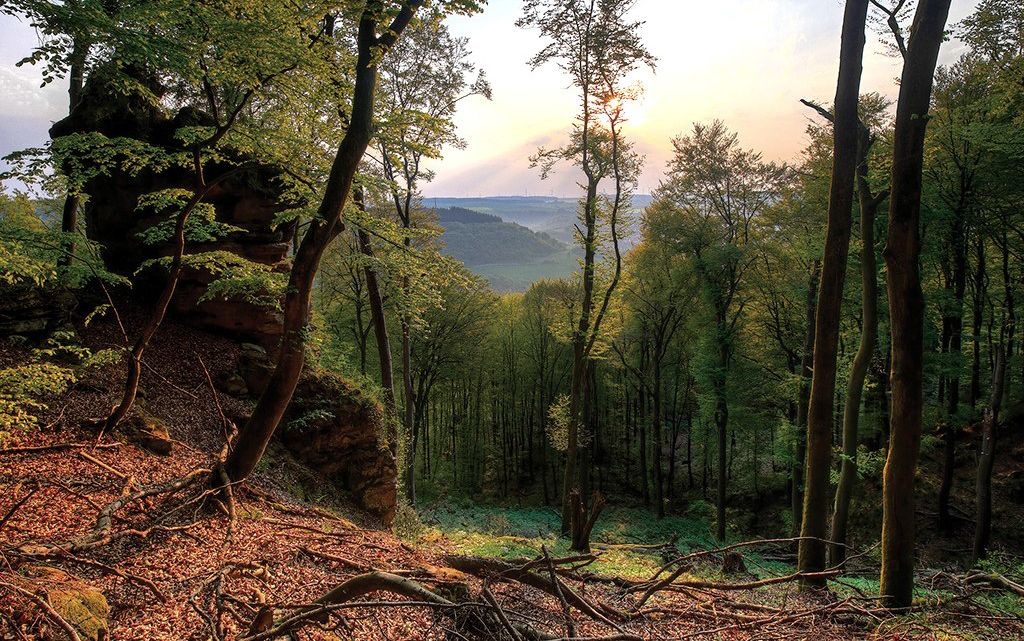
Mystical gorges and deep forests — hiking in Southern Eifel and in Luxembourg
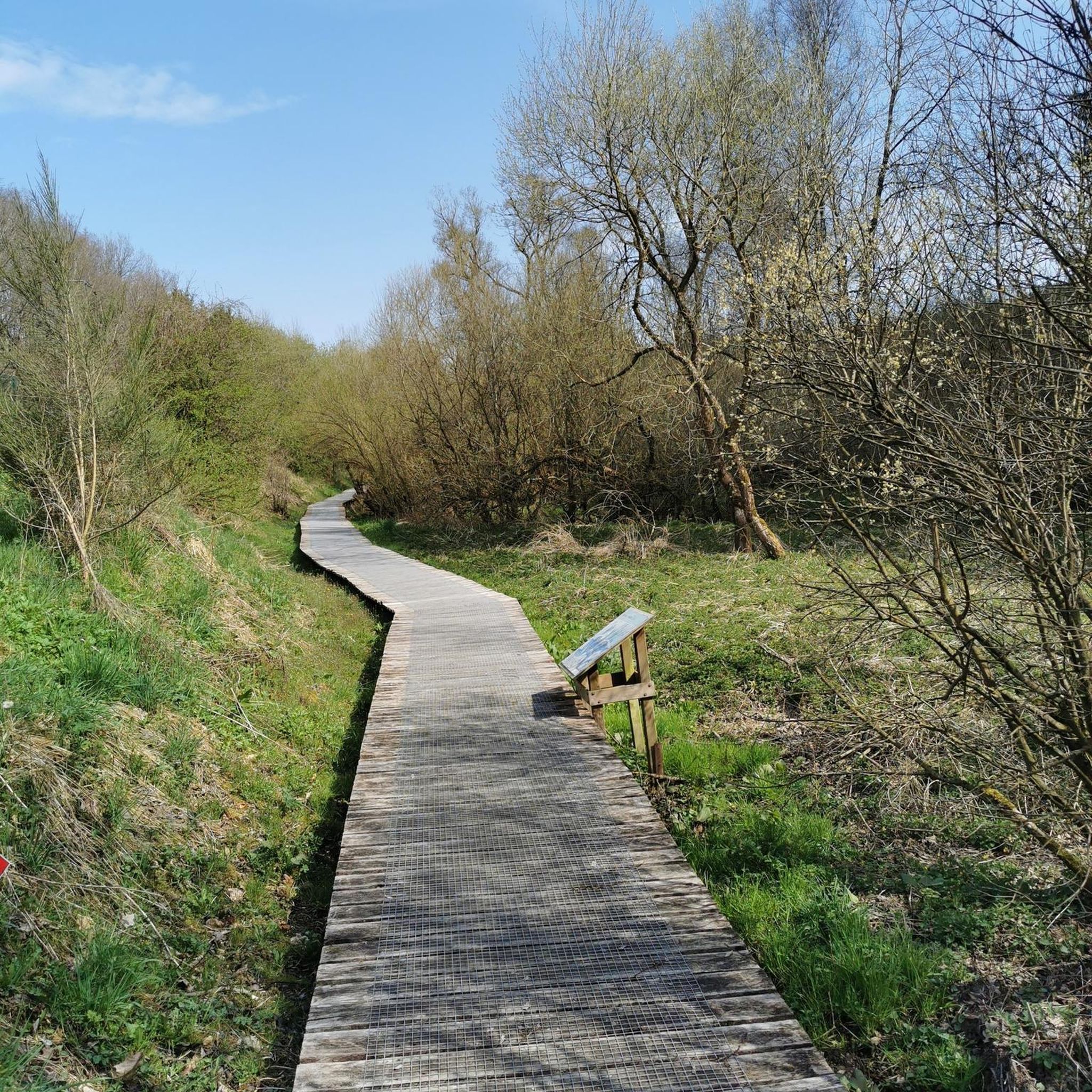
Hiking in Clervaux Canton
Other adventures in Clervaux Canton


Tips from the Community

Hidden on a narrow rocky spur above the Clerve valley lies Schüttburg, one of Luxembourg's most atmospheric and least-known castles. The castle's origins date back to the 15th century, although the location is mentioned earlier in historical sources. Over the centuries, the castle was rebuilt several times and served various functions. Today, Schüttburg is privately owned and can only be admired from the outside. It is precisely this secluded location, surrounded by forests and hiking trails, that makes this place special. From the surroundings, you can enjoy a beautiful view of the castle and the green valley. A nice stopover for hikers and cyclists who want to experience the peace, nature, and history of the Luxembourg Ardennes.
0
0


The Asselborn Mill is highly recommended as a restaurant and as a starting point for your hikes.
1
0

Picturesque town dominated by a castle and a church.
1
0

Since 1803, Clervaux has been the seat of a parish and deanery. Previously, the town belonged ecclesiastically to Munshausen. The first parish church was located on what is now the market square on Groβgasse. From 1910 to 1912, it was replaced by the current church, built in the Neo-Romanesque style according to plans by Johannes Franziskus Klomp. The same architect also designed the buildings of the Benedictine abbey. The building is constructed of slate, blending harmoniously into the Oeslingen landscape. The veneration of the two martyrs Cosmas and Damian likely dates back to the influence of the Diocese of Liège, to which Clervaux belonged until the French Revolution. Around 1700, Count Albert de Lannoy received relics of these saints from Rome. They are still kept in the church today. The mosaics on the tympanum above the main portal refer to the patronage of these saints over the church.
14
0

A beautiful and peaceful hiking area. The Eislek Trail also runs here!
1
0

With centuries of history and majestic architecture, the Benedictine Abbey of Clervaux invites you to immerse yourself in the past. This place, full of charm and significance, opens its doors to visitors for daily morning mass. The Benedictine Abbey of Saint-Maurice, with its red roofs, dominates the town of Clervaux. Built in 1909/1910 in the Neo-Romanesque style, it was inhabited by the Benedictines of the French Abbey of St-Maur de Glanfeuil. Today, the abbey, which is not open to visitors, has approximately 12 monks. An interesting exhibition in the crypt showcases monastic life, and daily morning mass at 10:00 a.m. in the abbey church offers the opportunity to listen to the monks' Gregorian chants. The adjacent souvenir shop sells books and art objects, as well as homemade apple juice made on-site. Check the website for opening hours abbaye-clervaux.lu
0
0

Schüttburg Castle sits inconspicuously perched on a narrow, rugged slate ridge above the Clervaux Valley between Kautenbach and Consthum. The castle can be reached in a half-hour walk from Consthum—a worthwhile blend of nature, history, and views of the Ardennes.
1
0
Frequently Asked Questions
What historical sites can I explore in Clervaux Canton?
Clervaux Canton is rich in history. You can visit Clervaux, a town dominated by its 12th-century castle, which was reconstructed after World War II. The castle also houses the Museum of the Battle of the Bulge, documenting the fighting in the Ardennes. Another significant historical site is the Wreckage of a World War II airplane, a memorial located within a forest.
Are there any notable museums in Clervaux Canton?
Yes, Clervaux Castle hosts several important museums. The world-renowned The Family of Man Museum, a UNESCO World Heritage site, features a photography exhibition by Edward Steichen. Also within the castle, you'll find the Museum of the Battle of the Bulge and the Museum of Models of the Castles and Palaces of Luxembourg.
What religious landmarks are prominent in the region?
The canton features several notable religious sites. Overlooking the town of Clervaux is the impressive Saint-Maurice and Saint-Maurus Abbey, known for its Neo-Romanesque architecture and daily Gregorian chants. In the town center, the Church of Saints Cosmas and Damian, built in Rhenish Romanesque style, features twin towers and houses relics of its patron saints. You can also find the baroque Sainte Cunégonde Chapel, an example of richly decorated architecture in the Éislek region.
Where can I find scenic viewpoints in Clervaux Canton?
For panoramic views, visit the Molberlee rocky ridge, a unique trail offering views of the rugged landscape and the fragmentation of the Ardennes high plateau. The town of Clervaux itself, situated in the narrow Clerve River Valley, provides picturesque views of wood-covered hills and its dominant castle and abbey.
What natural attractions are there to visit?
Clervaux Canton is part of the Our Nature Park, a protected reserve known for its biodiversity, including beech forests and flower-filled meadows. The wider Éislek region (Luxembourg Ardennes) offers wild landscapes, deep valleys, and mysterious forests, ideal for nature exploration. The Molberlee rocky ridge is also a natural monument with unique flora and fauna.
Are there opportunities for hiking in Clervaux Canton?
Yes, Clervaux Canton boasts an extensive network of hiking trails. Popular routes include the Éislek Pad Clervaux, a 13-kilometer route with panoramic views, and the Nat'Our Route 1 through the Our valley. The region is part of the 'Leading Hiking Trail Region' and the Escap'Ardenne route. You can find more details on various routes in the Hiking in Clervaux Canton guide.
What kind of terrain can I expect on hiking trails?
The hiking trails in Clervaux Canton, particularly within the Éislek region, are characterized by varied terrain. You can expect wild landscapes, deep valleys, and high plateaus, often covered by forests. Some trails, like the Molberlee rocky ridge, can be rugged and slippery, especially after rain, so appropriate footwear is recommended.
Are there family-friendly activities available in Clervaux Canton?
Many attractions in Clervaux Canton are suitable for families. The town of Clervaux itself, with its castle and museums, offers engaging experiences. The Mill in Asselborn is a restored 11th-century mill with a museum. Additionally, the region's numerous easy hiking trails, such as those found in the Easy hikes in Clervaux Canton guide, are great for families.
What is the best time of year to visit Clervaux Canton for outdoor activities?
The Éislek region, including Clervaux Canton, is ideal for outdoor activities like hiking and cycling. While specific seasonal advice isn't provided, the natural beauty of the Our Nature Park and the varied terrain suggest that spring and autumn offer pleasant temperatures and vibrant scenery for exploring the trails and natural features.
Can I visit a traditional mill in the canton?
Yes, you can visit the Mill in Asselborn. This restored 11th-century Ban Mill is not only a renowned hotel-restaurant but also features an art gallery and a mill museum where visitors can see the workings of a water mill.
What cycling opportunities are available in Clervaux Canton?
Clervaux Canton offers various cycling routes, including parts of the Vennbahn cycle path. You can explore highlights like the Belgium–Luxembourg Border on the Vennbahn and the Vennbahn Cycle Path at Troisvierges Tunnel. For those interested in gravel biking, there are several routes detailed in the Gravel biking in Clervaux Canton guide.
Are there places to eat or relax near the main attractions?
The town of Clervaux features a pedestrian zone with small shops, cafés, and terraces, inviting visitors to relax and discover local Luxembourgish specialties. The Mill in Asselborn also houses a renowned restaurant.
Most popular routes in Clervaux Canton
Most popular attractions in Clervaux Canton

Get inspired with the komoot mobile app


Explore more
Still not found the Highlight you’re looking for? See guides of the top attractions in other regions:
