Top 20 Castles in England
Castles in England offer a rich historical perspective, with structures ranging from formidable fortresses to royal residences and picturesque ruins. These sites provide insights into various eras of English history. The country's diverse landscape features castles in coastal, rural, and urban settings. England's castles are significant landmarks, reflecting centuries of architectural and cultural development.
Best castles in England
- The most popular castles is Wray Castle, a castle on the shore of Lake Windermere. This 19th-century Gothic Revival building is…
Last updated: August 17, 2026
Tower of London
Highlight • Historical Site
Tip by

Herefordshire Beacon (British Camp)
Highlight • Summit
Tip by

Sign up now to discover places like this
Get recommendations on the best single tracks, peaks, & plenty of other exciting outdoor places.
Sign up for free
Broadway Tower
Highlight • Castle
Tip by
Tower of London
Highlight • Historical Site
Tip by

Wray Castle
Highlight • Castle
Tip by

Windsor Castle
Highlight • Historical Site
Built in the 11th century, the castle …
Tip by

Tynemouth Castle and Priory
Highlight • Castle
Tip by
Kensington Palace and Gardens
Highlight • Historical Site
Tip by

Ightham Mote
Highlight • Historical Site
Tip by

Reculver Towers and Roman Fort
Highlight • Monument
Tip by

Sign up for free to discover even more castles in England.
Sign up for free
Already have an account?
Start today with a free account
Your next adventure awaits.
Login or Signup
Popular around England

Scenic hikes to stand-up paddleboarding locations in the UK
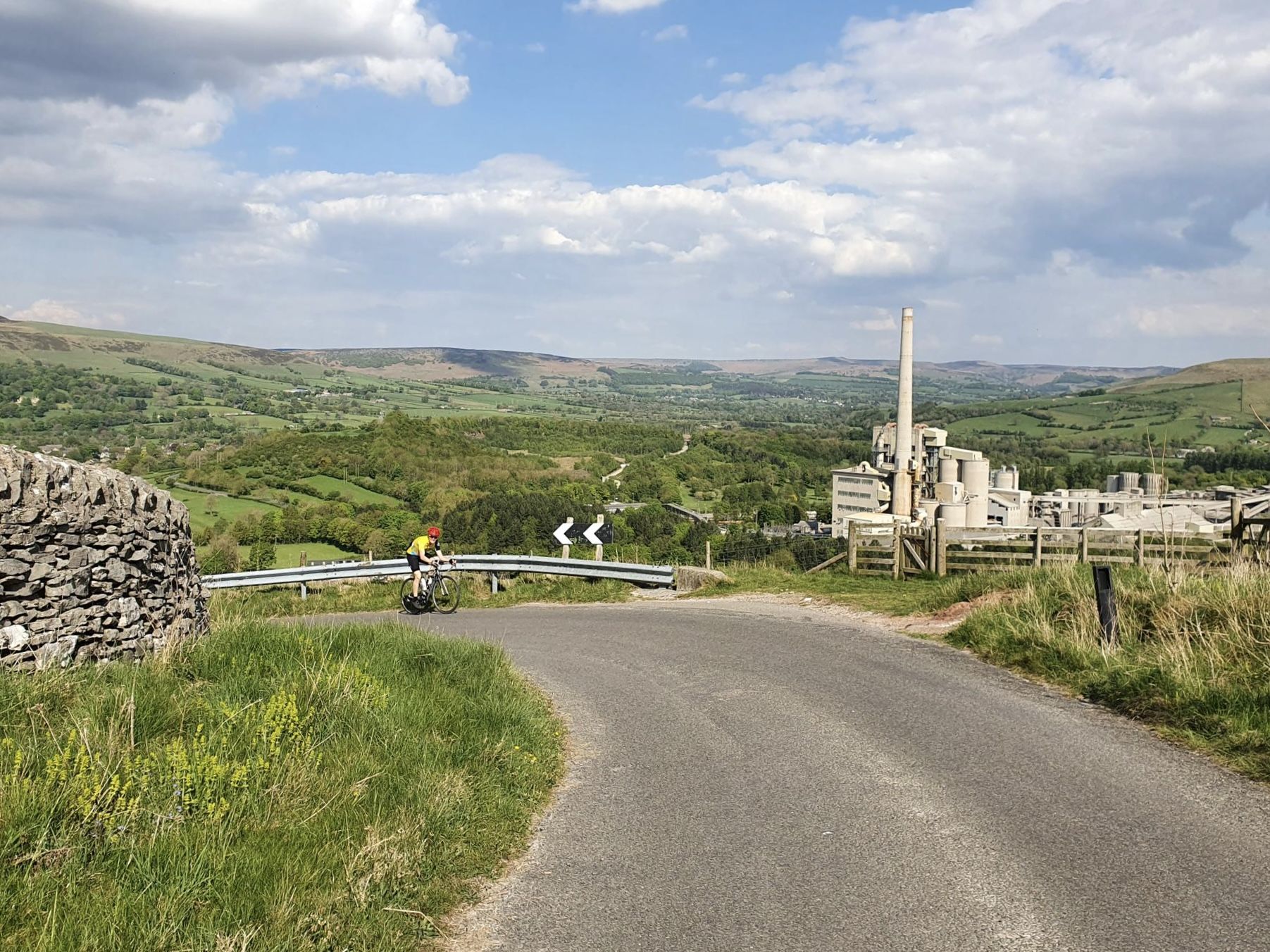
2025 Outdoor Connection event – epic cycling loops
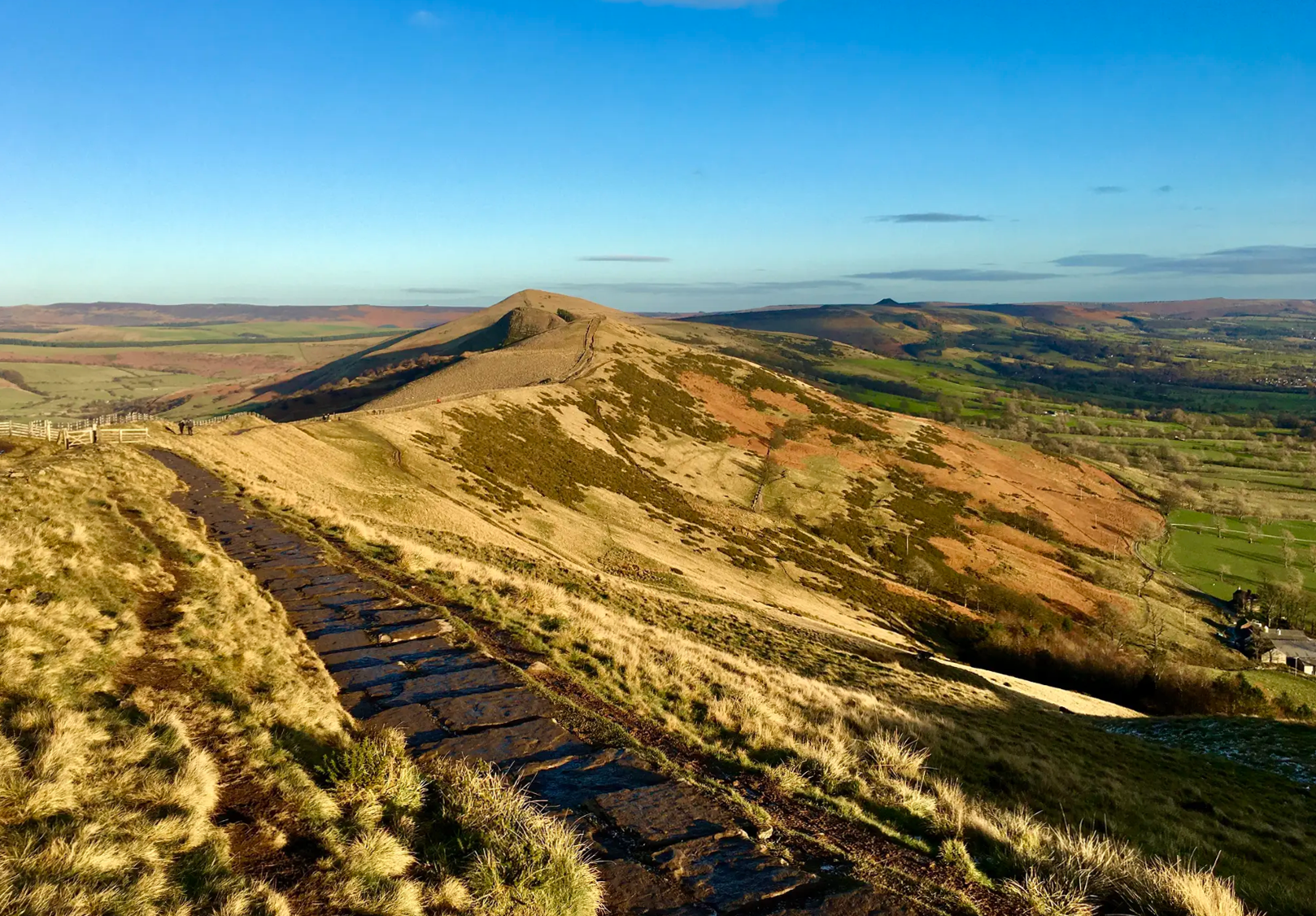
Glorious hikes and runs from the Outdoor Connection 2025 event

Supporting the National Three Peaks FKT in true Green Runners’ Style
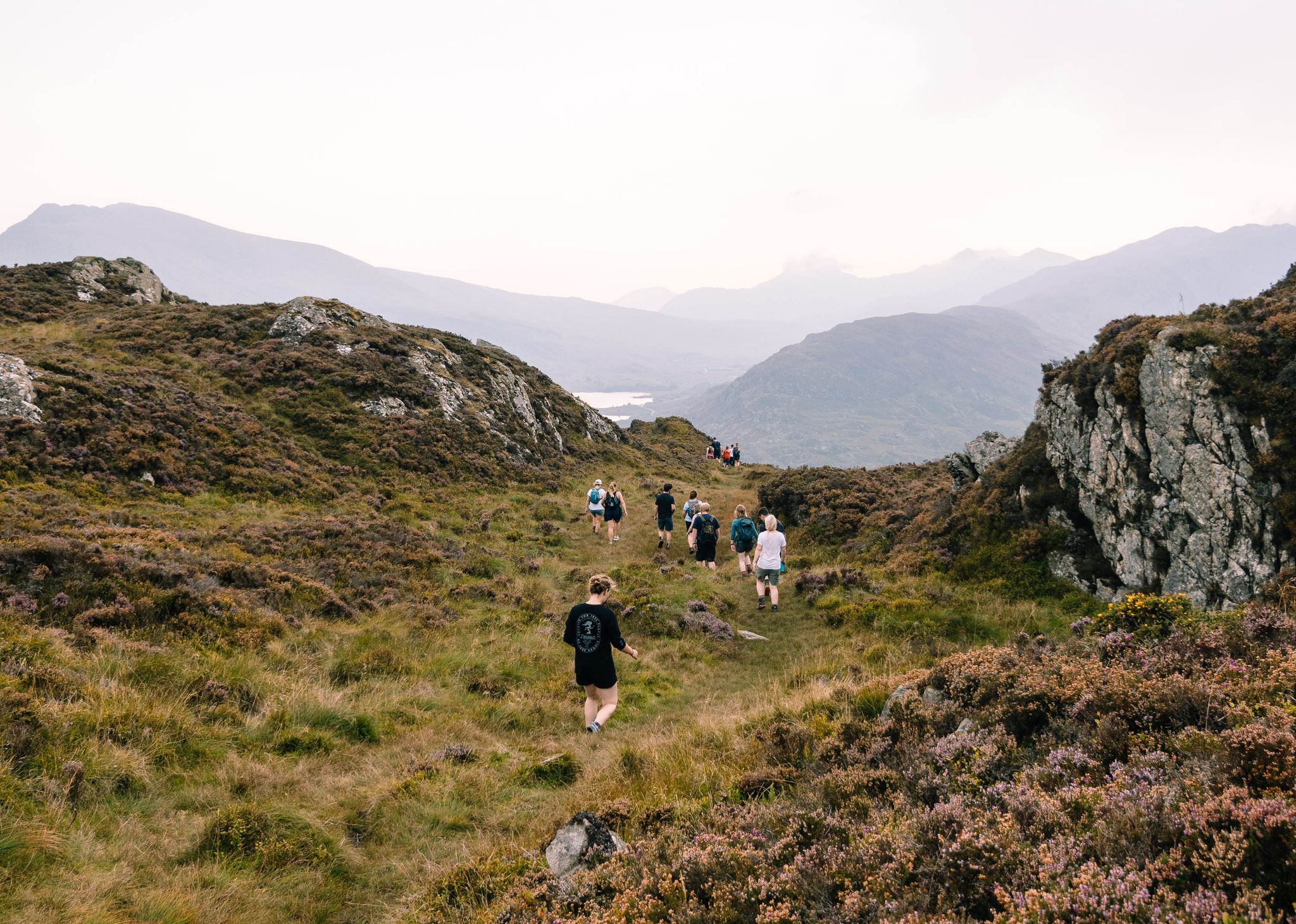
Connect with Nature – Purposeful Adventures in 2024

Adventures with a Purpose – our A-TEAMers’ best routes
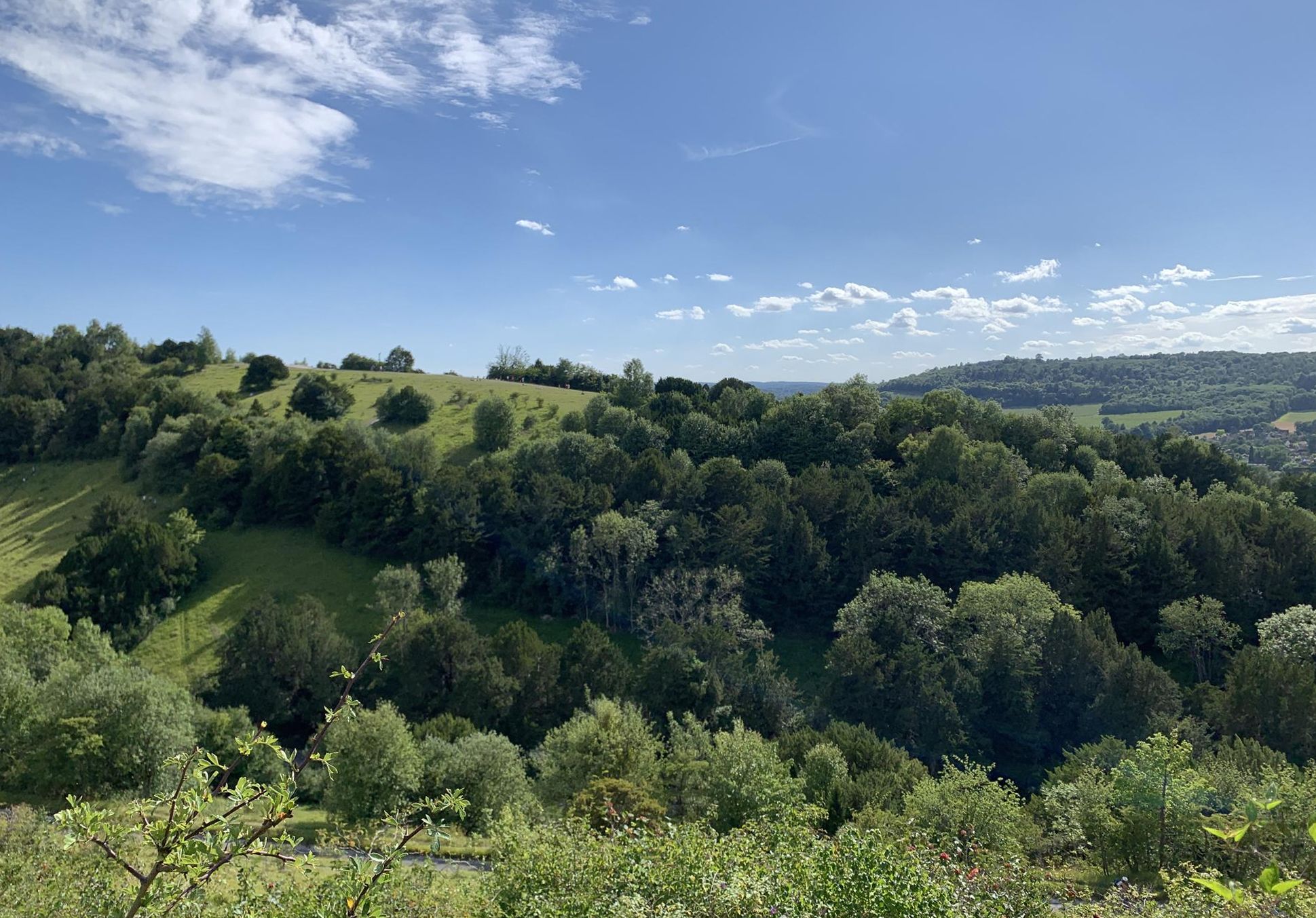
Multi-use magic in the Surrey Hills – Leith Hill Greenway

Ephemeral Lines – Stunning UK Winter Ridges
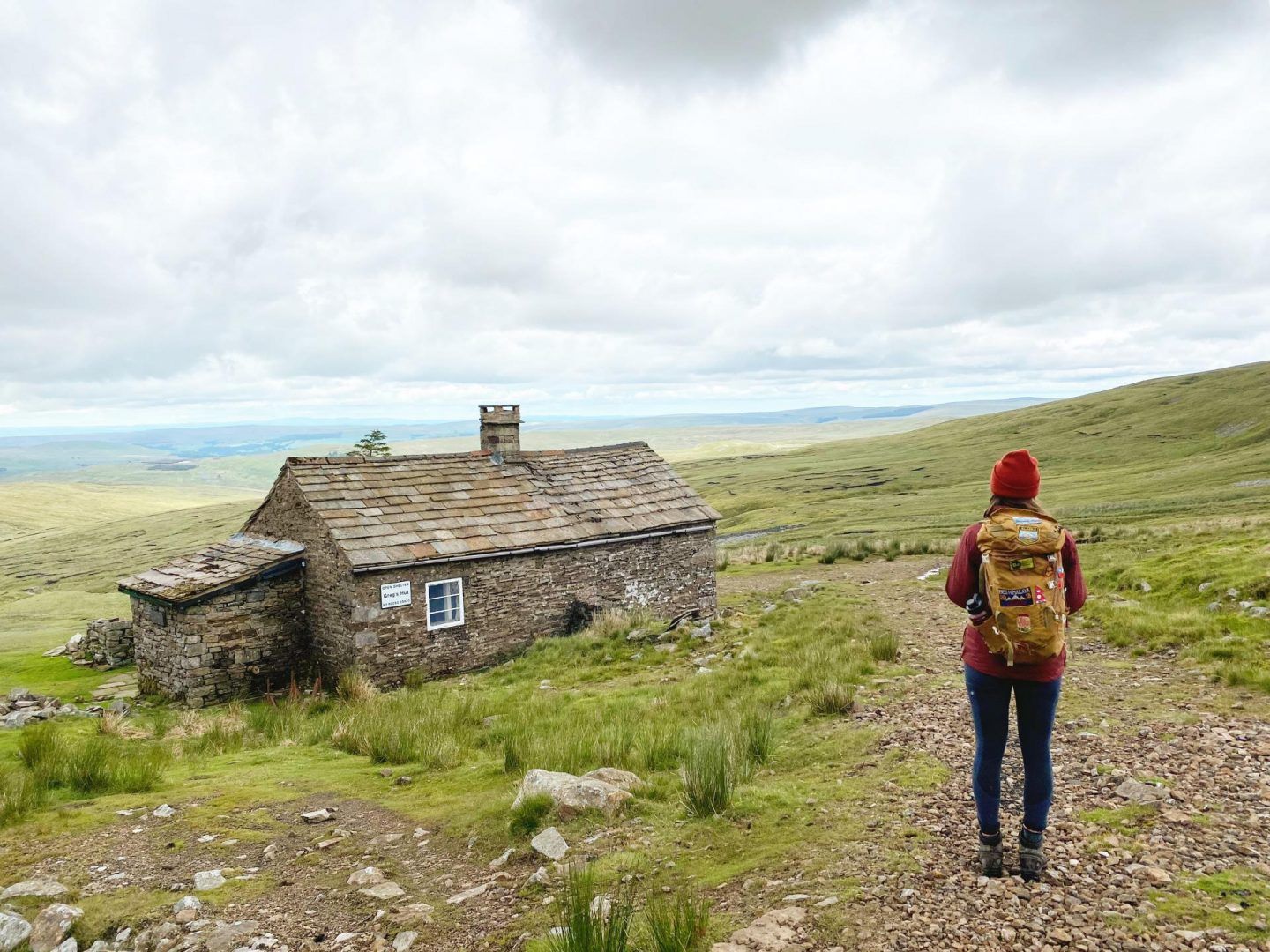
Bothies of Britain: hiking and biking adventures to unique mountain shelters

Bedtime Adventure Stories for Grown Ups
Other adventures in England


Tips from the Community


The Tower of London is a historic fortress located on the north bank of the River Thames in London, next to Tower Bridge. The tower is located in the London Borough of Tower Hamlets, east of the City of London, in an area known as Tower Hill. Construction began around the end of 1066 as part of the Norman Conquest of England. The White Tower, which gave its name to the entire castle, was built on the orders of William the Conqueror in 1078 and was seen as a symbol of the oppression inflicted on London by the ruling class. The castle was used as a prison as early as 1100. It also served as a grand palace and royal residence. The entire tower is a complex of several buildings surrounded by two concentric defensive walls and a moat. There were several phases of expansion, mainly during the reigns of Richard I, Henry III, and Edward I in the 12th and 13th centuries. The general plan established at the end of the 13th century did not evolve despite subsequent activities within these walls
2
0


Windsor Castle is the oldest and largest inhabited castle in the world, serving as an official residence of the British monarch. It's known for its beautiful architecture, historical significance, and as the venue for royal events and ceremonies.
1
0

Stunning location, visible for miles on the approach along the coast. Great coffee and flapjack in the cafe too.
4
0
Reasonably easy walk and great view from tower that contributes mid journey to being refreshed.
2
0

The Herefordshire Beacon is one of the highest peaks of the Malvern Hills. It is surrounded by a British Iron Age hill fort earthwork known as British Camp. The fort subsequently had a ringwork and bailey castle built inside its boundary and there is evidence of 120 huts in the area. British Camp has been a scheduled monument since 1923. On the eastern slope of Herefordshire Beacon, there is a disused reservoir, British Camp Reservoir, which holds approximately 213,000 cubic metres (7,500,000 cu ft) of water. Herefordshire Beacon represents one of the Malvern Hills, 1,109 feet (338 m) high, and is the second highest summit in the hills. It is within the county of Herefordshire, but is directly adjacent to the border with Worcestershire to the east. Atop Herefordshire Beacon, there is an Iron Age hill fort, known as British Camp, and would have held a settlement between 4th century BCE and 1st century CE. A ringwork and bailey castle was built within the site of the hill fort, and there is evidence of 120 huts having been built within the boundaries of the fort. The hill fort received scheduled monument status on 10 August 1923. Nearby to British Camp, on the eastern slope of Herefordshire Beacon, there is a reservoir called British Camp Reservoir. It has a capacity of 213,000 cubic metres (7,500,000 cu ft), although it has not been used for many years. In 2017, Severn Trent proposed to dismantle the treatment plant associated with the reservoir and drain it, leaving an 8,000 cubic metres (280,000 cu ft) pond. source: Wikipedia
0
0
Frequently Asked Questions
What are some highly-rated castles to visit in England, beyond the most famous ones?
While England boasts many iconic castles, komoot users also highly recommend places like Wray Castle on Lake Windermere, known for its Gothic Revival architecture and lakeside trails. Other notable mentions include Broadway Tower in the Cotswolds, offering spectacular views, and Ightham Mote, a medieval moated manor house.
Are there family-friendly castles in England with activities for children?
Yes, many castles in England are family-friendly. For example, The Tower of London offers a fascinating insight into history with its Crown Jewels and Yeoman Warders. Windsor Castle is another excellent choice for families interested in royal history. Regionally, Warwick Castle is known for its medieval re-enactments and jousting, while Alnwick Castle offers broomstick training and archery, making history interactive for all ages.
What natural features or viewpoints can I find near English castles?
Many English castles are set amidst stunning natural landscapes. Herefordshire Beacon (British Camp) offers splendid views from its Iron Age hill fort. Broadway Tower provides panoramic vistas stretching across 16 counties. Tynemouth Castle and Priory and Reculver Towers and Roman Fort are both located on the coast, offering sea views. Goodrich Castle overlooks the River Wye, and St Michael's Mount provides picturesque tidal island views.
What are the best times of year to visit castles in England?
The best time to visit castles in England generally depends on your preferences. Spring (April-May) and Autumn (September-October) offer pleasant weather, fewer crowds, and beautiful scenery. Summer (June-August) is popular for longer opening hours and events, but castles can be very busy. Winter visits (November-March) can be atmospheric, especially for indoor tours, but some attractions may have reduced hours or be closed, and weather can be cold and wet.
Are there castles in England that are easily accessible or suitable for visitors with mobility concerns?
Accessibility varies greatly between castles due to their age and historical nature. Some castles, like Windsor Castle, have made significant efforts to improve accessibility with ramps, lifts, and accessible routes. Others, particularly ruins or those on hilltops like Herefordshire Beacon, may involve uneven terrain, steps, or steep climbs. It's always advisable to check the specific castle's website for detailed accessibility information before planning your visit.
What outdoor activities or routes can I find near castles in England?
Many castles are situated in areas perfect for outdoor activities. For instance, near Wray Castle, you can enjoy beautiful lakeside trails around Lake Windermere. England offers numerous hiking opportunities, including routes like the Kinder Scout Circular Walk or the Buttermere loop. You can find more details on these and other trails in the Hiking in England guide. For cycling, consider gravel biking routes like the Ladybower Reservoir loop, detailed in the Gravel biking in England guide.
Can I visit castles in England using public transport?
Public transport options vary by location. Major castles like The Tower of London and Windsor Castle are well-served by trains and buses from London. For castles in more rural areas, public transport might be less frequent or require a combination of train and bus, or a taxi for the final leg. For specific castles like Dover Castle, train services to Dover Priory station are available, followed by a local bus or walk. Always check local transport schedules in advance.
Are there any less crowded or 'hidden gem' castles in England worth exploring?
While the famous castles draw large crowds, England has many lesser-known but equally captivating sites. Goodrich Castle in Herefordshire, a majestic red sandstone ruin overlooking the River Wye, offers a rich history without the intense crowds. Framlingham Castle in Suffolk, with its dramatic curtain wall, provides a unique historical experience. Dunstanburgh Castle in Northumberland offers a dramatic, remote setting on a headland, perfect for those seeking a more tranquil visit.
What are some castles in England located near London?
Several significant castles are easily accessible from London. Windsor Castle is a prominent royal residence just outside London. The Tower of London is right in the heart of the city. Further afield but still within reasonable reach are Dover Castle in Kent, known as the 'Key to England,' and Rochester Castle, a formidable Norman keep.
Are dogs allowed at castles in England?
Dog policies vary significantly between castles, as many are historic sites with delicate interiors or protected grounds. While some castles may allow dogs in outdoor areas or specific parts of the grounds, they are generally not permitted inside buildings. National Trust and English Heritage properties often have specific guidelines, so it's best to check the individual castle's website before visiting with your dog. For example, Wray Castle allows dogs in its grounds and lakeside trails.
What kind of historical insights can I gain from visiting English castles?
English castles offer a profound journey through centuries of history. From the Roman lighthouse and Anglo-Saxon church at Dover Castle to the Norman origins of The Tower of London and Rochester Castle, you can trace architectural and political developments. Sites like Windsor Castle showcase royal life, while Kenilworth Castle reveals Elizabethan courtly ambitions. Many castles also played roles in significant conflicts, such as the English Civil War at Goodrich Castle, providing a tangible connection to the past.
Are there cafes, pubs, or accommodation options near English castles?
Yes, many popular castles have on-site cafes or tea rooms, such as Wray Castle and Ightham Mote. Castles located near towns or villages will typically have a range of pubs, restaurants, and accommodation options within easy reach. For example, near Windsor Castle, you'll find numerous eateries and hotels. Even more remote castles often have nearby villages catering to visitors.
Most popular routes in England
Most popular attractions in England

Get inspired with the komoot mobile app


Didn’t find what you were looking for?
Explore England’s best castles region by region:
Explore more
Looking for the best castles somewhere else? Discover other guides in England:
