The 19 Most Amazing Peaks in Wyoming
Best mountain peaks in Wyoming are found within a state known for its dramatic landscapes and rugged wilderness. Wyoming is home to numerous majestic summits, offering diverse experiences in pristine alpine environments. The state's geography includes the remote Wind River Range, the iconic Teton Range, and the Bighorn Mountains. These areas provide a range of terrain elevation and natural features for exploration.
Best mountain peaks in Wyoming
- The most popular mountain peaks is Mount Washburn, a summit that stands at 10,219 feet tall and overlooks the northeastern section of Yellowstone National Park. An active fire station is located on the summit, offering a visitors center, restrooms, and a viewing platform.
- Another must-see spot is Grand Teton National Park, a natural_monument. The park features the Teton Range, including Grand Teton, which rises more than 7,000 feet above Jackson Hole. Visitors can expect numerous lakes, streams, and the upper main stem of the Snake River within the park.
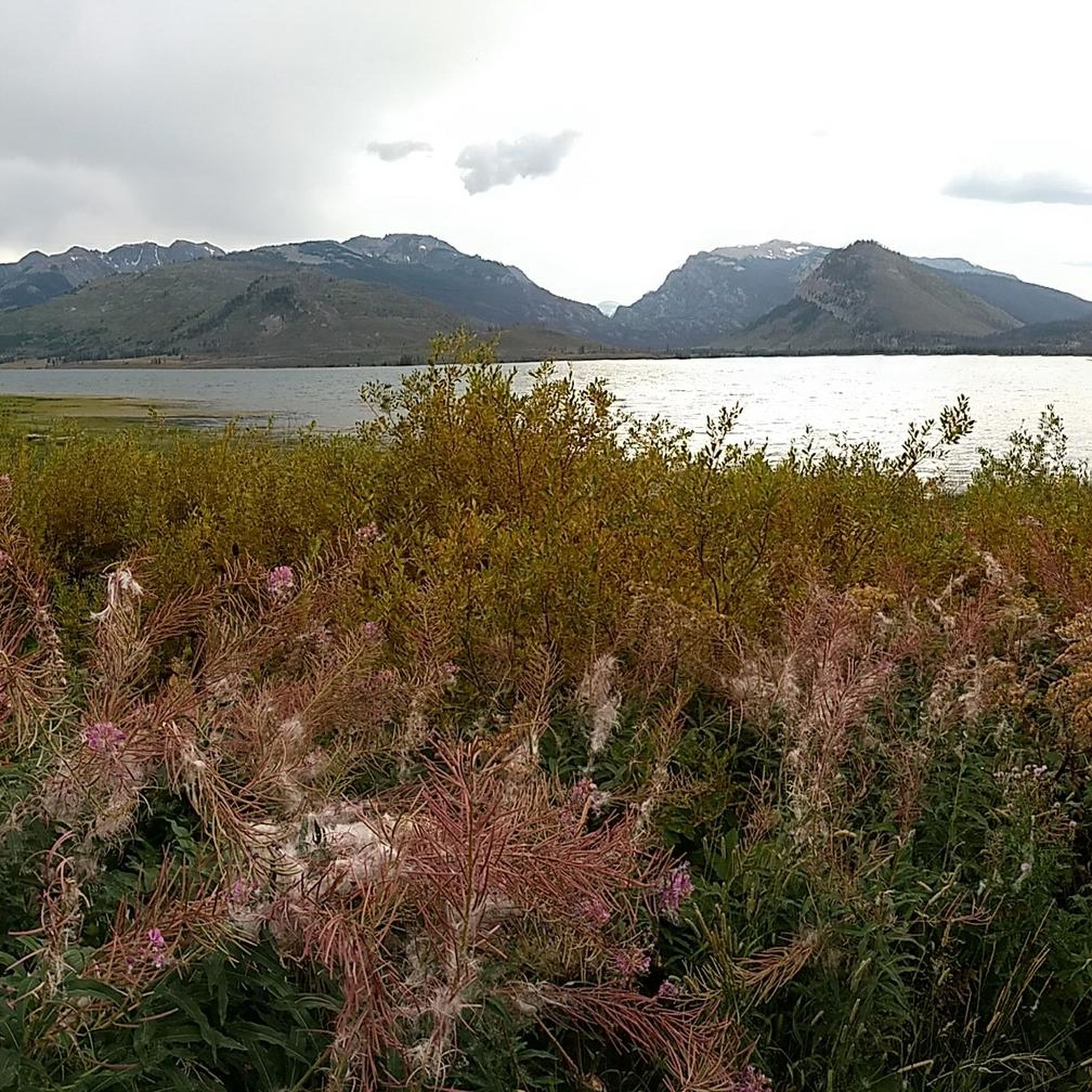
- Visitors also love View of the Teton Range from Hermitage Point, a viewpoint offering views of the Teton Range over Jackson Lake. This spot provides a secluded experience due to its lengthier hike.
- Wyoming is known for its high-altitude summits, challenging climbs, and scenic viewpoints. The state offers a variety of mountain peaks to see and explore, from technical mountaineering goals to accessible hiking trails.
- The mountain peaks in Wyoming are appreciated by the komoot community, with 13 highlights photos and 13 upvotes across the guide.
Last updated: October 4, 2026
Mount Washburn
Highlight • Summit
Tip by

Grand Teton National Park
Highlight • Natural Monument
Tip by

Sign up now to discover places like this
Get recommendations on the best single tracks, peaks, & plenty of other exciting outdoor places.
Rendezvous Mountain
Highlight • Summit
Tip by

View of the Teton Range from Hermitage Point
Highlight • Viewpoint
Tip by

Teton Pass Summit
Highlight • Mountain Pass
Tip by

Bannock Trail to Fred's Peak
Highlight (Segment) • Trail
Translated by Google •
Tip by

Grand View Point
Highlight • Viewpoint
The view of Grand Tetons was beautiful. The snow has emphasized the contours of the mountains beautifully.
It takes little time and you will be rewarded with a great view.
Translated by Google •
Tip by

Bunsen Peak
Highlight • Summit
Tip by
Medicine Bow Peak
Highlight • Summit
Tip by

Table Mountain
Highlight • Summit
Tip by
Sign up for free to discover even more peaks in Wyoming.
Already have an account?
Start today with a free account
Your next adventure awaits.
Popular around Wyoming
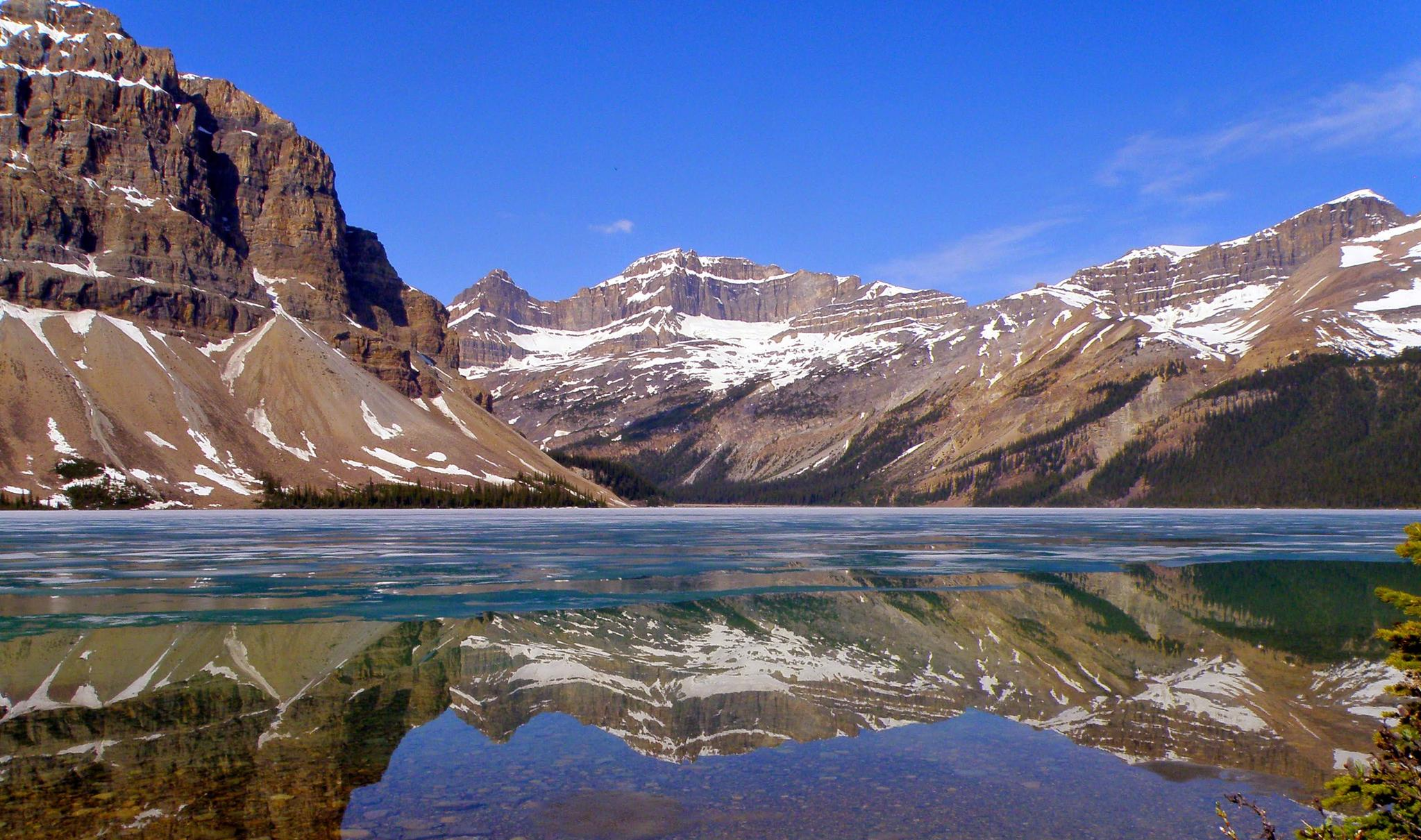
Great Divide Mountain Bike Route — Cycling the spine of a continent
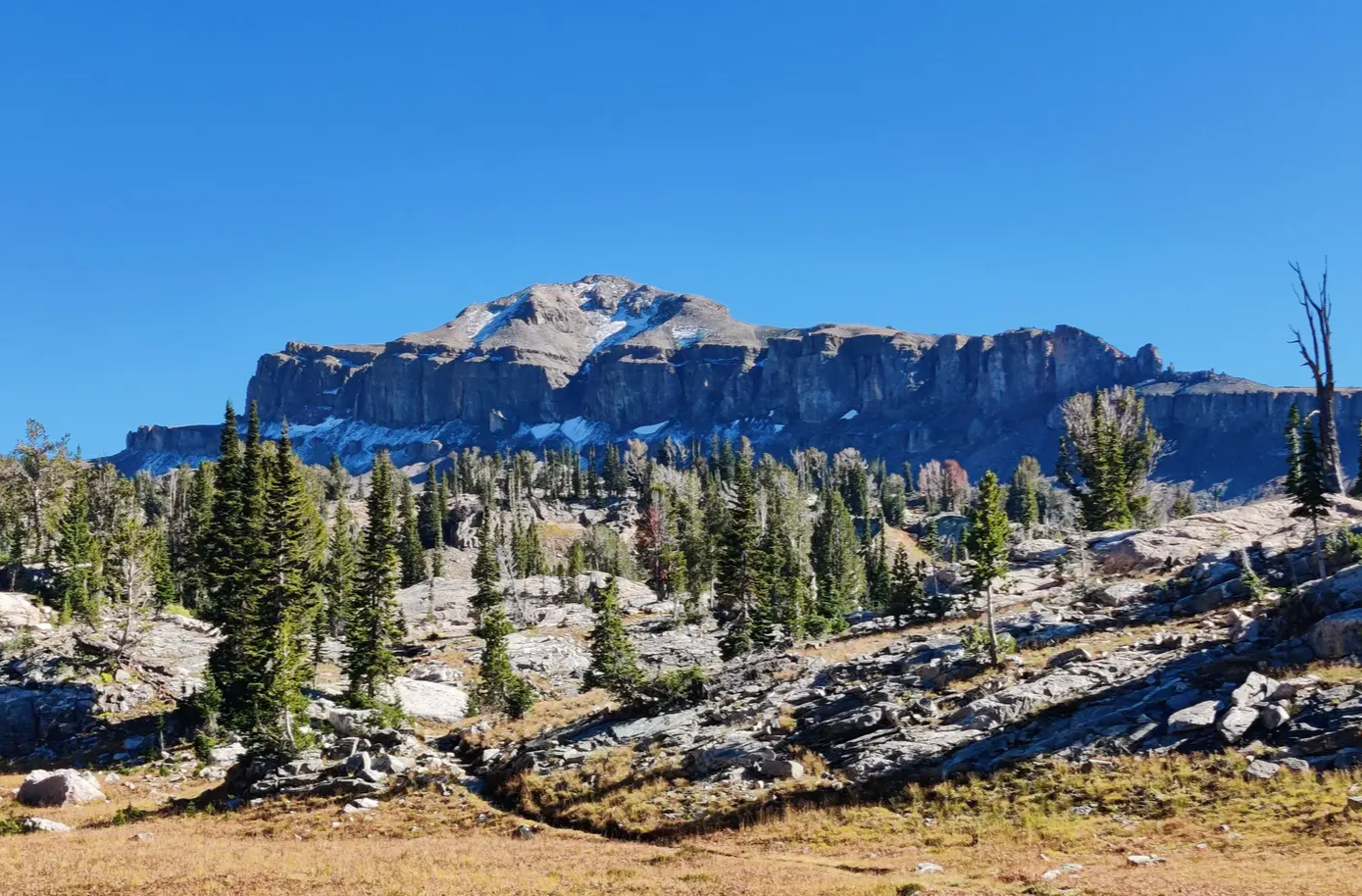
Teton Crest Trail — Exploring the Wild Side of the Grand Tetons
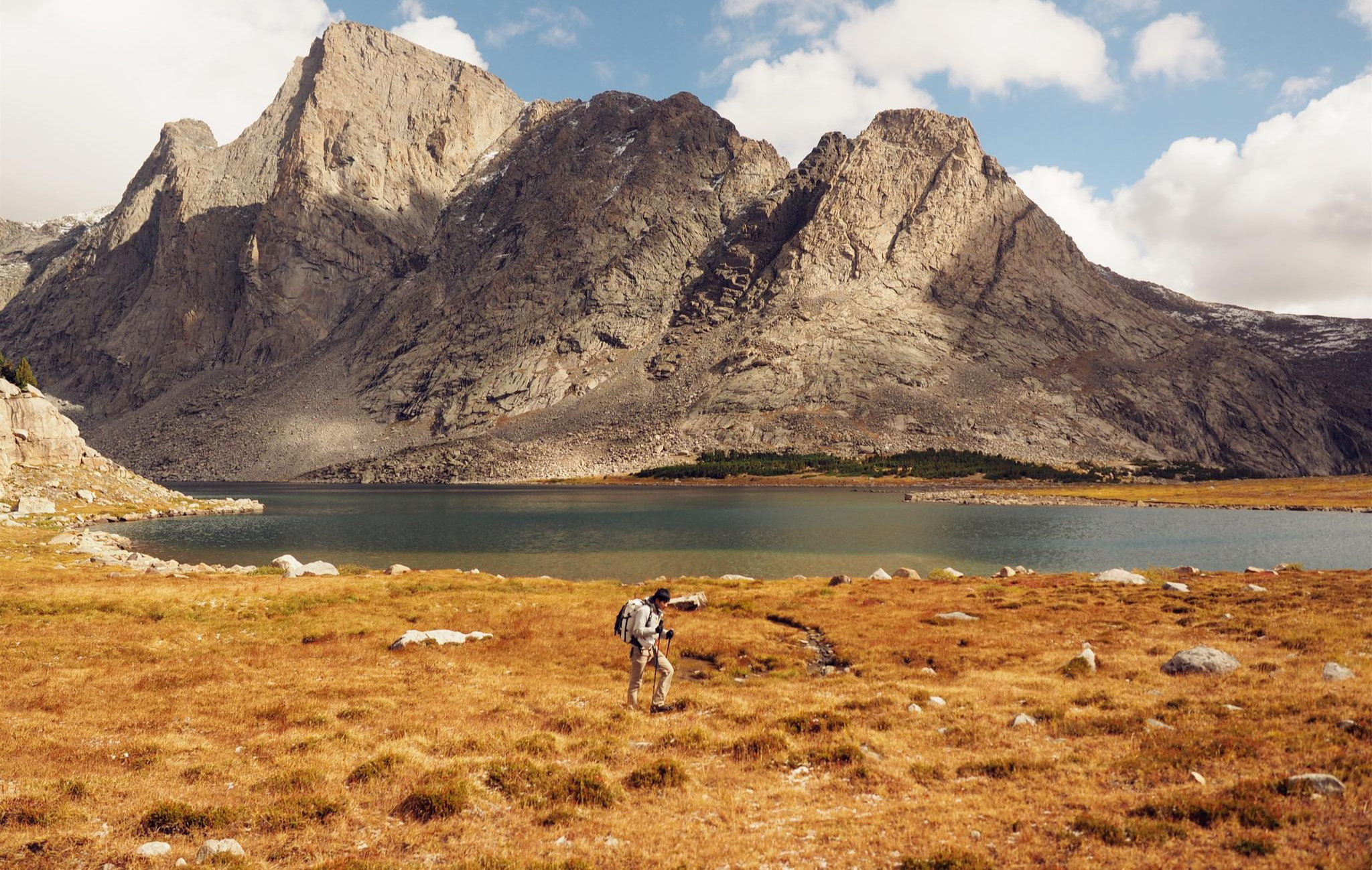
Like in the Wild West – hiking on the Oregon Trail
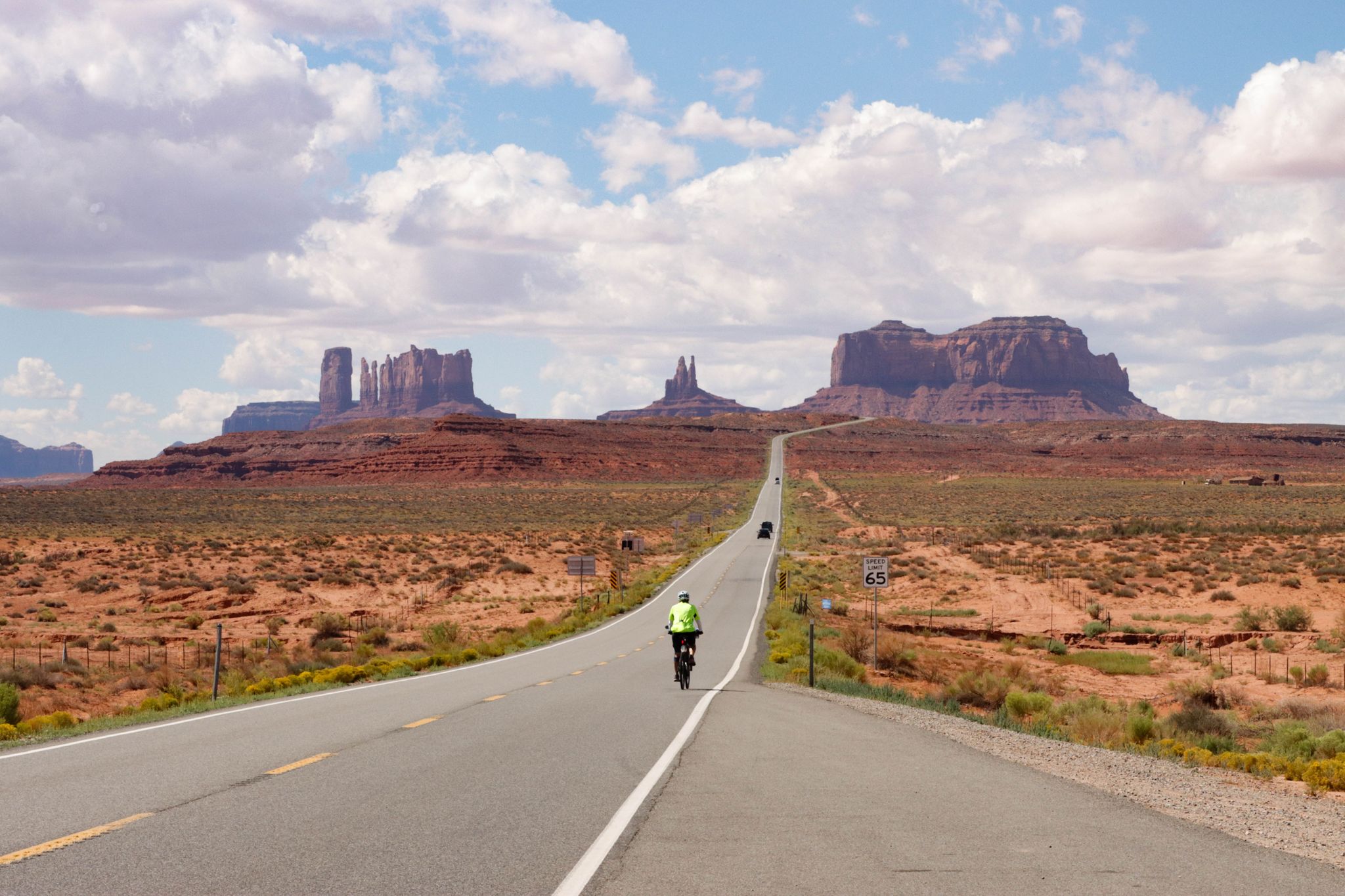
From the Arctic Ocean to the Panama Canal — North American Epic
From the mountain peaks to the prairie – Rocky Mountains and Great Plains
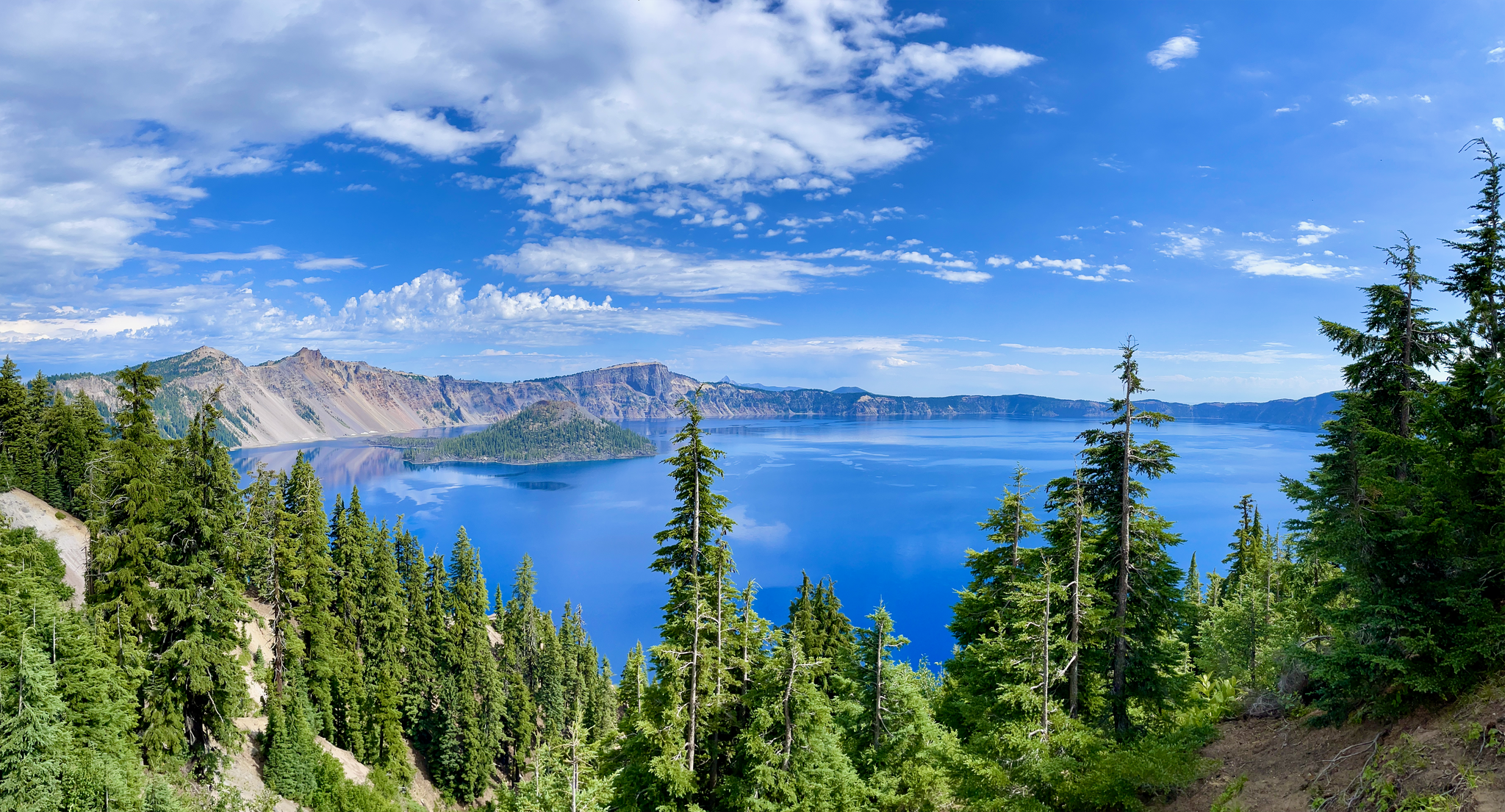
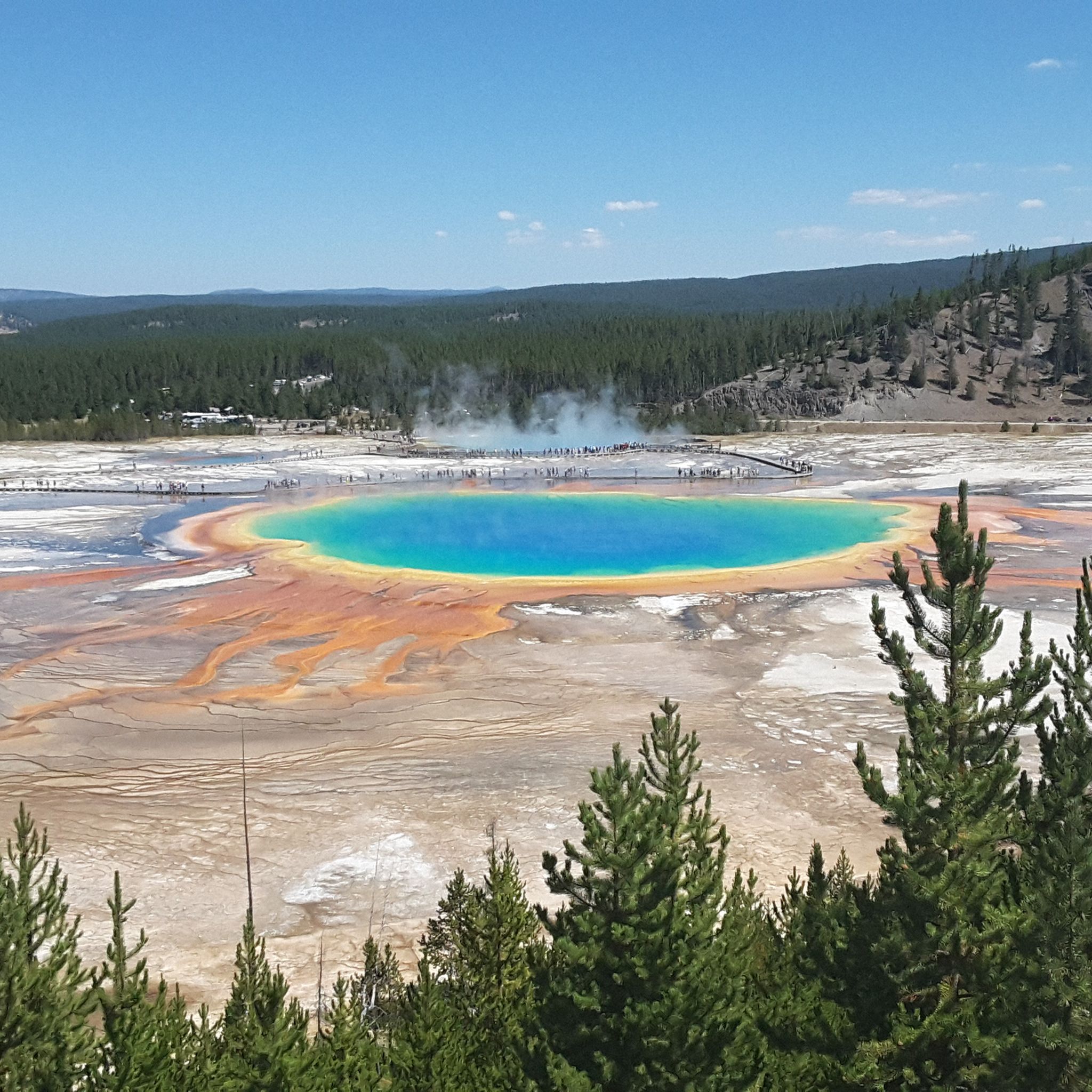
The pristine beauty of the US National Parks
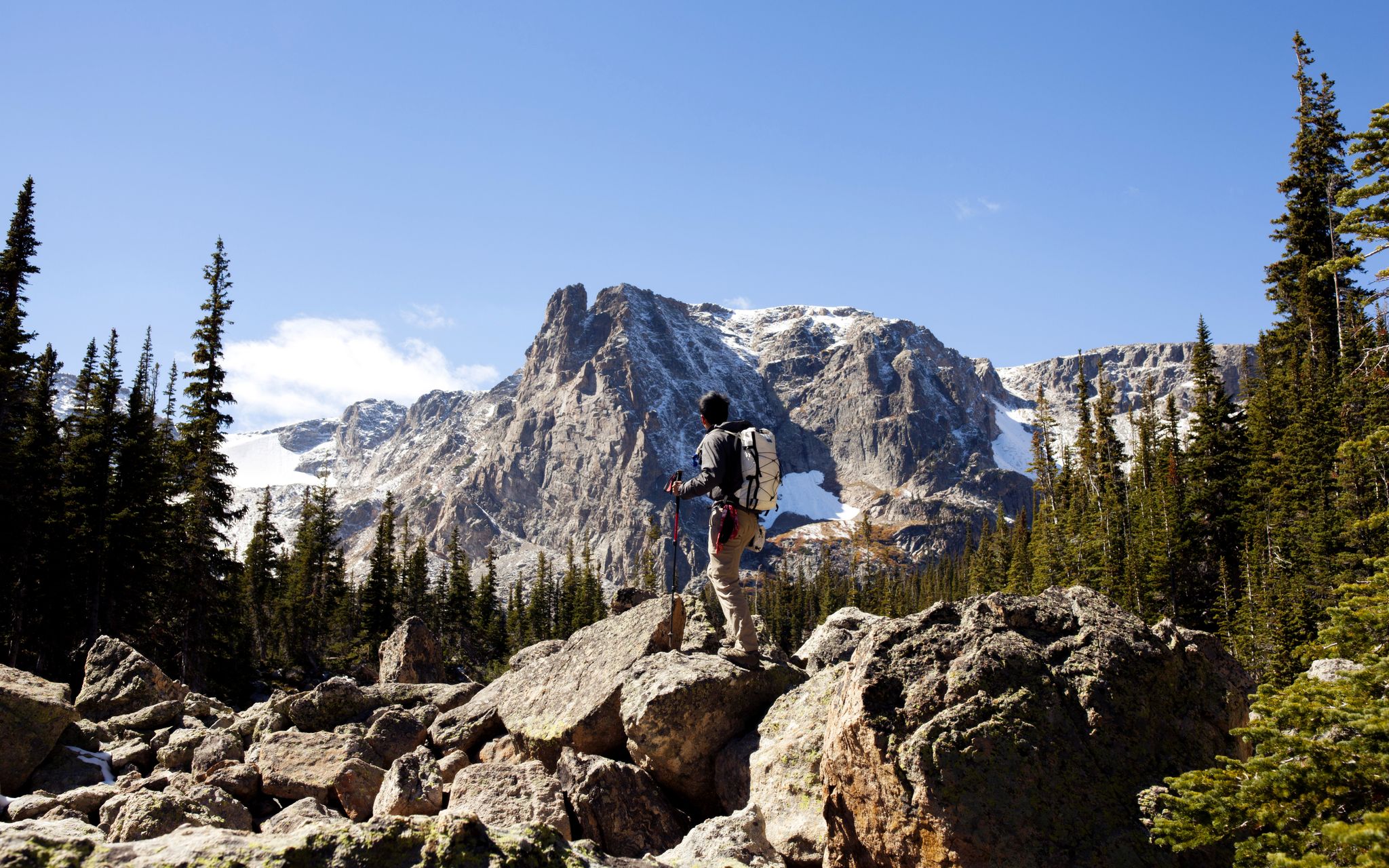
Hiking in Wyoming
MTB Trails in Wyoming
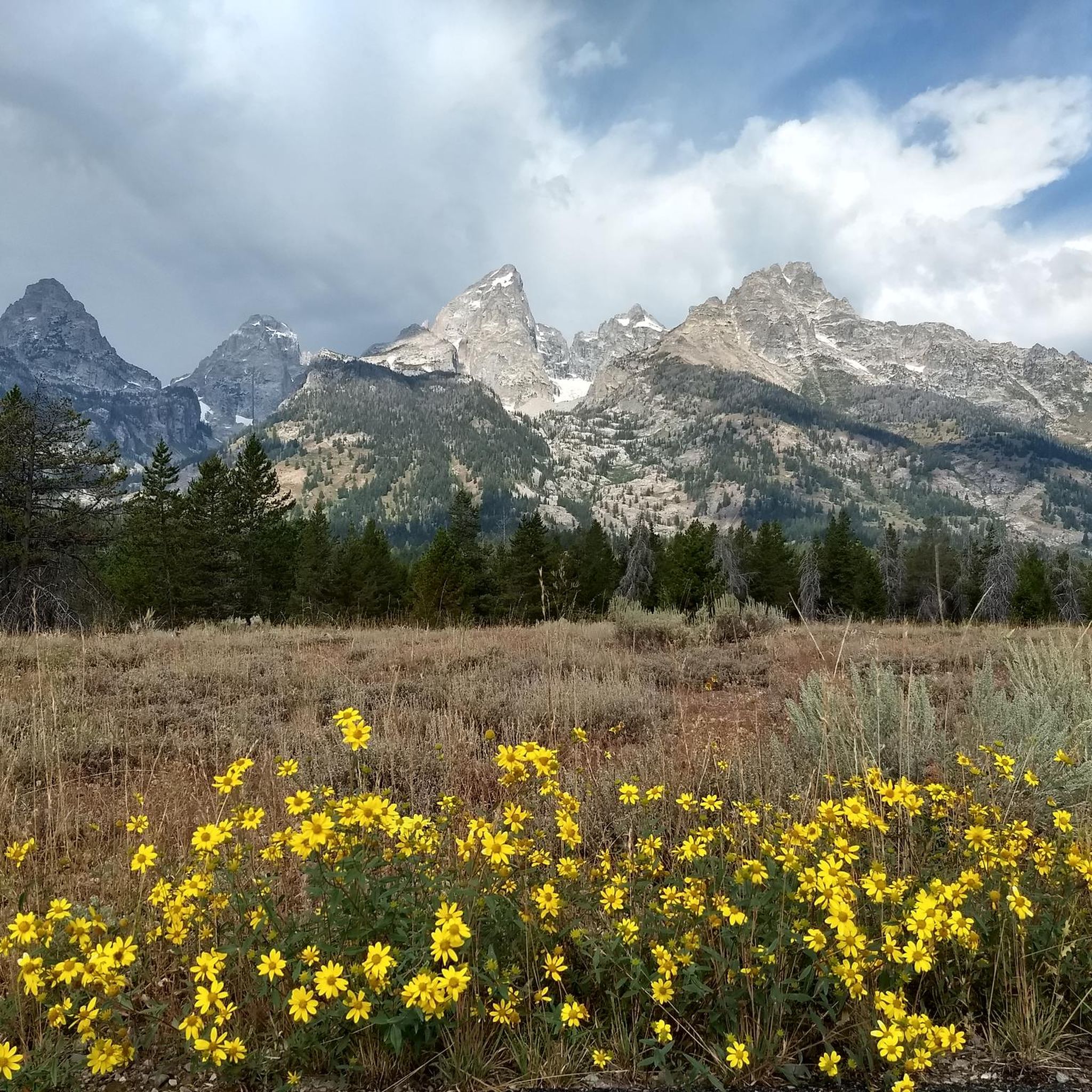
Cycling in Wyoming
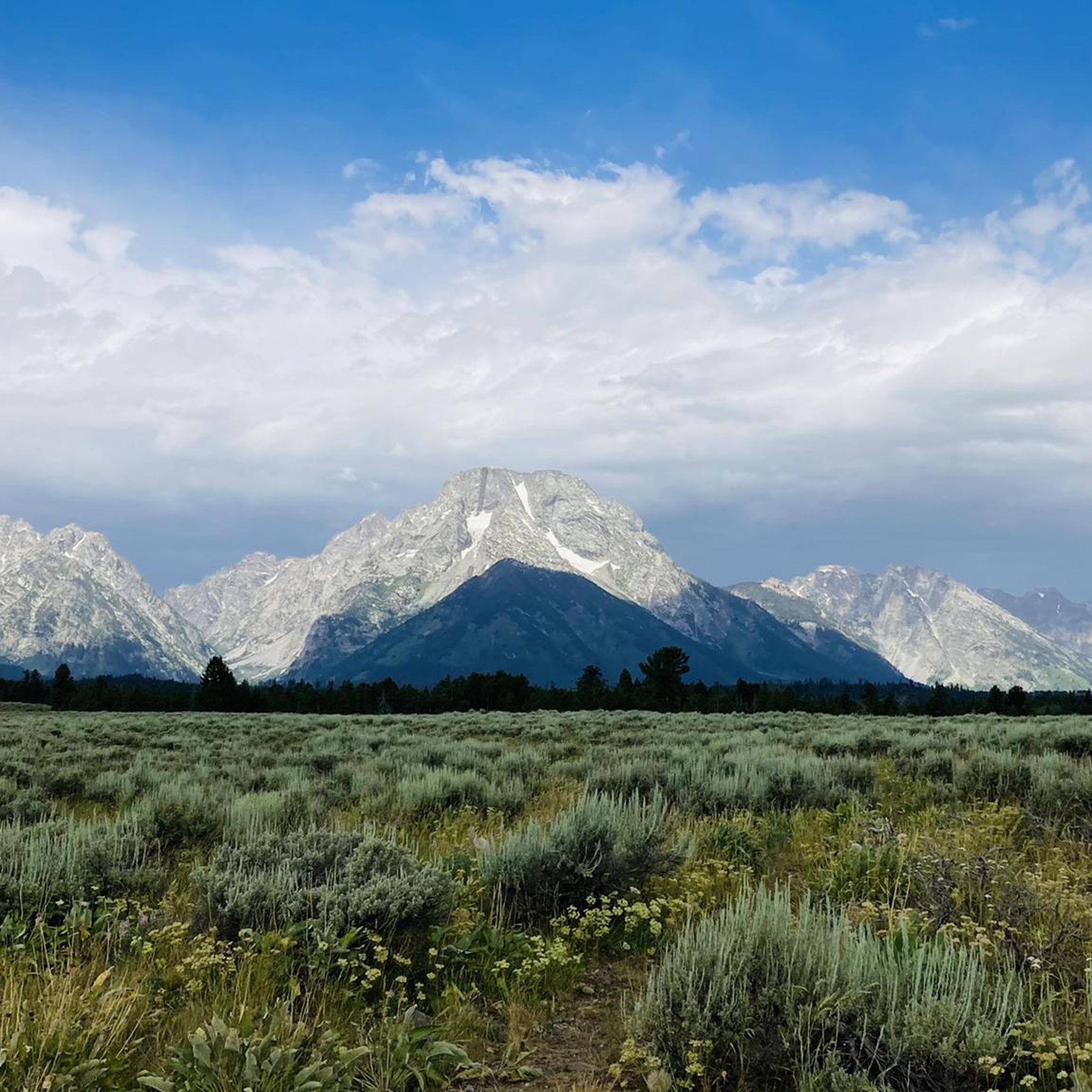
Road Cycling Routes in Wyoming
Other adventures in Wyoming


Tips from the Community


Ride the scenic Teton Park Road for stunning views of the Teton Range. This paved route runs between Moose and Jackson Lake Junction, with wide shoulders and epic photo stops. Watch for wildlife crossings, carry water, and enjoy the classic backdrop of rugged peaks and alpine lakes.
1
0

Once you have left the busy Grand Targhee resort behind you, you will be immersed in a wonderful mountain landscape that stretches along the Bannock Trail to Fred's Peak and Summit Trail (above the "Dreamcatcher" cable car). Fascinating views of the Grand Teton and Teton National Park, often along the ridge, never too steep but occasionally a little exposed; always 360° panoramic views! Attention: Fred's Peak is not "the summit" as shown on the map, but directly above the cable car top station!! (which is also a little over 3000 m high!!); Nice bonus: the descent on the quiet chairlift, which in summer is mainly used by downhill riders as a feeder to the starting point, is FREE for the descent! Caution: never(!!) use the downhill trails as a hiking trail; extreme risk of accident!!
0
0

From this pass, you can access both Jackson Hole in Wyoming and the Teton Valley, offering stunning views of both. It's an ideal starting point for your hike, as several trails can be accessed from here.
2
0

Getting to the top of Table Mountain is no mean feat — but it's well worth the effort, as this peak packs some really incredible views of Cascade Canyon and the Grand, South, and Middle Tetons looming above it. Make sure you plan your approach carefully: Coming from the west is challenging but doable.
1
0
Medicine Bow Peak sits at 12,013 feet (3,662 m) in elevation, and the trail to reach it is entirely above treeline. That means it's exposed to the elements and the weather — so although it may be a trail runner's natural inclination to go lightly and with minimal equipment, make sure you're prepared to deal with bad weather if it happens. The US Forest Service even recommends traveling here in the morning, as weather patterns tend to be even less stable in the afternoon.
1
0
Medicine Bow Peak sits at 12,013 feet (3,662 m) in elevation, and the trail to reach it is entirely above treeline. Weather can change quickly and dramatically at this elevation, so even the US Forest Service recommends hiking early in the morning, as the weather can be even more variable in the afternoon.
1
0

At more than 10,400 feet, lies Rendezvous Mountain in the middle of the Teton Range and offers spectacular views of the area! Even though that experience is impossible to top, many people agree that there is a way of making it even more unforgettable: just try one of the waffles at Corbet's Cabin and you will know what they are talking about.
0
0
Frequently Asked Questions
What are some of the most challenging mountain peaks to climb in Wyoming?
Wyoming offers several formidable peaks for experienced mountaineers. Gannett Peak, the highest point in Wyoming at 13,809 feet, is considered one of the most difficult state high-points in the nation, often requiring 3-5 days due to its remote location, glacier travel, and crevasse navigation. Grand Teton, at 13,770 feet, is another iconic and highly popular mountaineering destination with technical climbs. Fremont Peak, the third highest at 13,745 feet, also in the Wind River Range, presents a challenging, non-technical climb for fit hikers due to its elevation gain and potential for severe weather.
Are there any family-friendly mountain peaks or trails in Wyoming?
While many peaks are challenging, there are options for families. Grand Teton National Park itself is considered family-friendly, offering diverse hiking trails suitable for various skill levels. Within the park, you can find highlights like Grand Teton National Park which has numerous lakes and streams. For easier walks with great views, consider the area around Grand View Point, which offers a leisurely hike with beautiful views of the Tetons.
What natural features can I expect to see when visiting Wyoming's mountain peaks?
Wyoming's mountain peaks are surrounded by dramatic natural beauty. You can expect to see vast glaciers, such as the 896-acre Gannett Glacier on Gannett Peak and the Upper Fremont Glacier on Fremont Peak. Alpine lakes are abundant, particularly around Medicine Bow Peak with popular spots like Lake Marie and Mirror Lake, and within Grand Teton National Park which features Jackson Lake. Glacially-carved valleys, towering granite cliffs, and pristine alpine meadows are common, especially in the Cloud Peak Wilderness Area.
When is the best time of year to visit Wyoming's mountain peaks for hiking?
The best time to visit Wyoming's mountain peaks for hiking is generally during the summer months, from late June to early September. This period offers the most favorable weather conditions, with trails largely free of snow. However, even in summer, conditions can change rapidly at high altitudes, so it's essential to be prepared for varying temperatures and potential thunderstorms. Some areas, like Medicine Bow Peak, are also popular for snowshoeing and skiing in winter.
Which mountain peaks offer a less crowded experience in Wyoming?
For a more secluded experience, consider peaks within the remote Wind River Range, such as Gannett Peak and Fremont Peak. Their long, arduous approaches ensure an unparalleled wilderness experience with fewer visitors. The Cloud Peak Wilderness Area, home to Cloud Peak, also offers a true backcountry experience due to its wilderness status prohibiting motorized vehicles, ensuring tranquility and natural beauty.
What kind of wildlife can be spotted around Wyoming's mountain trails?
Wyoming's mountain regions are rich in wildlife. In areas like Grand Teton National Park and the Cloud Peak Wilderness Area, you can frequently spot moose, deer, and black bears. Other animals like bald eagles and various small mammals are also common. When hiking, especially in areas like Grand View Point, it's advisable to carry bear spray due to the high probability of bear sightings.
Are there specific permits required for mountaineering in the Wind River Range?
Yes, for mountaineering and extended backpacking trips into the remote Wind River Range, which includes peaks like Gannett Peak and Fremont Peak, permits are often required, especially for overnight stays in wilderness areas. It's crucial to check with the specific national forest (Bridger-Teton National Forest or Shoshone National Forest) or wilderness area management for the most current permit requirements before planning your trip.
What outdoor activities, besides climbing, can I do near Wyoming's mountain peaks?
Beyond climbing, Wyoming's mountain regions offer a wide array of outdoor activities. You can enjoy extensive hiking and backpacking, with trails ranging from easy to challenging. Cycling is popular, with routes like the Grand Teton National Park Road Trip. Running trails are also available, such as the Medicine Bow Peak Loop. For more options, explore the Cycling in Wyoming, Running Trails in Wyoming, and Easy hikes in Wyoming guides.
Can you recommend any mountain peaks in the Teton Range for stunning views?
The Teton Range is renowned for its dramatic beauty. For iconic views, Grand Teton itself offers breathtaking vistas from its summit and surrounding trails. Rendezvous Mountain, at over 10,400 feet, provides spectacular panoramic views of the area. Another excellent spot is View of the Teton Range from Hermitage Point, which offers fantastic, secluded views of the Tetons over Jackson Lake.
What makes Medicine Bow Peak a unique mountain to visit in Wyoming?
Medicine Bow Peak, the highest point in Southern Wyoming and the Snowy Range, is unique for several reasons. It's famously accessible via the picturesque Snowy Range Scenic Byway (Wyoming Highway 130). The mountains in this range are predominantly light-colored quartzite, giving them an almost white appearance. A hike to its summit offers stunning panoramic views of the Snowy Range, and the area is dotted with beautiful glacial lakes like Lake Marie.
Are there any mountain peaks in Wyoming known for their glaciers?
Yes, Wyoming is home to significant glaciers, particularly in the remote Wind River Range. Gannett Peak is notable for hosting the largest single glacier in the American Rocky Mountains, the 896-acre Gannett Glacier, along with Minor, Dinwoody, and Gooseneck Glaciers. Fremont Peak also features the Upper Fremont Glacier on its northern slopes, one of the largest and last remaining glaciers in the American Rockies.
What are some popular hiking trails near Wyoming's mountain peaks?
Many mountain peaks in Wyoming are surrounded by popular hiking trails. For Mount Washburn, the most popular walk to the summit is via the Dunraven Pass. Near Medicine Bow Peak, the Lake Marie loop is a popular 7-mile hiking route. In Grand Teton National Park, you'll find diverse trails, and for a longer, secluded experience with Teton views, the hike to Hermitage Point is recommended.
How does the climbing difficulty of Gannett Peak compare to Grand Teton?
Both Gannett Peak and Grand Teton are challenging mountaineering objectives, but they differ in their nature of difficulty. Gannett Peak is often considered one of the most difficult state high-points in the nation due to its extreme remoteness, long approaches, extensive glacier travel, and crevasse navigation, typically requiring 3-5 days. Grand Teton, while also a highly technical climb, is more accessible within Grand Teton National Park and has well-known routes like the Owen-Spalding, making it a popular mountaineering destination with a different set of technical challenges.
Most popular routes in Wyoming
Most popular attractions in Wyoming

Get inspired with the komoot mobile app


Didn’t find what you were looking for?
Discover Wyoming’s best peaks and summits by region:
Explore more
See even more amazing summits in Wyoming with these guides:
