Top 20 Castles in Bezirk Baden
Castles in Bezirk Baden, a district in Lower Austria, offer a glimpse into the region's rich past. This area features historic castles, ranging from well-preserved moated castles to scenic ruins, often nestled within dense forests or on elevated positions. These architectural sites provide unique attractions for visitors interested in history and natural settings. The district's landscape combines historical landmarks with opportunities for exploration.
Best castles in Bezirk Baden
- The most popular castles is Ruins of Merkenstein Castle, a castle…
Last updated: August 16, 2026
Kottingbrunn Castle
Highlight • Castle
Translated by Google •
Tip by

Arnstein Cave
Highlight • Cave
Translated by Google •
Tip by

Sign up now to discover places like this
Get recommendations on the best single tracks, peaks, & plenty of other exciting outdoor places.
Sign up for free
Arnstein Castle Ruins
Highlight • Castle
Translated by Google •
Tip by

Pottendorf Castle
Highlight • Castle
Translated by Google •
Tip by

Ruins of Merkenstein Castle
Highlight • Castle
Translated by Google •
Tip by

Mayerling Hunting Lodge and Carmelite Monastery
Highlight • Religious Site
Translated by Google •
Tip by

Ruins of St. Pankratius Church (Nöstach)
Highlight • Historical Site
Translated by Google •
Tip by
Seibersdorf Castle
Highlight • Castle
Read more on Wikipedia: de.wikipedia.org/wiki/Schloss_Seibersdorf_(Nieder%C3%B6sterreich)
Translated by Google •
Tip by

Rauheneck Ruins
Highlight • Castle
Translated by Google •
Tip by

Tribuswinkel Castle
Highlight • Castle
Translated by Google •
Tip by
Sign up for free to discover even more castles in Bezirk Baden.
Sign up for free
Already have an account?
Start today with a free account
Your next adventure awaits.
Login or Signup
Popular around Bezirk Baden
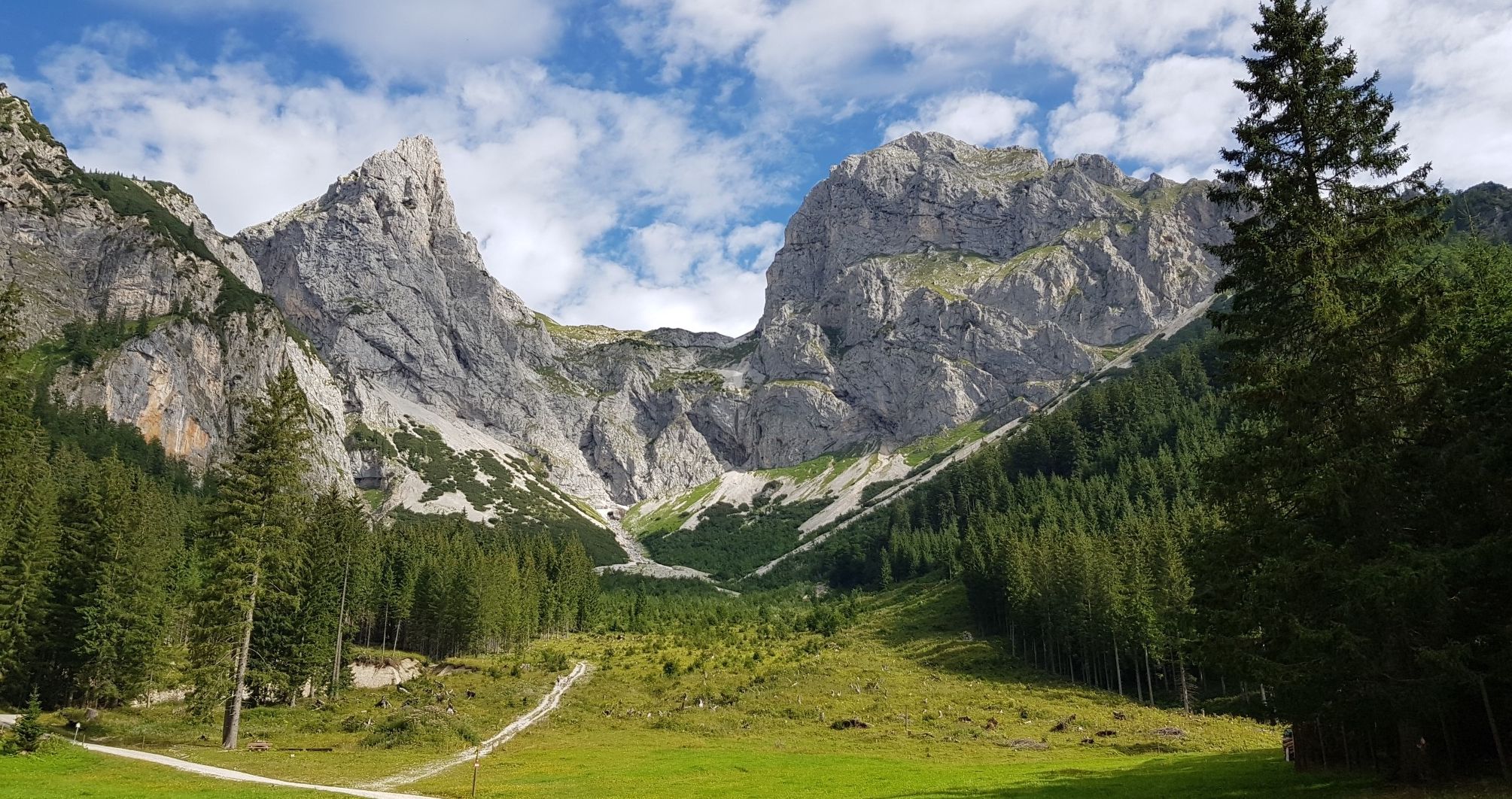
North Alpine Trail 01 – Hike across Austria in 49 days
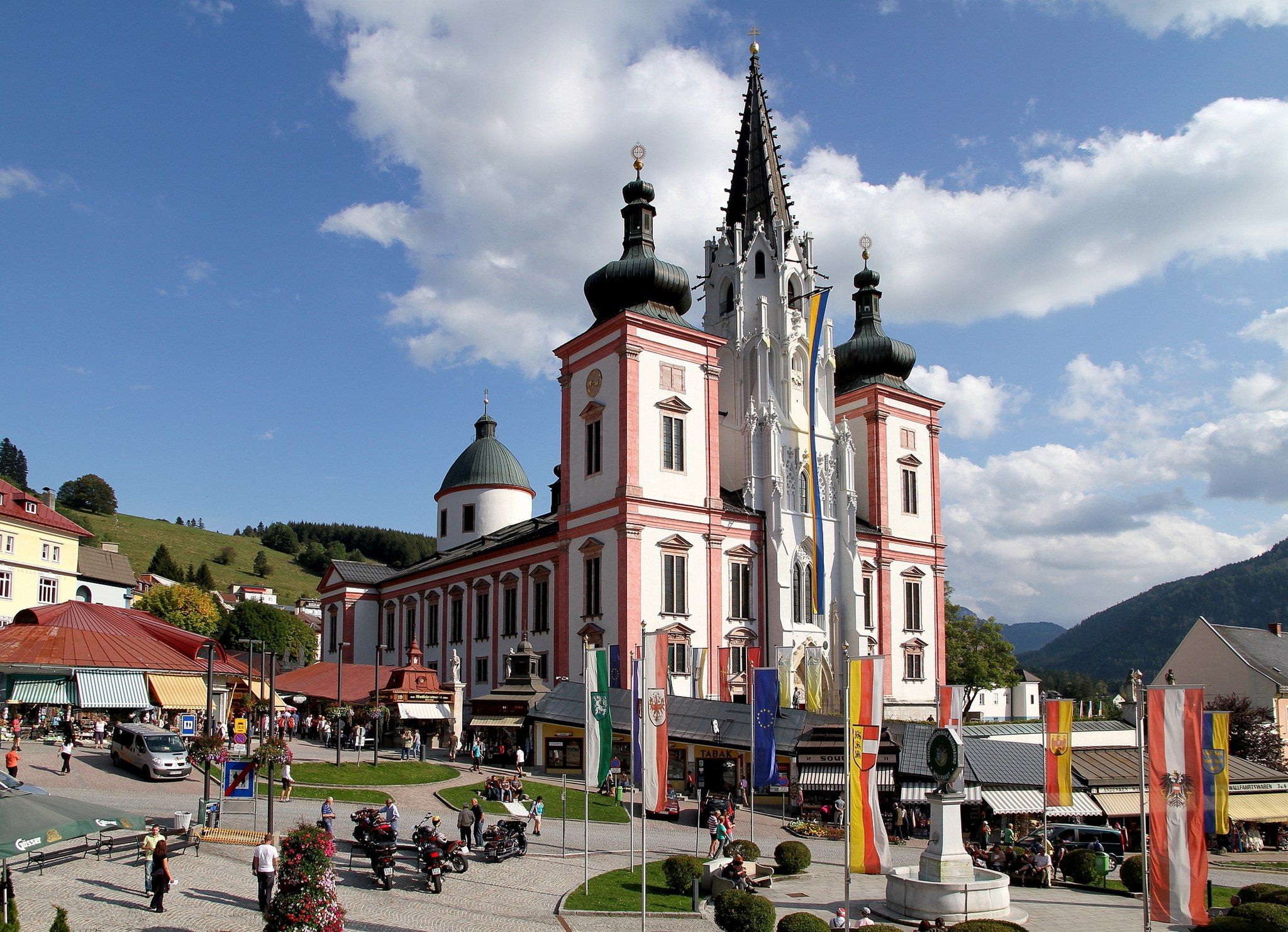
Wiener Wallfahrerweg 06 – A pilgrimage through Lower Austria
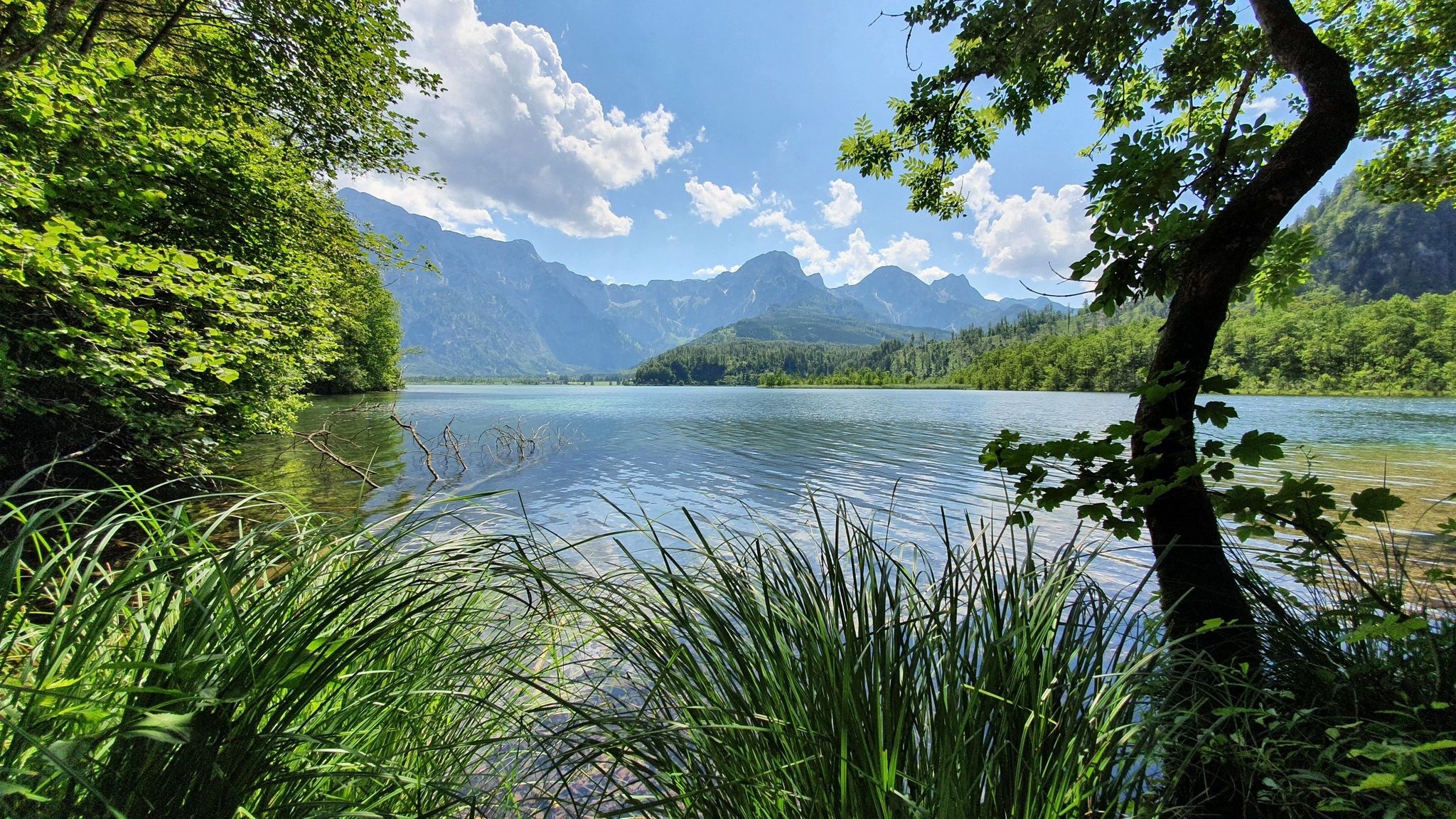
Voralpenweg 04 – From Vienna to Bad Reichenhall
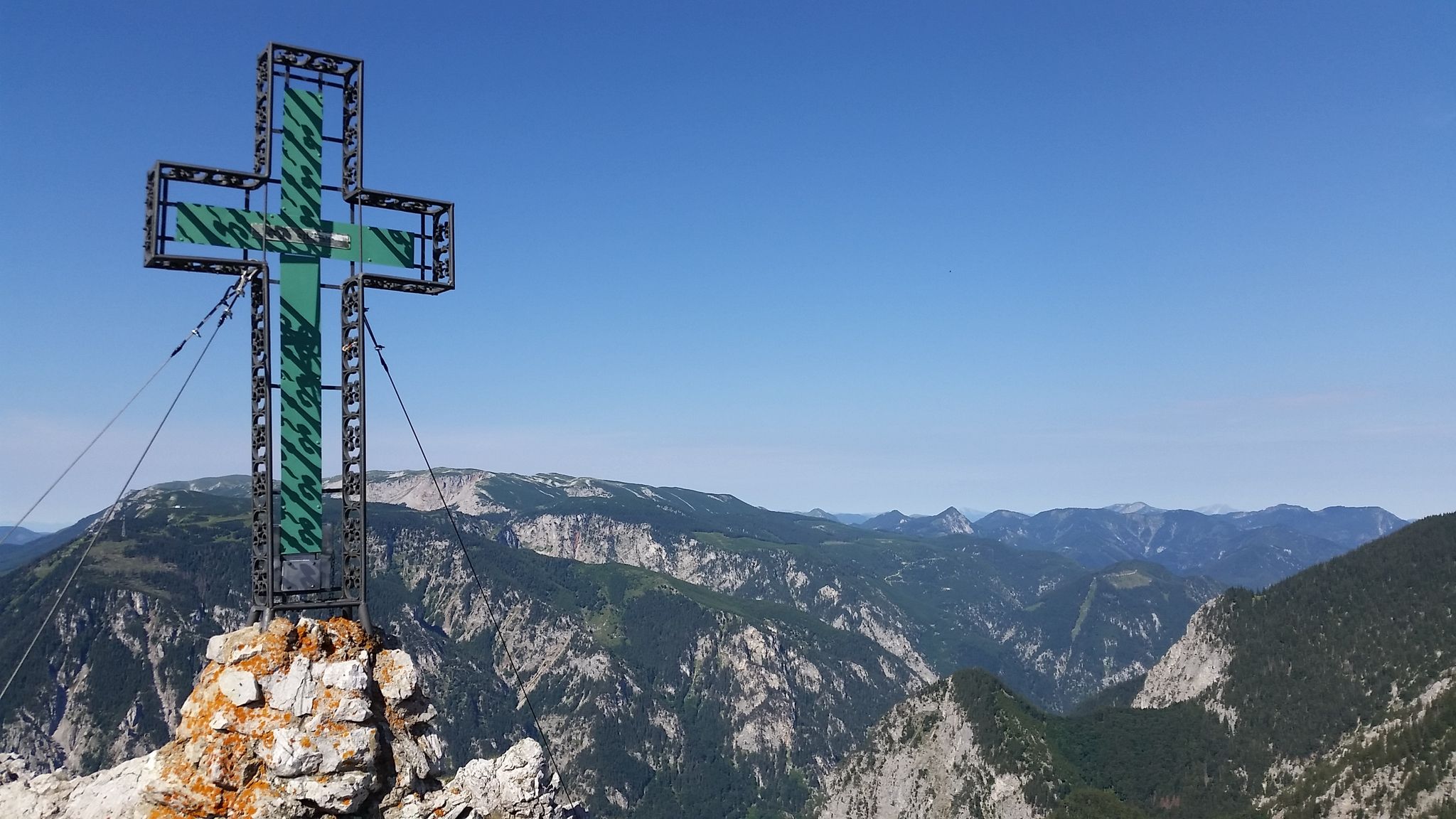
Viennese Alpenbogen – Lower Austria's most beautiful peaks
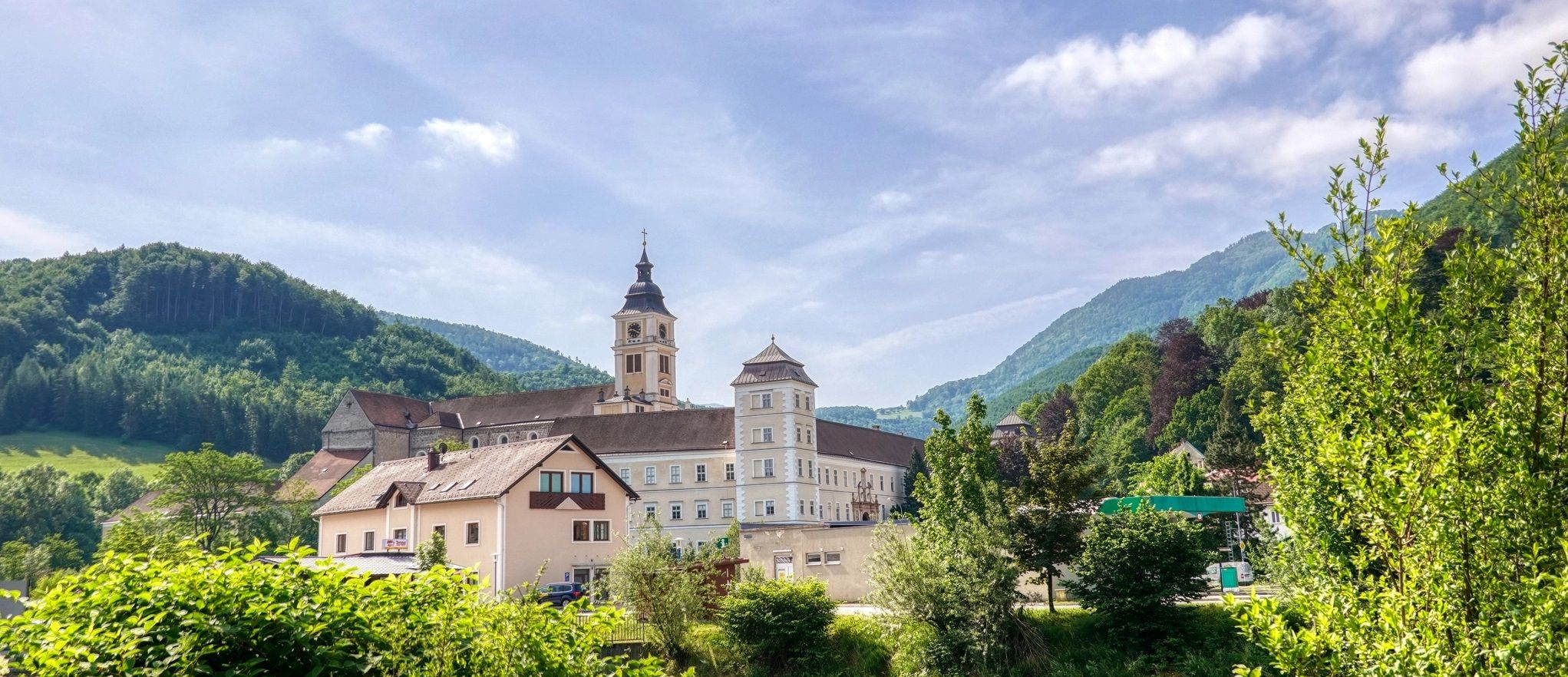
Via Sacra – hiking along holy paths from Vienna to Mariazell
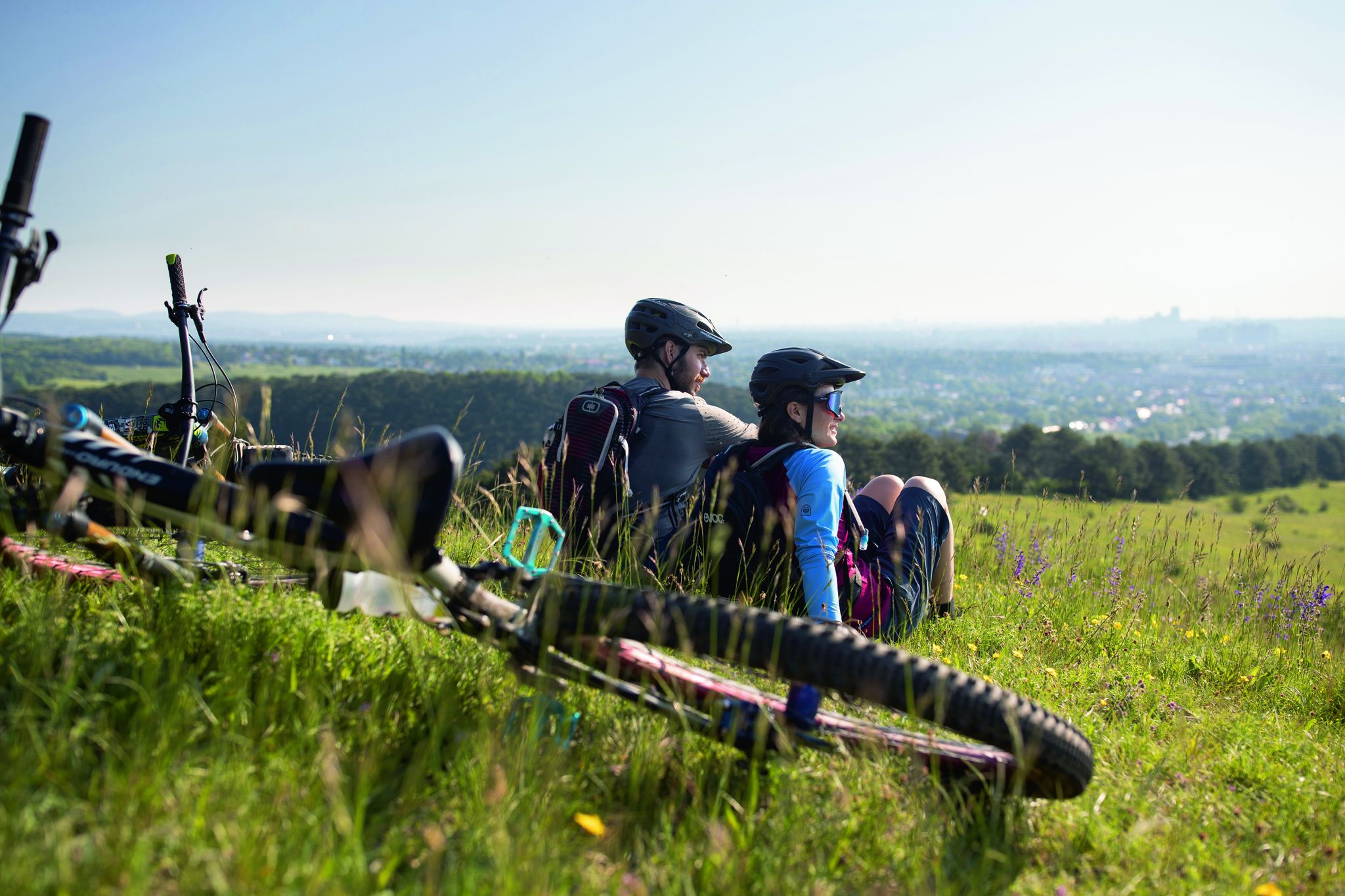
Fun, flow and elevation gain – MTB trails in the Vienna Woods
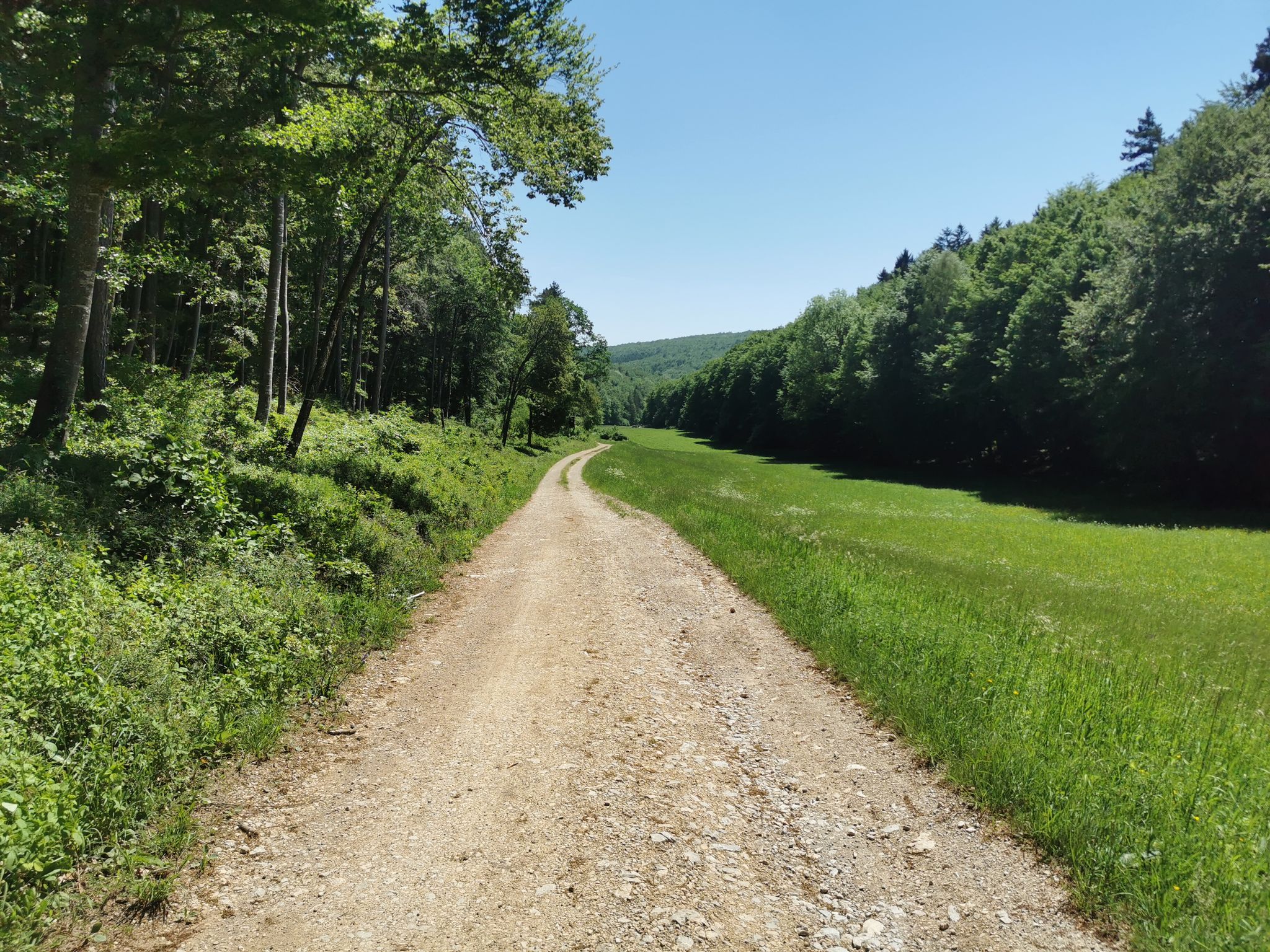
Hills and valleys – gravel bike tours in the Vienna Woods
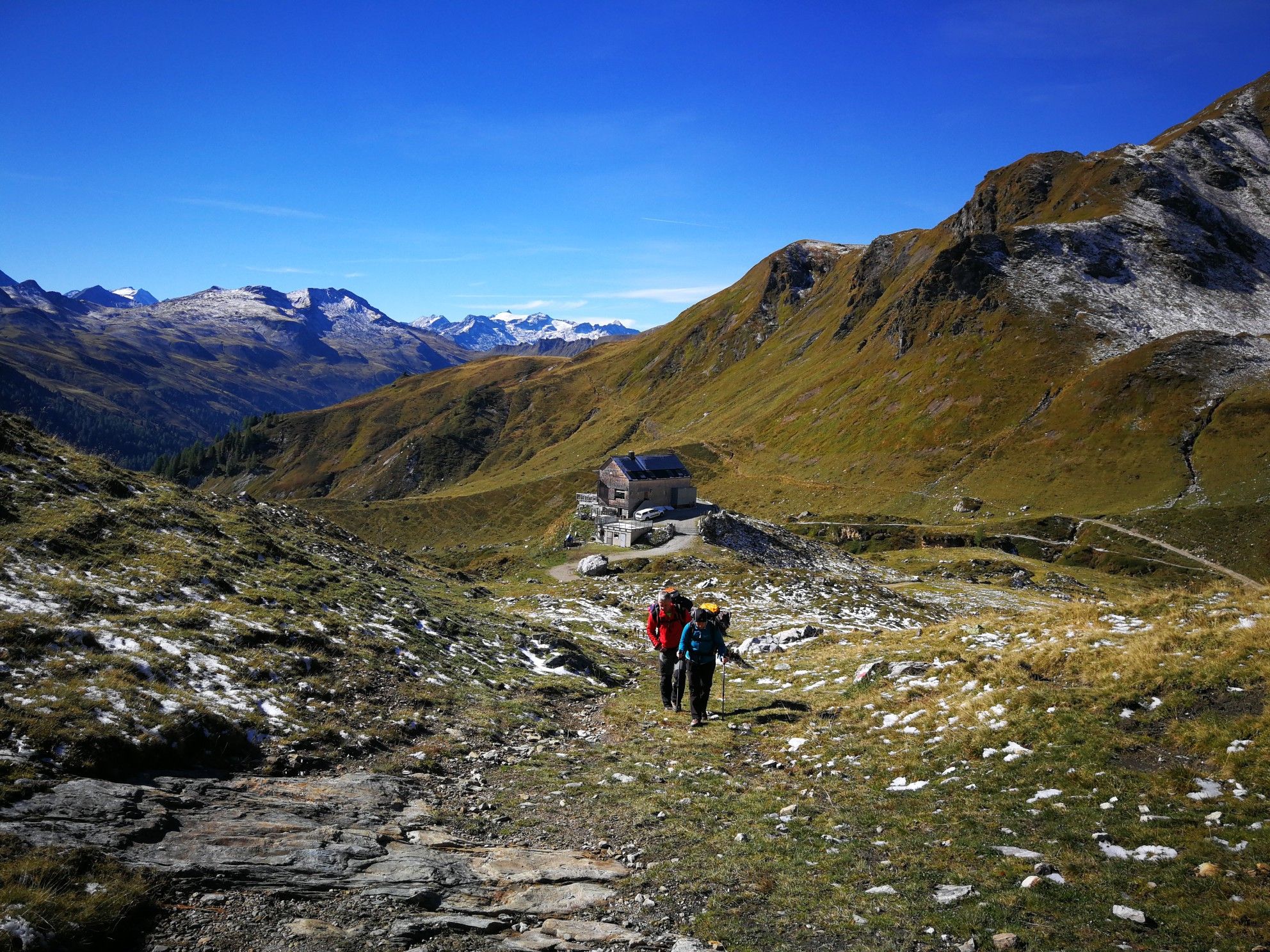
Lower Austria to Carinthia — our favourite huts in Austria
As we wrote history – the Transcontinental Race #TCRN06
Family adventures in Vienna's local mountains
Other adventures in Bezirk Baden


Tips from the Community

Older structures may have stood on the site of today's castle. The foundation charter of the Heiligenkreuz Abbey dates back to 1136. Among others, a witness named Jubort de Tribuswinchele is mentioned. The first defensive structure was likely built as a moated castle between 1120 and 1230. The lineage can also be found in the register of the Klosterneuburg Abbey. It is traceable to the first half of the 14th century. The Lords of Mistelbach are found as successors, and shortly thereafter Wolfgang von Winden, in whose family it remained until 1527.
0
0
The Arnstein Castle was first mentioned in writing in 1170. The first castellan and builder of the complex was Wichard von Arnstein, who was the feudal lord of Hohen Lindkogel and Peilstein at that time. The von Arnstein family owned the castle until the 14th century.
2
0
In the small Wienerwald municipality of Nöstach, there is a now dilapidated church from the 13th century. It was dedicated to Saint Pancras until it was deconsecrated in 1784 and the roof was removed.
1
0

Tribuswinkel Castle invites you to an exciting leisure visit and takes its visitors into a moving past. The various lords of the castle - including the Starhemberger, the Streun von Schwarzenau and the Hoyos - shaped the eventful history of this historic place. Especially during the Turkish wars, the castle played an important role: As a well-defended refuge, it offered the civilian population protection in uncertain times. Today, Tribuswinkel Castle presents itself as a lively meeting place for the community. Inside there is a kindergarten, which gives the building a very special liveliness. In addition, the versatile rooms are regularly used for exhibitions, fairs and various events - so there is always something new to discover. The extensive castle park, which was laid out in the style of an English garden, invites you to take a leisurely stroll. The inner courtyard of the castle is also freely accessible and contributes to the charm of the place with its atmosphere. A real highlight is the nature trail in the castle park, which is not only exciting for nature lovers. Tribuswinkel Castle is therefore always a worthwhile destination for a varied day trip or a relaxing afternoon.
1
0
Experience the castle island in Pottendorf! Mayor Thomas Sabbata-Valteiner cordially invites you to explore the otherwise inaccessible castle island on select days throughout the year. This exclusive opportunity offers you the chance to walk in the footsteps of a bygone era and experience the fascinating history of the castle ruins and the restored castle chapel firsthand. Join us on this historical journey and let yourself be enchanted by the atmosphere of this place. The meeting point is the castle island bridge, right by the castle island in Pottendorf. Here your excursion into the past begins! Admission is by voluntary donation to support the upkeep of Pottendorf Castle Park, and registration is not required. Take advantage of this unique opportunity to bring history to life and experience the beauty of the castle island. https://www.pottendorf.at/Schlossinselfuehrung_im_Schlosspark_Pottendorf
2
0

Kottingbrunn Castle is an impressive moated castle located in the market town of Kottingbrunn, in the Baden district of Lower Austria. Here are some interesting facts about the castle: 1. History: - The oldest known structural finds of the castle date back to the first half of the 13th century. - It has a rich history and has been an important building in the region over the centuries. 2. Architecture: - The castle is known for its architectural details and picturesque location, making it a popular destination for visitors. - It is surrounded by a beautiful castle park, which forms the heart of the market town. 3. Castle Museum: - On the first floor of the castle, there is a museum housed in the state rooms. - The rooms are decorated with remarkable stucco work and frescoes that reflect the history of the castle and the region. 4. **Events**: - The castle also offers the opportunity to host weddings and other events, making it a romantic venue for celebrations. 5. **Location**: - The castle is located only 25 km from Vienna, in the heart of the Vienna Woods, making it easily accessible. Kottingbrunn Castle is therefore not only a historical building, but also a cultural center that attracts many visitors.
1
0


Frequently Asked Questions
Which castles in Bezirk Baden are particularly family-friendly?
Several castles in Bezirk Baden offer a great experience for families. Kottingbrunn Castle is a moated castle with a small museum and a restaurant, making it an engaging visit. Pottendorf Castle, with its renovated chapel, and Tribuswinkel Castle are also noted as family-friendly options, often featuring accessible grounds or historical significance that can appeal to all ages.
Are there castles in Bezirk Baden that are good for hiking or offer natural surroundings?
Yes, many castles in Bezirk Baden are nestled in natural settings, perfect for combining history with outdoor activity. The Arnstein Castle Ruins are located in a dense forest on a 561-meter-high peak, offering a natural setting and a detour to the Arnsteinnadel rock formation. The Ruins of Merkenstein Castle provide a sense of adventure along narrow forest paths, powerfully enthroned on a rock.
What kind of historical insights can I gain from visiting castles in Bezirk Baden?
The castles in Bezirk Baden offer a rich tapestry of history. For example, the Arnstein Castle Ruins date back to the 12th century and were partially rebuilt after being destroyed during the Turkish siege in 1529. Rauheneck Ruins have a turbulent past, having been destroyed and rebuilt multiple times, with its final destruction by the Turks in 1529. These sites provide a glimpse into medieval life, sieges, and the architectural evolution of the region.
Which castles offer good viewpoints or scenic vistas?
For scenic views, the Arnstein Castle Ruins are perched on a high peak, offering views from its forest-clad location. The Rauheneck Ruins also provide beautiful views, including of the Helenental and the spa region. The Ruins of Merkenstein Castle, situated on a rock, offer a commanding presence and unique perspectives of the surrounding area.
Are there any castles in Bezirk Baden with unique architectural features or interesting stories?
Absolutely. Kottingbrunn Castle is an impressive moated castle, a significant landmark. Hernstein Castle was originally a four-winged structure and was adapted into an English Gothic-style hunting lodge in 1855, featuring a landscaped park and pond. The Rauheneck Ruins are associated with a legend about a ghost builder, adding a mystical element to its history.
What outdoor activities can I do near the castles in Bezirk Baden?
The region around the castles in Bezirk Baden is excellent for various outdoor activities. You can find numerous mountain hikes, such as the 'Arnstein Castle Ruins – Arnstein Cave loop,' which is a moderate 7.3 km route. For cycling enthusiasts, there are MTB trails and gravel biking routes available. Explore more options in the Mountain Hikes in Bezirk Baden, MTB Trails in Bezirk Baden, and Gravel biking in Bezirk Baden guides.
What is the best time of year to visit the castles in Bezirk Baden?
Visiting the castles in Bezirk Baden is enjoyable throughout much of the year. Spring and autumn offer pleasant temperatures for exploring the outdoor ruins and castle grounds, often with beautiful foliage. Summer is also popular, especially for combining visits with hiking or cycling. Even in winter, some sites like the Ruins of Merkenstein Castle can be atmospheric, particularly on clear, cold days.
Are there any castles in Bezirk Baden that have been recently renovated or are actively used?
Yes, Pottendorf Castle's chapel underwent renovation and revitalization, reopening in September 2018. This suggests that parts of the castle are accessible and potentially used for events, indicating its continued historical and community value. Kottingbrunn Castle also features a newly renovated square and hosts events.
What kind of facilities can I expect at the castles in Bezirk Baden?
Facilities vary by castle. Kottingbrunn Castle is well-equipped with a small museum and a highly-rated restaurant. For other sites, especially ruins like Arnstein Castle Ruins or Ruins of Merkenstein Castle, the focus is more on the historical exploration and natural setting, so amenities might be limited to nearby towns or trailheads.
How accessible are the castles in Bezirk Baden by public transport or car?
While specific public transport routes to every castle vary, many are reachable by car, often with parking available nearby. For instance, Pottendorf Castle and Tribuswinkel Castle are noted to have parking. For ruins located in forests, like Arnstein Castle Ruins, access often involves a hike from a nearby parking area or village.
Are there any lesser-known or 'hidden gem' castles in Bezirk Baden worth exploring?
While the guide highlights popular choices, the district is rich with historical sites. Beyond the well-known, exploring sites like Seibersdorf Castle or the Ruins of St. Pankratius Church (Nöstach) can offer a more secluded historical experience. These sites, though perhaps less frequented, contribute to the region's deep historical narrative.
Most popular routes in Bezirk Baden
Most popular attractions in Bezirk Baden

Get inspired with the komoot mobile app


Didn’t find what you were looking for?
Explore Bezirk Baden’s best castles region by region:
Explore more
Looking for the best castles somewhere else? Discover other guides in Bezirk Baden:
