Top 20 Natural Monuments in Park County
Natural monuments in Park County, Wyoming, are largely concentrated within Yellowstone National Park, which covers over half of the county's land area. This region features a diverse array of geological phenomena, including active geothermal areas, dramatic waterfalls, and expansive canyons. The landscape showcases the ongoing geological processes that have shaped this part of the Rocky Mountains. These natural features make Park County a significant destination for exploring unique natural formations.
Best natural monuments in Park County
- The most popular natural…
Last updated: August 20, 2026
Mammoth Hot Springs Terraces
Highlight • Natural Monument
Tip by

Norris Basin
Highlight • Natural Monument
Tip by
Sign up now to discover places like this
Get recommendations on the best single tracks, peaks, & plenty of other exciting outdoor places.
Sign up for free
Upper Yellowstone Falls
Highlight • Waterfall
Tip by
Lower Yellowstone Falls
Highlight • Waterfall
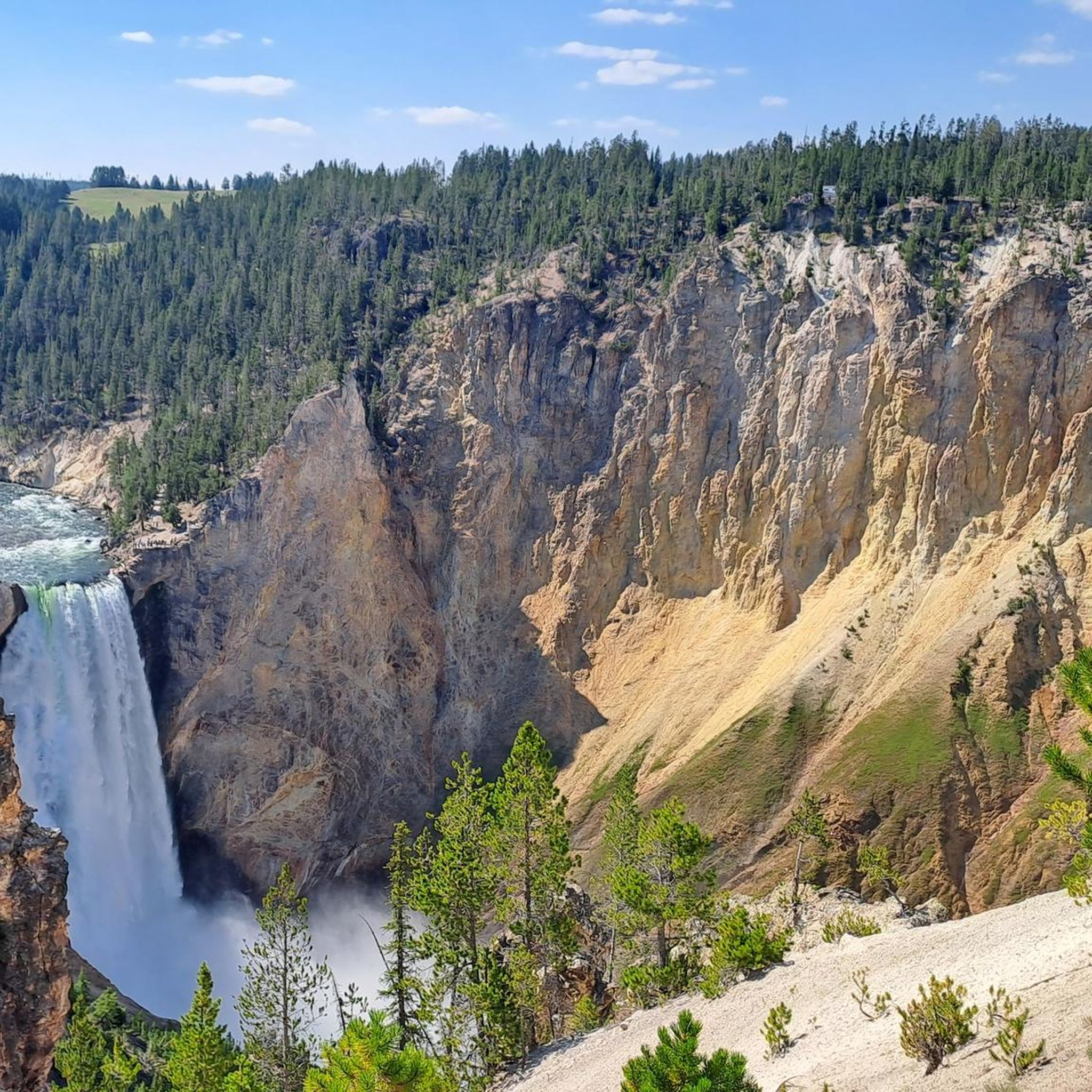
The Lower Falls of the Yellowstone River are a majestic sight, plunging dramatically into the Grand Canyon of the …
Tip by

Emerald Spring
Highlight • Natural Monument
Tip by

Black Dragon's Cauldron
Highlight • Natural Monument
Tip by
Mud Volcano Area, Yellowstone National Park
Highlight • Natural Monument
Tip by

Sour Lake
Highlight • Lake
Tip by
Minute Geyser
Highlight • Natural Monument
Tip by

Corporal Geyser
Highlight • Natural Monument
Tip by
Sign up for free to discover even more natural monuments in Park County.
Sign up for free
Already have an account?
Start today with a free account
Your next adventure awaits.
Login or Signup


Tips from the Community

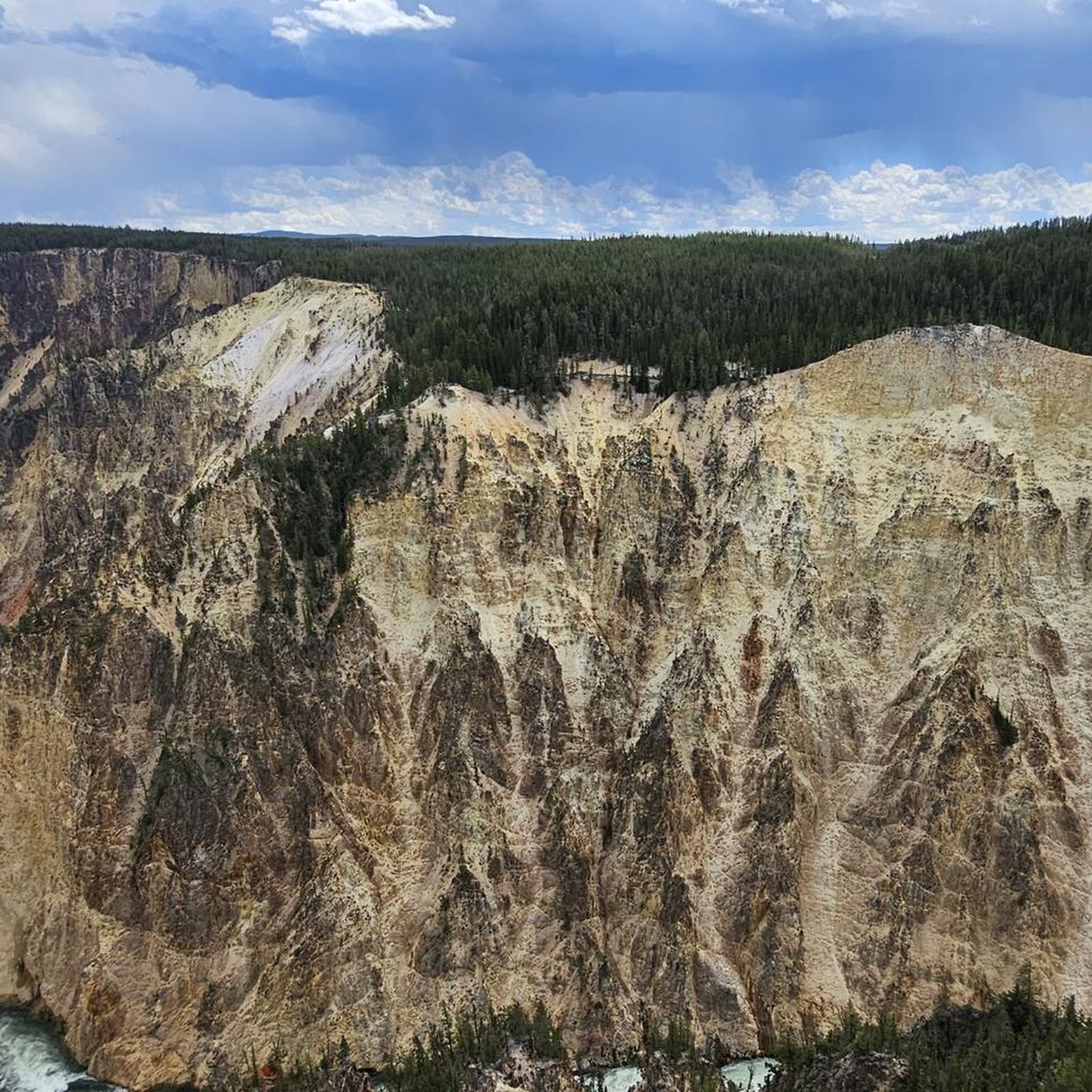
Lower Falls Of The Yellowstone River, Yellowstone National Park, United States 🇺🇸 The Grand Canyon of the Yellowstone stretches for roughly twenty miles and offers some of the most breathtaking vistas in the entire American West. Carved by the power of the Yellowstone River, the canyon walls display a stunning array of colors ranging from deep oranges and reds to brilliant yellows and whites, caused by the chemical weathering of iron compounds in the rhyolite rock. To get the best views of the Lower Falls, visitors should head to Artist Point or Lookout Point, which provide sweeping perspectives of the 308-foot waterfall as it plunges into the canyon below. Timing is essential when planning a visit to this iconic landmark, as the roar of the falls is most thunderous during the late spring and early summer when snowmelt increases the river's volume. It is highly recommended to arrive early in the morning to beat the large crowds and to witness the soft morning light illuminating the canyon walls. For those interested in a closer look, the Brink of the Lower Falls trail offers a steep but rewarding hike that leads directly to the edge of the precipice, allowing you to feel the mist and hear the deafening power of the water. Beyond the main overlooks, travelers should explore the various trails that line both the North and South Rims to find quieter spots for photography and wildlife viewing. The area is home to diverse fauna, including osprey that nest on the towering rock pinnacles and the occasional grizzly bear or elk wandering through the nearby forests. Always carry bear spray and stay on designated paths to protect the fragile geothermal environment. Because Yellowstone is a high-altitude park, it is wise to drink plenty of water and wear layers to accommodate the rapidly changing weather conditions common in the mountains. Faheem Hunarwar
0
0

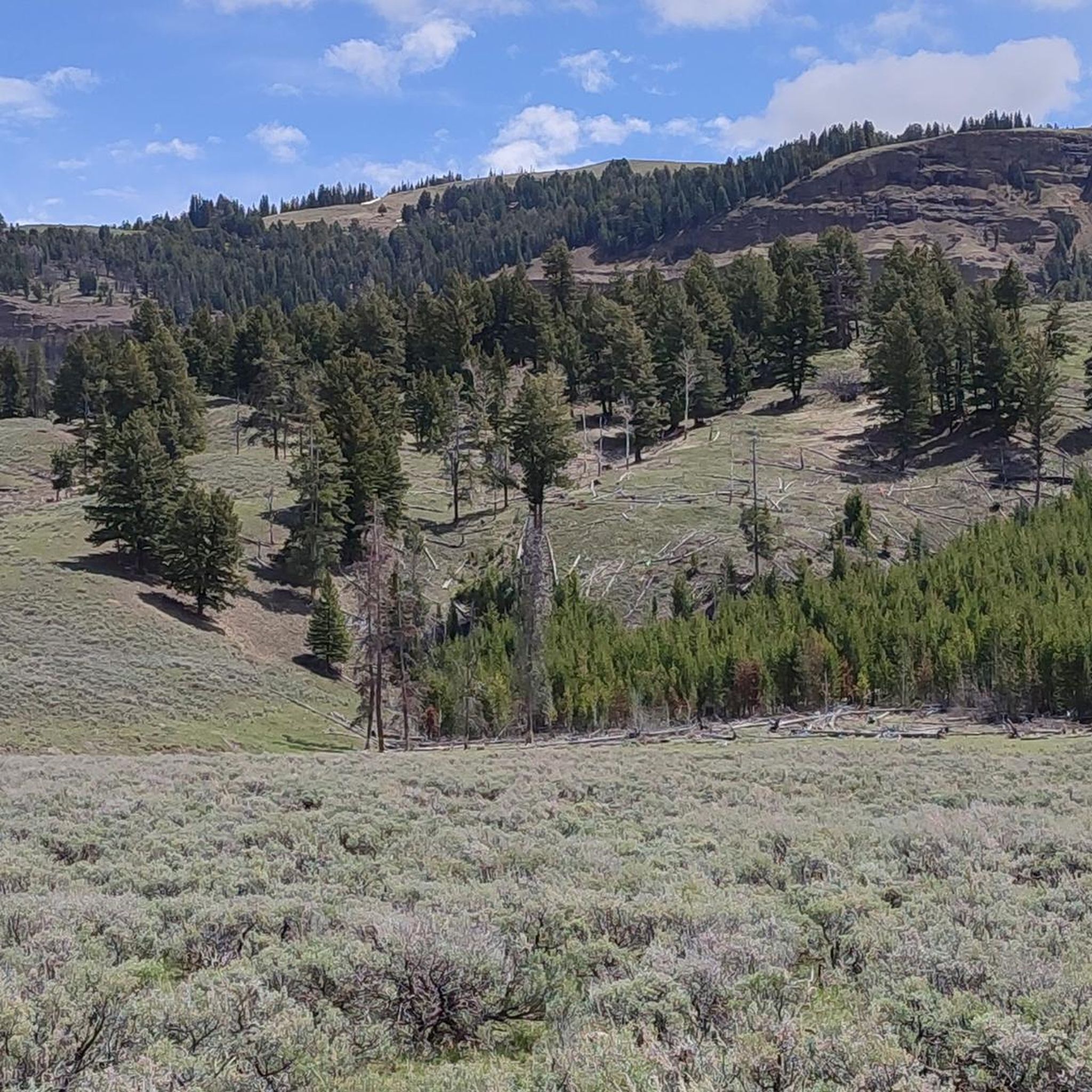
The Mud Volcano Area is one of the most intense and curious thermal areas in Yellowstone National Park. It differs from other basins in its predominantly acidic mud pots and strong sulfur odor. The uniqueness of the Mud Volcano lies in the formation of its mud forms. Certain microorganisms use this gas as an energy source, converting it into sulfuric acid. This acid dissolves the surrounding rock into clay and wet mud. The rising gas causes the mud to simmer, bubble, and splash. The consistency and activity of the mud pots changes depending on the season and rainfall. The pungent smell of rotten eggs is due to the escaping hydrogen sulfide gas.
0
0
The Black Dragon's Caldron is one of the most dramatic and relatively recent geothermal phenomena in the Mud Volcano Area of Yellowstone National Park. Unlike many thermal springs that have existed since the park's discovery, the Black Dragon's Caldron was a relatively recent development. It erupted through a crack in the ground during the winter of 1947/1948 and was discovered in June 1948. Upon its formation, the eruption was very violent. It uprooted surrounding trees and covered them with thick mud, creating a ghostly, dead forest.
0
0
Sour Lake is a well-known geothermal feature in the Mud Volcano Area of Yellowstone National Park. This area is famous for its unusual and extremely acidic mud springs and thermal pools. Sour Lake is one of the most acidic thermal pools in Yellowstone, formed by the geological and microbial processes in the Mud Volcano Area.
0
0

Lower Falls of the Yellowstone, Yellowstone National Park, United States 🇺🇸 The Lower Falls of the Yellowstone River are a majestic sight, plunging dramatically into the Grand Canyon of the Yellowstone. This iconic waterfall, nearly twice the height of Niagara Falls, is a testament to the raw power of nature and the volcanic forces that shaped this unique landscape. Visitors can marvel at its grandeur from various viewpoints, each offering a distinct perspective on the cascading water and the vibrant hues of the canyon walls. The Grand Canyon of the Yellowstone itself is a geological wonder, carved by the mighty Yellowstone River over thousands of years. Its rhyolite rock, altered by hot water and steam, displays a dazzling array of colors, from fiery reds and oranges to soft yellows and browns. Hiking trails wind along the rim and descend into the canyon, providing opportunities for intimate encounters with this breathtaking natural artistry. Exploring this area offers incredible photographic opportunities and a chance to truly connect with the wild heart of Yellowstone. Remember to stay on marked trails for safety and to protect the delicate ecosystem. Early mornings or late afternoons often provide the best light for photography and fewer crowds, allowing for a more serene experience.
1
0

Very active bubbling pool with explosive history.
0
0

This 110-foot waterfall is only small in comparison to the lower falls, which are almost 330 feet high. Needless to say the upper falls are still magnificent, and the interesting colors in the canyon walls are the result of this region's constant hydrothermal activity.
0
0
Frequently Asked Questions
What unique geological features can I explore in Park County?
Park County, largely encompassing parts of Yellowstone National Park, offers a diverse array of geological wonders. You can explore intricate travertine terraces at Mammoth Hot Springs Terraces, witness intense geothermal activity at Norris Basin, and marvel at the dramatic Lower Yellowstone Falls plunging into the Grand Canyon of the Yellowstone. Other notable features include the vibrant colors of Grand Prismatic Spring and the predictable eruptions of Old Faithful Geyser.
Are there any family-friendly natural monuments in Park County?
Yes, several natural monuments in Park County are suitable for families. Mammoth Hot Springs Terraces, Norris Basin, and Upper Yellowstone Falls are all categorized as family-friendly. The Mud Volcano Area and Black Dragon's Cauldron also offer accessible experiences for all ages.
Which natural monuments in Park County are wheelchair accessible?
For visitors requiring wheelchair accessibility, Norris Basin, Emerald Spring, and Corporal Geyser are noted as wheelchair accessible. These areas often feature boardwalks that allow for safe and easy viewing of the geothermal features.
What kind of outdoor activities can I do near the natural monuments in Park County?
Park County offers numerous outdoor activities. You can find various running trails, including loops around Lower Yellowstone Falls and Upper Yellowstone Falls. For hiking, there are easy trails like the Mammoth Terraces Trail and the Steamboat Geyser and Norris Basin Loop Trail. Explore more options on the Running Trails in Park County, Easy hikes in Park County, and Hiking in Park County guide pages.
Where can I see impressive waterfalls in Park County?
Park County is home to some magnificent waterfalls, primarily within Yellowstone National Park. The most prominent are Upper Yellowstone Falls, with a 33-meter drop, and the even more dramatic Lower Yellowstone Falls, which plunges into the Grand Canyon of the Yellowstone. Various viewpoints offer stunning perspectives of these powerful cascades.
What is the best time to visit the natural monuments in Park County?
The best time to visit natural monuments in Park County, especially those within Yellowstone National Park, often depends on your priorities. For photography and fewer crowds, early mornings or late afternoons are ideal. The spring and fall seasons generally offer pleasant weather and fewer visitors than the peak summer months. However, some areas may have seasonal closures, particularly in winter.
Are there any less-known natural monuments worth visiting outside of Yellowstone National Park in Park County?
Beyond Yellowstone, Park County offers other significant natural attractions. The Bighorn Canyon National Recreation Area is a hidden gem featuring towering cliffs, clear waters, and rugged hiking trails, perfect for boating, fishing, and stargazing. The McCullough Peaks Wild Horse Herd Management Area and Buffalo Bill Reservoir also provide unique natural experiences.
What should I know about parking and permits when visiting natural monuments in Park County?
Many of Park County's natural monuments are located within Yellowstone National Park, which requires an entrance fee. Parking is generally available at designated viewpoints and trailheads, but can fill up quickly during peak season. It's advisable to check the official Yellowstone National Park website for current entrance fees, permit requirements, and parking availability, especially for popular sites like Old Faithful or Grand Prismatic Spring.
Can I see wildlife at the natural monuments in Park County?
Yes, Park County is rich in wildlife. While exploring natural monuments, particularly within Yellowstone National Park, you have opportunities to spot various animals. The McCullough Peaks Wild Horse Herd Management Area is specifically known for its wild horse population. Always maintain a safe distance from wildlife and never feed animals.
What are some of the most striking geothermal features in Park County?
Park County is renowned for its geothermal activity. The Mammoth Hot Springs Terraces are famous for their intricate, marble-white travertine formations. Norris Basin is the oldest and hottest thermal area, featuring acidic waters and vibrant colors. Other notable features include Minute Geyser, Emerald Spring, and Corporal Geyser, each offering unique geothermal displays.
Are there specific hiking trails associated with these natural monuments?
Many natural monuments in Park County have dedicated hiking trails or boardwalks for exploration. For instance, you can walk the Mammoth Terraces Trail at Mammoth Hot Springs Terraces, or explore Norris Basin via its wooden boardwalks. The Grand Canyon of the Yellowstone also offers trails along its rim and into the canyon. For more detailed routes, refer to the Hiking in Park County guide.
What should I wear when visiting natural monuments in Park County?
When visiting natural monuments in Park County, especially those in Yellowstone, it's best to dress in layers. Weather can change rapidly, even in summer. Comfortable, sturdy walking shoes are essential for exploring trails and boardwalks. A hat, sunscreen, and rain gear are also recommended. For cooler seasons, warm clothing, including a waterproof outer layer, is crucial.
How do visitors describe their experience at the natural monuments in Park County?
Visitors frequently describe their experiences as awe-inspiring and unforgettable. For example, the Norris Basin is often highlighted as a must-see, with its 'smoke, hissing and bubbling everywhere' and 'different colors of the pots and springs.' The Lower Yellowstone Falls is praised for its 'majestic sight' and 'incredible photographic opportunities,' allowing visitors to 'truly connect with the wild heart of Yellowstone.'
Are there any natural monuments in Park County that are particularly good for photography?
Many natural monuments in Park County offer exceptional photographic opportunities. The vibrant colors of the Grand Prismatic Spring, the intricate formations of Mammoth Hot Springs Terraces, and the dramatic cascades of Lower Yellowstone Falls are particularly photogenic. Early mornings or late afternoons often provide the best light for capturing these natural wonders.
Most popular attractions in Park County

Get inspired with the komoot mobile app


Didn’t find what you were looking for?
Find even more amazing natural monuments in Park County by checking out the top Highlights region by region:
Explore more
Extend your search for the best caves by checking out these guides of the top ones in Park County:
