Top 20 Castles in Weimarer Land
Best castles in Weimarer Land offers a rich collection of historical and cultural sites, showcasing architectural treasures from medieval fortresses to elegant ducal residences. This region, steeped in history, provides diverse experiences for visitors exploring its varied landscape. Many castles are situated on elevated positions, offering expansive views over the surrounding countryside. The area's historical significance and beautiful grounds make it a compelling destination for those interested in past eras.
Best castles in Weimarer Land
- The most popular castles is…
Last updated: July 6, 2026
Ettersburg Castle
Highlight • Castle
Translated by Google •
Tip by

Kromsdorf Castle
Highlight • Castle
Translated by Google •
Tip by

Sign up now to discover places like this
Get recommendations on the best single tracks, peaks, & plenty of other exciting outdoor places.
Sign up for free
Oberschloss Kranichfeld
Highlight • Castle
Translated by Google •
Tip by

Ponds and Rest Hut Tannroda
Highlight • Mountain Hut
Translated by Google •
Tip by

Buchfart Rock Caves
Highlight • Cave
Translated by Google •
Tip by

St. Justinus and St. Laurentius Castle Church, Ettersburg
Highlight • Religious Site
Translated by Google •
Tip by

View of Buchfart Rock Castle
Highlight • Viewpoint
Translated by Google •
Tip by

Wall of Stone Busts, Kromsdorf Castle Park
Highlight • Monument
Translated by Google •
Tip by
Tonndorf Castle
Highlight • Castle
Translated by Google •
Tip by

Kapellendorf Moated Castle
Highlight • Castle
Translated by Google •
Tip by

Sign up for free to discover even more castles in Weimarer Land.
Sign up for free
Already have an account?
Start today with a free account
Your next adventure awaits.
Login or Signup
Popular around Weimarer Land

Around Thuringia — 7 stages through Germany's green heart
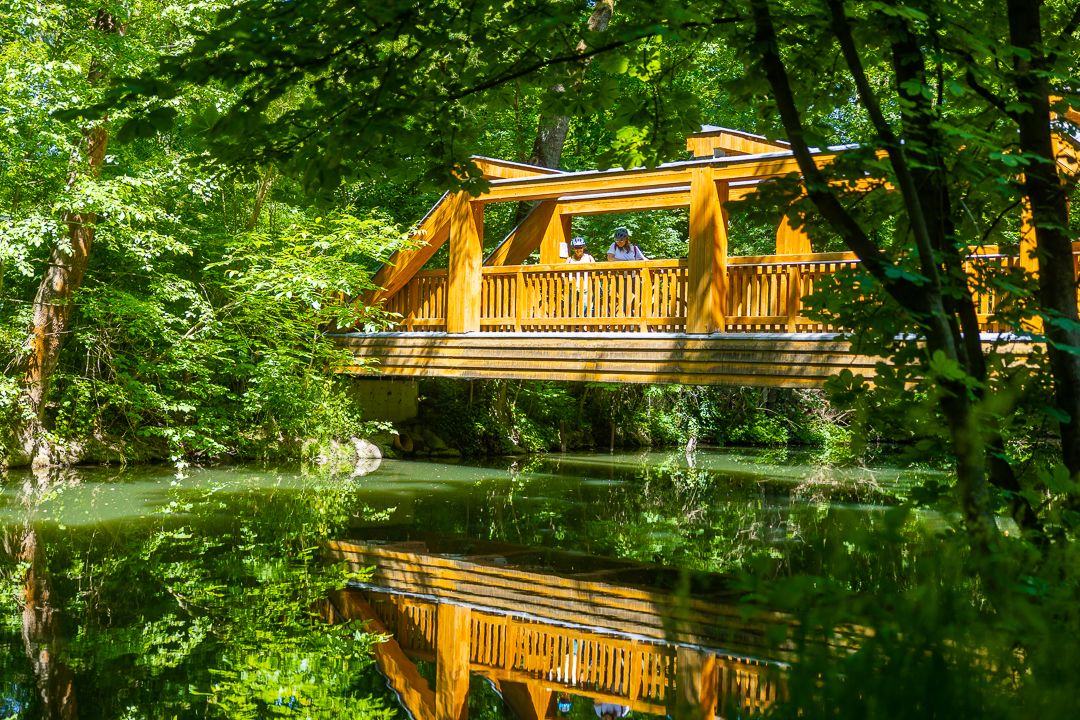
Ilm Valley cycle path – 4 stages through Thuringia
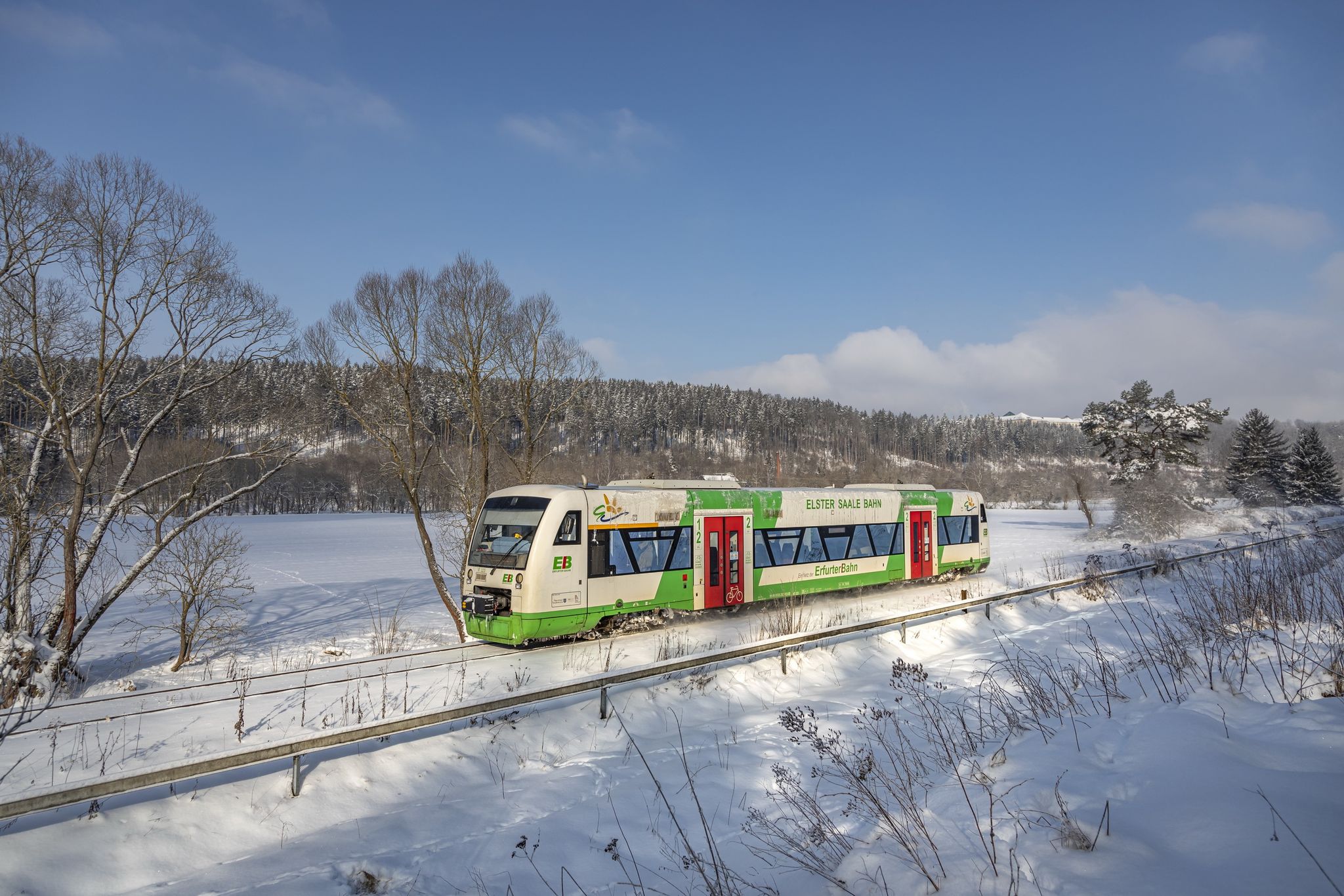
Discover Thuringia – winter hiking with the Erfurter Bahn
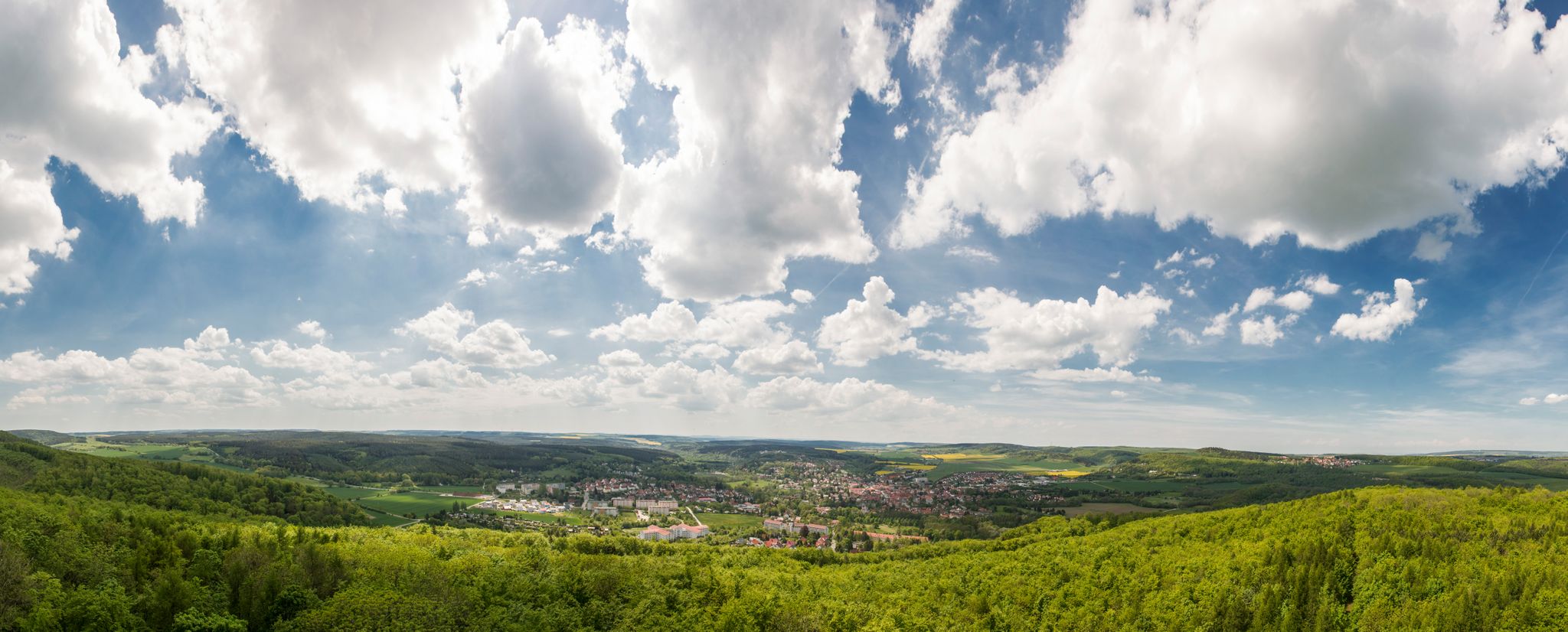
Beautifully varied hikes around Bad Berka
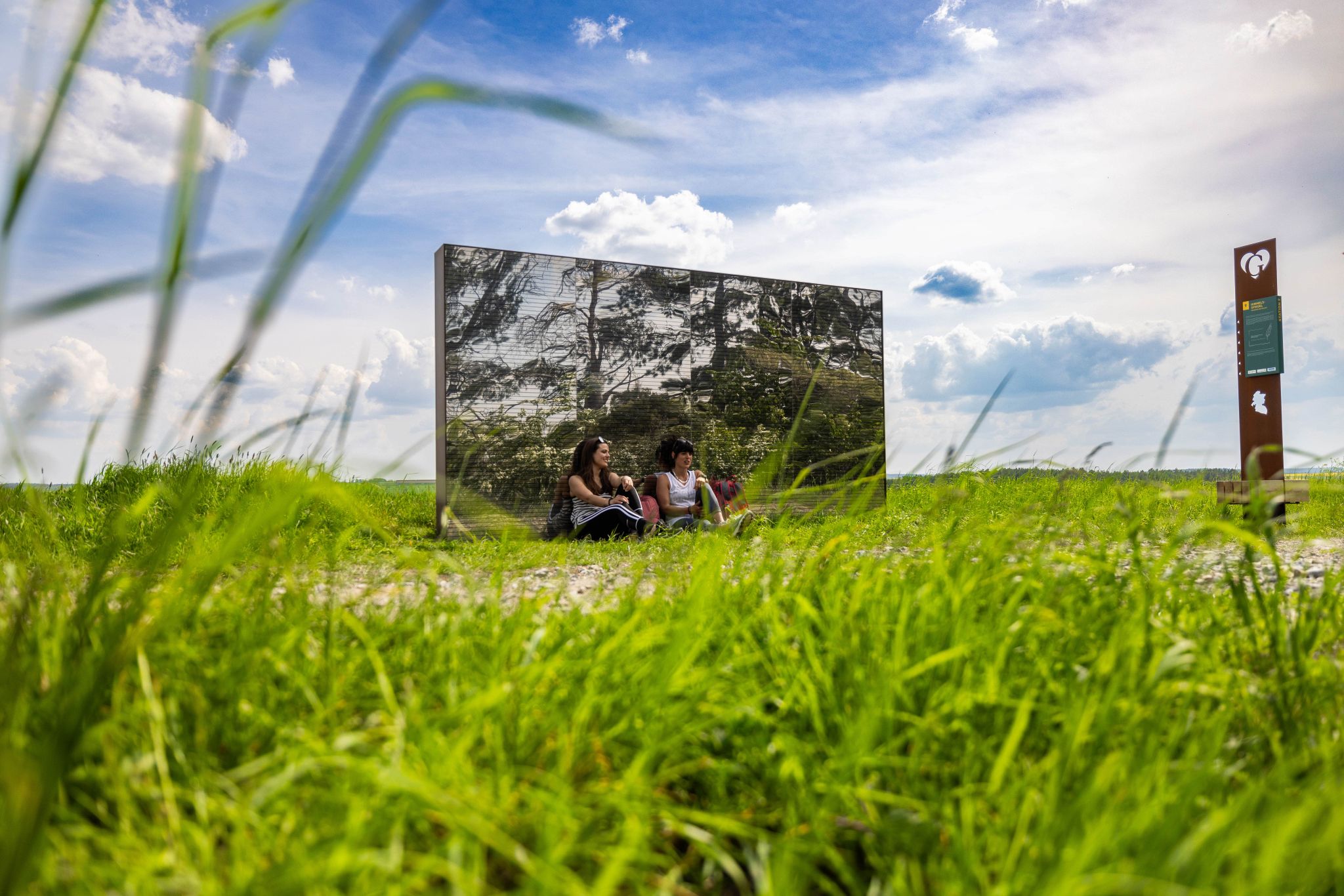
On the Goethe Adventure Trail through Germany’s Weimarer Land
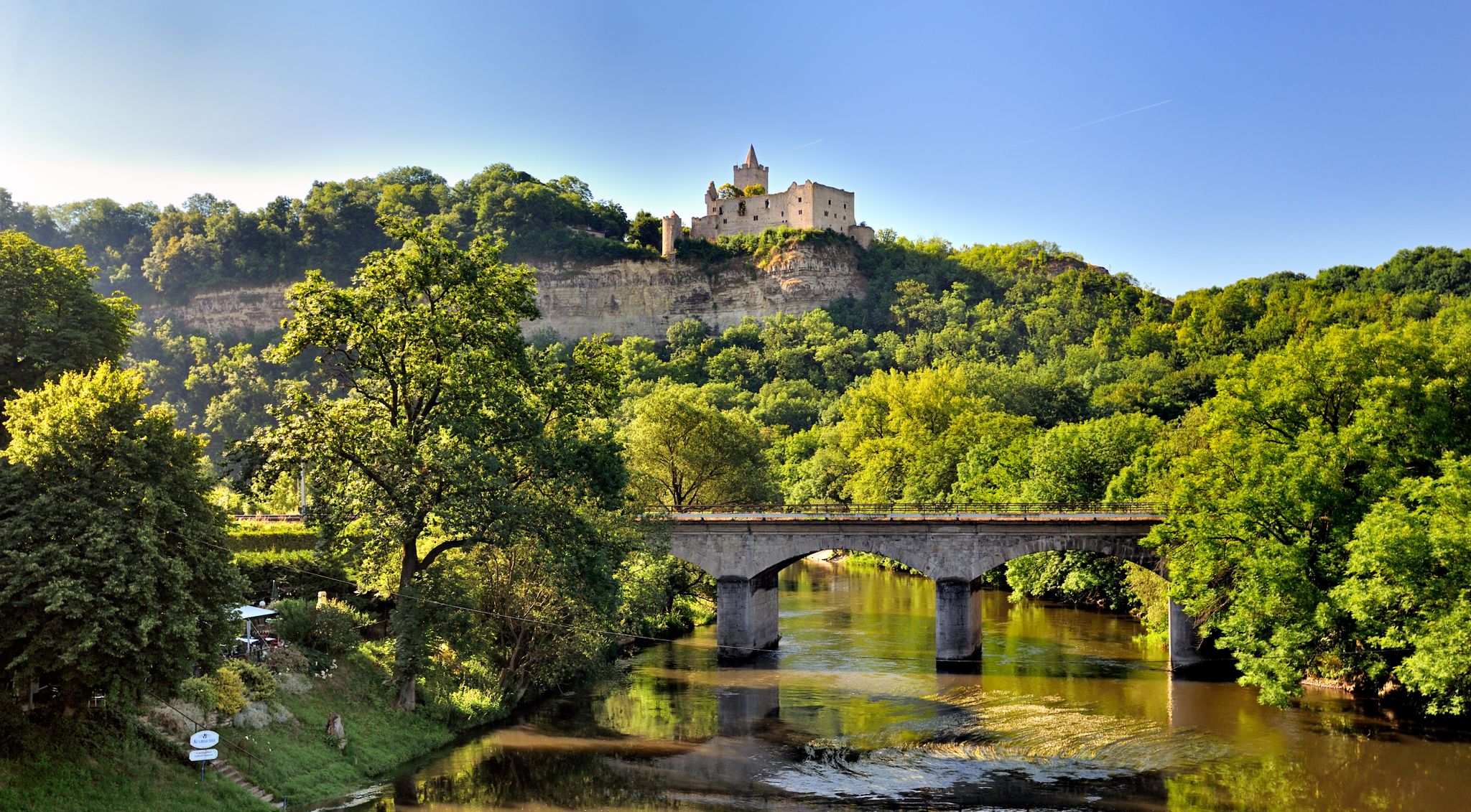
The 10 most beautiful hikes between Germany’s Saale and Unstrut rivers
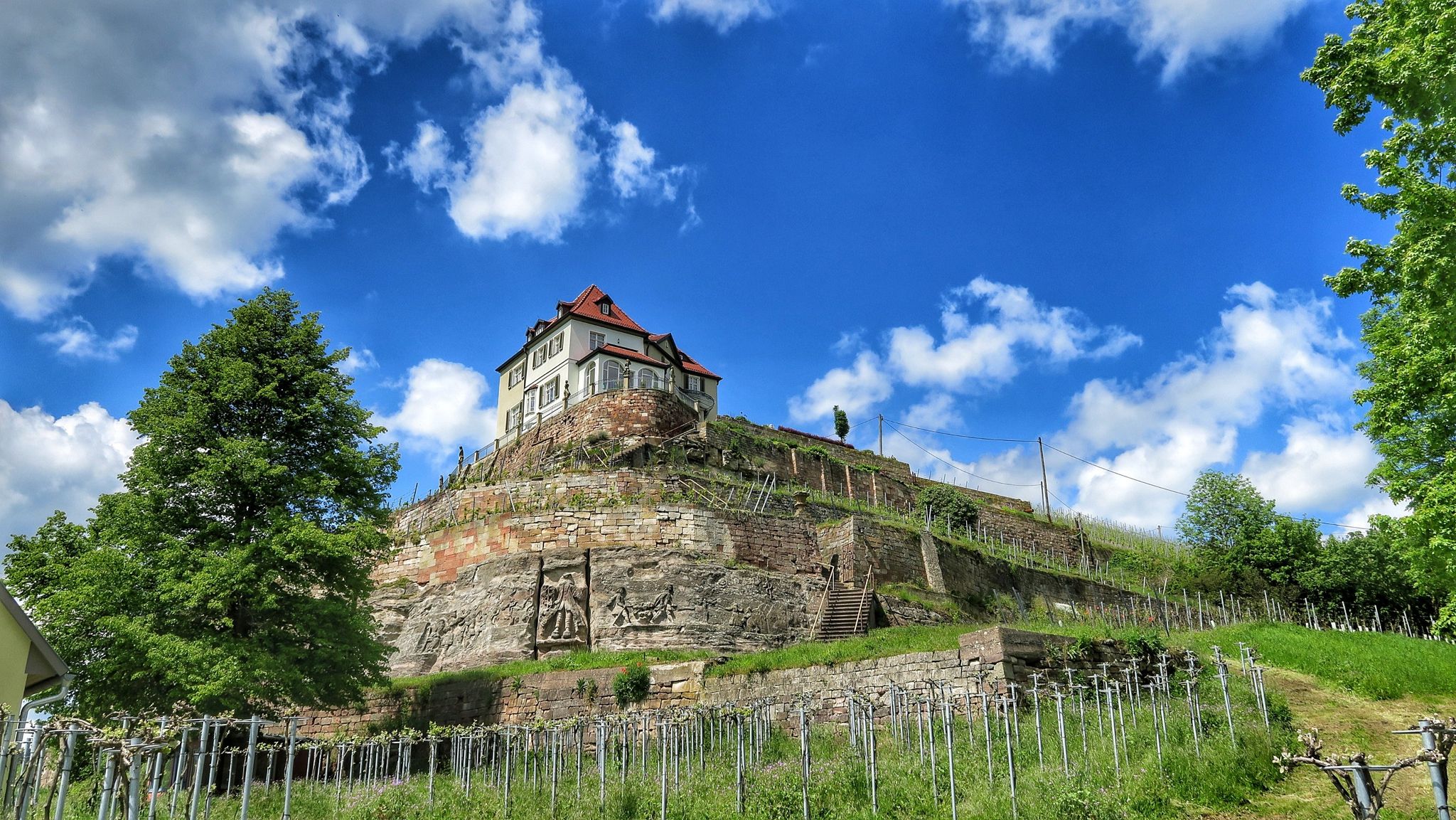
Ilmtal and Unstrut cycle paths – discover Thuringia in Germany by bike
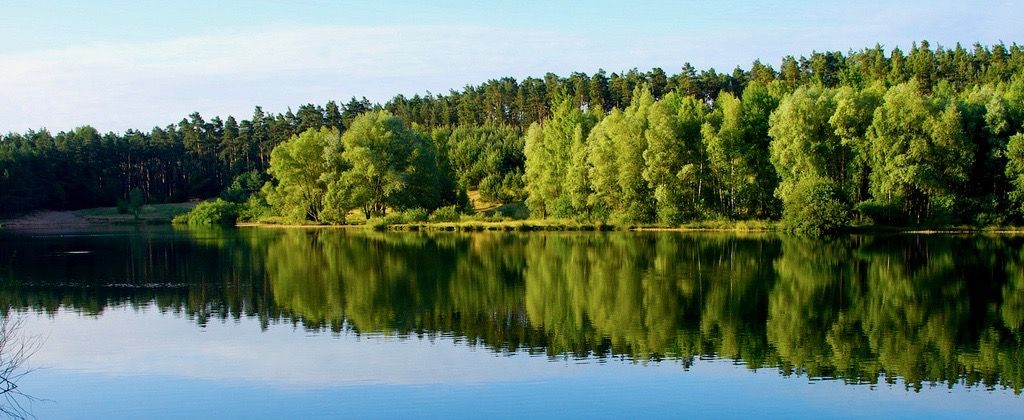
33 lakes for sunny weekends
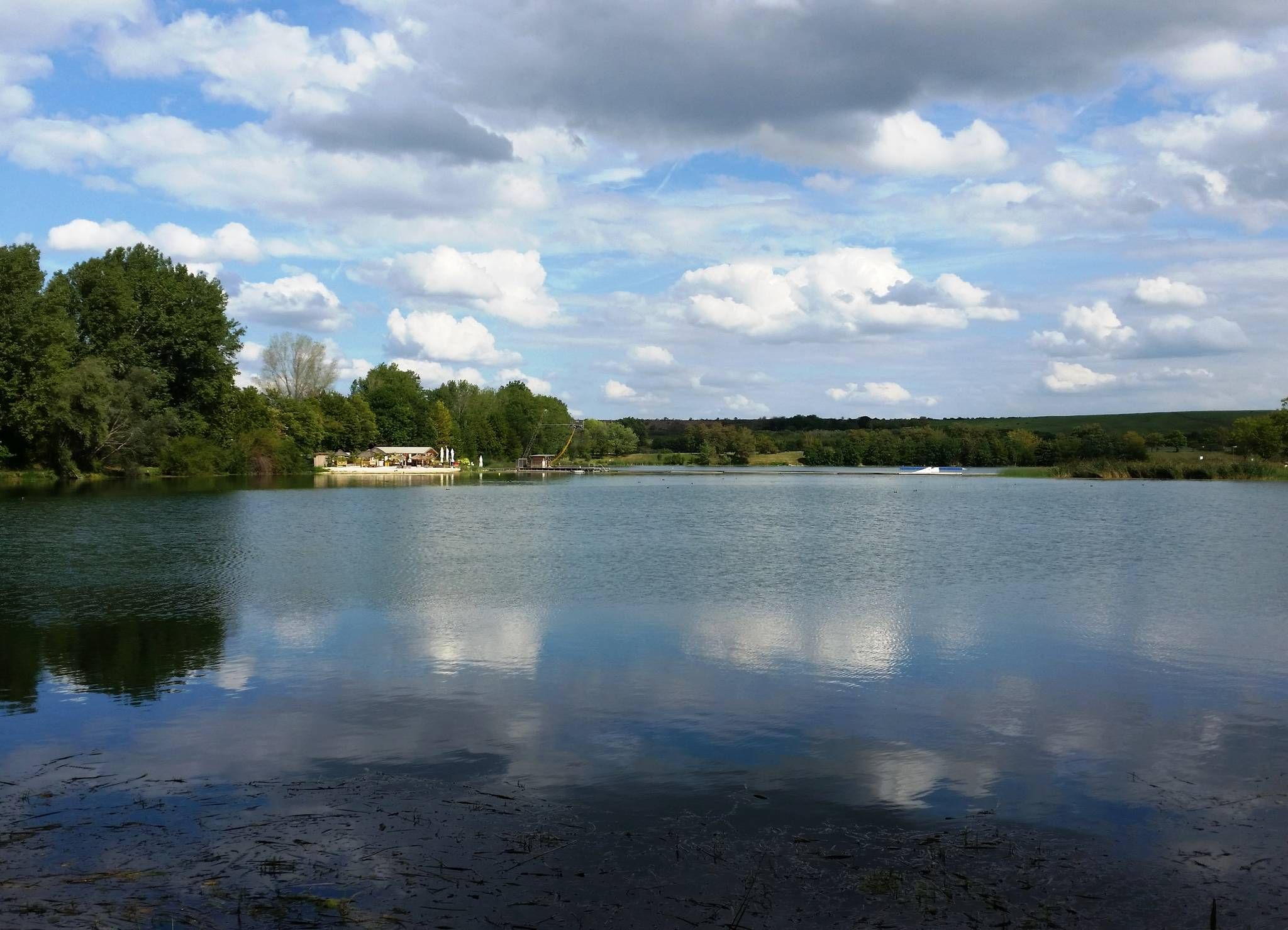
The most popular swimming spots in Thuringia
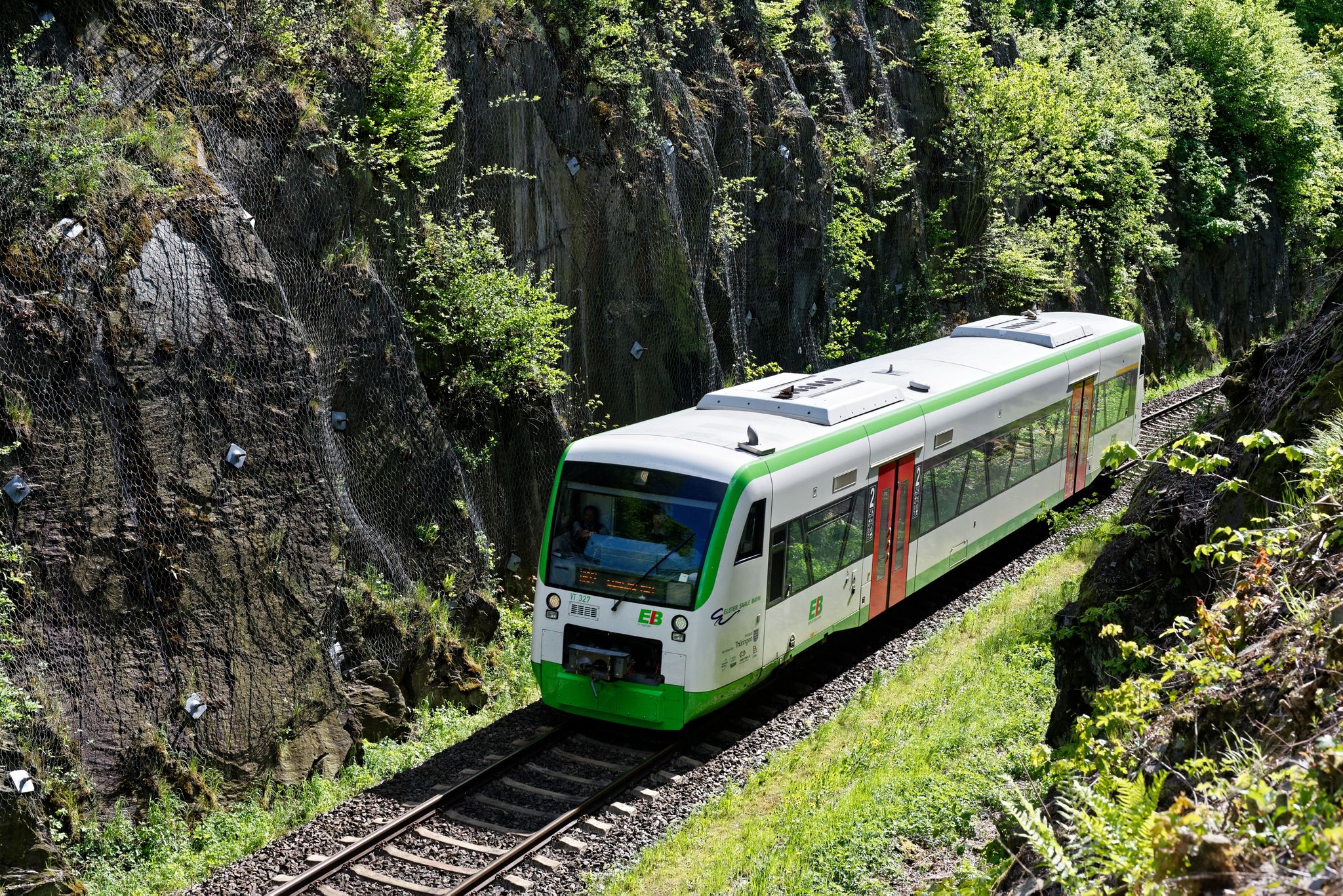
Nächster Halt: Natur – Wandern mit der Erfurter Bahn
Other adventures in Weimarer Land


Tips from the Community

The Buchfarter Felsenburg, located on the steep shell limestone slope of the Illm River, is the only structure of its type in Central Germany and of particular cultural and historical significance. It was originally a castle complex belonging to the Counts of Orlamünde. Around the 12th century, 12 chambers of varying sizes were carved into the steep rock face in a row extending approximately 110 meters in length and at a height of 40 meters above the Illm River. The chambers were connected by a Romanesque hillside wall. Some wall remains and a round-arched doorway are still visible today. The rock castle had no military significance in the late Middle Ages. However, it served as a fully developed, impregnable refuge for a long line of counts, dukes, and electors.
18
0

Ilm cycle path towards Ziegengraben, very nice to cycle here.
0
0

Unfortunately not accessible, but definitely a hiking highlight in the region.
8
0

This hut is located right next to the ponds of Tannroda and invites you to take a break. Eat with a view of the water from the front row. What more do you need, sit down, relax and enjoy nature at its best.
15
0

"When Mortaigne redesigned the palace gardens in 1666, he set 64 niches for sandstone busts in the garden wall. It is not clear how many busts Mortaigne had made and how many his successor, Duke Wilhelm Ernst, had made. It is assumed that the majority of the busts are attributable to Wilhelm Ernst, as he was better off financially and was also a collector of such pieces. From 1709 onwards he commissioned the sculptor Hans Caspar Ritze to make more busts. When the French troops marched through Kromsdorf in 1806, they knocked off the noses of all but around 11 busts. The sculptor Dupont began restoring them in 1833 on the orders of Grand Duke Carl Friedrich. The rulers and military leaders are by far the most numerous, with 45 busts. There are only three poets and thinkers, however. It is also striking that only one woman is mentioned by name: Anne Stuart. The other female busts have impersonal names, such as "Woman from the island of Chios" From Wikipedia Some noses are still missing...
1
0
In the 🏰 park there is also a small snack bar with delicious 🍦 and ☕️.
16
0

Since the first palace and park complexes were built at the beginning of the 18th century, Ettersburg was a popular hunting and summer residence for the ducal family of Saxony-Weimar and Eisenach. Anna Amalia gathered a literary and artistic circle around her here. The extensive landscape park with its gardens and the "Pückler-Schlag" is a gem of garden art.
22
0

The castle was built in the 17th century in the Baroque style. Originally it was a manor house built on behalf of Count von Hatzfeldt. In the 18th century it was remodeled in the Rococo style. The castle was inhabited by various noble families and served as a residence and representative residence.
14
1
Frequently Asked Questions
Which castles in Weimarer Land are particularly family-friendly?
Several castles in Weimarer Land offer great experiences for families. Ettersburg Castle, with its extensive landscape park, is perfect for walks and relaxation. Kromsdorf Castle and Oberschloss Kranichfeld are also noted as family-friendly. Additionally, the Kapellendorf Moated Castle is well-preserved and often hosts cultural events suitable for all ages.
Are there any castles in Weimarer Land that are wheelchair accessible?
While many historical sites present accessibility challenges, the Wall of Stone Busts at Kromsdorf Castle Park is listed as wheelchair accessible, offering a chance to experience a part of the region's history. For other castles, it's advisable to check specific site information regarding paths and interior access.
What kind of natural features or viewpoints can I find near the castles?
Many castles in Weimarer Land are situated to offer impressive views. Oberschloss Kranichfeld, for instance, commands attention from its mountain spur position with far-reaching views. Ettersburg Castle's park provides expansive views over the surrounding countryside. The Rock Castle near Buchfart, a unique cave castle, is nestled within rocky cliffs, offering a distinct natural setting.
What outdoor activities can I do near the castles in Weimarer Land?
The region offers diverse outdoor activities. You can find numerous hiking opportunities, including easy hikes like the 'Hohenfelden Reservoir loop' or the 'Schlossberg Adventure Trail'. For cycling enthusiasts, there are road cycling routes such as the 'Kapellendorf Moated Castle – Goethe's Garden House loop'. Mountain biking is also popular, with trails like the 'Leutra Valley – Old Burgau Saale Valley Bridge loop'. You can explore more options on the easy hikes guide, road cycling routes guide, and MTB trails guide for Weimarer Land.
Are there any unique or 'hidden gem' castles in the region?
The Rock Castle near Buchfart is a rarity, considered a special feature in the Thuringian castle landscape due to its cave castle nature. While its condition is deteriorating, it offers a unique historical insight. Another distinct site is Kapellendorf Moated Castle, which possesses its own distinct character and is one of the best-preserved moated castles in Thuringia.
What is the best time of year to visit the castles in Weimarer Land?
Weimarer Land's castles can be enjoyed throughout the year. Spring and autumn offer pleasant temperatures for exploring the castle grounds and parks, such as those at Ettersburg Castle. Summer is ideal for outdoor events and festivals often hosted at places like Niederburg Kranichfeld. While some castles may have reduced winter opening hours, the historical charm remains, and the landscape can be beautiful under snow.
Can I find cafes or restaurants near the castles?
Yes, some castles offer on-site or nearby dining options. Ettersburg Castle, Kromsdorf Castle, Oberschloss Kranichfeld, and Tonndorf Castle are all listed as having cafes or restaurants. Additionally, many towns and villages surrounding the castles will have local eateries.
How long should I plan for a visit to a castle in Weimarer Land?
The duration of a visit can vary depending on the castle and your interest. For larger sites like Ettersburg Castle with its extensive park, you might spend a half-day exploring. Smaller castles or ruins might only require an hour or two. If you plan to combine a castle visit with nearby hiking or cycling, allocate a full day.
Are there any castles that are part of a UNESCO World Heritage site?
Yes, Ettersburg Castle and its park are part of the 'Classic Weimar' ensemble, which has been a UNESCO World Heritage Site since 1998. Schloss Belvedere and Schloss Tiefurt also feature beautiful parks and are recognized as part of this heritage.
What historical periods do the castles in Weimarer Land represent?
The castles in Weimarer Land span a wide range of historical periods. You can find remnants of Romanesque fortresses, such as the origins of Schloss Blankenhain dating back to 1150, medieval main castles like Niederburg Kranichfeld, and striking Renaissance castles like Oberschloss Kranichfeld. There are also elegant ducal residences from the classical Weimar era, like Ettersburg Castle, showcasing the region's rich architectural evolution.
What do visitors particularly enjoy about the castles in Weimarer Land?
Visitors appreciate the diverse historical insights and beautiful settings. Many enjoy the extensive grounds and gardens, like those at Ettersburg Castle, which are great for walking and relaxing. The unique architectural details of places like Oberschloss Kranichfeld are also a highlight. The historical significance and the opportunity to explore different eras, from medieval fortresses to classical residences, are highly valued.
Are there any moated castles in the Weimarer Land region?
Yes, the Kapellendorf Moated Castle is a prominent example. It is one of the best-preserved moated castles in Thuringia and attracts visitors from around the world with its distinct character. Wasserburg Niederroßla is another notable moated castle in the region.
Most popular routes in Weimarer Land
Most popular attractions in Weimarer Land

Get inspired with the komoot mobile app


Didn’t find what you were looking for?
Explore Weimarer Land’s best castles region by region:
Explore more
Looking for the best castles somewhere else? Discover other guides in Weimarer Land:
