The best gravel rides around Lignières-De-Touraine
46
riders
15
rides
Gravel biking around Lignières-De-Touraine offers diverse terrain within the Indre-et-Loire department of France. The region features a mix of natural paths and quiet country roads, providing varied riding environments. Cyclists can expect mostly flat sections interspersed with gentle climbs, traversing dense forests, open prairies, vineyards, and orchards. The area is defined by the Loire River and is part of the Loire-Anjou-Touraine Regional Nature Park.
Best gravel bike trails around Lignières-De-Touraine
- The most popular gravel bike trail is View of the…
Last updated: August 23, 2026
9
riders
96.6km
06:19
610m
610m
Hard gravel ride. Very good fitness required. Mostly paved surfaces. Suitable for all skill levels.
6
riders
56.2km
03:29
150m
150m
Moderate gravel ride. Good fitness required. Mostly paved surfaces. Suitable for all skill levels.

Sign up for free
7
riders
68.5km
04:35
310m
310m
Moderate gravel ride. Good fitness required. Mostly paved surfaces. Suitable for all skill levels.
4
riders
55.4km
03:54
490m
490m
Hard gravel ride. Very good fitness required. Mostly paved surfaces. Suitable for all skill levels.
11
riders
Hard gravel ride. Good fitness required. You may need to push your bike for some segments of this route.
Get access to more routes and recommendations from other explorers.
Sign up for free
Already have an account?
Our route recommendations are based on thousands of hikes, rides, and runs completed by other people on komoot.
Start today with a free account
Your next adventure awaits.
Login or Signup
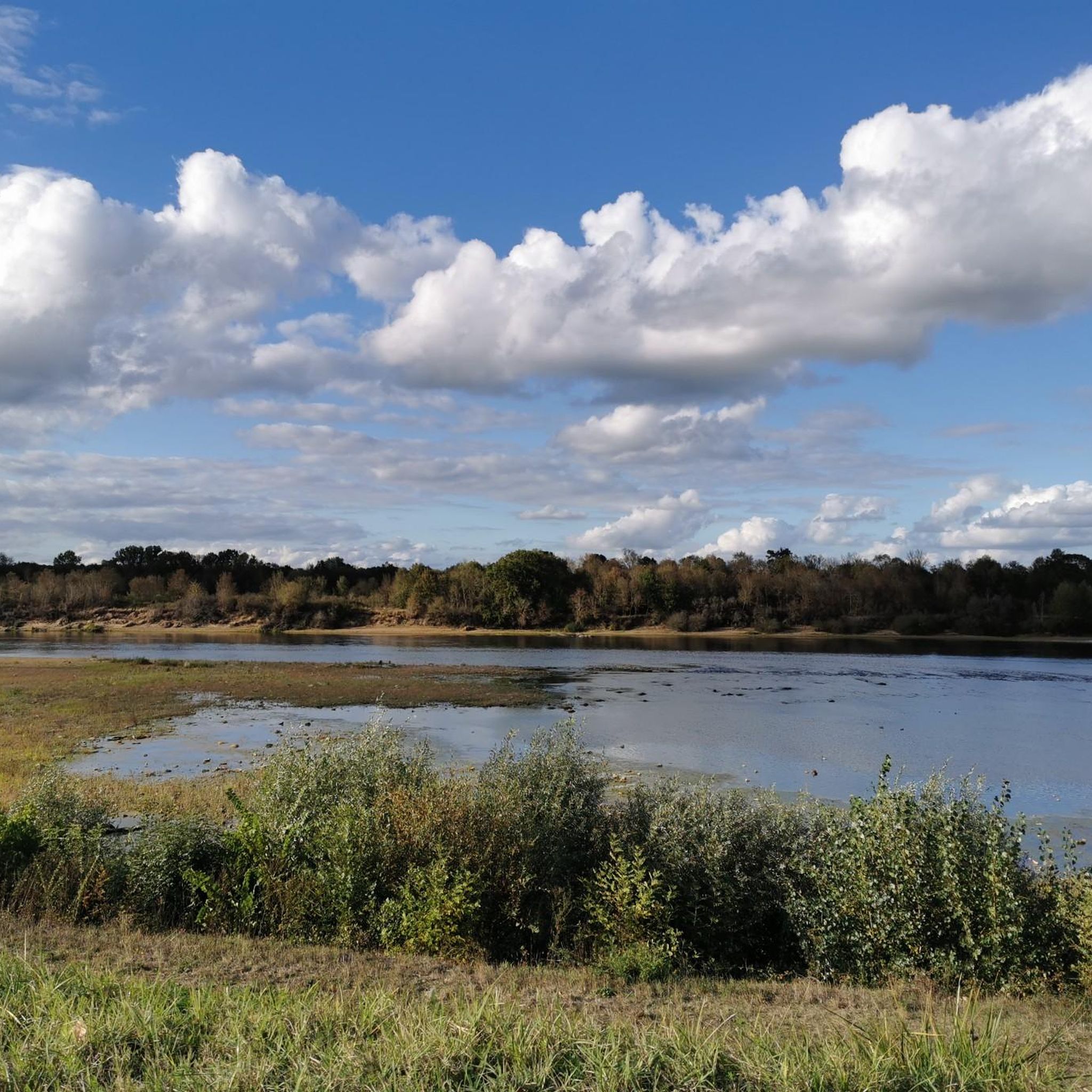
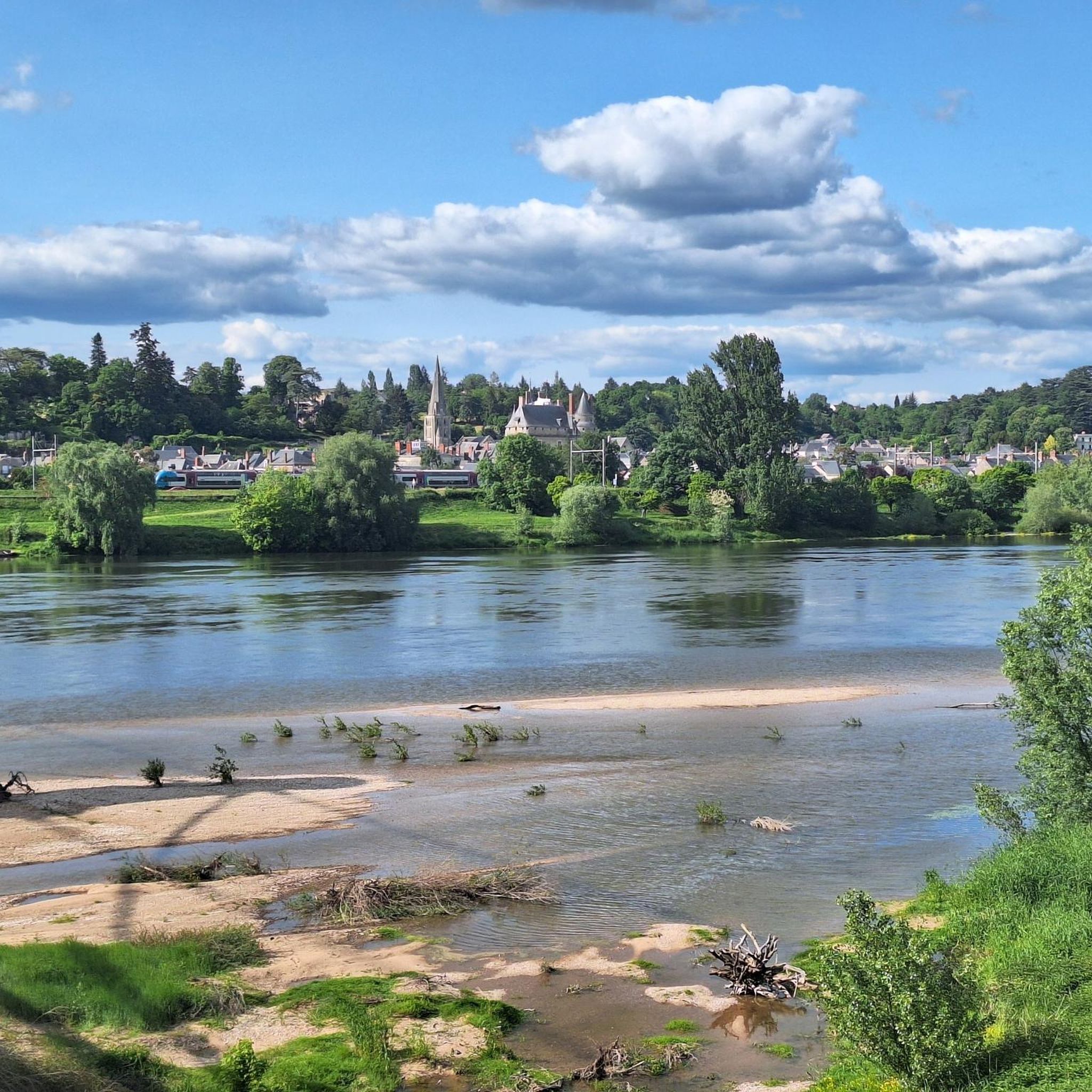
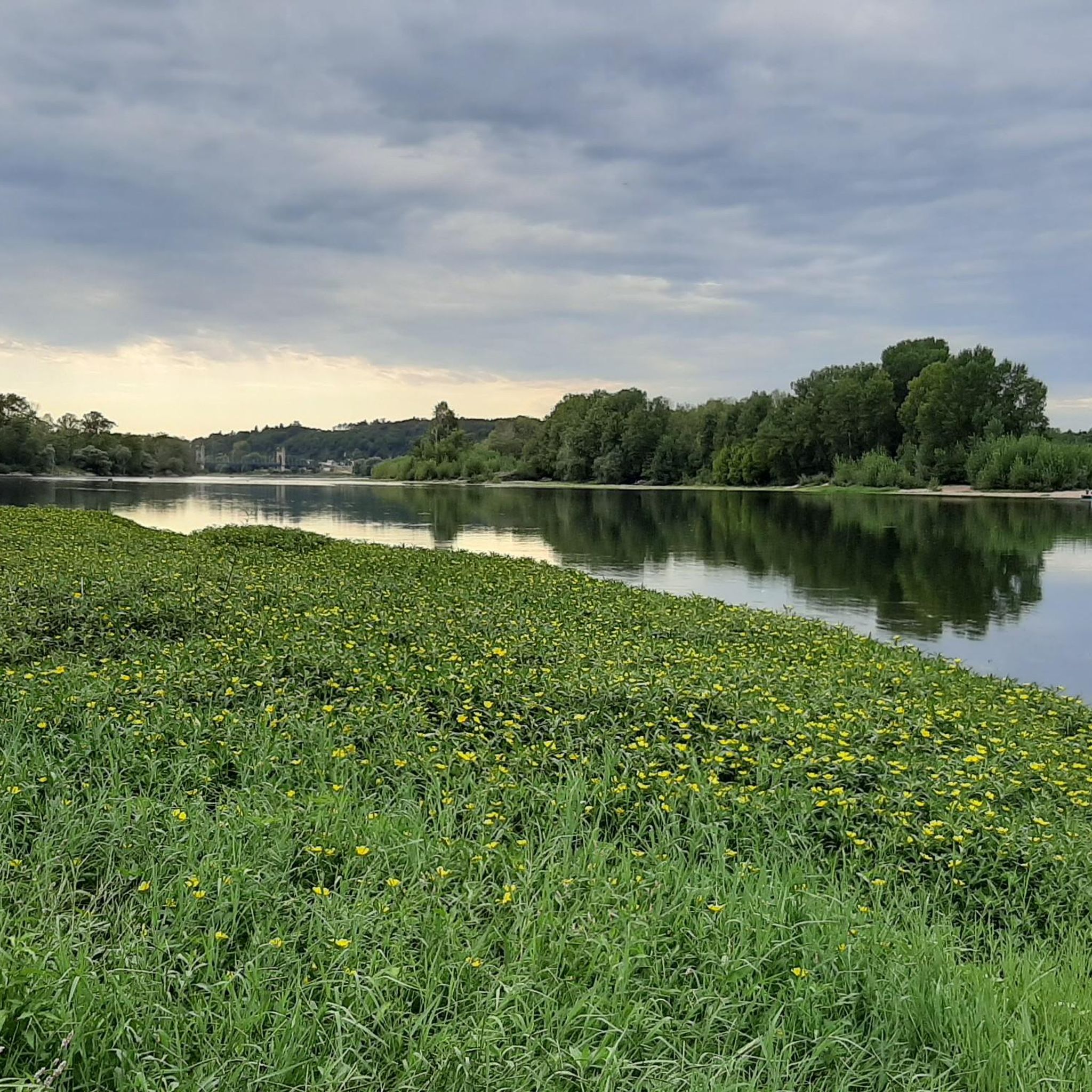
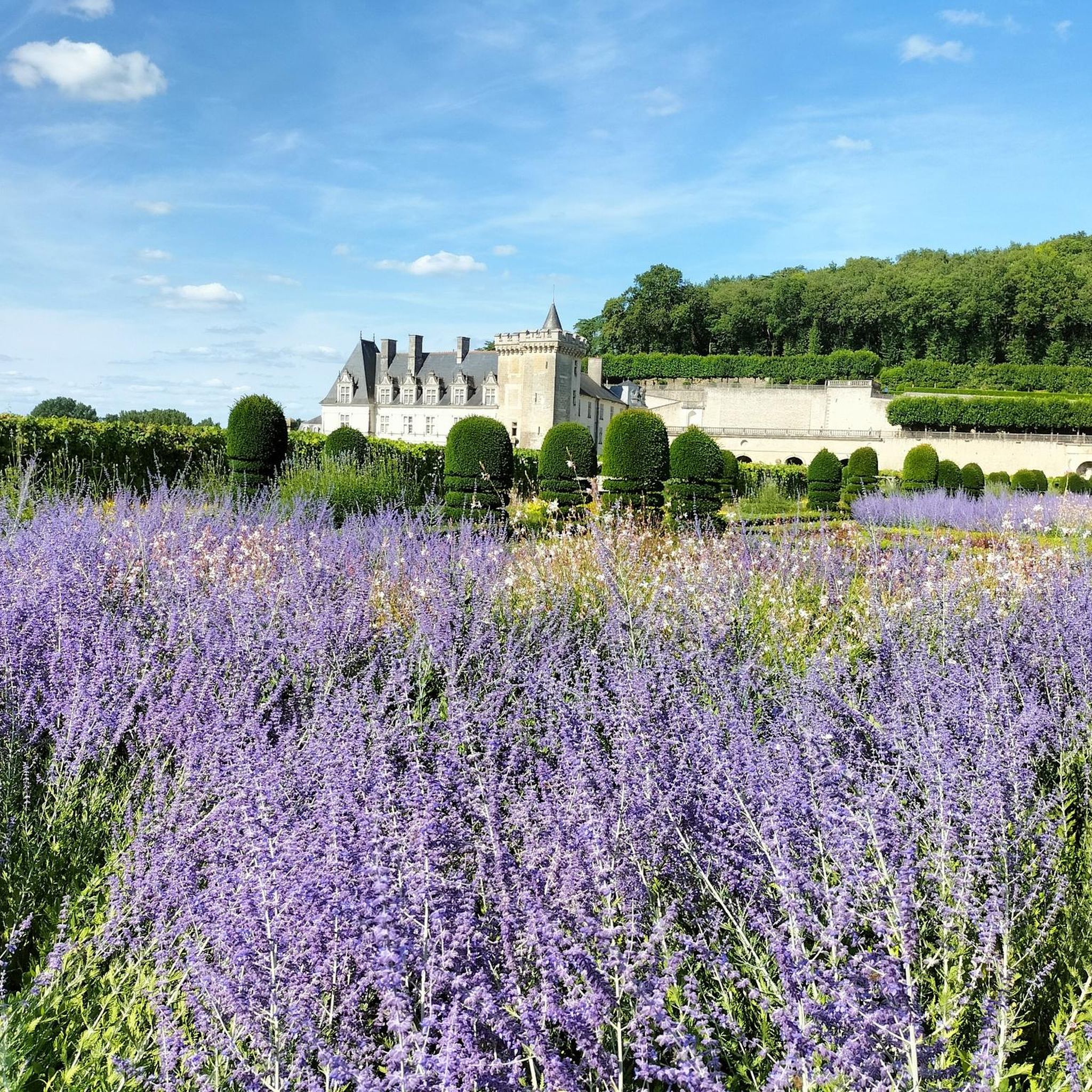
Tips from the Community

History in brief Antiquity: the site is strategically located on a promontory and has been inhabited for 3,000 years. It was not fortified until the end of the Roman Empire. Middle Ages: in 1154, the new King of England, Henry II Plantagenet, became ruler of an empire stretching from Scotland to the Pyrenees and made Chinon his continental capital. He had a large palace built next to the fortress, which has now disappeared. In 1189, abandoned by his sons, Richard the Lionheart and John Lackland, and fleeing from the King of France, he eventually died there. Philippe Auguste had the defensive Tour du Coudray built there after the siege of 1205. Renaissance: in 1454, the fortress became the main residence of Queen Marie d'Anjou, who lived there without her husband. She spent lavishly on decorating the house to her taste. From the 16th century onwards, the fortress was gradually abandoned and fell into disrepair. Despite the dangerous nature of the terrain, it became a public promenade in 1824 and was listed as a monument in 1840. The restoration of the estate began in 1854 thanks to the efforts of the writer Prosper Mérimée. Source: https://loirelovers.fr/en/visit-royal-fort-chinon/
6
0
This impressive suspension bridge spans the Loire between La Chapelle-aux-Naux and Langeais and was originally completed in 1849. The bridge has been repaired and rebuilt many times and has a two-lane road over the Loire. On the Langeais side, a walk along the banks of the Loire, on both sides of the bridge, is highly recommended. The Langeais bridge is a stubborn bridge. It has been rebuilt five times! The story begins in 1848, the year in which King Louis Philippe authorised the construction of a "wire bridge", as it was then called (bridge 1). But wires are excellent lightning conductors! And 10 years after its opening in 1859, the bridge collapsed into the Loire after a heavy storm, its deck and suspension elements. Two years later in 1861, the bridge was repaired and operational again as a toll bridge (bridge 2). But shortly afterwards, in 1870, war broke out and the advance of the Prussian enemy had to be slowed down. Boom! Bridge was blown up (bridge 3) The fourth was completed in 1914, but then came the... car! They were heavy, they came and went! The bridge therefore had to be extensively rebuilt to bear the weight of modernity. This happened in the 1930s, and the opportunity was taken to decorate the bridge with its very special Gothic pillars, which reflected the Gothic style of the castle; the two form a mirror image. Bridge 4 was built! All is well, all is well... but then it is June 1940. And this time it is the Germans who have to be stopped. To stop the invader, the bridge was blown up again. After first using a ferry and then a temporary footbridge, the inhabitants waited until 1949 for a bridge over the Loire (bridge 5). The bridge of Langeais is the only bridge between Tours and Port Boulet. It is now a rather imposing bridge with a turbulent history.
2
0

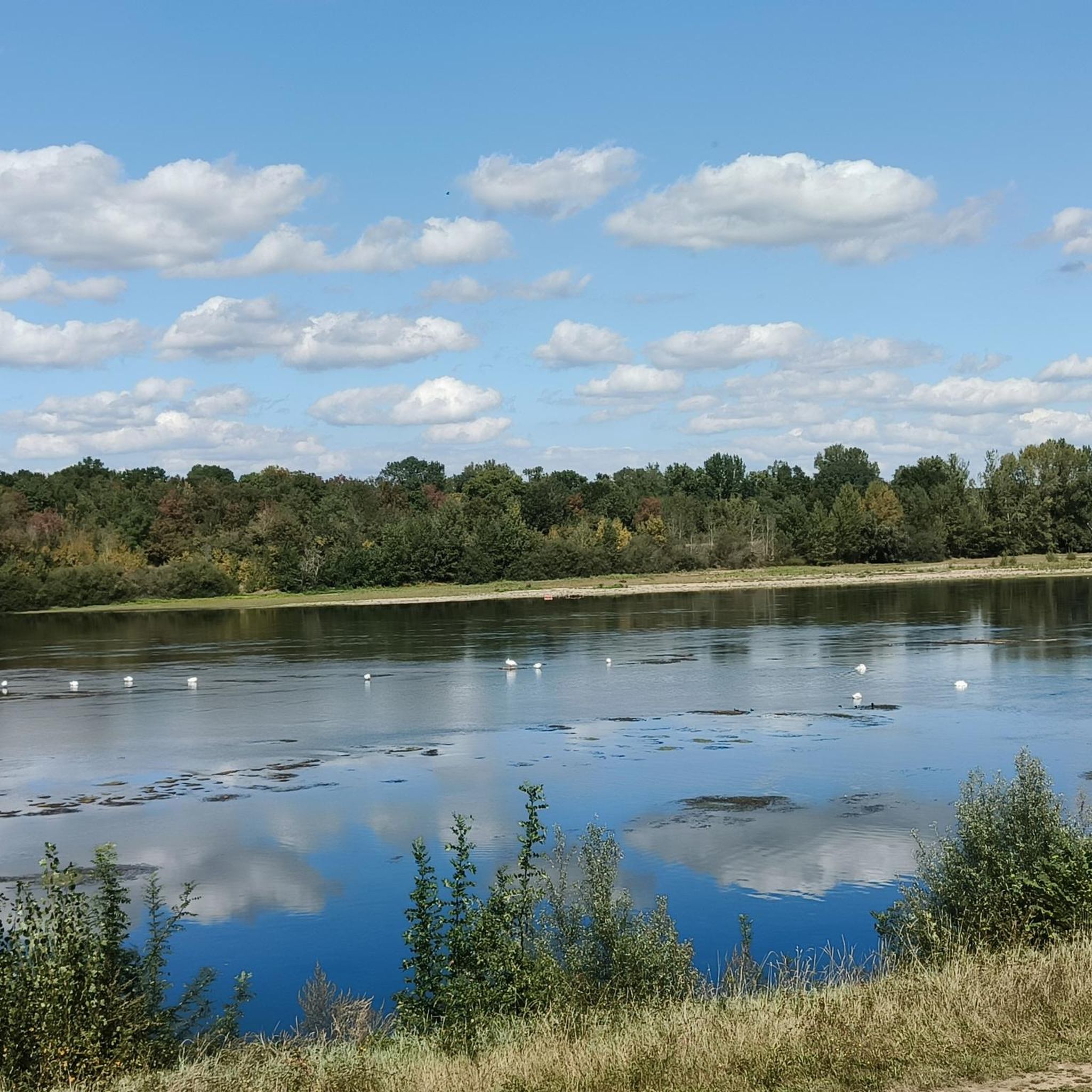
Magnificent view of the Loire. Possible stopover (picnic, meal, bar)
0
0
WARNING For safety reasons, the bridge may only be crossed by hand! Enjoy the great current at walking pace.
5
0
Bréhémont, a former annex of the parish church of Rivarennes, only became a parish in 1789. The church was built in 1843 in the neo-Gothic style. Three years later, five stained glass windows for the choir and the side chapels (bays 0, 1, 2, 3, 4) were ordered by the Parisian Émile Laurent, who had ties with Auguste Galimard and who had designed the plans. Source: https://patrimoine.centre-valdeloire.fr/gertrude-diffusion/dossier/IM37003094
6
0
Situated on the banks of the Indre, from the bridge you have a beautiful view of the site and the beautiful 16th century mill.
5
0
A special location that you should not miss. Take a seat on the terrace to replenish your burnt sugars. Small repairs can be done here. Be sure to take a look inside the studio.
5
0
On the horizon, when the weather is clear, you can see the silhouette of the Château de Ussé. This fairytale castle has a magical appearance that overlooks the Indre and the Loire. It is so beautiful that it inspired Charles Perrault for his Sleeping Beauty. Triggered? Drive there and you will end up in a fairytale world. Young and old, immerse yourself in castle life and the scenes from this fairytale come to life before your eyes. Follow in the footsteps of Vauban, Perrault, Chateaubriand, Le Nôtre and the Blacas family, who still live in this illustrious castle in the Loire Valley.
5
0
Frequently Asked Questions
How many gravel bike trails are available around Lignières-De-Touraine?
There are over 15 gravel bike trails around Lignières-De-Touraine, offering a variety of experiences for different skill levels. The komoot community has explored 19 routes in total, ranging from easy to difficult.
What kind of terrain can I expect on gravel bike trails in Lignières-De-Touraine?
The terrain around Lignières-De-Touraine is quite varied, featuring a good mix of natural paths and quiet country roads. You'll encounter mostly flat sections interspersed with gentle climbs, traversing dense forests, open prairies, vineyards, and orchards. The region is known for its 'beau Gravel' (beautiful gravel), providing both pleasant riding and engaging challenges.
Are there any easy or beginner-friendly gravel bike routes?
While many routes offer engaging challenges, the area does cater to various abilities. For a less strenuous ride, consider routes that stick to the flatter sections along the Loire River. The region's blend of trails and smaller roads often provides a comfortable experience for those new to gravel biking, especially on routes with minimal elevation gain.
What are some challenging gravel bike trails in the area?
For those seeking a challenge, many routes in the region are rated as difficult. For instance, the View of the Loire River – Ussé Castle loop from Lignières-de-Touraine is a demanding 69.7-mile (112.1 km) trail that includes significant elevation changes and takes over 7 hours to complete. Another difficult option is the Ussé Castle – View of Ussé Castle loop from Azay-le-Rideau, spanning 53.1 miles (85.4 km) with notable climbs.
Can I find circular gravel bike routes around Lignières-De-Touraine?
Yes, many of the gravel bike routes in the Lignières-De-Touraine area are designed as circular loops, allowing you to start and finish at the same point. This is ideal for exploring the diverse landscapes without needing to arrange transport back to your starting location. For example, the View of Ussé castle – The Azay Mill loop from Azay-le-Rideau is a popular circular trail.
What natural features or landscapes will I see on these trails?
Gravel biking around Lignières-De-Touraine offers a rich tapestry of natural beauty. You'll traverse dense forests, open prairies, and picturesque vineyards and orchards, especially along routes like the 'Sentier des Vergers'. The majestic Loire River is a defining feature of the broader Touraine region, providing stunning vistas and serving as a scenic backdrop for many rides. The area is also part of the Loire-Anjou-Touraine Regional Nature Park, ensuring diverse natural environments.
Are there any historical landmarks or attractions along the gravel routes?
Absolutely! The region is rich in history and culture. Many gravel routes pass by or near renowned châteaux of the Loire Valley. You might encounter the magnificent Ussé Castle, the elaborate Gardens of the Château de Villandry, or the charming L'Islette Castle. The Langeais Bridge is another notable landmark you might cross.
What do other cyclists say about gravel biking in Lignières-De-Touraine?
The gravel biking experience in Lignières-De-Touraine is highly rated by the komoot community, with an average score of 4.7 out of 5 stars from 3 reviews. Over 90 gravel bikers have used komoot to explore the area, often praising the superb quality of its paths and the beautiful, varied terrain that offers both pleasant rides and engaging challenges.
Is Lignières-De-Touraine suitable for family gravel biking?
Yes, the region offers sections that are well-suited for family gravel biking. The mix of quiet country roads and natural paths, often with mostly flat sections, provides a safe and enjoyable environment for riders of all ages. Routes that explore orchards and vineyards, or those with minimal elevation, can be particularly pleasant for families looking for a scenic and relaxed ride.
Are there options for parking when accessing gravel bike trails?
Yes, Lignières-De-Touraine and its surrounding towns offer various parking options, especially in proximity to popular starting points for gravel bike routes. Many villages and towns in the Touraine region are accustomed to welcoming cyclists, so you can typically find convenient places to park your vehicle before heading out on your ride.
When is the best time of year to go gravel biking in Lignières-De-Touraine?
The spring and autumn months are generally ideal for gravel biking in Lignières-De-Touraine. During these seasons, the weather is typically mild, and the natural landscapes, including vineyards and forests, are particularly beautiful. Summer can also be pleasant, though it's advisable to start earlier in the day to avoid the midday heat. Winter rides are possible, but conditions may be cooler and paths potentially muddier.
Are there any routes that offer views of the Loire River?
Yes, the Loire River is a prominent natural feature in the region, and several gravel routes offer stunning views of this iconic waterway. For example, the View of the Loire River – View of the Loire at Bréhémont loop from Lignières-de-Touraine is a great option for experiencing the river's scenic beauty.
Can I find places to eat or stay near the gravel bike trails?
Lignières-De-Touraine and the surrounding charming villages and towns like Langeais, Azay-le-Rideau, and Chinon offer various amenities for cyclists. You'll find local cafés, restaurants, and accommodation options ranging from guesthouses to hotels. Many establishments cater to visitors exploring the region, making it easy to refuel and relax after your ride.
Most popular routes around Lignières-De-Touraine
Most popular attractions around Lignières-De-Touraine

Get inspired with the komoot mobile app


Explore more
Browse the best Gravel rides in other regions.
