The best mountain hikes around Saint-Sixt
5.0
(3)
14
hikers
2
hikes
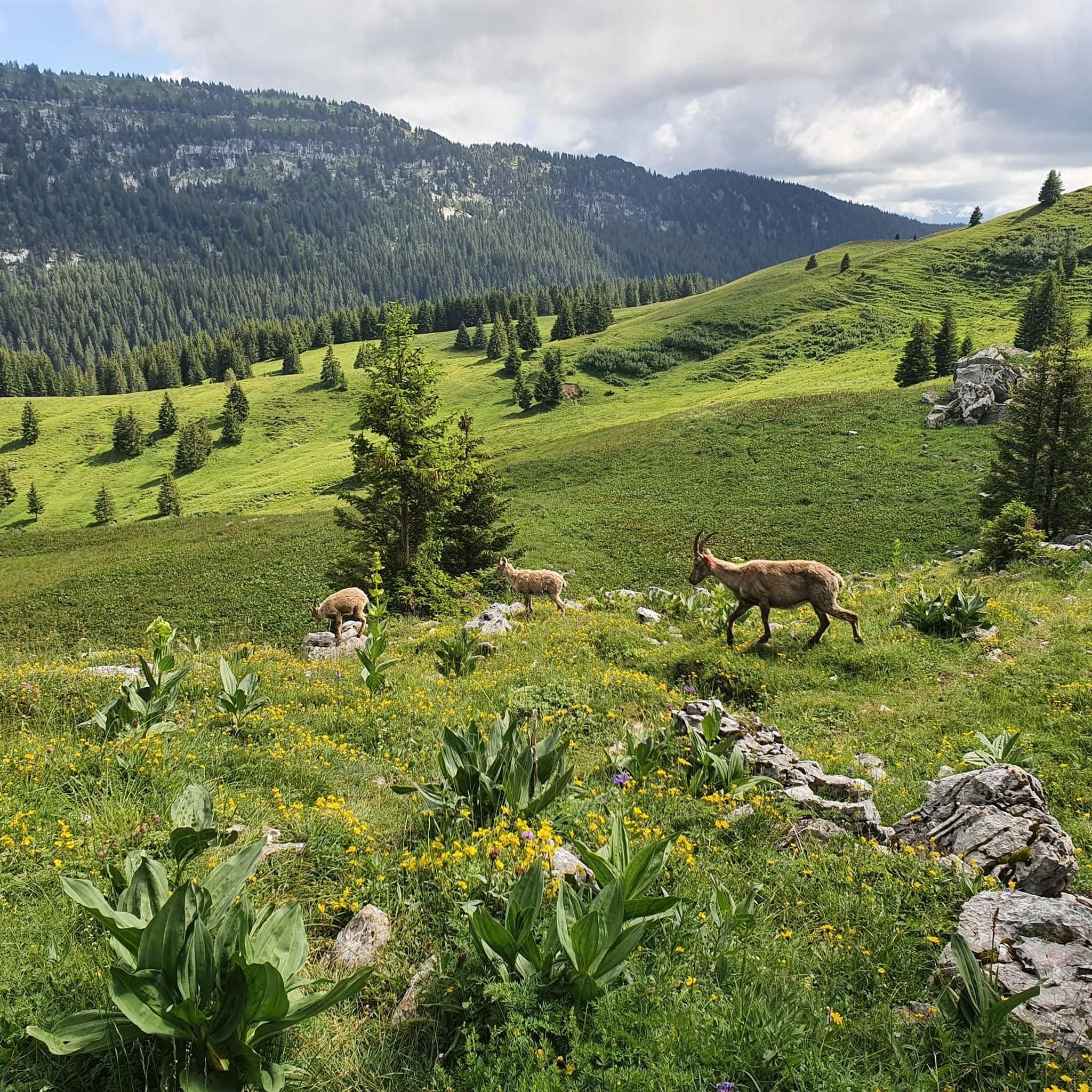
Mountaineering routes around Saint-Sixt traverse the diverse Alpine landscapes of the Haute-Savoie region, encompassing both the Aravis massif and the dramatic Giffre valley. The terrain is characterized by imposing limestone cliffs, high mountain passes, and significant peaks such as Mont Buet, offering challenging ascents and panoramic views. Dense forests and alpine meadows are also prevalent, particularly within the Sixt-Passy Nature Reserve, providing varied environments for mountaineering.
Best mountaineering routes around Saint-Sixt
- The most popular mountaineering route is Montagne de Sous-Dîne…
Last updated: May 2, 2026
5.0
(2)
6
hikers
Moderate mountaineering route. Good fitness required. Mostly accessible paths. Sure-footedness required.
5.0
(1)
7
hikers
16.6km
07:30
1,340m
1,340m
Hard mountaineering route. Very good fitness required. Sure-footedness, sturdy shoes and alpine experience required.

Sign up for free
1
hikers
11.6km
03:56
570m
570m
Moderate mountaineering route. Good fitness required. Mostly accessible paths. Sure-footedness required.
Our route recommendations are based on thousands of hikes, rides, and runs completed by other people on komoot.
Start today with a free account
Your next adventure awaits.
Login or Signup
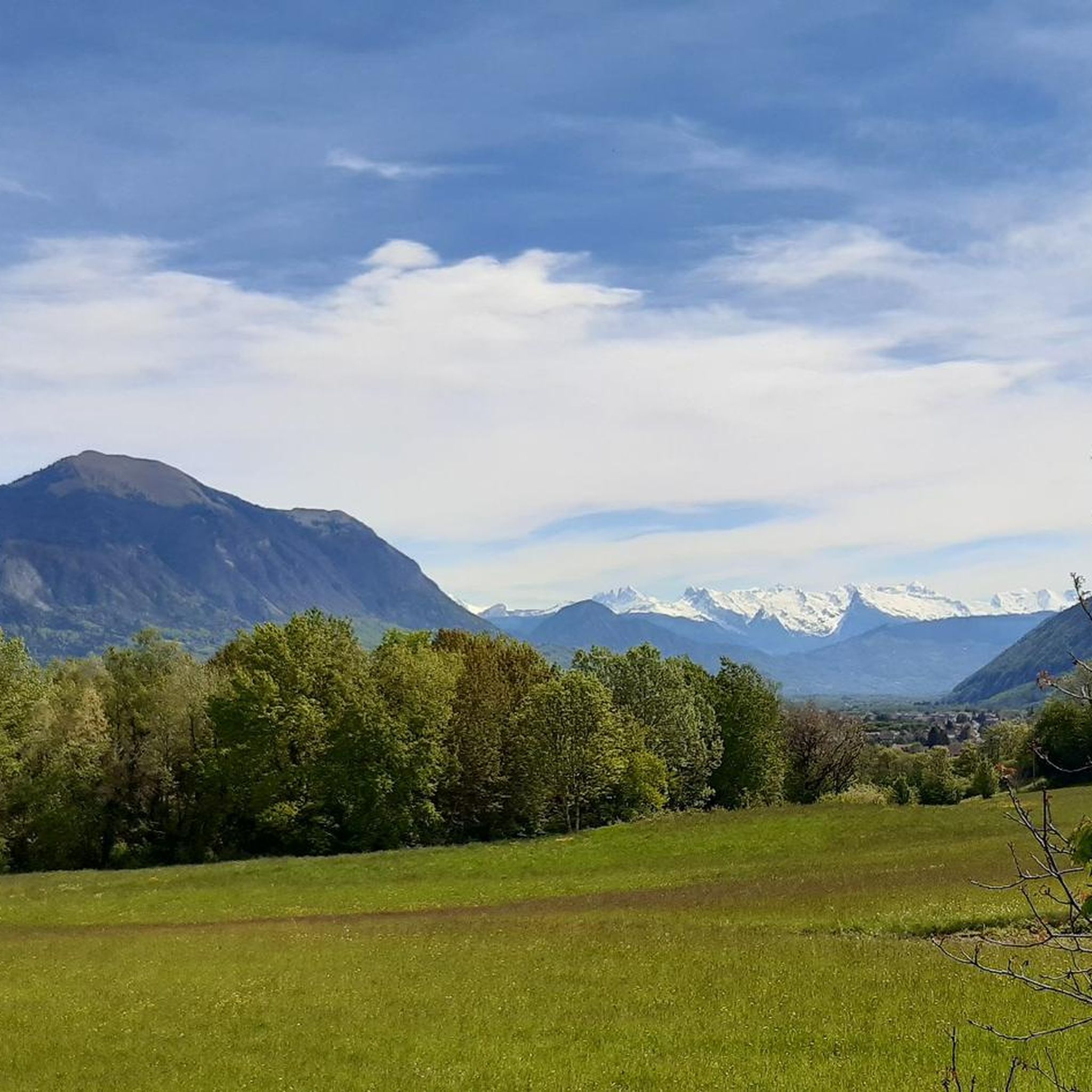
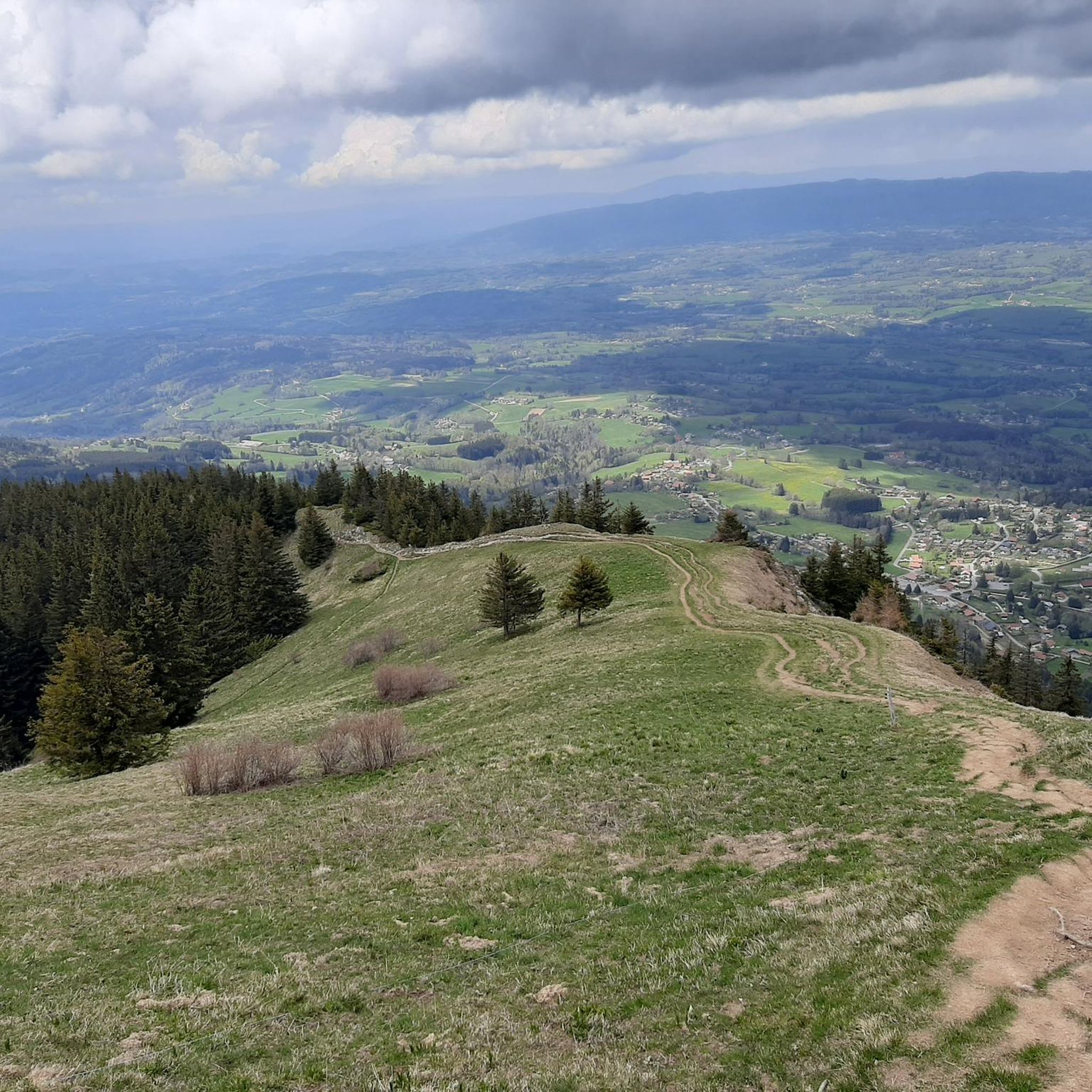
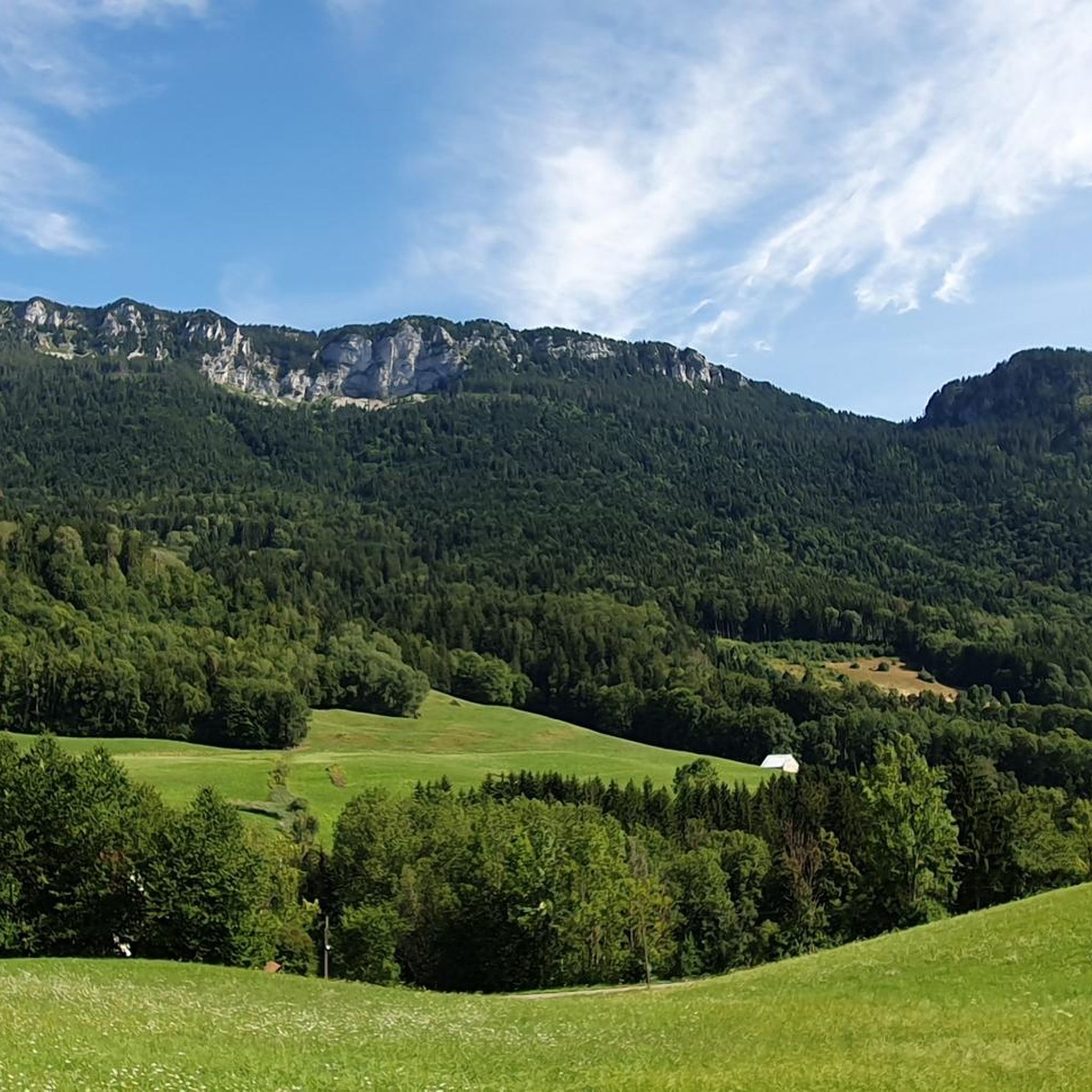
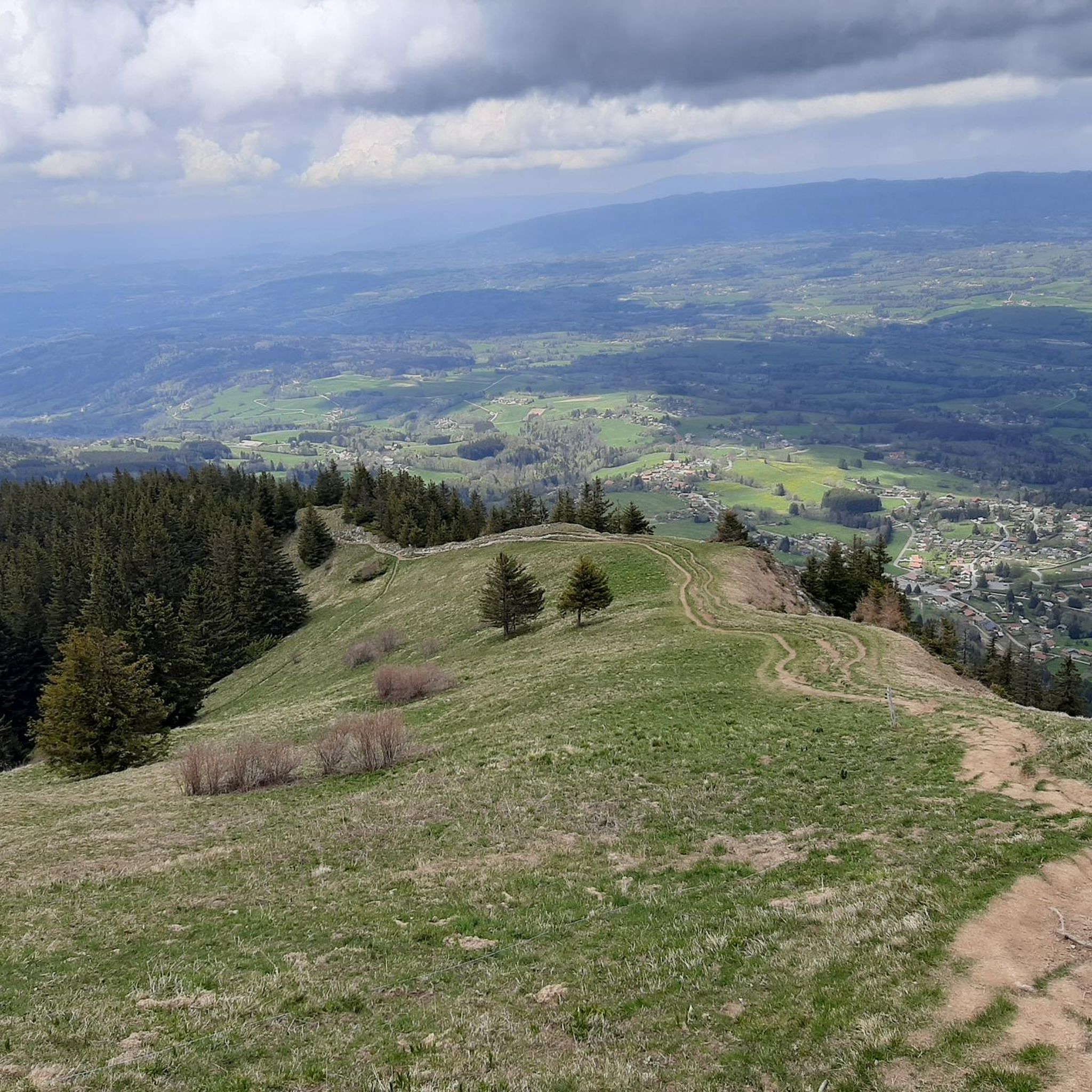

Tips from the Community

Very nice hike. It was quite crowded today. Contrary to what’s written in the description, I didn’t see any particularly risky passages
0
0

view of Mont Blanc, Lake Annecy and the Glieres plateau
0
0
Because it’s pretty and in summer, there are even cows that make very beautiful Reblochon
0
0


Intersection point Les Gallinons Altitude 710m
0
0

Frequently Asked Questions
What types of mountaineering routes can I find around Saint-Sixt?
The Saint-Sixt area, encompassing both the Aravis massif and the Giffre valley, offers a variety of mountaineering routes. You'll find paths traversing imposing limestone cliffs, high mountain passes, and significant peaks. The terrain also includes dense forests and alpine meadows, particularly within the Sixt-Passy Nature Reserve. Routes range from moderate ascents to more challenging high-altitude expeditions.
Are there any circular mountaineering routes in Saint-Sixt?
Yes, there are several circular routes available. For example, you can explore the Montagne de Sous-Dîne loop from La Culaz, which is a moderate 6.7-mile (10.8 km) trail. Another option is the Le Môle – Petit Môle loop from Ayse, a more challenging 10.2-mile (16.4 km) route.
What are some notable landmarks or viewpoints I might encounter on these routes?
Mountaineering in Saint-Sixt offers access to stunning natural landmarks and viewpoints. You might pass through areas offering views of the majestic Aravis range, or even Mont Blanc on clear days. Specific highlights include the Glières Pass and the Pas du Roc viewpoint. The region is also home to the dramatic Cirque du Fer-à-Cheval, an immense natural limestone amphitheater with numerous waterfalls in spring.
Are there any routes suitable for families or beginners?
While the guide focuses on mountaineering, which generally requires good fitness and experience, some areas like Sixt-Fer-à-Cheval offer extensive hiking trails for all levels, including easier family-friendly loops. For mountaineering specifically, the routes listed are generally moderate to difficult, so beginners should seek guided tours or easier hiking alternatives first.
What is the best time of year for mountaineering in Saint-Sixt?
The best time for mountaineering typically depends on the specific route and conditions. Spring brings over thirty cascading waterfalls in areas like the Cirque du Fer-à-Cheval, while summer offers generally stable weather for higher altitude treks. Always check local weather and trail conditions before heading out, especially for higher peaks like Mont Buet.
Can I bring my dog on the mountaineering trails?
The region includes protected areas like the Sixt-Passy Nature Reserve. While some trails may be dog-friendly, regulations can vary, especially within nature reserves where wildlife protection is paramount. It's always best to check specific trail rules and local signage regarding dogs before you go, and ensure your dog is kept on a leash where required.
Are there any waterfalls to see along the mountaineering routes?
Absolutely! The Sixt-Fer-à-Cheval area is particularly famous for its waterfalls, especially in spring when snowmelt feeds over thirty cascades in the Cirque du Fer-à-Cheval. Notable ones include the magnificent Cascade du Rouget, also known as the 'Queen of the Alps', which plunges over 80 meters.
What is the difficulty level of mountaineering routes in Saint-Sixt?
The mountaineering routes around Saint-Sixt cater to various levels of experience. This guide features routes that are primarily moderate, such as the Plan du Loup – View of Tête Ronde loop from Réserve biologique dirigée de la Montagne des Frêtes, and more difficult options like the Le Môle – Petit Môle loop from Ayse. Challenging high-altitude routes, like the ascent of Mont Buet, require significant fitness and alpine experience.
What do other mountaineers enjoy most about the routes in Saint-Sixt?
The area is highly rated by the komoot community, with an average score of 5.0 stars. Mountaineers often praise the dramatic limestone cirques, the extensive natural reserves, and the diverse options available for different ability levels, from moderate ascents to more challenging high-altitude routes.
Are there options for accommodation or refuges along the trails?
Yes, for longer or more challenging mountaineering routes, especially those involving high peaks like Mont Buet, there are refuges available. The Vogealle Refuge, for instance, is a key stop-off point for mountaineers in the Sixt-Fer-à-Cheval area. It's advisable to research and book refuges in advance, particularly during peak season.
How accessible are the trailheads by public transport or car parking?
While specific parking information for each trailhead varies, the region is generally accessible. Saint-Jean-de-Sixt and Sixt-Fer-à-Cheval serve as good bases. For detailed public transport options to specific trailheads, it's recommended to consult local tourist information or transport providers. Parking is usually available near popular starting points, but it's wise to arrive early during busy periods.
Are there any other outdoor activities available in the Saint-Sixt region besides mountaineering?
Beyond mountaineering, the Saint-Sixt region is a hub for various outdoor activities. You can enjoy extensive hiking trails for all levels, cycling, mountain biking, paragliding, and even white-water rafting on the Giffre river. In winter, the area transforms into a destination for skiing, snowshoeing, and dog sledding.
Most popular routes around Saint-Sixt
Most popular attractions around Saint-Sixt

Get inspired with the komoot mobile app


Explore more
Browse the best Mountain Hikes & Routes in other regions.
